

Showcase your capabilities
If you design, build or supply Embedded Computing, create a profile to showcase your capabilities and connect with visitors who have an active requirement for your solutions.




Embedded computing solutions are onboard processing platforms that enable unmanned systems to control vehicles, manage payloads, process sensor data, and support autonomous mission execution. Used across UAVs, UGVs, USVs, ROVs, and AUVs, these systems combine CPUs, GPUs, FPGAs, AI accelerators, networking, and secure storage within rugged, SWaP-constrained architectures.
This page showcases leading embedded computer manufacturers, delivering solutions for real-time control, sensor fusion, edge AI, machine vision, communications routing, diagnostics, and cybersecurity.
Read the Technology Overview
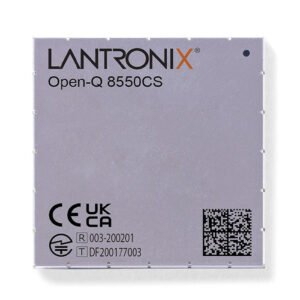
Edge AI Compute & SOM Platforms for Next-Generation UAV Autonomy & Robotics

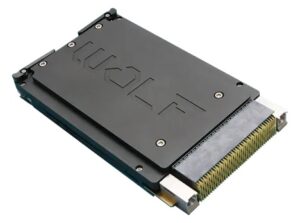
Rugged Computing and Video I/O Modules: 6U & 3U VPX, XMC, VNX+, and other Small Form Factors and Custom Solutions

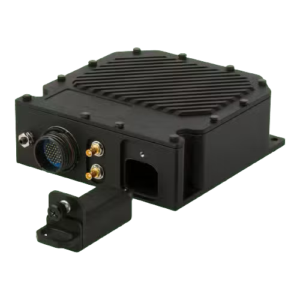
Edge AI Video Processing & Streaming Solutions Providing Real-Time Situational Awareness for Mission-Critical UAVs & Unmanned Systems

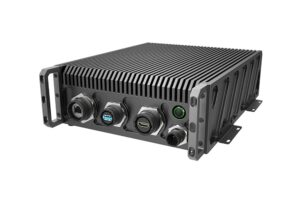
Rugged Ground Control Stations (GCS), Special Harness & Turnkey Solutions for Mission-Critical Unmanned Systems & Robotics

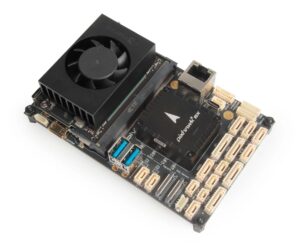
Innovative Drone Autopilots, Navigation Systems, and Other Hardware Peripherals & Accessories for UAVs

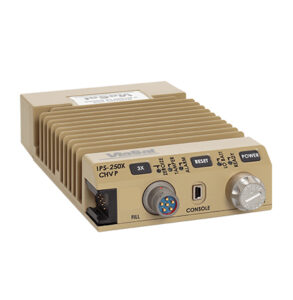
Secure Network Connectivity Solutions & IFF Mode 5 Encryptor Devices for Military & Government UAVs & Unmanned Systems

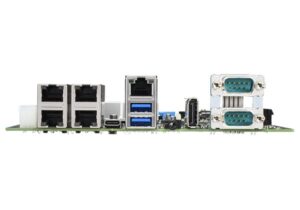
Industrial-Grade Embedded Computer Systems for AI Edge Computing & Machine Learning

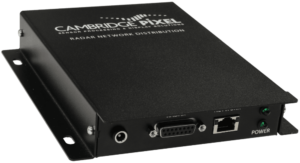
Radar Software & Sensor Processing Solutions, Maritime Radar Control, Tracking & Visualization for USV


Onboard Video Processing Software and Hardware for Unmanned Systems

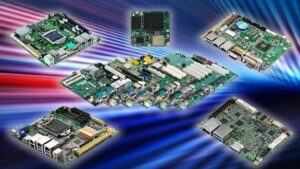
Mission-Critical Embedded Computing Platforms for Drones & Robotics

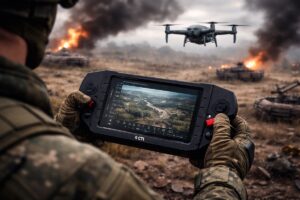
Rugged Computing Solutions for Mission-Critical UAVs & Unmanned Systems

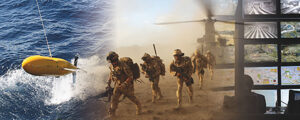
Ultra-Reliable Rugged Hardware Solutions for Mission-Critical UAVs & Unmanned Systems Operating in Extreme Environments

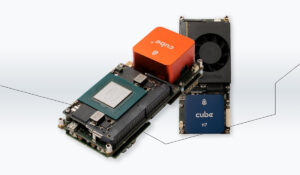
Cutting-Edge Drone Autopilots & UAS Platforms | Hardware & Software Solutions for Drones & Unmanned Systems

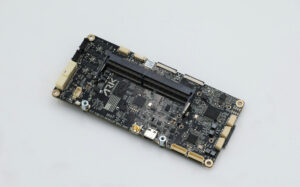
Cutting-Edge Flight Controllers, Sensors, and Other Electronics Technologies for Drones & Robotics

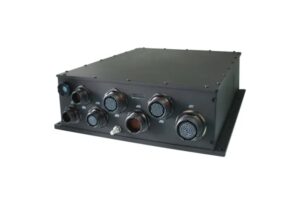
Electro-Optical Surveillance and Video Processing for Unmanned Systems & Counter-Drone Applications

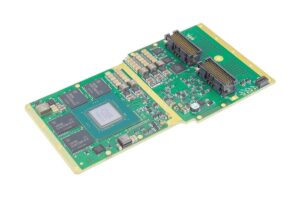
High-Performance Video Graphics, GPGPU, AI/ML Processing & Display Solutions for C5ISR Applications

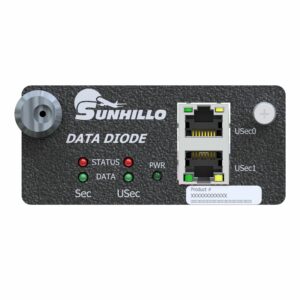
Radar & ADS-B Surveillance Data Fusion, Integration & Display | UAV Tracking & ATC Integration

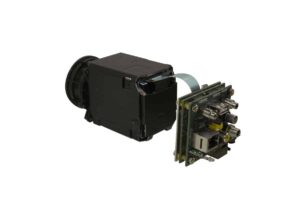
4K HD Cameras and Video Processing Solutions for Drones and Robotics

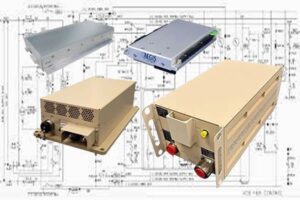
Rugged Power Supplies and Power Converters for Unmanned Systems & UAVs

If you design, build or supply Embedded Computing, create a profile to showcase your capabilities and connect with visitors who have an active requirement for your solutions.

Embedded computing solutions form the onboard processing foundation of modern unmanned systems, turning raw sensor inputs into critical operational behavior. Unlike standard desktop hardware, embedded computing for unmanned vehicle control centers on specialized modules which execute tasks within highly restricted size, weight, power, and thermal constraints while enduring intense vibration, shock, and environmental extremes.
For smaller platforms, developers rely on a small form factor embedded computer or a compact embedded computer module paired with a tailored carrier board. As mission complexity grows, the architecture scales to rugged computing systems, custom embedded computers, or modular backplane units, processing extensive data entirely onboard to enable real-time autonomy when communications are disrupted or denied.
Real-time processing is a defining requirement for unmanned vehicle control, ensuring that stabilization, navigation corrections, and safety monitoring occur within deterministic time windows. High performance embedded computer systems coordinate high-rate inertial data, actuator responses, and motor feedback with minimal latency to prevent critical control loops from being interrupted by secondary computing tasks.
Unmanned platforms depend on robust sensor fusion to combine inputs from GNSS, inertial measurement units, radar, LiDAR, sonar, and EO/IR cameras into a resilient operational picture. The embedded computing platform aligns these disparate data streams in both time and space, reducing false detections and maintaining accurate navigation context even in cluttered, GPS-denied, or low-visibility environments.
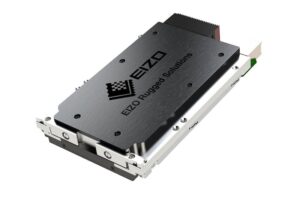
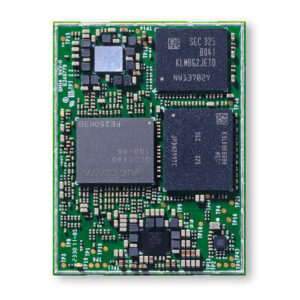
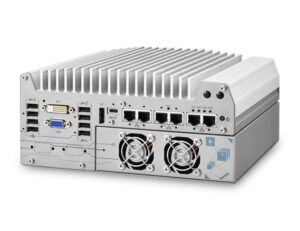
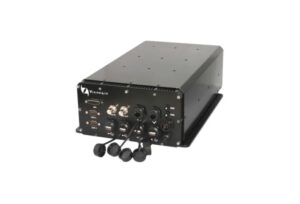
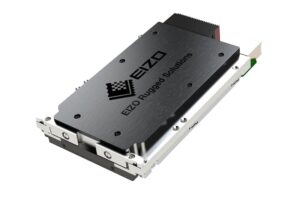
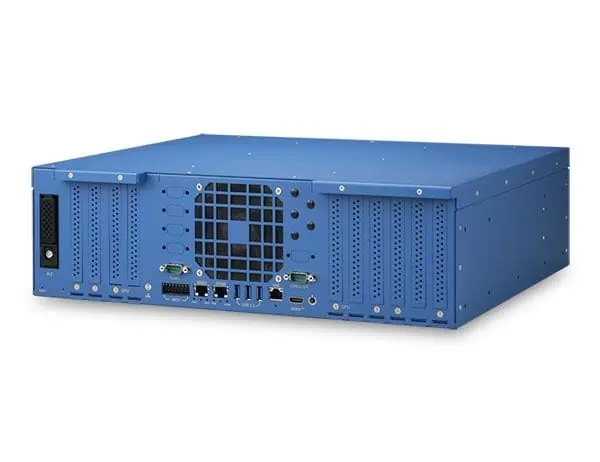
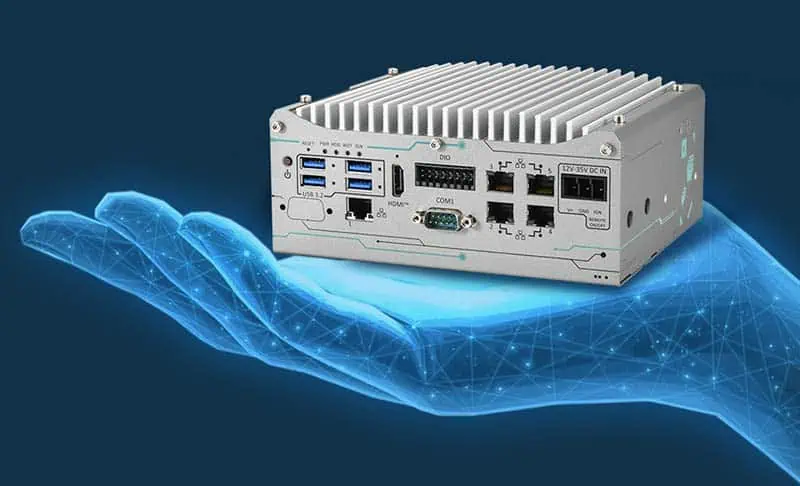
Condor GR5SL-B5000 Embedded Computing Solution by EIZO Rugged Solutions
Onboard processing enables the transition from remote piloting to supervised autonomy, running navigation filters, path optimization routines, and mission logic. To maintain safe operations, high-reliability compute modules for robotics platforms enforce a strict separation between advisory autonomy functions, like object identification, and authority-bearing vehicle commands, such as automated emergency recovery.
Beyond vehicle control, embedded computing devices manage the intricate timing, power, and data routing requirements of specialized payloads, including mapping cameras, gas sensors, and robotic arms. A well-designed embedded architecture allows for seamless peripheral integration, triggering data capture and synchronizing timestamps without compromising the processing headroom required for vehicle survival.
Sitting at the center of the vehicle network, embedded computer solutions handle traffic across internal buses like CAN and Ethernet while managing external radio, cellular, or satellite datalinks. Because modern imaging payloads generate more raw data than standard links can transmit, edge-processing systems prioritize critical telemetry and condense rich datasets into lightweight metadata packets. By integrating these systems into an Internet of Things (IoT) framework, operators can enable scalable fleet-wide health monitoring and centralized mission logging
Machine vision workloads require significant compute capability to process live optical, thermal, or sonar imagery for target tracking, feature extraction, and visual odometry. Integrating dedicated accelerators within the embedded architecture enables real-time terrain classification and automated landing-zone assessment directly at the edge, eliminating the latency of ground-station processing.
To safeguard high-value assets, the embedded architecture continuously monitors electronic component health by tracking current draw, temperature profiles, and storage integrity across all subsystems. If an anomaly is detected, the system initiates localized diagnostics or automated fault-management protocols, ensuring the vehicle can safely abort a mission or return to base before a critical failure occurs.
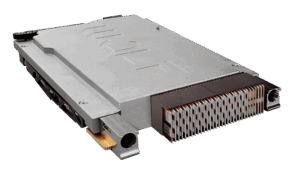
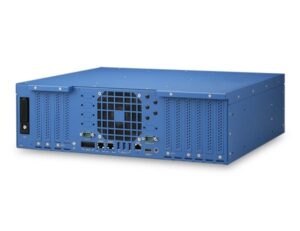
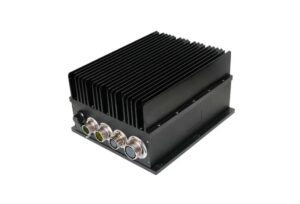
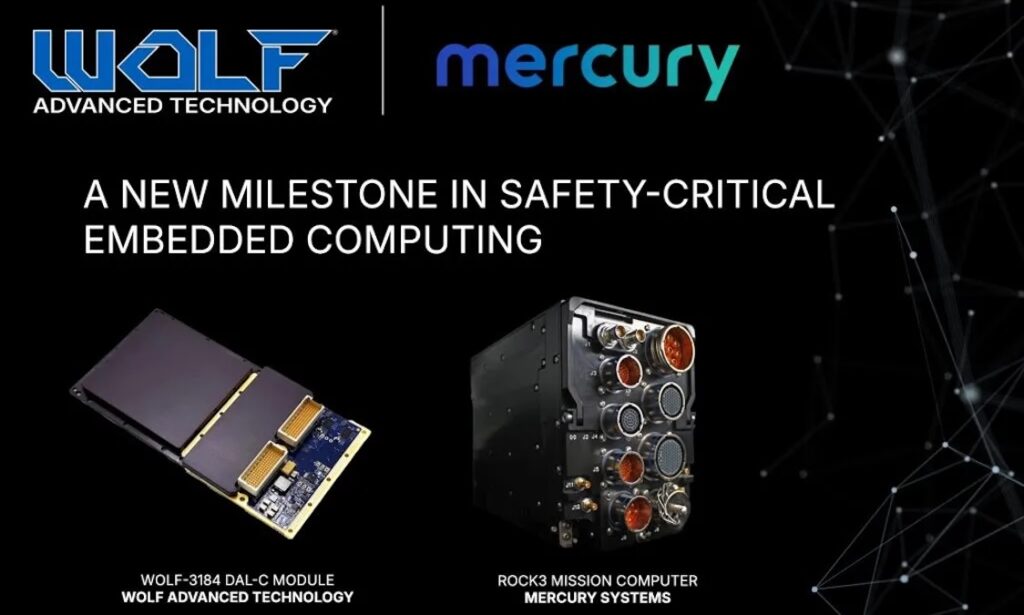
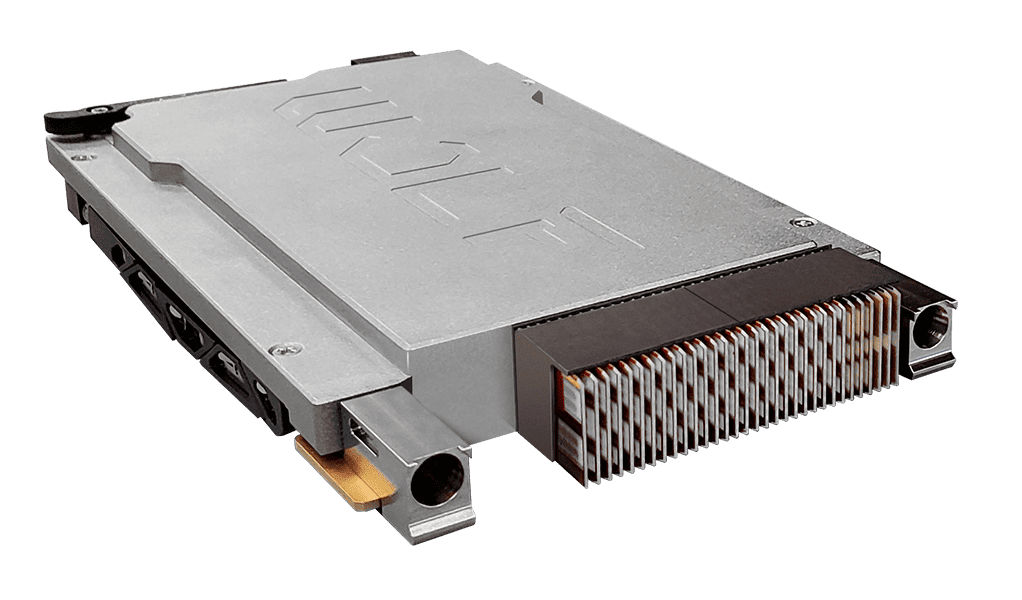
VPX3U-AD5000E-CX7 (WOLF-153L) Embedded Computer Module by Wolf Advanced Technology
UAVs demand strict efficiency because every gram of payload mass and watt of power directly impacts flight endurance. Small form factor rugged embedded computer modules are widely deployed in these platforms to support ISR, mapping, and industrial inspection missions.
While a dedicated flight controller manages core aerodynamic stability, a UAV rugged embedded computer handles intensive edge-AI tasks, camera stabilization, and object tracking. Thermal design remains a primary challenge, requiring fanless, sealed enclosures that conduct heat through the airframe to withstand solar loading and altitude changes.
UGVs require in-vehicle rugged embedded computers built to survive extreme mechanical shock, dust, mud, and water ingress during field operations. These platforms process near-field perception workloads by merging data from LiDAR, stereo vision, and wheel encoders to navigate complex terrain or urban environments.
For specialized Explosive Ordnance Disposal (EOD) and hazardous-duty robotics, the embedded system coordinates precise manipulator control and high-definition video feeds. Because these computers operate near heavy electric drivetrains, designers use isolated I/O and robust power conditioning to prevent electromagnetic interference.
Maritime deployments introduce severe environmental hazards, forcing engineers to specify maritime-grade computers featuring IP67-rated sealing against salt spray and specialized anti-corrosive coatings. Inside sealed subsea hulls where active airflow cooling is impossible, compact computing solutions must dissipate heat via conduction through the chassis.
Autonomous Underwater Vehicles (AUVs) rely entirely on onboard computing modules to run navigation filters and process sonar or acoustic data because radio signals cannot penetrate water. For Unmanned Surface Vehicles (USVs) and Remotely Operated Vehicles (ROVs), these systems manage autonomous collision avoidance, handle high-resolution camera streams, and sustain high-speed tether communications.
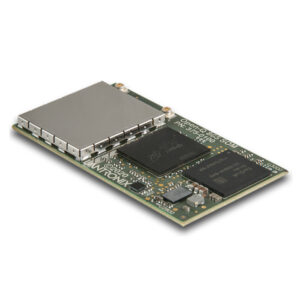
Single-Board Computers (SBCs) integrate processing, memory, and standard I/O onto a unified substrate to provide highly optimized, cost-effective computing. Alternatively, a computer-on-module architecture isolates core computing elements on a small mezzanine board that plugs into an application-specific carrier board, minimizing custom engineering layout complexities.. Leading computer-on-module manufacturers design these modular platforms to withstand extreme industrial temperatures, giving system integrators long-term technology upgrade flexibility.
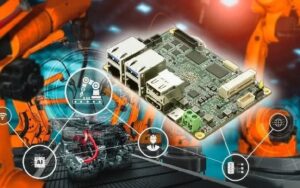
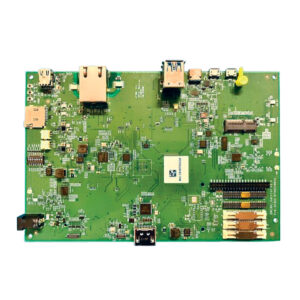
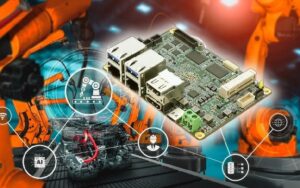
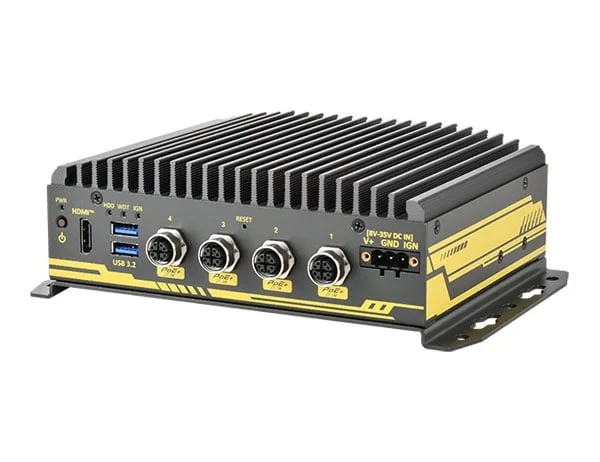
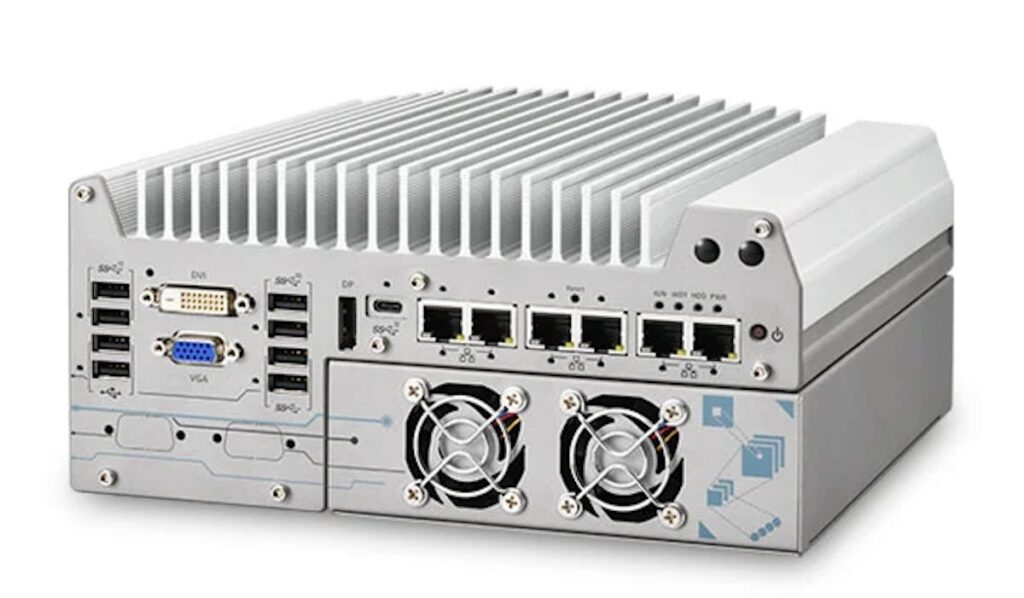
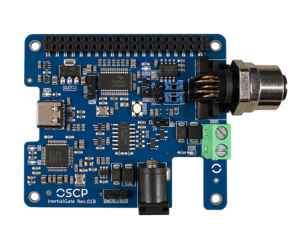
ARM Embedded Systems by Review Display Systems
Rugged embedded PCs consolidate computing hardware, internal power filtering, and durable external connectors into fully sealed, ready-to-mount enclosures that minimize integration overhead. Positioned at the apex of vehicle control, a specialized mission computer serves as the primary system coordinator, establishing secure data bridges between the autopilot, mission payload arrays, and edge-processing infrastructure.
When autonomous systems require extreme processing bandwidth, modular backplane architectures like VPX and OpenVPX deliver unmatched data routing speeds and mechanical structural integrity. These systems utilize standardized slots to allow interchangeable processing blades, FPGAs, and high-speed network switches to coexist seamlessly, reducing long-term obsolescence risks for large defense, radar, and advanced maritime processing installations.
Edge computing retains critical decision-making logic entirely onboard the unmanned system, guaranteeing that immediate collision avoidance and stabilization commands execute without waiting for external network replies. Conversely, cloud-connected autonomy leverages remote server infrastructure post-mission, enabling operators to upload vehicle health diagnostics, refine machine learning perception models, and sync fleet-wide digital twins once high-bandwidth connectivity is reestablished.
Selecting the appropriate processing architecture requires balancing computational throughput against the thermal and power constraints of the vehicle.
| Technology | Primary Use Case | Engineering Advantages and Limitations |
| CPUs | Control logic, scheduling, OS execution, and general mission applications. | Excellent sequential logic, mature software toolchains, and easy programming; however, they can become inefficient when handling highly parallelized data streams. |
| GPUs | Parallel data processing, live video analytics, and neural network inference. | Unmatched throughput for intensive image enhancement, 3D mapping, and visual SLAM; limited by high power draw and severe thermal management challenges in sealed spaces. |
| FPGAs | Deterministic, low-latency signal processing and custom I/O bridging. | Implements logic directly in hardware for predictable microsecond execution, sonar preprocessing, and radar filtering; comes with high development complexity and specialized programming requirements. |
| AI Accelerators / NPUs | Energy-efficient machine learning inference and perception tasks. | Exceptional performance-per-watt metrics for running trained object detection and classification models; requires disciplined quantization and model-compatibility verification. |
Safeguarding autonomous platforms requires a hardware-enforced defensive strategy capable of protecting sensitive mission data and maintaining operational integrity.
Integrating these security measures directly into the computing architecture allows the system to isolate threats automatically and preserve vehicle control under adverse conditions.
The rapid evolution of autonomous vehicle platforms is driving several key advancements in hardware design and edge computing paradigms.
These overarching shifts ensure that next-generation unmanned platforms remain adaptable, secure, and fully capable of processing massive data loads directly in the field.


 Searching Companies & Products