
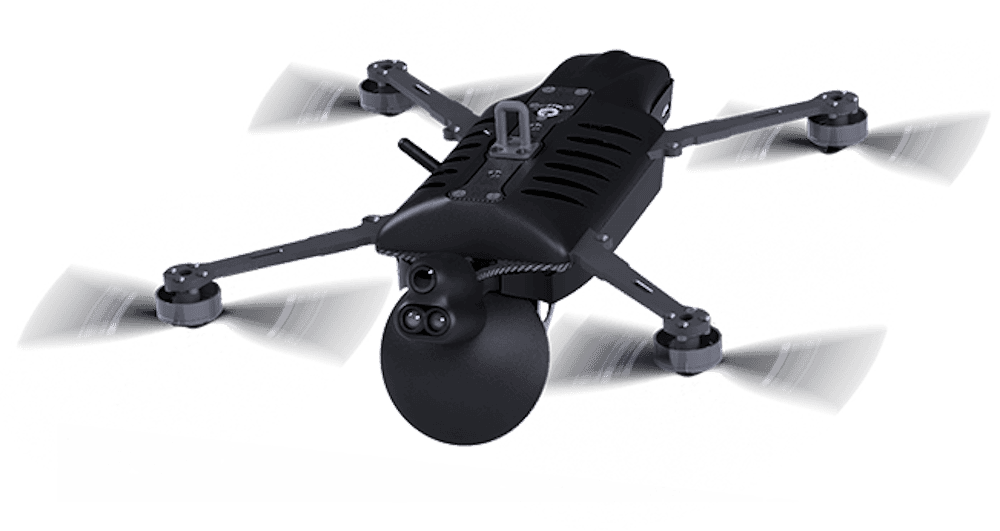
















Showcase your capabilities
If you design, build or supply Rotary Wing UAVs, create a profile to showcase your capabilities and connect with visitors who have an active requirement for your solutions.



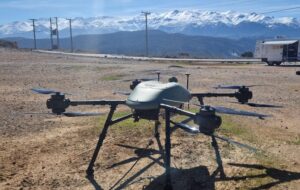
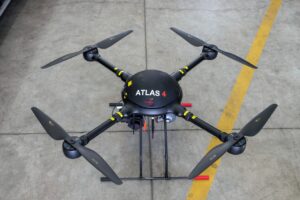
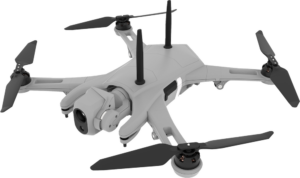
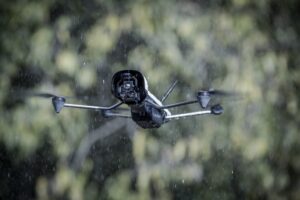
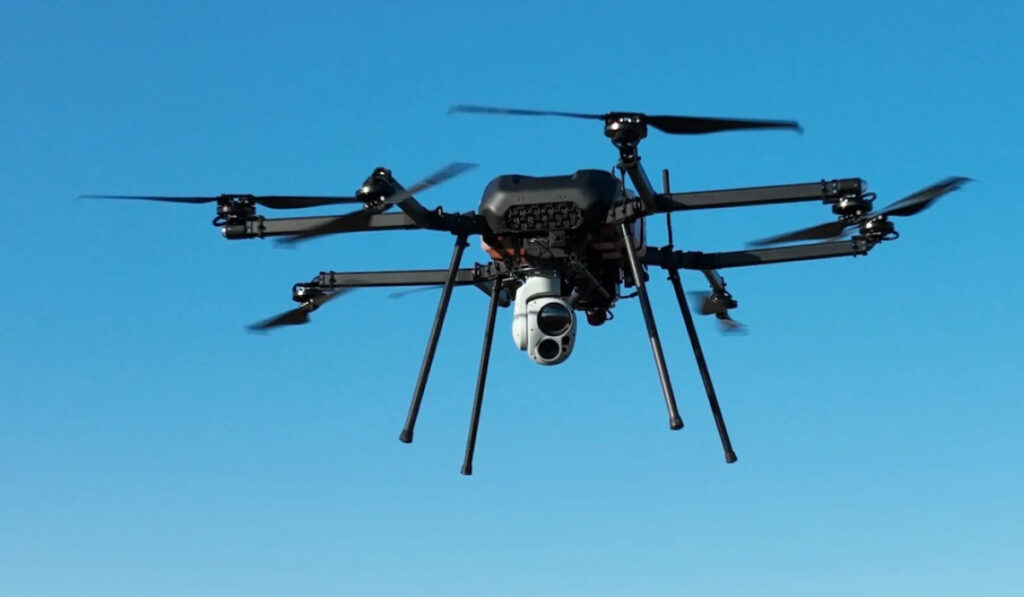
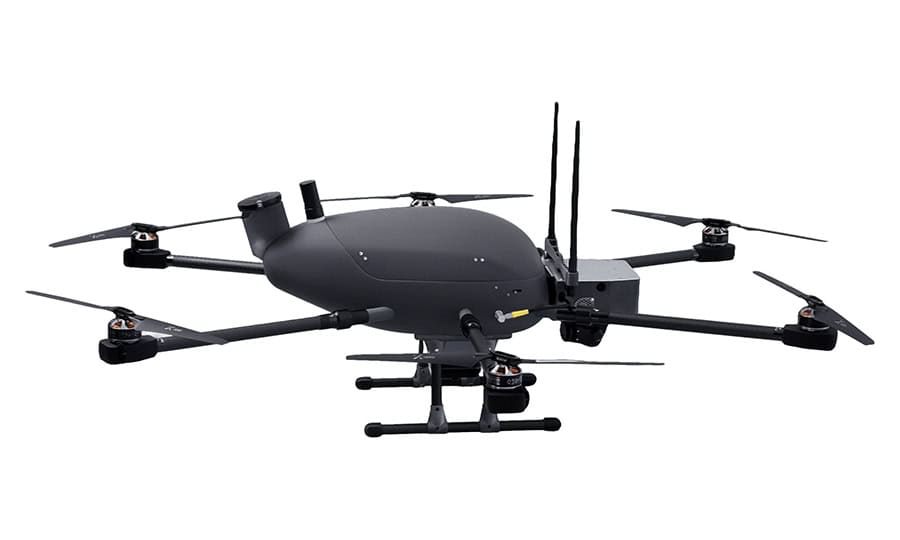
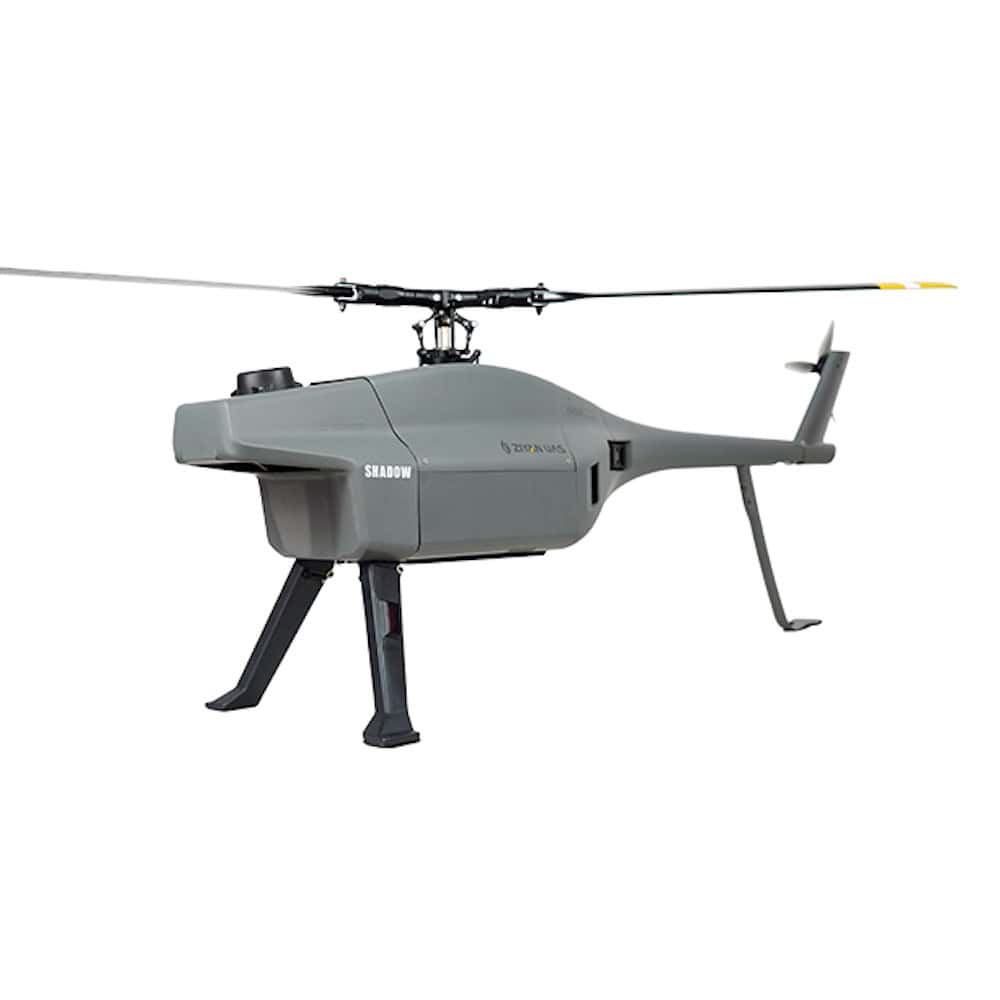
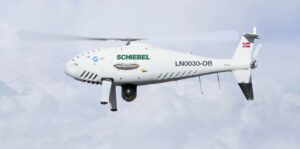
Rotary-wing drones and UAVs provide operational versatility for a wide range of applications and missions due to their unique Vertical Take-Off and Landing (VTOL) and precision hover capabilities. This comprehensive supplier guide details the world's leading providers of all major rotary drone architectures, including heavy-lift single rotor drones, highly agile multirotors (quadcopters, hexacopters, octocopters), compact co-axial systems, and extended-range hybrid VTOL platforms.
Read the Technology Overview


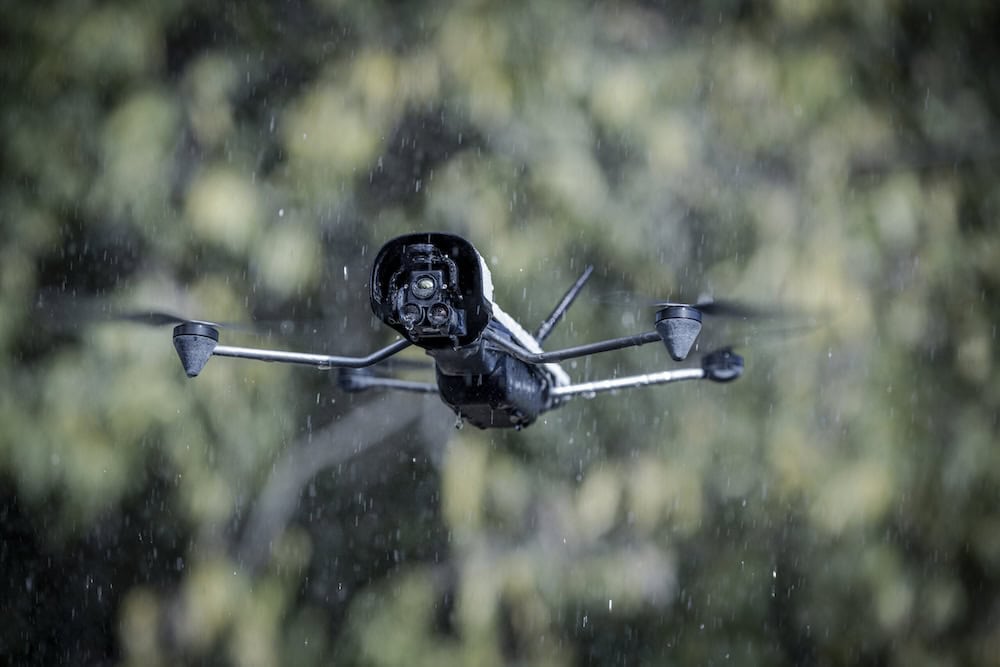
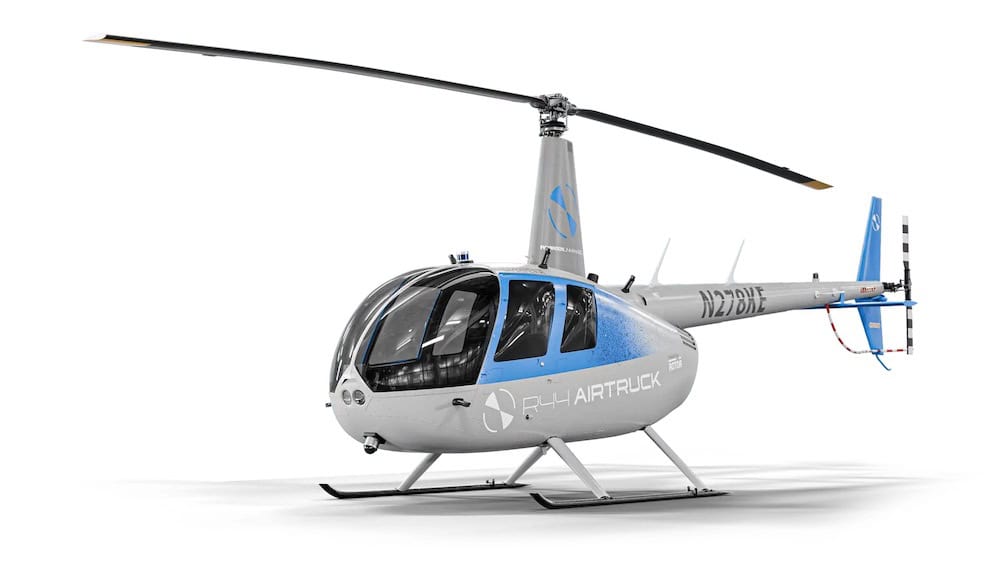

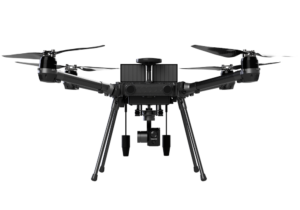
Integrated VTOL UAS: From Nano Platforms to Heavy-Lift Autonomous Rotorcraft

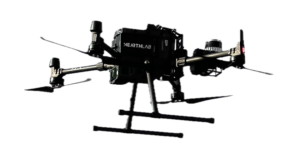
Multi-Constellation GNSS Module for Ultra-Reliable Positioning & Navigation

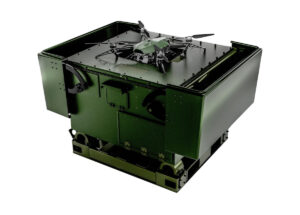
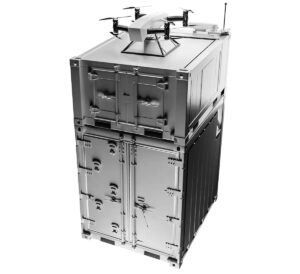
Nokia Drone Networks: Fully Automated Drone-In-A-Box Solution for Industrial Operations

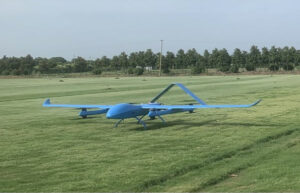
Advanced VTOL & Fixed-Wing UAVs | State-Of-The-Art Technologies for Unmanned & Autonomous Aircraft

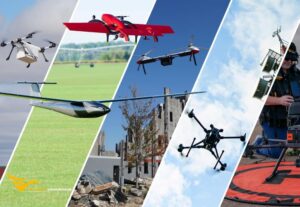
Drone Technology Supplier & Drone Service Provider for Public Safety, Transportation & Training

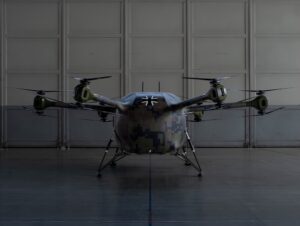
Dual-Use Unmanned Aircraft for Logistics, Medical Transport, ISR & Tactical Support
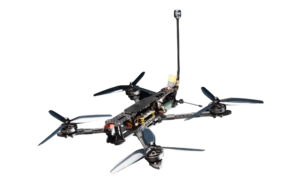
Next-Generation Autonomous UAV Solutions for Mission-Critical Military & Defense Applications

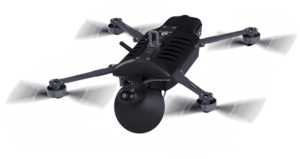
Tactical Hybrid VTOL UAS & Loitering Systems for Multi-Domain Operations

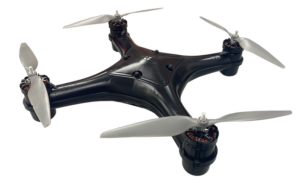
Advanced Man-Portable USV Platforms for Defense, Tactical & Government Missions


Innovative Turnkey UAS Solutions for Mission-Critical Civilian & Defense Applications

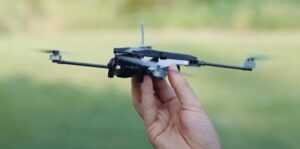
State-Of-The-Art NDAA-Compliant Drones & Ground Control Stations for Mission-Critical Operations

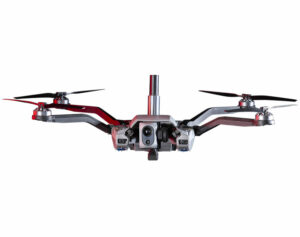
Advanced Aerial Intelligence & Situational Awareness Technologies for Military, Security & Civilian Applications


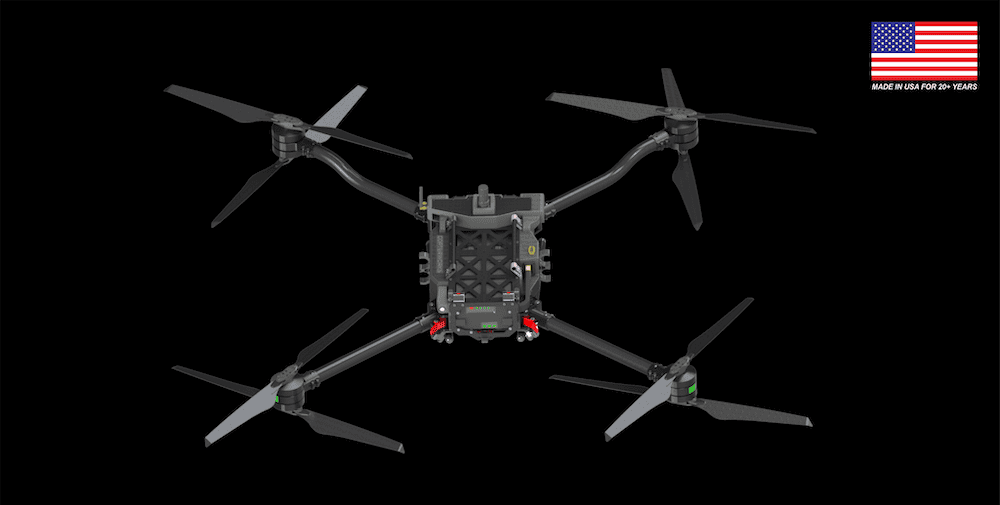
Professional, US-Made Multirotor Drones for Commercial & Government Applications

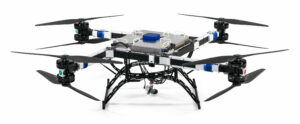
Commercial Heavy-Payload Drones for Heavy-Lift Cargo Transportation & Logistics


Customizable, Long-Range Fixed-Wing Drones - Twin-Wing Design Heavy Lifting Drones

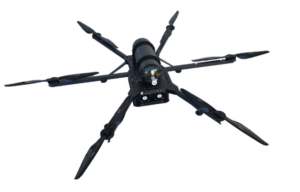
Enablers of Long-Range Hydrogen Electric Flight | Hydrogen Solutions for UAVs; Lightweight PEM Fuel Cells & Mobile Hydrogen Refueling Stations

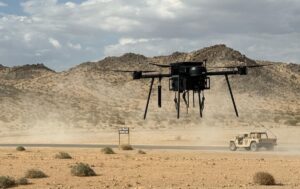
Battlefield-Proven Autonomous Counter-UAS, Tactical Drones, & Custom Battery Solutions

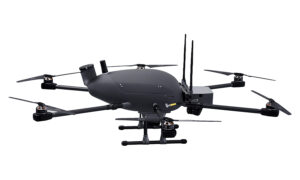
Advanced UAV & Unmanned Systems for Challenging Missions in Government, Defence & Commercial Applications

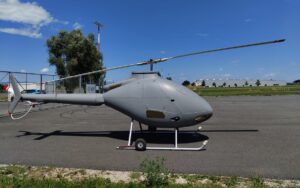
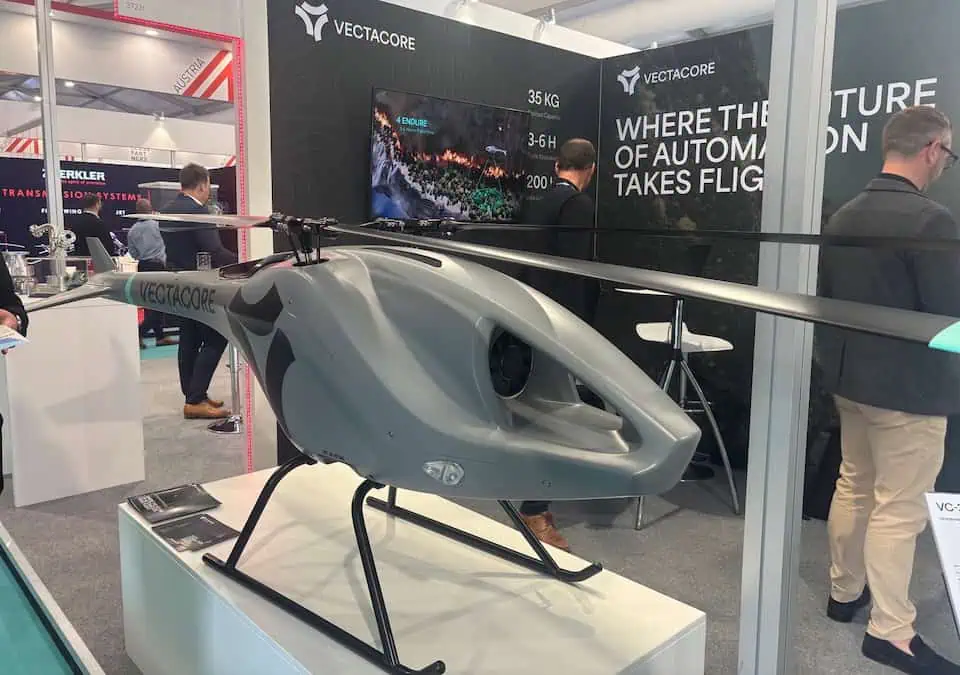
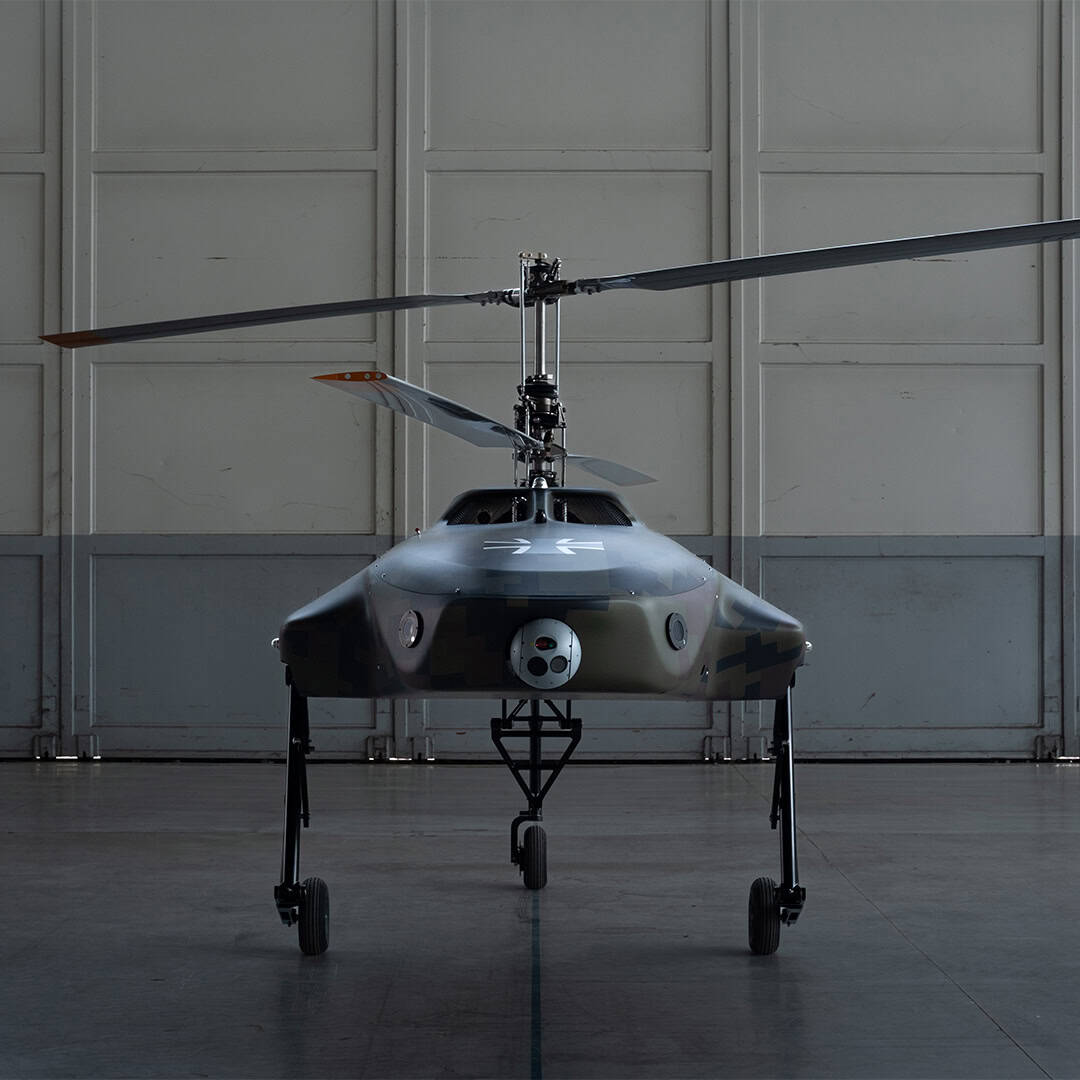
Long-Endurance & Heavy-Lift Autonomous Helicopter UAS Platform for Civilian & Military Applications


Hydrogen-Powered UAVs for Long-Endurance Industrial Inspection & Security Operations


NDAA-Compliant Heavy-Lift Drones | Certified Drone Parachutes | Engineering & Flight Operations Support

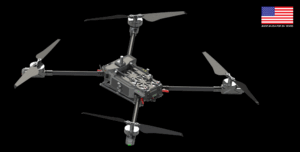
Cutting-Edge USA-Made Helicopter & Multirotor UAVs for Demanding Industrial Applications

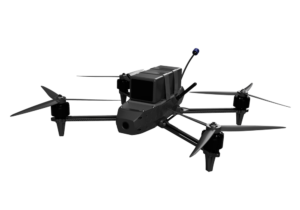
Cutting-Edge Drone Autopilots & UAS Platforms | Hardware & Software Solutions for Drones & Unmanned Systems

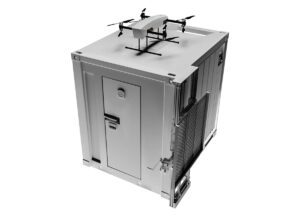
Revolutionary Tethered Unmanned Aerial Systems for Tactical, Commercial & Industrial Applications

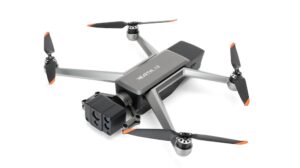
AI-Powered Autonomous Drone Solutions for Public Safety, Defense, and Industrial Inspection

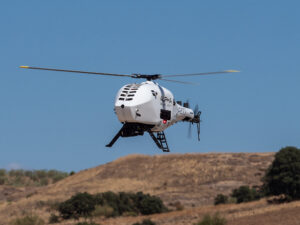
Helicopter UAVs: Rotary Wing Drones for Maritime, Naval & Security Operations | UAS GCS

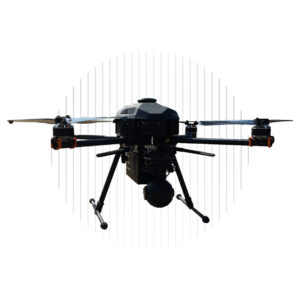
Commercial Drones for Delivery, Surveying, Agriculture, Security & Mapping - Target Drones - UAS GCS
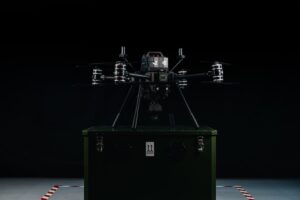
Advanced Autonomous UAV Platforms for Wide Area Actionable UAS Intelligence

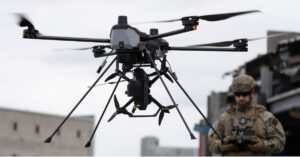
High-Performance Autonomous Drones for Mission-Critical Civilian & Military Applications

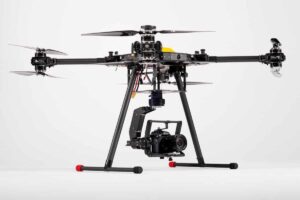
Cinematography Drone Camera Gimbals, Mounts & Stabilizers - Custom and COTS Gimbals

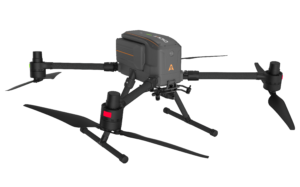
GNSS Positioning & Navigation Systems, Mobile Mapping UAV LiDAR & Unmanned Surface Vehicles

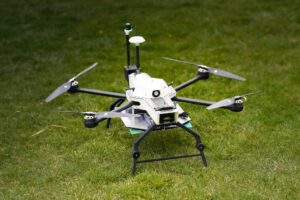
Autonomous UAS, Research & Inspection UAVs for Industrial Inspection, Survey & Mapping

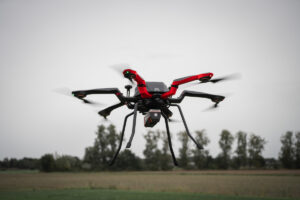
Professional Drones, Quadcopters, Multirotors & Hexacopters for Cinematography, Survey & Inspection

If you design, build or supply Rotary Wing UAVs, create a profile to showcase your capabilities and connect with visitors who have an active requirement for your solutions.

The field of unmanned aerial systems (UAS) is often defined by a fundamental design choice: rotary wing drone versus fixed-wing aircraft. Understanding the deep technical trade-offs of the rotary-wing UAV platform is critical for system selection and integration.
These air vehicles, also known as Vertical Take-Off and Landing (VTOL) systems, rely on rotating blades to generate lift, differentiating them from systems that use fixed aerodynamic surfaces. The rotary-wing drone family is vast, spanning everything from compact inspection quadcopters to heavy-lift autonomous helicopters capable of managing substantial payloads.
Unlike their fixed-wing counterparts, rotary drones generate both lift and thrust through continuously powered rotors, eliminating the need for runways or complex launch/recovery systems. This grants them unparalleled operational flexibility, enabling deployment and recovery in confined or dynamic environments, a critical capability for naval, urban, or disaster response missions.
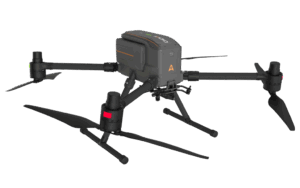
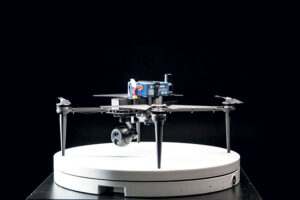
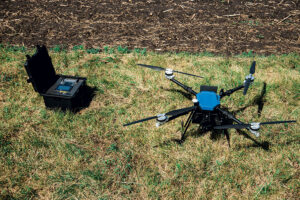
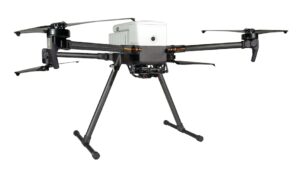
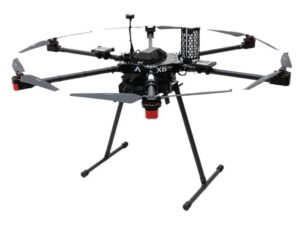
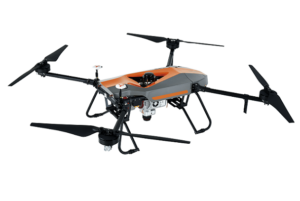
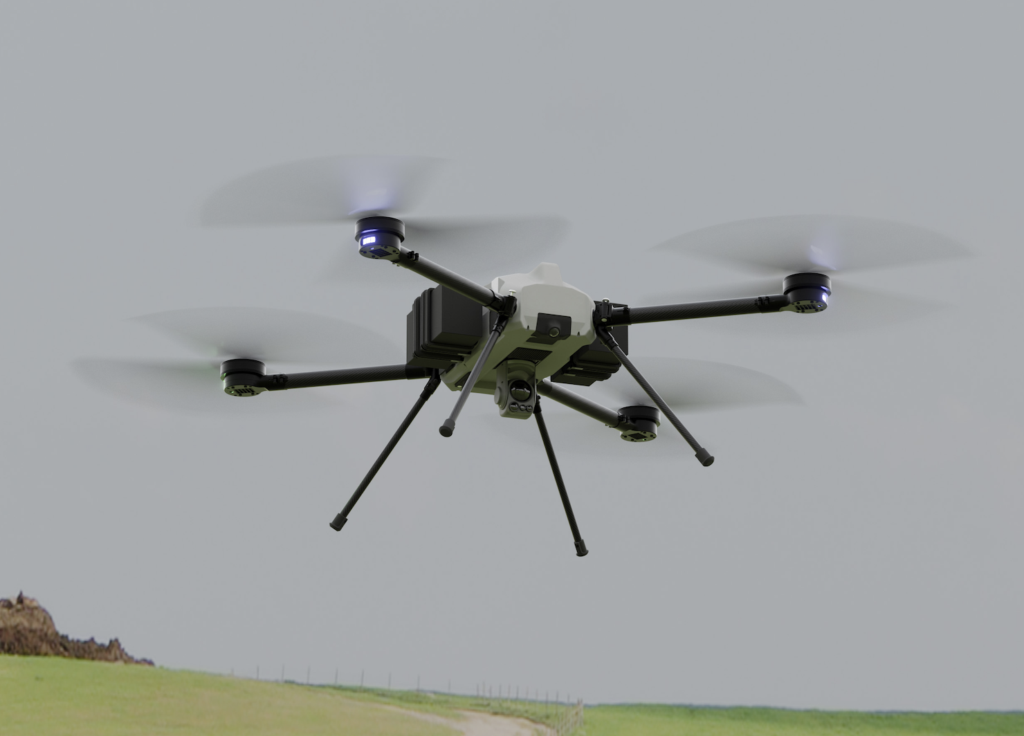
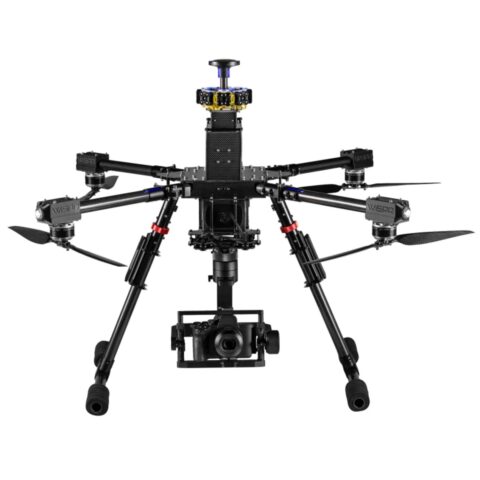
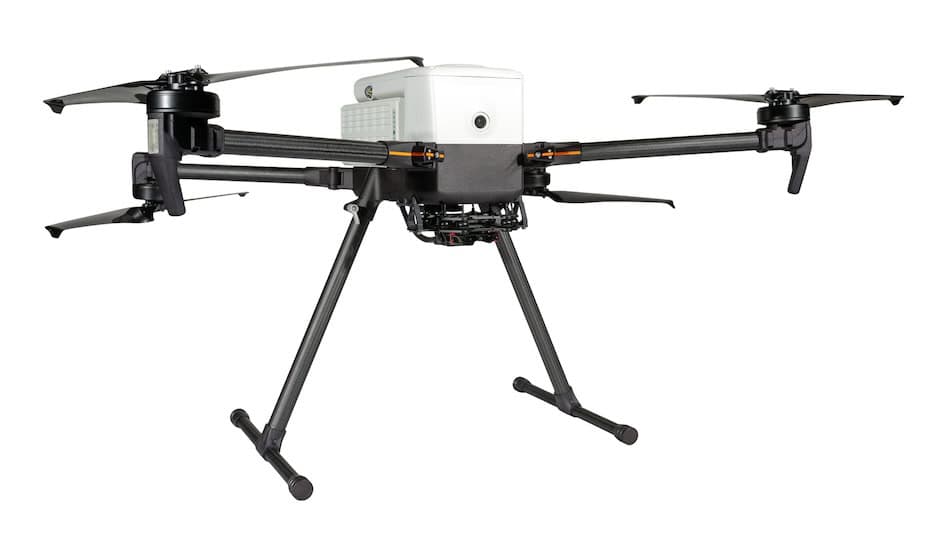
X500 Multirotor Drone, a rotary wing UAV, by CHC Navigation
The core engineering strength of these platforms is their ability to maintain a stable, persistent hover. This stability is essential for missions requiring precise positioning, such as stationary inspection, high-resolution mapping, or complex payload deployment. Crucially, this omnidirectional control and near-instantaneous thrust response make them ideal for close-proximity industrial and technical work.
The efficiency and operational envelope of a rotary UAV are directly tied to its rotor configuration. Below are the key architectures and their inherent design compromises.
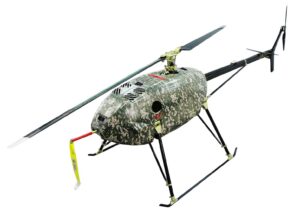
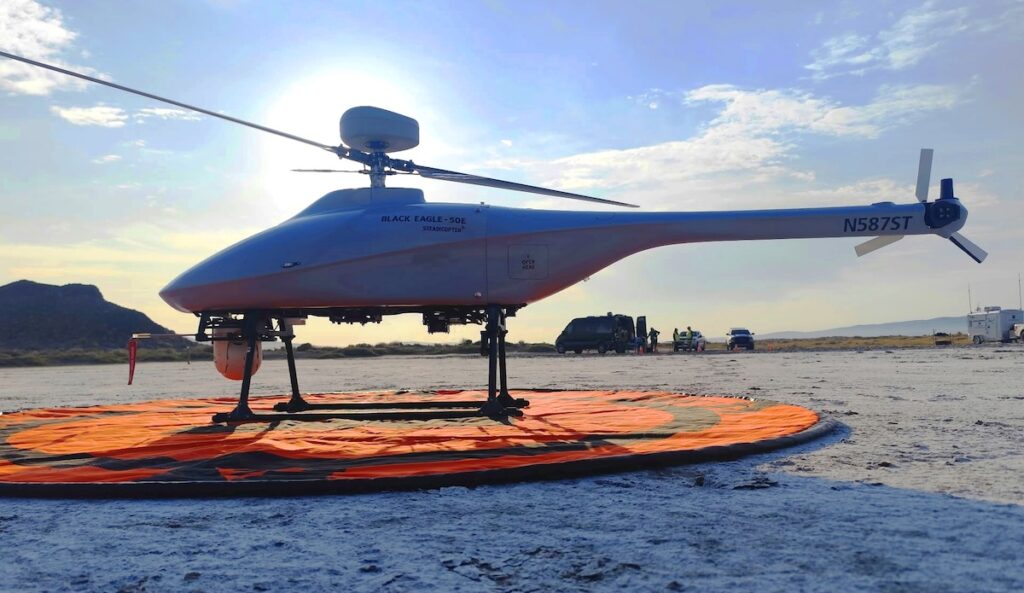
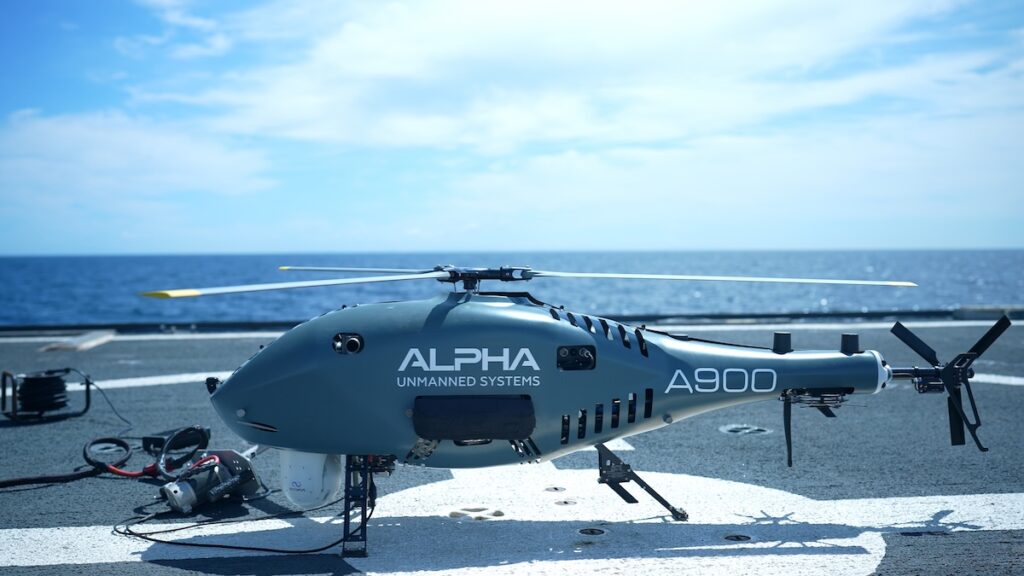
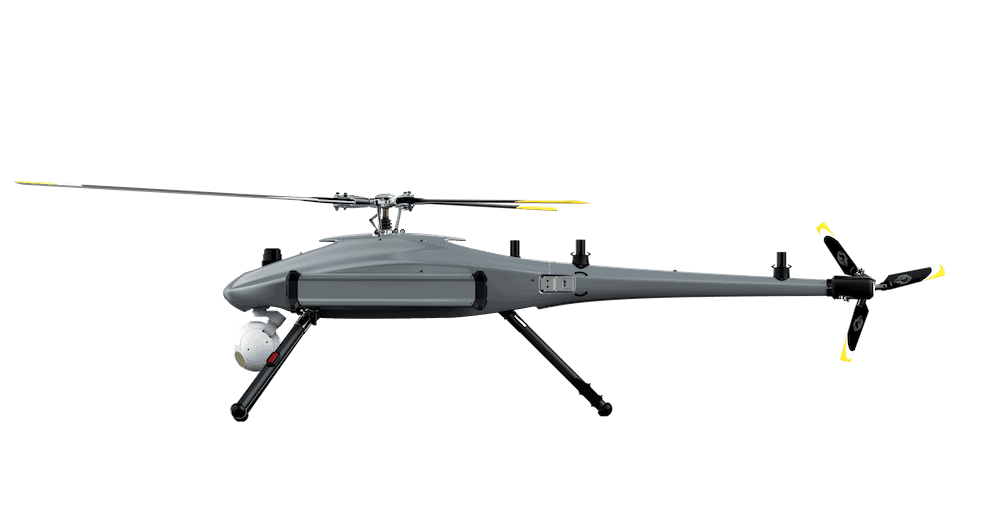
The classic helicopter design, featuring one large main rotor and a smaller tail rotor for anti-torque control, remains the gold standard for high lift efficiency and extended endurance, particularly in heavy-lift unmanned helicopters designed to transport substantial payloads over extended durations.
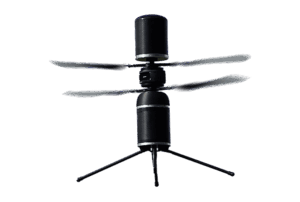
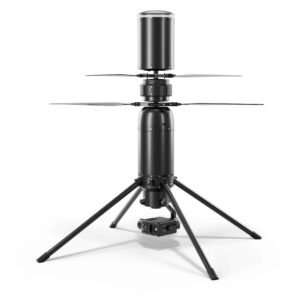
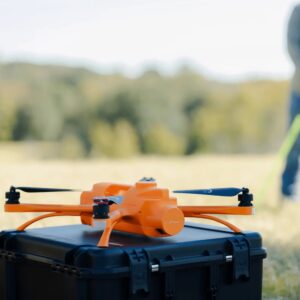
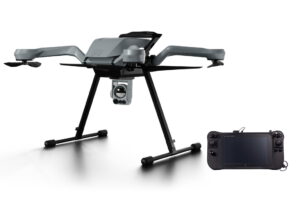
NX30 UAS, a compact coaxial rotor drone, by Ascent AeroSystems
Coaxial configured drones features stacked, counter-rotating rotors on a single axis. The design inherently cancels torque, allowing for a highly compact footprint—ideal for shipboard operations.
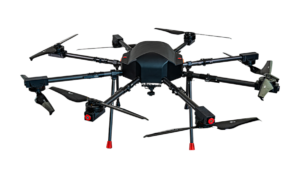
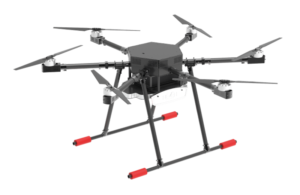
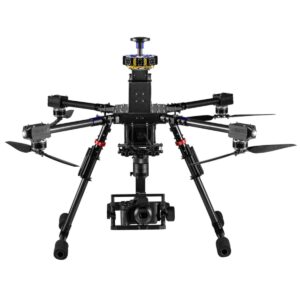
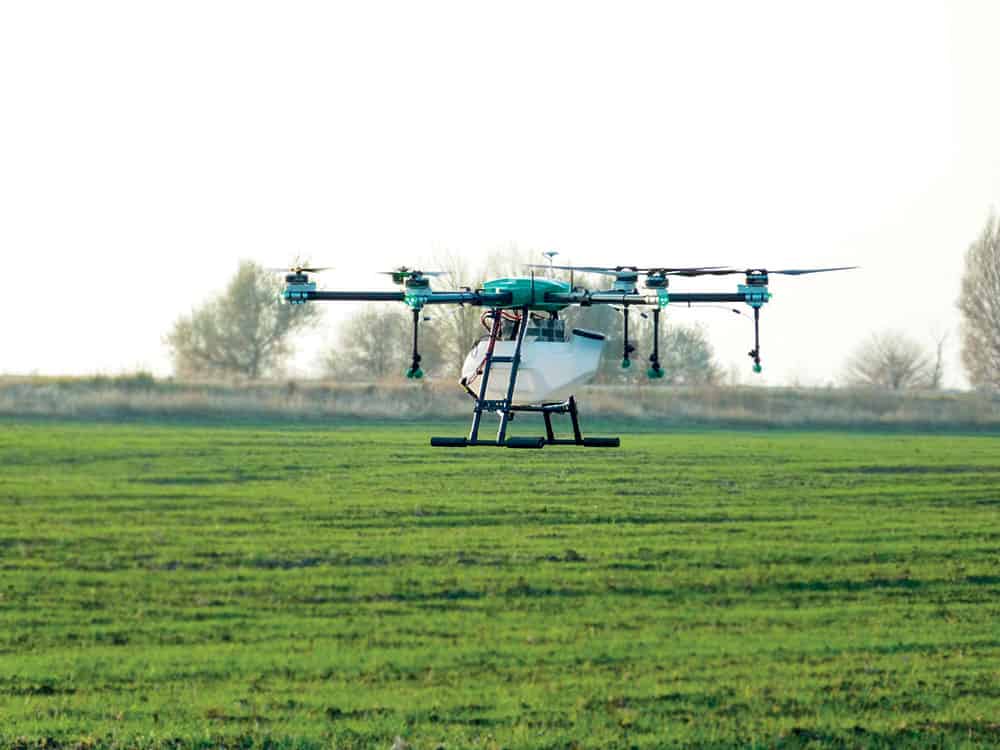
The most ubiquitous and widely adopted rotary-wing UAV design. On multirotor drones, lift and control are generated by varying the thrust across multiple fixed-pitch motors.
These systems represent a fascinating fusion, offering the operational flexibility of vertical takeoff and landing with the speed and endurance of fixed-wing flight.
The unique operational characteristics of rotary drones have secured their place as indispensable tools across military, commercial, and industrial domains.
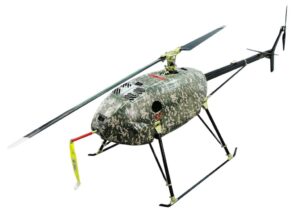
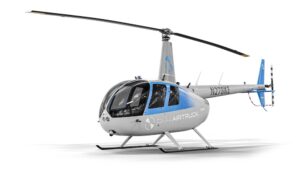
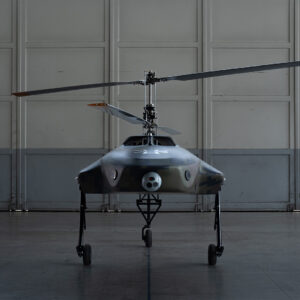
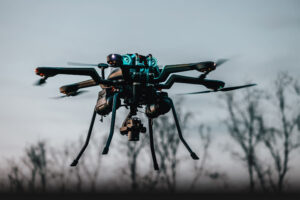
UVH-170 Unmanned Helicopter by UAVOS Inc.
Rotary-wing drones are foundational to modern military doctrine for missions requiring persistent presence and precision maneuverability.
The VTOL capability and positional accuracy of these systems drive efficiency and safety in industrial contexts.
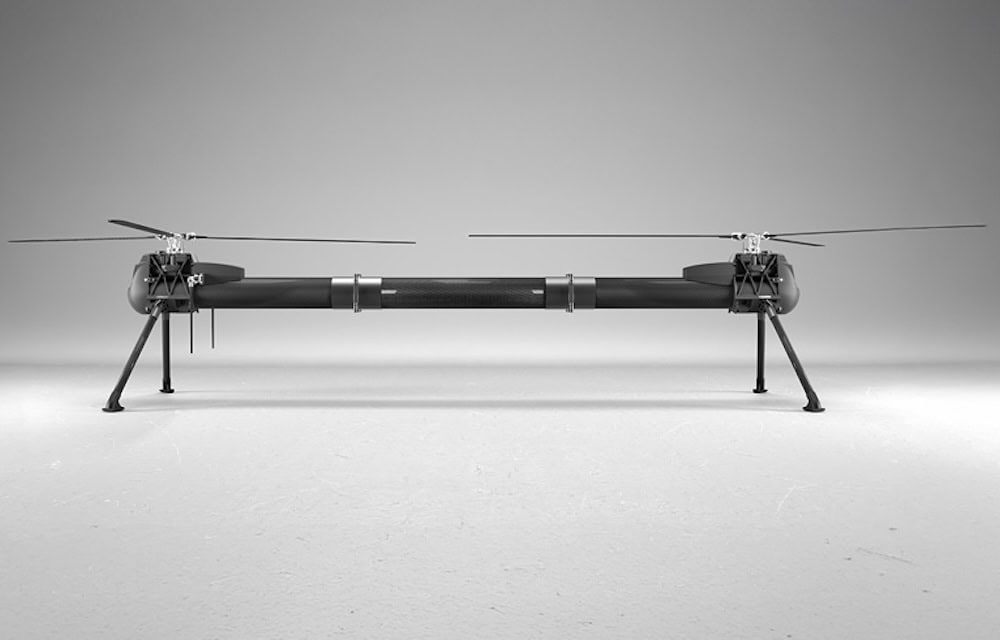
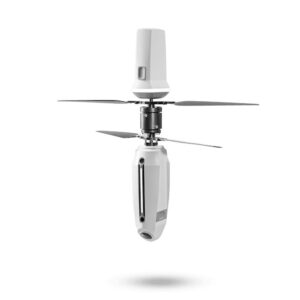
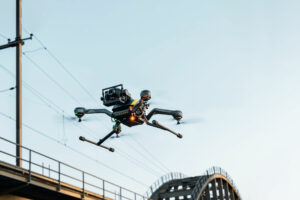
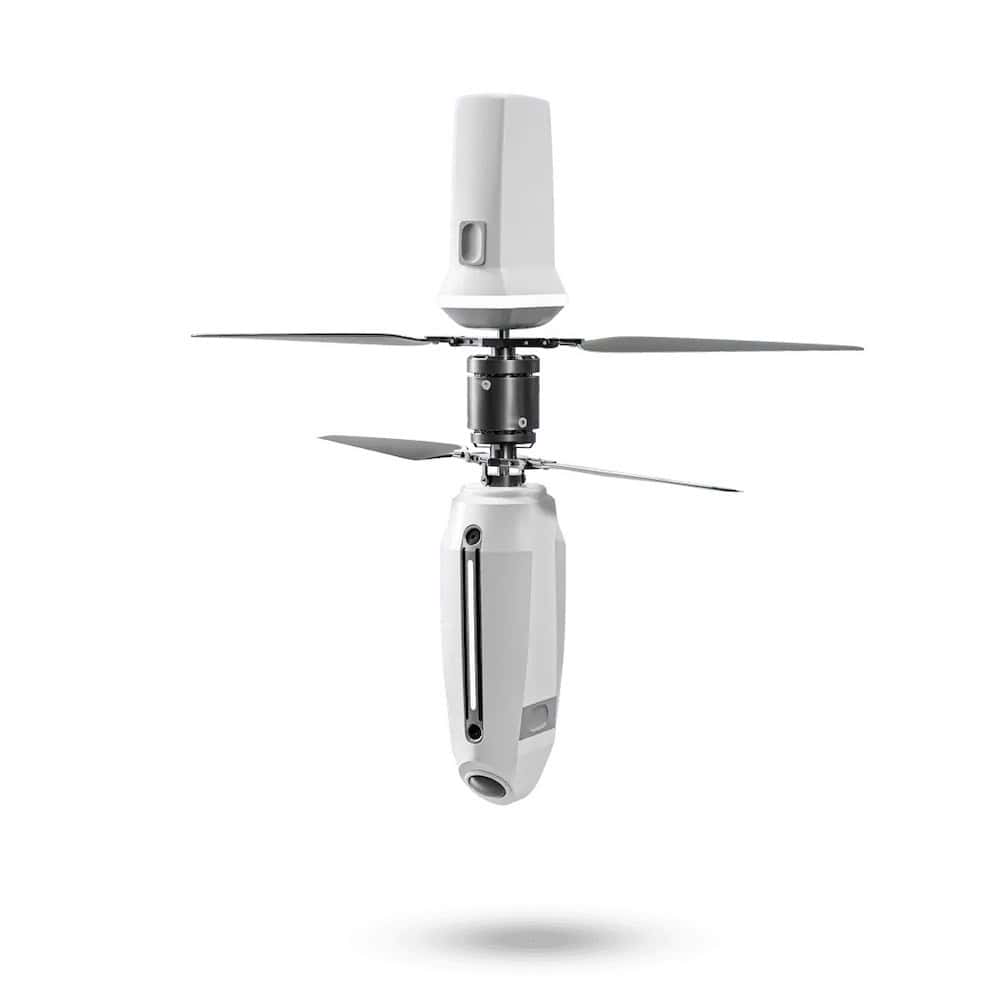
Dual-Rotor VTOL UAS, the Talon DT-300 by Rotron Aerospace
The ability of the rotary-wing UAS to achieve precise positional stability in three dimensions makes them critical for atmospheric and ecological science.
The rotary wing drone remains at the forefront of unmanned systems innovation, consistently balancing precision flight control with highly versatile payload integration. They are the clear engineering choice where the mission profile demands vertical access, stability in adverse conditions, and reliable operation within a constrained physical environment.


 Searching Companies & Products



 Subscribe to the Weekly eBrief
The latest engineering and technical developments straight to your inbox - join thousands of engineers who receive it.
Subscribe to the Weekly eBrief
The latest engineering and technical developments straight to your inbox - join thousands of engineers who receive it.