Heavy-Lift Unmanned Helicopters for cargo, logistics, and military resupply
Source heavy-lift unmanned helicopters from leading manufacturers and suppliers specializing in high-payload UAV rotorcraft platforms. These heavy-lift drone helicopters provide reliable aerial cargo transport, logistics support, and the deployment of mission-critical equipment for defense, industrial, and humanitarian operations.
If you design, build or supply Heavy-Lift Helicopter UAVs, create a profile to showcase your capabilities and connect with visitors who have an active requirement for your solutions.
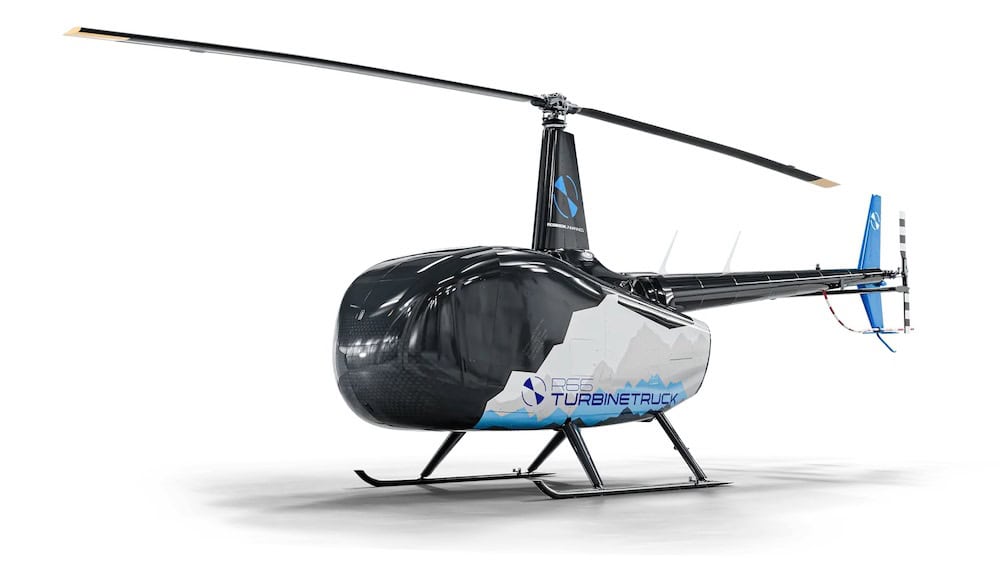
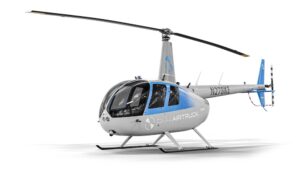
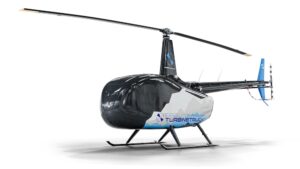
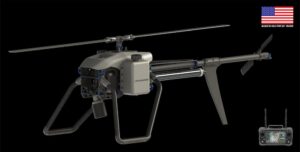
Gas-powered heavy-lift unmanned helicopter for autonomous logistics & cargo transport
Gas-powered heavy-lift unmanned helicopter for autonomous logistics & cargo transport
... a gas-powered heavy-lift VTOL UAS from Robinson Unmanned, developed to enable scalable autonomous... ......orm for reducing reliance on crewed transport while maintaining consistent heavy-lift...
Heavy-Lift Unmanned Helicopters for cargo, logistics, and military resupply
Overview by
Eleanor Widdows
Updated:
Heavy-lift unmanned helicopters are rotary-wing UAVs designed to transport payloads of 10 kg or more while maintaining vertical takeoff, landing, and hover capabilities. Used for cargo transport and logistics support, they offer greater endurance, range, and forward-flight efficiency than multirotor cargo drones.
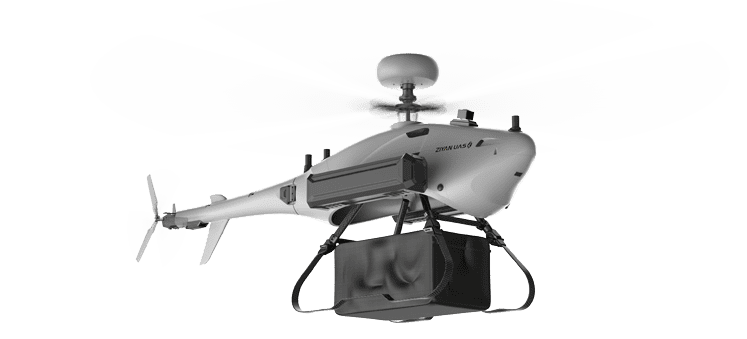
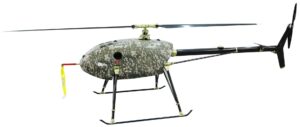
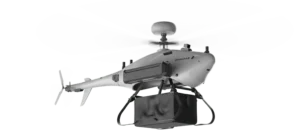
Grey Whale G1 heavy-lift unmanned cargo helicopter by ZIYAN Tech.
Applications Of Heavy-Lift Unmanned Helicopters
Military Resupply
Heavy-lift unmanned helicopter UAVs support battlefield logistics by transporting ammunition, spare parts, and equipment to forward units. Autonomous resupply reduces personnel risk while maintaining operational tempo in contested environments.
Disaster Relief Logistics
Following natural disasters, heavy-lift helicopter drones can transport medical supplies, food, and emergency equipment to inaccessible areas. Their vertical landing capability enables delivery in locations where runways or road infrastructure are unavailable.
Medical Supply Transport
Medical cargo delivery missions include transporting blood supplies, vaccines, pharmaceuticals, and emergency medical equipment. Autonomous navigation and obstacle-avoidance sensors enable safe operation in challenging terrain.
Remote Site Logistics
Mining operations, research facilities, and infrastructure projects in remote regions use heavy-lift UAV helicopters to move tools, components, and operational supplies without requiring dedicated airstrips.
Offshore And Maritime Logistics
Heavy-lift unmanned rotorcraft are used to deliver cargo between ships, offshore energy installations, and coastal facilities. These missions support oil and gas logistics and maritime cargo transport, where crewed helicopter operations may be impractical.
Types Of Heavy-Lift Unmanned Helicopter UAVs
Electric Heavy-Lift UAV Helicopters
Electric propulsion systems use high-capacity lithium-ion battery packs and electric motors to provide quiet operation and reduced maintenance. These systems are often used for short to medium-range cargo delivery missions.
Hybrid Propulsion Unmanned Helicopters
Hybrid propulsion systems combine combustion engines with battery systems to extend endurance and payload capacity. This architecture allows sustained logistics operations over longer distances.
Turbine-Powered Cargo UAV Helicopters
Turbine engines provide high power output and reliability for large unmanned cargo helicopters. These systems are well-suited for military logistics, offshore supply missions, and high-payload operations.
Coaxial Rotor Unmanned Helicopters
Coaxial rotor systems eliminate the need for a tail rotor and improve lift efficiency and stability. This configuration is frequently used on compact, heavy-lift UAV platforms with high payload capacity relative to size.
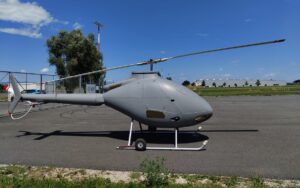
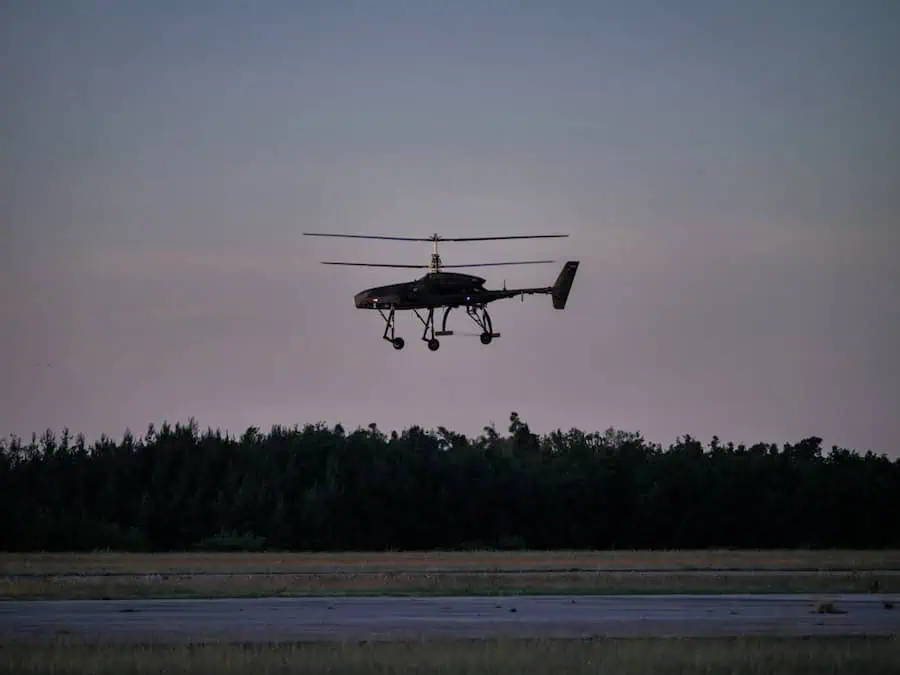
SH917 heavy-lift unmanned helicopter by Roze Mobility.
Heavy-Lift Unmanned Helicopters Vs Multirotor Cargo Drones
While both multirotor drones and unmanned helicopter UAVs support aerial cargo delivery, rotary-wing helicopter platforms offer several operational advantages for heavy payload missions.
Helicopter UAVs provide higher cruise speeds and longer flight endurance due to their aerodynamic efficiency during forward flight. This makes them more suitable for long-distance logistics and repeated supply missions.
Payload capacity is typically higher for helicopter-based UAVs compared with multirotor platforms of similar size. Rotor systems designed for sustained lift enable heavier cargo loads and improved performance in high-altitude or hot-weather environments.
Multirotor cargo drones offer mechanical simplicity and easier maintenance, but are generally limited in range and payload capacity. As a result, heavy-lift unmanned helicopters are often selected for defense logistics, offshore operations, and large-scale cargo delivery missions.
Key Subsystems In Heavy-Lift UAV Helicopters
Heavy-lift unmanned helicopters integrate multiple advanced subsystems to support autonomous flight, payload transport, and safe operations.
Navigation subsystems typically combine inertial navigation systems, GNSS modules, and radar altimeters to maintain precise positioning during flight. Flight control computers and autonomous flight controllers manage aircraft stabilization and navigation.
Avionics systems coordinate telemetry systems, communication data links, onboard computers, and flight management systems. These components allow operators to monitor aircraft status and mission progress through ground control stations.
Payload handling systems may include integrated payload bays, external cargo mounts, or winch systems designed for equipment deployment. Landing gear assemblies and vibration isolation mounts support the safe loading and transport of sensitive cargo.
Obstacle-avoidance sensors and detect-and-avoid systems enhance safety by enabling autonomous navigation around terrain, infrastructure, and other aircraft.
Standards And Interoperability Considerations
Heavy-lift unmanned helicopters designed for defense and government applications often align with NATO and military interoperability requirements. Data link architectures and communication systems may comply with NATO STANAG standards governing interoperability of unmanned aircraft systems.
Military logistics UAVs may also be designed to meet relevant military environmental and testing standards, such as MIL-STD-810 for environmental durability and MIL-STD-461 for electromagnetic compatibility.
Compliance with aviation safety and interoperability standards helps ensure reliable integration with broader unmanned aircraft system ecosystems, including ground control stations, command networks, and mission planning software.
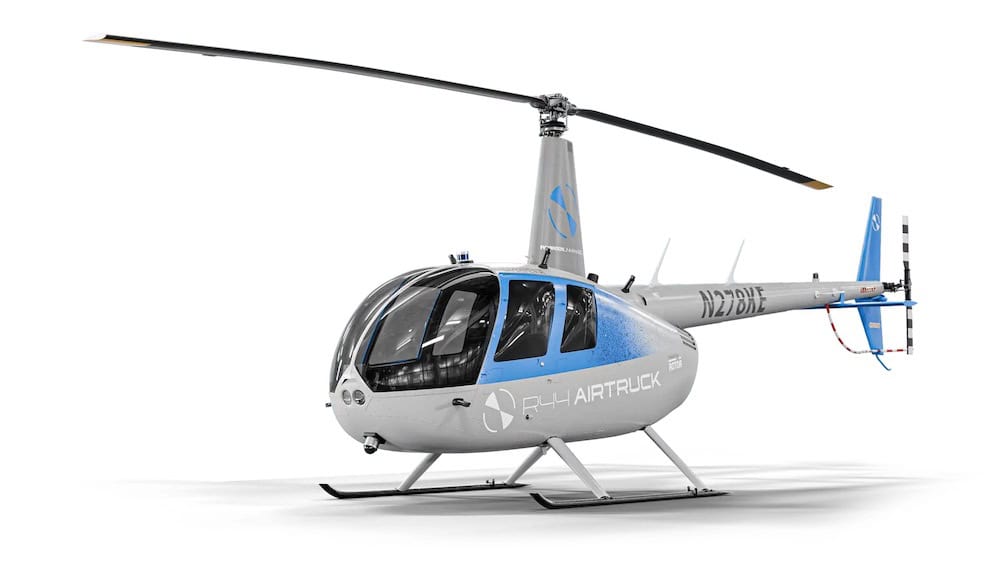
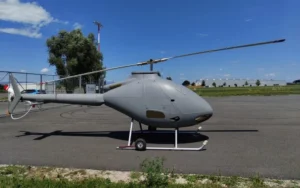
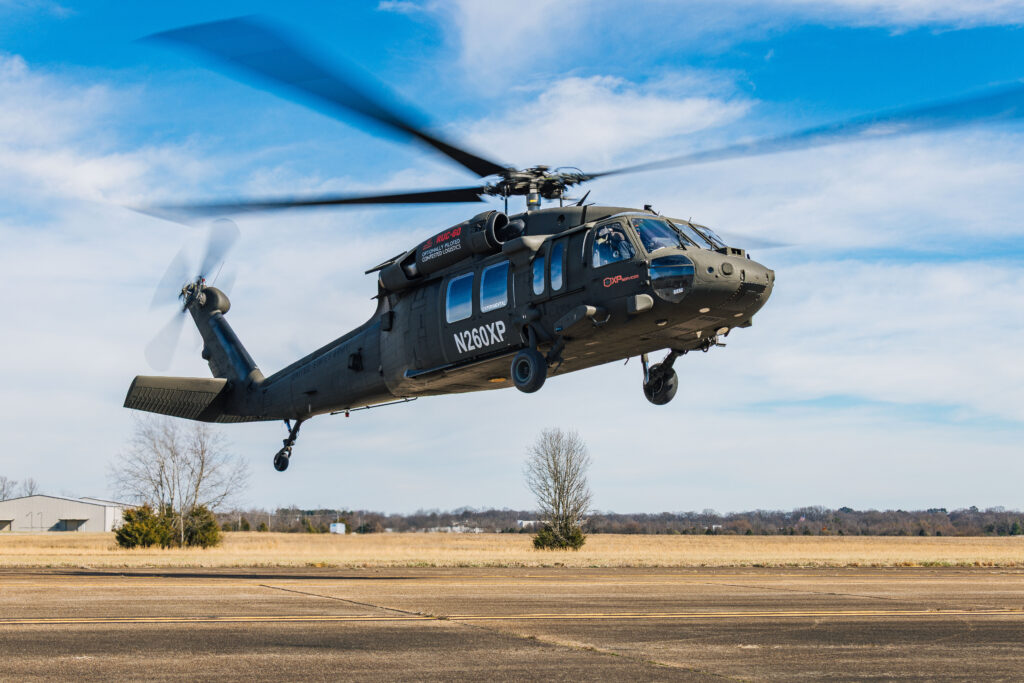
The Robinson Unmanned R44 AIRTRUCK has successfully demonstrated offshore cargo delivery and deck landing capabilities during a series of flight tests in Louisiana to highlight autonomous platform resupply logistics solutions
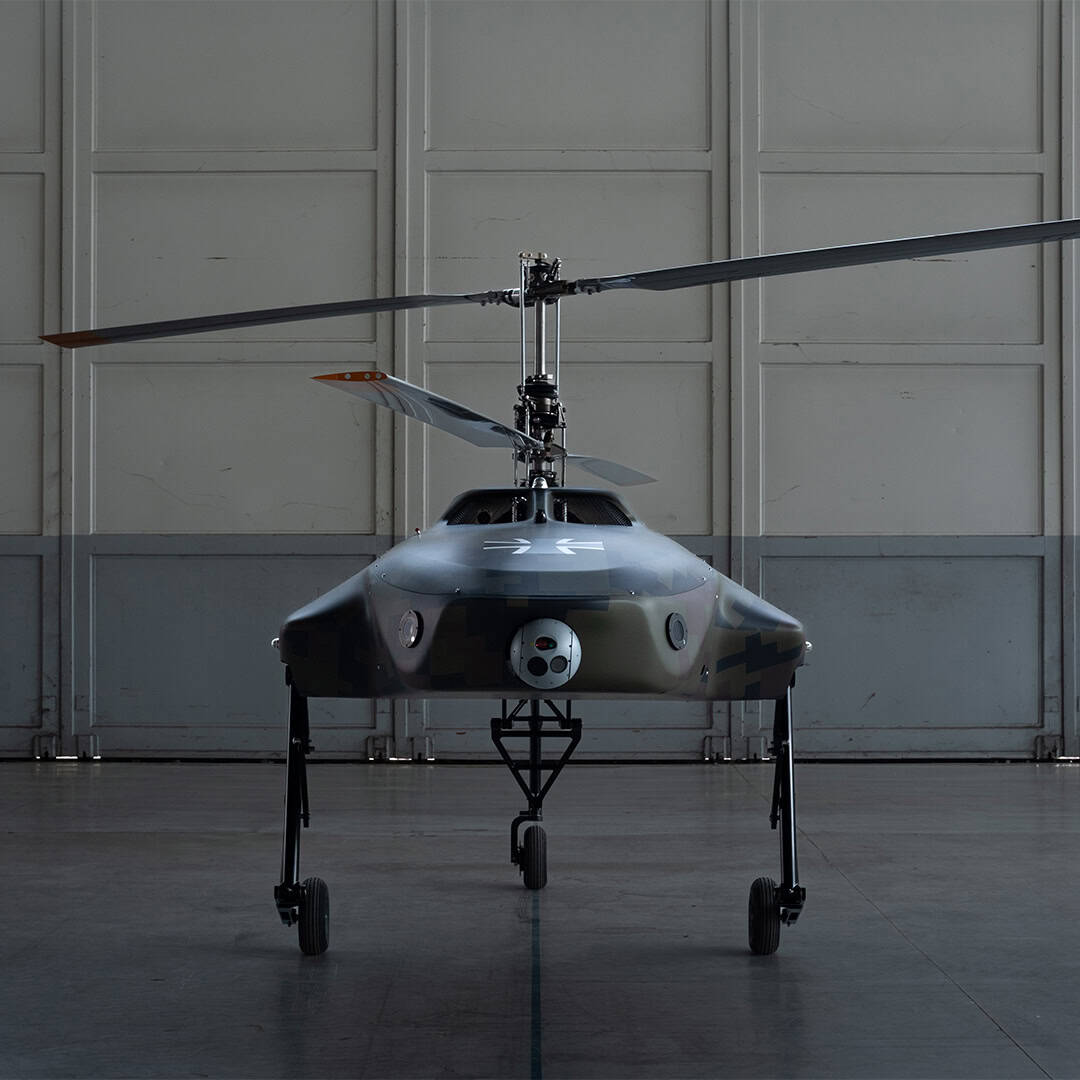
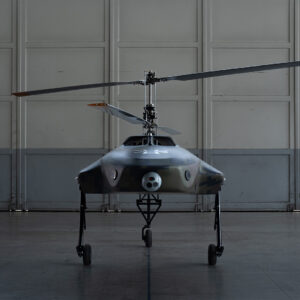
Avilus has conducted the maiden flight of its first-generation Wespe "9Y-01" helicopter UAV, successfully performing hovering and forward and lateral maneuvers while demonstrating stable and controlled flight performance
Naval Air Systems Command has awarded the MARV-EL Increment 2 program to a team led by Near Earth Autonomy to develop uncrewed aerial resupply systems for high-risk contested environments
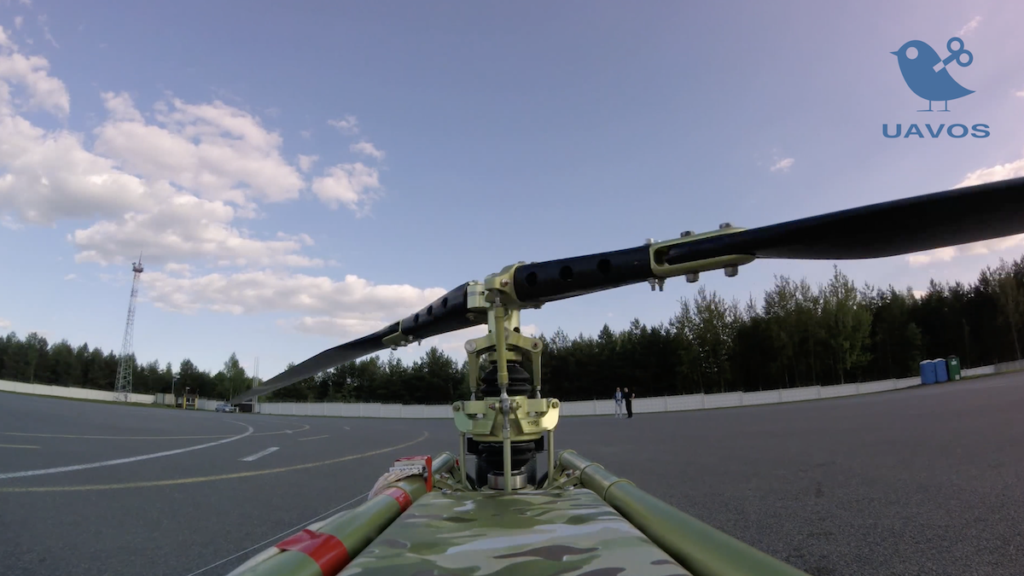
UAVOS is supplying high-performance rotor blades to U.S. startups engineering unmanned helicopters capable of carrying four times their own weight for the DARPA Heavy Lift Challenge
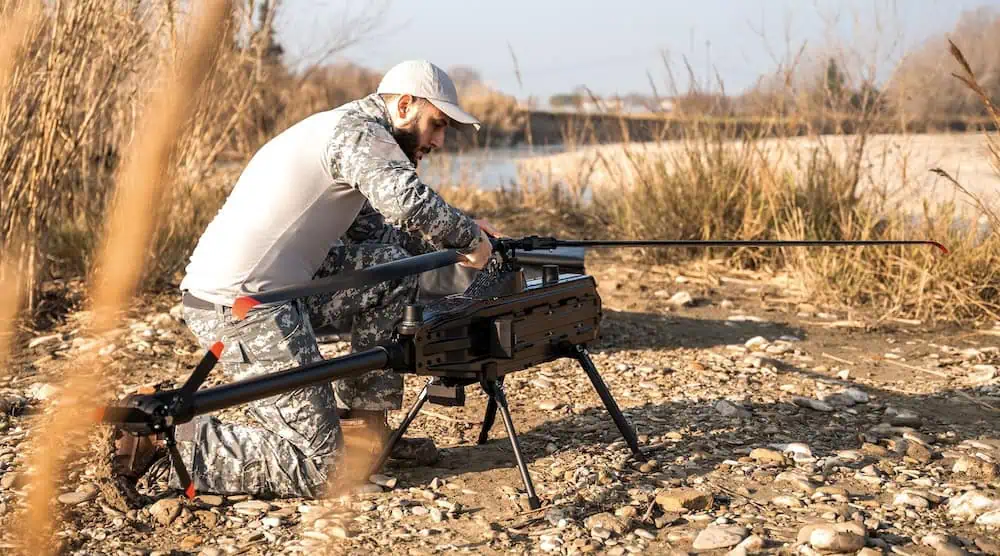
Sabrobotix outlines how helicopter UAV platforms provide advantages in speed, endurance, payload capacity, and performance in challenging conditions compared to multirotor systems across a range of operational applications
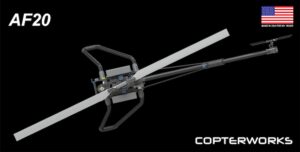
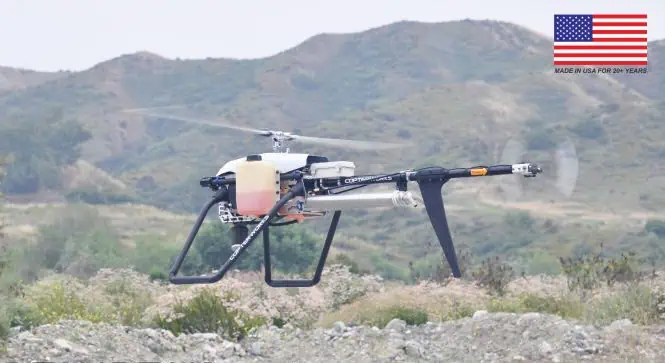
Copterworks' products are designed to excel in demanding and hard-wearing industrial applications, and are manufactured at a purpose-built facility in California
The latest unmanned systems news, straight to your inbox.
Get our weekly roundup of technology developments, new products and industry news.
THANK YOU FOR SIGNING UP
Thanks for joining us. Check your inbox.
We've sent you an email. Click the confirmation link to complete your subscription to the weekly eBrief. In the meantime, explore the latest news, suppliers and technologies on UST.
Advancing Unmanned Systems Through Strategic Collaboration
UST works with major OEMs to foster collaboration and increase engagement with SMEs, to accelerate innovation and drive unmanned systems capabilities forward.