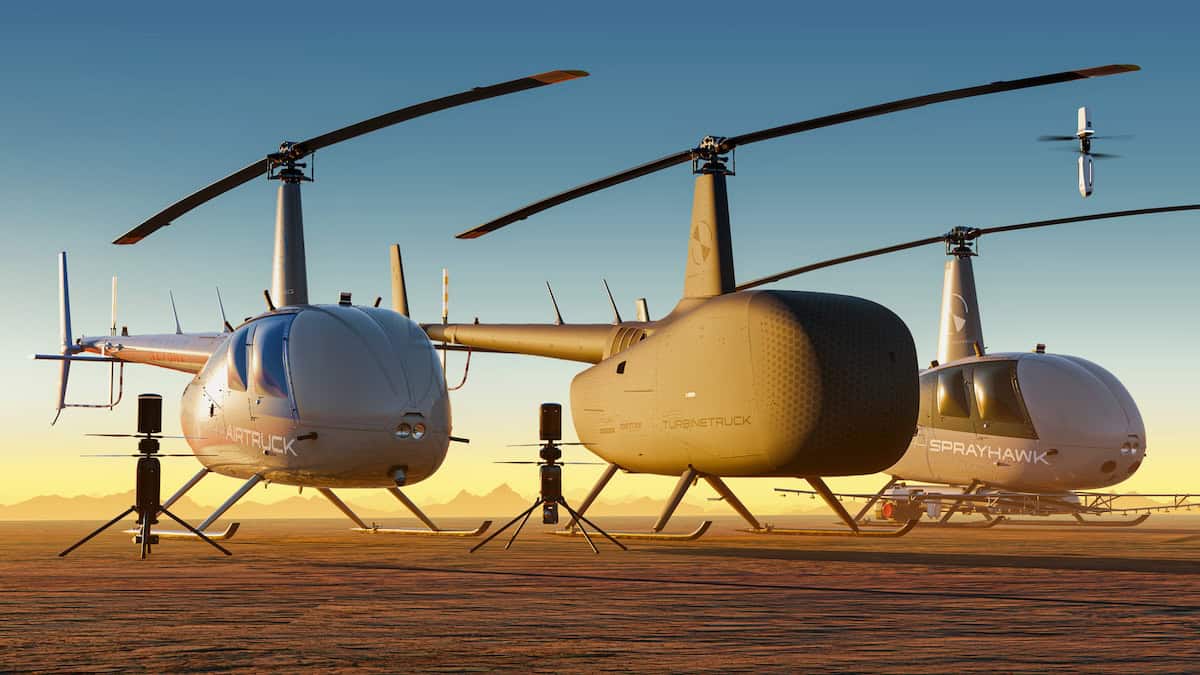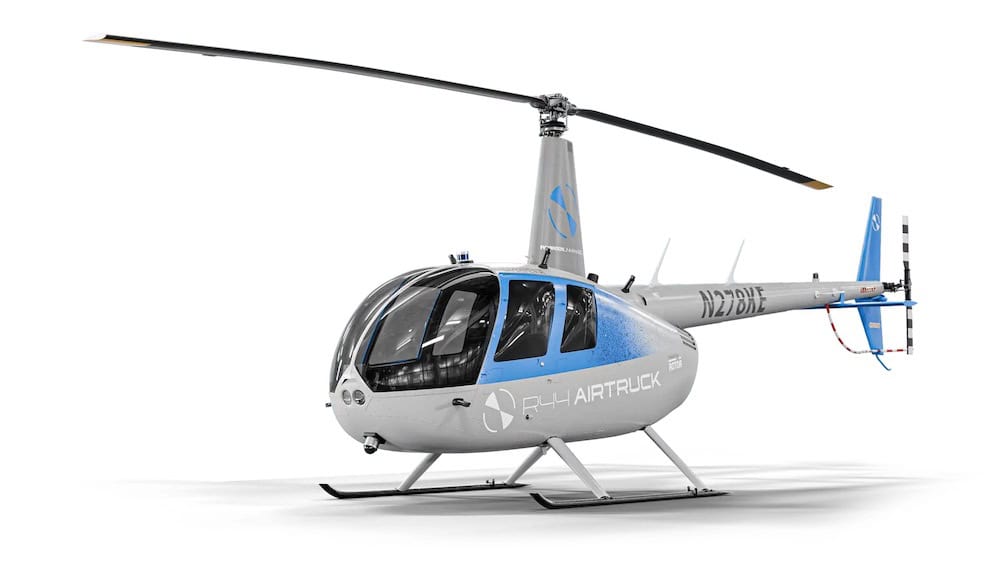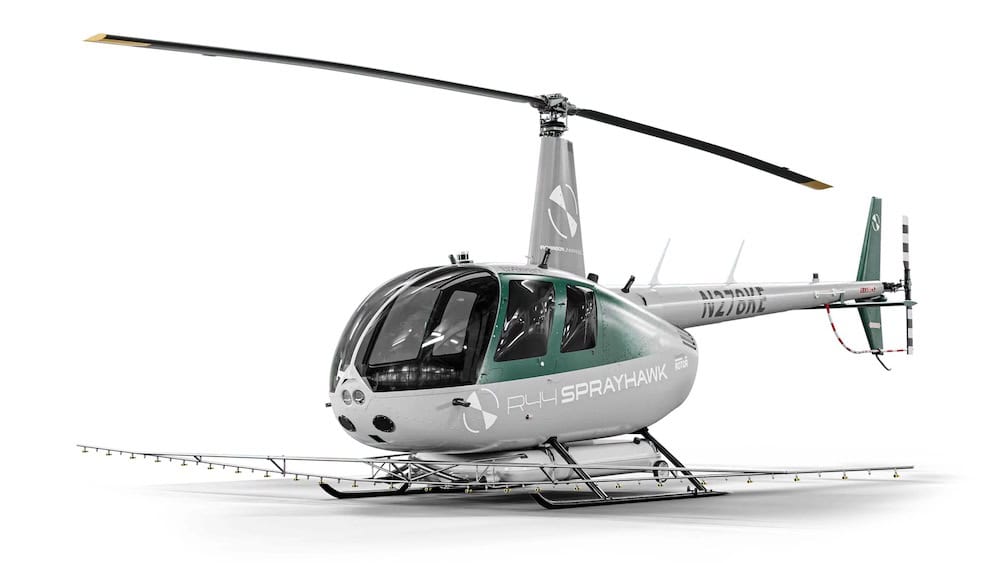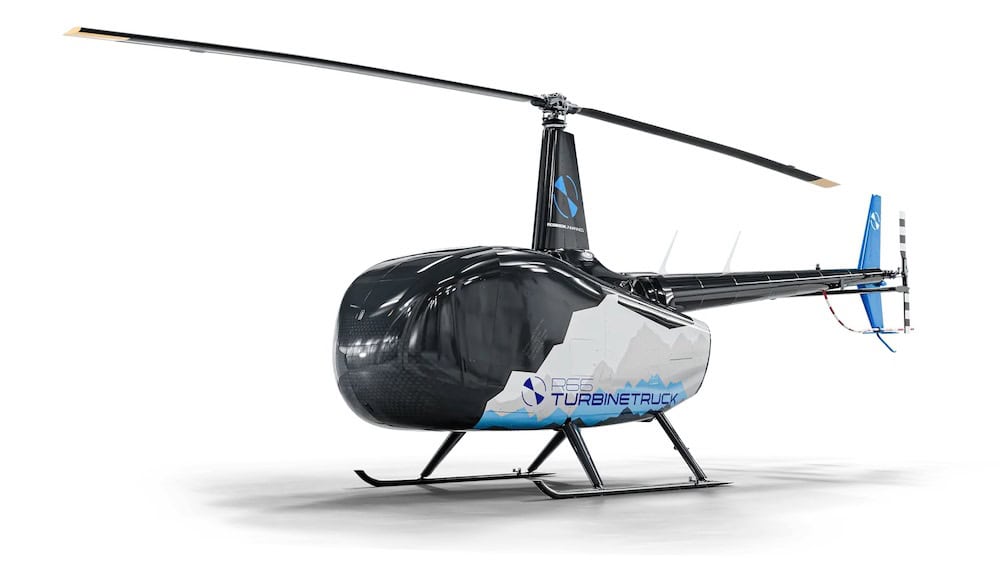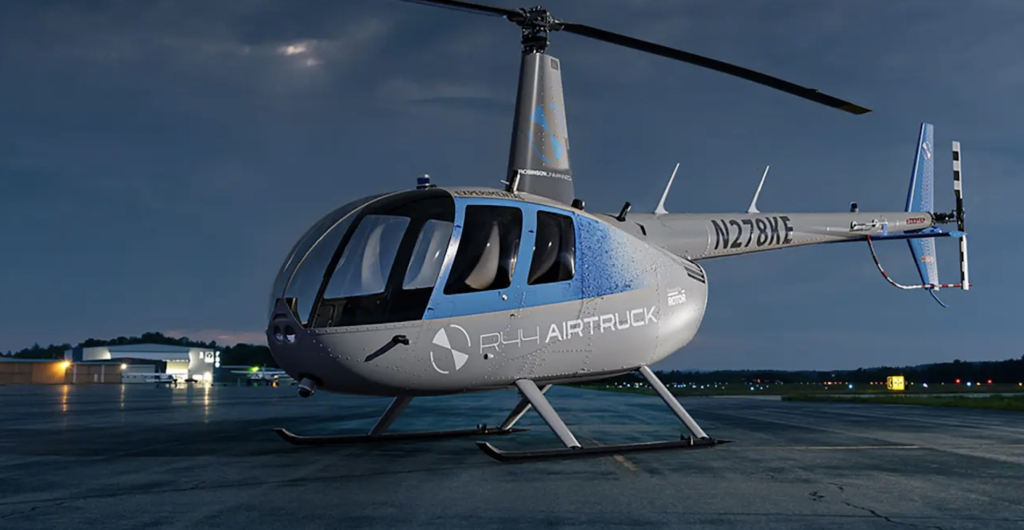

The R44 AIRTRUCK from Robinson Unmanned completed a multi-day flight demonstration at Acadiana Regional Airport in New Iberia, Louisiana, evaluating its operational readiness for demanding offshore cargo logistics.
Hosted by Aviation Academy of Louisiana, an authorized Robinson dealer and service center, the flight operations were observed by representatives from PHI Aviation alongside industry and government observers. Over two days of testing, the aircraft performed repeated approaches to a platform configured as an offshore deck, demonstrating elevated deck landings, cargo loading and unloading, precision positioning, and airspace integration. The system demonstrated an efficient operational footprint, requiring a ground crew of only two personnel consisting of a remote pilot in command and a ground support crew member.
Built upon the commercial Robinson R44 helicopter platform, the AIRTRUCK is adapted for remotely piloted operations using Rotor Technologies’ RPX unmanned flight system. The aircraft handles a useful load of up to 1,000 pounds, provides over 60 cubic feet of internal cargo volume, cruises at speeds exceeding 100 knots, and achieves an operating ceiling of up to 14,000 feet.
The flight trials demonstrated how remotely piloted aircraft can enhance mission safety in the offshore energy sector by transferring high-risk flight profiles from flight crews to autonomous systems. By utilizing a certified, proven airframe, the AIRTRUCK adheres to Robinson’s “Era of Both” strategy, allowing operators to maintain and support unmanned aircraft using the same personnel, parts, and maintenance protocols as the manned fleet.
“This is the Era of Both in practice, the same airframe, the same parts, and the same people supporting manned or unmanned missions,” said David Smith, president and CEO of Robinson Helicopter Company. “Offshore operators have spent decades moving crews and cargo to platforms in some of the toughest flying conditions there are. When you build an unmanned aircraft on a proven helicopter, they don’t trade away reliability to gain autonomy. They get both, and they get to send the aircraft, not the crew, on the highest-risk legs offshore without giving up the load or the capability they have come to count on from Robinson.”

Local support infrastructure for the aircraft is already integrated into regional operations. Aviation Academy of Louisiana operates a vertically integrated aviation business at Acadiana Regional Airport featuring Part 141 and Part 61 flight training, a Part 145 repair station, Part 91 operations, managed jet services, and air tours, utilizing the same underlying support structure for both piloted Robinson helicopters and the AIRTRUCK.
“Louisiana has been supplying offshore platforms since 1947, and companies like PHI have been doing the hard part almost as long. If an aircraft like this is going to carry part of that load, it must land on a deck and it must be maintainable here. Louisiana is where you find that out,” said Beau Prine, General Manager of Aviation Academy of Louisiana.