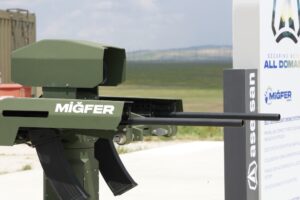
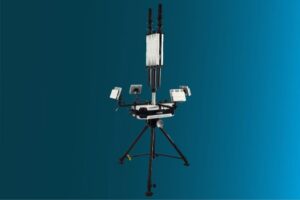
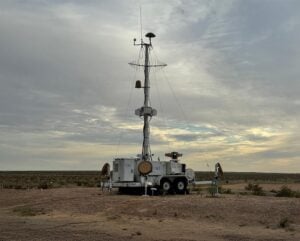
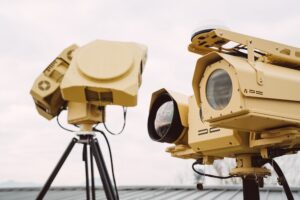
Integrated counter-drone solutions combine detection, tracking, identification, command and control, and mitigation technologies to protect airspace against unauthorized or hostile Unmanned Aircraft Systems (UAS). These integrated C-UAS systems use radar, RF, EO/IR, and acoustic sensors alongside sensor fusion and centralized command and control to support threat assessment and coordinated response.
This page features suppliers of integrated drone defense systems, supporting military installations, airports, critical infrastructure, ports, and event security.
If you design, build or supply Integrated Counter-Drone Solutions, create a profile to showcase your capabilities and connect with visitors who have an active requirement for your solutions.
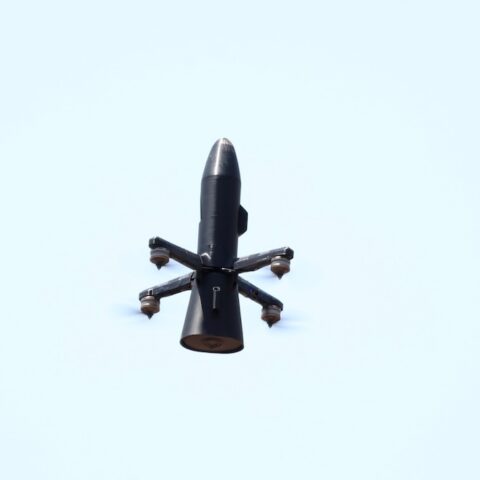
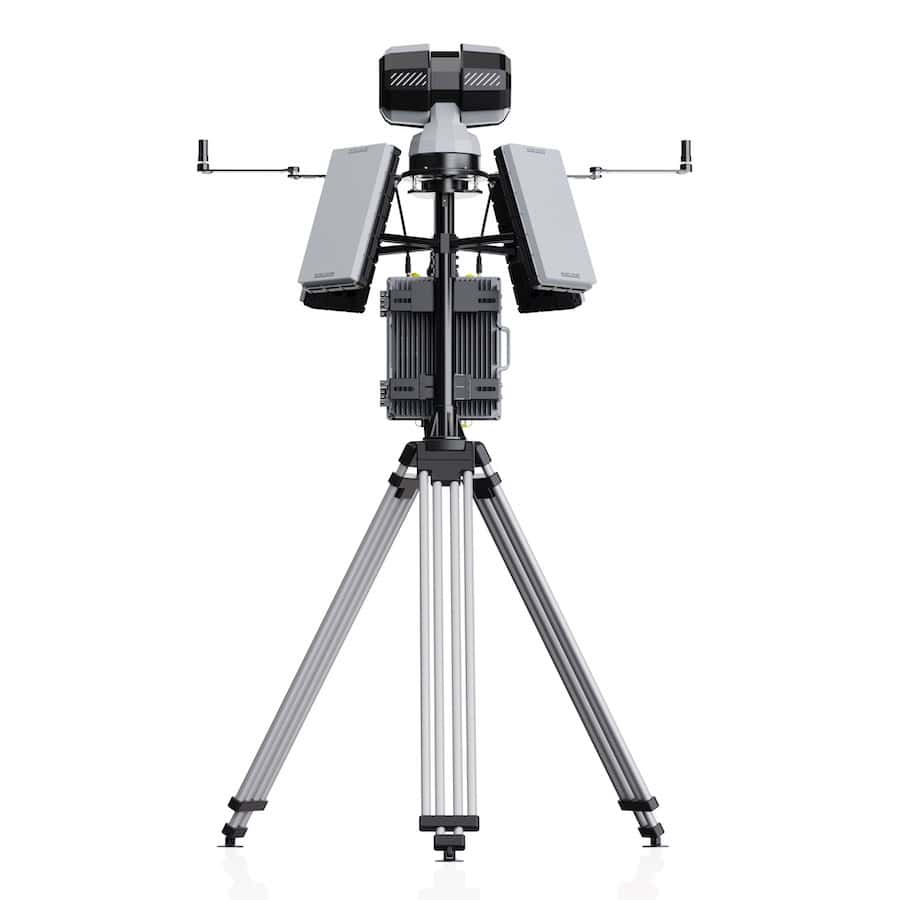
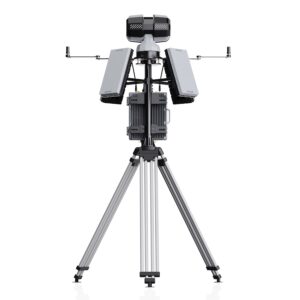
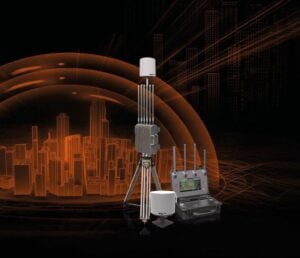
Cyber-driven, AI-powered counter-drone system for sensitive airspace protection
Cyber-driven, AI-powered counter-drone system for sensitive airspace protection
...rm, this fully integrated system enables users to adopt an optimized, scalable counter-drone... ...US from D-Fend Solutions is a cyber-driven, AI-enhanced counter-UAS system engineered for rapid...
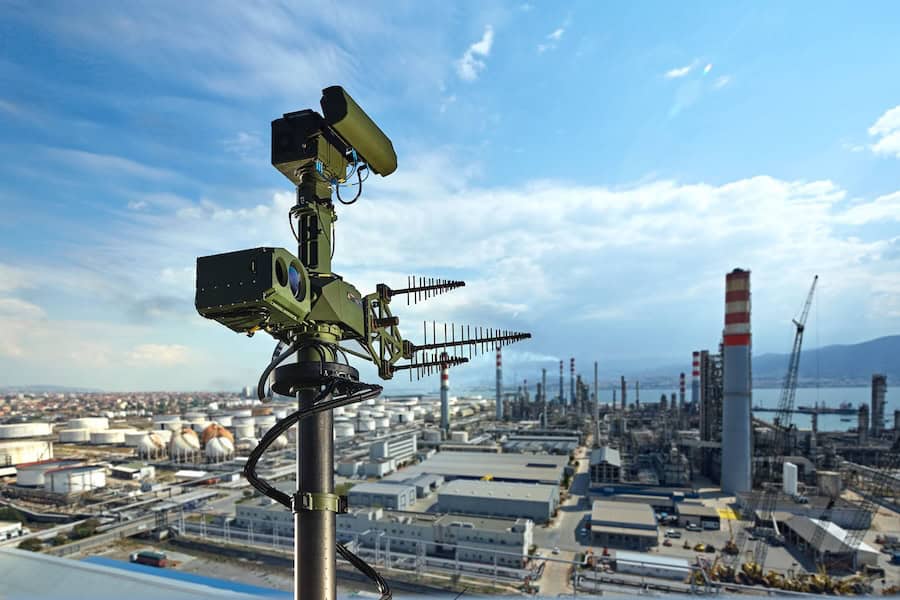
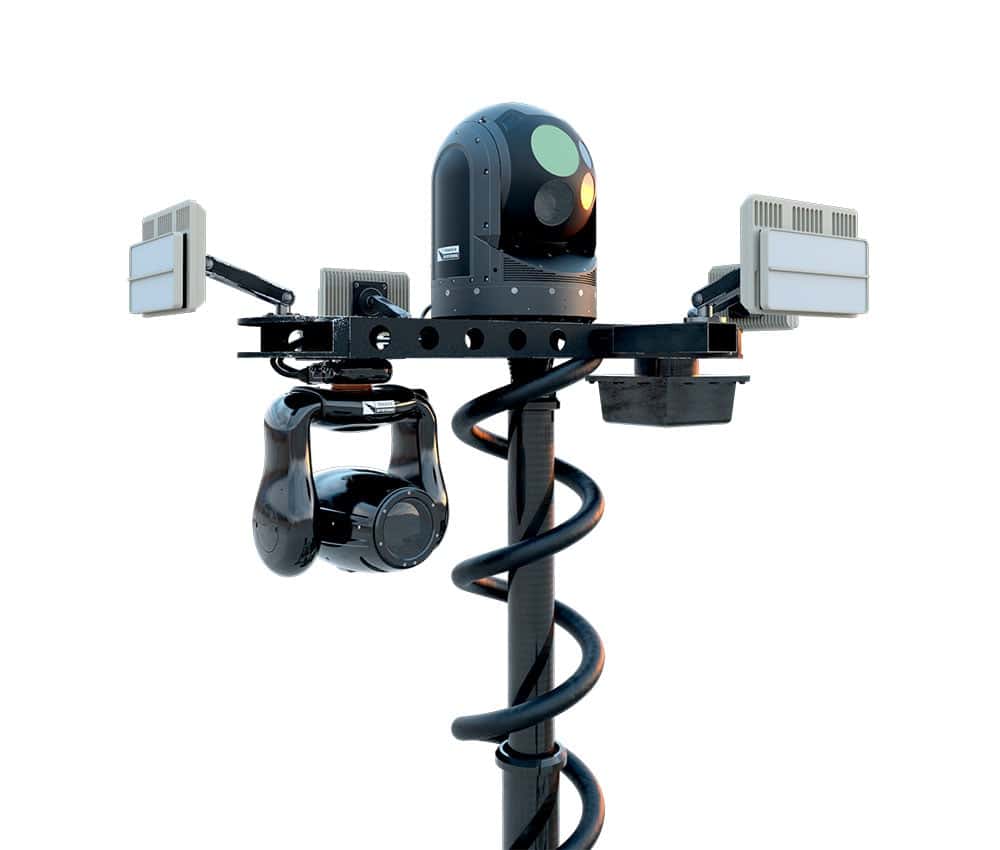
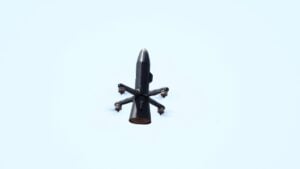
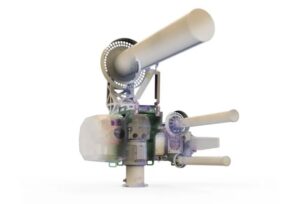
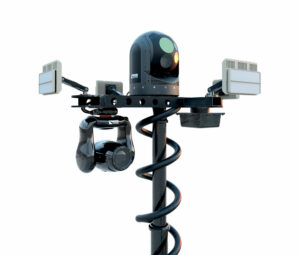
Phased-array radar-guided EO/IR drone identification & tracking system
Phased-array radar-guided EO/IR drone identification & tracking system
...s a standalone drone detection solution or integrate with RF detection and mitigation systems to... ...a multi-sensor counter-UAS platform that combines phased-array radar, visible-light imaging, thermal...
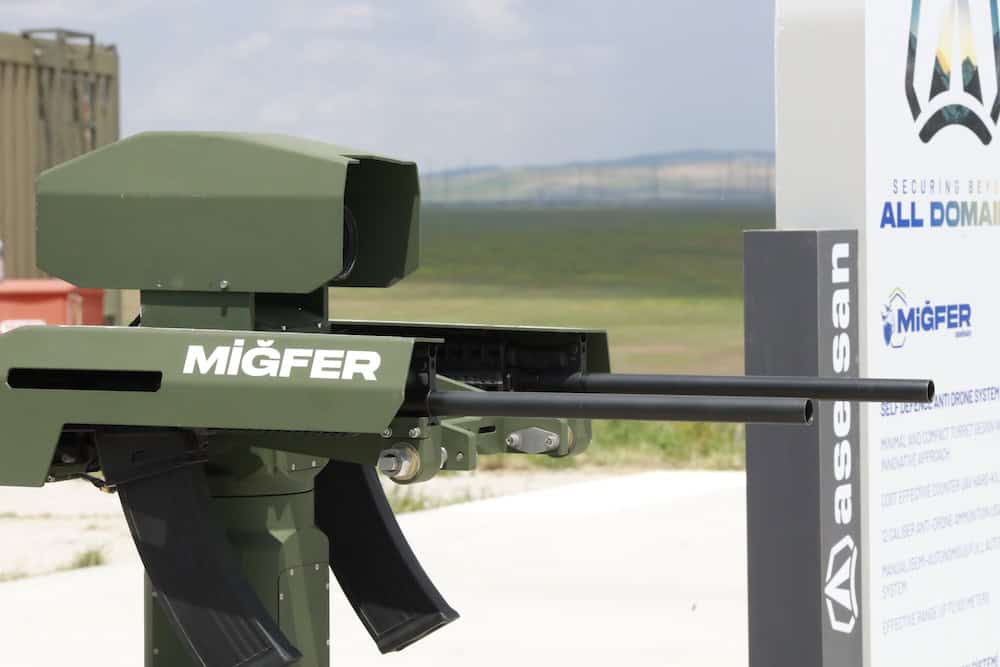
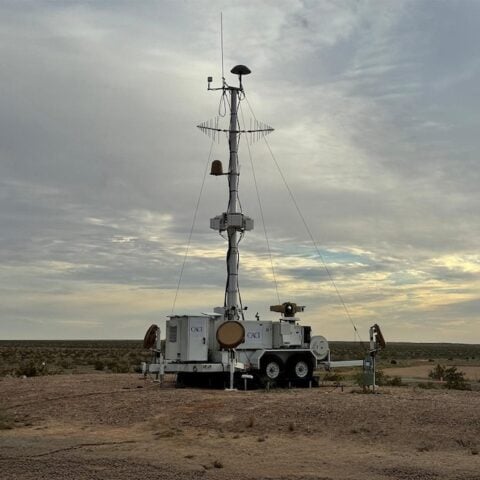
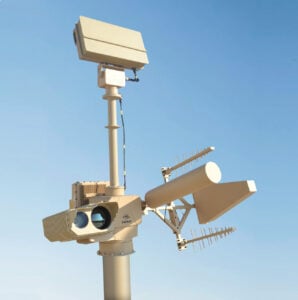
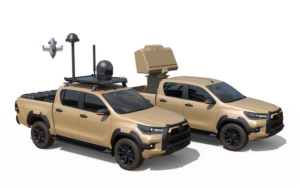
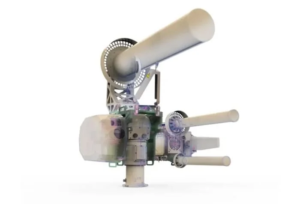
Modular counter-UAS system for border, facilities & infrastructure protection
Modular counter-UAS system for border, facilities & infrastructure protection
...ct and modular counter-drone system that is designed for effective protection of borders, airports,... ...ixed or mobile solution. Subsystems can be installed together or spread out on separate masts....
Overview of Integrated Counter-Drone Solutions for Multi-Layer Drone Defense
Overview by
William Mackenzie
Updated:
Introduction to Integrated Counter-Drone Solutions
Integrated counter-drone solutions combine detection, tracking, identification, command and control, and mitigation technologies to protect airspace against unauthorized or hostile Unmanned Aircraft Systems (UAS). These integrated Counter-Unmanned Aircraft Systems (C-UAS) coordinate multiple sensors and countermeasures to support real-time threat assessment and response.
Integrated drone defense systems are used at military installations, airports, critical infrastructure, and other sensitive locations. They may incorporate multi-sensor drone detection, centralized command and control, and layered countermeasures to address different drone threats and operational requirements.
Core Capabilities of Integrated Drone Defense Systems
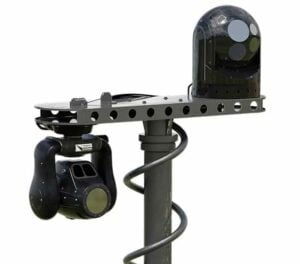
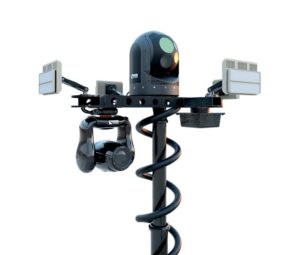
Integrated anti-drone defense systems from Chess Dynamics.
Drone Detection and Initial Alerting
Radar, Radio Frequency (RF), Electro-Optical (EO), Infrared (IR), and acoustic sensors can provide initial detection of potential drone activity. Automated alerting systems notify operators when targets enter monitored airspace or meet configured detection criteria.
Target Tracking and Localization
Integrated systems correlate sensor measurements to estimate drone position, movement, and trajectory. Continuous tracking supports situational awareness, while localization capabilities depend on the available sensors, their measurement accuracy, and the system configuration.
Drone Classification and Identification
Classification software analyzes radar signatures, RF characteristics, imagery, and other sensor data to help distinguish drones from birds, conventional aircraft, and background interference. Compatible systems may identify drone models or communication characteristics, while supported remote identification signals can provide additional identity information. Classification and identification alone cannot establish hostile intent.
Sensor Fusion and Common Operational Picture
Multi-sensor counter-drone solutions correlate detections from different sensors, associate measurements with individual targets, and present consolidated tracks to operators. Sensor fusion and cross-cueing can improve track continuity, reduce duplicate detections, and compensate for limitations affecting individual sensors under different environmental and operational conditions.
Threat Assessment and Prioritization
Threat assessment software evaluates factors such as drone position, trajectory, behavior, and proximity to protected assets. Integrated systems can prioritize alerts and provide decision support to operators, particularly when multiple potential threats are present.
Effector Selection and Engagement Coordination
Counter-drone command and control software uses target tracks and threat assessments to recommend or coordinate mitigation systems according to engagement constraints, system capabilities, and operational authorization. Multi-effector configurations support different responses within their respective engagement envelopes, with operators retaining required approval and oversight.
Post-Engagement Assessment and Incident Recording
Integrated systems can retain sensor recordings, track histories, operator actions, and countermeasure activity. Post-engagement assessment supports incident investigation, performance evaluation, and the identification of unresolved threats or continuing drone activity.
Key Types of Integrated Anti-Drone Defense Systems
Multi-Sensor Counter-Drone Systems
Multi-sensor systems integrate radar, RF, Electro-Optical/Infrared (EO/IR), acoustic, and other detection technologies to provide complementary surveillance capabilities. Sensor fusion and cross-cueing allow individual sensors to contribute to a shared tracking picture, supporting detection and tracking across different target characteristics, operational conditions, and environments.
Multi-Effector Counter-Drone Systems
Multi-effector systems integrate multiple mitigation technologies within a coordinated response architecture. These may include electronic warfare, directed energy, kinetic interception, and drone capture systems. Such configurations support multi-layer drone defense by providing different engagement options according to target characteristics, available equipment, engagement conditions, and operational restrictions.
C-UAS Command and Control Systems
C-UAS Command and Control (C2) systems connect sensors, tracking software, operator interfaces, and mitigation equipment. They provide centralized situational awareness, threat prioritization, engagement coordination, and operational oversight. Advanced configurations may support distributed operations, automated decision support, standardized data interfaces, and integration with wider air defense networks.
Drone Detection Technologies in Integrated C-UAS Systems
Integrated counter-UAS systems use complementary detection technologies to improve surveillance coverage, target classification, and tracking reliability. Common sensor technologies include:
Radar-Based Drone Detection: Active radar systems detect and track aerial targets using reflected electromagnetic signals, providing range, direction, and motion information according to the radar configuration. Radar can support wide-area surveillance and detection of targets without active communications.
RF Detection and Direction Finding: RF sensors monitor drone-related transmissions to detect and characterize communication activity. Direction-finding systems can estimate signal bearings and, in suitable multi-sensor configurations, support geolocation.
EO/IR Detection: Visible-light and thermal cameras support visual identification, target tracking, and threat verification. EO/IR sensors can be cued by radar or RF systems to examine detected objects and provide additional information for classification.
Acoustic Drone Detection: Microphone arrays detect characteristic acoustic signatures from drone propulsion systems. Acoustic sensors can supplement other technologies, particularly at shorter ranges where background noise and environmental conditions permit reliable detection.
Combining these technologies can help compensate for individual sensor limitations and support more comprehensive drone surveillance, although overall performance depends on sensor coverage, environmental conditions, and integration quality.
Drone Mitigation Techniques in Integrated C-UAS Systems
Integrated counter-drone solutions may incorporate electronic, cyber, directed energy, and physical interception technologies. The appropriate response depends on drone capabilities, engagement conditions, safety requirements, and applicable legal and operational authorization.
Integrated counter-drone solutions from Trakka Systems, TIPS-C.
RF Jamming: Disrupts susceptible drone control, telemetry, and communication links through Radio Frequency interference directed at relevant frequency bands.
GNSS Jamming: Interferes with satellite navigation reception, potentially degrading positioning and navigation functions on susceptible drones.
GNSS Spoofing: Transmits deceptive navigation signals intended to influence the positioning or navigation calculations of vulnerable receivers.
Cyber Takeover: Uses supported communication protocols or exploitable control mechanisms to influence compatible drone functions, potentially including controlled landing or redirection.
High-Energy Laser Systems: Direct concentrated laser energy toward aerial targets to produce damaging thermal effects, subject to target characteristics, line of sight, atmospheric conditions, and available dwell time.
High-Power Microwave Systems: Apply electromagnetic energy to disrupt or damage susceptible electronic systems, potentially affecting multiple targets within an effective engagement area.
Interceptor Drones: Deploy specialized unmanned aircraft to intercept, disable, or capture hostile drones, depending on their interception mechanisms.
Kinetic Interceptors: Use projectiles, guided weapons, or other physical interception mechanisms to engage aerial targets.
Net-Based Capture Systems: Employ nets delivered by launchers or interceptor platforms to physically restrain suitable drones.
Multi-effector architectures can combine compatible countermeasures into a layered response, although individual technologies have different engagement limitations, safety implications, and regulatory restrictions. Their integration also requires coordination to manage potential interference between mitigation equipment and other operational systems.
Core Use Cases of Integrated C-UAS Technology
Airports and Controlled Airspace
Airport counter-drone systems combine detection, tracking, and identification technologies to support surveillance around runways, terminals, and operational airspace. Integration with airport security and airspace management functions supports threat assessment and coordinated response. Active mitigation is subject to separate legal authority, operational coordination, and aviation safety restrictions.
Energy Facilities and Industrial Installations
Power stations, energy infrastructure, and industrial facilities may use integrated systems to detect drones approaching sensitive equipment or restricted areas. Fixed surveillance networks can combine overlapping sensor coverage with centralized monitoring and authorized response capabilities.
Ports and Maritime Infrastructure
Ports, harbors, and maritime facilities require surveillance across waterfront areas, vessels, and complex infrastructure. Integrated counter-UAS systems can combine radar, RF, and EO/IR technologies to monitor low-altitude threats while accounting for maritime clutter, moving vessels, and changing environmental conditions.
Government Facilities and Military Sites
Government installations, military bases, and deployed forces may employ integrated anti-drone systems for perimeter security, airspace surveillance, and force protection. Layered architectures can coordinate multiple detection and mitigation technologies with established command structures and engagement procedures.
Major Events and Temporary Security Operations
Portable and vehicle-mounted integrated C-UAS support temporary deployment at public events, security operations, and other high-priority locations. Rapidly deployable configurations prioritize mobility, flexible sensor positioning, communications connectivity, and integration with security personnel and existing operational procedures.
Urban Environments and Complex Infrastructure
Urban installations face restricted lines of sight, electromagnetic interference, building reflections, and dense background activity. Multi-sensor drone detection combines complementary technologies to improve coverage and tracking reliability, while countermeasure selection must account for nearby people, communications systems, and infrastructure.
Emerging Developments in Multi-Layer Drone Defense
Developments in integrated C-UAS technology focus on improving sensor coordination, automated decision support, and responses to increasingly diverse drone threats. Key areas of development include:
AI-Assisted Sensor Fusion: Machine learning techniques are being refined for drone classification, track association, and threat assessment using information from multiple sensors.
Automated Effector Coordination: Software-assisted engagement management is being developed to support faster response recommendations, target handover, and coordinated engagement sequences, subject to operator authorization and operational safeguards.
Counter-Swarm Capabilities: Multi-target tracking and coordinated engagement capabilities are being developed and tested to address larger numbers of simultaneous threats, while reliable defense against large, coordinated drone swarms remains an ongoing technical and operational challenge.
Counter-Autonomous Drone Capabilities: Integration of radar, optical, and other detection methods is increasingly important for identifying and tracking drones operating without continuous RF communications or external navigation signals.
Compact Directed Energy Integration: Compact laser and High-Power Microwave (HPM) systems are undergoing further integration and operational evaluation on fixed and deployable platforms, with power, cooling, safety, and sustainment remaining significant considerations.
These developments are contributing to more adaptable integrated counter-drone solutions that coordinate detection, threat assessment, decision support, and response across increasingly complex operational environments.
Areté's products have supported all four primary branches of the U.S. military, as well as the Missile Defense Agency and the U.S. intelligence community
OpenWorks partners with Walaris to integrate AirScout AI into Vision Flex, expanding modular Counter-UAS options with edge processing, sensor fusion, and enhanced tracking
D-Fend Solutions has introduced EnforceAir PLUS, a compact cyber-driven counter-drone system integrating RF-cyber, radar, and optional jamming for multi-layered protection
Citadel Defense has been awarded a $6 million, sole source contract from a Classified U.S. Department of Defense customer to build and deploy an Artificial Intelligence (AI)-powered counter drone solution
Citadel Defense, in conjunction with mobile communications developer Syzygy Integration, has developed a custom counter-drone system for the U.S. Department...
Ascent Vision Technologies (AVT) has announced that it has completed the latest phase of field testing of the company's eXpeditionary Mobile Air Defense Integrated System (X-MADIS) counter-drone system, following a contract awarded by the U.S. Air Force for multiple X-MADIS units
The latest unmanned systems news, straight to your inbox.
Get our weekly roundup of technology developments, new products and industry news.
THANK YOU FOR SIGNING UP
Thanks for joining us. Check your inbox.
We've sent you an email. Click the confirmation link to complete your subscription to the weekly eBrief. In the meantime, explore the latest news, suppliers and technologies on UST.
Advancing Unmanned Systems Through Strategic Collaboration
UST works with major OEMs to foster collaboration and increase engagement with SMEs, to accelerate innovation and drive unmanned systems capabilities forward.