










Showcase your capabilities
If you design, build or supply Drone Detection Systems, create a profile to showcase your capabilities and connect with visitors who have an active requirement for your solutions.




Drone detection systems identify, locate, track, and classify Unmanned Aerial Vehicles (UAVs) operating within monitored airspace. UAV detection solutions may combine radar, RF sensing, EO/IR cameras, acoustic sensors, and Remote ID receivers to improve track confidence, classification, and situational awareness.
This category showcases drone detection companies with technology designed for airports, military sites, critical infrastructure, maritime environments, and security operations.
Read the Technology Overview


Cutting-Edge Unmanned Systems, Counter-UAS Solutions, and UxV Technology for the Modern Battlefield

RF-Cyber based Counter-UAS Solutions for Drone Threat Detection & Mitigation

BVLOS Solutions for UAS & UAM: Fuel Cells, Radar, Navigation Sensors, Flight Control & SATCOM

Integrated Radio Systems, RF Power Amplifiers, Bi-Directional Amplifiers & Consultancy Services for UAV & Unmanned Systems

Advanced Counter-UAS Systems for Detecting & Defeating Unmanned Threats

Advanced RF, Navigation & Electronics Solutions for UAVs & Autonomous Systems

Fully Integrated Security Solutions & Surveillance Systems for Counter-UAS Applications

Cutting-Edge Unmanned Systems-based Sensing Solutions & Counter-UAS Systems for Military & Defense Forces

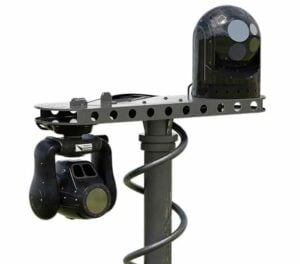
Multi-Sensor Imaging Gimbals, Searchlights and VMS Software for Air, Land & Maritime Platforms

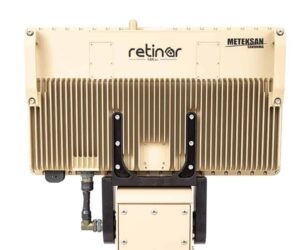
UAV Components: SAR, Radar Altimeter, Data Links, Telemetry, GNSS Products & C-UAS | Tactical USVs

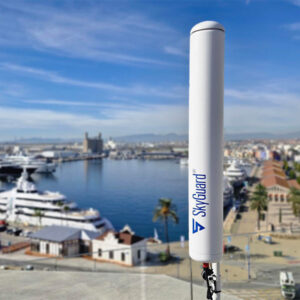
Comprehensive Hardware & Software Solutions for Drone Operations & Airspace Integration

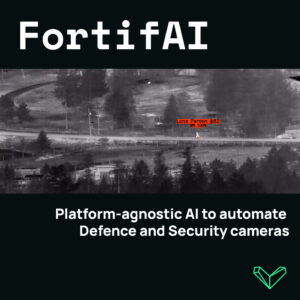
Edge-Based Visual AI Software Platform for Defence & Security Camera Automation

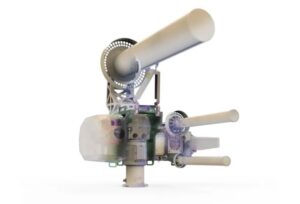
Electro-Optical Surveillance and Video Processing for Unmanned Systems & Counter-Drone Applications

If you design, build or supply Drone Detection Systems, create a profile to showcase your capabilities and connect with visitors who have an active requirement for your solutions.

Drone detection systems provide early warning, location, tracking, classification, and situational awareness when Unmanned Aerial Vehicles (UAVs) enter or operate within a monitored area. Depending on the application, a system may need to detect a drone at distance, maintain a continuous track, distinguish it from other airborne objects, and provide information for an operator to assess the activity.
UAV detection requirements vary by site and mission. Airports, military installations, prisons, offshore platforms, and temporary events present different coverage challenges. Effective performance therefore depends on matching sensors, coverage, software, integration, and deployment architecture to the operating environment rather than relying on a single detection technology.
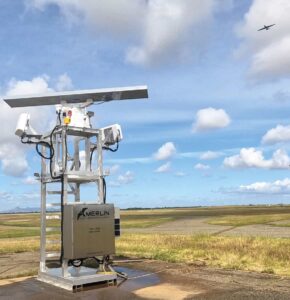
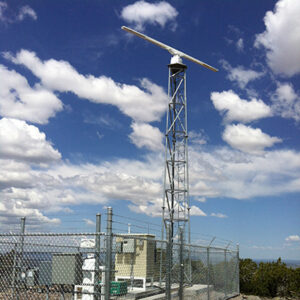
Drone detection radar uses transmitted radio energy and reflected signals to locate and track airborne targets. It operates independently of the target’s communications and can therefore detect drones that are not transmitting RF signals. Doppler and micro-Doppler processing can help distinguish small UAVs from birds, aircraft, and clutter, with performance influenced by radar cross section, flight profile, terrain, and sensor geometry.
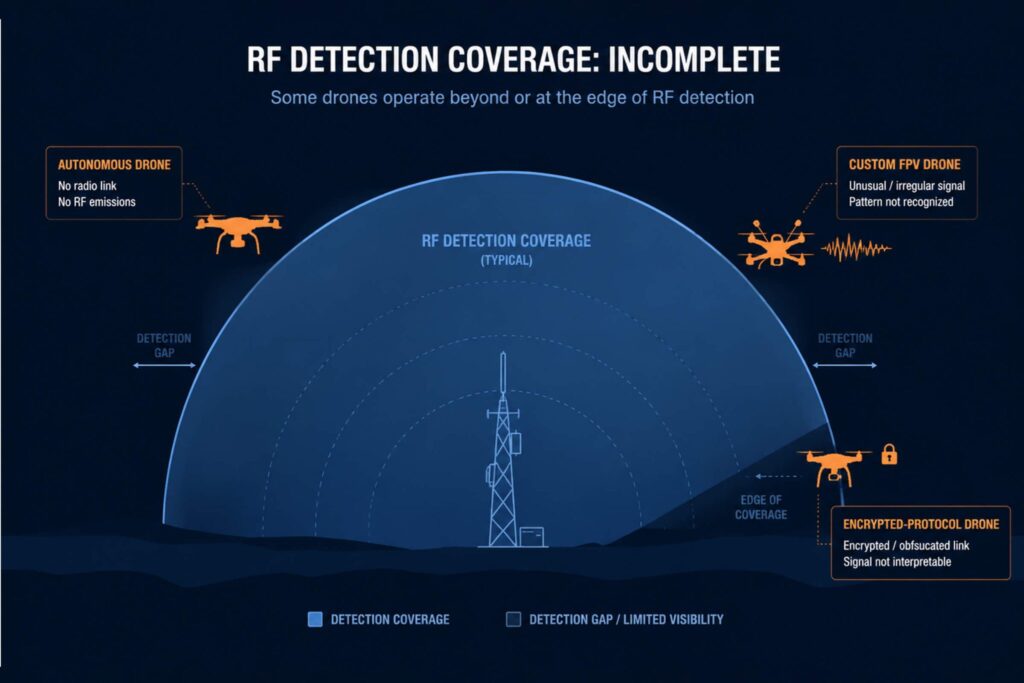
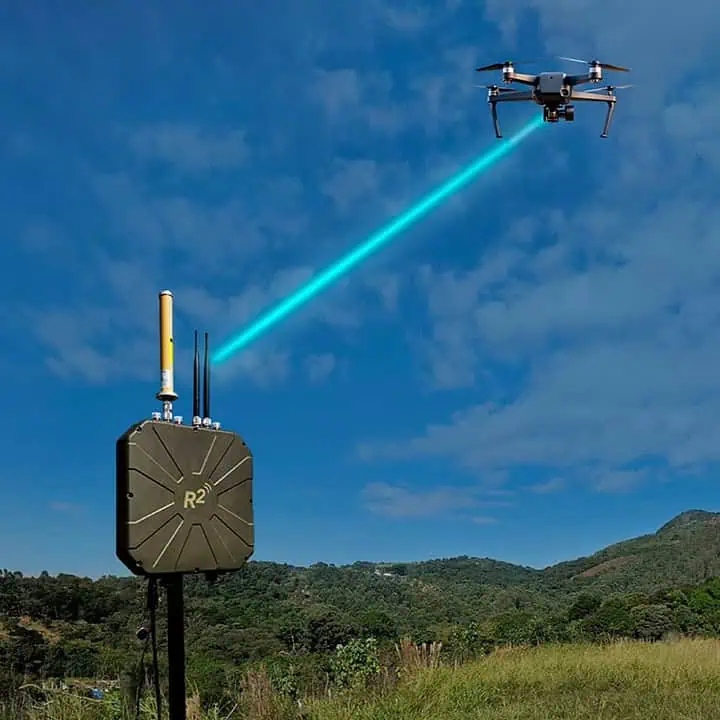
Radio Frequency (RF) sensors passively monitor command, control, telemetry, or video transmissions associated with UAV operations. RF detectors can support signal recognition, direction finding, and, in some configurations, transmitter or controller localization. Aircraft operating autonomously or without recognizable RF emissions may not be detected by RF sensors alone.
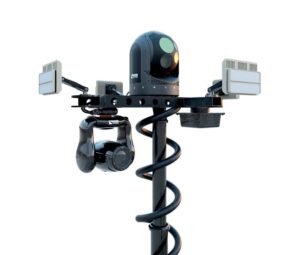
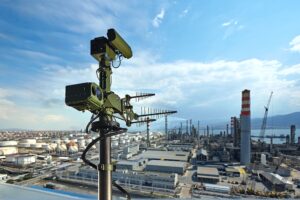
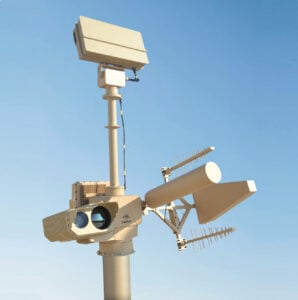
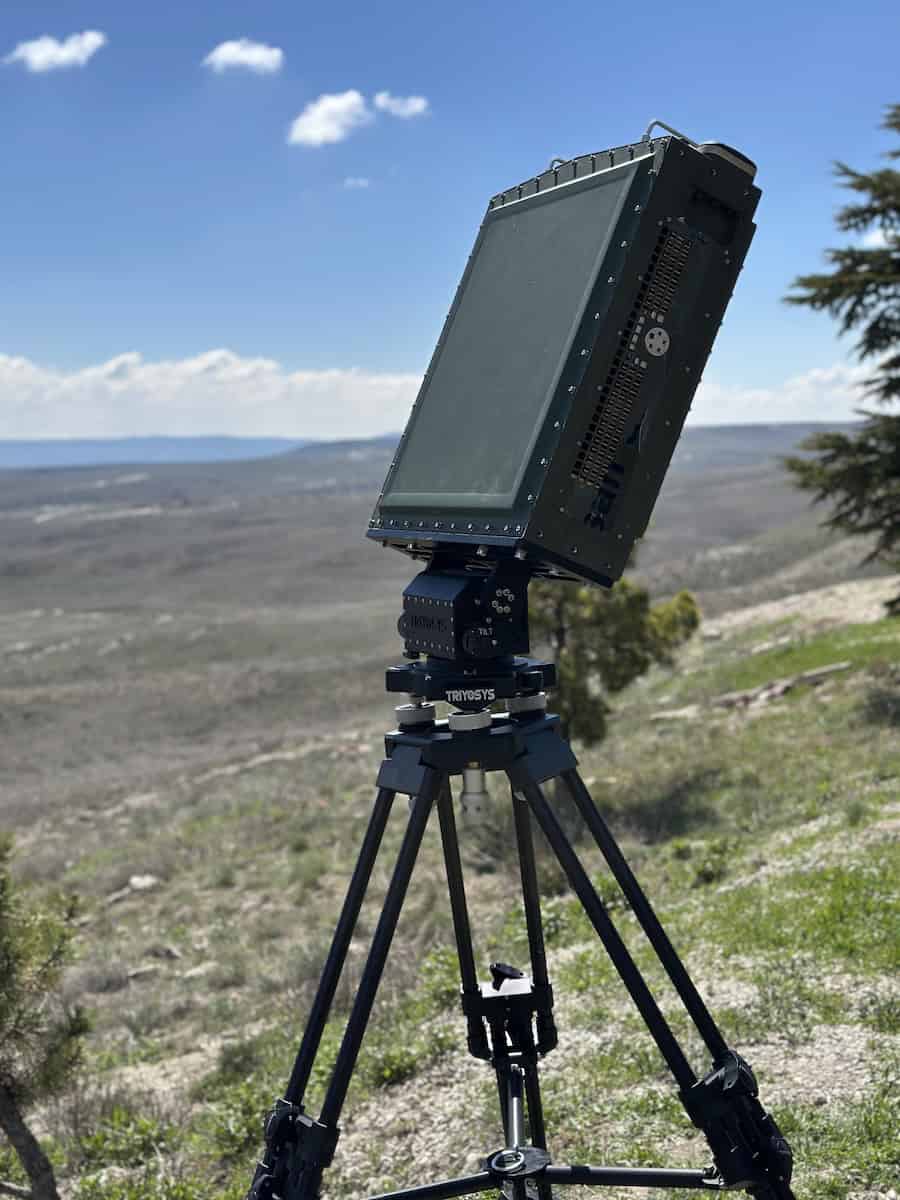
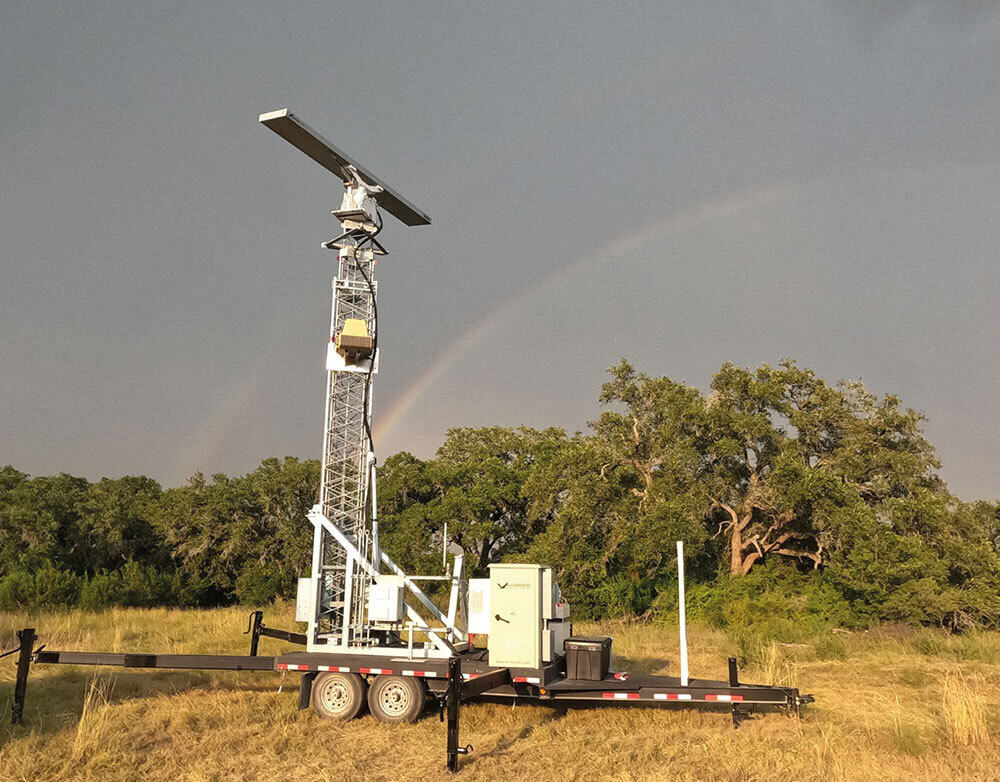
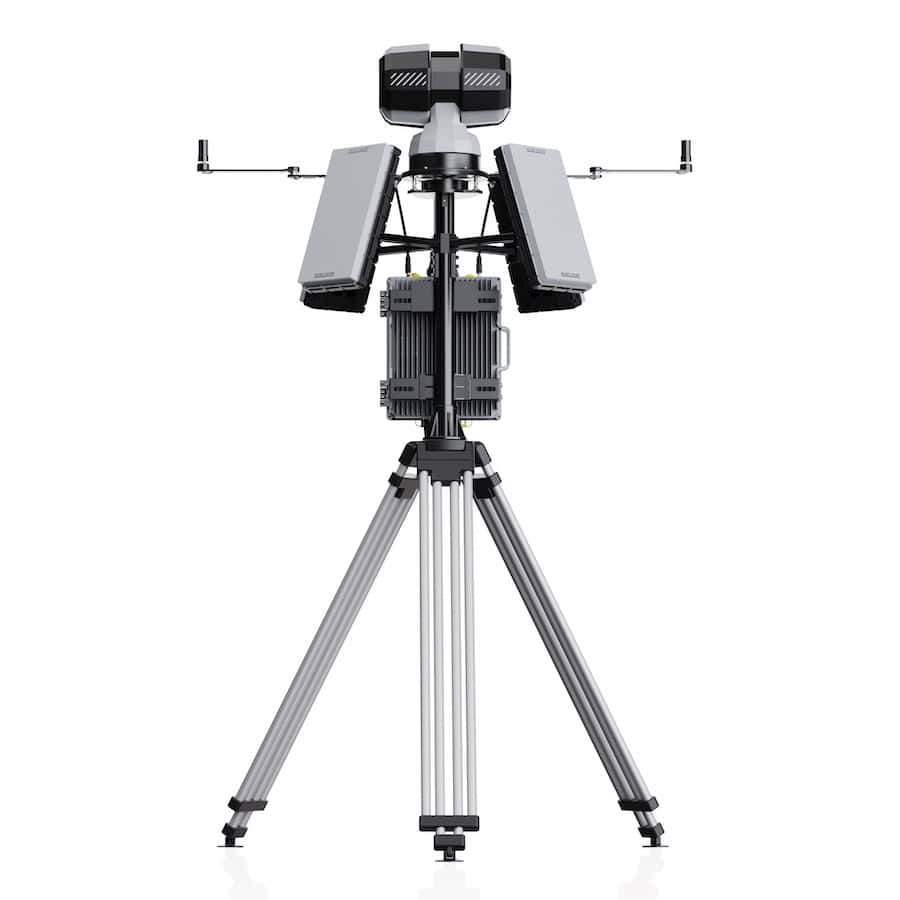
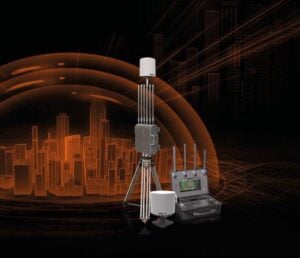
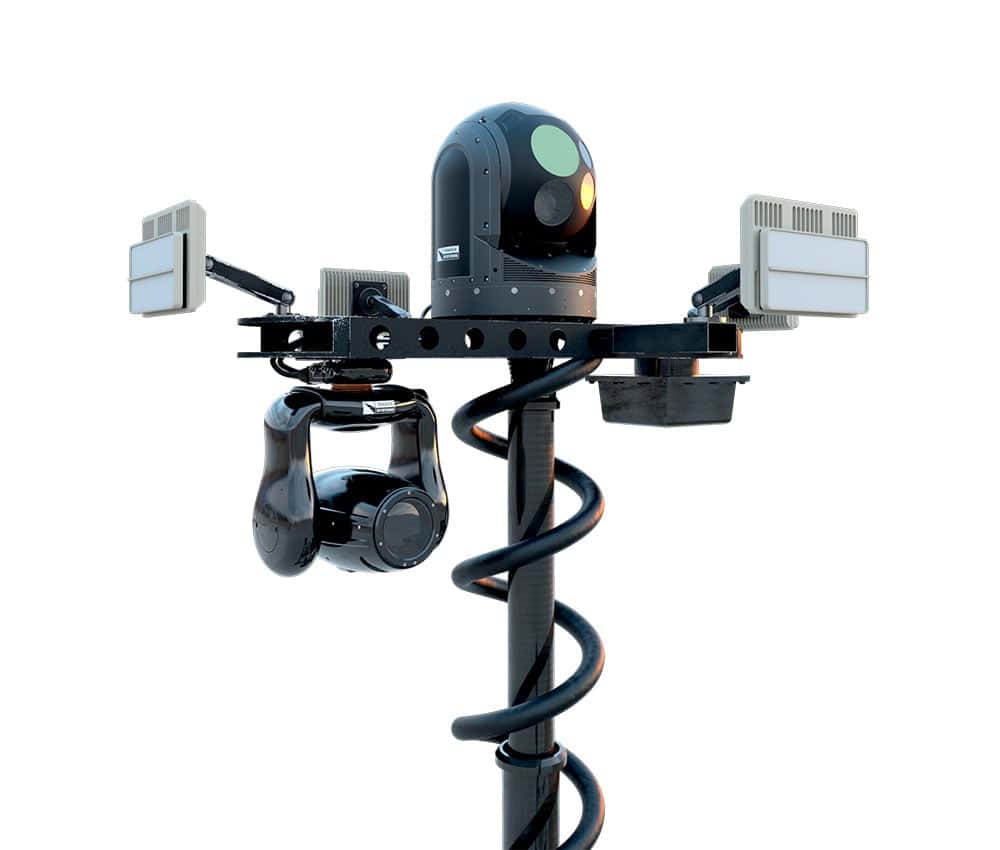
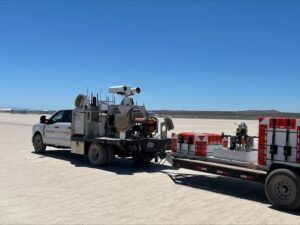
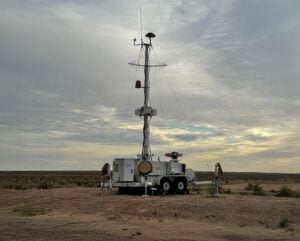
TIPS-C Mobile C-UAS & Drone Detection Solution by Trakka Systems
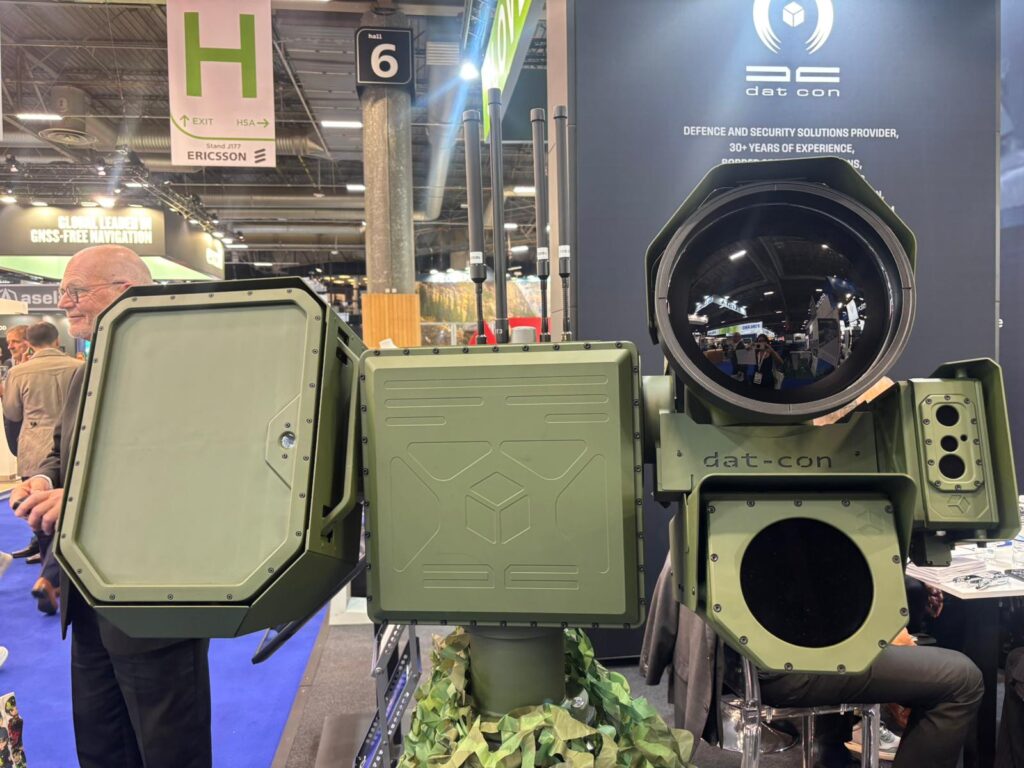
Electro-Optical (EO) systems use visible-light cameras for visual drone detection, tracking, and target confirmation. They can help operators assess aircraft type, payload, behavior, or direction of travel once a target is located. Cameras are often cued by radar or RF sensors because performance depends on line of sight, lighting, resolution, and viewing geometry.
Infrared (IR) and thermal cameras detect heat signatures associated with motors, batteries, electronics, and propulsion systems, supporting UAV detection and confirmation at night or in low-light conditions. Performance varies with target size, heat output, background temperature, range, and sensor resolution.
Acoustic sensors use microphones or arrays to identify characteristic sound patterns produced by motors, propellers, and airframes. They can provide useful local detection where those signatures can be separated from the surrounding environment, although background noise and distance can reduce detection range and classification reliability.
Remote ID receivers collect identification, location, and other broadcast information from compliant drones. This data can help operators distinguish known or cooperative aircraft from unidentified activity and supplement a wider UAV detection system. Aircraft that are not broadcasting Remote ID still require another detection method, so it is not a complete detection capability.
Multisensor systems combine radar, RF, EO/IR, acoustic, and Remote ID data to reduce reliance on any single technology. Sensor fusion can improve track confidence, classification, localization, and continuity by correlating observations from multiple sources.
Airport drone detection systems monitor UAV activity around runways, approach paths, terminal areas, and other aviation infrastructure. Because small drones may operate close to the ground or near buildings, deployment requires careful sensor siting, reliable low-altitude coverage, controlled false-alarm rates, and compatibility with aviation communications, navigation, and surveillance infrastructure.
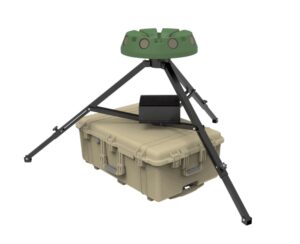
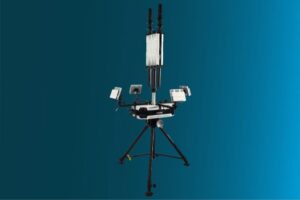
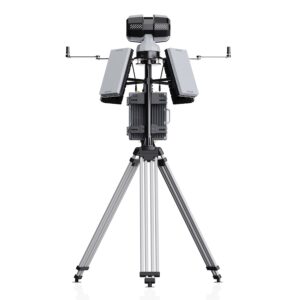
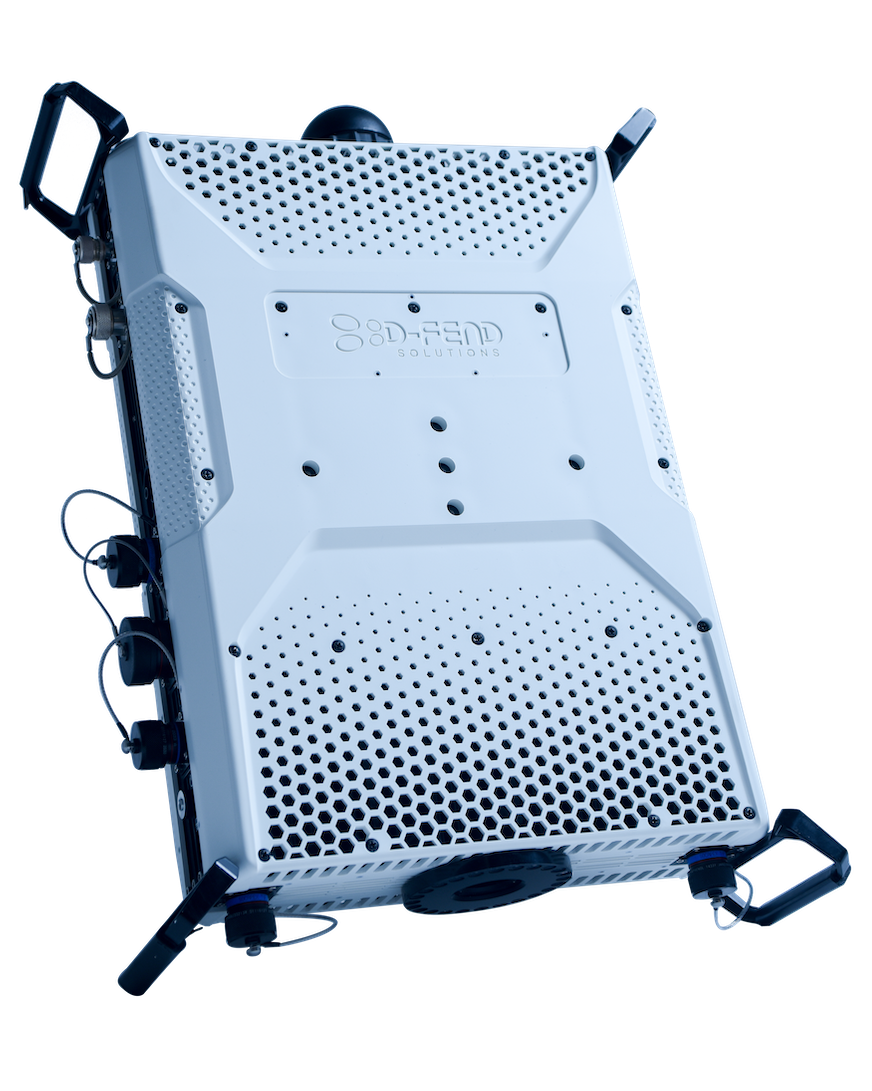
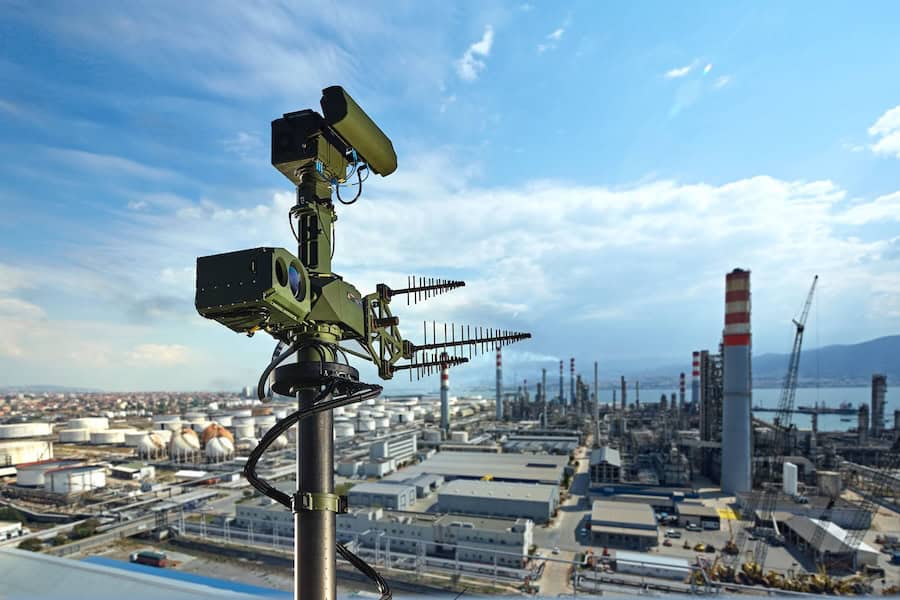
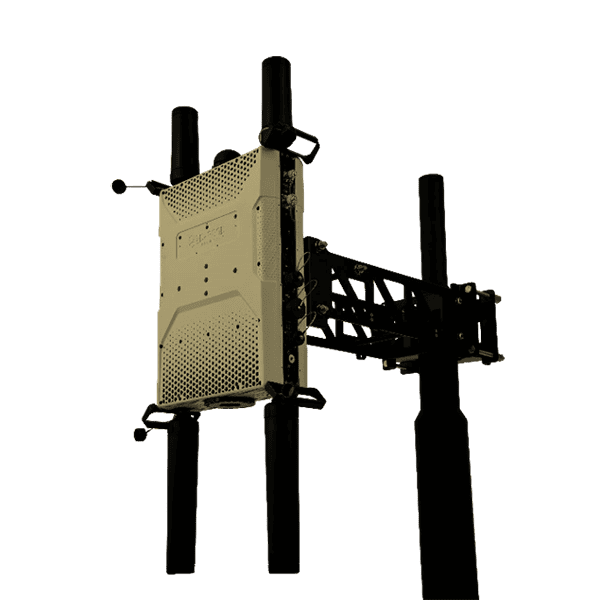
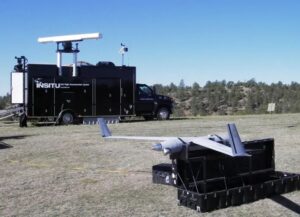
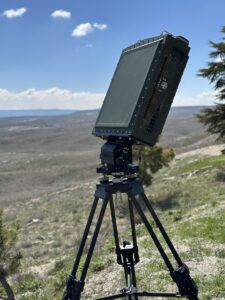
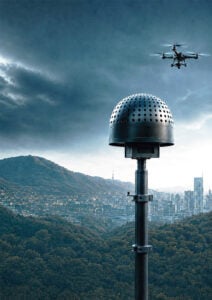
Basilisk UAS Detection System by Areté
Military drone detection solutions support force protection and low-altitude surveillance around bases, deployed positions, and sensitive assets. Systems may need to detect small or low-signature aircraft while distinguishing them from friendly platforms or other airborne activity. Confirmed tracks can feed broader counter-UAS or Command and Control (C2) networks for assessment and authorized response.
Critical infrastructure can use drone detection solutions to identify unmanned aircraft entering sensitive areas and provide security teams with earlier situational awareness. Applications include energy, communications, industrial, and transport infrastructure where unauthorized UAV activity could create safety, surveillance, or security concerns.
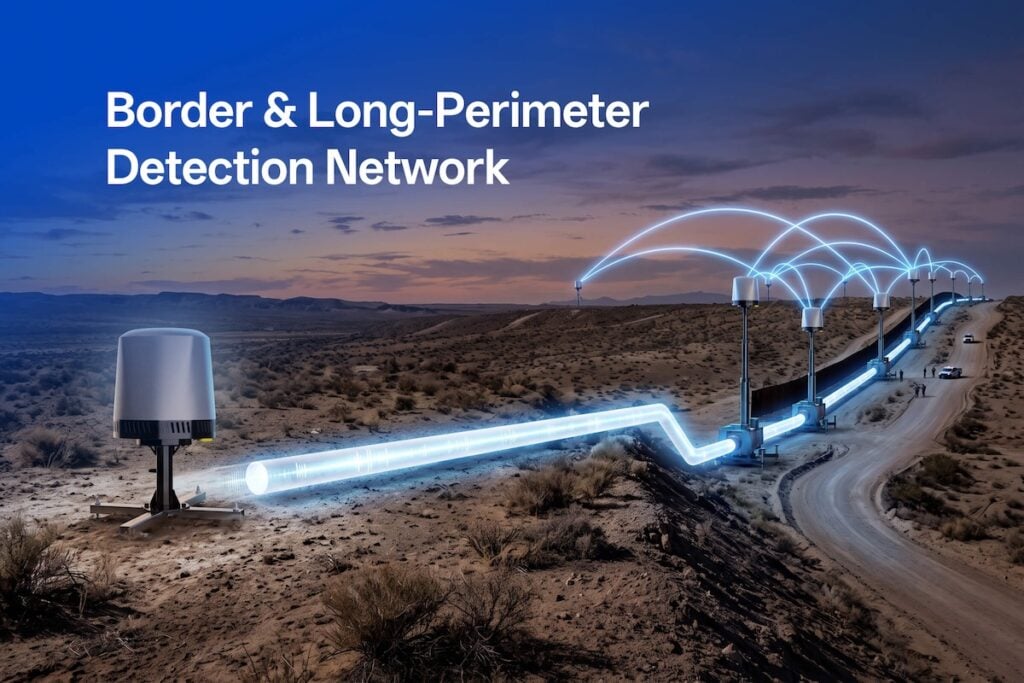
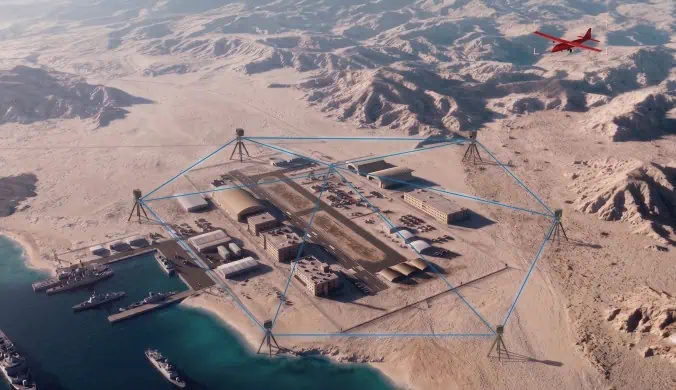
UAV detection systems can supplement surveillance along borders, coastlines, ports, and remote approaches where conventional monitoring may leave low-altitude gaps. Distributed sensors can help address long perimeters, terrain masking, and maintaining tracks as aircraft move between coverage areas.
Public-safety and law-enforcement users may deploy drone detection technology around incidents, secure areas, major operations, or locations where unauthorized UAV activity could interfere with emergency response. Reliable classification and identification are important where authorized drones, conventional aircraft, and unrelated RF activity coexist.
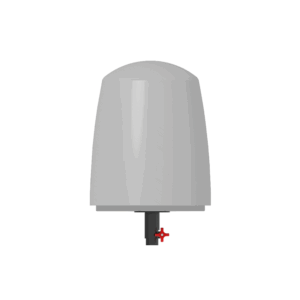
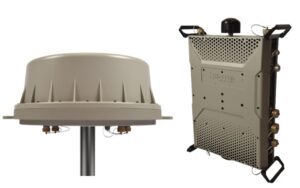
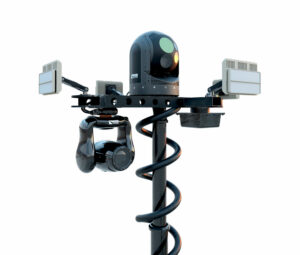
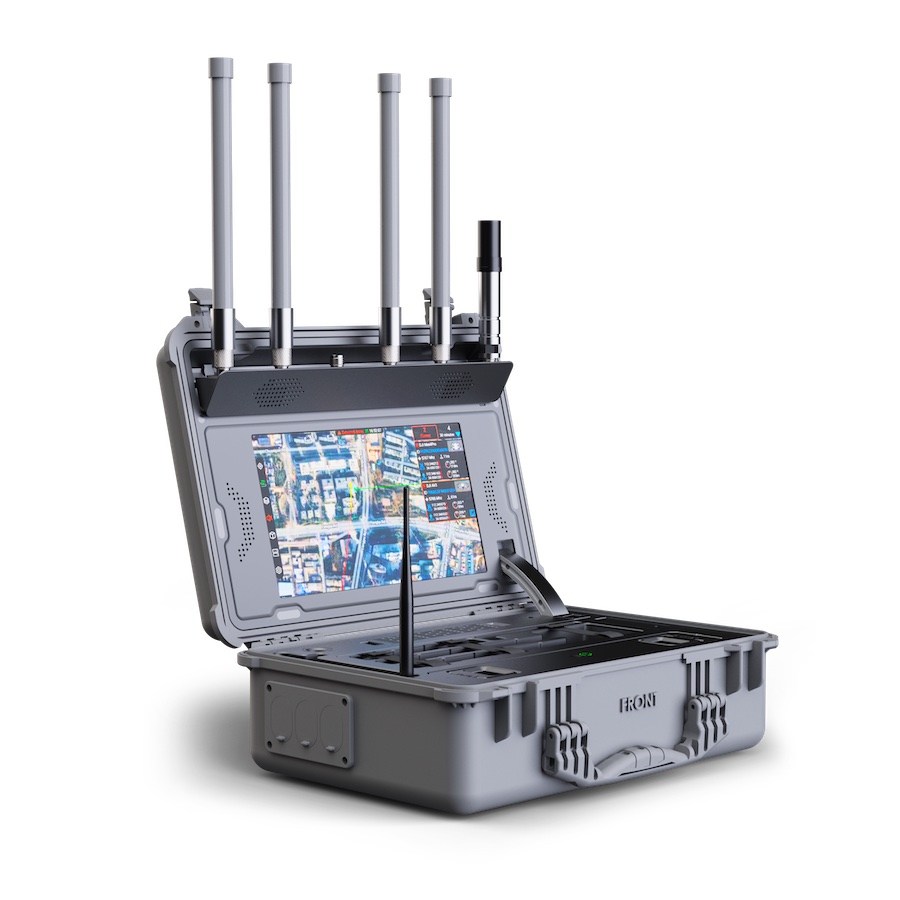
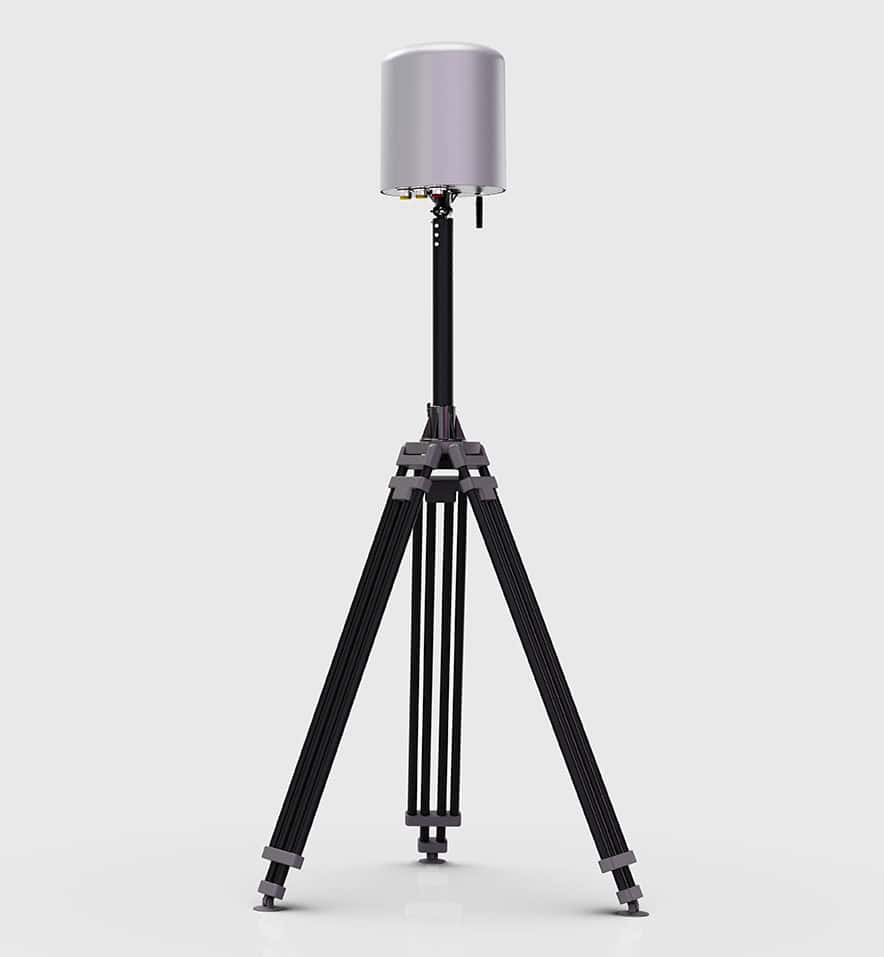
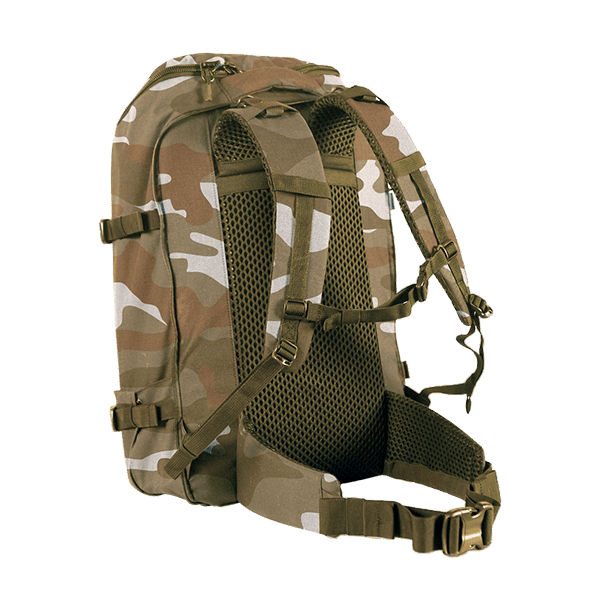
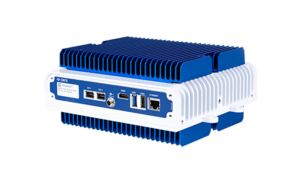
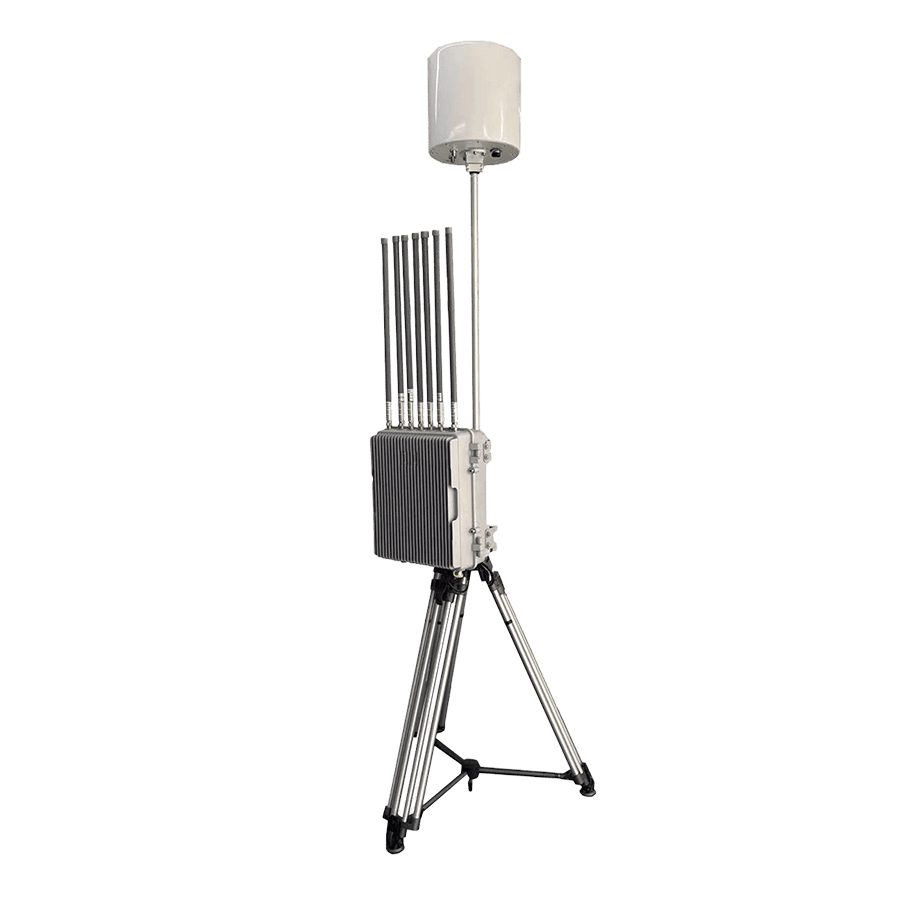
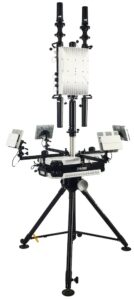
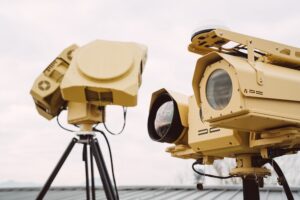
DF5 Pro Drone Detection System by LZ Tech
Drone detection for prisons can alert staff when UAVs approach or cross monitored perimeters. Systems may support investigation of suspected contraband delivery, unauthorized surveillance, or repeated flight activity, while historical track data can identify recurring routes or patterns.
Portable drone detection systems can support stadiums, public gatherings, temporary security zones, and short-duration protective operations. These deployments favor rapid setup, flexible positioning, manageable false alarms, and equipment that can be repositioned as coverage requirements change.
Maritime UAV detection systems monitor airspace around vessels, ports, offshore platforms, and coastal installations. Sea clutter, platform movement, changing horizons, weather exposure, and limited mounting positions can influence sensor selection and tracking performance.
Drone detection equipment can be deployed in several configurations according to mobility, required coverage, available infrastructure, and mission duration. The physical deployment model affects detection range, sensor overlap, communications, power requirements, and the ability to reposition equipment as conditions change.
The best configuration depends on whether the mission emphasizes persistence, mobility, rapid deployment, localization accuracy, or scalable coverage.
Drone detection and tracking can form the sensing layer of a wider counter-UAS architecture, supplying information to operators and downstream systems. Detection quality affects later stages because poor localization, unstable tracks, or incorrect classification can make aircraft assessment and response more difficult.
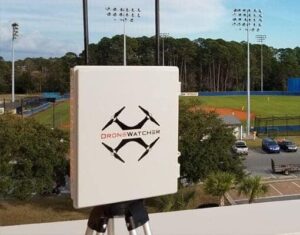
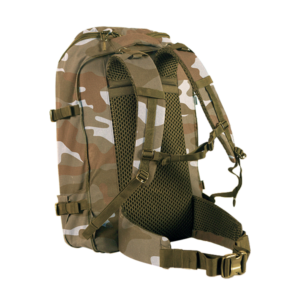
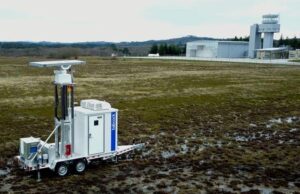
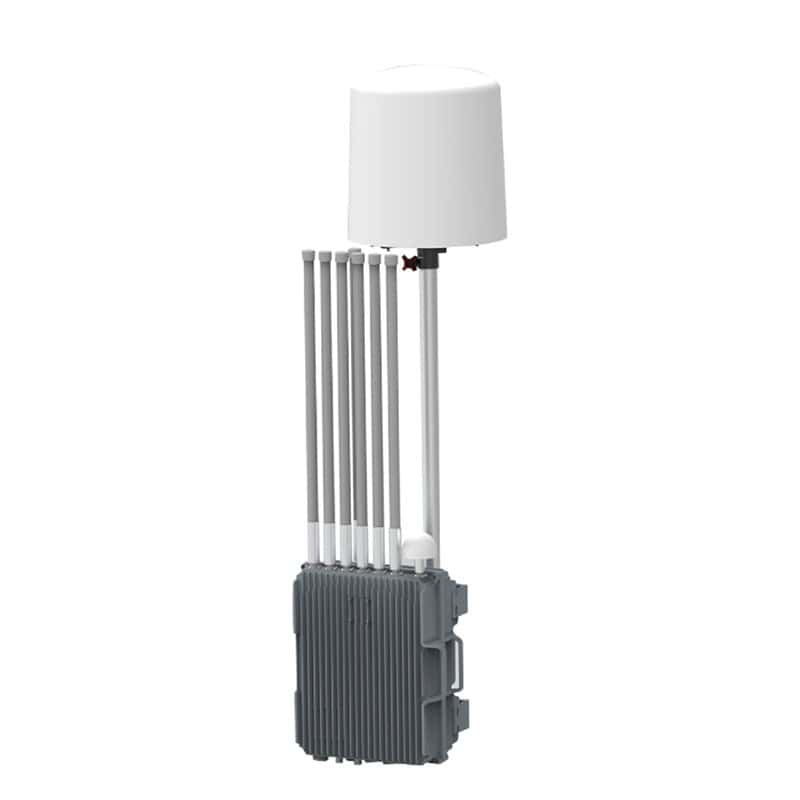
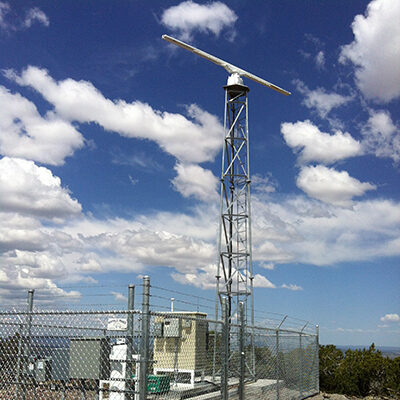
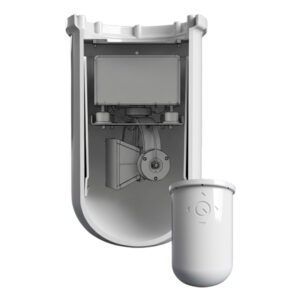
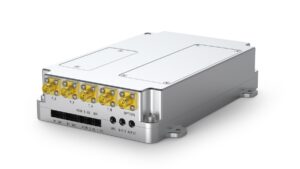
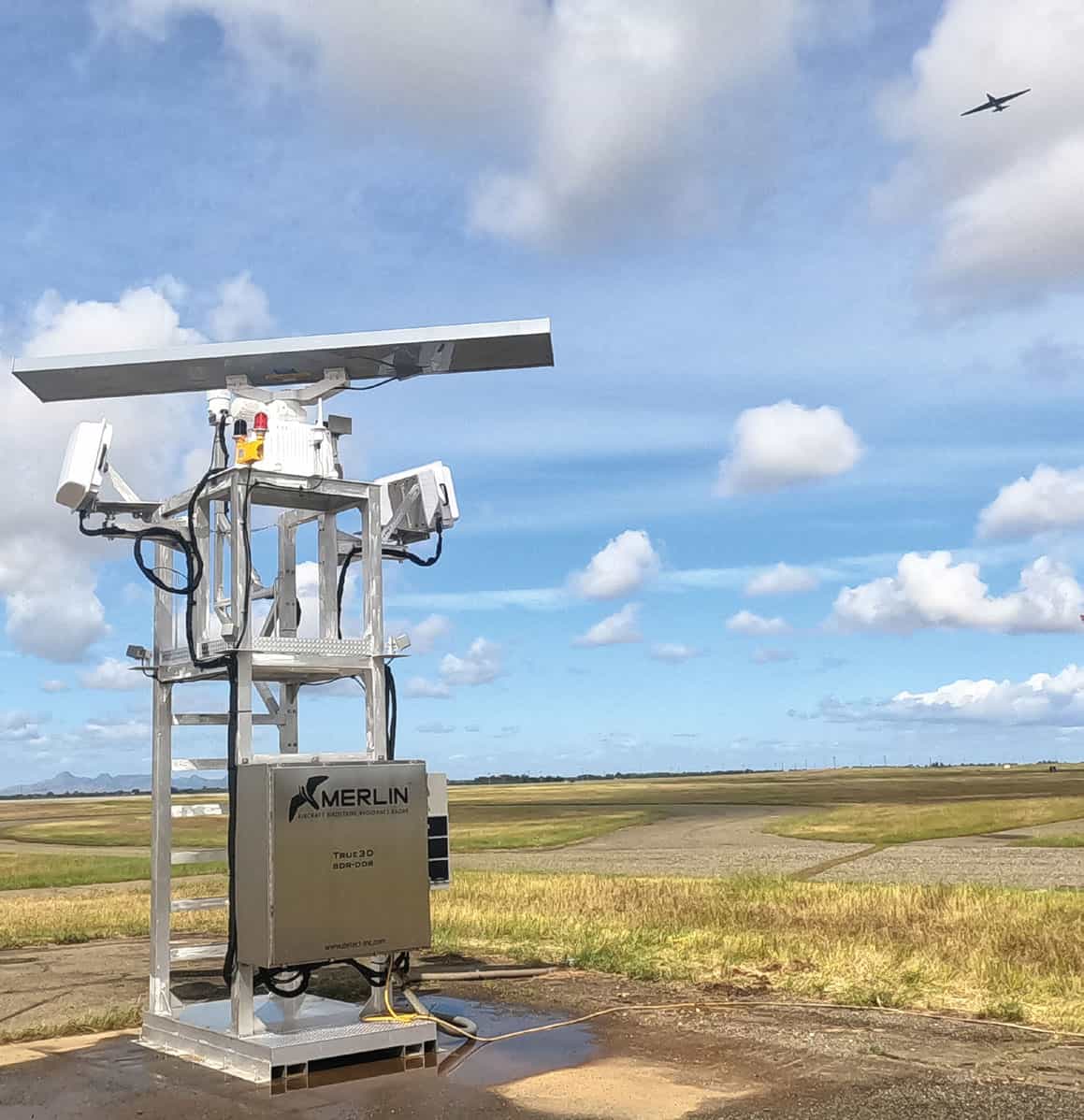
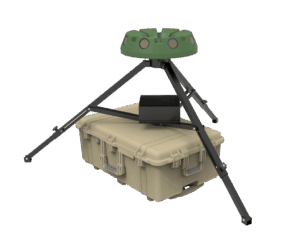
DroneWatcher RF Drone Detection Solution by DeTect
Separating sensing from mitigation helps define technical requirements, interfaces, authorities, and operating responsibilities across wider security architectures.
Development is increasingly focused on detecting smaller, more autonomous, and harder-to-observe aircraft while improving classification and reducing operator workload. This is increasing the importance of distributed sensors, automated correlation, and software that combines multiple sources into a coherent air picture.
These developments are moving drone detection solutions toward integrated, distributed, and adaptable multisensor architectures for a wider range of targets and operating environments.


 Searching Companies & Products