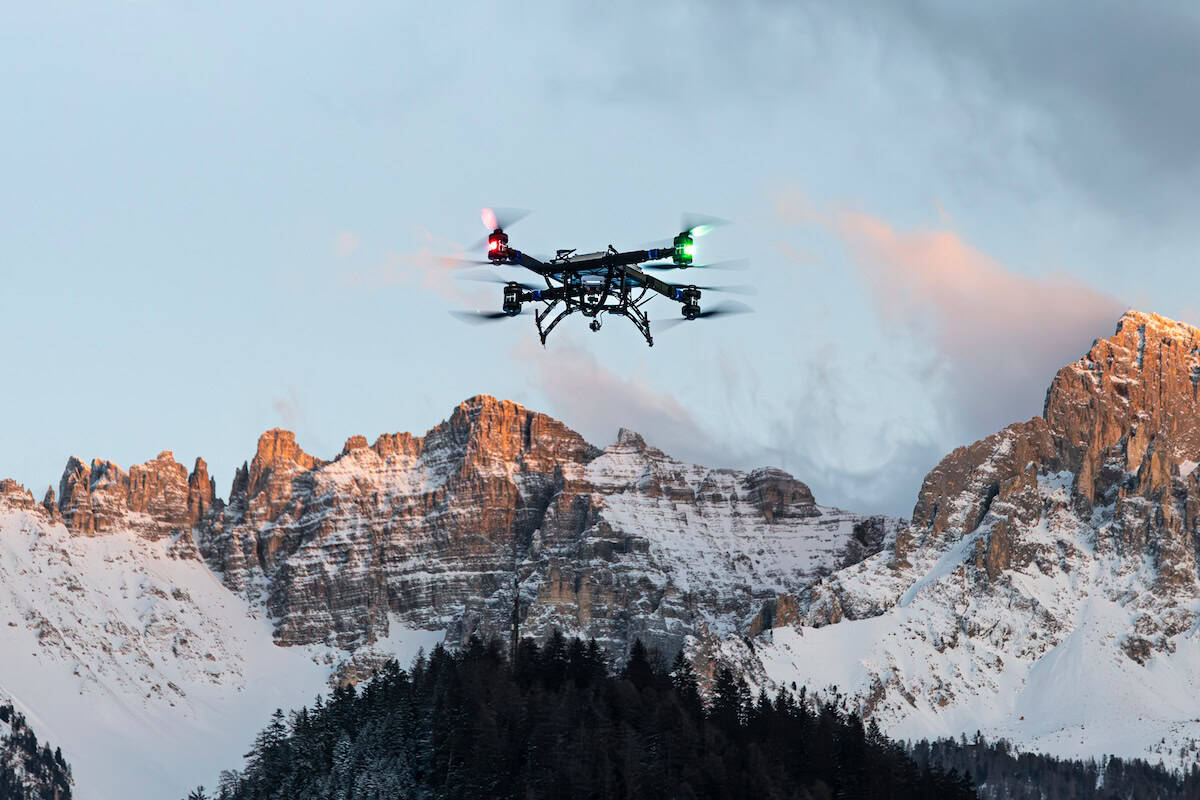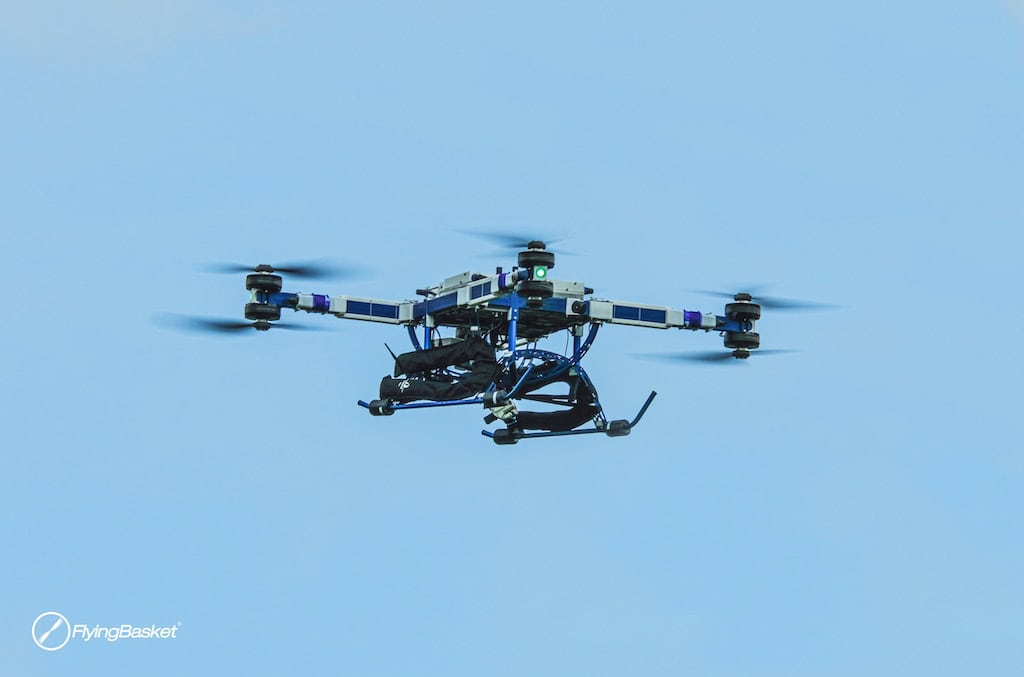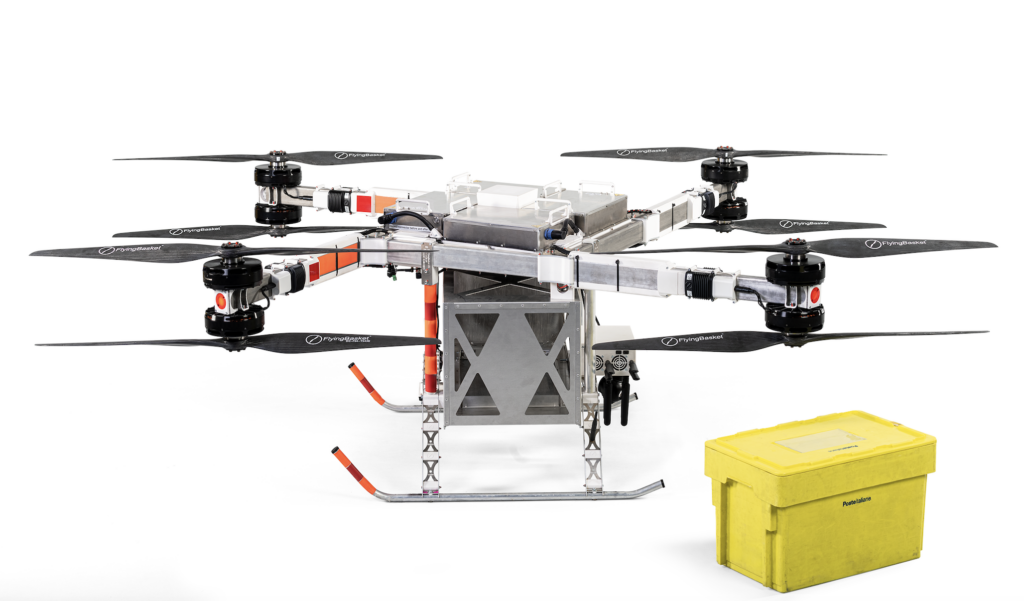


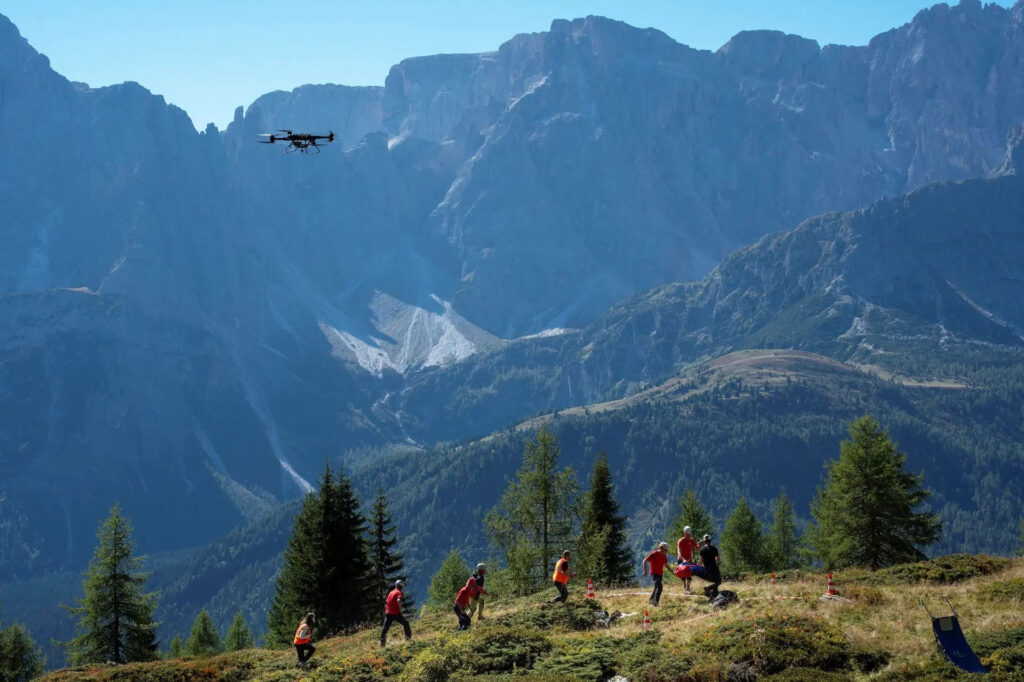
FlyingBasket has demonstrated that integrating cargo drones into mountain rescue operations can reduce medical evacuation times by up to three times compared to traditional ground methods.
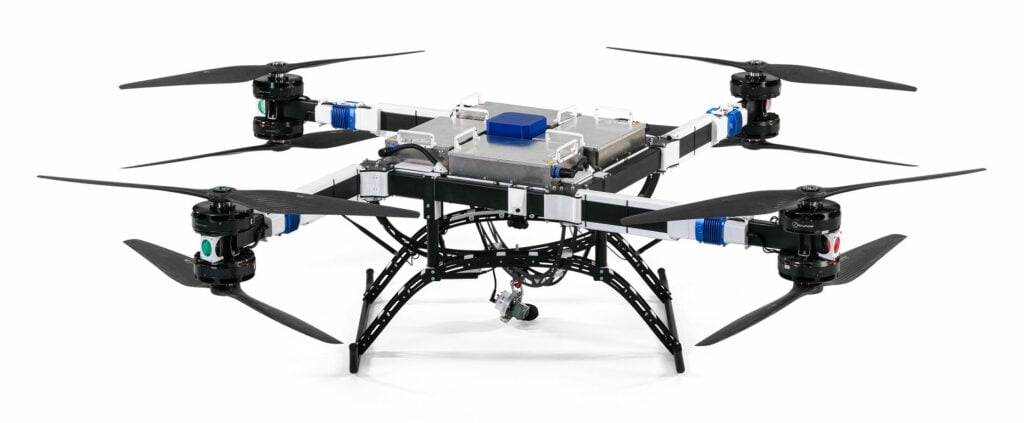
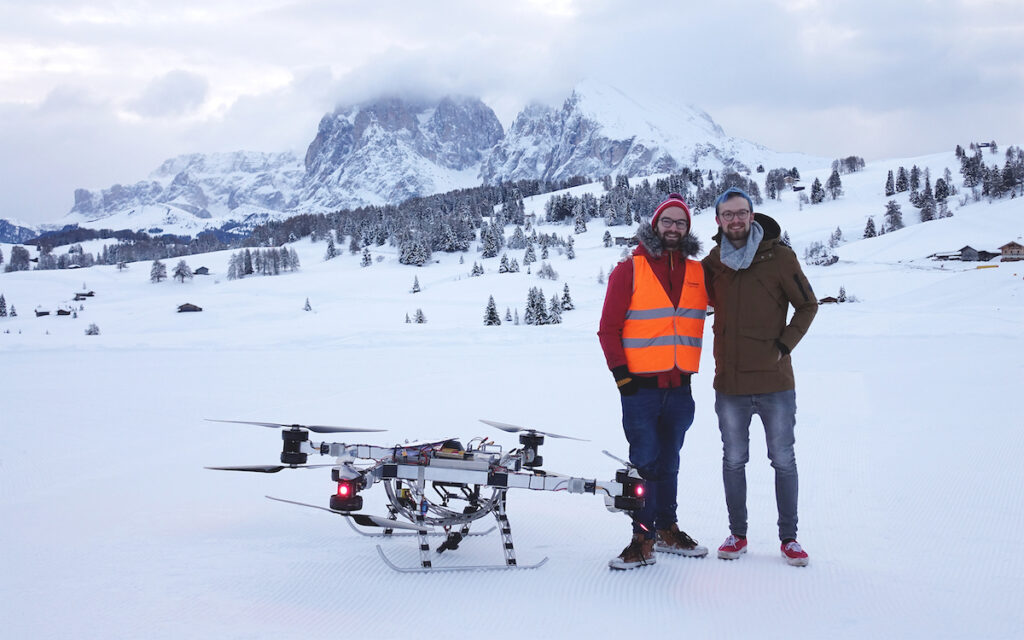
The findings stem from field tests conducted in the Dolomites as part of the START2 Living Lab project, which explored drone integration in complex mountain environments. FlyingBasket, a global leader in the design, production, and development of cargo drones for logistics, provided the technological platform, operational expertise, and rescue team training for the initiative.
Beyond faster response times, the field tests revealed that air transport via drone results in a reduction in stress on the patient, in terms of shocks and vibrations, up to ten times lower than ground transport. During activities conducted with researchers and experts in mountain emergency medicine at Eurac Research, teams also developed an innovative “hot loading” procedure. This method allows a patient to be safely loaded while the drone remains hovering, further improving the effectiveness and safety of operations.
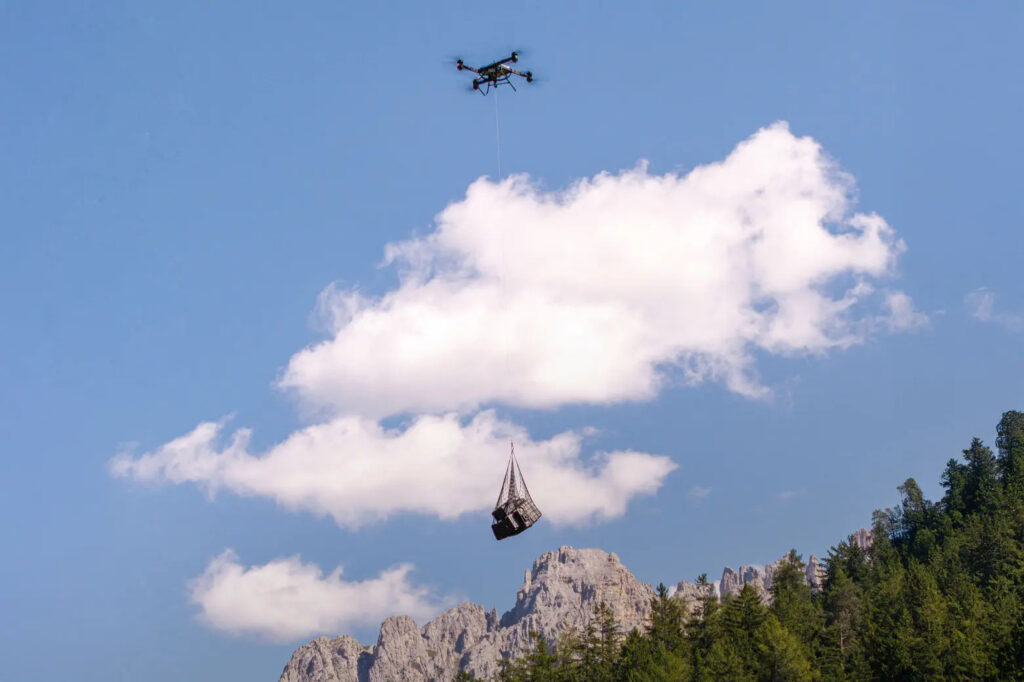
Moritz Moroder, CEO and Co-Founder of FlyingBasket, said, “With this project, we have helped demonstrate a fundamental shift: drones are no longer just support tools, but can become an active part of rescue operations. Our technology allows for faster response times, reduces risks for rescuers, and improves patient transport conditions. It’s a tangible change in how mountain emergencies are handled.”
Michiel van Veelen, MD, Researcher at the Institute of Mountain Emergency Medicine, Eurac, added, “If we implement this technology in the future, we can make mountain rescue much safer and less dependent on technology like helicopters.”
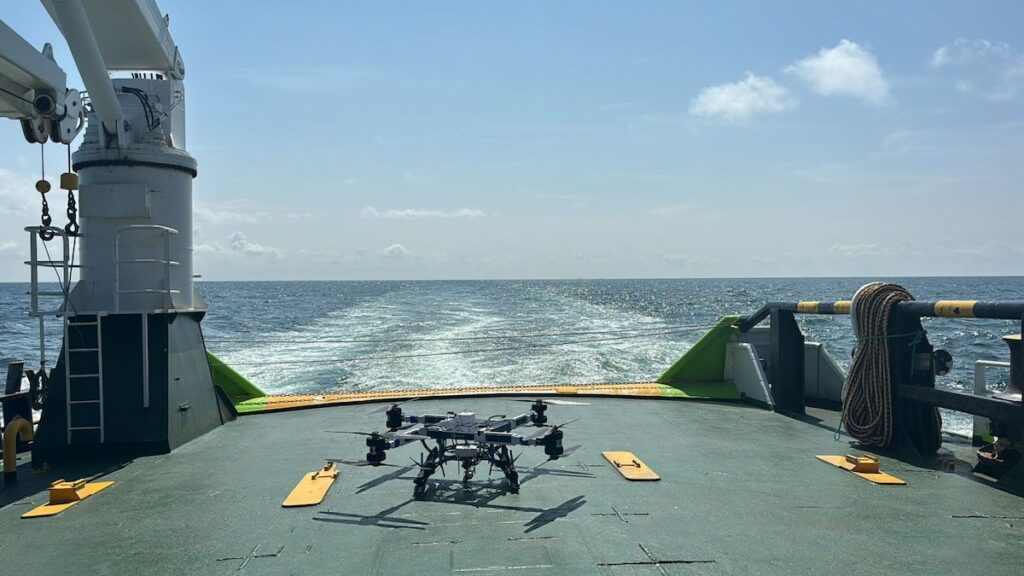
While the regulatory framework for transporting people continues to evolve, cargo drones are immediately available to support rescue operations. Today, they enable the rapid transport of essential equipment, provide support for operational teams in remote areas, and reduce exposure to risk in challenging environments.
The START2 Living Lab project operates with a total budget of 1,235,497 euros, of which 882,734 euros are co-financed by the European Union through the European Regional Development Fund (ERDF) under the Interreg VI-A Italy–Austria program. The initiative is powered by a multidisciplinary consortium bridging research, technology, and rescue sectors. Partners include NOI Techpark, Eurac Research – Institute of Mountain Emergency Medicine, MAVTech, FlyingBasket, CNSAS – Veneto Alpine and Speleological Rescue, FH Kärnten, and FH Kufstein Tirol.
Moroder added, “The value of START2 also lies in the collaboration between different partners, which has allowed us to test the technology under real-world conditions and bring it closer to operational use. Our goal is to continue developing solutions that make rescue operations faster, safer, and more efficient, helping to set new standards for the future of operations in alpine environments.”
The final project results confirm that cargo drones are poised to become an increasingly important component of the mountain rescue ecosystem, establishing new operational models built on speed, precision, and safety.