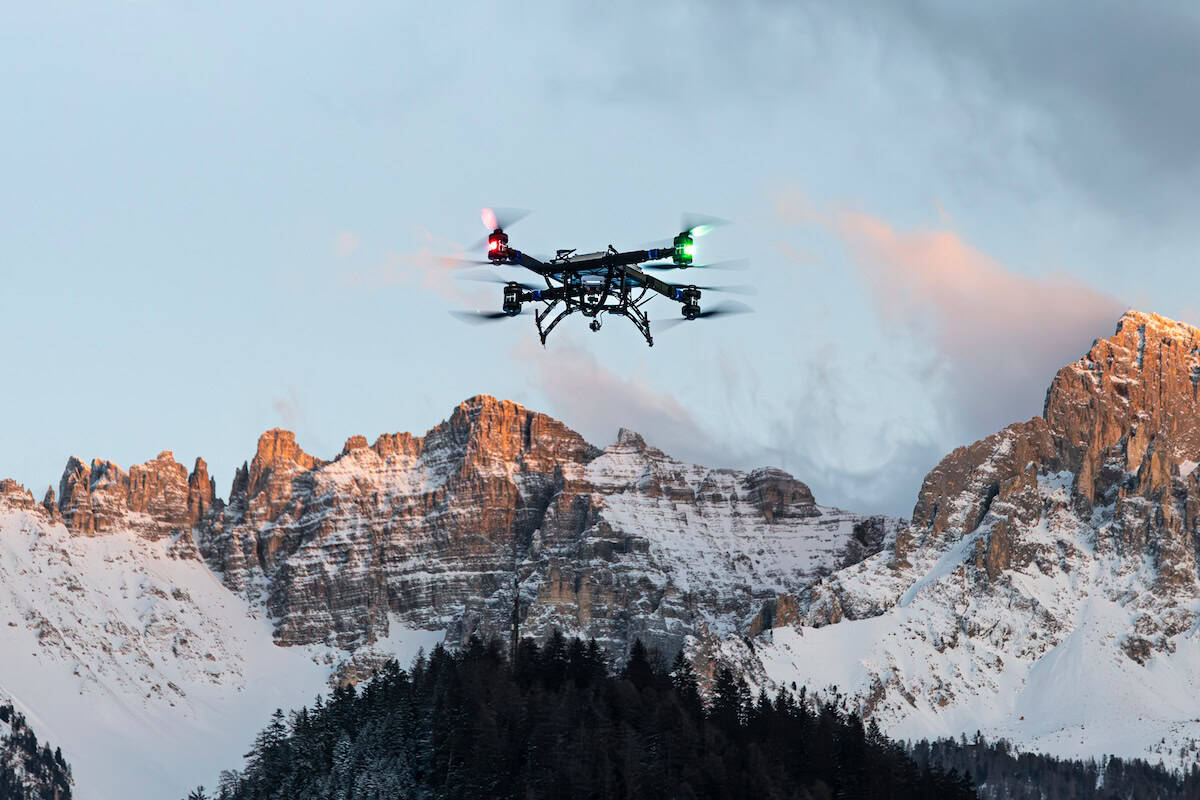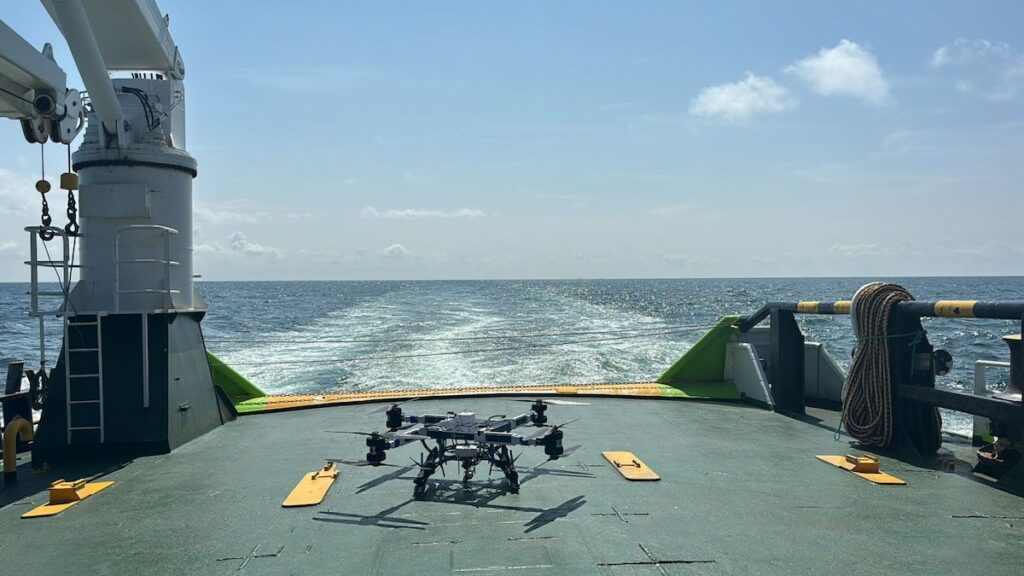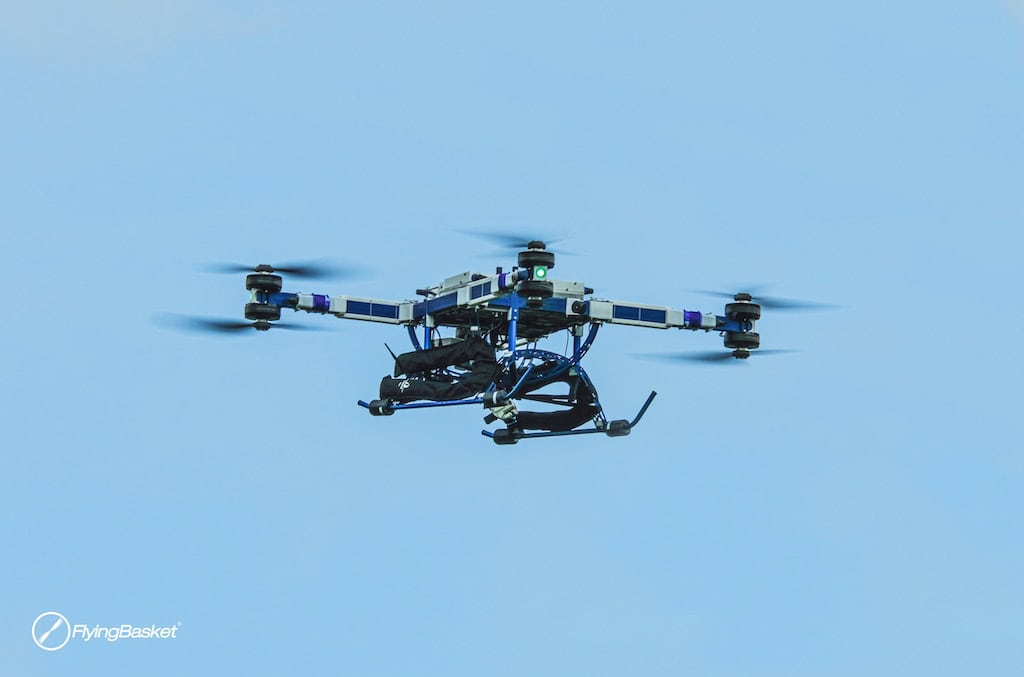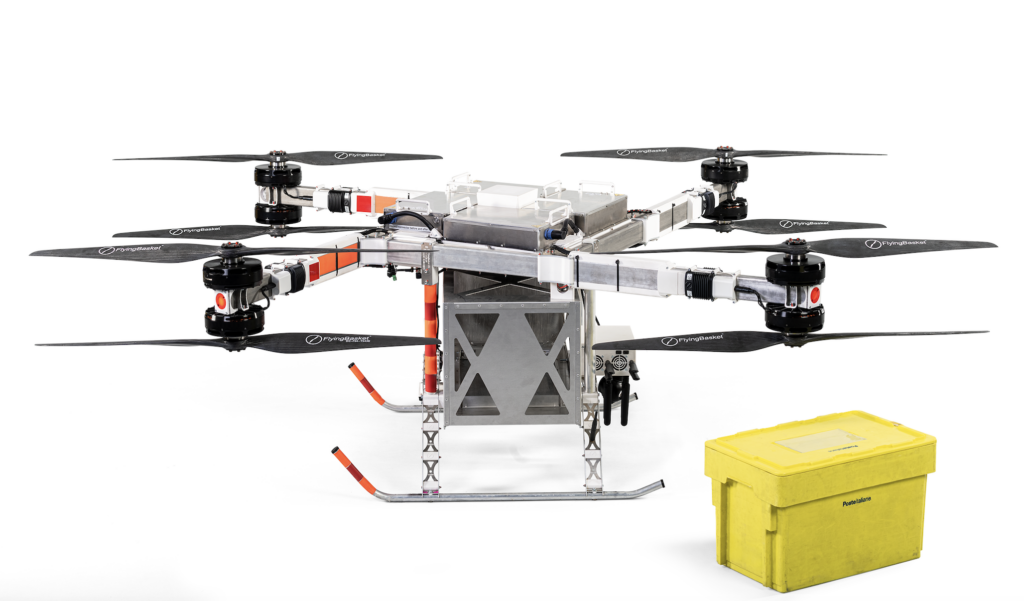

The organizers of the FIS Ski World Cup in Val Gardena recently integrated FlyingBasket heavy-lift cargo drones into their preparation phase to manage logistics in complex alpine environments.
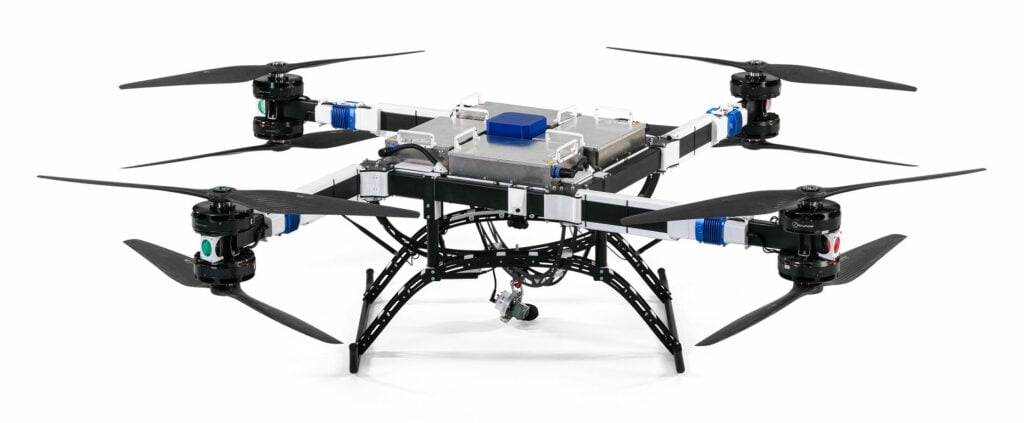
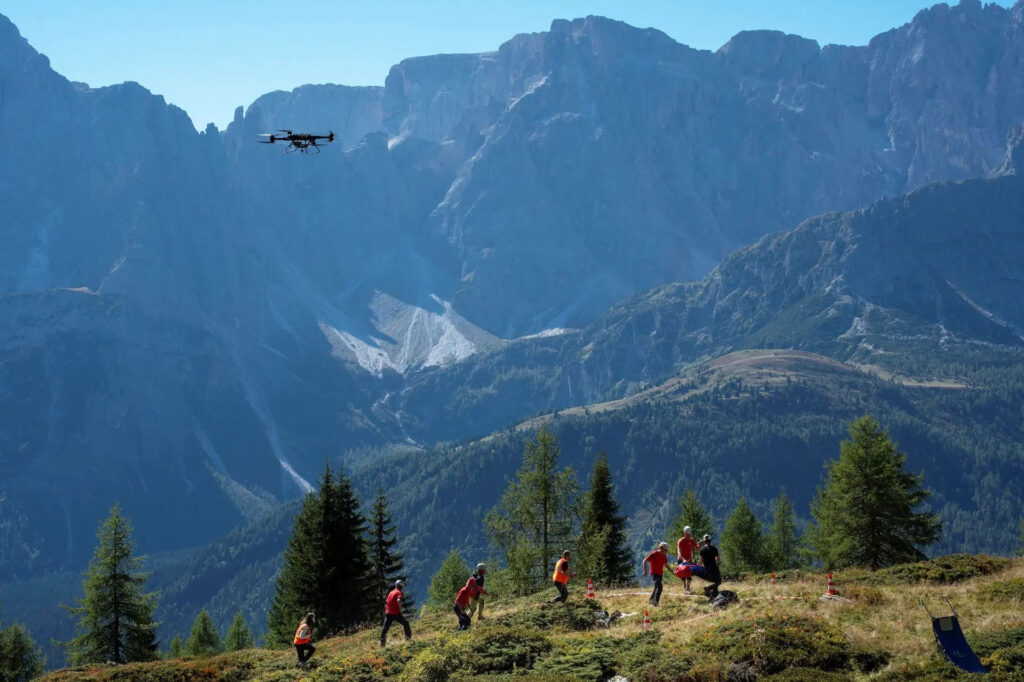
Between December 15 and 16, the FlyingBasket FB3 cargo drone was deployed to transfer television production equipment and technical materials to key locations on the slopes. Designed to carry loads of up to 100 kg, the drone operated at altitudes that typically necessitate the use of heavy vehicles or intensive manual labor.
Over the course of ten flights, the drone covered distances up to five kilometers and climbed approximately 650 meters in elevation. Maintaining an average speed of 31 kilometers per hour, the entire operation was completed in just over three hours with only two operators. This efficiency allowed for the optimization of competition area setup while minimizing vehicle movement and environmental disturbance on the prepared slopes.
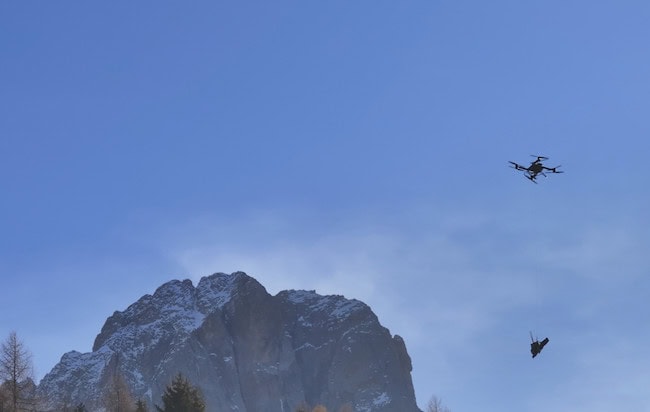
The mission presented significant technical challenges, specifically the lack of direct visibility between the departure and delivery points due to a mountain ridge. To overcome this, the team utilized internet and satellite communication to maintain a stable data connection, ensuring full control of the aircraft under extreme conditions.
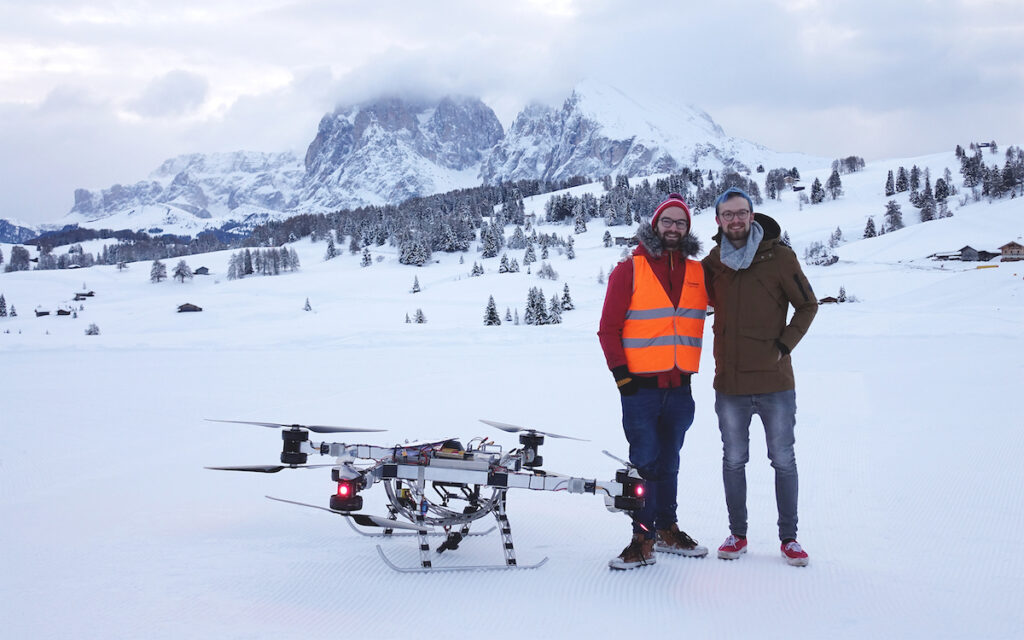
Moritz Moroder, CEO and co-founder of FlyingBasket, commented, “Applications such as this demonstrate how air logistics with heavy-lift drones is now a concrete and reliable solution for high-altitude events. Our drones allow materials to be transported quickly, accurately, and sustainably, reducing environmental impact and increasing operator safety. It is a model of efficiency that can also make a difference in the management of major sporting events in the mountains.”
The FB3 serves as a viable alternative to cranes, trucks, or ground operations which can be invasive in sensitive mountain ecosystems. By reaching difficult areas without requiring additional infrastructure, the technology supports more streamlined and safe organizational structures for large-scale events.
This operation follows a successful pilot project for the Autonomous Province of Bolzano, where FlyingBasket supplied four remote mountain huts. During that project, the company completed 21 flights to deliver over a ton of materials to locations between 2,188 and 3,023 meters above sea level. These missions handled a variety of cargo, ranging from delicate food items to bulky supplies, with altitude differences of up to 1,190 meters per flight.
The success at Val Gardena confirms the viability of integrating cargo drones into mountain logistics processes to reduce emissions and optimize timelines. This technological framework is expected to play a decisive role in future high-altitude operations, including the logistics required for the 2026 Winter Olympics.