
At XPONENTIAL 2026, HP Additive Manufacturing Solutions showcased how uncrewed systems are moving beyond prototyping, and into true industrial-scale production.
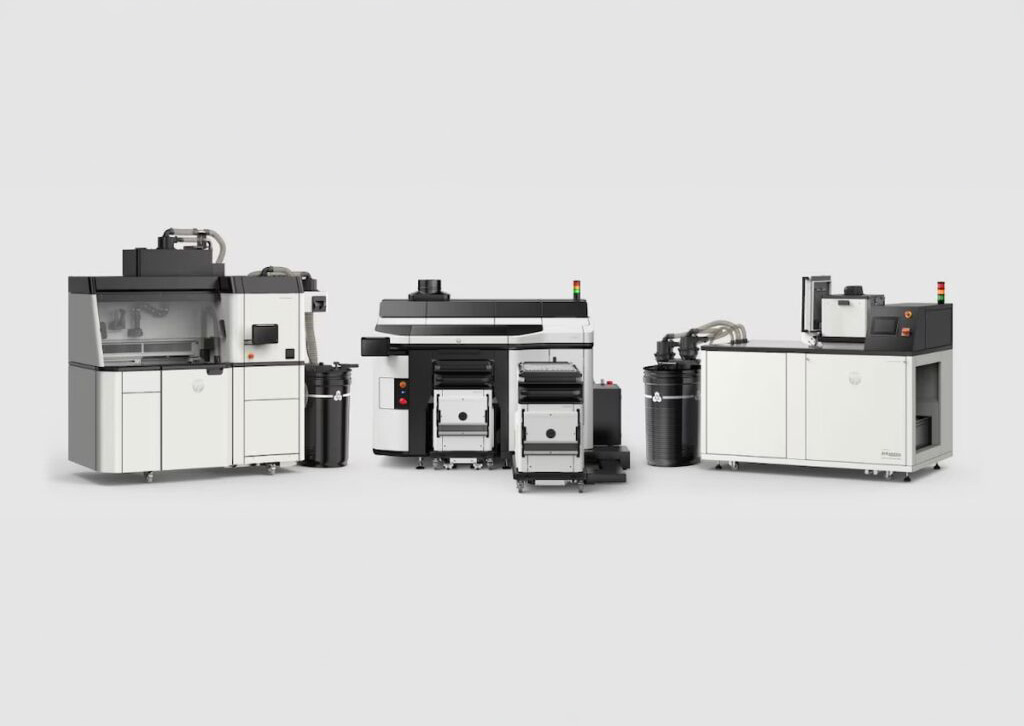
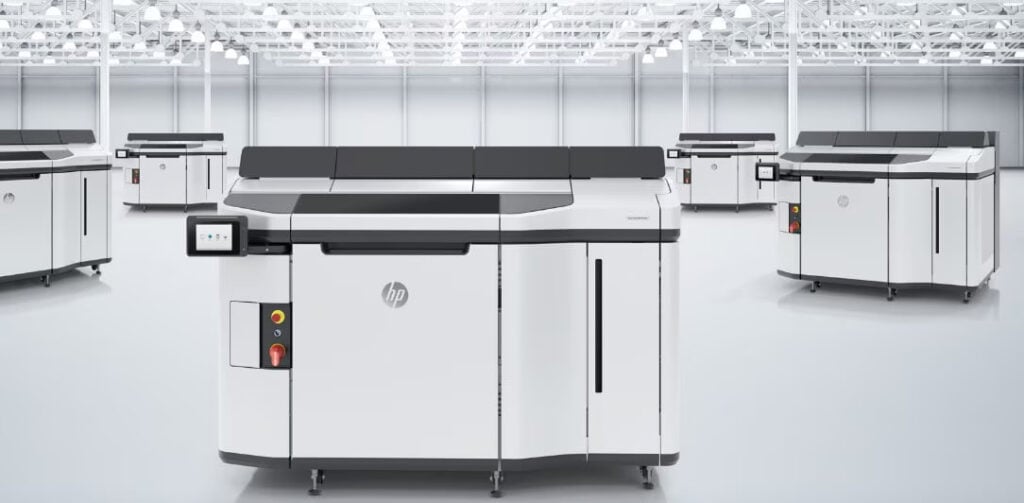
As the unmanned systems industry continues to evolve across air, land, and sea, one challenge is becoming increasingly clear: scaling production efficiently, consistently, and cost-effectively is now the critical barrier to growth. At this year’s event, HP demonstrated how additive manufacturing, specifically HP Multi Jet Fusion (MJF) technology, is helping overcome that challenge.
A Shift from Tooling to Digital Manufacturing
At the core of HP’s presence was a clear message: manufacturing for uncrewed systems is shifting from tooling-led processes to digital, design-driven production.
With HP Multi Jet Fusion, teams can move directly from design to production without relying on molds or tooling, enabling:
- Faster design iteration and validation
- Reduced upfront investment
- Greater flexibility in scaling production
This shift allows engineers to prioritize performance and functionality, rather than designing around manufacturing constraints.
Real-World Applications Across the Uncrewed Ecosystem

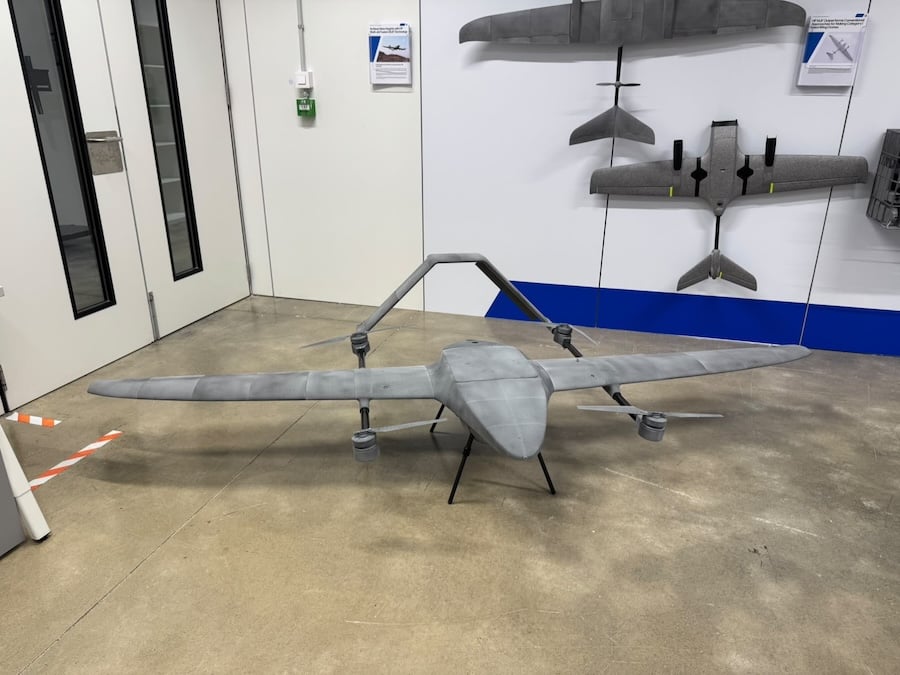
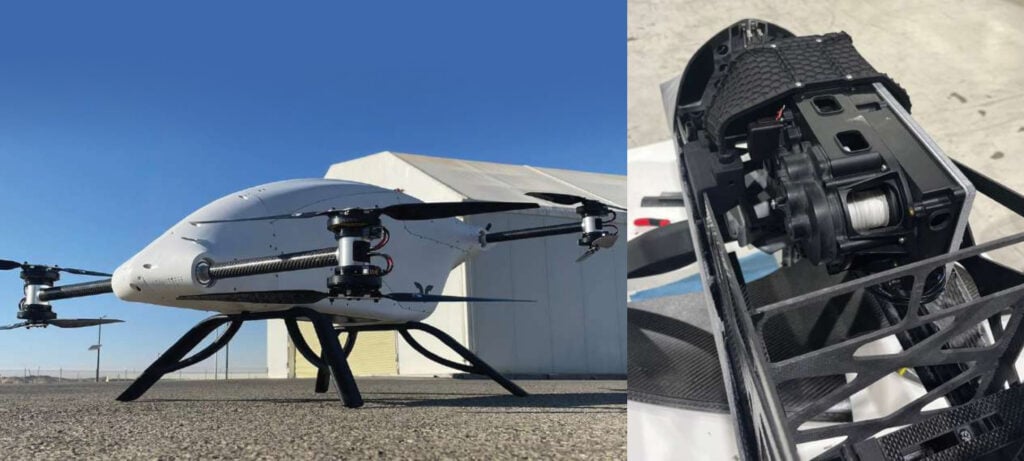
The HP booth featured a wide range of uncrewed systems, including aerial and underwater platforms, all produced using HP MJF technology.
These systems highlighted how additive manufacturing is already being applied across diverse real-world applications, from long-endurance aerial systems to compact inspection solutions.
A key focus was on production-grade components, including:
- Lightweight geometries enabled by complex internal lattice structures
- Consolidated assemblies that reduce part count and failure points
- Highly durable parts designed for demanding operational environments
These examples reinforced how additive manufacturing enables designs that are tailored to application needs, not limited by traditional production methods.
Scaling with Consistency and Repeatability

As uncrewed platforms transition into scaled manufacturing, consistency becomes critical. At XPONENTIAL, HP demonstrated how its technology enables end-to-end repeatability, using the same materials and workflows across the entire production lifecycle.
This consistency reduces redesign cycles and ensures that parts produced at scale maintain the same performance characteristics as initial prototypes.
The result is a more predictable path from concept to production, an essential requirement for companies looking to deploy systems at scale.
Design Freedom Meets Industrial Performance
One of the standout themes at the event was how additive manufacturing enables entirely new approaches to design.
HP showcased structures made possible through MJF, including:

- Complex geometries that reduce weight without sacrificing strength
- Integrated components that streamline assembly
- Optimized designs driven by performance rather than tooling constraints
These capabilities are especially relevant in uncrewed systems, where weight, durability, and reliability are closely tied to overall system performance.
Localizing and Simplifying Supply Chains
Beyond design and performance, HP also highlighted how additive manufacturing is reshaping supply chains.
By eliminating the need for tooling and enabling on-demand production, teams can:
- Manufacture closer to where systems are deployed
- Reduce reliance on offshore supply chains
- Accelerate time to market
This shift supports more agile, responsive production models, an increasingly important advantage in fast-moving sectors like defense, aerospace, and industrial inspection.
From Innovation to Industrialization
HP’s presence at XPONENTIAL 2026 underscored a broader industry transition: additive manufacturing is no longer just a tool for innovation, it is becoming a foundation for industrial-scale production.
By combining design freedom, production efficiency, and scalable workflows, Multi Jet Fusion is helping organizations move beyond experimentation and into fully operational manufacturing environments for uncrewed systems.