

Showcase your capabilities
If you design, build or supply 3D Printing Services, create a profile to showcase your capabilities and connect with visitors who have an active requirement for your solutions.




3D printing services for drones and unmanned systems provide additive manufacturing support for rapid prototyping, low-volume production, and operational component development. These services are used to produce lightweight UAV airframe parts, sensor mounts, electronics enclosures, propulsion prototypes, jigs, fixtures, and rugged housings for aerial, ground, surface, and subsea platforms.
This page showcases 3D printing service providers using polymer, composite, and metal additive manufacturing to help engineers consolidate parts, refine payload integration, and support iterative design workflows
Read the Technology Overview
Industrial 3D Printing Solutions for UAV Components, Production, Prototyping & Scalable Drone Manufacturing

Advanced Manufacturing Services & 3D Print On-Demand Parts for Drones & Robotic Systems

If you design, build or supply 3D Printing Services, create a profile to showcase your capabilities and connect with visitors who have an active requirement for your solutions.

Additive manufacturing has become a core enabling capability for unmanned systems development, supporting rapid iteration, precision manufacturing, and production-ready components across air, ground, surface, and subsea platforms. Professional users depend on 3D printing companies to reduce development timelines, control costs, and produce complex geometries that are difficult or impossible to achieve through conventional manufacturing methods.
Industrial and aerospace-grade 3D printing services support the full unmanned systems lifecycle, from early-stage rapid prototyping through low-volume and small-batch production. These providers work closely with engineers, system integrators, and procurement teams to deliver structurally efficient components, including drone airframe parts, sensor mounts, antenna housings, and propulsion hardware, while meeting the technical, environmental, and regulatory requirements for operational unmanned platforms.
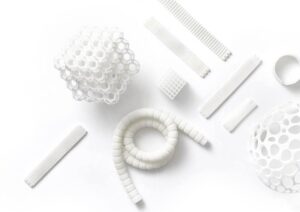
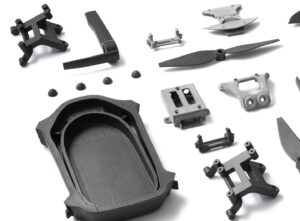
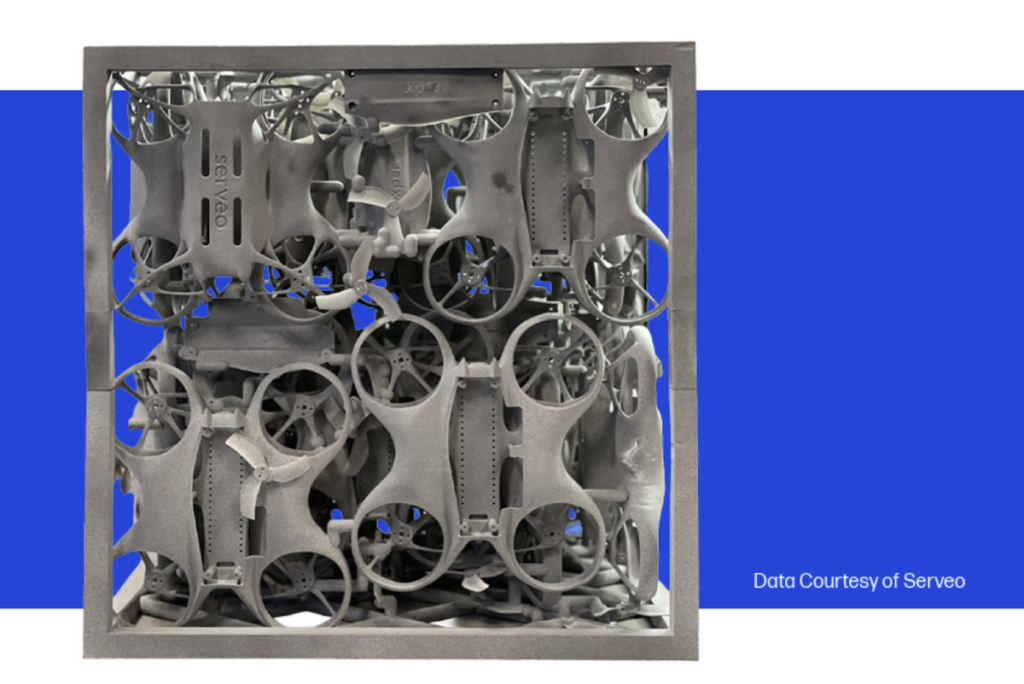
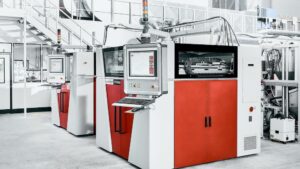
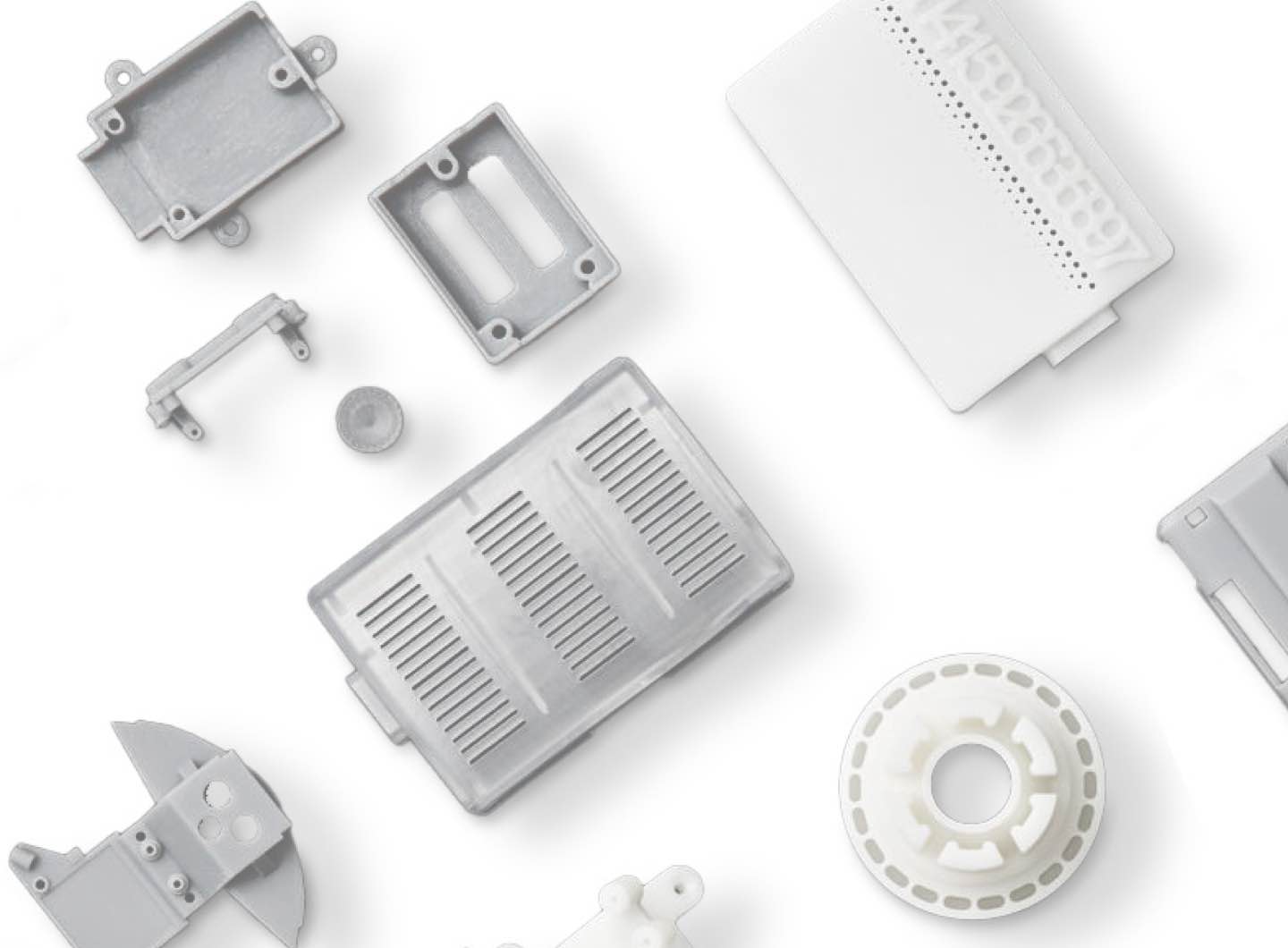
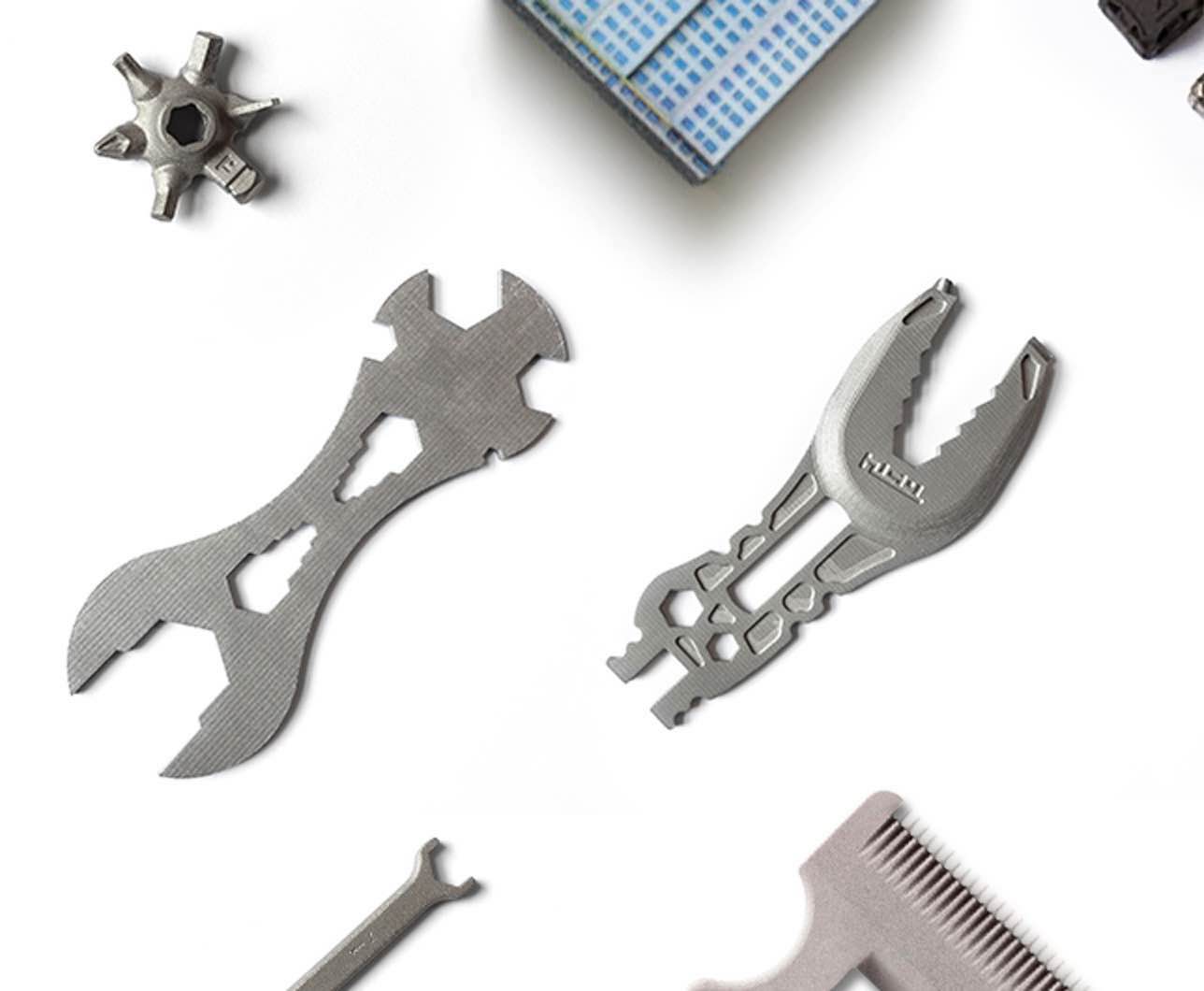
Selective Laser Sintering (SLS) Services by Shapeways
Professional 3D printing services support drone prototyping, component production, payload integration, and low-volume manufacturing across aerial, ground, surface, and subsea unmanned systems.
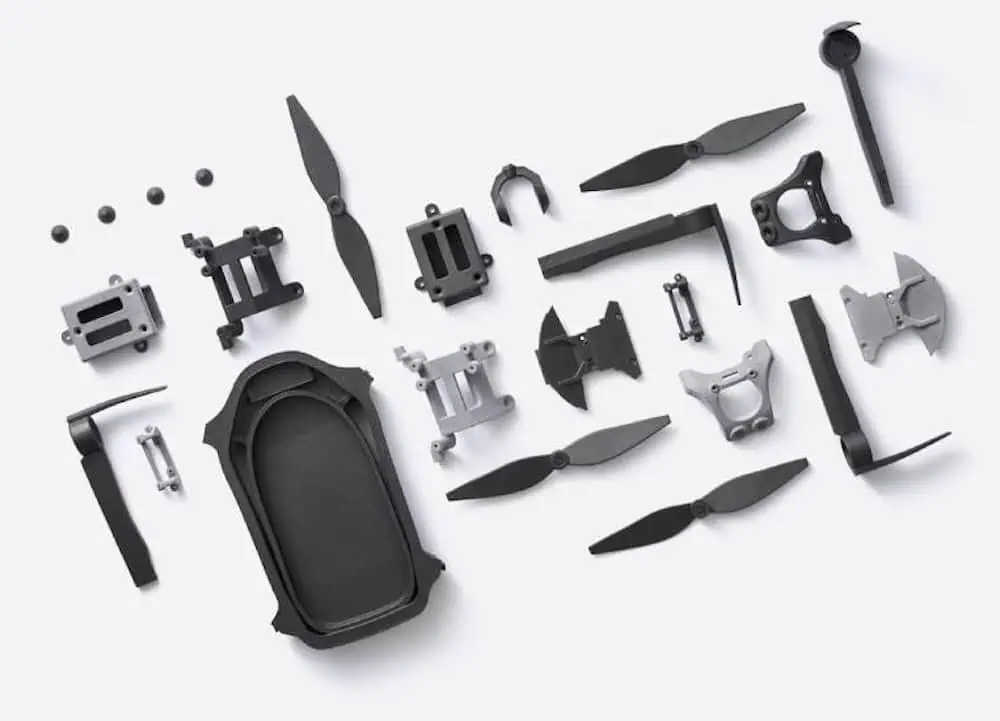
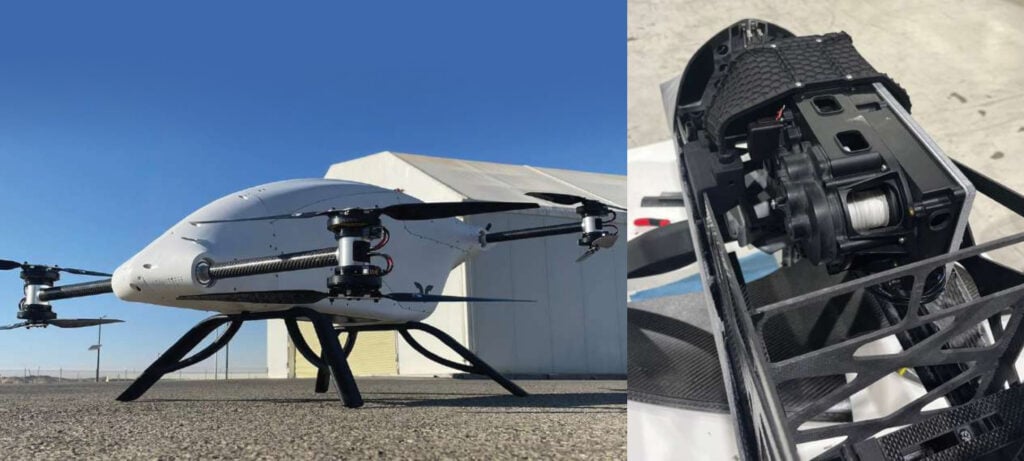
Drone 3D printing is widely used to produce lightweight airframe parts, internal structures, sensor mounts, antenna housings, brackets, and integrated assemblies. For many UAV programs, 3D printing a drone refers to producing selected flight-critical or support components rather than manufacturing the entire aircraft as one printed structure.
Service providers offering 3D printing solutions for lightweight drone frames can help to reduce weight, consolidate parts, and support efficient designs for electric UAVs where mass, payload capacity, and endurance are closely linked.
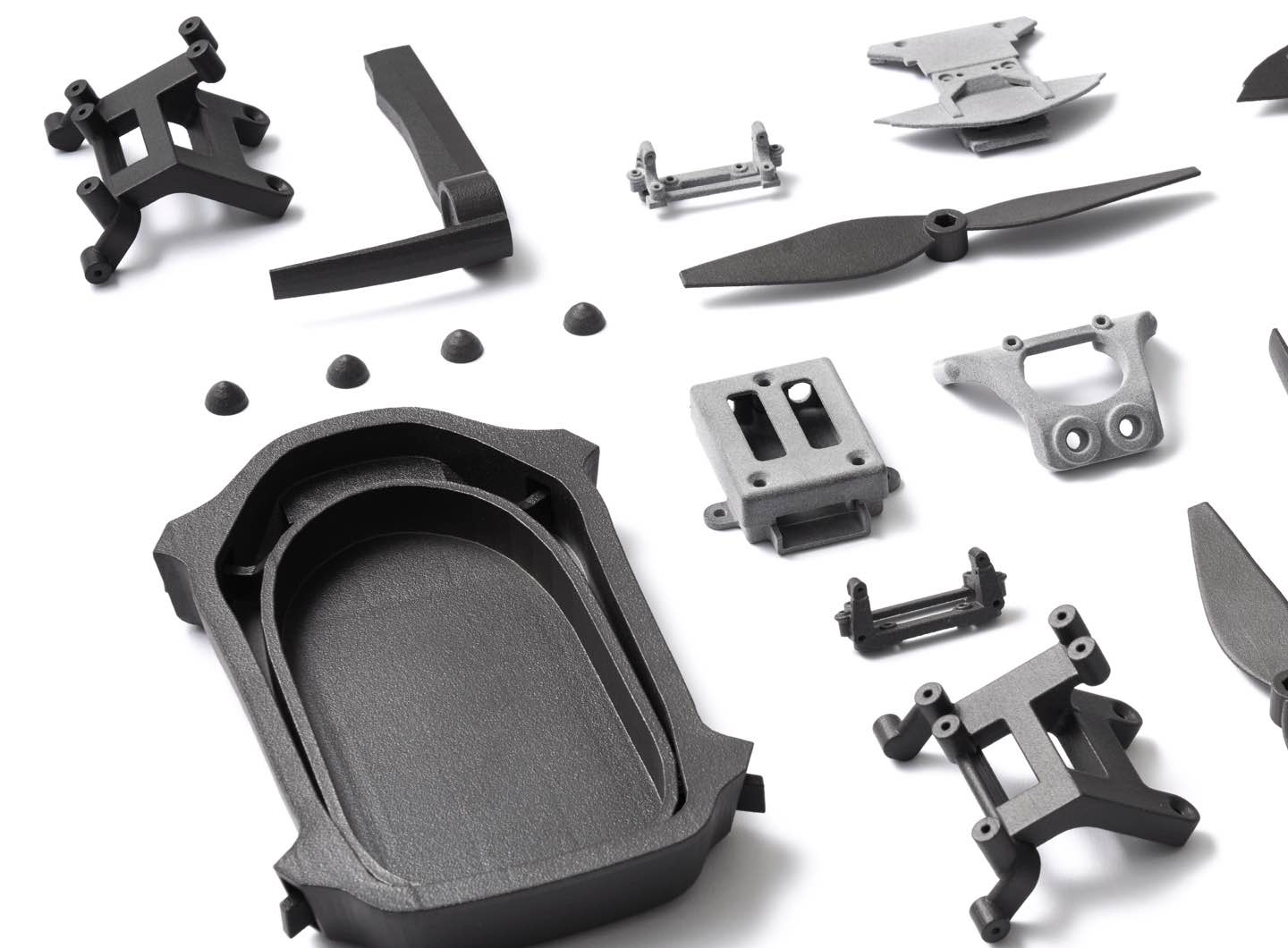
Additive manufacturing can support ducts, housings, airflow components, and prototype propulsion hardware. 3D printing drone propellers is typically most relevant for prototyping, testing, or specialist low-volume applications, as operational propellers require careful validation for balance, strength, surface finish, and repeatability.
3D drone printing allows sensor housings, electronics enclosures, cable routing features, and payload mounts to be designed around specific mission equipment. This is useful for UAVs carrying cameras, LiDAR, communications systems, GNSS receivers, or onboard processing hardware.
For UGVs and USVs, 3D printing services are used to produce rugged enclosures, payload mounts, protective housings, jigs, and assembly fixtures. These parts may be designed for impact resistance, vibration tolerance, thermal stability, and environmental sealing.
Subsea and maritime platforms use additive manufacturing for corrosion-resistant housings, pressure-tolerant enclosures, buoyancy parts, and integrated mounting structures. Materials and post-processing must be selected to support saltwater exposure, pressure variation, and long-duration deployment.
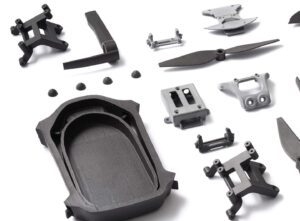
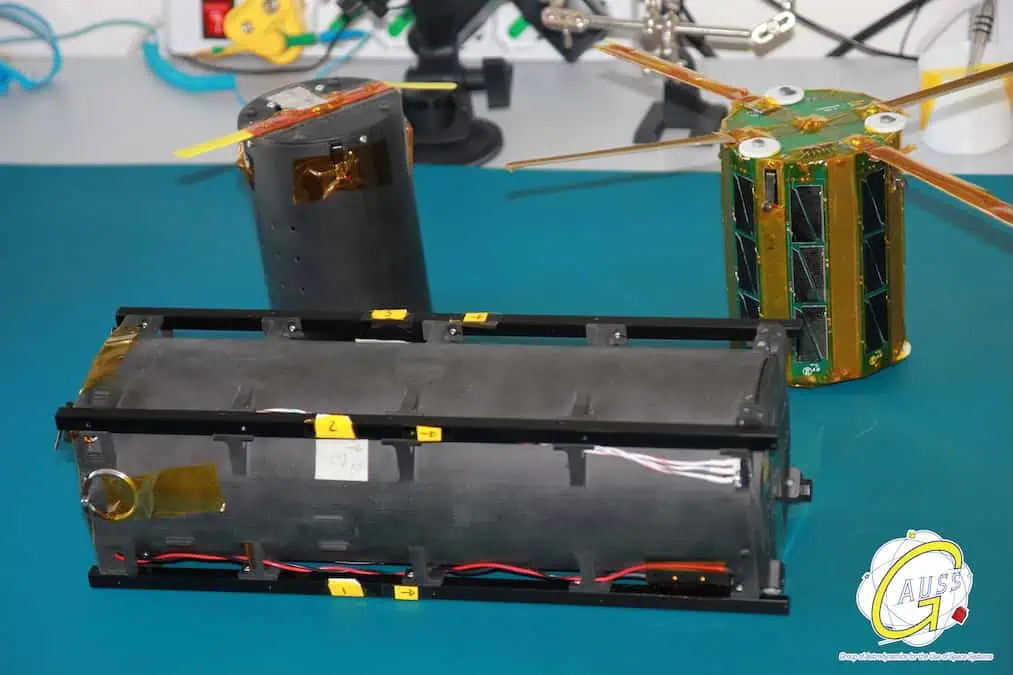
Multi Jet Fusion (MJF) Services by Shapeways
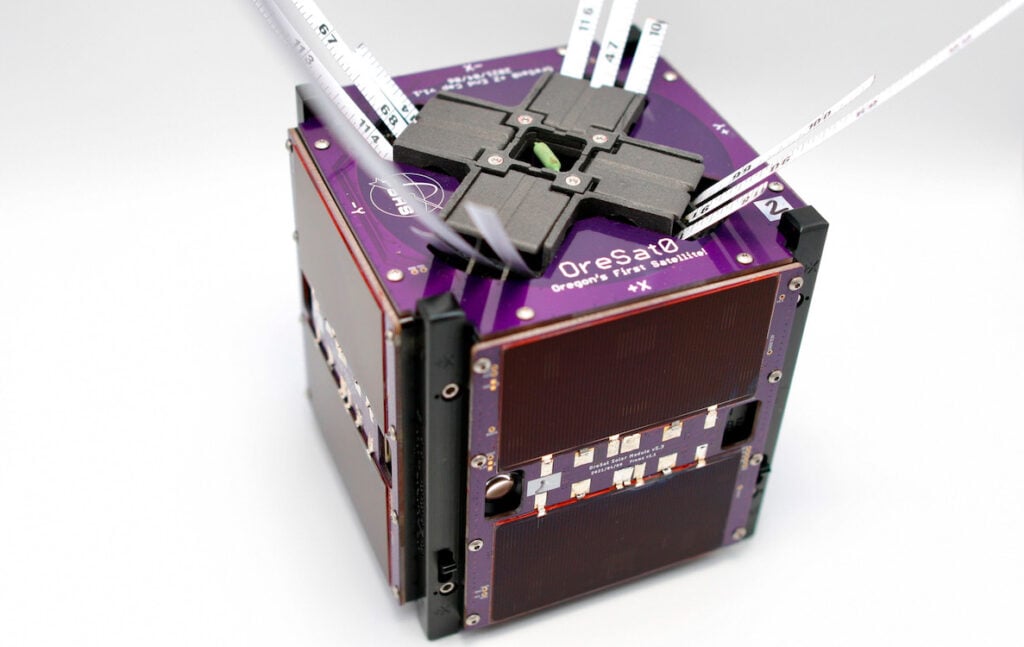
Rapid prototyping remains one of the most valuable applications of 3D printing services for drone programs. Rapid prototype production enables frequent design changes without penalty, supporting agile development workflows. Engineers can quickly evaluate sensor integration, motion system clearance, and aerodynamic profiles using functional prototypes.
Many service providers offer integrated digital manufacturing capabilities, including CAD processing, slicing software optimization, and build platform selection. This expertise helps ensure print quality and repeatability, particularly for high-precision manufacturing requirements.
Unlike traditional prototyping vendors, many additive manufacturing service providers support full production transitions. Low-volume manufacturing and short-run production services are especially relevant for unmanned systems, where production quantities may range from tens to hundreds rather than thousands.
3D printing production service offerings may include quality control processes, repeatable build-parameter management, and documentation suitable for defense or aerospace manufacturing environments. For programs requiring contract manufacturing support, these providers may also deliver hybrid solutions combining additive manufacturing with conventional machining and finishing.
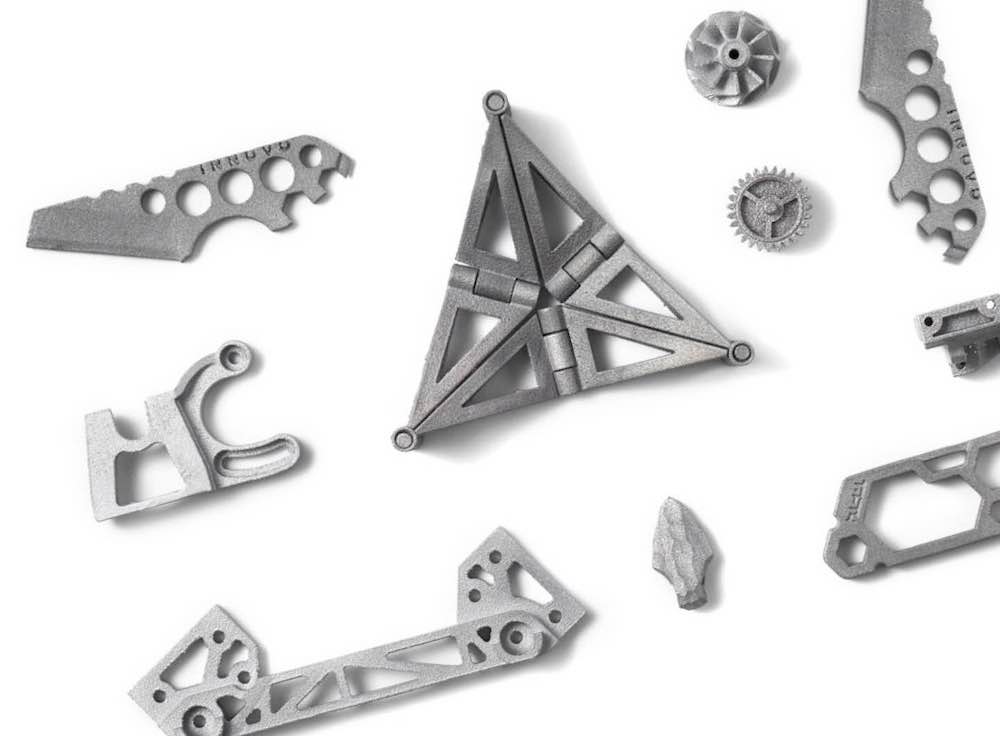
3D printing drone parts necessitates careful material selection. Polymer additive manufacturing services support the use of high-strength thermoplastics and resins for lightweight structures. Composite additive manufacturing introduces fiber reinforcement to increase stiffness and strength-to-weight ratio.
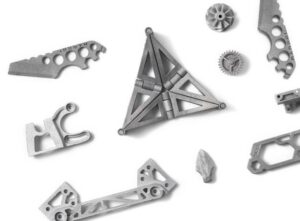
Metal additive manufacturing enables the production of complex geometries in aerospace-grade alloys, supporting both functional prototypes and end-use components. Precision additive manufacturing processes are essential where tolerances, surface finish, and mechanical properties directly impact system performance.
Beyond flight and mission hardware, 3D printing services are widely used for manufacturing tooling. Jigs and fixtures support assembly alignment, inspection processes, and repeatable production workflows. Fixture manufacturing through additive processes reduces lead times and allows rapid customization as designs evolve.
Additive-manufactured production tooling can be optimized for ergonomics, weight, and accessibility, improving manufacturing efficiency for unmanned systems builders.
Many unmanned systems programs operate within defense manufacturing or aerospace manufacturing environments. Service providers supporting these markets often demonstrate experience with controlled documentation, traceability, and quality management practices aligned with regulated supply chains.
While additive manufacturing introduces flexibility, professional users still require predictable outcomes, repeatability, and confidence in material performance. Selecting qualified 3D printing companies with experience in aerospace and defense additive manufacturing reduces program risk.
For unmanned systems developers, selecting the right 3D printing service provider depends on platform requirements, production scale, and lifecycle stage. Key considerations include supported materials, build volume, post-processing capabilities, and experience with similar applications such as UAV manufacturing or sensor integration.
Many providers offer on-demand 3D printing, rapid prototyping, and production-ready additive manufacturing services tailored to professional unmanned systems users. These services support the evolving needs of builders, manufacturers, consultants, and developers working at the intersection of autonomy, aerospace, and advanced manufacturing.


 Searching Companies & Products