










Showcase your capabilities
If you design, build or supply Motor Controllers, create a profile to showcase your capabilities and connect with visitors who have an active requirement for your solutions.




Motor controllers regulate the speed, torque, and position of electric motors used in drones, UAVs, UGVs, USVs, UUVs, and robotic systems. These devices manage motor power and response to control commands, supporting propulsion, vehicle movement, gimbal stabilization, robotic actuation, and payload positioning.
Available technologies include brushed DC, BLDC, servo, stepper, and sensorless motor controllers, with compact embedded, programmable, and high-power configurations.
Read the Technology Overview

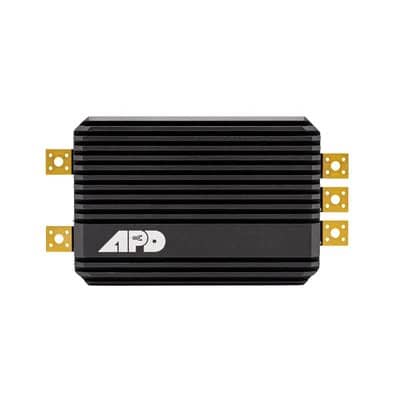

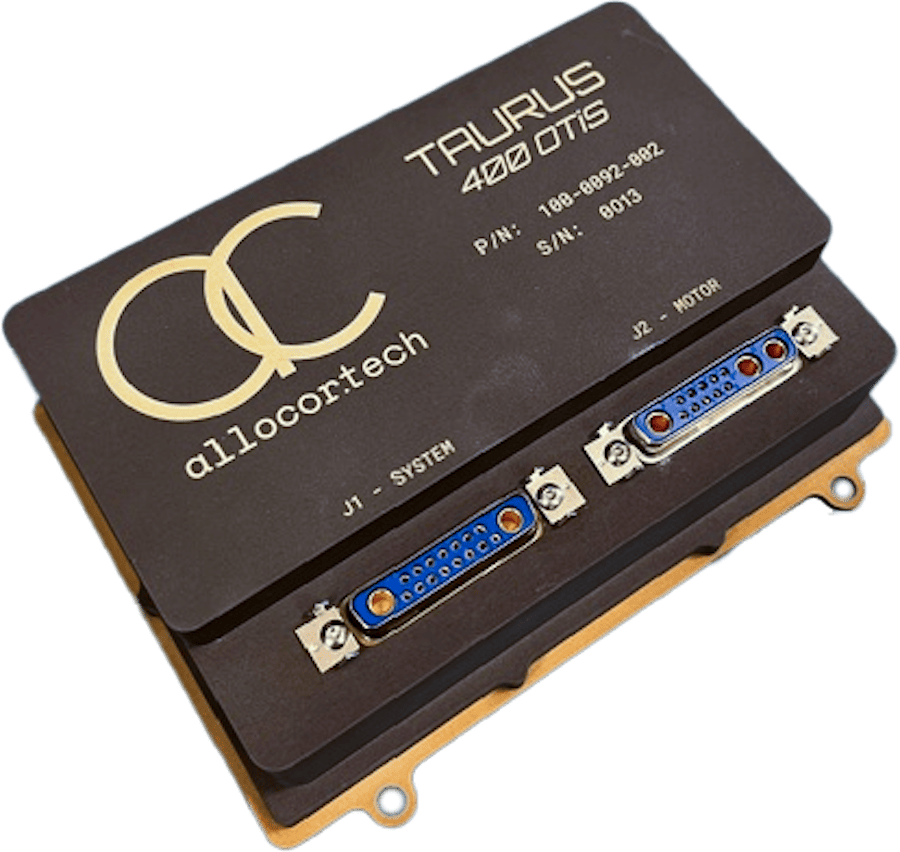

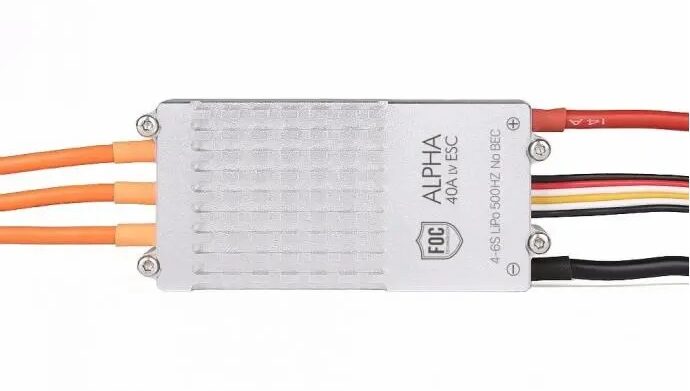



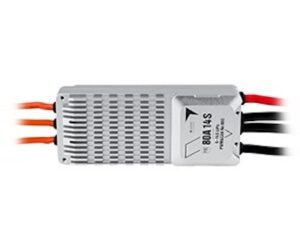
Advanced Multirotor & VTOL Drone Propulsion Systems | Motors, ESCs & Propellers

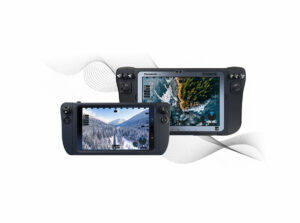
Pioneering Ground Control Stations (GCS), Gimbals & Tactical Solutions for Unmanned Systems & Defense Robotics

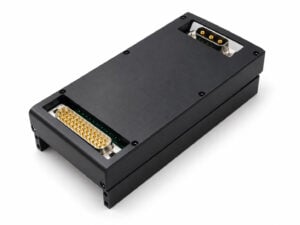
Advanced RF, Navigation & Electronics Solutions for UAVs & Autonomous Systems

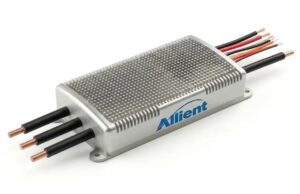

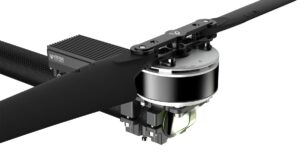
Unified Propulsion Systems for Mission-Critical, High-Reliability UAV Platforms

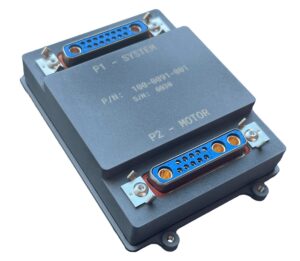
Custom & COTS Hardware & Software Solutions for Next-Generation Vehicle Systems
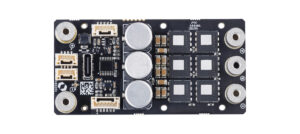
Drone Motor Controllers & NDAA-Compliant Drone ESCs for Brushless Electric Motor Control

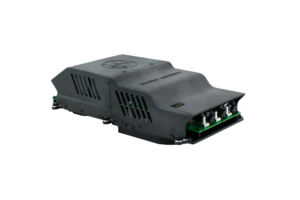
UAV Autopilot Flight Controllers, Ground Stations, ESC Controllers & Tracking Antennas

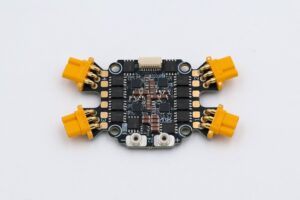
Cutting-Edge Flight Controllers, Sensors, and Other Electronics Technologies for Drones & Robotics


Power & Propulsion Solutions for UAVs: Drone Motors, ESCs, Batteries & Propellers

UAV Hardware Solutions: Propulsion & Fuel Systems, Servos & Flight Controllers, Imaging Solutions, Launchers & Parachutes
If you design, build or supply Motor Controllers, create a profile to showcase your capabilities and connect with visitors who have an active requirement for your solutions.
No products available No products available from suppliers based in . View products from all territories

Motor controllers are electronic devices that regulate the speed, torque, and position of electric motors used in drones and unmanned systems. They control the electrical power delivered to motors in response to commands from a flight controller, vehicle control unit, or other control system. Control electronics process these commands and regulate power switching devices to adjust motor current and voltage. Control algorithms and, where applicable, sensor feedback support precise motor operation, efficient power management, and responsive movement across unmanned platforms.
Electric motor controllers are used in Unmanned Aerial Vehicles (UAVs), Unmanned Ground Vehicles (UGVs), Unmanned Surface Vehicles (USVs), and Unmanned Underwater Vehicles (UUVs). Available as compact motor controllers, embedded motor controllers, and high-power drive units, they support applications ranging from drone motor speed regulation to robotic actuation and payload positioning. Controller selection depends on motor compatibility, operating voltage, continuous and peak current ratings, control functions, and environmental requirements.
Drone motor controllers regulate the electrical power supplied to motors to control rotational speed and thrust. Brushless Direct Current (BLDC) controllers, commonly implemented as Electronic Speed Controllers (ESCs), are widely used in multirotor UAVs and electric fixed-wing aircraft. A drone BLDC motor controller responds to flight control commands and adjusts motor output during takeoff, hovering, maneuvering, and landing. High-current motor controllers are particularly important for heavy-lift drones operating under substantial electrical loads.
Motor controllers regulate traction motors in UGVs, autonomous mobile robots, and other wheeled or tracked platforms. They manage acceleration, deceleration, rotational speed, and torque delivery, supporting controlled movement across different surfaces and load conditions. High-power motor controllers may also provide regenerative braking, current limiting, and motor protection functions.
Gimbal motor controllers regulate motors used to position and stabilize cameras, optical sensors, and other payloads. These controllers support precise angular movement and compensate for platform motion using commands derived from inertial sensors and stabilization systems. Closed-loop control and carefully tuned motor response enable smooth tracking, accurate positioning, and reduced image disturbance.
Robotic arms and manipulators rely on motor controllers to manage joint movement, positioning, and applied torque. Servo motor controllers are commonly used where accurate motion and feedback are required, particularly in inspection, manipulation, and remote maintenance operations. Multi-axis configurations can coordinate several motors to execute controlled movements across robotic assemblies.
Electric motor controllers operate steering mechanisms, control surface actuators, and other electromechanical systems used in unmanned vehicles. They support commanded movement of rudders, steering linkages, and adjustable flight control surfaces. Applications requiring accurate positioning commonly employ servo control with encoder or other position feedback.
Motor controllers operate winches, lifting systems, deployment mechanisms, and auxiliary equipment fitted to unmanned platforms. They regulate motor speed and torque during cable handling, payload deployment, sensor lowering, and mechanical positioning. Programmable motor controllers can incorporate acceleration limits, current thresholds, and controlled stopping functions to accommodate different mechanical loads.
Different motor controller types are designed for specific motor technologies and control requirements. Common configurations and control methods used in drones and unmanned systems include:
Motor compatibility, control precision, operating speed, and feedback requirements determine the most suitable controller technology.
Motor controllers are available in different electrical and mechanical configurations to accommodate integration requirements, motor quantities, and platform power demands.
Compact motor controllers prioritize low size, weight, and power consumption, while high-voltage motor controllers and high-current configurations support applications with greater electrical demands. Thermal management and continuous current ratings remain important considerations across all architectures.
Motor controllers used in unmanned systems may need to support specific communication interfaces, electrical safety requirements, and environmental qualifications. Relevant protocols and standards include:
Communication compatibility should also account for interfaces and signaling protocols such as PWM and DShot, which are widely used for UAV motor control. Environmental qualification should be evaluated against the requirements of the complete unmanned platform, including its electrical architecture and operating conditions.
Advances in semiconductor technology, embedded processing, and motor control algorithms are supporting more compact and capable controllers for unmanned applications. Key developments include:
These developments are expanding the options available for efficient motor operation, precision motion control, and electrical integration across increasingly demanding unmanned system applications.


 Searching Companies & Products