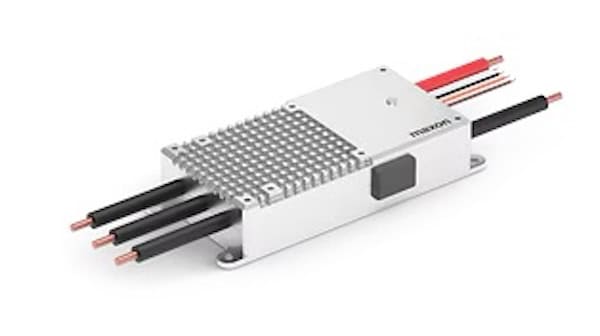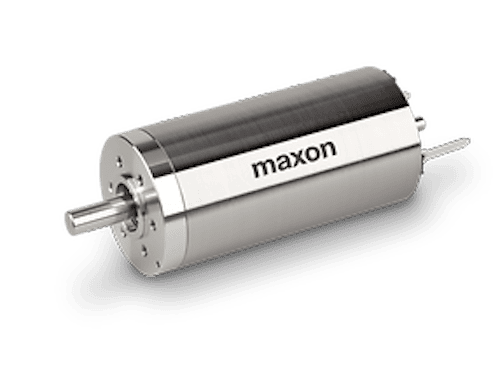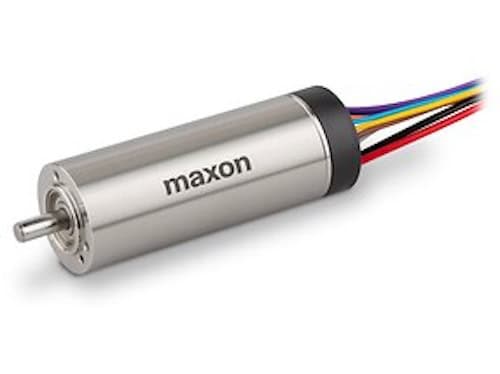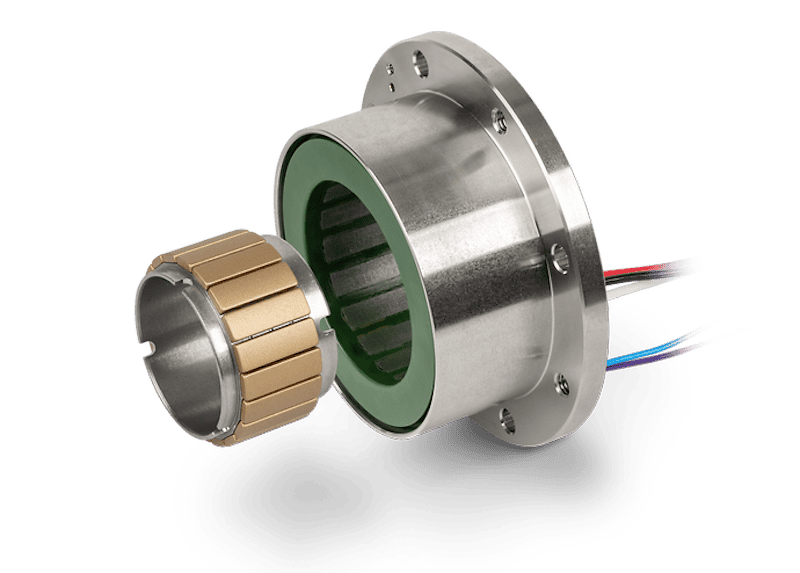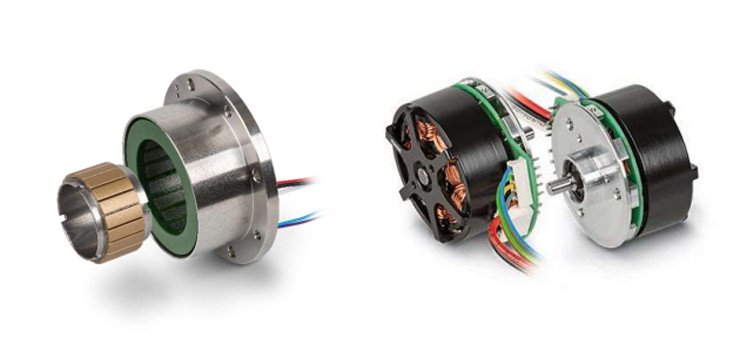
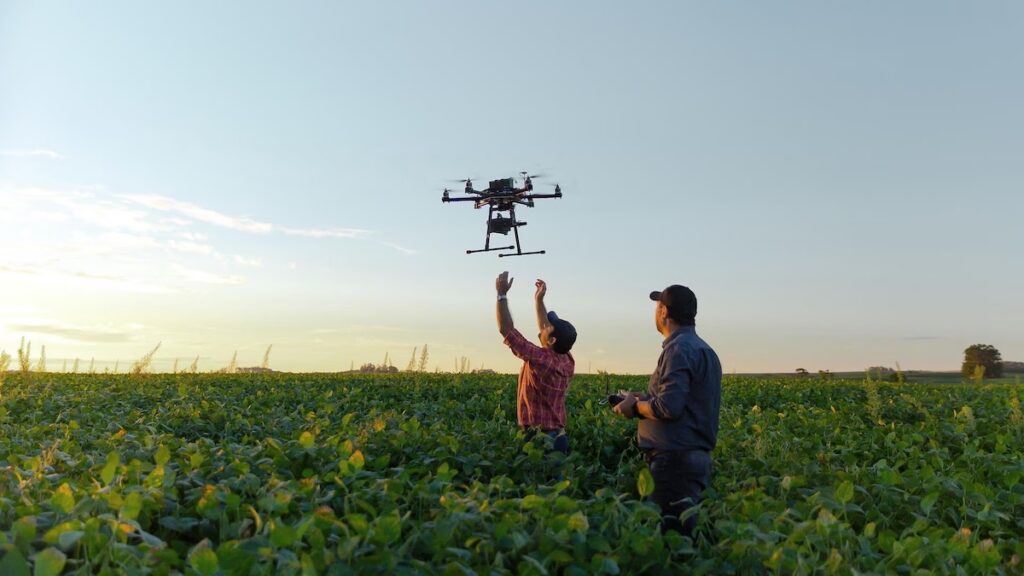
maxon examines the system-level engineering factors that enable reliable and efficient propulsion in Unmanned Aerial Vehicles (UAVs), highlighting how brushless DC motors, Electronic Speed Controllers (ESC), and propellers must operate as an integrated system. Read more >>
The company draws on decades of aerospace experience to explain why manufacturers across the UAV industry, from emerging start-ups to established aviation organizations, continue to rely on its technology and expertise.
Aerospace-Level Quality and Compliance
UAV manufacturers benefit from maxon’s established quality management system, developed through extensive aerospace and space programs. Each component undergoes more than one million operational test cycles to verify consistent performance under realistic load and environmental conditions.
 The company is certified to EN 9100 and operates in accordance with ISO 9100 for the aerospace sector. It is experienced in RTCA DO-160, DO-178, DO-254, and MIL-STD-810 standards, and complies with international export-control regulations. maxon also monitors evolving UAV certification frameworks under the FAA and EASA to support streamlined approval and risk-assessment processes.
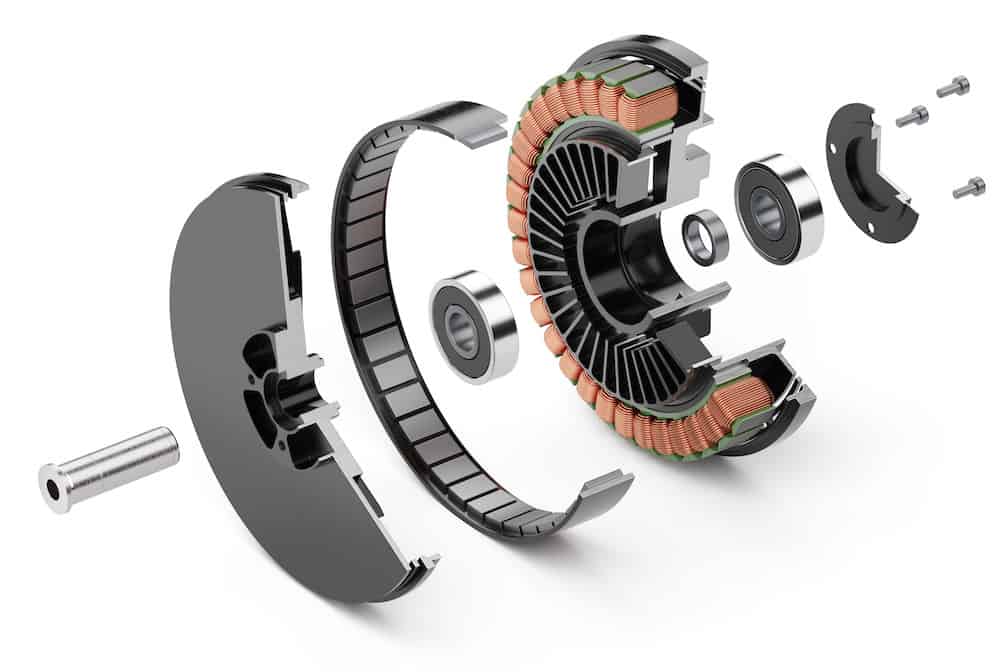
Efficiency and reliability are achieved through optimized magnetic and winding design, advanced commutation algorithms, and aerodynamically refined propellers. The result is a propulsion system that maintains high power-to-weight ratios with robust performance across extended flight durations.
Verified Performance Under Extreme Conditions
Each UAV drive system is tested in accordance with the aerospace environmental standard DO-160G, verifying compliance with the relevant environmental categories. Products are qualified for operation between –40 °C and +70 °C, replicating the temperature variations experienced during service life.
Environmental durability testing includes humidity, sand, dust, and salt-spray exposure. Vibration, shock, and crash-safety evaluations replicate flight and landing loads to confirm structural integrity under demanding conditions.
Static-thrust and tilt-testing across multiple propeller configurations provide verified aerodynamic data, with all parameters documented in product datasheets. Tilt testing simulates lifetime operation, exceeding one million cycles to validate endurance.
Experience Rooted in Aerospace Heritage
maxon has manufactured precision electric drives since 1961. Its technology has powered multiple Mars rovers for more than two decades and continues to operate in aircraft, helicopters, spacecraft, and UAVs worldwide.
 A dedicated UAV engineering team supports customers from specification and prototype evaluation through to production launch, ensuring full integration within each platform’s propulsion architecture. maxon’s collaborative engineering model enables optimized performance and reduces development time and technical risk.
More than eight percent of annual revenue is invested in research and development. Over 200 design engineers across facilities in the United States, Europe, and Asia contribute to continuous improvements in motor technology, control electronics, and materials science.
Engineering Expertise and Global Flexibility
System-level understanding of brushless DC motors, controllers, and propellers allows maxon to deliver propulsion solutions optimized for each application. The company’s global manufacturing network in Europe, Asia, and the United States supports rapid production for both prototype and serial builds while maintaining strict configuration control.
Standard drive configurations meet a wide range of UAV requirements, but when specialized performance is needed, maxon develops tailored propulsion systems incorporating custom mechanical and electrical components. Each system benefits from complete documentation and component traceability, with in-house testing providing validated, repeatable performance data.
Conclusion
By examining every aspect of UAV propulsion, from motor design to environmental qualification, maxon demonstrates how aerospace-level engineering ensures endurance, efficiency, and compliance. Its continued investment in research, testing, and global production capability positions the company as a trusted engineering partner in the development of next-generation unmanned flight systems.