


maxon has supported NASA’s Perseverance rover as it sets a new off-world driving record, with ten maxon drives performing mission-critical functions within the rover’s sample handling system.
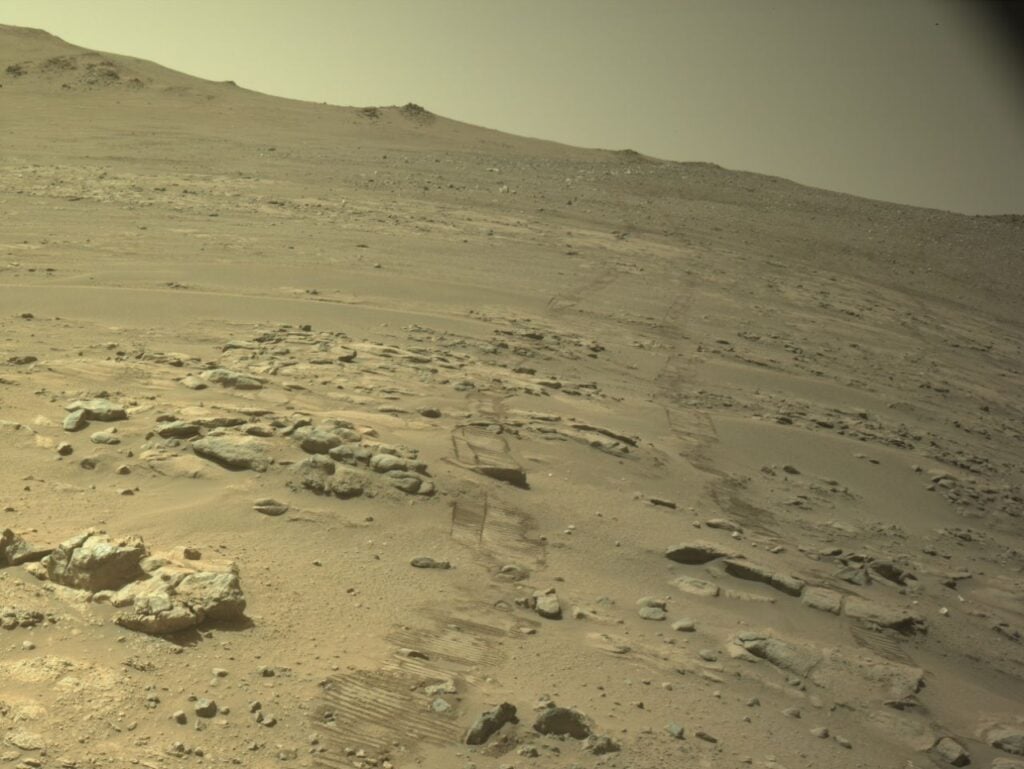
On October 11th, 2026, Perseverance’s odometer reached 28.10 miles (45.22 kilometers), surpassing the previous record of 28.06 miles (45.16 kilometers) set by NASA’s Opportunity rover. Perseverance achieved the milestone in just five and a half years, compared with the nearly 15-year mission during which Opportunity accumulated its record distance.
The six-wheeled rover has been exploring Mars since landing in Jezero Crater in February 2021, using increasingly capable autonomous navigation to travel across challenging terrain. More than 90 percent of Perseverance’s total driving distance has been completed using its AutoNav system, which allows the rover to assess the terrain, identify hazards and plan its route while driving.
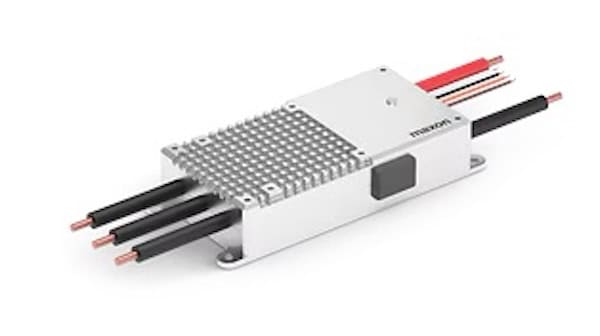
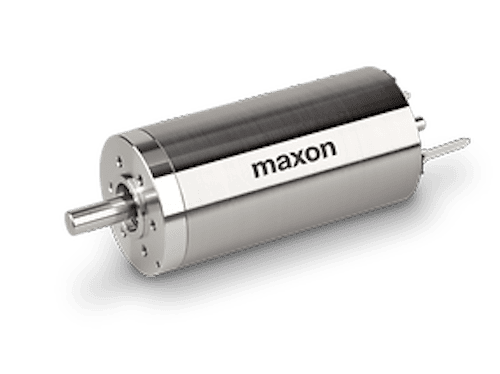
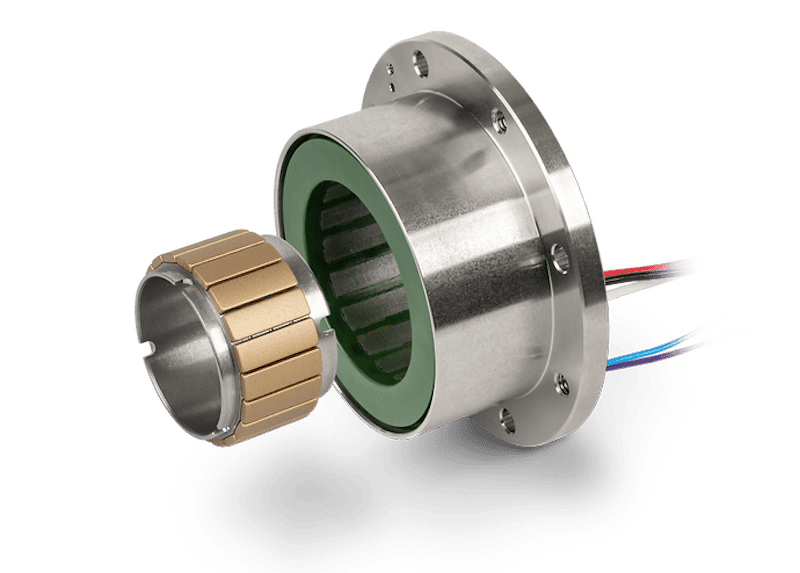
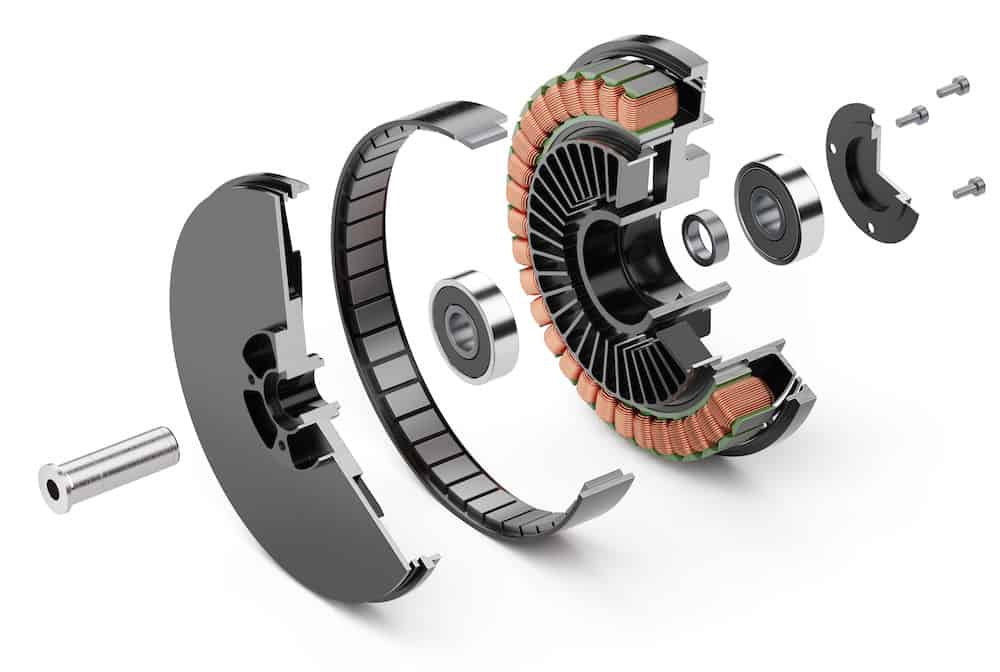
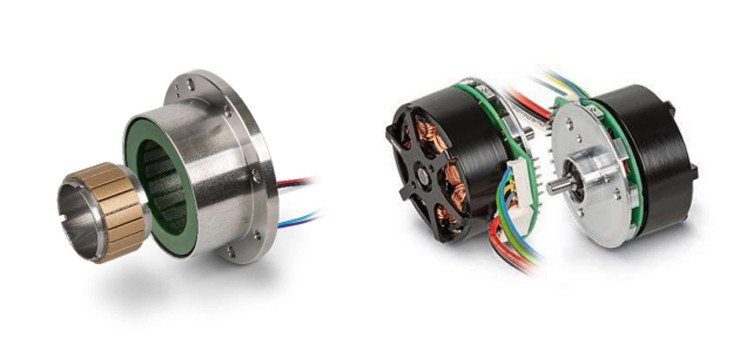
Alongside its autonomous mobility capabilities, Perseverance relies on advanced robotic systems to collect and process geological samples. maxon has supplied ten electric drives for the rover’s sample handling system, where they help move samples between processing stations and support the positioning and sealing of sample containers. The drives comprise nine EC 32 flat brushless DC motors and one EC 20 flat motor combined with a GP 22 UP planetary gearhead.
Perseverance has now collected 29 rock and regolith samples from across its exploration area. During its investigation of the crater rim, the rover has been examining impact-generated rocks estimated to be around four billion years old, offering scientists an opportunity to study a period of Martian history that has largely been erased on Earth.
The latest distance record highlights the combination of autonomous navigation, robotic systems and reliable drive technology that enables Perseverance to continue operating across the Martian surface. With its mission extended through approximately the end of 2028, the rover is expected to continue adding to its record while investigating some of Mars’ oldest terrain.