CRP Group integrates the expertise of CRP Technology and CRP USA, leaders in Windform® composite SLS and DMLS metal additive manufacturing, with CRP Meccanica, a high-precision CNC operation with heritage in Formula One manufacturing. This synergy creates a single, streamlined supply chain capable of supporting unmanned system programs from initial design through to Low-Rate Initial Production (LRIP).
The company’s manufacturing philosophy — forged in the high-performance and ultra-fast schedule demands of elite motorsport — translates directly to unmanned platforms: lightweight structures, tight tolerances, and rapid iteration, without compromising on full traceability or certification compliance.

Windform® Composite Materials for UxV Applications
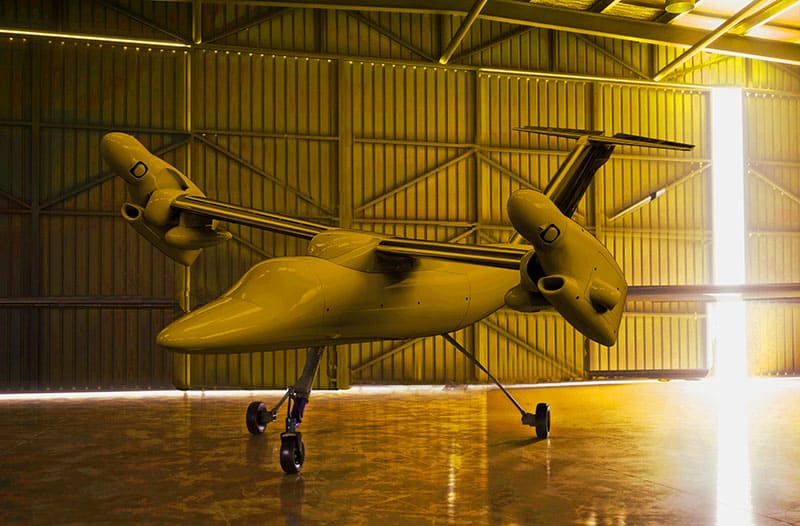
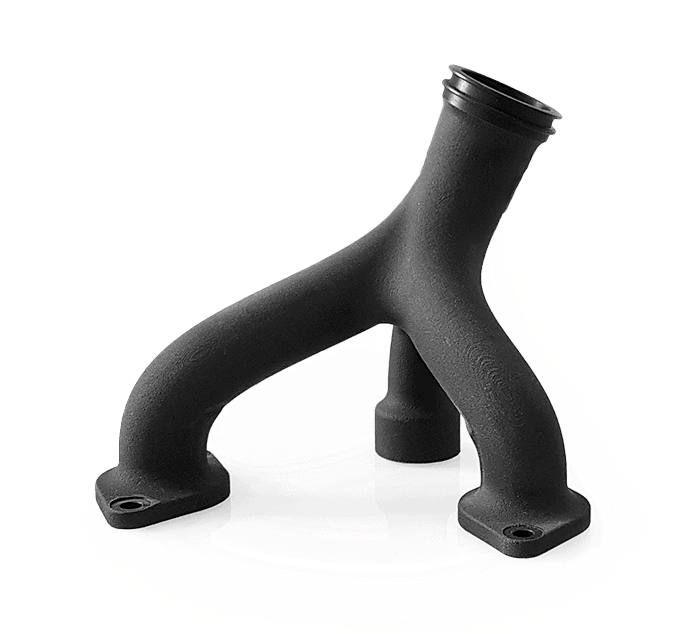
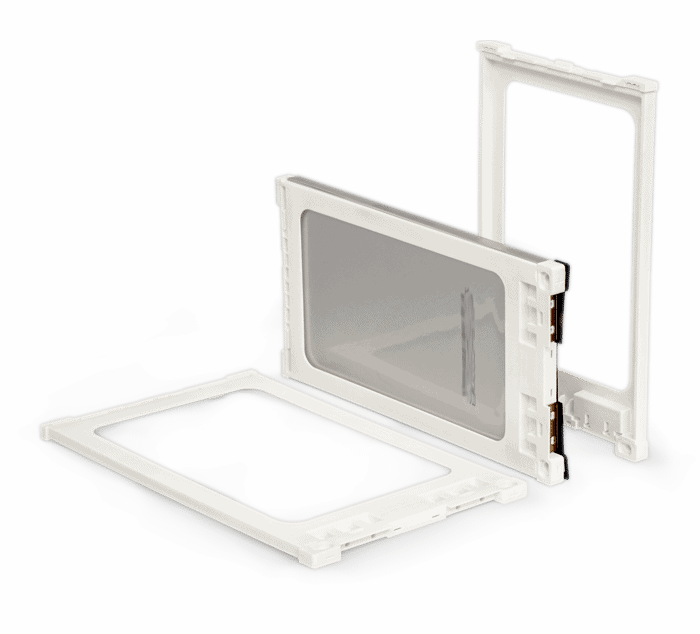
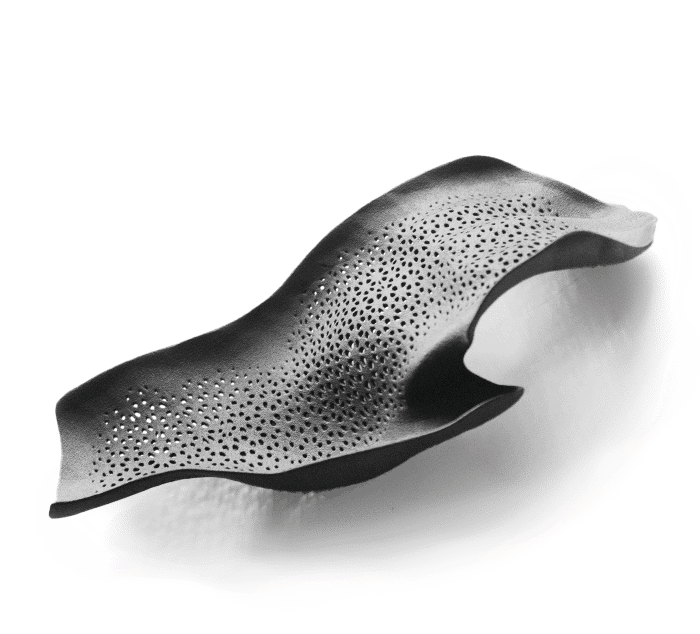
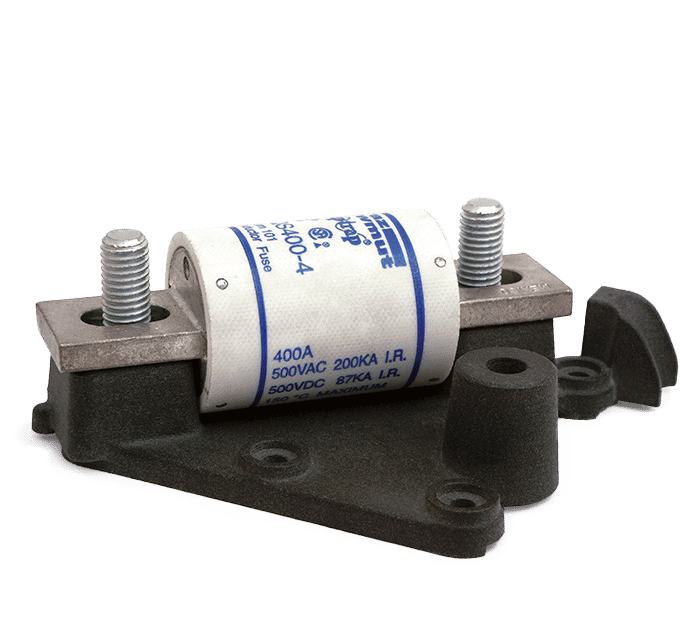
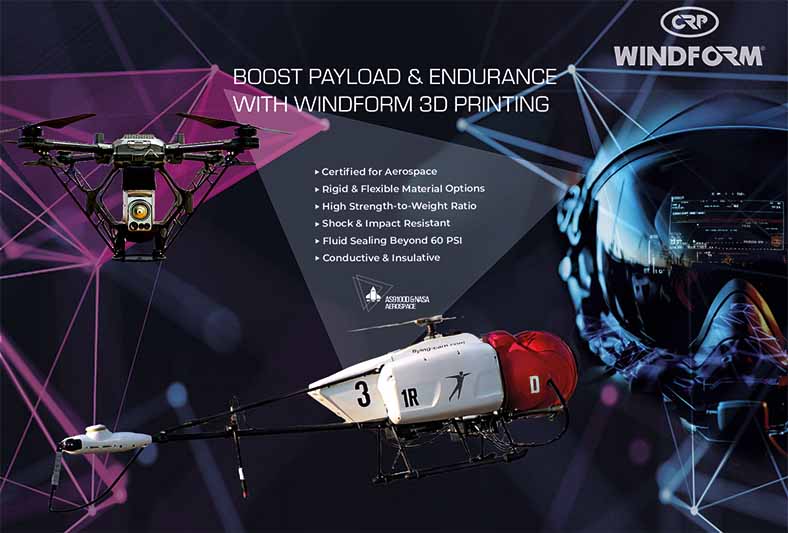
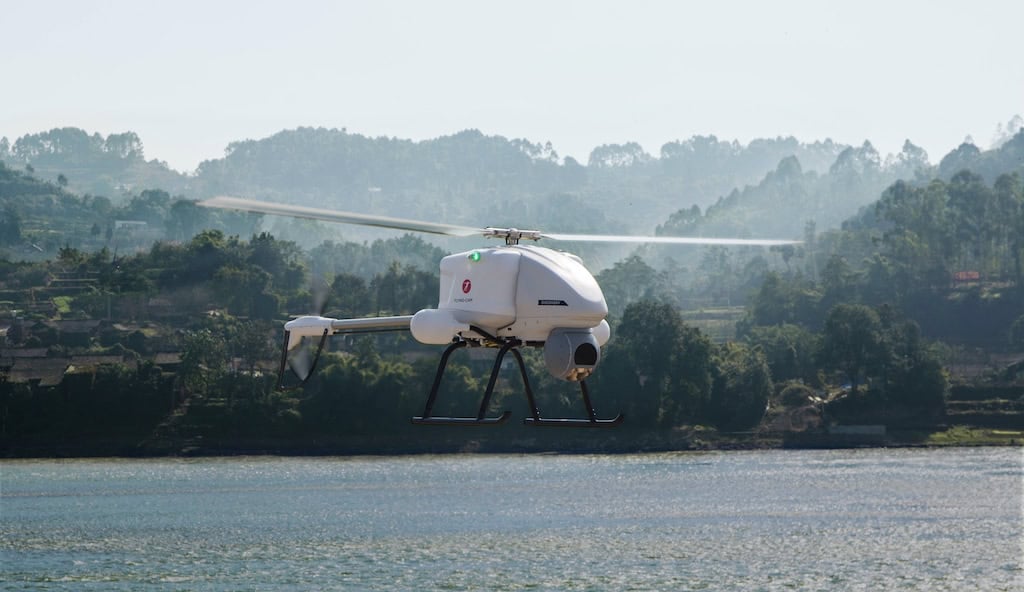
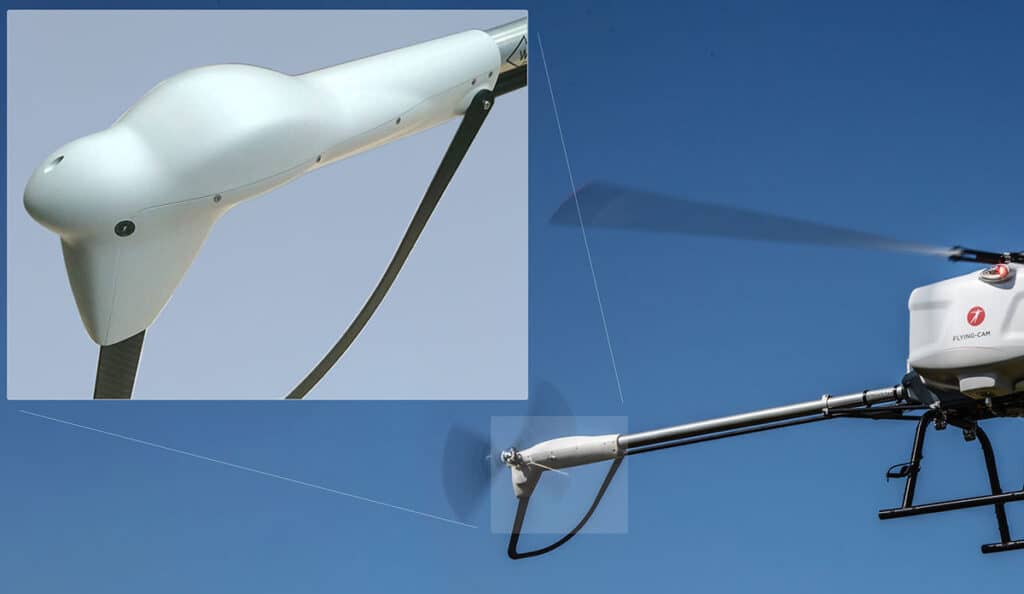
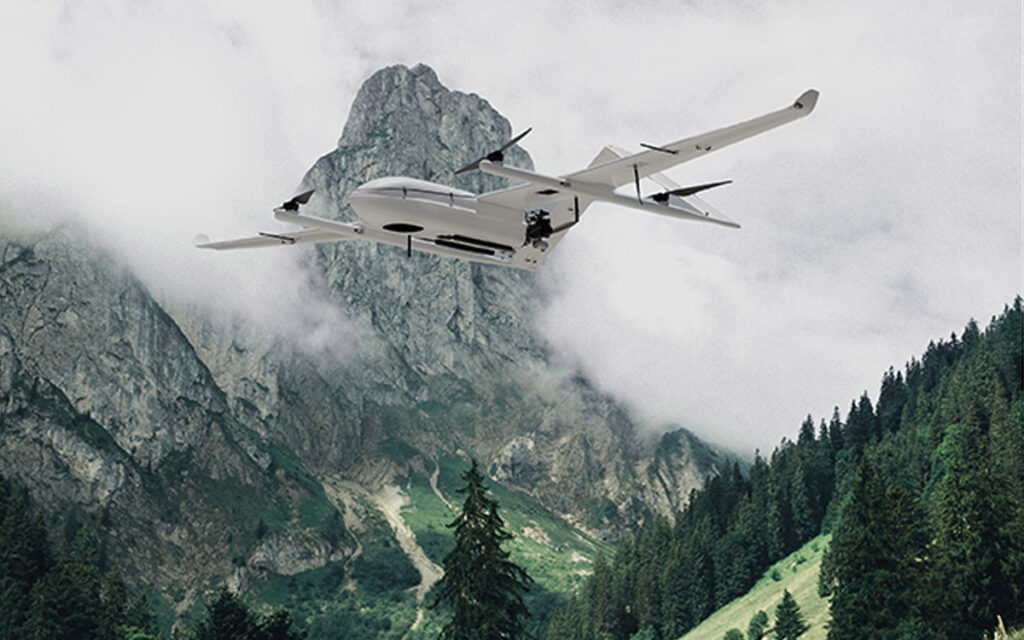
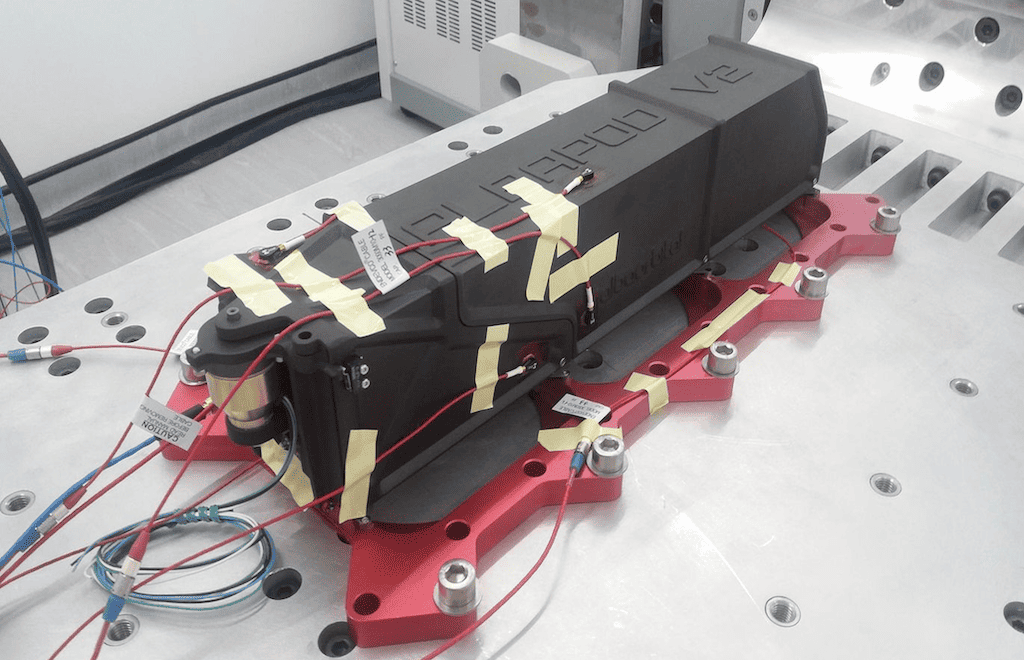
The proprietary Windform® material family is engineered for structural and functional applications across UAV airframes, UGV enclosures, USV components, and ISR payload systems.
The range includes carbon-fiber reinforced grades (SL, RS, SP, XT 2.0, FR1) for high-load and EMI-aware applications, and glass-fiber reinforced grades (GT, FR2, LX 3.0, GF 2.0) for dielectric-critical components such as antenna radomes and battery compartments.
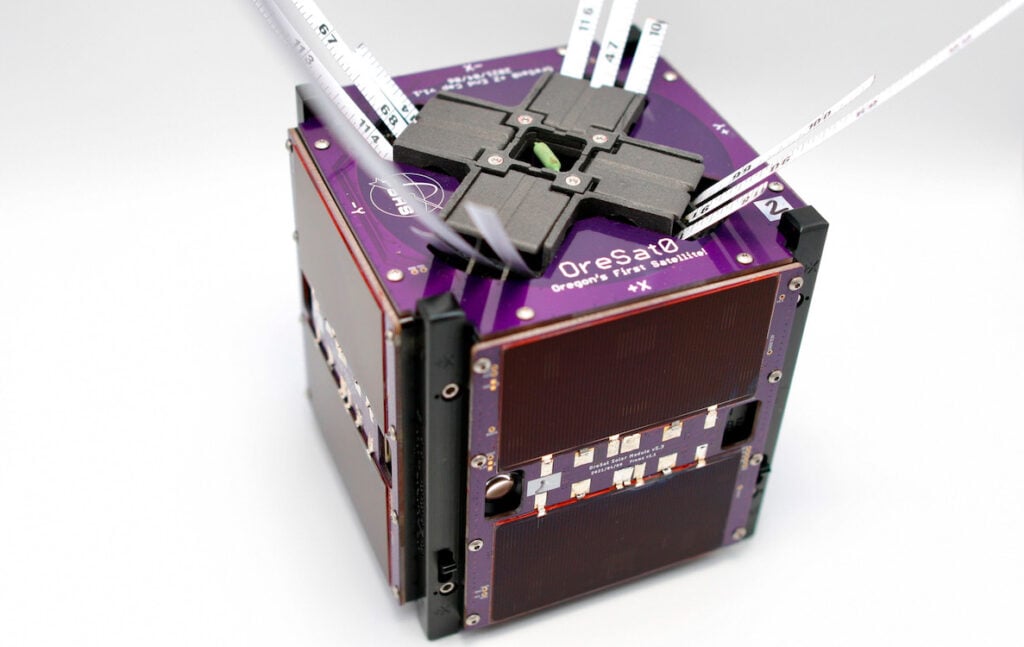
Windform® composites combine a superior stiffness-to-weight ratio with MIL-STD-810 validated resistance to thermal cycling, vibration, shock, and humidity. Both conductive and insulating formulations are available, enabling the direct integration of electronics within printed structures — effectively eliminating secondary shielding and reducing assembly complexity.
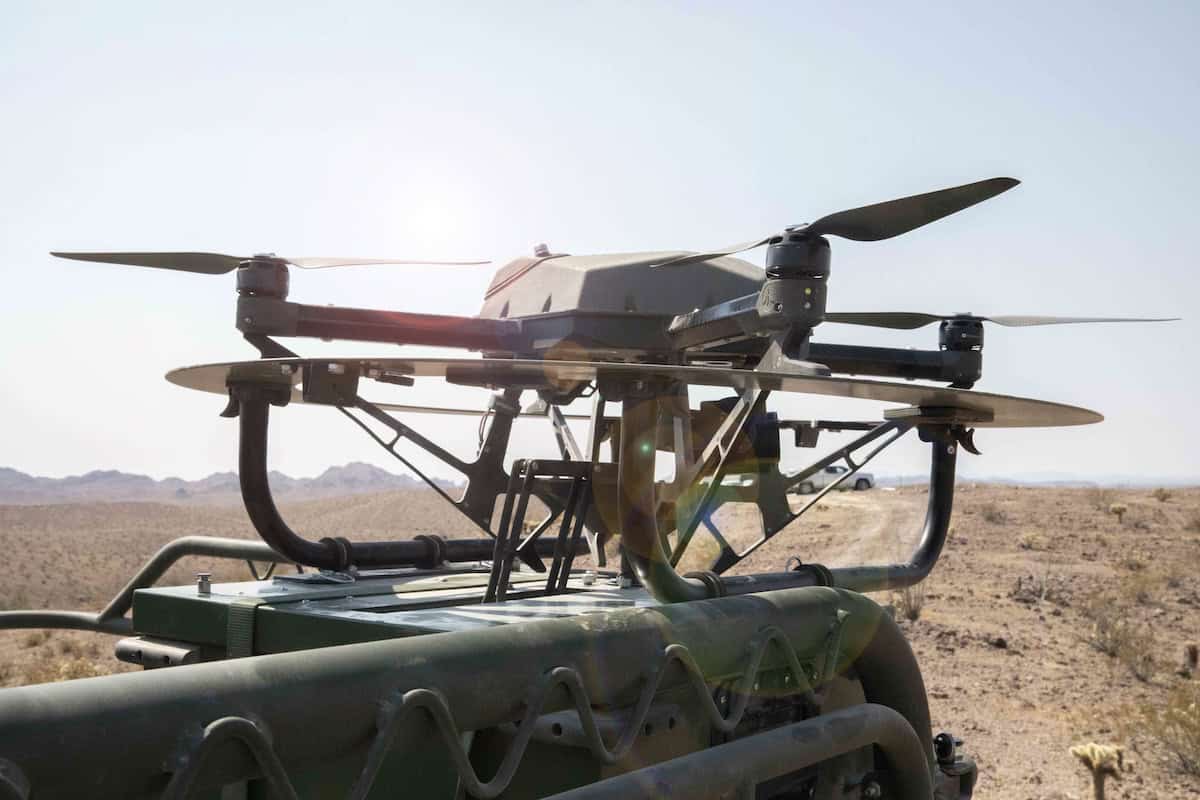
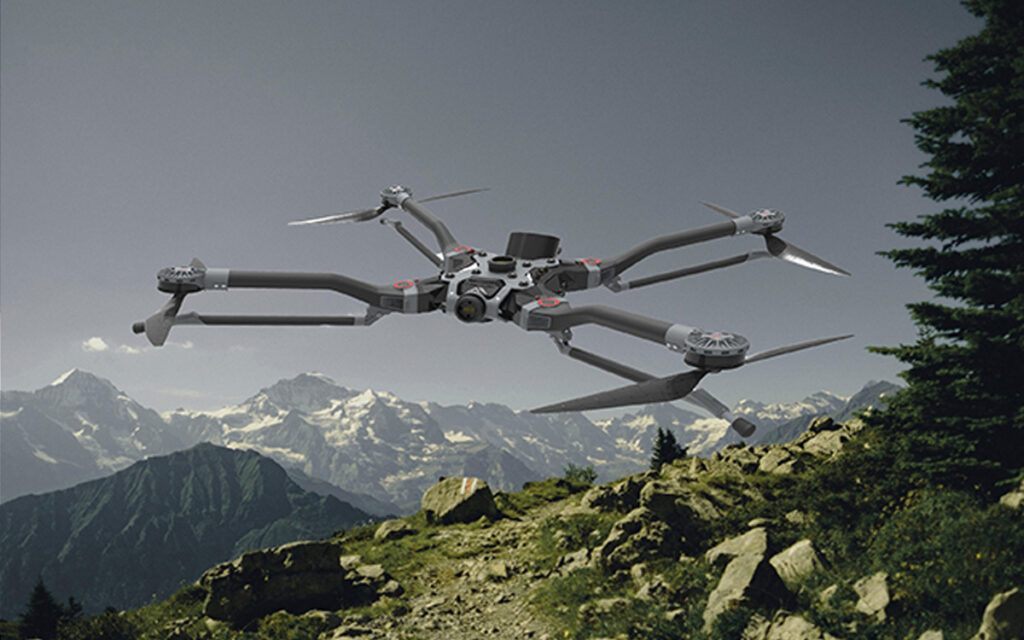
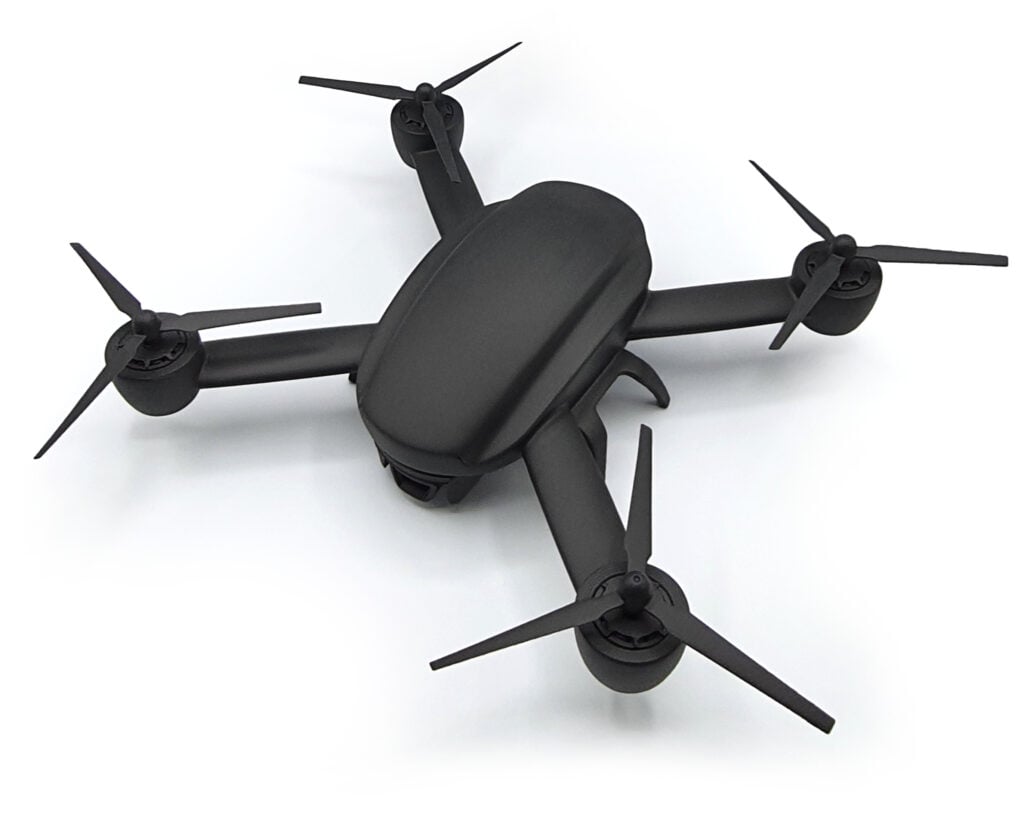
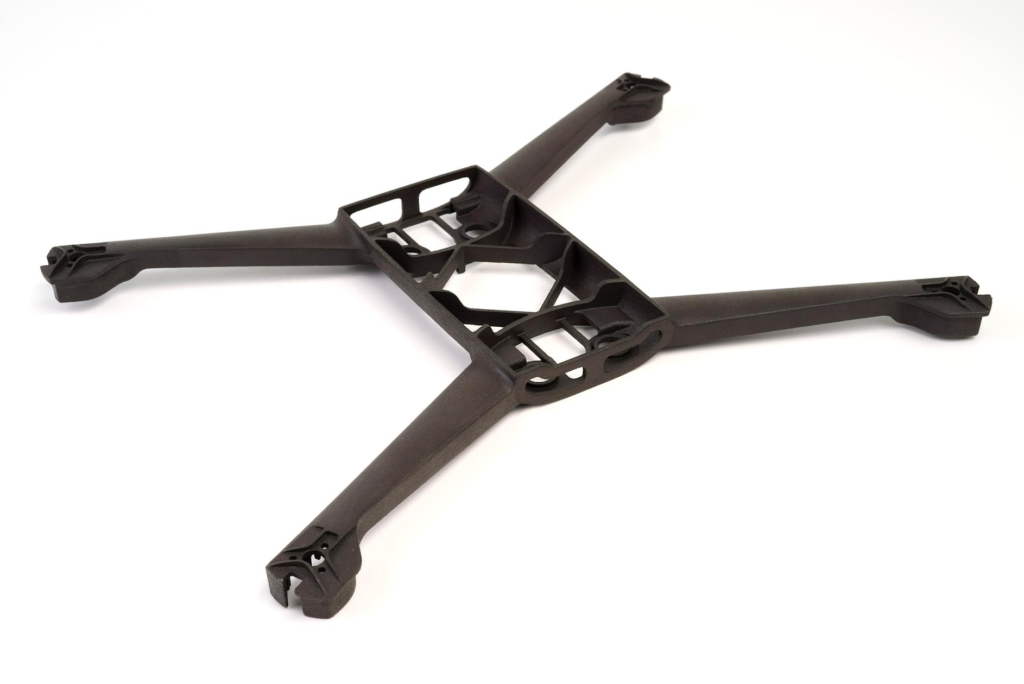
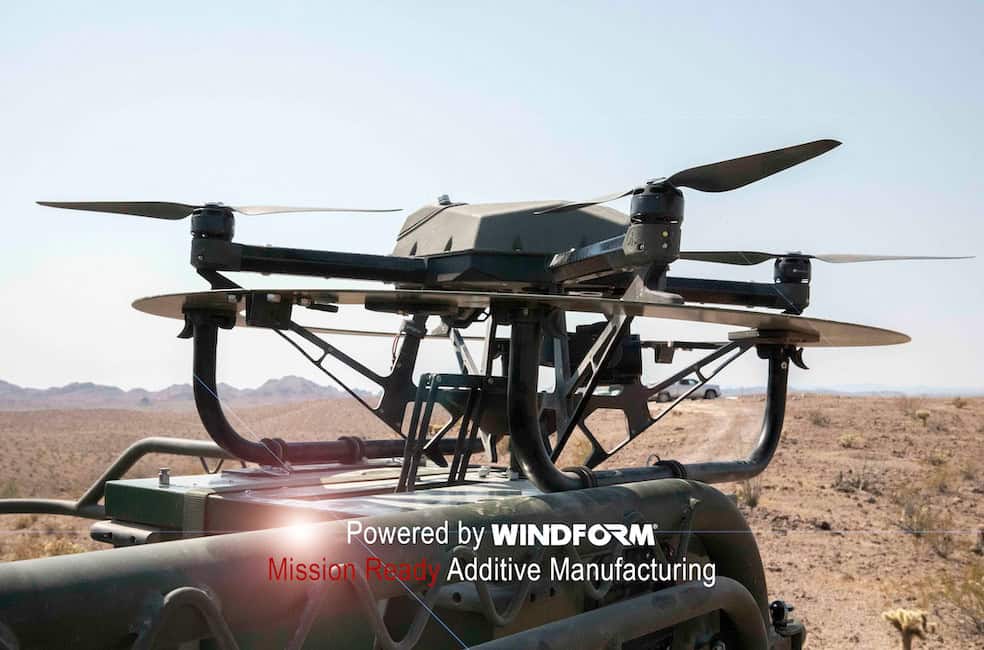
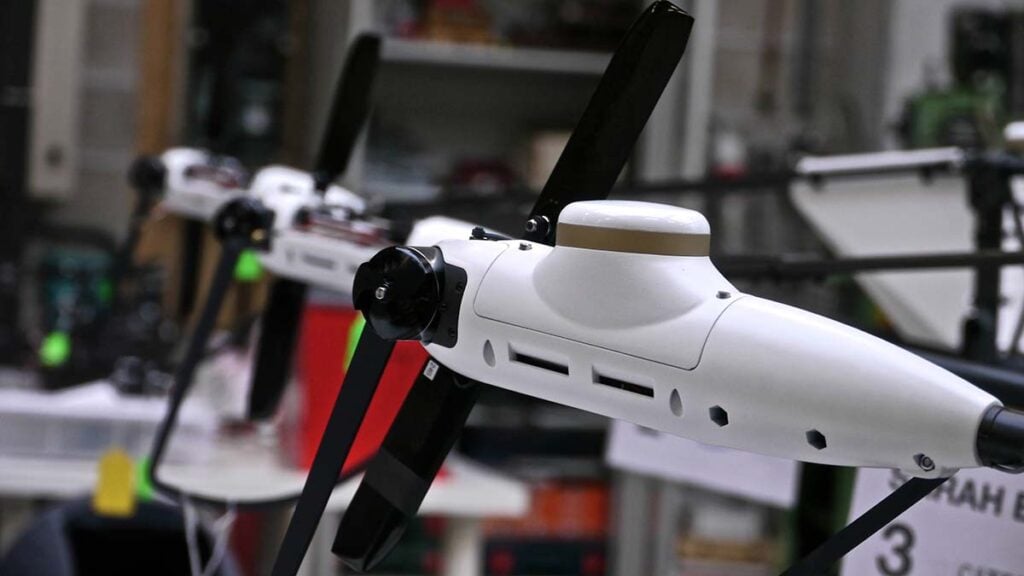
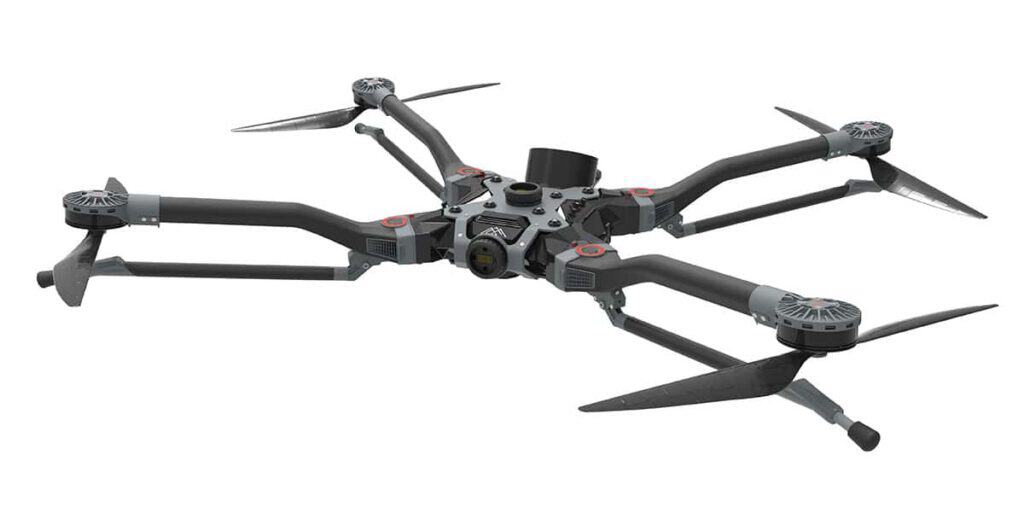
Hoverfly Spectre 2.0, pictured above, features a high-performance fuselage additively manufactured in Windform® composite. Validated to exceed MIL-STD-810 requirements for harsh environmental conditions.
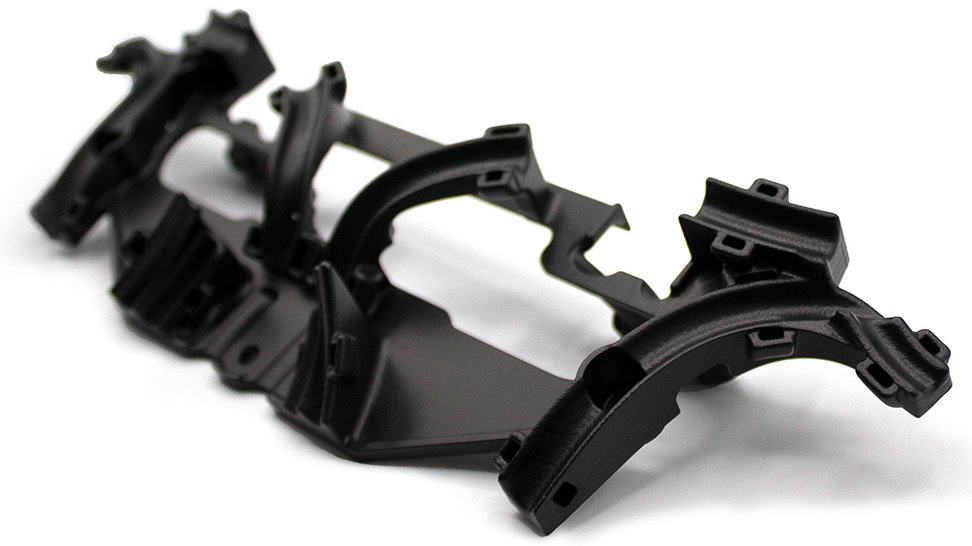
The Windform® monolithic part integrates complex internal geometries for embedded cable routing and optimized load paths, consolidating multiple components into a single, high-strength structure. Engineered for rapid deployment, the system is flight-proven to perform reliably under extreme operational stress, including mechanical shocks, intense vibrations, and temperature extremes (-20°C to +49°C), as well as sand, dust, and rain.





 verified
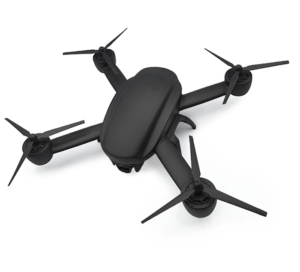 Windform SL
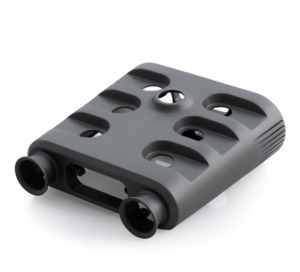 Windform RS
 Windform SP
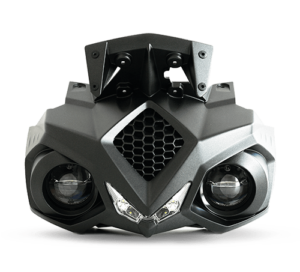 Windform XT 2.0
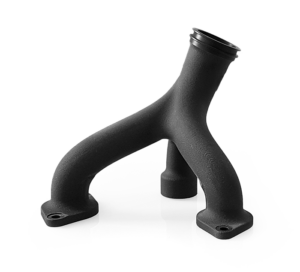 Windform FR1
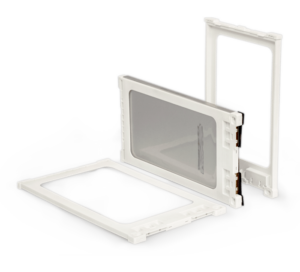 Windform FR2
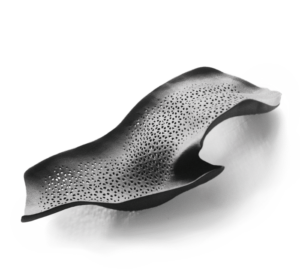 Windform GT
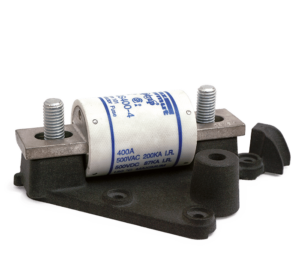 Windform LX 3.0
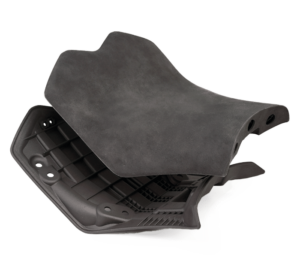 Windform RL
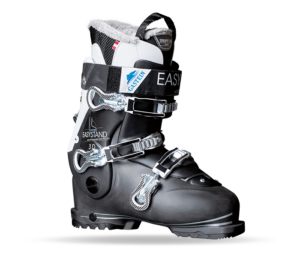 Windform FX Black
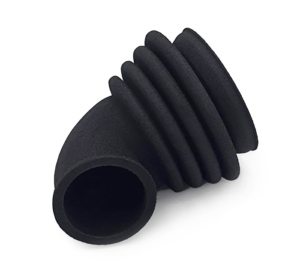 Windform TPU
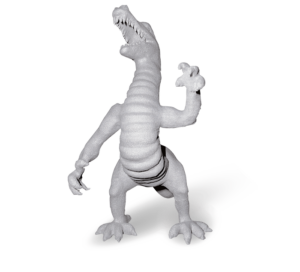 Windform GF