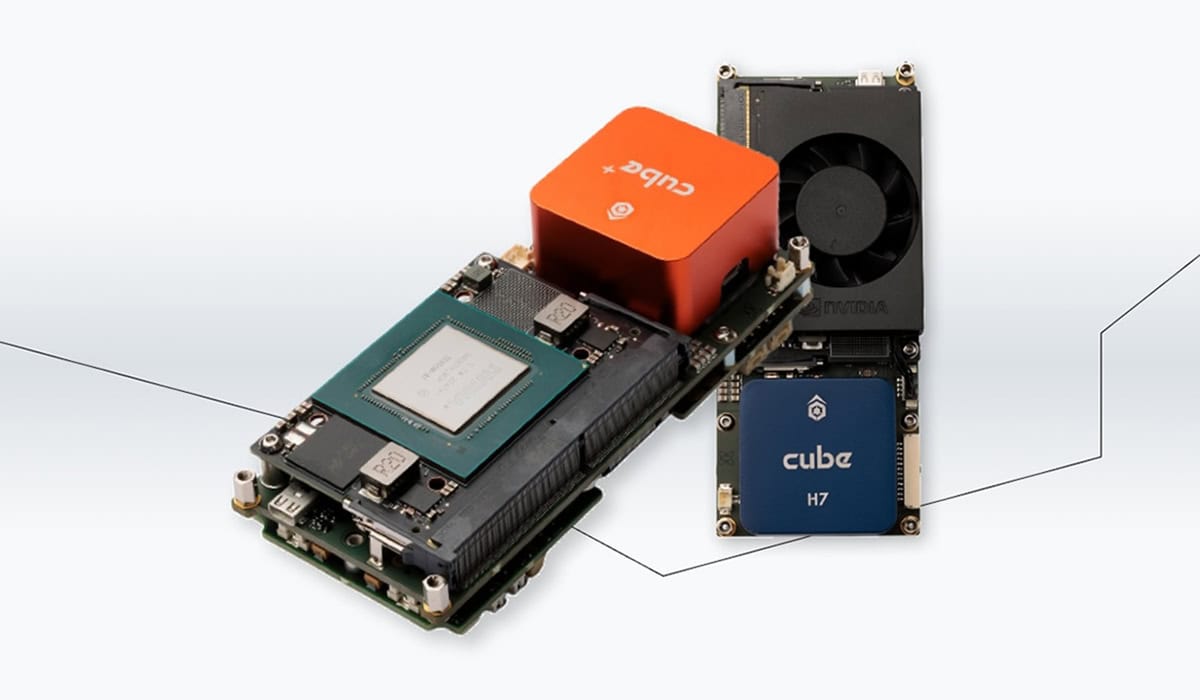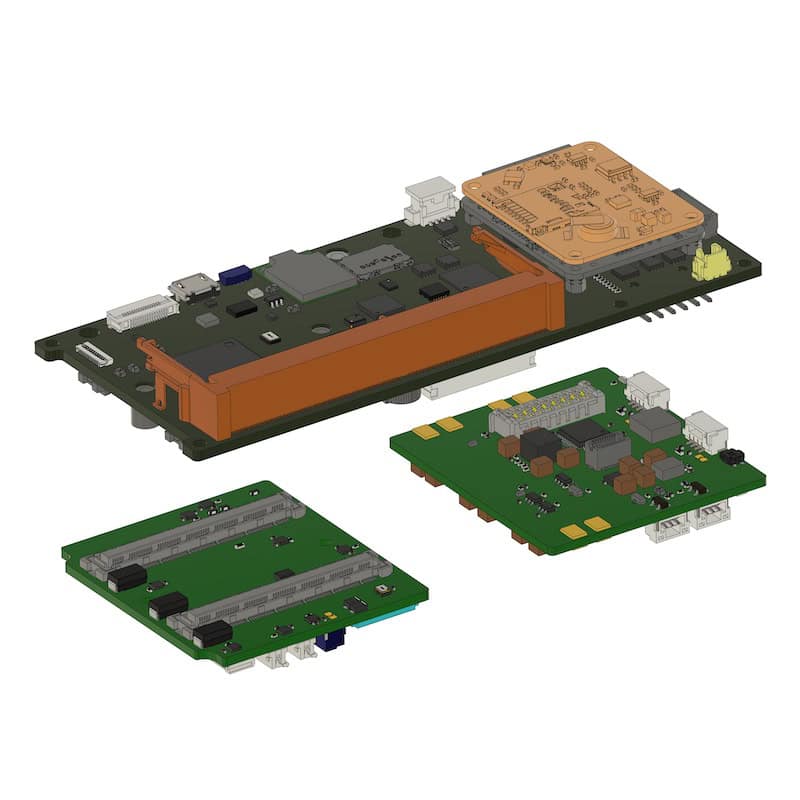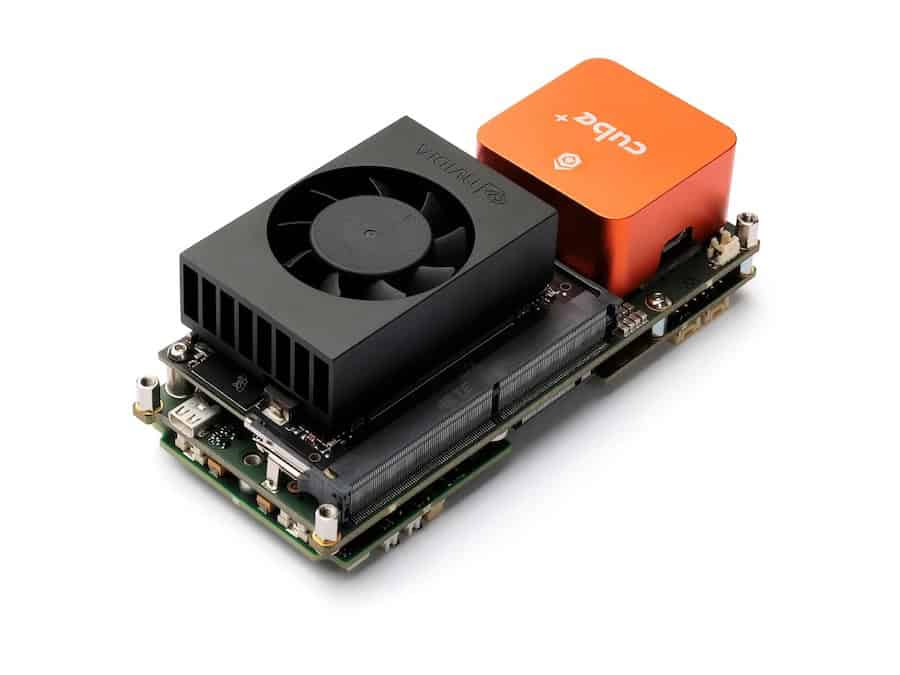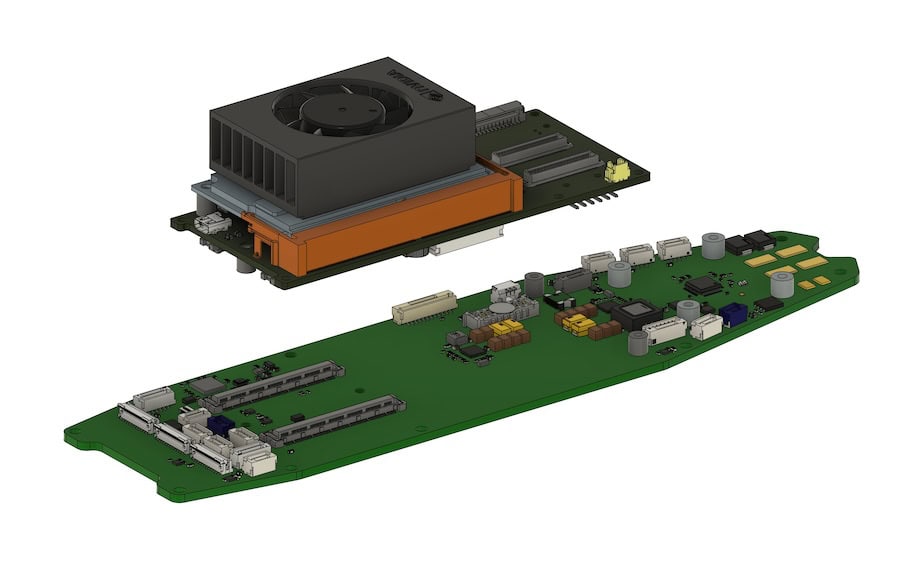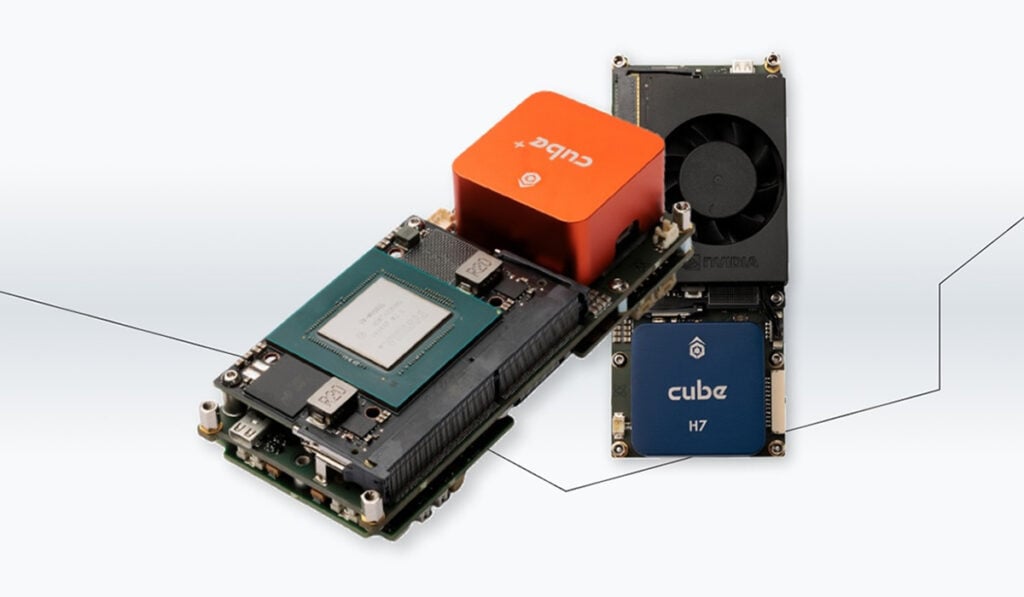
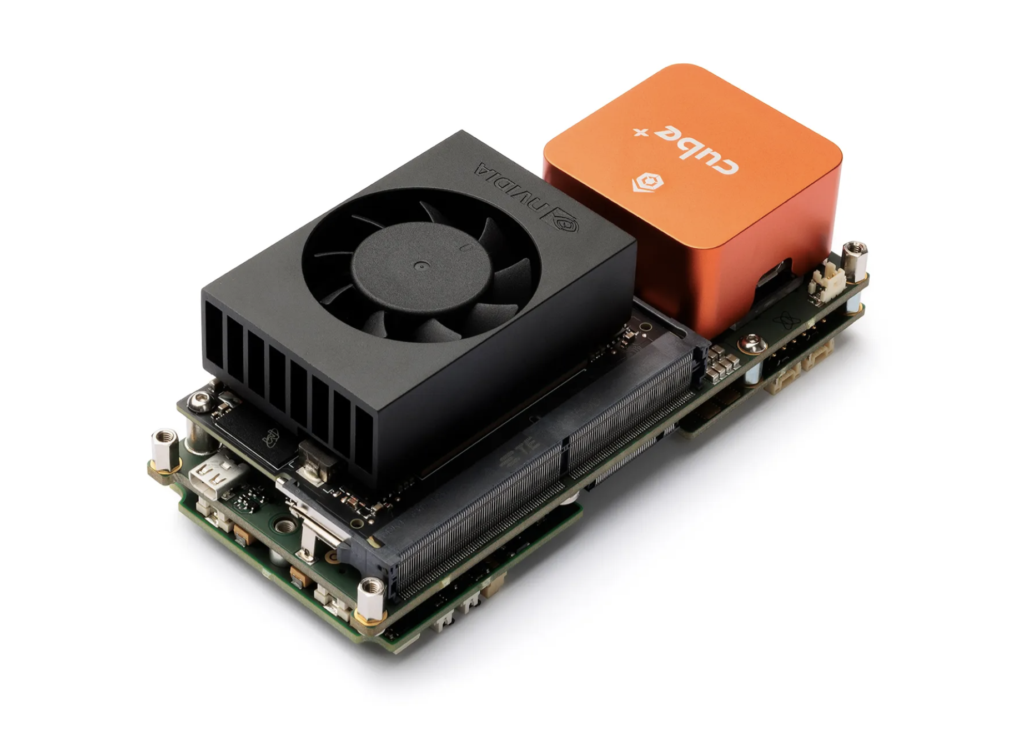
Airvolute’s UAV autopilots are designed to provide the intelligent backbone for advanced unmanned operations, combining flight control, mission adaptability, and networked autonomy within a unified architecture.
Developed as part of the company’s broader integrated UAV ecosystem, the autopilots enable unmanned platforms to move beyond standalone operation and function as interconnected assets within a coordinated aerial system.
At the core of Airvolute’s offering is a tightly integrated hardware and software stack that standardizes how UAVs are deployed, controlled, and managed. By minimizing fragmentation between flight systems, communications, and mission software, the autopilot architecture provides a consistent operational foundation across a wide range of UAV configurations and mission profiles.
A key advantage of the system lies in its modularity. Airvolute’s autopilots are designed to support rapid mission adaptation, enabling UAVs to be reconfigured for roles such as Intelligence, Surveillance, and Reconnaissance (ISR), logistics, electronic warfare, or defense applications through payload changes and software updates rather than complete platform redesigns. This flexibility allows operators to adapt assets quickly to changing operational requirements while maximizing platform longevity.
Airvolute’s autopilot product range includes:
-
- DCS 2 Pixhawk v6X
-
- DCS 2 FPV
Interoperability is another central feature. Built with open interfaces, the autopilots are engineered to integrate with third-party sensors, command-and-control environments, and legacy infrastructure, allowing organizations to incorporate the technology into existing operational ecosystems without requiring wholesale replacement of established systems.
Perhaps most significantly, Airvolute’s autopilots are designed to support networked intelligence and distributed autonomy. Rather than operating as isolated flight controllers, individual UAVs function as nodes within a connected system, sharing real-time data to enable coordinated behaviors such as swarm operations, persistent surveillance, and layered aerial protection. Through centralized command and control paired with autonomous low-level coordination, the system can reduce operator workload while increasing responsiveness in complex, fast-changing mission environments.
The result is an autopilot ecosystem intended not only to control aircraft, but to underpin scalable and adaptable unmanned aerial infrastructure.
Find out more about Airvolute’s UAV autopilots on their website.