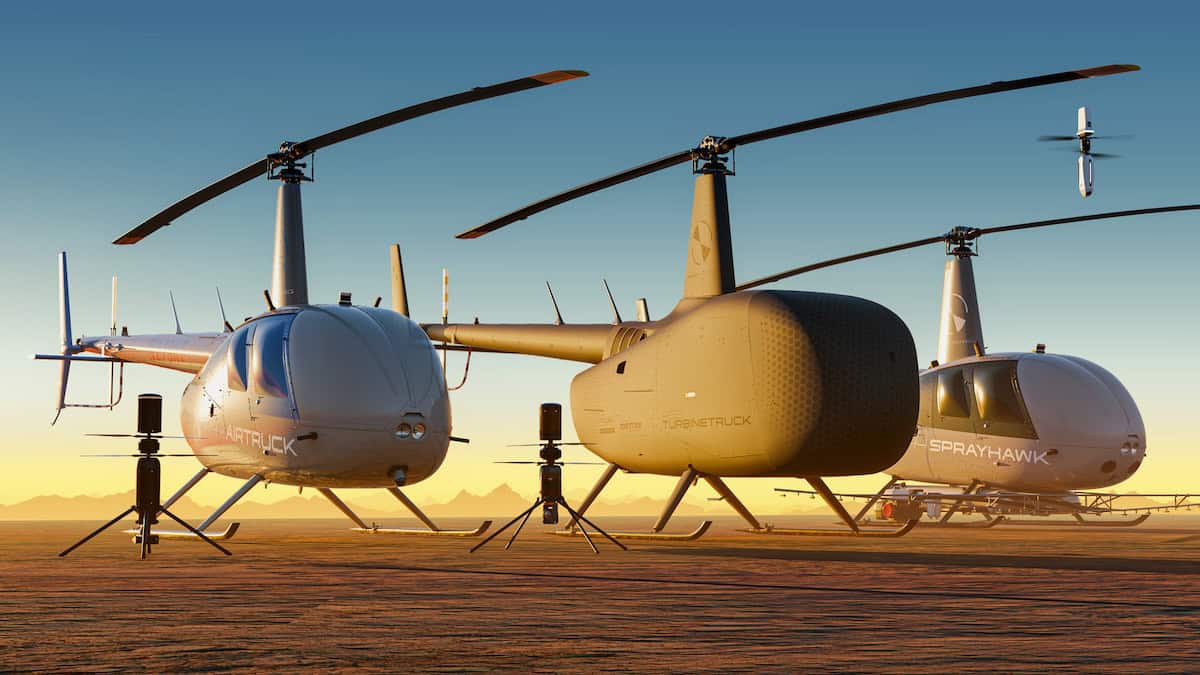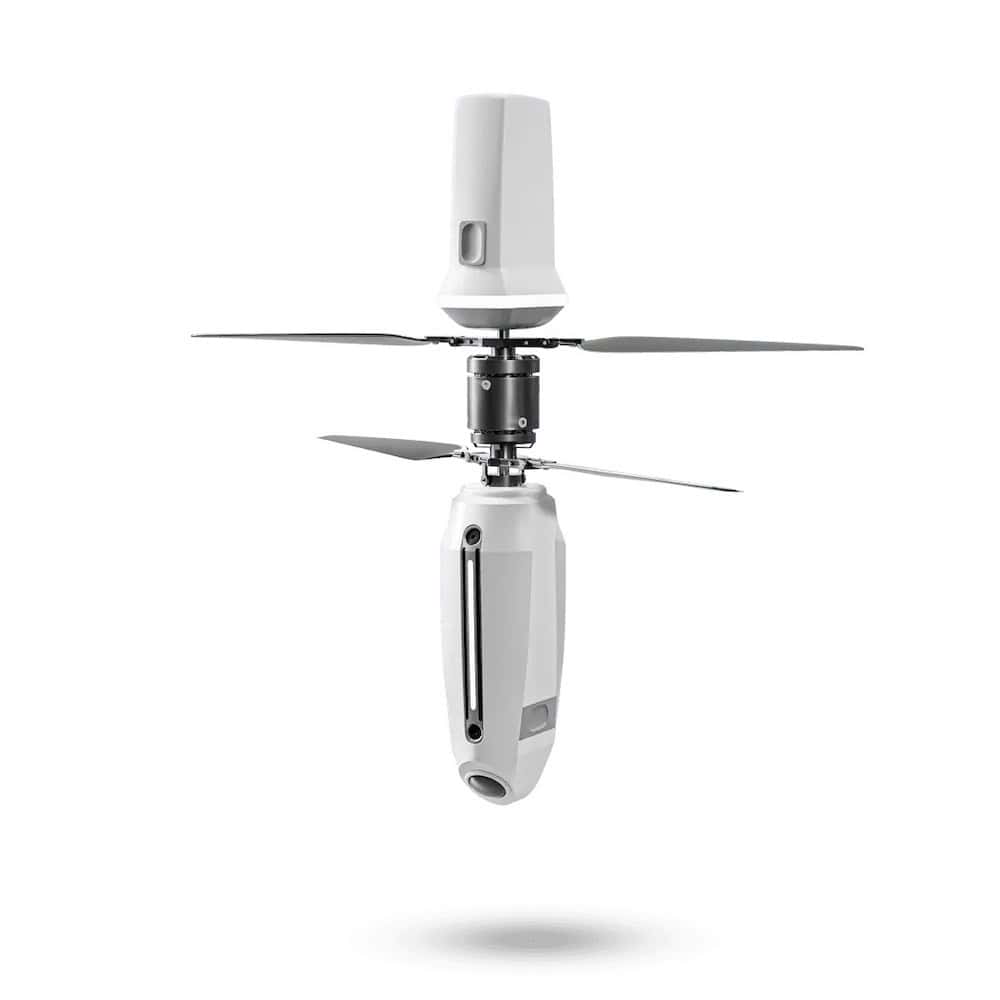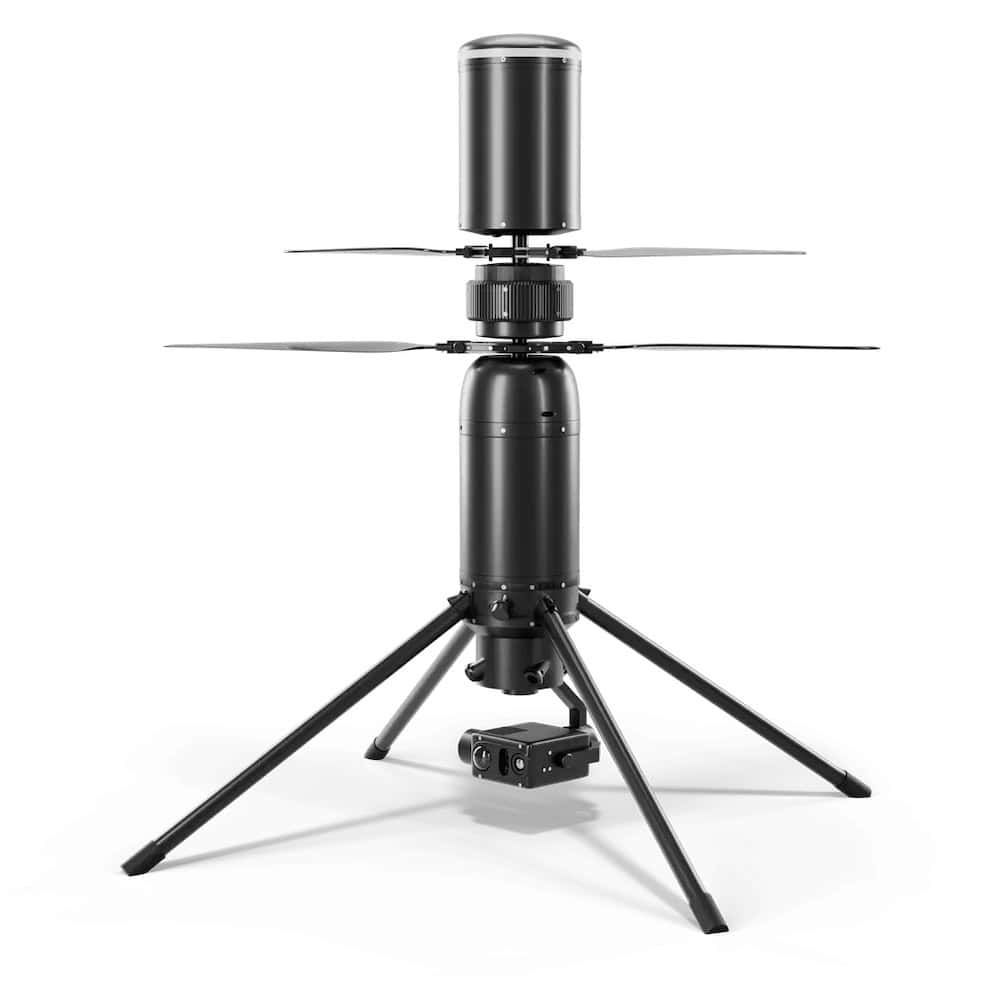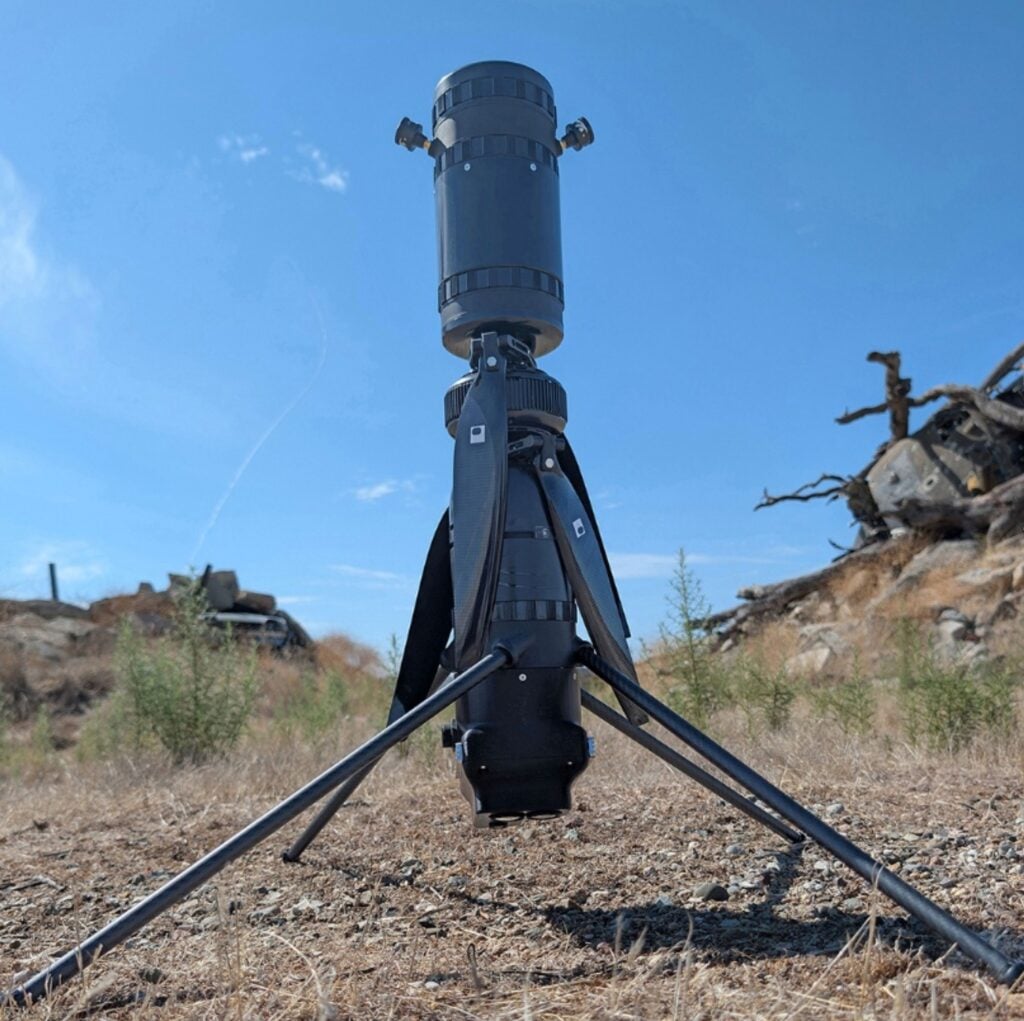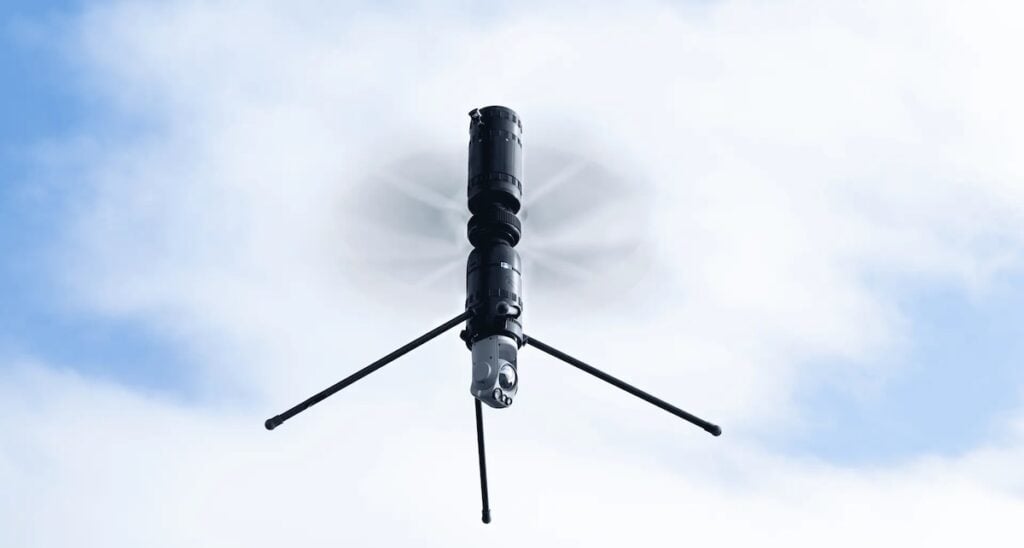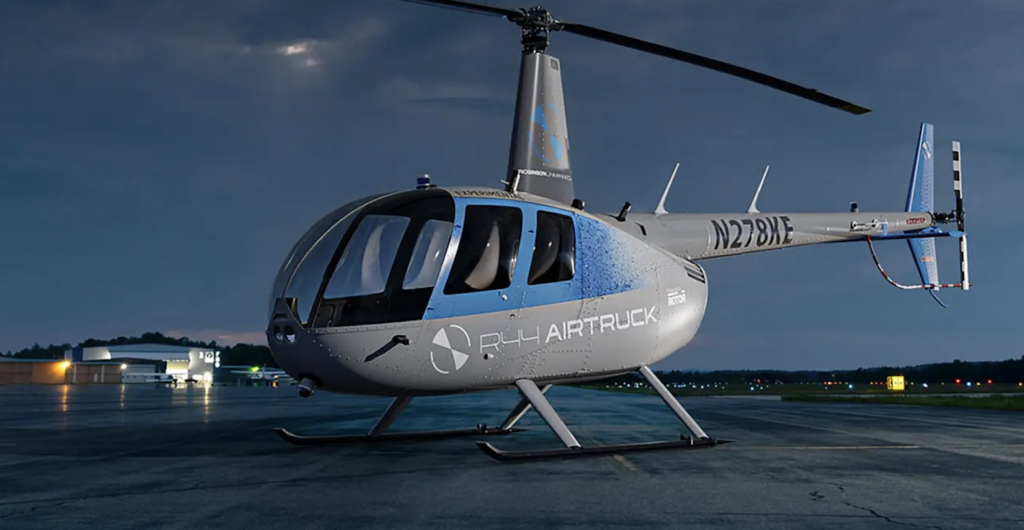




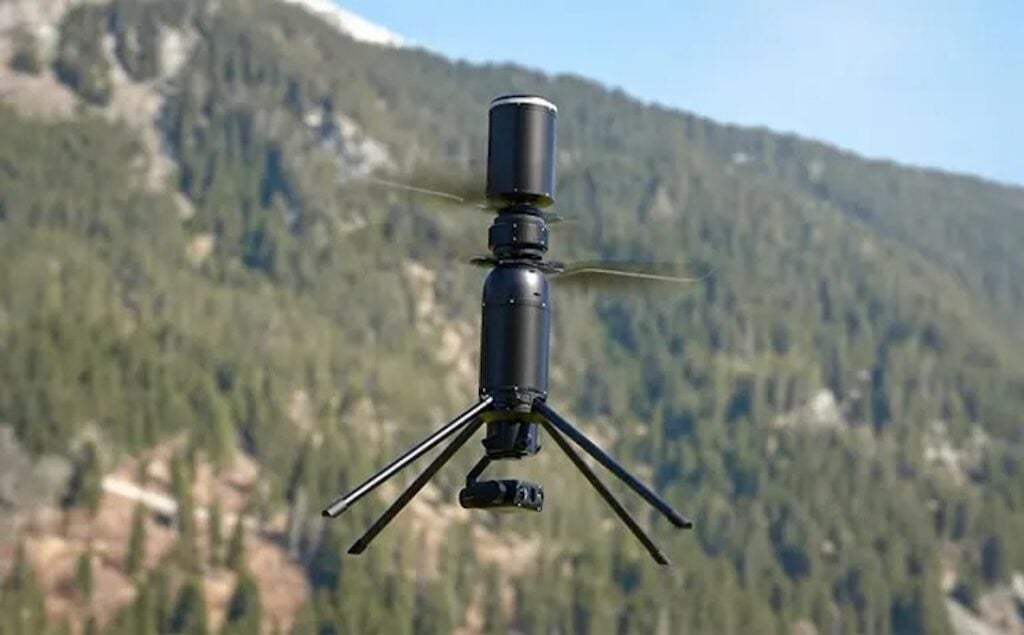
Robinson Unmanned is collaborating with sense-to-act connectivity provider Lyntris to integrate Dragonflight distributed autonomy technology onto its SPARTAN Group 2 coaxial Vertical Take-Off and Landing (VTOL) drone.
The collaboration supports a $6.48 million expansion of Lyntris’ Maritime Tactical Command and Control program with the U.S. Navy. By combining the SPARTAN aircraft with Dragonflight autonomy software, the effort aims to extend the technology into coordinated autonomous Unmanned Aircraft System (UAS) operations.
Jack Zaientz, VP of C4I and Autonomy at Lyntris, said, “Precision formation flight takes aircraft and software designed to work together. Robinson’s SPARTAN gives us a nimble, open platform for integrating our autonomy technology. By pairing their aircraft expertise with Lyntris’ Dragonflight autonomy software, we’re working to expand what operators can accomplish with a team of autonomous aircraft.”
Designed for demanding operational environments, SPARTAN is an aviation-grade Group 2 VTOL platform capable of carrying payloads up to 15.3 lb, with a maximum takeoff weight of 30 lb. Its modular, open architecture supports the integration of advanced autonomy and mission systems while preserving the payload capacity, endurance and all-weather performance required for demanding operations.
Paul Fermo, President of Robinson Unmanned, commented, “The future of unmanned aviation isn’t going to be built around closed aircraft with fixed capability. Operators need reliable platforms that can integrate the best technology available today and continue adapting as autonomy, sensors, communications and mission requirements evolve. This is what a strong U.S. industrial base should enable: bringing proven aircraft and advanced technology together to deliver meaningful capability to the fleet.”
The integration forms part of Robinson Unmanned’s broader approach to autonomous aviation, combining aviation-grade, National Defense Authorization Act (NDAA)-compliant aircraft with autonomy, sensing, communications and mission technologies from specialized defense technology providers. Built around modular open system architectures, the platforms are designed to accommodate new capabilities as operational requirements evolve and operate as part of larger, distributed mission systems.
The collaboration with Lyntris expands Robinson Unmanned’s relationships within the U.S. Defense Industrial Base and its growing network of technology partners, which spans aircraft Groups 1 to 4. The company works with providers of autonomy, mission systems and other defense technologies to integrate specialized capabilities across its range of scalable aircraft platforms.
Fermo added, “SPARTAN was never intended to be a single-mission aircraft, and we’re seeing that vision play out in the market now. Different partners are looking at the same underlying platform for autonomy, sensing, effects, and integration into larger systems-of-systems. Our work with Lyntris is another example of what SPARTAN was designed to do: provide an open, aviation-grade foundation that allows new capabilities to be integrated quickly and employed as part of a larger force.”