
















Showcase your capabilities
If you design, build or supply Multirotor Drones, create a profile to showcase your capabilities and connect with visitors who have an active requirement for your solutions.




Find Multirotor Drone manufacturers and suppliers of multicopters, quadcopters, heavy lift & hybrid multi rotor UAV & UAS for professional applications
Read the Technology Overview


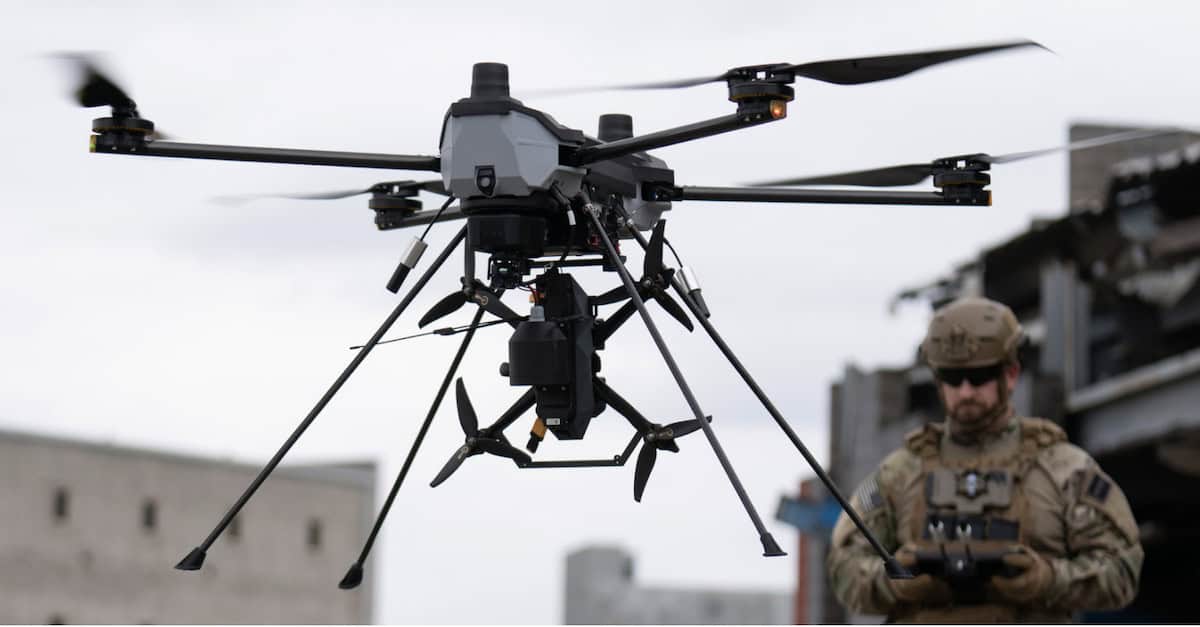

Integrated VTOL UAS: From Nano Platforms to Heavy-Lift Autonomous Rotorcraft

Multi-Constellation GNSS Module for Ultra-Reliable Positioning & Navigation

Drone Technology Supplier & Drone Service Provider for Public Safety, Transportation & Training

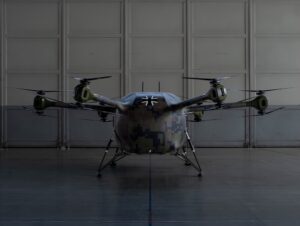
Dual-Use Unmanned Aircraft for Logistics, Medical Transport, ISR & Tactical Support
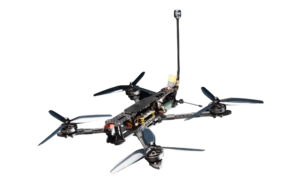
Next-Generation Autonomous UAV Solutions for Mission-Critical Military & Defense Applications

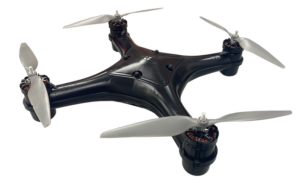
Advanced Man-Portable USV Platforms for Defense, Tactical & Government Missions


Innovative Turnkey UAS Solutions for Mission-Critical Civilian & Defense Applications

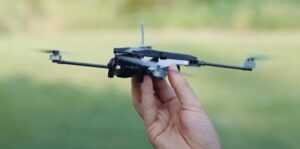
State-Of-The-Art NDAA-Compliant Drones & Ground Control Stations for Mission-Critical Operations

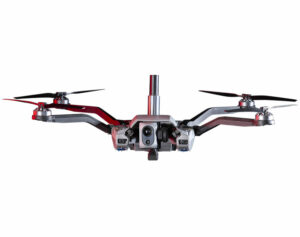
Advanced Aerial Intelligence & Situational Awareness Technologies for Military, Security & Civilian Applications

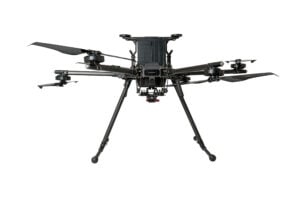
Professional, US-Made Multirotor Drones for Commercial & Government Applications

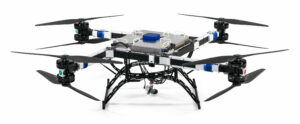
Commercial Heavy-Payload Drones for Heavy-Lift Cargo Transportation & Logistics


Customizable, Long-Range Fixed-Wing Drones - Twin-Wing Design Heavy Lifting Drones

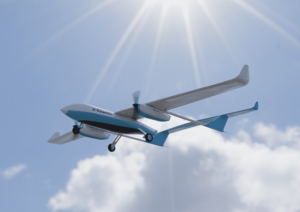
Enablers of Long-Range Hydrogen Electric Flight | Hydrogen Solutions for UAVs; Lightweight PEM Fuel Cells & Mobile Hydrogen Refueling Stations

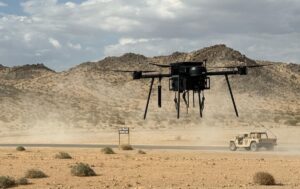
Battlefield-Proven Autonomous Counter-UAS, Tactical Drones, & Custom Battery Solutions

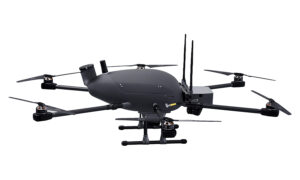
Advanced UAV & Unmanned Systems for Challenging Missions in Government, Defence & Commercial Applications


Hydrogen-Powered UAVs for Long-Endurance Industrial Inspection & Security Operations


NDAA-Compliant Heavy-Lift Drones | Certified Drone Parachutes | Engineering & Flight Operations Support

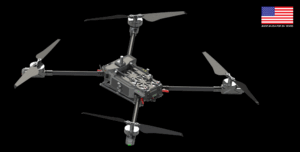
Cutting-Edge USA-Made Helicopter & Multirotor UAVs for Demanding Industrial Applications

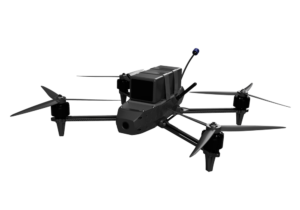
Cutting-Edge Drone Autopilots & UAS Platforms | Hardware & Software Solutions for Drones & Unmanned Systems

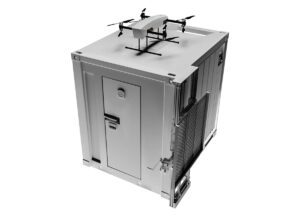
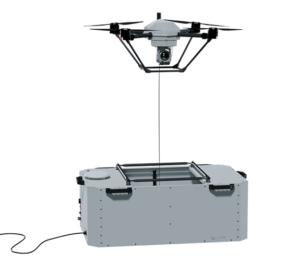
Revolutionary Tethered Unmanned Aerial Systems for Tactical, Commercial & Industrial Applications

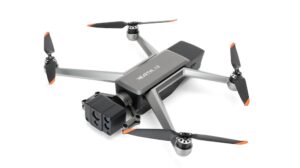
AI-Powered Autonomous Drone Solutions for Public Safety, Defense, and Industrial Inspection

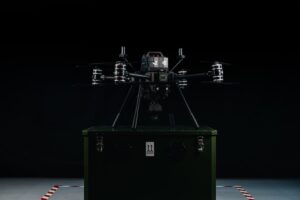
Advanced Autonomous UAV Platforms for Wide Area Actionable UAS Intelligence

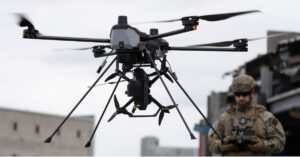
High-Performance Autonomous Drones for Mission-Critical Civilian & Military Applications

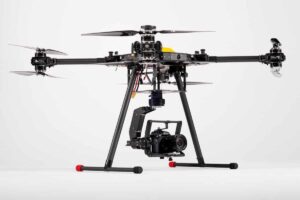
Cinematography Drone Camera Gimbals, Mounts & Stabilizers - Custom and COTS Gimbals

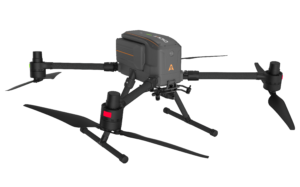
GNSS Positioning & Navigation Systems, Mobile Mapping UAV LiDAR & Unmanned Surface Vehicles

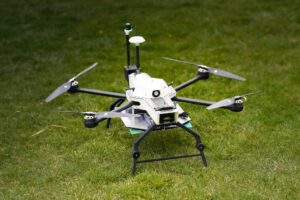
Autonomous UAS, Research & Inspection UAVs for Industrial Inspection, Survey & Mapping

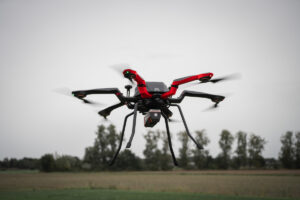
Professional Drones, Quadcopters, Multirotors & Hexacopters for Cinematography, Survey & Inspection

If you design, build or supply Multirotor Drones, create a profile to showcase your capabilities and connect with visitors who have an active requirement for your solutions.

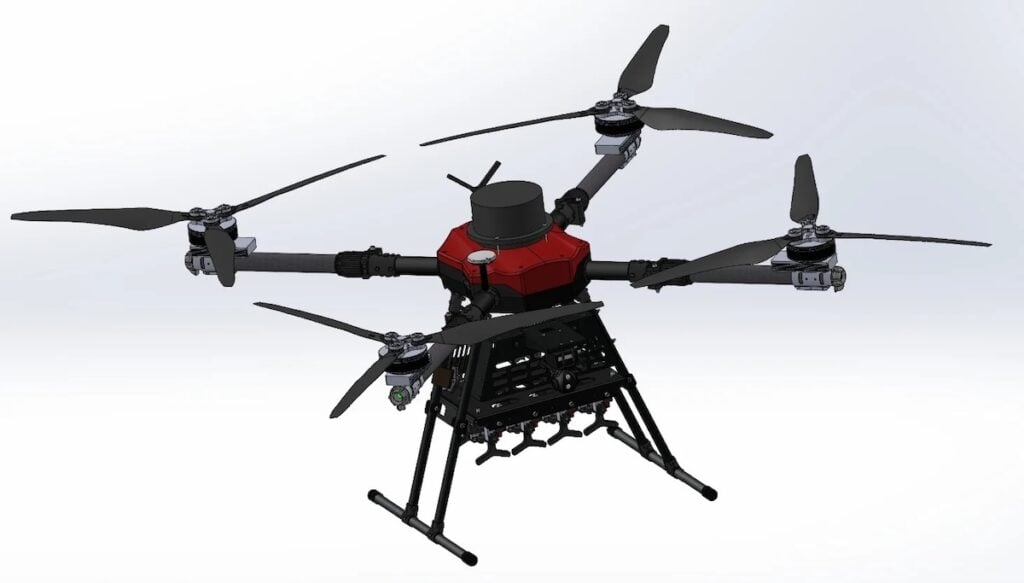
Multirotors are UAVs that use more than two rotors with fixed-pitch spinning blades that generate lift. By changing the speed of the rotors so that the thrust generated is greater than, equal to or less than the forces of gravity and drag acting on the aircraft, the drone can be made to ascend, hover or descend. By varying the speeds of particular rotors, it is also possible to make the drone turn or move in a horizontal direction.
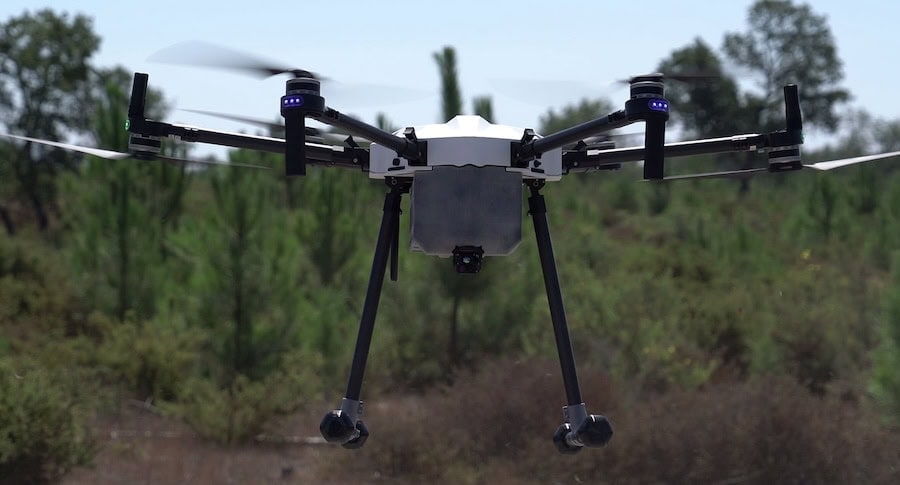
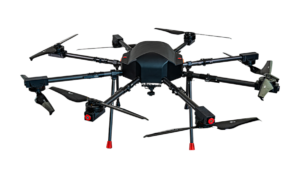
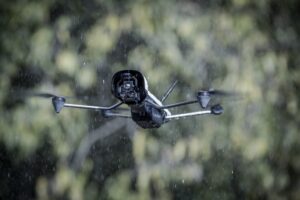
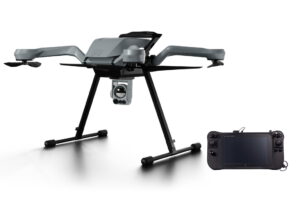
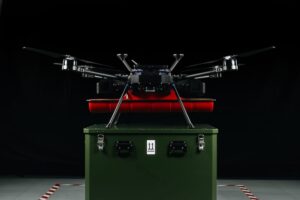
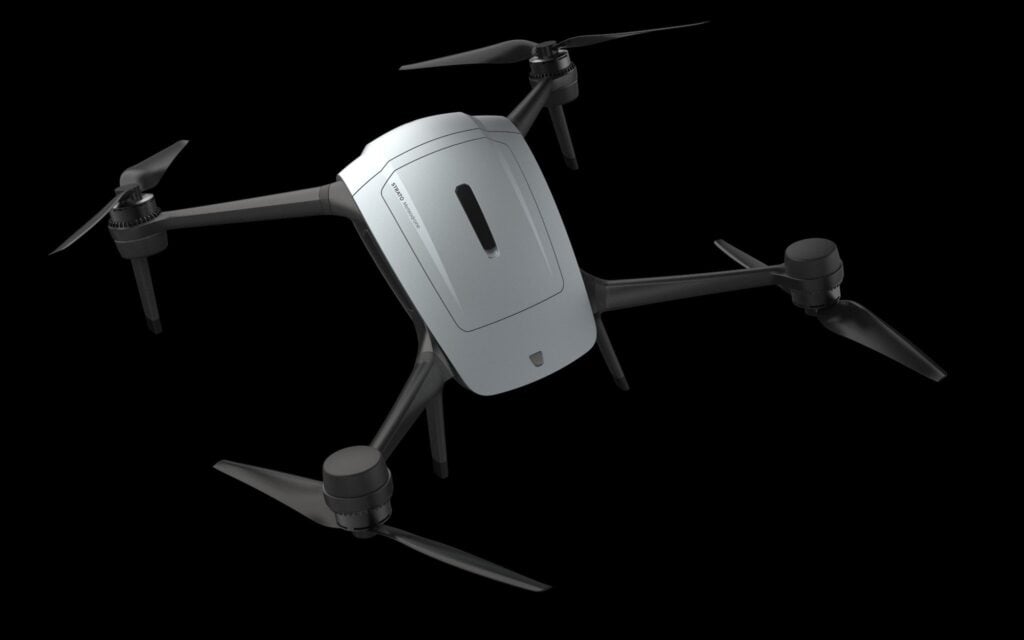
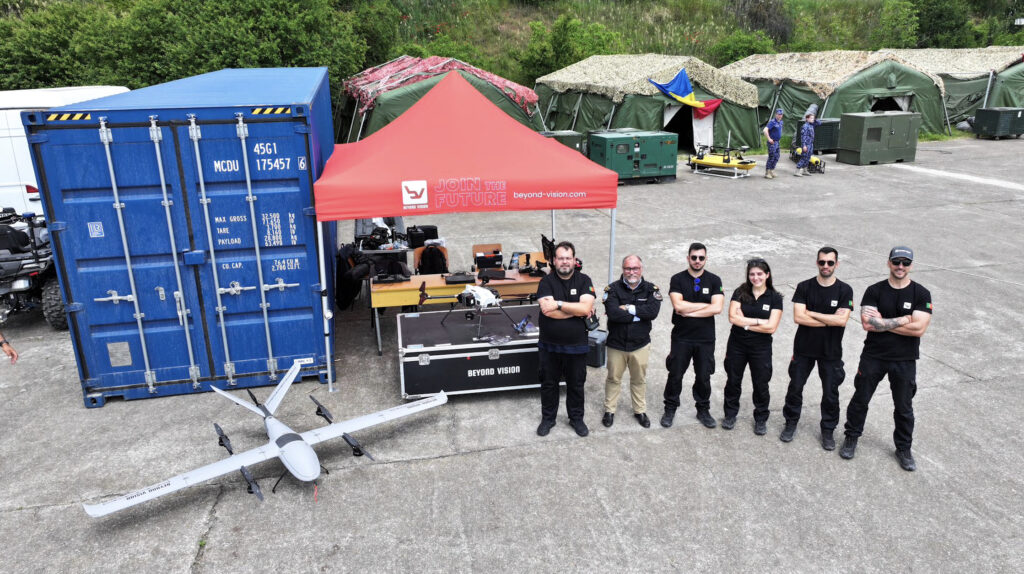
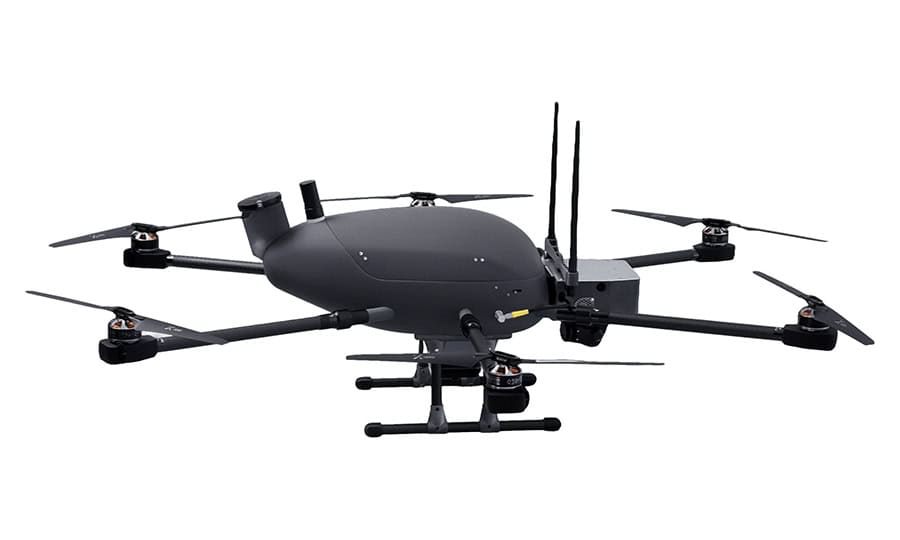
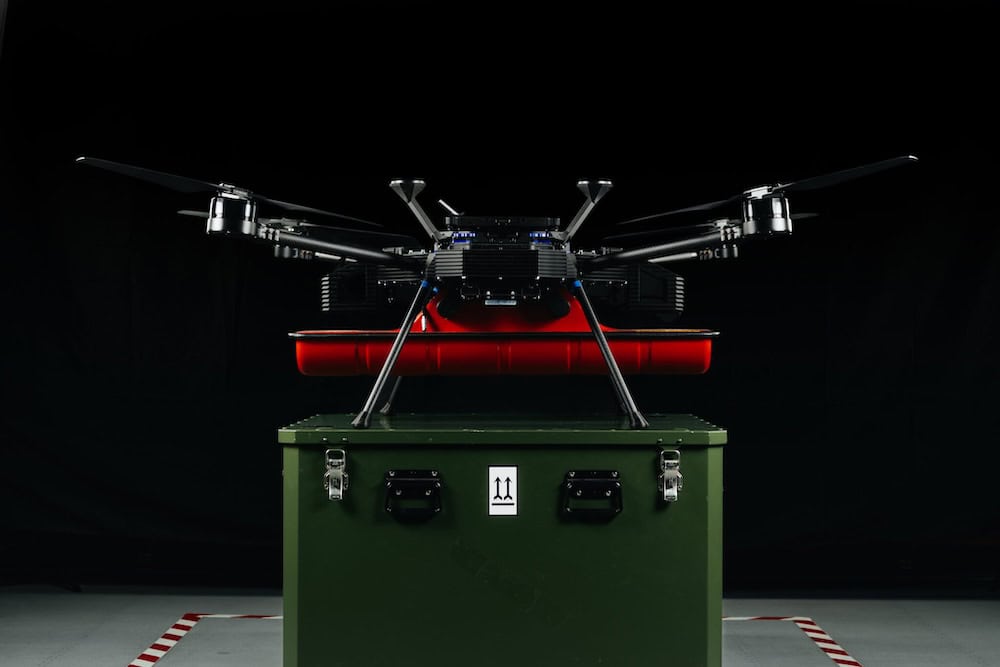
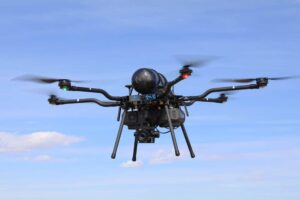
BVH616 (HEIFU Pro) Multirotor Drone by Beyond Vision
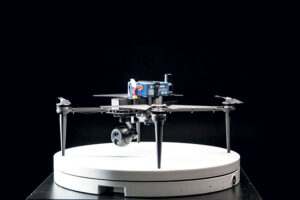
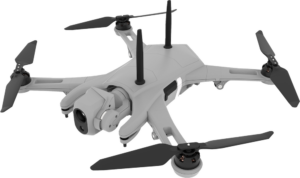
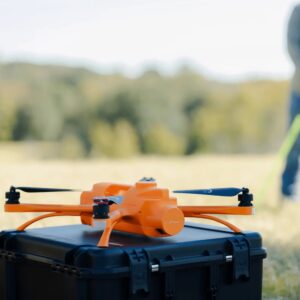
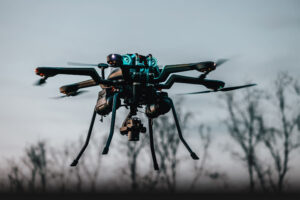
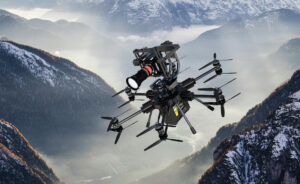
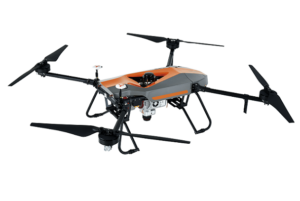
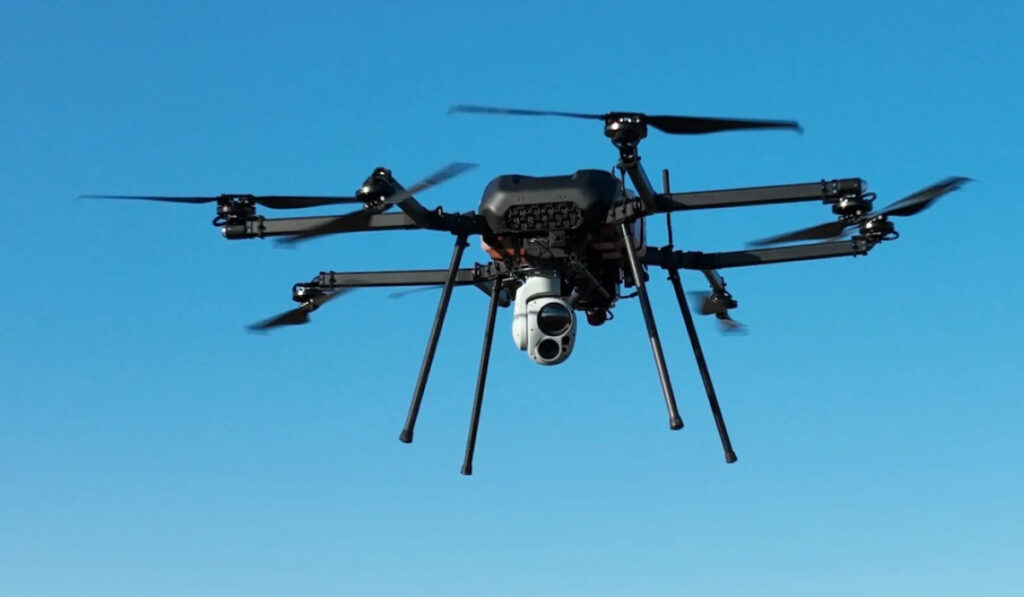
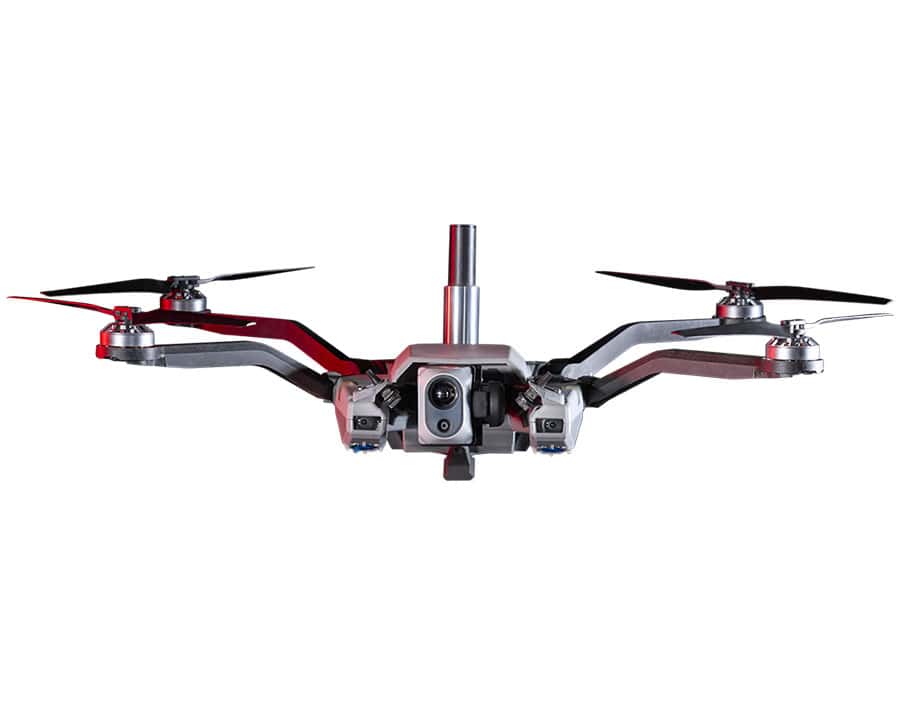
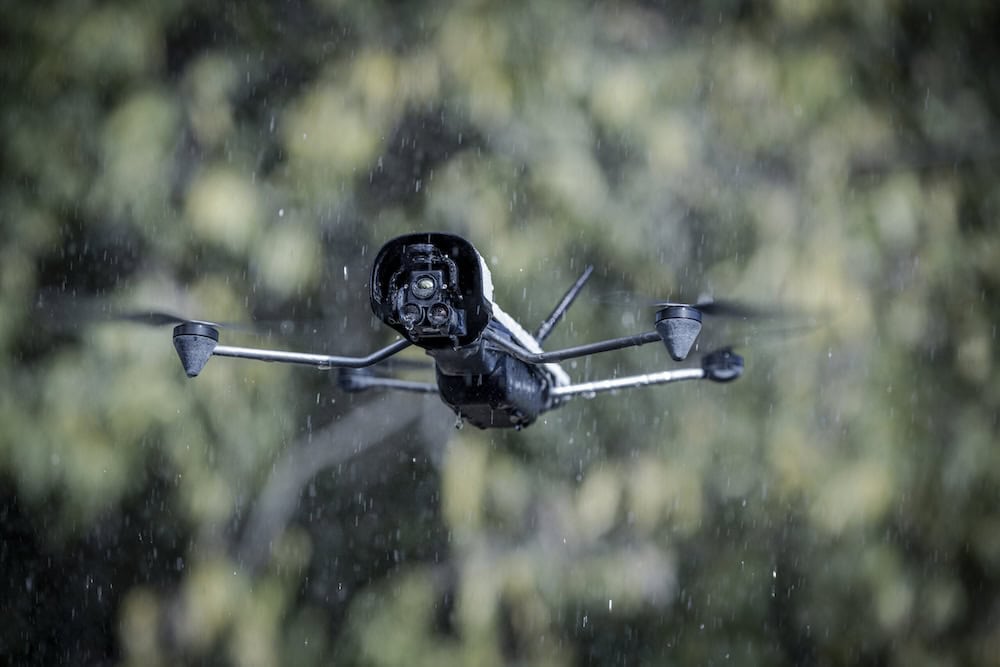
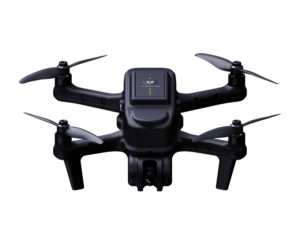
Black Widow Multirotor UAS by Red Cat Holdings
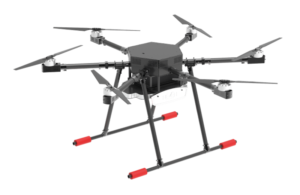
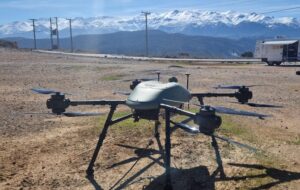
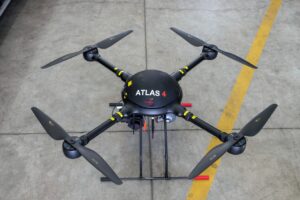
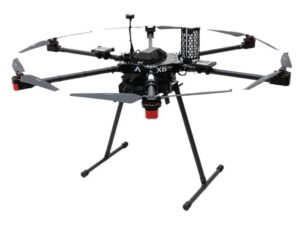
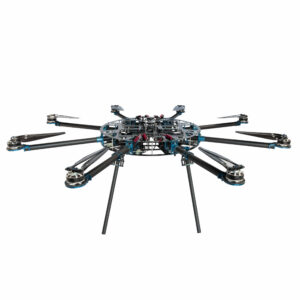
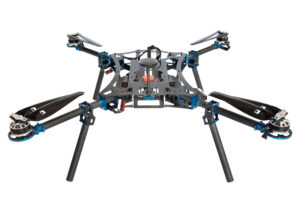
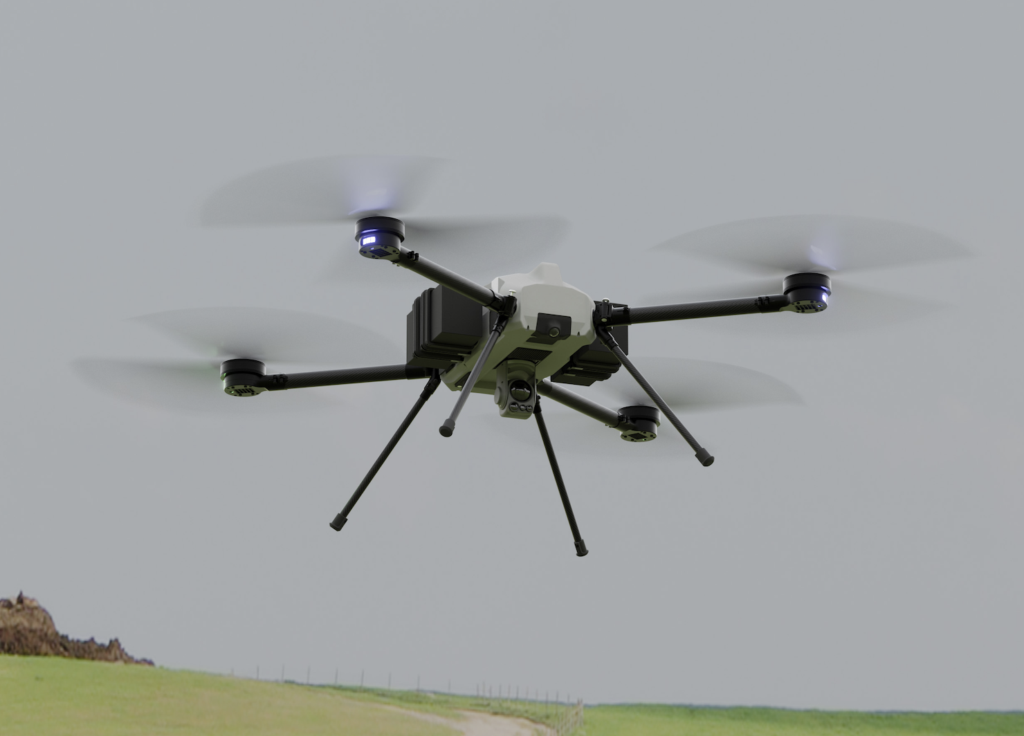
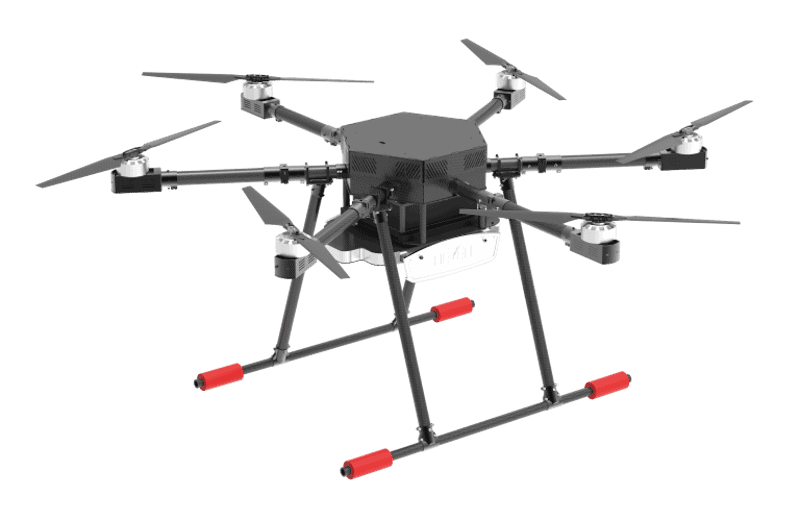
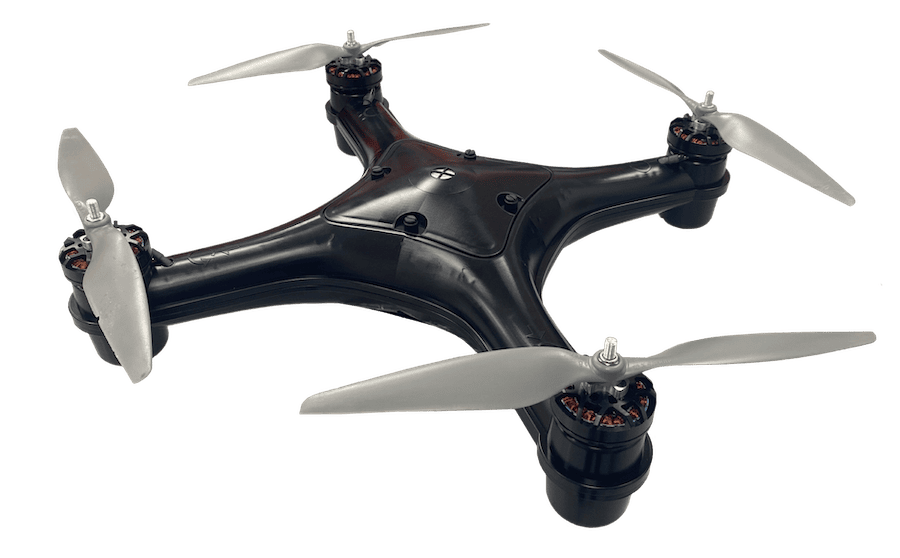
Multirotor UAVs are typically found with three, four, six or eight rotors, and aircraft with these configurations are typically known respectively as tricopters, quadcopters, hexacopters and octocopters. Quadcopters are the most common design, having a less complex stabilising mechanism than tricopters and fewer parts (and therefore less manufacturing cost) than hexacopters or octocopters.
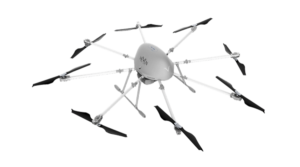
The more rotors a multirotor drone has, the more thrust it can generate and thus the greater a payload it can lift. Heavy lift multirotor drones that lift very heavy industrial cameras or delivery payloads will often be hexacopters or octocopters. Drones with more than four rotors also have a degree of redundancy, allowing them to still make a gradual descent in the case of an individual rotor failure.
The tradeoff is that a greater number of rotors requires a higher current draw, and therefore hexacopters and octocopters will need to carry a greater weight in batteries to achieve the same flight endurance as a quadcopter of similar size. Larger multicopter drones may have the ability to carry hydrogen fuel cells, which can provide a greater energy output to mass ratio than conventional battery technology.
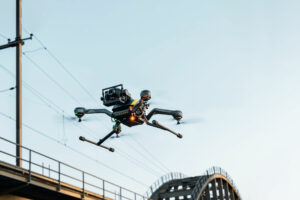
Multirotor UAVs, due to their VTOL operation, can operate in a wider variety of environments than fixed-wing drones, as they do not require any extra space to take off and land. Their ability to hover in place makes them ideal for surveillance missions and certain imaging applications.
Most multicopters, especially smaller ones, are limited to batteries as a power source, which puts limits on their flight endurance. While fuel cells can be fitted to some multirotors to improve their flight times, internal combustion engines are too bulky, as well as too unresponsive for multicopter drone operation, which relies on very fast adjustments to rotor speeds.


 Searching Companies & Products