


Suppliers: RTK GNSS

Advanced Navigation

High-Accuracy Navigation & Positioning Solutions for Unmanned & Autonomous Vehicles

Inertial Labs, a VIAVI Solutions Company

Inertial Navigation Sensors: MEMS IMU, Accelerometers, Gyroscopes, AHRS, GPS-INS & Point Cloud Generation

NovAtel

Precise Positioning for Unmanned Vehicles: GPS & GNSS Receivers, Antennas & Inertial Systems

GNSS.store

High-Performance GNSS/RTK/GPS PNT Solutions for Drone & Robotics OEMs & Systems Integrators

Harxon Corporation

High-Precision GNSS Antennas: Assured Autonomy & Positioning for Unmanned Systems

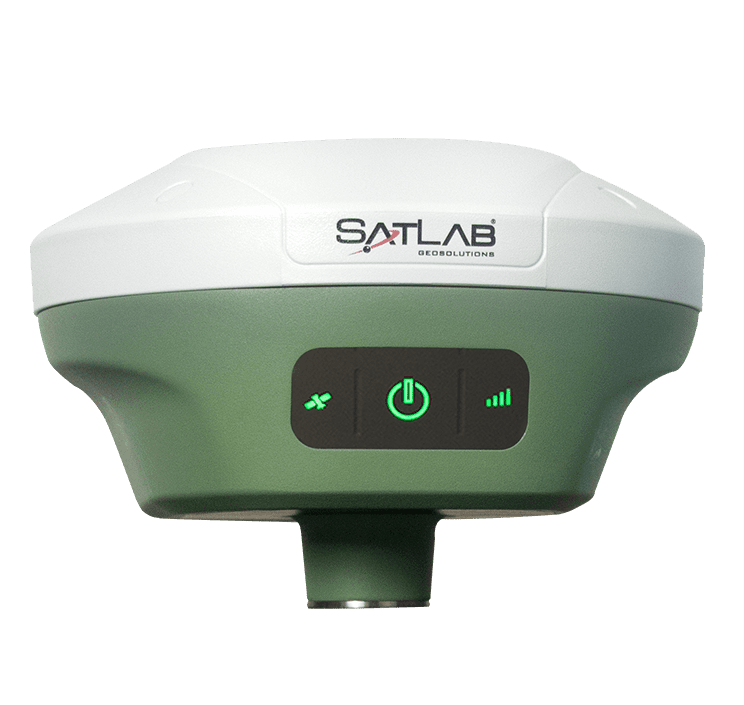
SatLab Geosolutions

GNSS Positioning Systems, 3D SLAM & Mobile Mapping, Unmanned Surface Vehicles

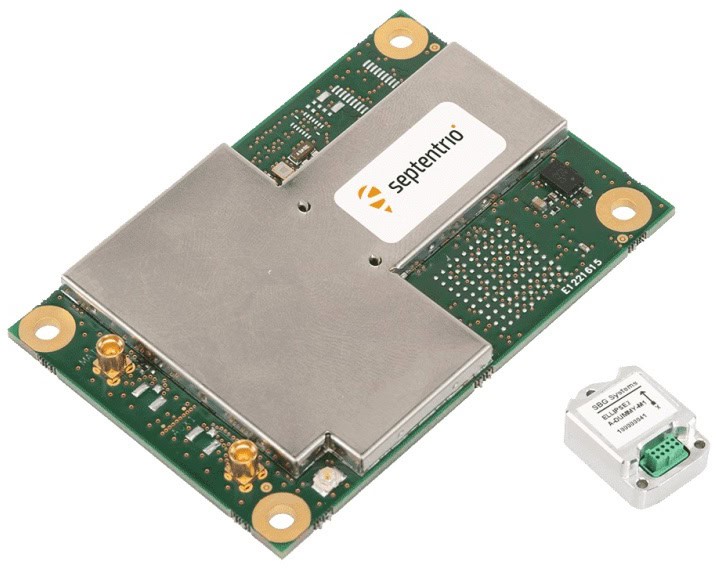
Septentrio

Resilient GNSS Positioning & Navigation Solutions for UAVs & Robotics

Eroot Electronics

Professional UAV Components & Sensors: Drone Flight Controllers, GNSS Modules, Telemetry Solutions

RTKdata

Centimeter-Level Positioning and RTK Corrections for UAVs, Robotics and GNSS Systems

ARK Electronics

Cutting-Edge Flight Controllers, Sensors, and Other Electronics Technologies for Drones & Robotics

ArduSimple

Cost-Effective RTK GNSS Receivers & Antennas for Drones & Robotics

CHC Navigation

GNSS Positioning & Navigation Systems, Mobile Mapping UAV LiDAR & Unmanned Surface Vehicles

Showcase your capabilities

If you design, build or supply RTK GNSS, create a profile to showcase your capabilities and connect with visitors who have an active requirement for your solutions.


Create Supplier Profile

Products

20 Cutting-edge Solutions
Add your solutions
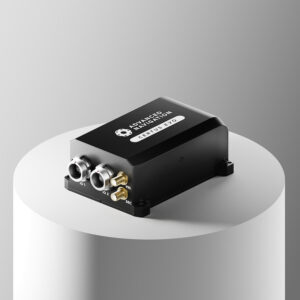
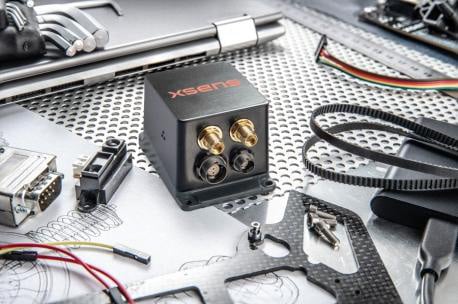
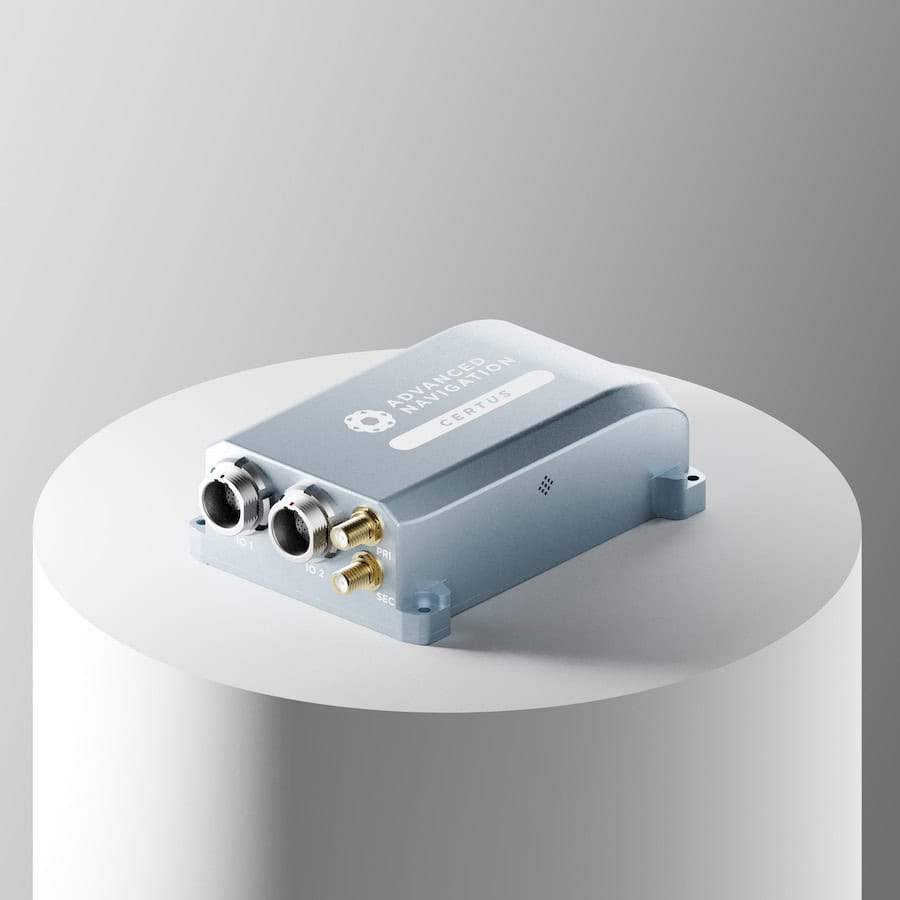
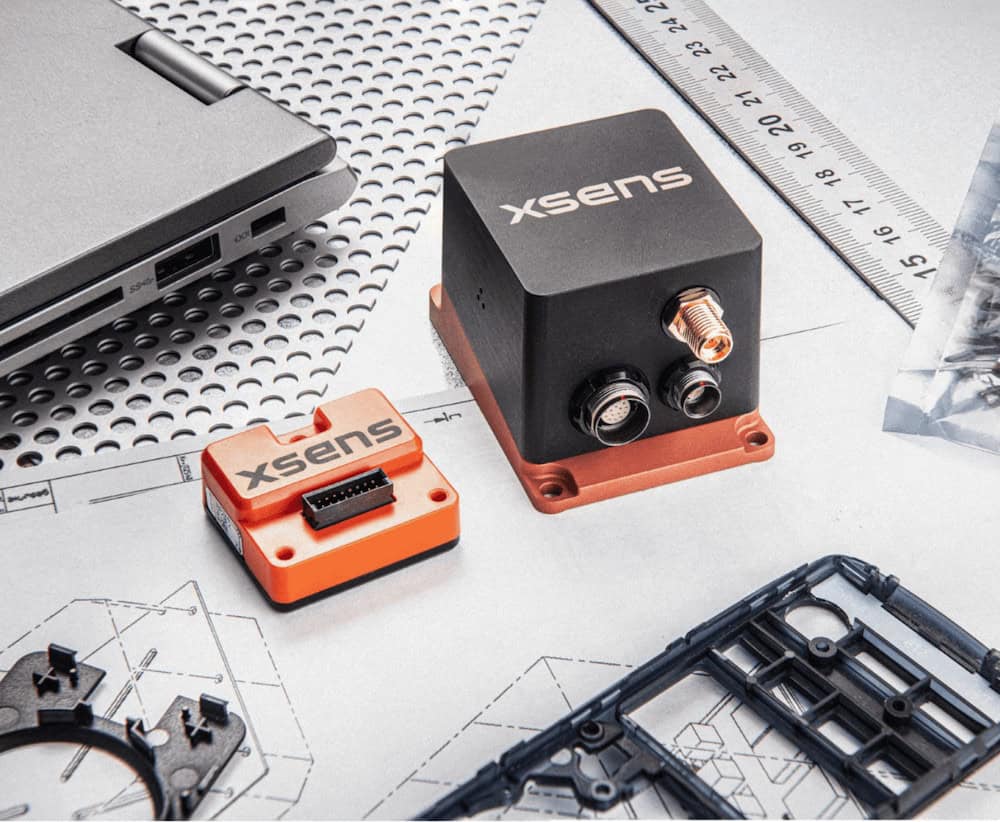
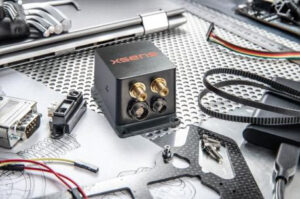
Certus GNSS-aided INS & AHRS

Rugged GNSS-aided INS/AHRS with dual-antenna RTK receiver for drones and robotics

Rugged GNSS-aided INS/AHRS with dual-antenna RTK receiver for drones and robotics
...us is a rugged GNSS-aided INS/AHRS with a low SWaP footprint and dual antenna moving baseline RTK,...
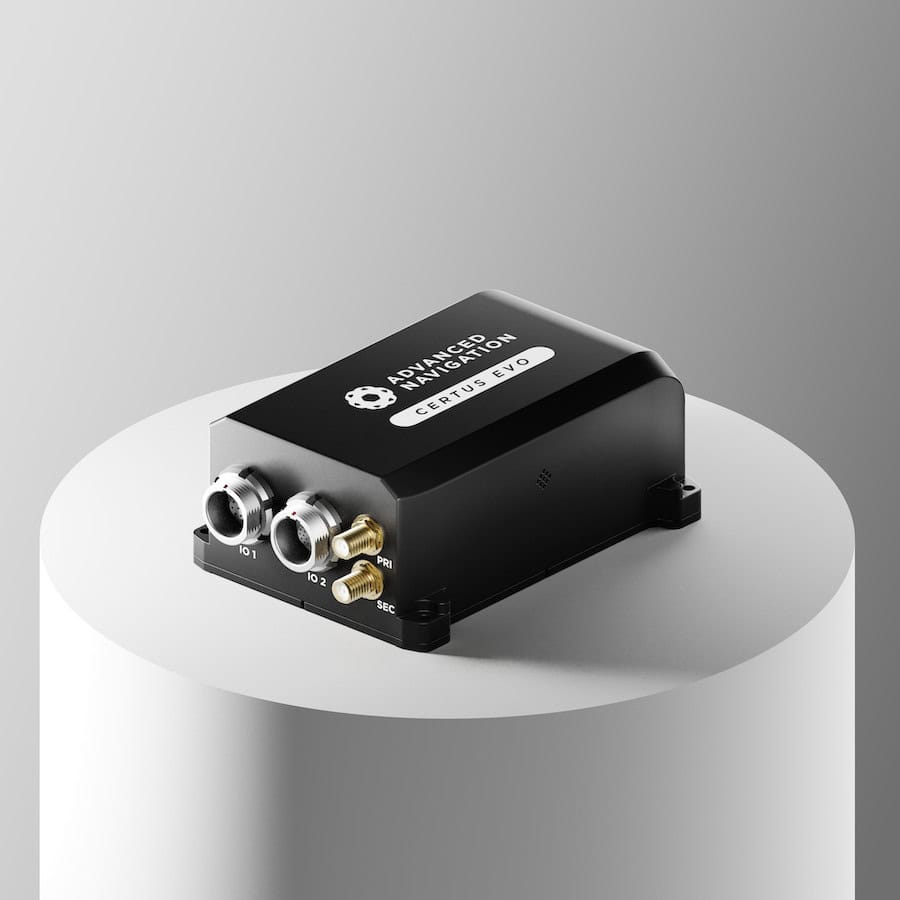
Certus Evo GNSS-Aided INS/AHRS

Ultra-high accuracy dual-antenna MEMS GNSS/INS for UAVs & unmanned systems

Ultra-high accuracy dual-antenna MEMS GNSS/INS for UAVs & unmanned systems
...precision MEMS GNSS-aided Inertial Navigation System (INS) engineered for professional unmanned...
RTK GNSS Heading Modules

Sub-degree heading accuracy & roll/pitch output for drones and unmanned systems

Sub-degree heading accuracy & roll/pitch output for drones and unmanned systems
GNSS.store’s heading modules leverage the power of RTK technology and dual-antenna GNSS design...
RTK GNSS Antennas

OEM & IP-rated GNSS antennas for drones & robotics

OEM & IP-rated GNSS antennas for drones & robotics
GNSS.store's single-, dual- and triple-band RTK GNSS antennas are developed entirely in-house and...
Eyr GNSS RTK System

GNSS receiver with dual cameras for survey & stakeout

GNSS receiver with dual cameras for survey & stakeout
...is an advanced RTK-capable GNSS receiver featuring two built-in HD cameras for data gathering at a...
Freyja GNSS RTK Receiver

Versatile RTK-capable base station for UAVs

Versatile RTK-capable base station for UAVs
...is an advanced RTK-capable GNSS receiver that is ideal for deployment as a UAV reference station for...
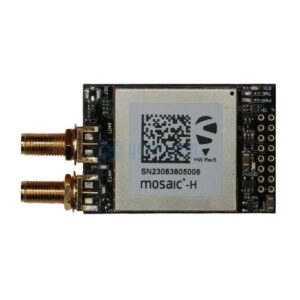
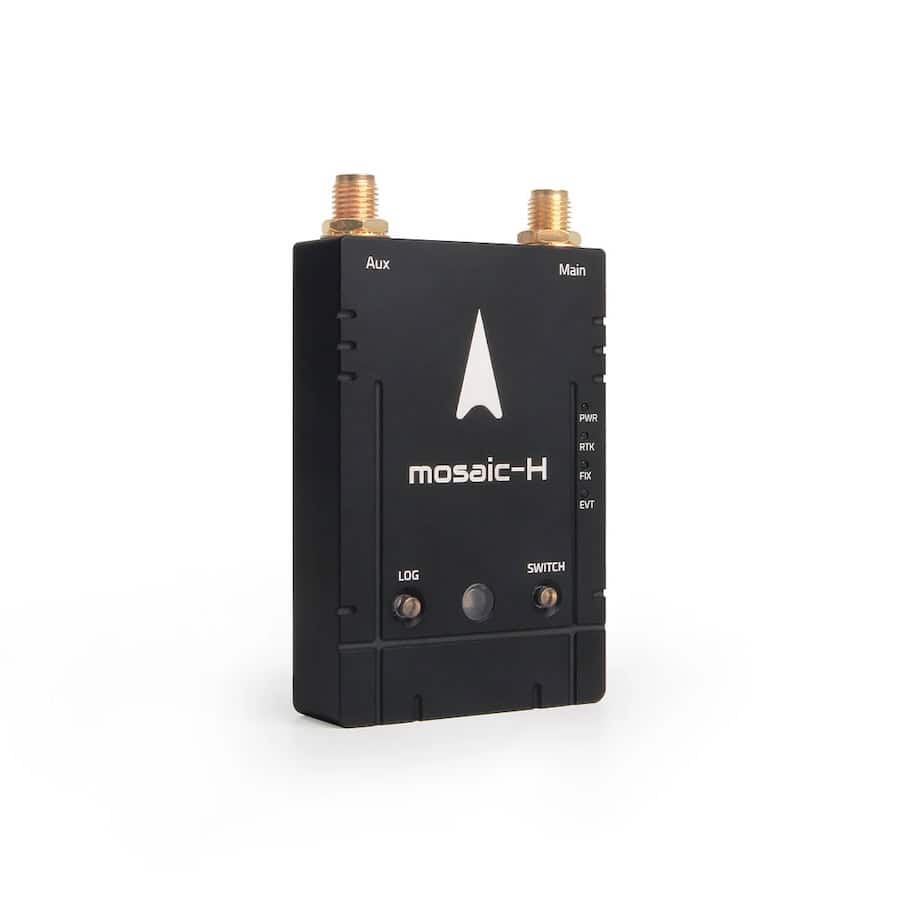
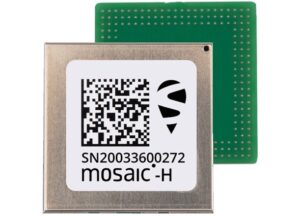
mosaic-H

Dual-antenna GNSS heading module with attitude output

Dual-antenna GNSS heading module with attitude output
...-constellation GNSS positioning and heading module in a surface mount form factor. The RTK-capable... ......for a wide variety of drone and robotics applications and is highly suited to mass market...
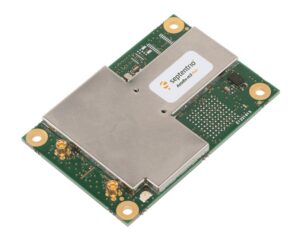
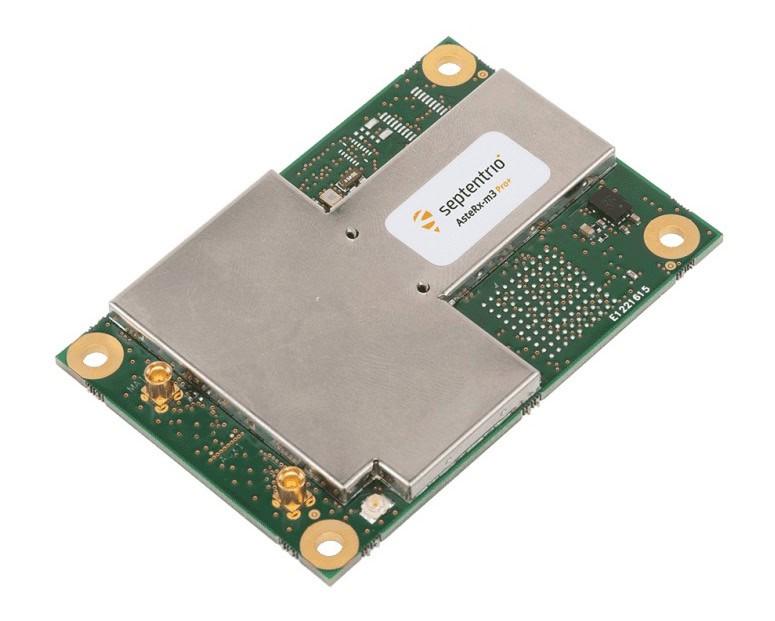
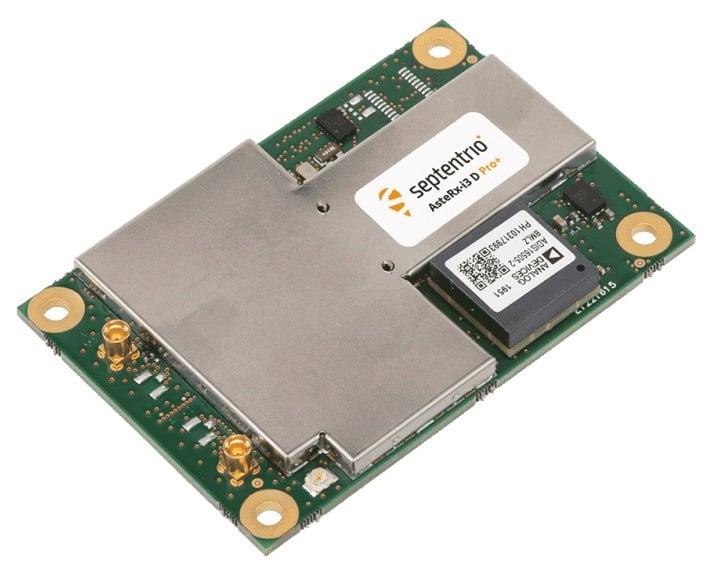
AsteRx-m3 Pro+

Dual-antenna GNSS receiver board for rover & base station applications

Dual-antenna GNSS receiver board for rover & base station applications
...-constellation RTK GNSS receiver board providing class-leading positioning performance, as well as...
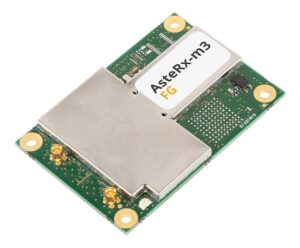
AsteRx-m3 Fg

Dual-antenna GNSS receiver board with Marinestar PPP for USVs & ASVs

Dual-antenna GNSS receiver board with Marinestar PPP for USVs & ASVs
...-constellation GNSS receiver board that features the ability to receive Fugro Marinestar PPP...
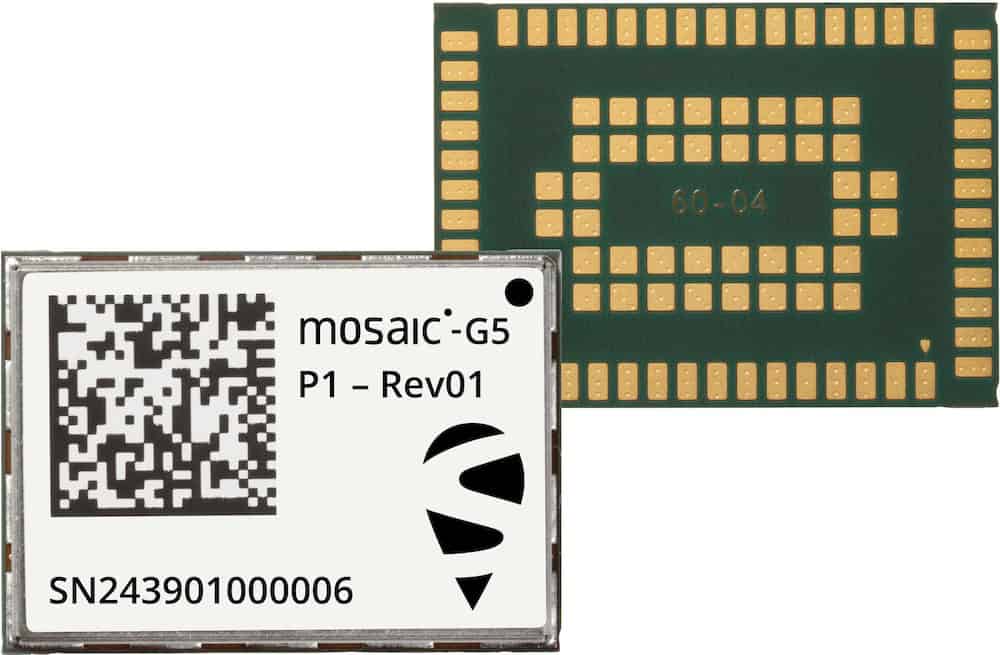
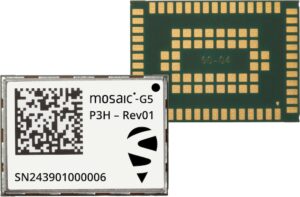
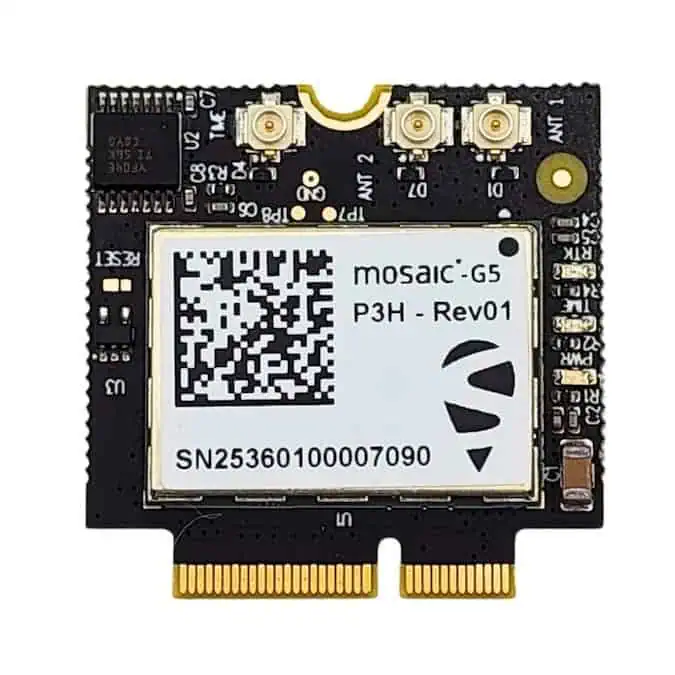
mosaic-G5 P3H

Low-SWaP quad-band & multi-constellation RTK GNSS receiver module with heading & attitude output

Low-SWaP quad-band & multi-constellation RTK GNSS receiver module with heading & attitude output
... mosaic-G5 P3H GNSS receiver module offers best-in-class RTK performance in a low-SWaP package that...
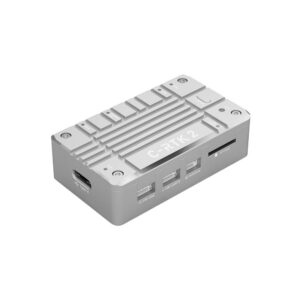
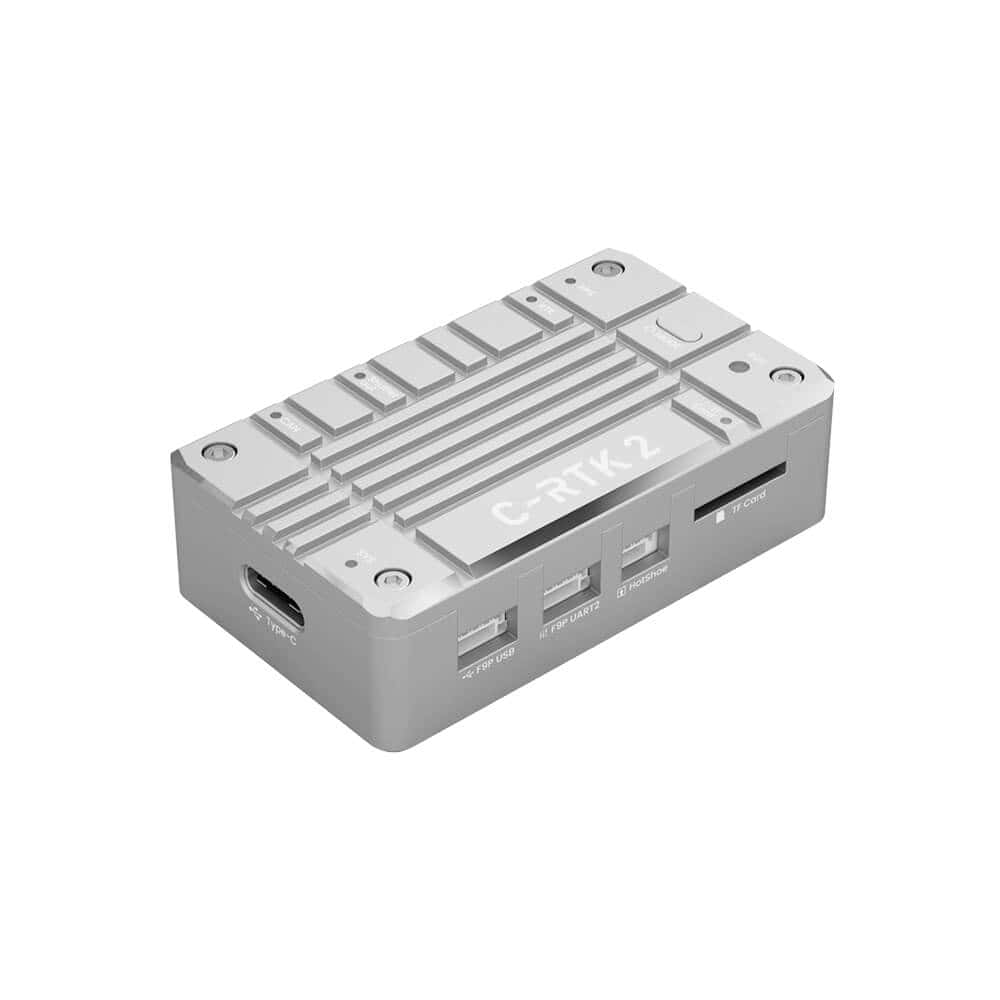
CUAV C-RTK 2

High-precision RTK & PPK positioning module

High-precision RTK & PPK positioning module
The CUAV C-RTK 2 is an advanced RTK and PPK GNSS module that incorporates a multi-constellation and...
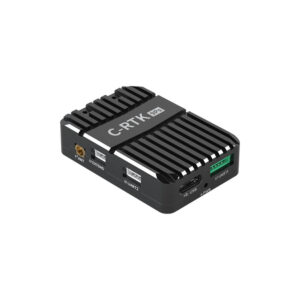
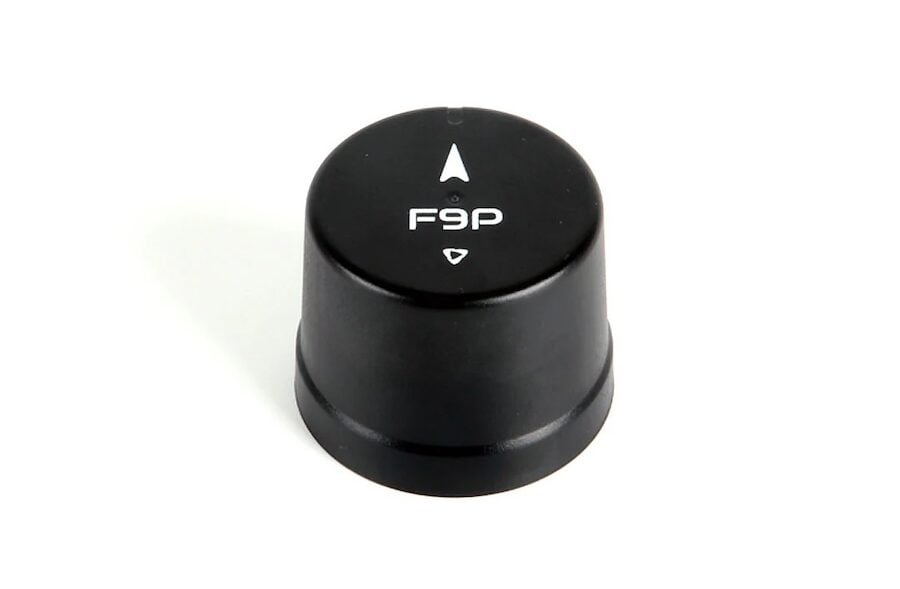
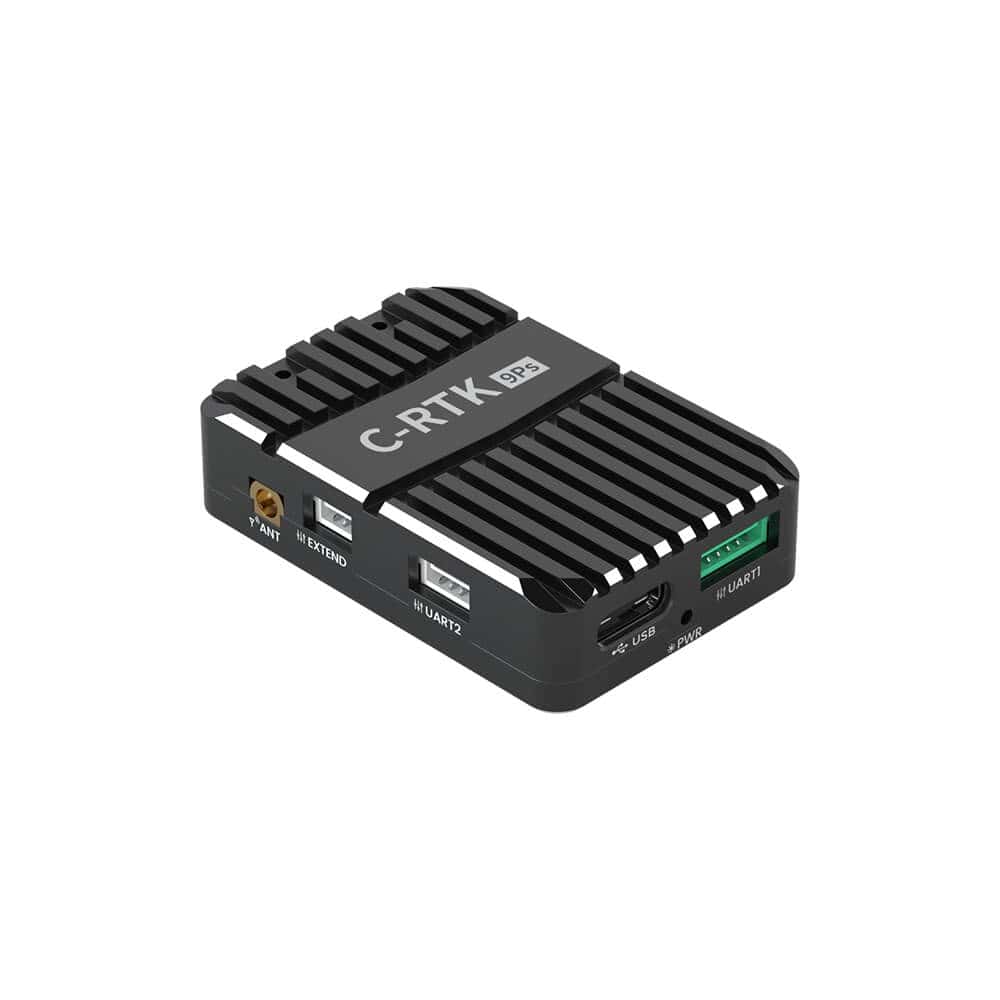
CUAV C-RTK 9Ps

Multi-frequency RTK GNSS receiver module for centimeter-level positioning

Multi-frequency RTK GNSS receiver module for centimeter-level positioning
The CUAV C-RTK 9Ps is an advanced RTK GNSS module that incorporates a multi-constellation and...
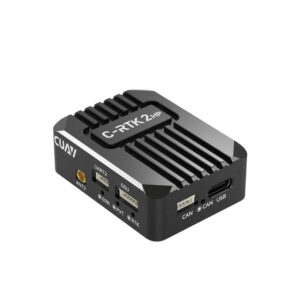
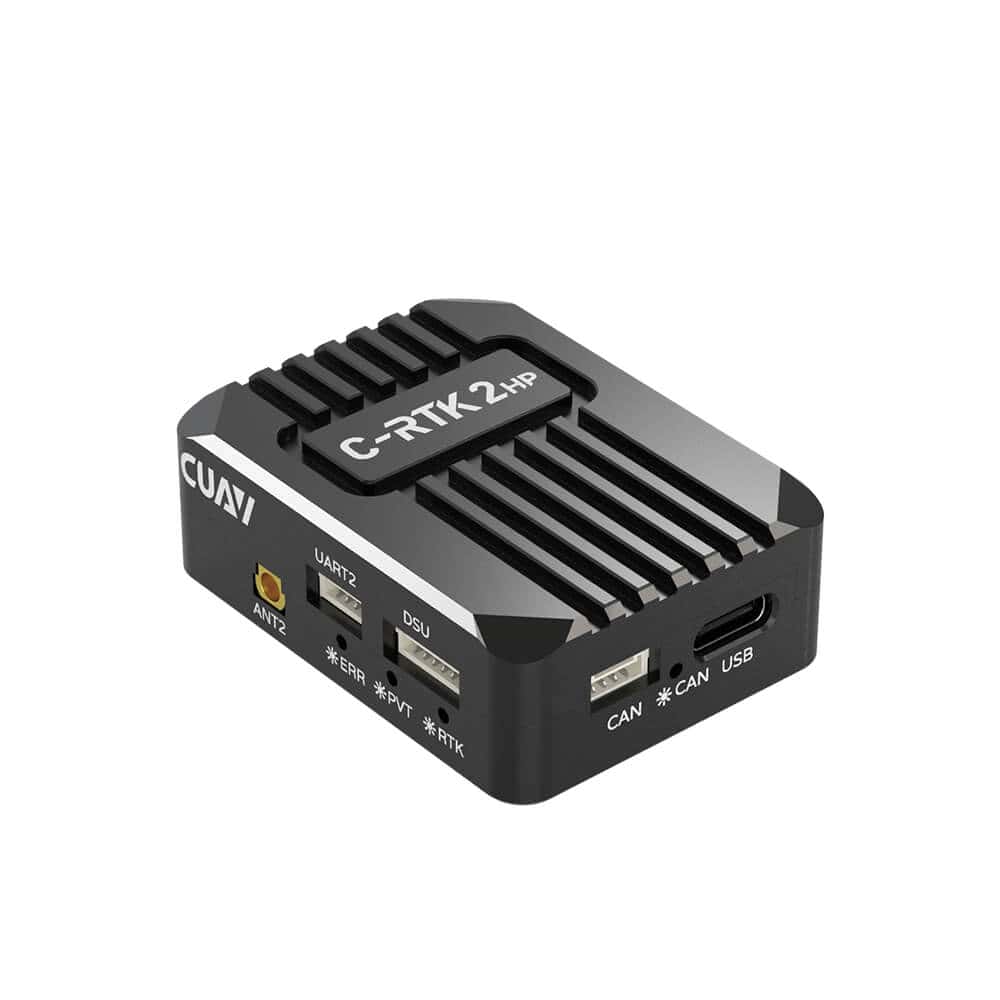
CUAV C-RTK 2HP

Dual-antenna RTK positioning module with yaw estimation

Dual-antenna RTK positioning module with yaw estimation
The CUAV C-RTK 2HP is a dual-antenna RTK GNSS module that incorporates a multi-constellation and...
RTKdata

Global GNSS RTK corrections for autonomous navigation & aerial surveying

Global GNSS RTK corrections for autonomous navigation & aerial surveying
RTKdata provides seamless access to centimeter-level RTK corrections by aggregating multiple... ...cally, even in GNSS-challenging environments. The network supports GPS, GLONASS, Galileo, and BeiDou...
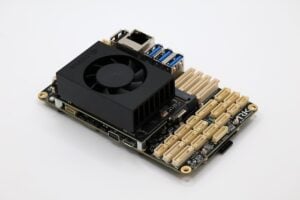
mPCIe u-blox ZED-X20P

Compact RTK/GNSS receiver for Mini PCI Express platforms

Compact RTK/GNSS receiver for Mini PCI Express platforms
...high-precision GNSS/RTK receiver, designed to bring centimeter-level positioning to Mini PCI...
M.2 u-blox ZED-X20P

Compact pluggable RTK GNSS M.2 Card for high-precision positioning

Compact pluggable RTK GNSS M.2 Card for high-precision positioning
...a cutting-edge RTK GNSS module, engineered to bring cost-effective centimeter-level positioning to...
simpleRTK4 Optimum

u-blox ZED-X20P evaluation board for high-precision GNSS/RTK

u-blox ZED-X20P evaluation board for high-precision GNSS/RTK
The simpleRTK4 Optimum from ArduSimple is a u-blox ZED-X20P evaluation board for centimeter-level po...
Micro u-blox ZED-X20P

High-precision GNSS/RTK receiver for UAVs & robotics

High-precision GNSS/RTK receiver for UAVs & robotics
...a cutting-edge GNSS/RTK receiver, delivering centimeter-level positioning accuracy in a compact,...
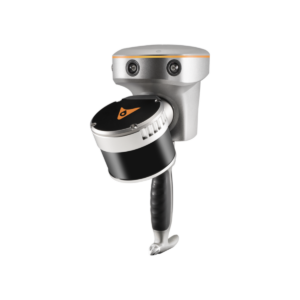
RS10

Handheld Slam 3D Laser Scanner + GNSS RTK System

Handheld Slam 3D Laser Scanner + GNSS RTK System
...ich integrates GNSS RTK, laser scanning, and visual SLAM technologies into a unified system. This...
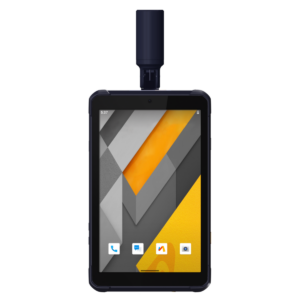
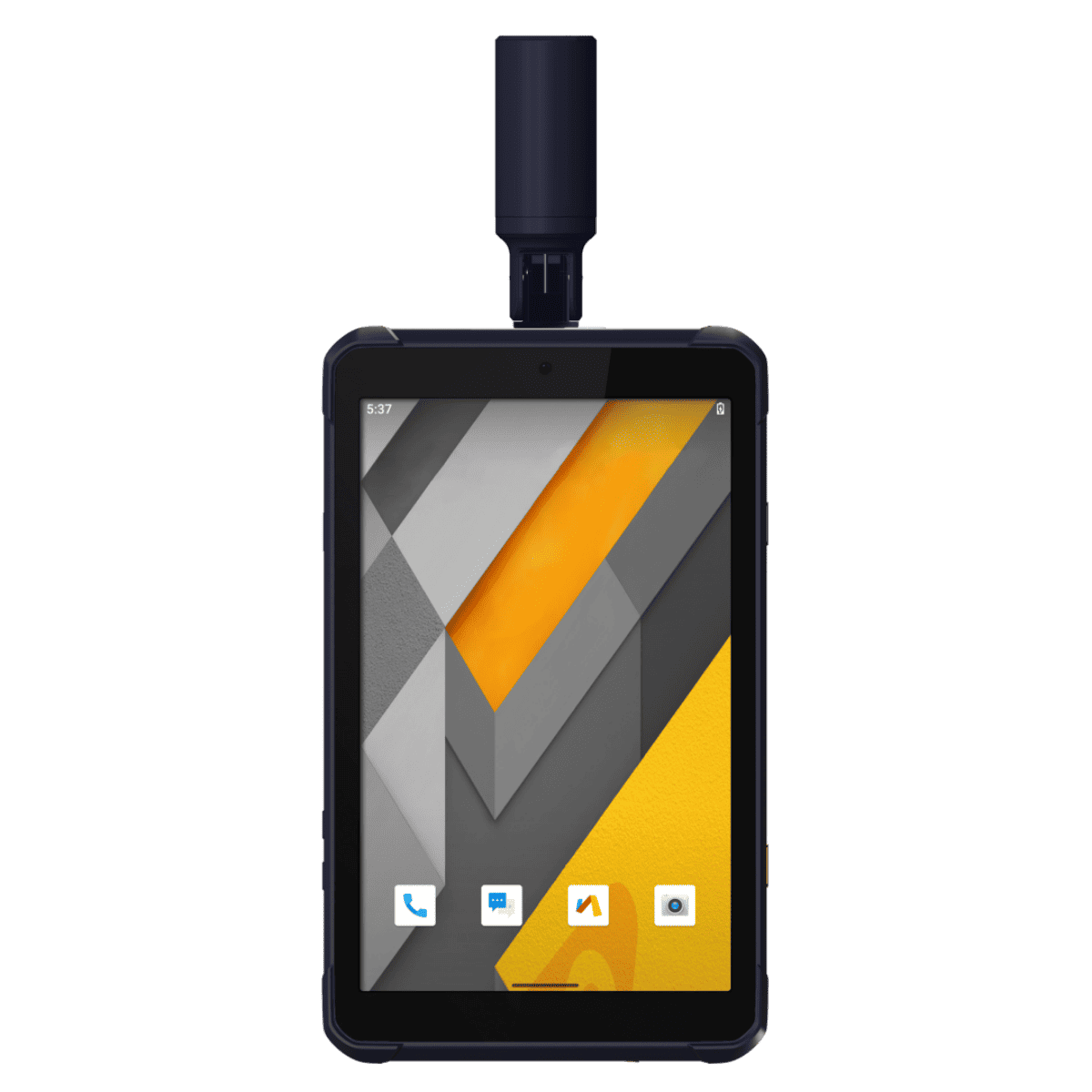
LT800H RTK Tablet

Android tablet with RTK GNSS for mapping & surveying

Android tablet with RTK GNSS for mapping & surveying
...0H is a rugged RTK GNSS-capable tablet designed to support professional mapmakers and surveyors,...

RTK GNSS Hardware for Unmanned Vehicles and Robotics

Eleanor Widdows

Updated:

RTK GNSS (Real-Time Kinematic Global Navigation Satellite System) hardware provides the positioning backbone for modern unmanned systems. These solutions use carrier-phase measurements and add differential corrections to significantly reduce GNSS positioning errors, delivering real-time, centimeter-level accuracy. Integration of RTK GNSS modules, GNSS receivers, and antennas into drones and robotics enhances situational awareness, automated navigation, and mission reliability across both commercial and defense environments.

RTK GNSS components are available in modular, compact, and ruggedized designs suited to unmanned aerial, ground, and surface platforms. They support standardized protocols such as NMEA and RTCM for interoperability, while advanced units meet environmental and durability standards, including MIL-STD-810 and IP-rated protection for harsh operational environments.
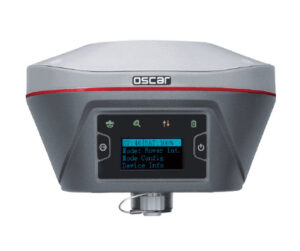
RTK GNSS Receiver by Tersus GNSS

Oscar RTK GNSS Receiver by Tersus GNSS.

Understanding RTK GNSS Technology

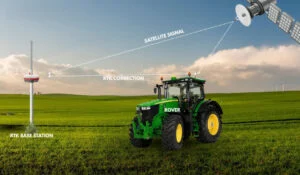
RTK operates by receiving GNSS (Global Navigation Satellite System) satellite signals from multiple constellations, typically GPS, GLONASS, Galileo, and BeiDou, and applying correction data transmitted from a known base station or network reference station. This process compensates for satellite orbit errors, ionospheric and tropospheric delays, and receiver clock offsets.

By leveraging differential corrections, RTK systems achieve centimeter-level positional accuracy in real time, outperforming standalone GNSS solutions. The system typically consists of a base station that provides RTK corrections and a rover unit integrated into an unmanned vehicle or robotic system.

Modern RTK GNSS modules also support multi-frequency and multi-constellation tracking, reducing signal latency and improving positioning reliability in challenging environments such as urban canyons, forests, or maritime conditions.

RTK GNSS Hardware and Components

RTK GNSS hardware for unmanned systems includes various components designed for integration flexibility and system performance.

RTK GNSS Modules

Compact RTK modules integrate signal processing and correction management capabilities into small form factors ideal for UAVs, UGVs, and embedded robotic systems. Many support UART, USB, and CAN interfaces for system-level integration and data output in standardized NMEA message formats.

RTK GNSS Receivers

Receivers serve as the processing core of RTK systems, converting raw satellite data and correction inputs into precise position, velocity, and timing (PVT) outputs. Commercial receivers for unmanned platforms offer low power consumption, configurable update rates up to 20 Hz or higher, and compatibility with NTRIP correction streams.

RTK Base Stations

A base station transmits real-time correction data via radio modem, cellular, or internet links (NTRIP). Portable or fixed installations can serve single-site missions or form part of wider RTK network services. Some manufacturers provide cloud-based correction subscriptions for wide-area coverage.

GNSS Antennas

High-gain, low-multipath GNSS antennas are critical for accuracy. Dual-frequency or multi-frequency antennas improve signal robustness, while dual-antenna setups allow heading determination for navigation and orientation applications in autonomous systems. UAV GNSS antennas designed specifically for aerial platforms must also address vibration resistance, weight optimization, and aerodynamic integration requirements.

Integrated RTK-IMU Systems

Integrated RTK and inertial measurement unit (IMU) systems combine GNSS positioning with inertial navigation data to maintain accuracy during signal interruptions, such as beneath bridges or in dense urban areas. These hybrid modules are increasingly common in high-end unmanned vehicle designs.

Applications in Unmanned and Robotic Systems

RTK GNSS technology supports precision positioning across a wide spectrum of unmanned system applications:
  • Drone Mapping and Aerial Surveying: UAVs equipped with RTK GNSS achieve geospatial accuracy suitable for topographic mapping, photogrammetry, and infrastructure inspection without extensive ground control points.
  • Precision Agriculture: RTK-enabled ground vehicles perform automated seeding, spraying, and harvesting with repeatable, sub-inch accuracy.
  • Infrastructure Monitoring: Autonomous rovers and UAVs use RTK GNSS for structural inspection, pipeline monitoring, and construction progress assessment.
  • Autonomous Ground Vehicles (UGVs): High-precision navigation enables path planning and obstacle avoidance for logistics, mining, and defense operations.
  • Marine and Surface Platforms (USVs): RTK positioning assists in bathymetric survey, port automation, and offshore inspection missions.
  • Robotics and Industrial Automation: RTK GNSS integration enhances localization and control in outdoor robotic applications and industrial site automation.

Integration into Unmanned Systems

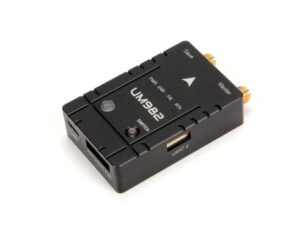
RTK GNSS Module by Holybro

H-RTK Unicore UM982 Dual-Antenna RTK GNSS Module by Holybro.

RTK GNSS modules are engineered for seamless integration into the control and navigation architectures of unmanned vehicles. They typically communicate with onboard autopilot or flight control systems via serial, CAN, or Ethernet interfaces. Many modules also support direct connection to embedded computers running Linux or real-time operating systems for mission planning and control.

For aerial survey platforms, RTK data enhances flight stability and waypoint precision during automated missions. In ground and surface vehicles, RTK positioning enables precise trajectory control and route repetition. Synchronization with payload sensors such as LiDAR, cameras, and radar systems further improves data accuracy and alignment.

OEM RTK modules are available with development kits and evaluation boards, allowing rapid prototyping and validation. Modular architectures permit integration flexibility across various vehicle form factors, from small drones (SUAS) to heavy-duty autonomous haulers.

Communication and Correction Methods

RTK systems rely on GNSS correction data transmission from a base or network reference source. Common communication methods include:

  • UHF/VHF Radio Links: Traditional solution for local base-to-rover communication, suitable for field operations.
  • Cellular (NTRIP): Internet-based correction streaming using Networked Transport of RTCM via Internet Protocol (NTRIP), supporting wide-area coverage.
  • Satellite Correction Services: Premium RTK-PPP (Precise Point Positioning) hybrid models extend coverage to remote regions.
  • Cloud-Based RTK Networks: Real-time correction data delivered via subscription services for multi-platform fleets.

Protocols such as RTCM 3.x and NMEA 0183/2000 ensure interoperability between manufacturers and systems. Advanced correction services now employ authenticated data encryption to protect against spoofing and interference.

Relevant Standards and Compliance

RTK GNSS hardware designed for unmanned systems typically conforms to several international and industry-specific standards:

  • NMEA 0183 / NMEA 2000: Defines standard message formats for GNSS data exchange in marine applications.
  • MIL-STD-810: Military spec that governs environmental ruggedness for vibration, temperature, and shock performance.
  • RTCM 3.x: Specifies real-time differential correction message structures.
  • IP67/IP69K Ratings: Ensure dust and water ingress protection for outdoor and marine environments.
  • CE and FCC Certification: Confirm electromagnetic compatibility and safety compliance.

Conformance with these standards ensures reliable operation, interoperability, and safety in diverse mission profiles.

Types of RTK GNSS Solutions

Unmanned vehicle manufacturers can select from various RTK GNSS configurations:
  • Single-Band RTK Systems: Cost-effective, suitable for open-sky operations where multipath interference is minimal.
  • Multi-Band RTK Systems: Offer enhanced precision and faster initialization in complex environments.
  • OEM RTK Modules: Compact and customizable for embedded integration into autopilot or navigation systems.
  • Dual-Antenna RTK Systems: Provide both position and heading information for advanced control systems.
  • Network RTK and Cloud-Based Services: Deliver correction data over wide geographic regions without needing a local base.

Industry Adoption and Market Outlook

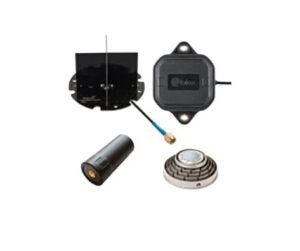
 RTK GNSS Antenna by GNSS.Store

OEM & IP-rated RTK GNSS antennas by GNSS.Store.

RTK GNSS adoption continues to grow across commercial and industrial unmanned applications. Advances in chipset design, antenna miniaturization, and multi-frequency processing have reduced latency and cost while improving reliability. Integrating artificial intelligence and sensor fusion systems further enhances situational awareness for autonomous vehicles.

Emerging technologies, including cloud-based RTK corrections, 5G data backhaul, and secure NTRIP streaming, enable real-time navigation even in challenging or remote environments. The availability of affordable, high-precision GNSS receivers is expanding RTK use into logistics, agriculture, construction, and inspection sectors, alongside defense and research programs.

Choosing RTK GNSS Components for Unmanned Systems

When selecting RTK GNSS hardware for integration into unmanned systems, engineers and procurement teams should consider:

  • Supported constellations and frequencies (GPS, GLONASS, Galileo, BeiDou, L1/L2/L5)
  • Interface compatibility (UART, USB, CAN, Ethernet)
  • Update rate, latency, and timing synchronization
  • Power consumption and weight constraints for UAVs
  • Environmental and shock resistance (MIL-STD, IP rating)
  • Availability of SDKs, evaluation kits, and integration documentation
  • Access to RTK correction services or cloud-based data subscriptions

Selecting hardware with proven interoperability and compliance ensures precise, repeatable performance in critical autonomous operations.

RTK GNSS technology continues to advance the accuracy and reliability of unmanned and robotic systems worldwide. By enabling true centimeter-level positioning, RTK GNSS modules, receivers, and antennas form a core element of mission-critical navigation, mapping, and automation systems across air, land, and sea platforms.


Related Articles

Understanding RTK & GPS: Choosing the Right Workflow for Precision Positioning

Explore how RTK and standard GPS differ in accuracy, corrections, and workflows, and see how surveyors, drone operators, and precision agriculture teams achieve reliable positioning in the field

May 18, 2026
mosaic-G5 P3 Compact RTK GNSS Modules for Industrial & Embedded Applications

Available from GNSS.store, the mosaic-G5 P3 modules provide compact RTK GNSS positioning with support for GPS, GLONASS, Galileo, and BeiDou, combining fast satellite acquisition and low power consumption for industrial, embedded, and high-precision applications

May 08, 2026
RTK Positioning Accuracy in Wire Free Robot Mowers

RTKdata outlines how GNSS limitations, RTK correction quality, environmental conditions, and system design collectively determine positioning accuracy and virtual boundary reliability in wire free robot mowers

Apr 24, 2026
High-Precision GNSS Positioning & Navigation Solutions for UAVs & Robotics

Septentrio's comprehensive product portfolio utilizes advanced anti-jamming and anti-spoofing technology and also includes Blue UAS Framework-listed GNSS receivers

Apr 16, 2026
Mosaic-G5 P3H Multi-Constellation RTK GNSS Modules for High-Precision Positioning

The mosaic-G5 P3H modules, available from GNSS.store, deliver high-precision dual channel RTK GNSS positioning with multi-constellation support, fast satellite acquisition, and low power consumption

Apr 10, 2026
Guide to DIY Tractor Autosteer with GNSS & RTK

RTKdata details the key components and considerations involved in building a DIY tractor autosteer system, including GNSS positioning, RTK corrections, steering control, and system setup

Apr 02, 2026
RTKdata Outlines U.S. Drone Approval Restrictions & the Impact on RTK Workflows

RTKdata examines how U.S. drone approval restrictions and federal compliance rules affect RTK workflows, highlighting procurement limits, DJI fleet considerations, and the role of NTRIP RTK in maintaining positioning consistency

Mar 18, 2026
ZED-X20P GNSS Modules for High-Precision RTK Positioning

Available from GNSS.store, the ZED-X20P GNSS modules provide 672-channel, all-band RTK positioning with multi-constellation support, delivering centimeter-level accuracy for unmanned, autonomous, surveying, and industrial applications

Mar 04, 2026
RTKdata Network Corrections Streamline High-Accuracy Drone Mapping in Southern Nevada

RTKdata enabled DRONEWERX to streamline drone mapping in Southern Nevada by using network RTK corrections, eliminating ground control points and base stations while maintaining centimeter-level georeferenced deliverables

Feb 25, 2026