
Showcase your capabilities
If you design, build or supply Magnetometer, create a profile to showcase your capabilities and connect with visitors who have an active requirement for your solutions.




Drone magnetometer sensors are used on UAVs and other unmanned platforms to measure magnetic field strength, direction, or local anomalies for navigation, survey, and detection tasks. These payloads may use fluxgate, Hall-effect, scalar, vector, 3-axis, or optically pumped sensing approaches depending on sensitivity, SWaP, and mission requirements.
This page showcases leading UAV magnetometer manufacturers, delivering sensors for applications including geophysical mapping, heading reference, scientific research, and tactical reconnaissance.
Read the Technology Overview


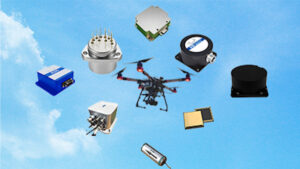
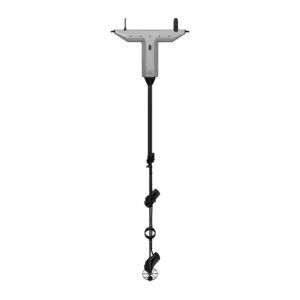
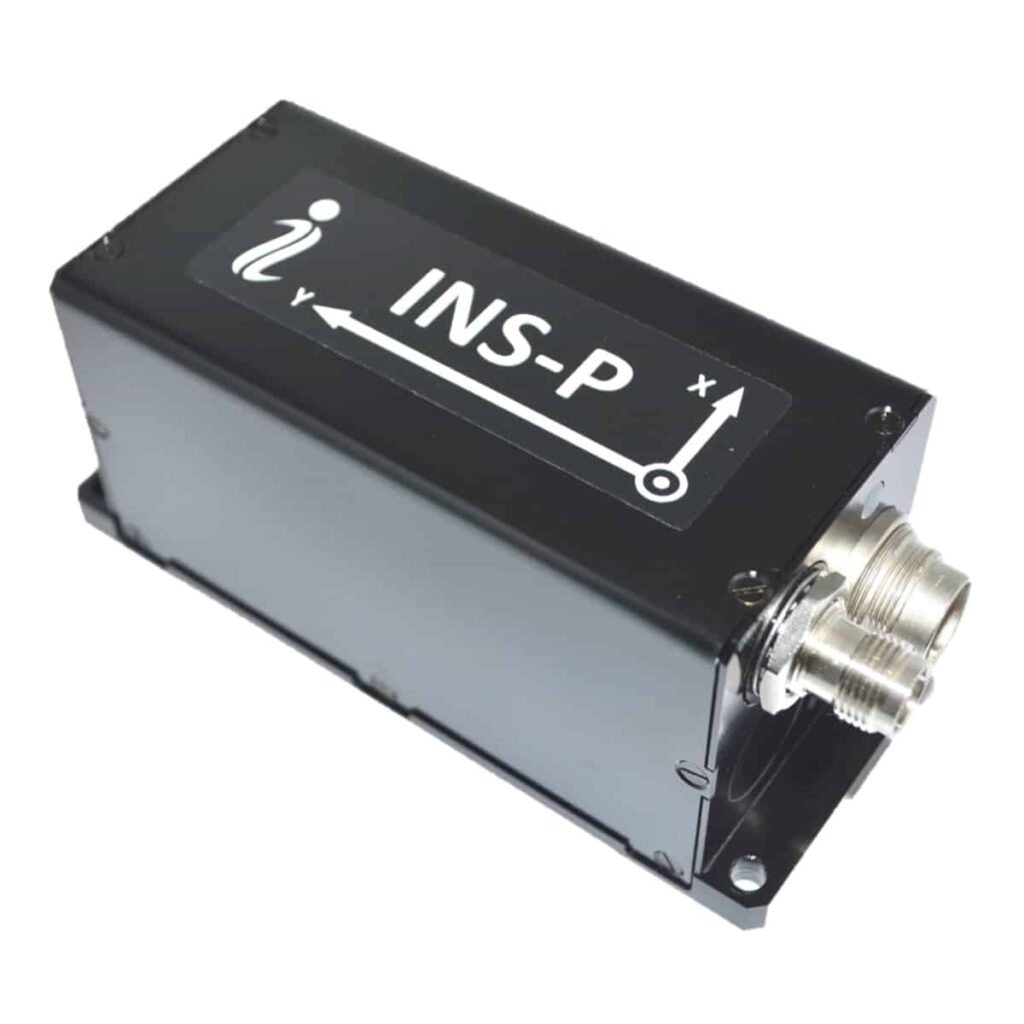
Industrial & Automotive-Grade Inertial Sensing Systems for UAVs, Robotics & Autonomous Vehicles

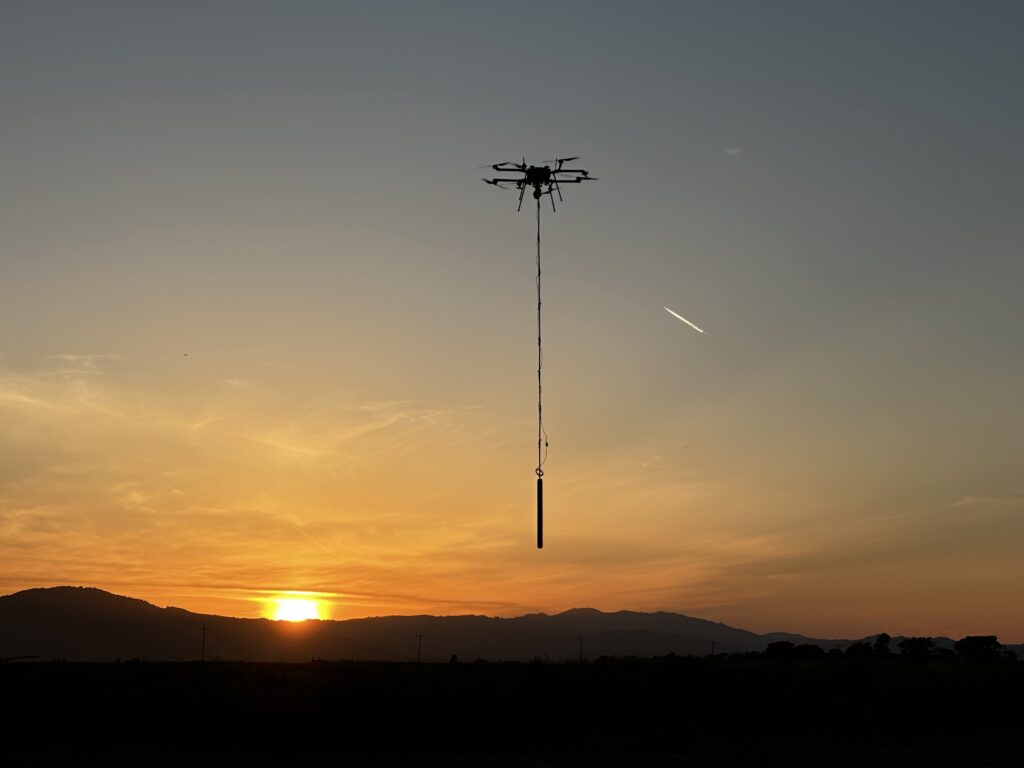
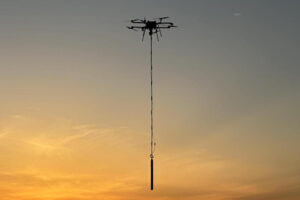
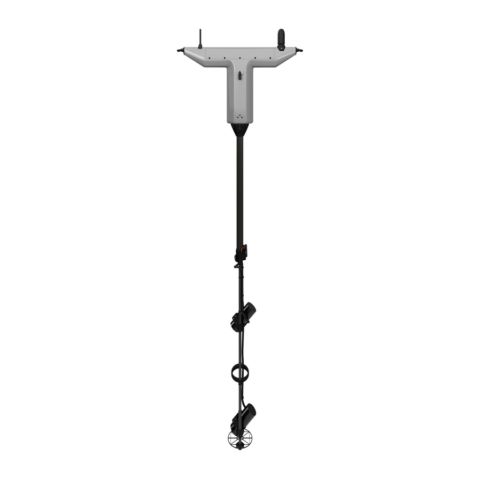
Quantum Magnetic Sensing for Mine Countermeasures, Anti-Submarine Warfare & Countermine Operations

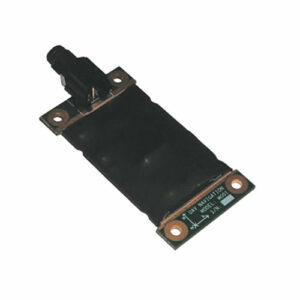
Guidance, Navigation & Control Solutions (GNC) for Drones & UAVs

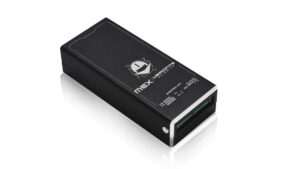
UAV Autopilot Flight Controllers, Ground Stations, ESC Controllers & Tracking Antennas


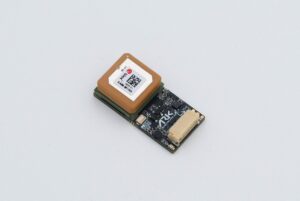
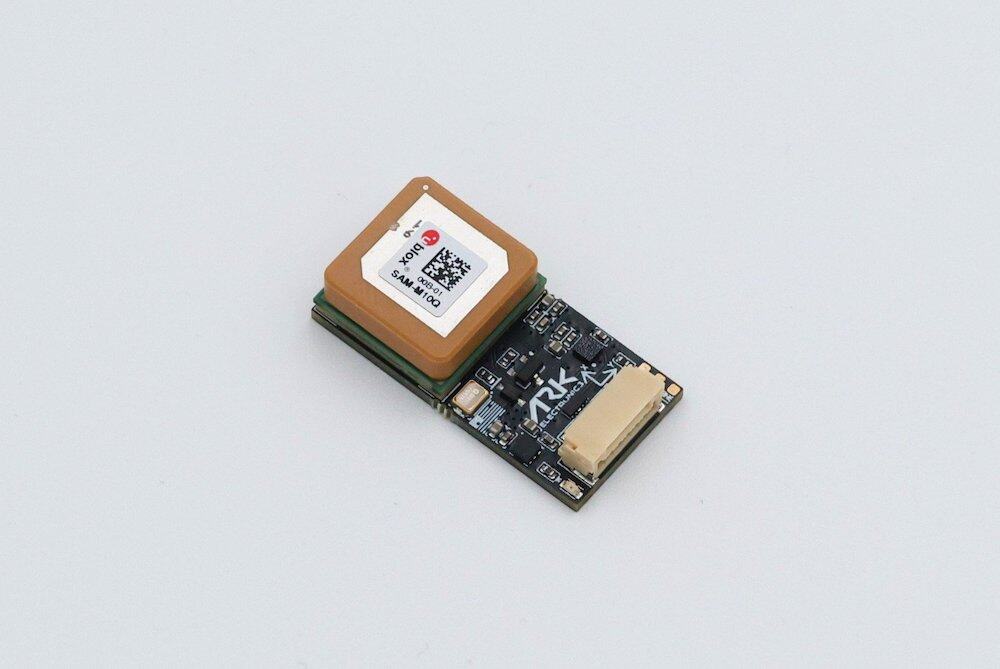
Professional UAV Components & Sensors: Drone Flight Controllers, GNSS Modules, Telemetry Solutions

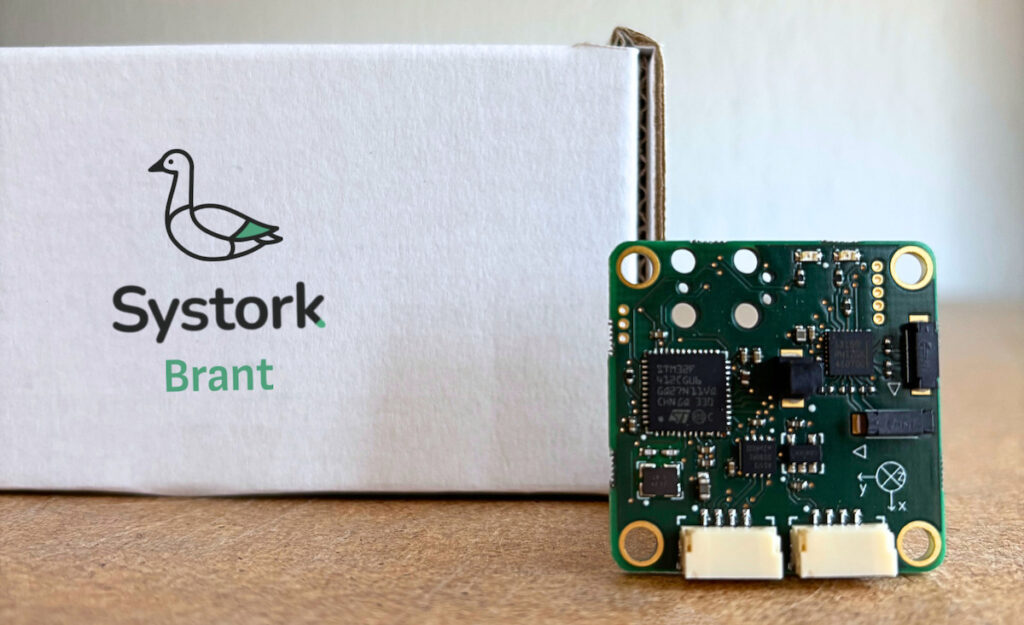
Cutting-Edge Flight Controllers, Sensors, and Other Electronics Technologies for Drones & Robotics

If you design, build or supply Magnetometer, create a profile to showcase your capabilities and connect with visitors who have an active requirement for your solutions.

Drone magnetometers and UAV magnetic field sensors are widely used for navigation, geophysical surveying, and scientific research. Designed to measure the strength, direction, or fluctuations of magnetic fields, they provide accurate data for tasks ranging from precise navigation to the detection of magnetic anomalies, enabling systems to operate effectively in magnetic field-sensitive environments.
UAV magnetometers range from basic models used in consumer devices to highly sensitive systems for industrial, military, or scientific applications. Often integrated with inertial measurement units (IMUs) and GNSS receivers, they support precise control and navigation, while their capability to measure magnetic fields with extreme precision makes them valuable for magnetic mapping, mineral exploration, and subsurface object detection.
Magnetometers operate by detecting changes in magnetic fields and converting those measurements into readable data. They rely on different principles depending on their type. Common designs include fluxgate, Hall-effect, and optically pumped magnetometers, each with its own operational characteristics and benefits:
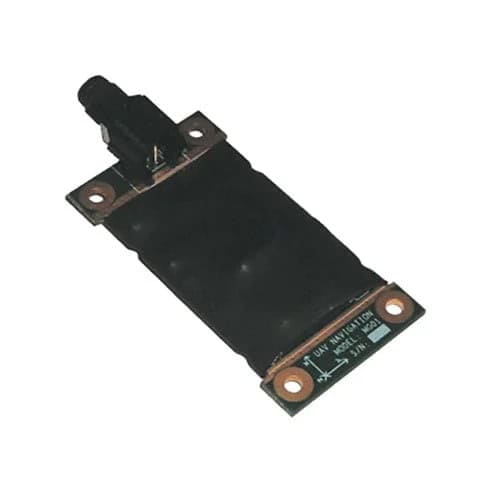
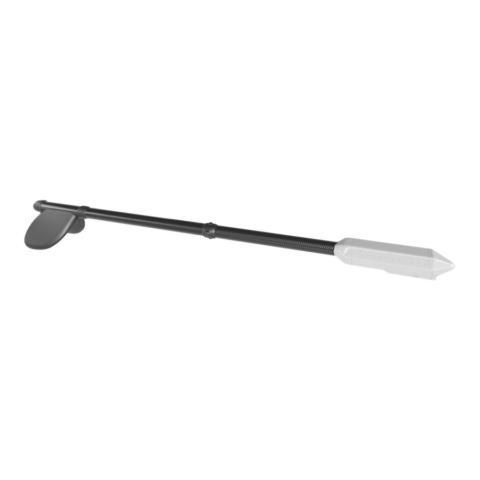
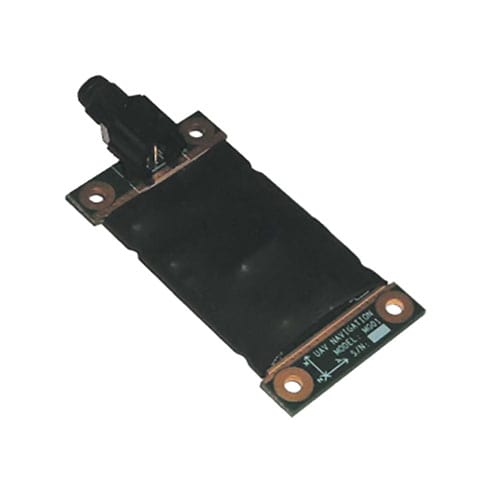
MG01 Drone Magnetometer by UAV Navigation
Fluxgate Magnetometers: These are widely used in unmanned platforms due to their compact size, high sensitivity, and relatively low power consumption. A fluxgate magnetometer measures magnetic fields by detecting changes in the magnetic flux passing through its core.
Magnetometers typically provide raw data that must be processed to correct for interference caused by electronic components or environmental factors. Advanced algorithms are used to filter and calibrate this data, ensuring reliable magnetic field measurements even in challenging operating conditions.
Drone magnetometers are available in several types, each suited to different applications and operational requirements. Selecting the right magnetometer for drones depends on factors such as sensitivity, accuracy, and environmental conditions. Below are the most common types of magnetometers used in unmanned systems.
These sensors measure the total magnetic field strength without detecting direction. They are commonly used in geophysical surveys, where high sensitivity to field changes is necessary for detecting mineral deposits or mapping subterranean structures.
These measure both the direction and strength of magnetic fields, making them ideal for UAVs, drones, and robotics requiring precise orientation and heading information.
These versatile sensors measure magnetic fields along three axes, providing comprehensive field data for mapping, navigation, and scientific analysis.
For unmanned systems, 3-axis magnetometers are particularly valuable as they measure magnetic fields in all three dimensions, enabling platforms to accurately determine orientation and detect subtle magnetic variations. These sensors are essential for platforms operating in dynamic environments, such as drones conducting magnetic surveys or underwater vehicles detecting submerged objects.
Some of the most significant applications of magnetometers in the drone and unmanned systems sectors include:
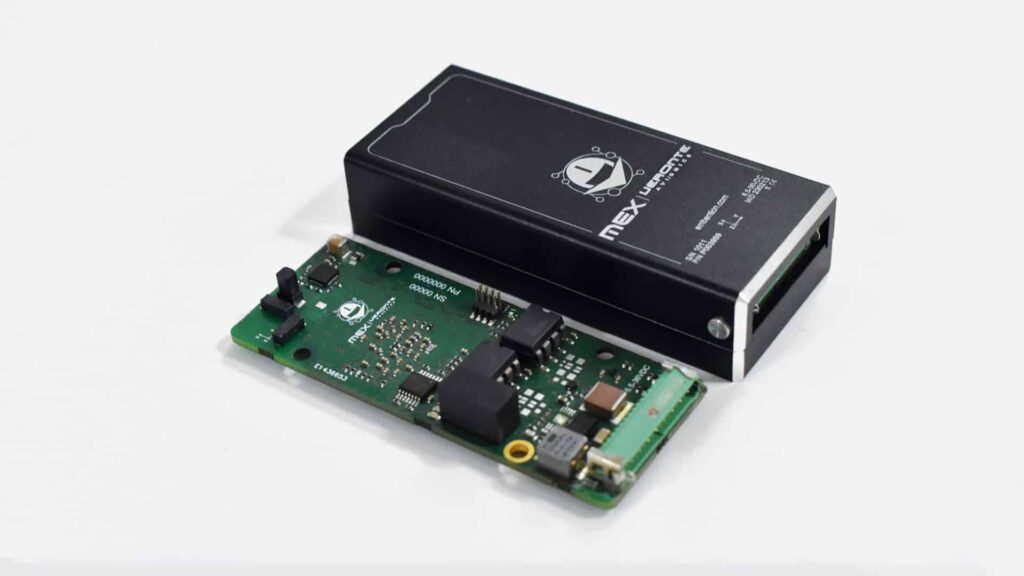
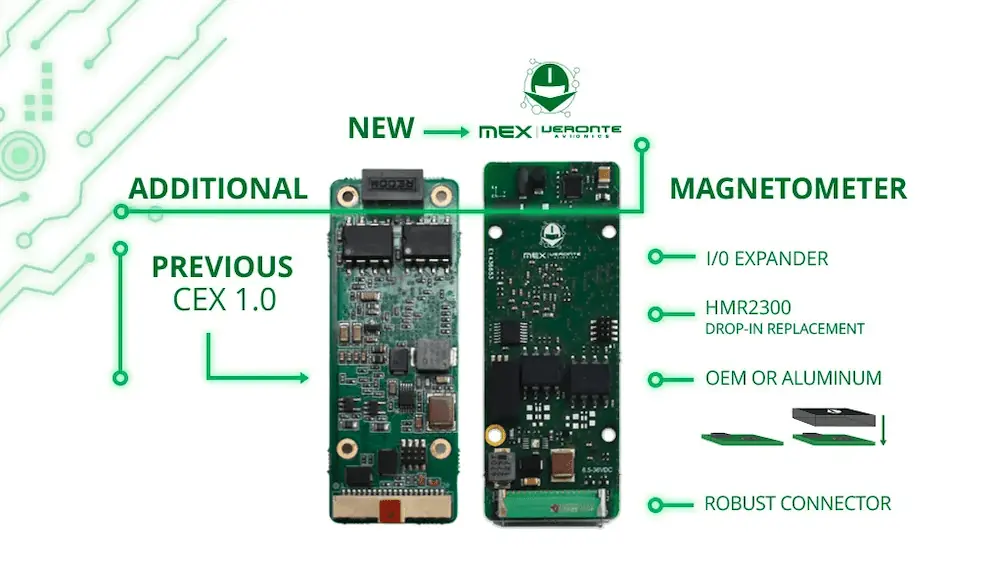
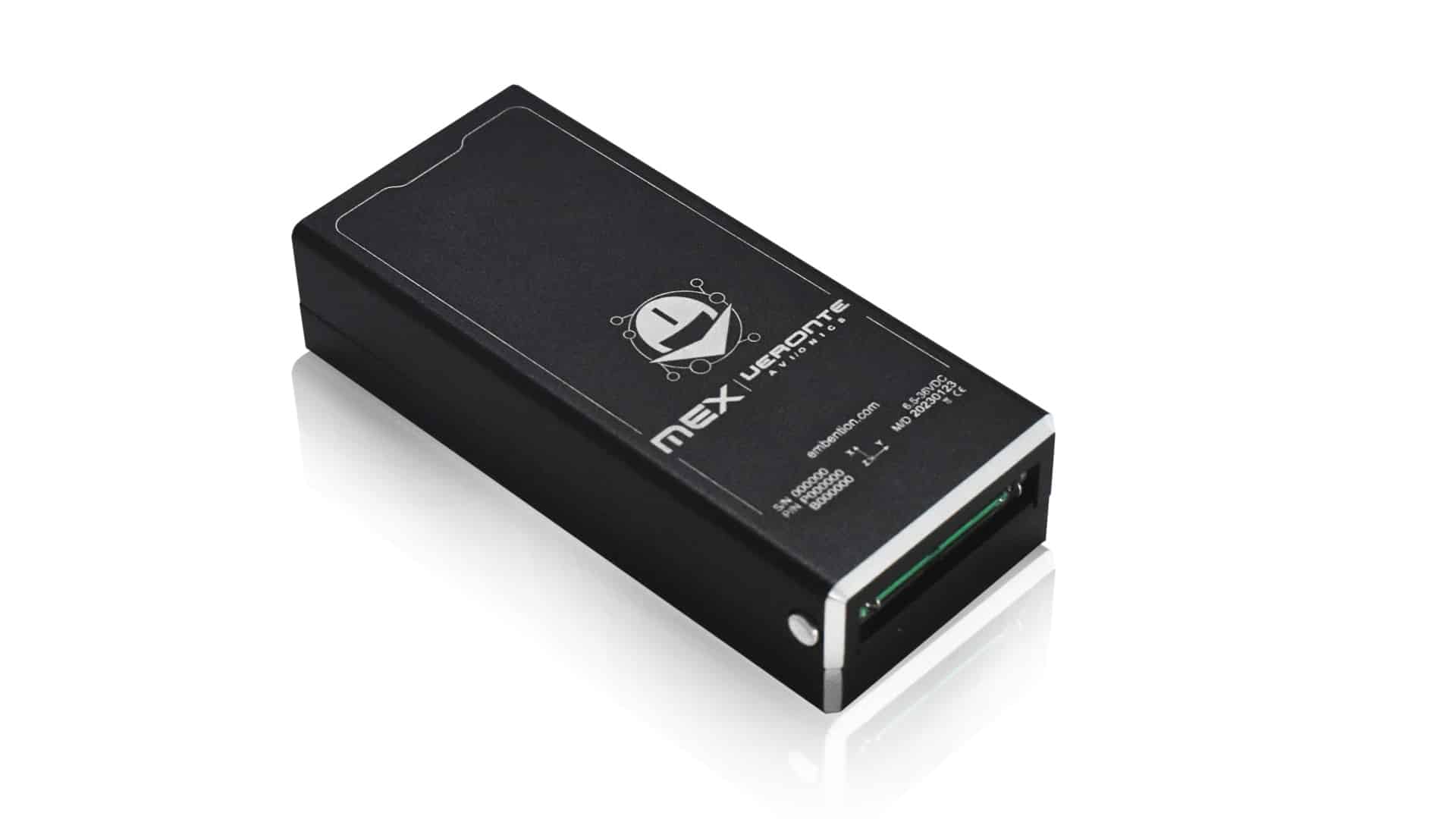
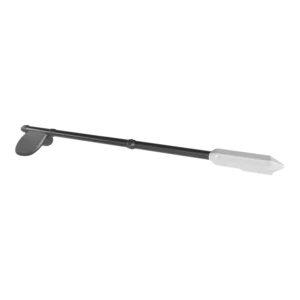
Veronte MEX 3 Axis Magnetometer by Embention
Magnetometers for drones and UAV can be used to provide accurate heading data, and are particularly critical in environments where GPS signals are degraded or unavailable, such as urban canyons, forests, or underground tunnels. Magnetic field measurements are combined via sensor fusion with data from gyroscopes and accelerometers to achieve robust heading outputs.
In most UAV and robotic platforms, this sensor fusion process is handled by an Attitude and Heading Reference System (AHRS), which integrates magnetometer, gyroscope, and accelerometer data to provide continuous estimates of heading, roll, and pitch.
Magnetometers can also be used to determine orientation of the drone relative to magnetic north, and thus to provide estimation of yaw angle.
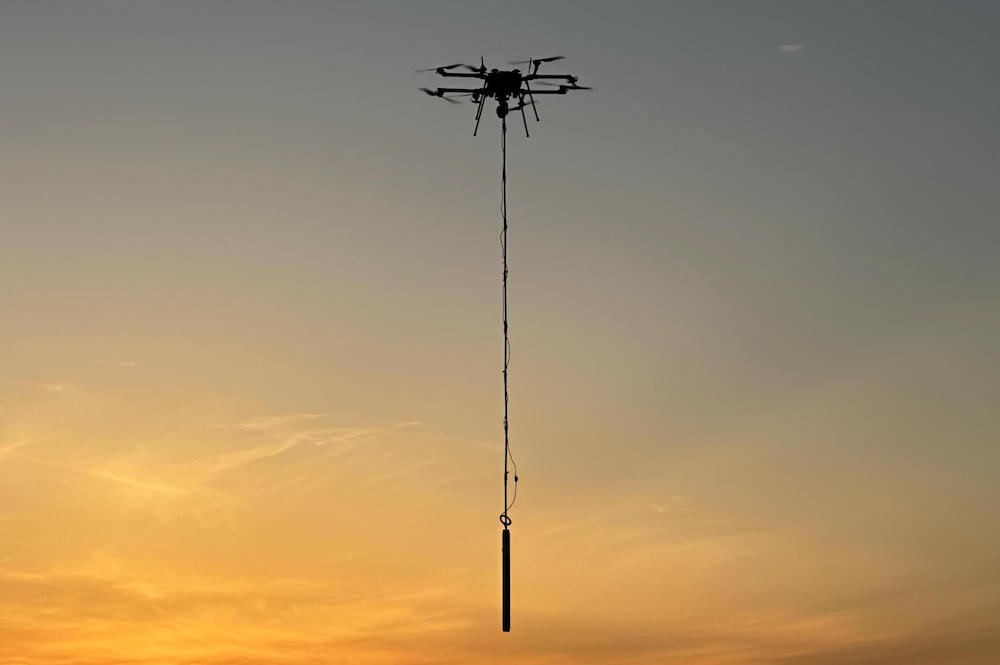
Magnetometry is widely used in geological surveys to detect mineral deposits, map fault lines, and monitor volcanic activity. Drones equipped with 3-axis magnetometers can rapidly collect high-resolution magnetic field data over large areas, offering a cost-effective and efficient alternative to other UAV magnetometer survey methods. These drones are also employed in environmental monitoring to assess magnetic field disturbances caused by human activity or natural events.
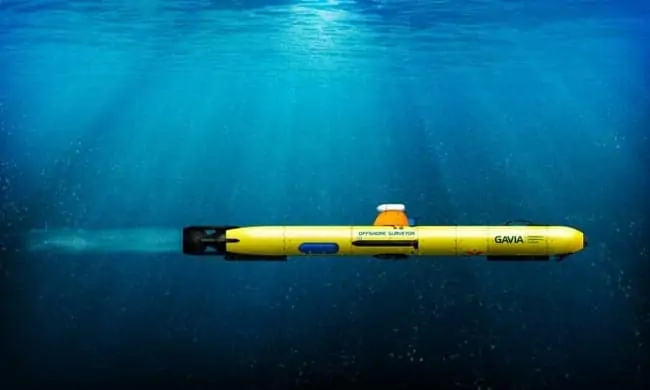
In robotics and underwater systems, magnetometers are used to locate metallic objects buried underground or beneath the seabed. Applications include detecting unexploded ordnance (UXO), underwater pipelines, shipwrecks, and other submerged infrastructure. Autonomous underwater vehicles (AUVs) equipped with magnetometers can perform precise detection and mapping in challenging underwater environments.
In military applications, drone magnetometers are used for surveillance, reconnaissance, and detecting hidden or camouflaged objects. Magnetometers can sense the presence of ferromagnetic materials, making them useful for identifying vehicles, weapons, or other metallic objects in the field. They are also employed in electronic warfare to monitor and analyse magnetic field disturbances caused by hostile systems.
Magnetometers play a vital role in scientific research, particularly in studying Earth’s geomagnetic properties and tracking space weather phenomena. UAVs and other unmanned systems equipped with magnetometer sensors can conduct long-term studies of magnetic field changes, enabling breakthroughs in fields like seismology, climatology, and astrophysics.
Integrating magnetometers into unmanned platforms comes with unique engineering challenges. Magnetic interference from onboard electronics, motors, and batteries can distort readings, necessitating careful sensor placement and shielding. Advanced calibration techniques and software-based compensation algorithms are essential to ensure accurate magnetic field measurements in real-world environments.
Unmanned platforms often operate in harsh conditions, requiring airborne magnetometers that are robust and rugged. Being lightweight and power efficient are also critical requirements for SWaP-limited platforms. Engineers must carefully balance these factors when designing systems for specific applications. For example, a UAV conducting high-altitude surveys needs a low-power, lightweight magnetometer, while an AUV operating in deep-sea environments may require a highly sensitive, pressure-resistant sensor.
Magnetometer sensors in drones and robotics are continuing to advance as unmanned systems require smaller, more accurate, and more easily integrated sensing solutions for survey, navigation, and detection tasks.
As these technologies mature, drone and robotic platforms are expected to support more precise magnetic mapping, improved autonomy, and more reliable operation in magnetically complex environments.


 Searching Companies & Products