


Showcase your capabilities
If you design, build or supply Infrared Drone Cameras, create a profile to showcase your capabilities and connect with visitors who have an active requirement for your solutions.




Infrared (IR) drone cameras are airborne imaging systems that detect energy beyond the visible spectrum for inspection, monitoring, mapping, and situational awareness. Available options include uncooled LWIR, cooled MWIR, SWIR, radiometric, non-radiometric, EO/IR, multispectral, hyperspectral, and optical gas imaging payloads.
This page features IR drone camera suppliers and UAV IR camera manufacturers supporting search and rescue, industrial inspection, agriculture, environmental monitoring, and critical infrastructure surveillance.
Read the Technology Overview
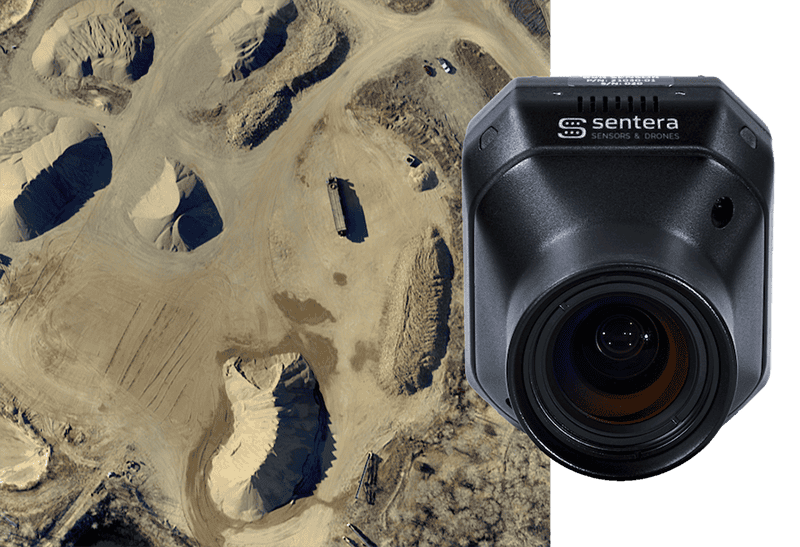
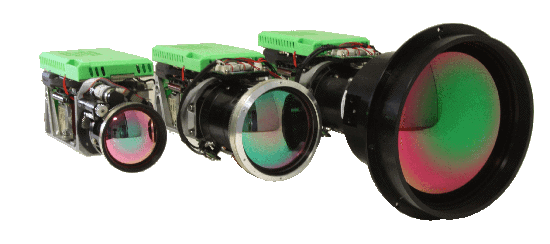

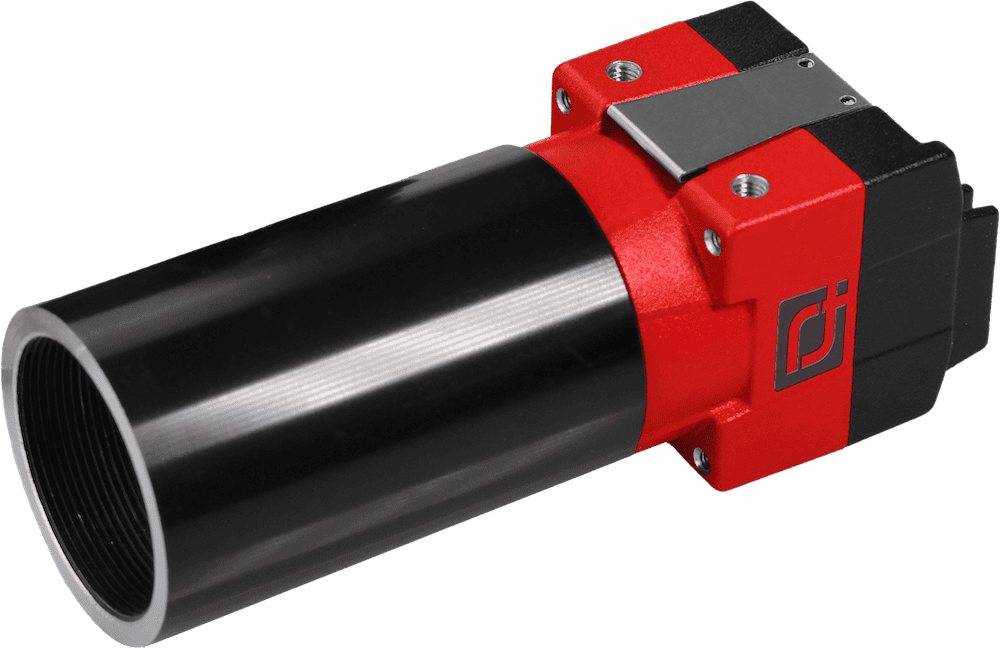
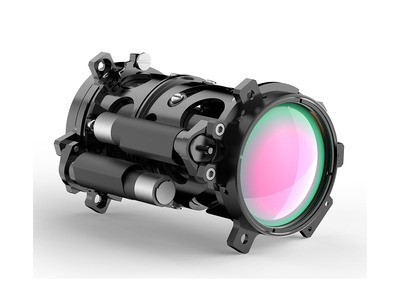
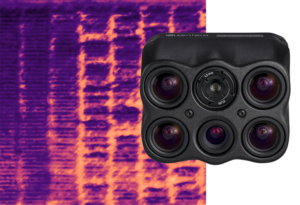
High-Performance Remote Sensing Solutions for Delivering Accurate Aerial Insights

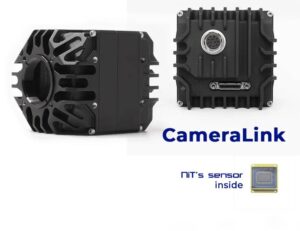
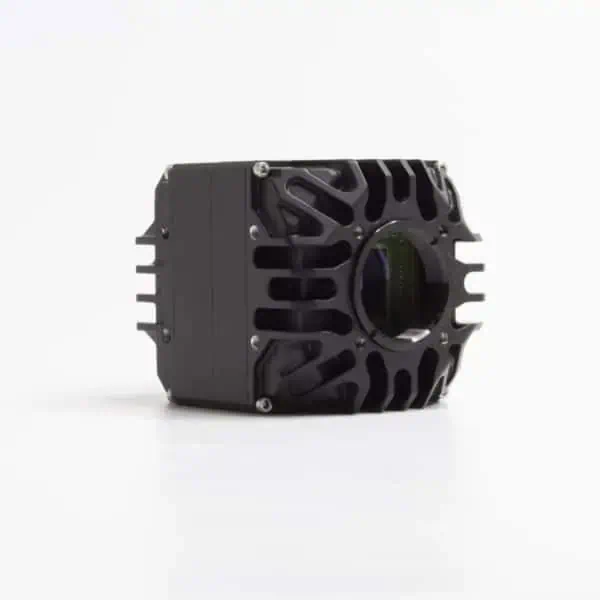
SWIR Cameras & Sensors for Infrared Imaging Applications With Drones & Unmanned Systems
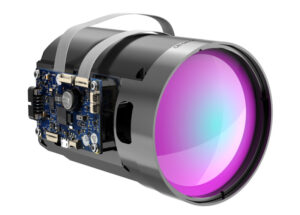
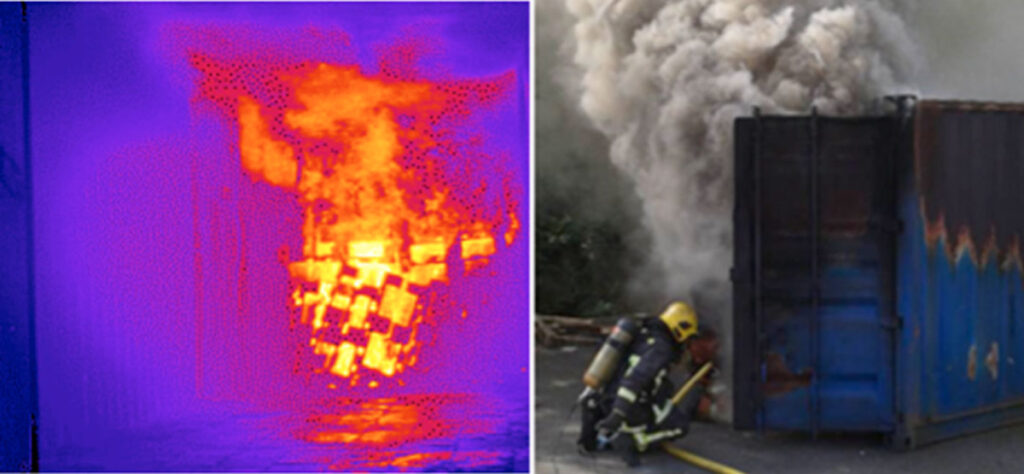
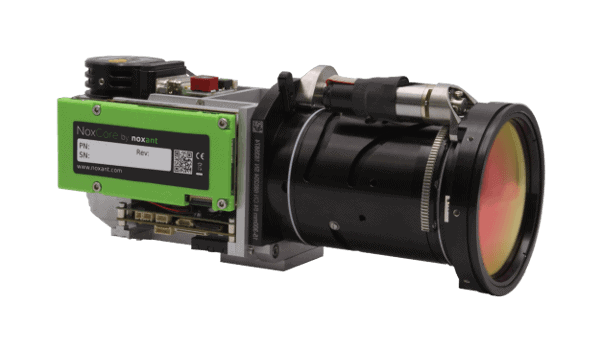
High-Performance Infrared Cameras & Cores for Surveillance & Monitoring with Drones & Robotics

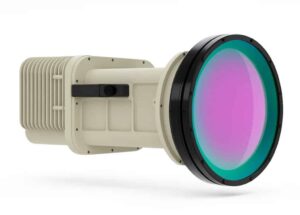
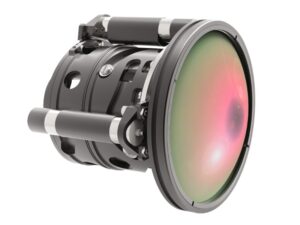
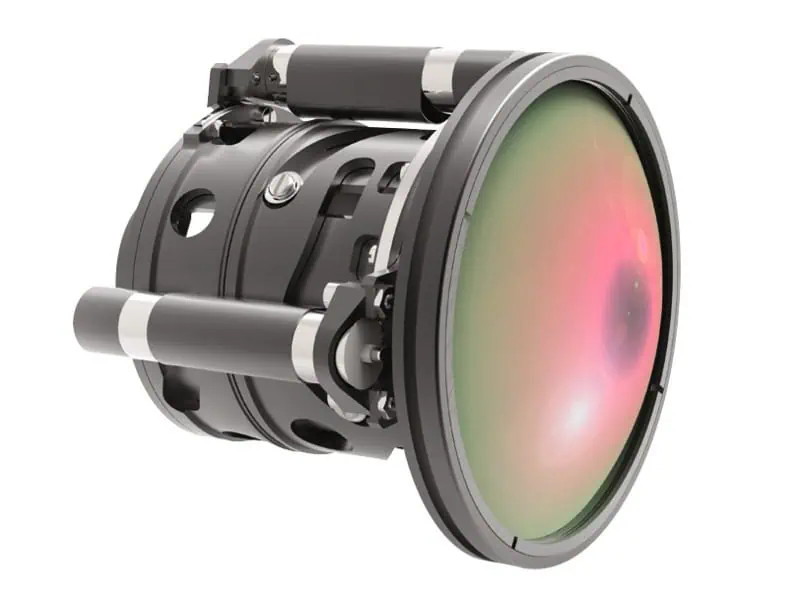
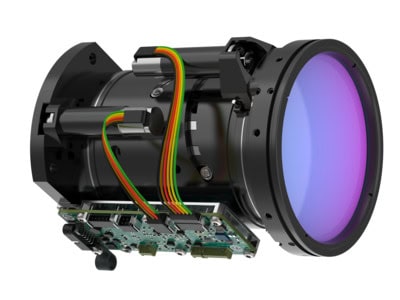
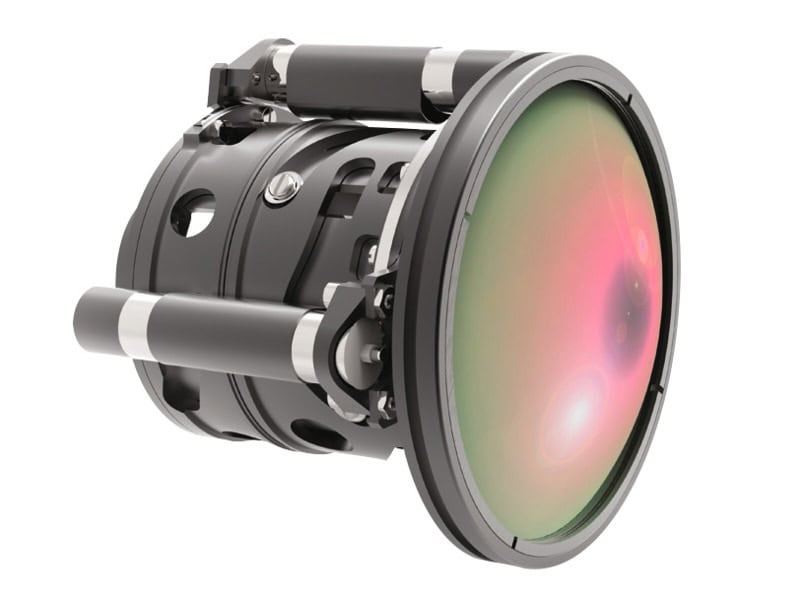
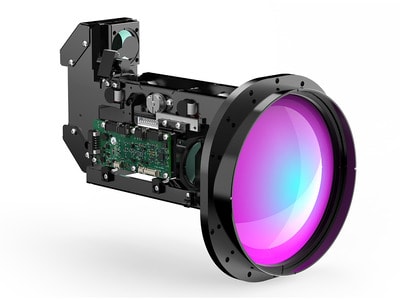
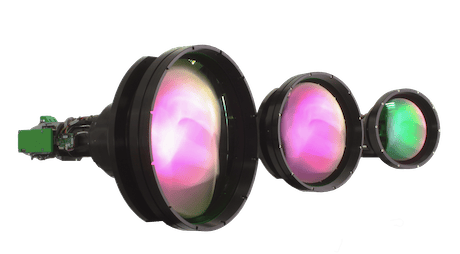
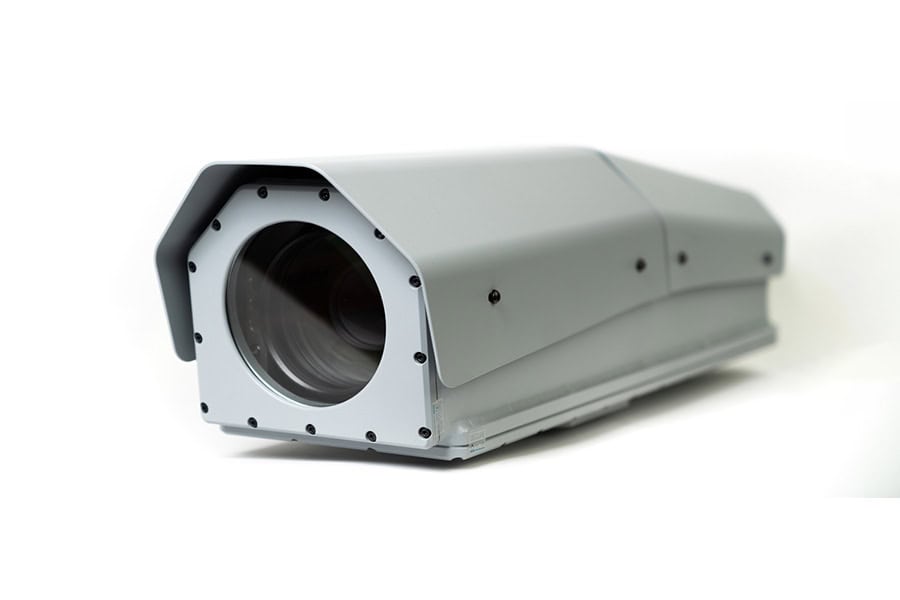
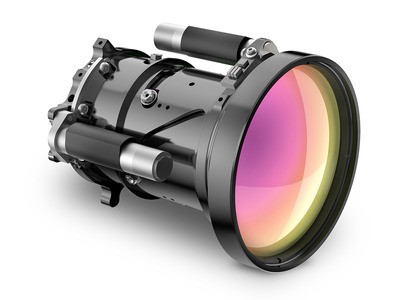
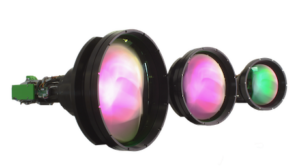
High Performance Infrared Zoom Lenses for UAVs and Drones: Low-SWaP, Extended-Range, Ruggedized Lenses

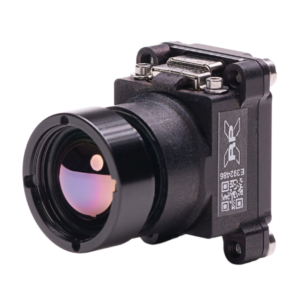
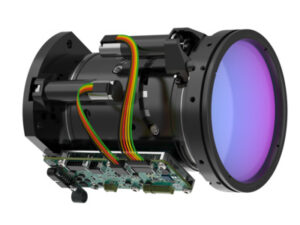
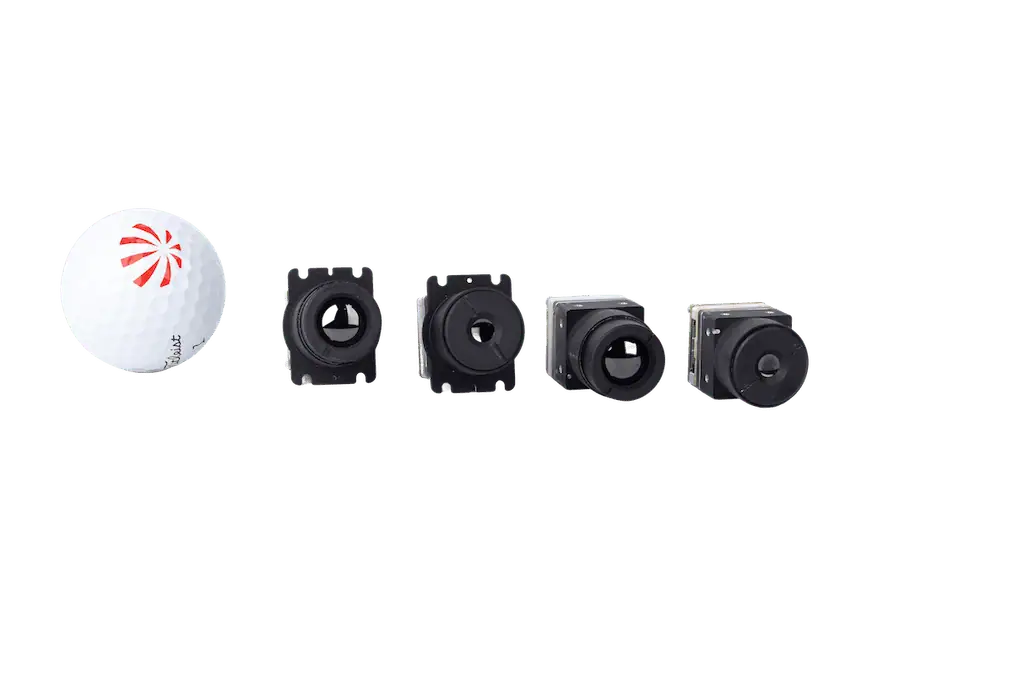
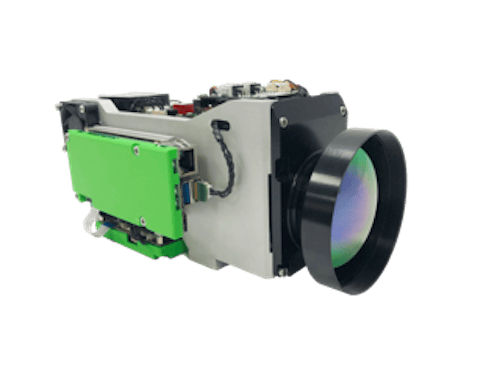
Ultra-Low-SWaP Thermal Imaging Cameras & Cores for UAVs & Unmanned Systems

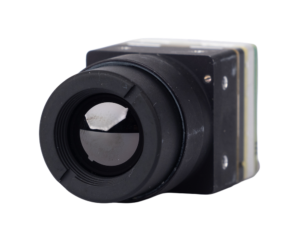
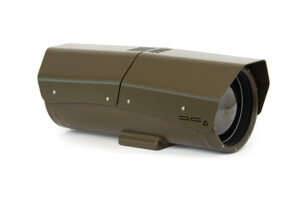
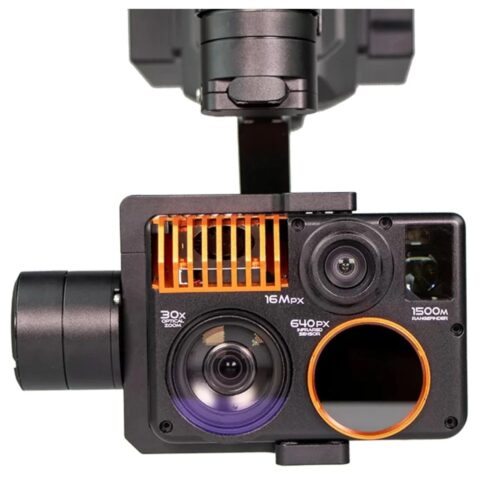
Cutting-Edge Electro-Optical & Infrared Imaging Gimbals for Advanced UAV ISR & Targeting

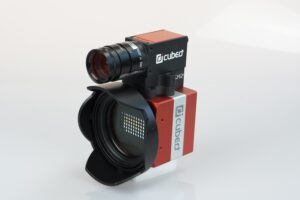
Cutting-Edge Hyperspectral Camera Solutions - Critical Real-Time Insights for UAV-Based Applications

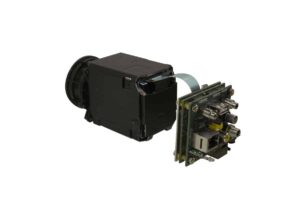
4K HD Cameras and Video Processing Solutions for Drones and Robotics

If you design, build or supply Infrared Drone Cameras, create a profile to showcase your capabilities and connect with visitors who have an active requirement for your solutions.

Infrared drone cameras enable an unmanned aircraft to detect energy beyond the visible spectrum and convert it into imagery for inspection, monitoring, mapping, and situational awareness. Depending on the detector and spectral band, the camera may record emitted thermal radiation, reflected infrared energy, or a combination of both. This gives Unmanned Aerial Vehicle (UAV) operators access to information that conventional daylight cameras cannot reliably capture, particularly in darkness, low-contrast scenes, and applications involving temperature differences.
A drone infrared camera may be installed as a fixed payload, integrated into a stabilized gimbal, or combined with visible-light and other sensors. The most suitable infrared camera for a drone depends on the target, operating distance, environmental conditions, required temperature data, payload capacity, flight endurance, and data-processing workflow. Matching the infrared imaging system to the mission is essential because each detector type offers different sensitivity, spectral response, resolution, range, and integration requirements.
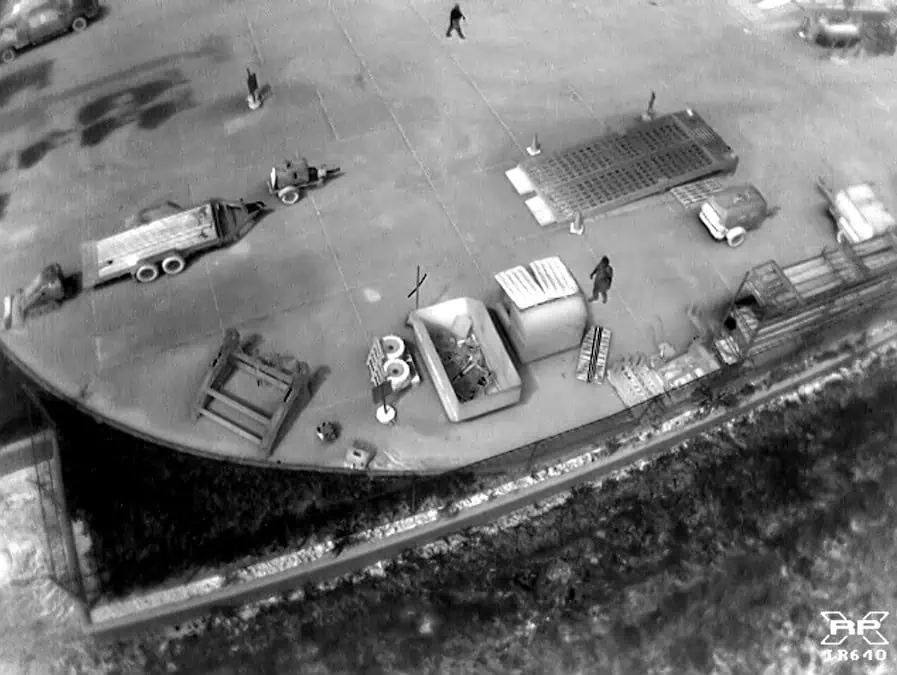
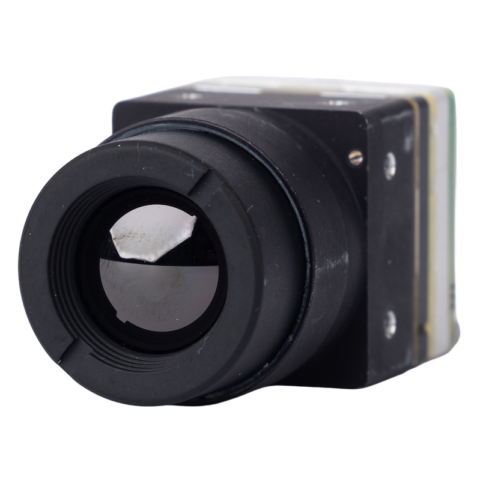
Uncooled Long-Wave Infrared (LWIR) cameras commonly operate within the 8 to 14 micrometer spectral range and use microbolometer detectors without cryogenic cooling. Their relatively low size, weight, power consumption, and maintenance requirements make them suitable for compact UAV payloads used in inspection, firefighting, search operations, security, and wildlife monitoring. Their detection range and thermal sensitivity are generally lower than those of cooled systems, but they are practical for many short-range and medium-range missions.
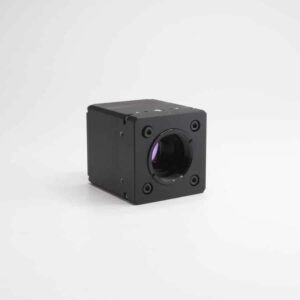
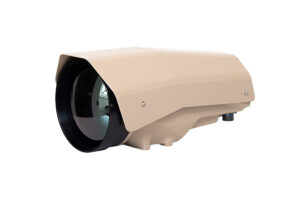
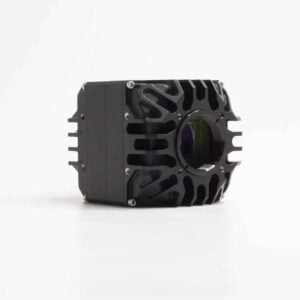
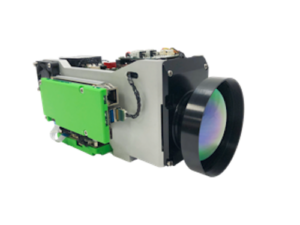
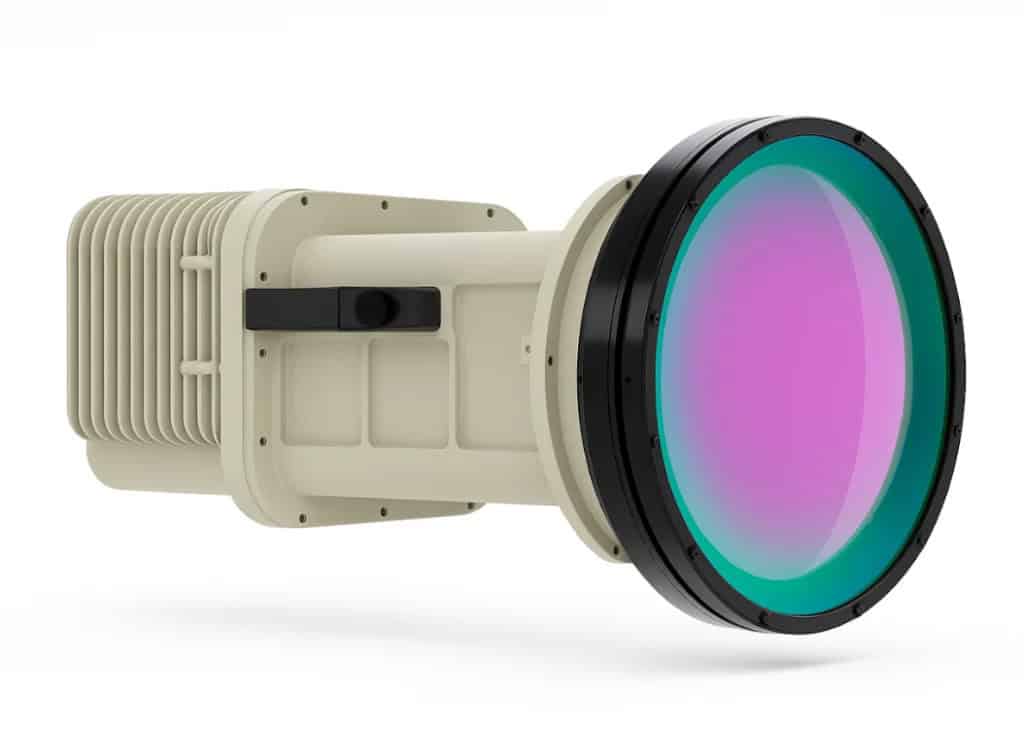
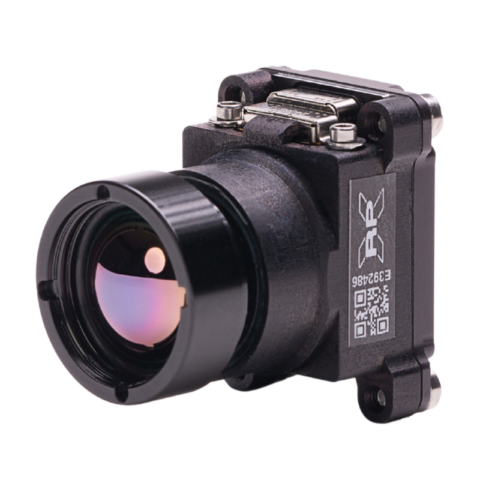
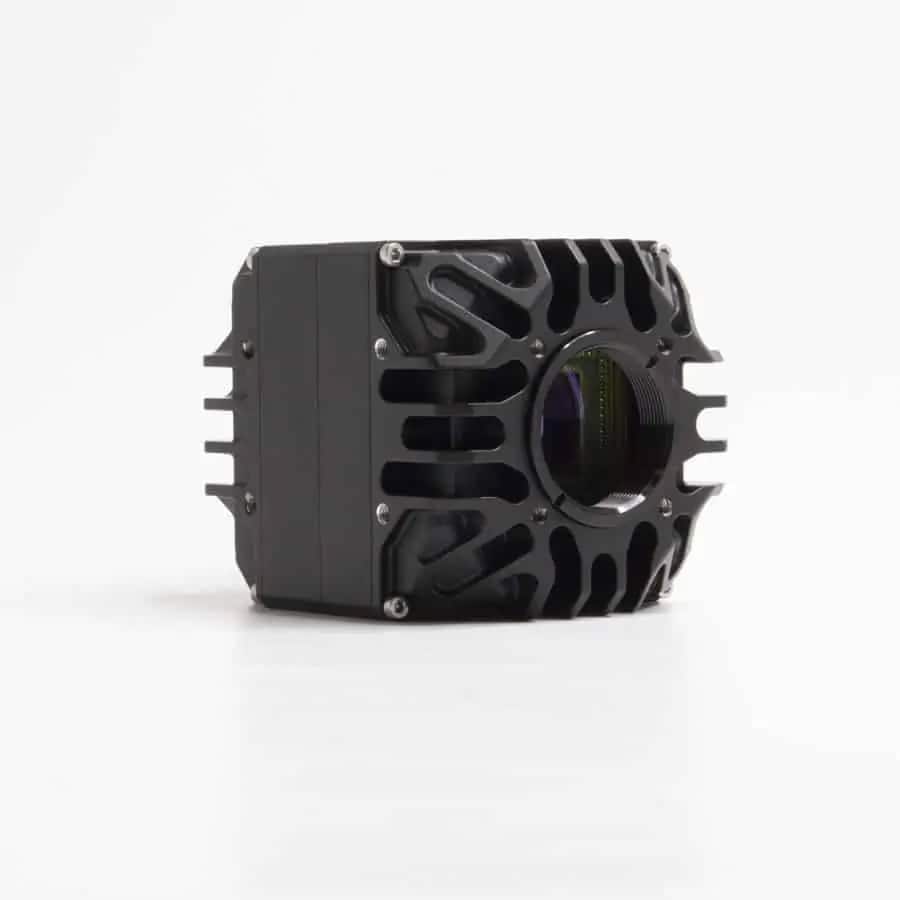
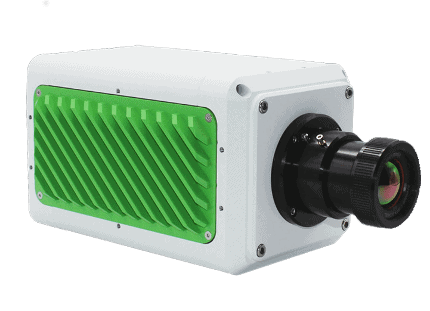
WiDy SenS Infrared Drone Camera from New Imaging Technologies
Cooled Mid-Wave Infrared (MWIR) cameras commonly operate within the 3 to 5 micrometer spectral range. Cooling the detector reduces internal noise, providing greater thermal sensitivity, longer detection ranges, shorter exposure times, and higher frame rates. These cameras are often used for surveillance, maritime observation, high-speed targets, and high-temperature industrial targets. However, the cooling system increases cost, power demand, payload weight, maintenance requirements, and startup time.
Short-Wave Infrared (SWIR) cameras primarily detect reflected infrared energy rather than heat emitted by objects at normal temperatures. A SWIR infrared camera sensor can reveal differences in materials, moisture, coatings, haze, and low-light scenes that may not be visible with conventional cameras. Performance through smoke and haze depends on particle size, density, wavelength, illumination, and atmospheric conditions, so SWIR imaging should not be assumed to provide unrestricted visibility.
Radiometric thermal cameras assign calibrated temperature information to individual image pixels. They support applications such as electrical inspection, heat-loss detection, industrial maintenance, and photovoltaic surveys. Accurate results depend on correct emissivity, distance, atmospheric transmission, reflected apparent temperature, viewing angle, focus, and environmental settings. Radiometric readings should therefore be interpreted as measurements affected by both the target surface and the conditions in which the imagery was collected.
Non-radiometric cameras produce thermal imagery without calibrated temperature measurements for every pixel. These systems are suitable for detection, navigation, tracking, and situational awareness, but they cannot replace radiometric equipment when quantitative temperature data is required. They may show relative thermal contrast clearly while providing little or no reliable information about the target’s actual temperature.
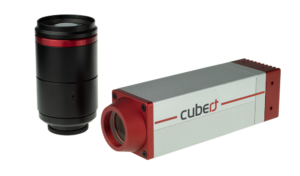
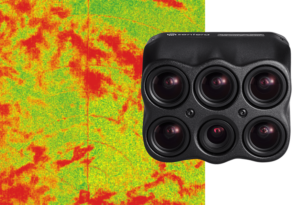
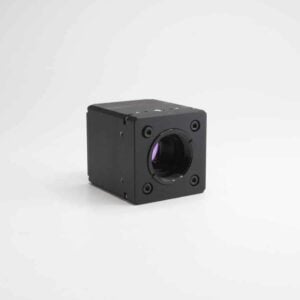
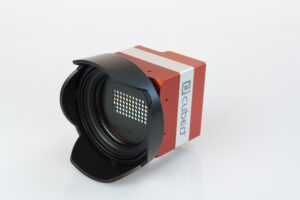
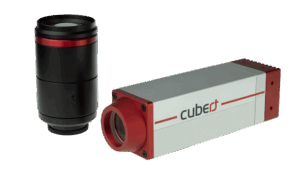
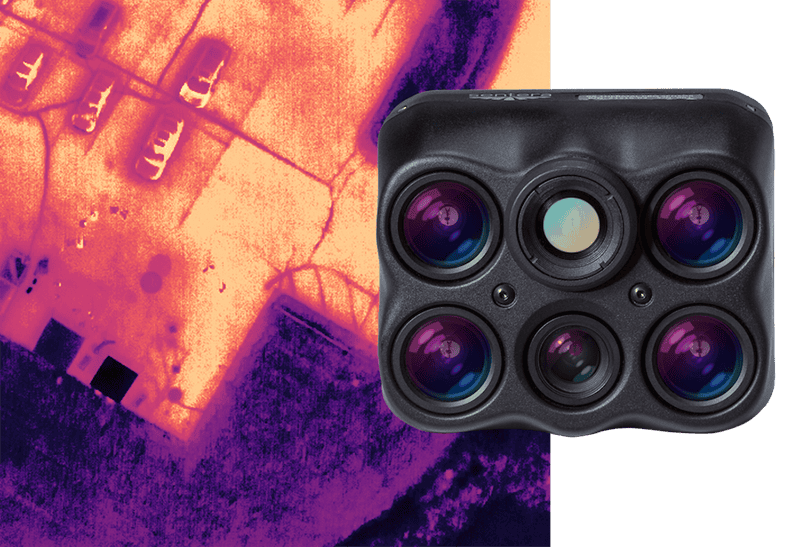
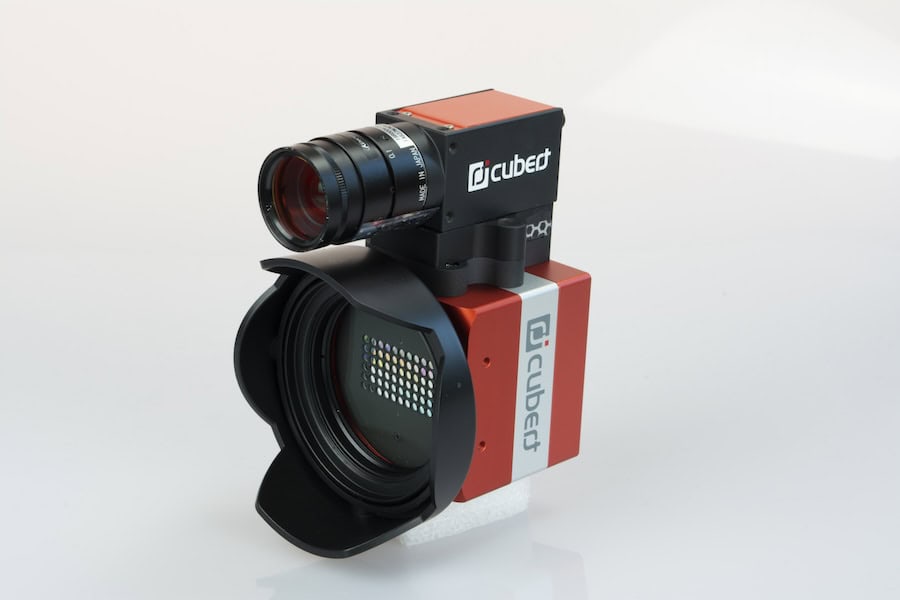
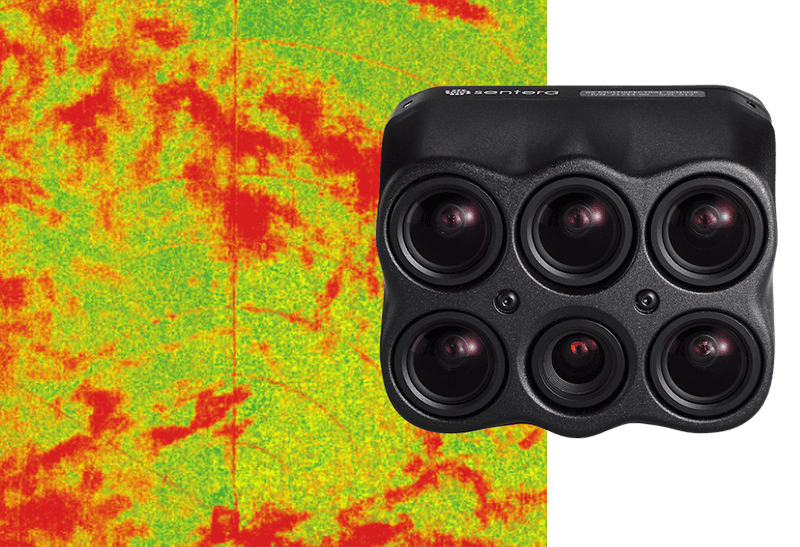
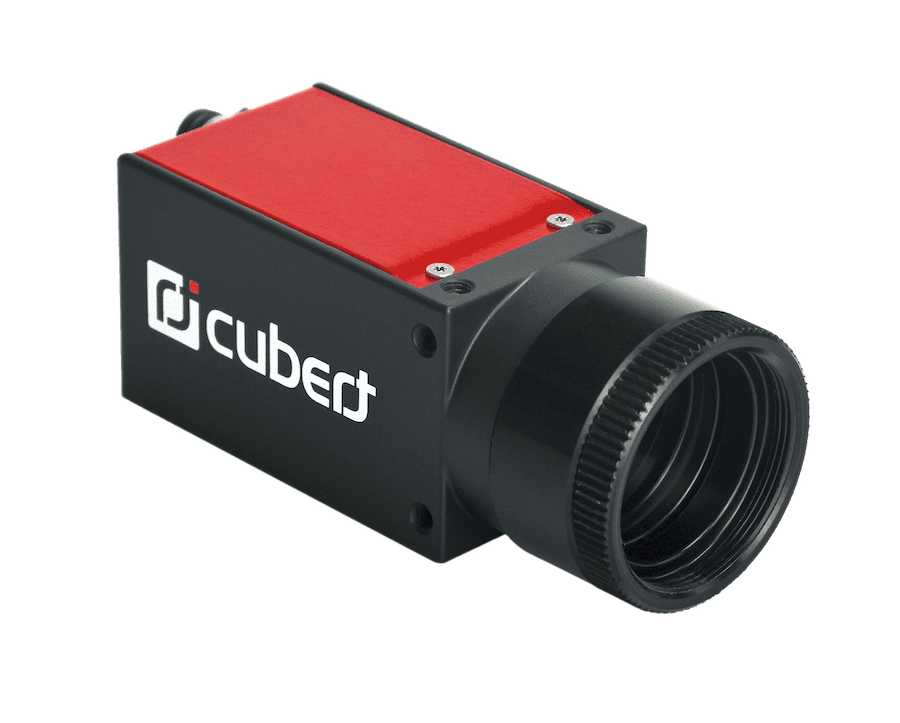
ULTRIS XMR IR Drone Camera from Cubert
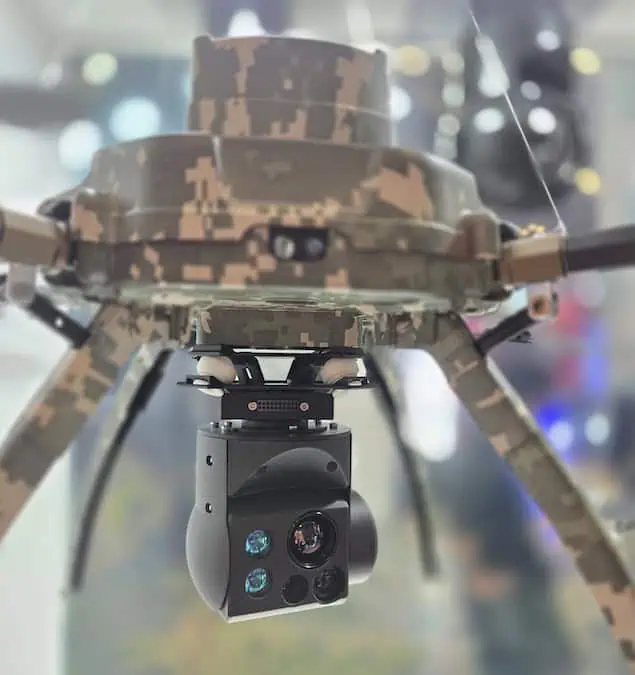
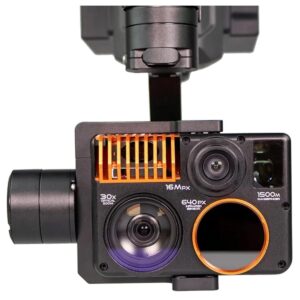
Dual-sensor Electro-Optical/Infrared (EO/IR) systems combine visible-light and infrared cameras in a shared payload, often with gimbal stabilization. The infrared channel supports thermal detection, while the visible camera provides additional detail for recognition, inspection, and scene interpretation. Some systems also include laser rangefinders, geolocation tools, or synchronized recording to improve target positioning and post-flight analysis.
Multispectral cameras and hyperspectral payloads collect data across multiple wavelength bands, which may include visible, Near-Infrared (NIR), SWIR, or thermal infrared regions. These infrared imaging systems can help identify vegetation stress, moisture variation, minerals, coatings, and pollutants. Unlike conventional thermal cameras, many of these payloads are designed for spectral classification rather than temperature measurement. They require careful calibration, consistent illumination, suitable reference targets, and specialized data processing.
Optical Gas Imaging (OGI) cameras visualize selected gases that absorb infrared energy within specific spectral bands. Mounted on a drone, they can inspect pipelines, tanks, processing facilities, and industrial equipment while reducing the need for personnel to enter hazardous areas. A camera can only detect gases within the spectral range for which it is designed. Detection performance is influenced by gas type, concentration, leak rate, range, wind, temperature difference, viewing angle, and background conditions.
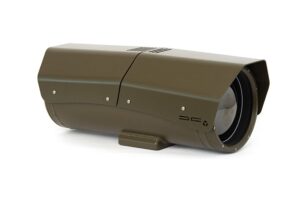
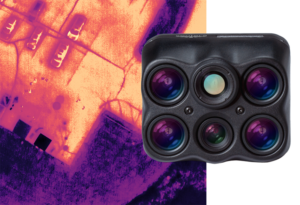
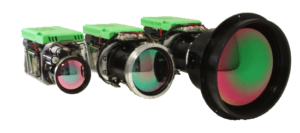
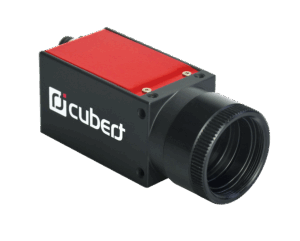
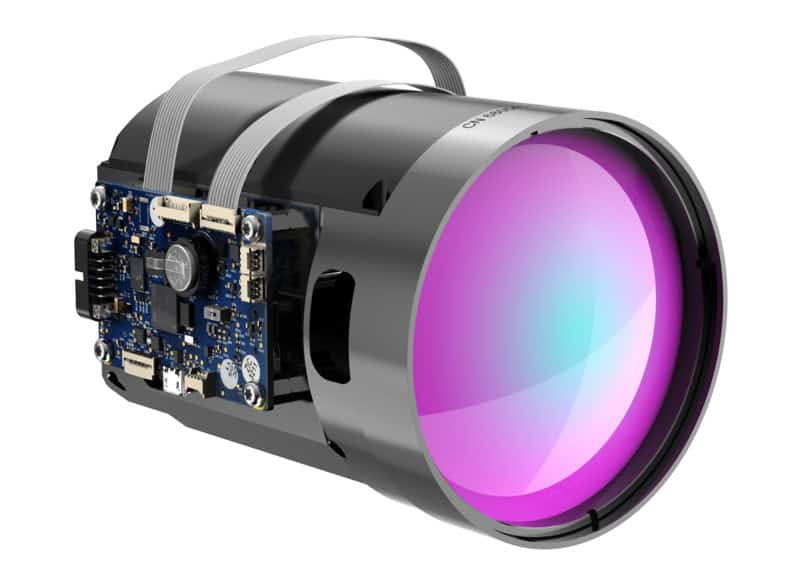
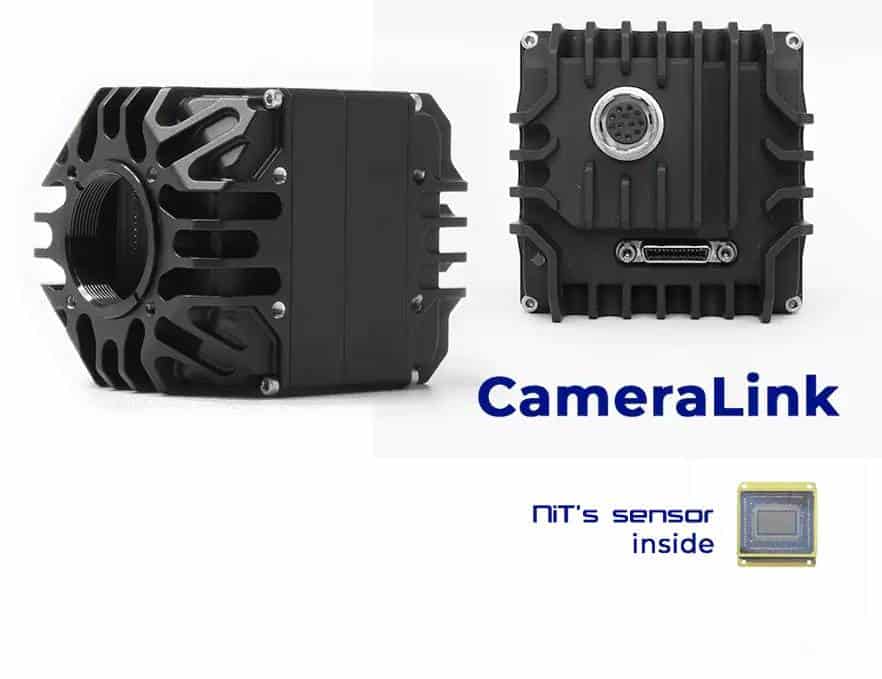
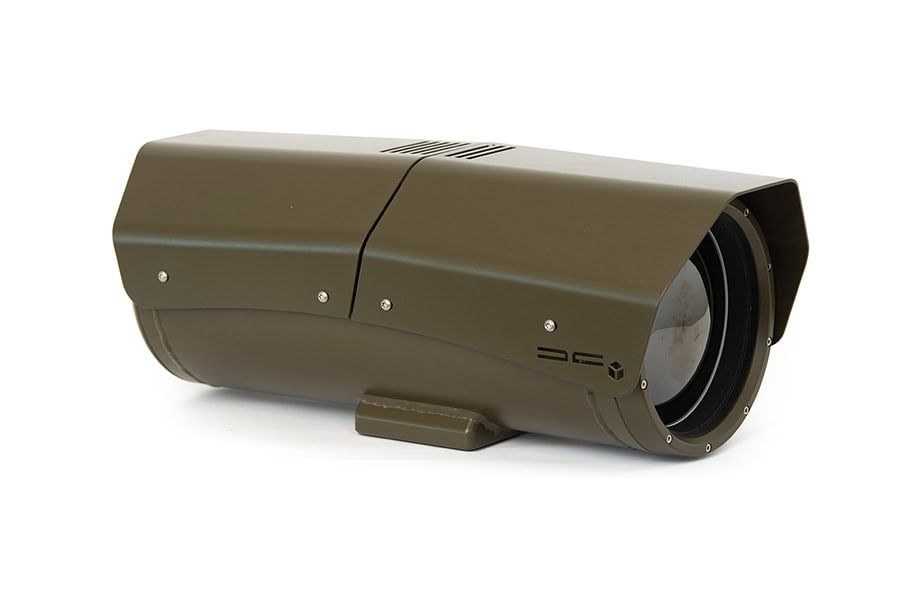
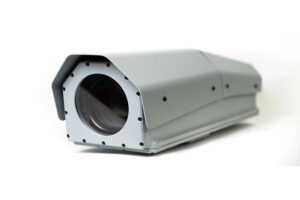
Uncooled LWIR Cameras from DAT-CON
Infrared drone cameras can help locate people by detecting thermal contrast between a subject and the surrounding environment. Fire and emergency teams may also use a UAV IR camera to identify hotspots, monitor fire spread, assess structural conditions, and observe hazardous areas. Vegetation, buildings, glass, weather, distance, and thermal crossover can reduce performance. Thermal crossover occurs when the target and background reach similar apparent temperatures, making the target harder to distinguish.
An infrared camera for drones can survey electrical networks, solar arrays, roofs, pipelines, storage facilities, and industrial equipment without placing personnel in hazardous or difficult-to-access locations. Thermal anomalies may indicate overheating, failed electrical connections, insulation defects, moisture intrusion, blocked components, or abnormal operating conditions. These findings normally indicate areas requiring further investigation rather than providing a complete diagnosis on their own.
UAV infrared cameras can reveal temperature and spectral patterns across crops, soil, water, vegetation, and wildlife habitats. These systems support irrigation assessment, crop stress surveys, animal detection, wildfire monitoring, and water discharge studies when imagery is collected under suitable environmental conditions. Time of day, sunlight, wind, recent rainfall, canopy density, and seasonal change can influence the results and should be controlled where possible.
Infrared surveillance systems provide nighttime observation for borders, ports, energy facilities, transport corridors, and secured sites. A stabilized IR camera for drones can detect and track movement in darkness, while a paired visible-light camera can provide additional information for recognition and assessment. Detection, recognition, and identification ranges differ, and advertised maximum detection range should not be treated as the distance at which a person, vehicle, or object can be positively identified.
Several developments are improving the capability and practicality of airborne infrared imaging:
These developments are advancing sensor fusion, onboard analysis, geolocation, and autonomous operation across a growing range of infrared drone camera applications.


 Searching Companies & Products