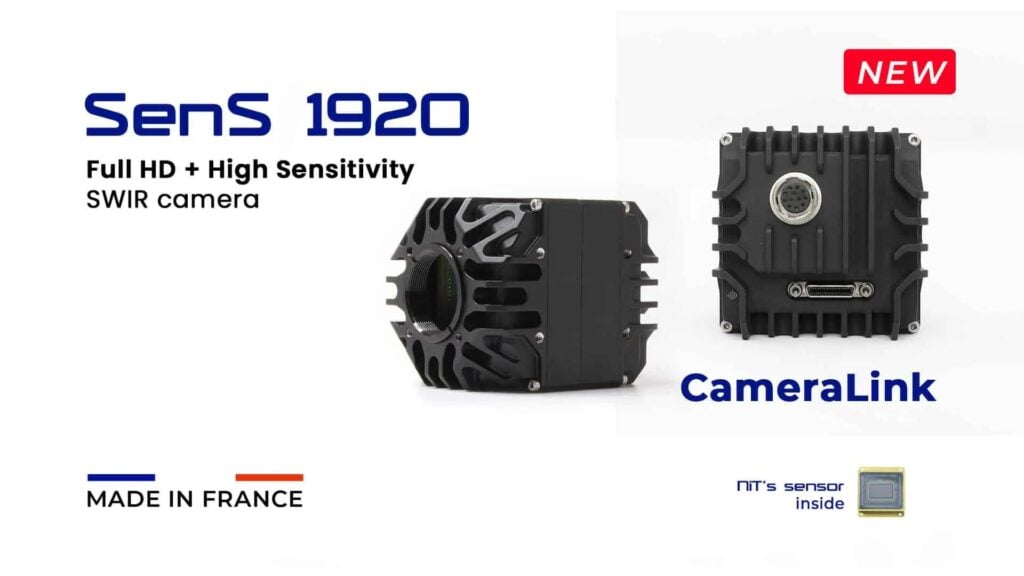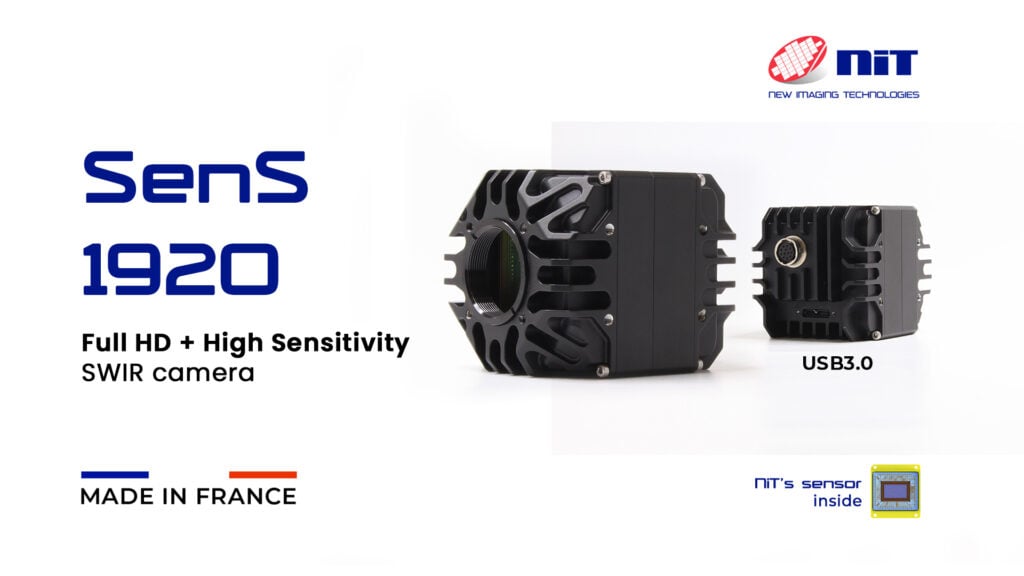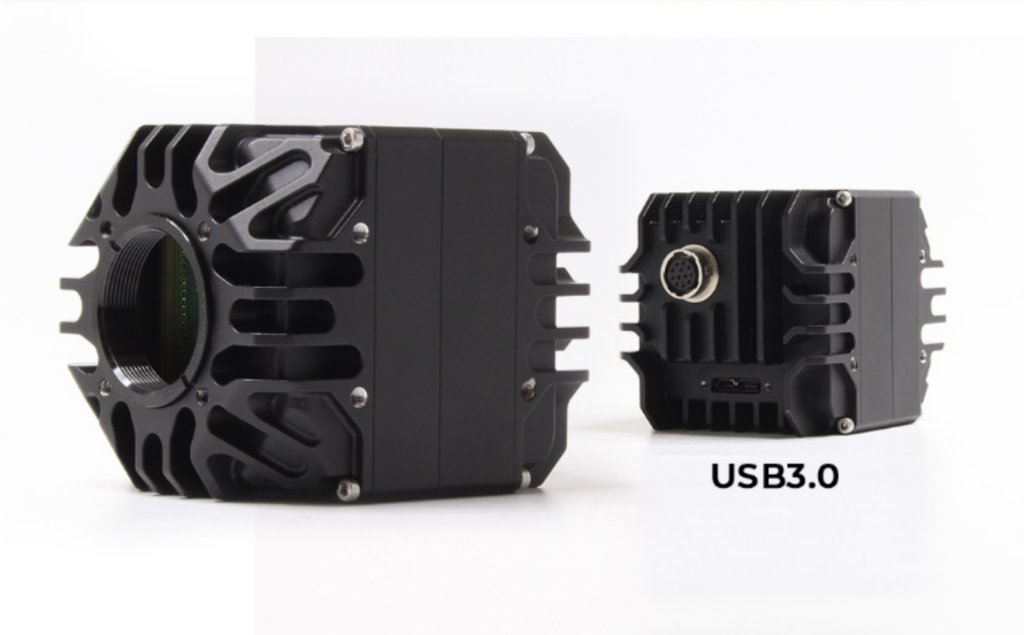




New Imaging Technologies (NIT), part of LYNRED, outlines how Short-Wave Infrared (SWIR) imaging is being applied to drone-based solar panel inspection, enabling improved defect detection and more efficient maintenance of large-scale photovoltaic installations. Read more >>
As solar farms expand, operators require inspection methods that can maintain energy output while reducing maintenance costs, particularly as conventional approaches present clear limitations.
Advancing Solar Inspection with SWIR Imaging
Visible imaging depends on ambient lighting and cannot reveal subsurface defects, while thermal imaging is primarily effective at identifying hotspots only after performance degradation has already occurred. As a result, defects such as micro-cracks, early-stage delamination, and moisture ingress may remain undetected during routine inspections, contributing to reduced energy output and unexpected failures.
SWIR imaging, typically operating in the 900 to 1700 nm spectral range, enables earlier detection of these issues. It allows identification of micro-cracks and cell damage not visible in the visible spectrum, as well as moisture ingress, delamination, and material inconsistencies.
The technology also supports inspection under variable illumination conditions, including low light and partial shading, and enables non-contact, fast aerial inspection of large solar farms. Compared to thermal imaging, it provides earlier defect detection and greater spatial detail, supporting preventive maintenance strategies.
UAV Integration & SWIR Technology Portfolio
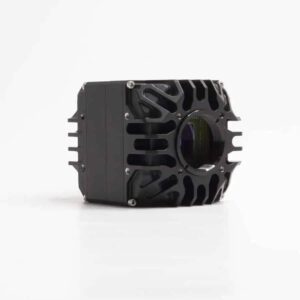
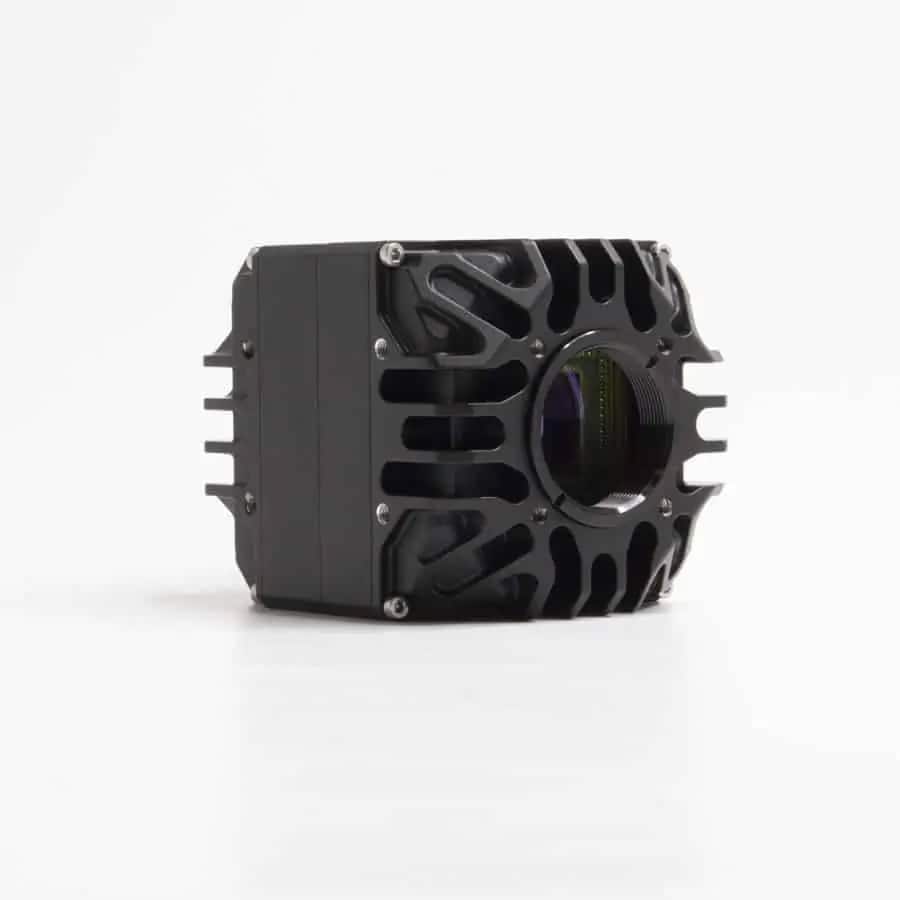
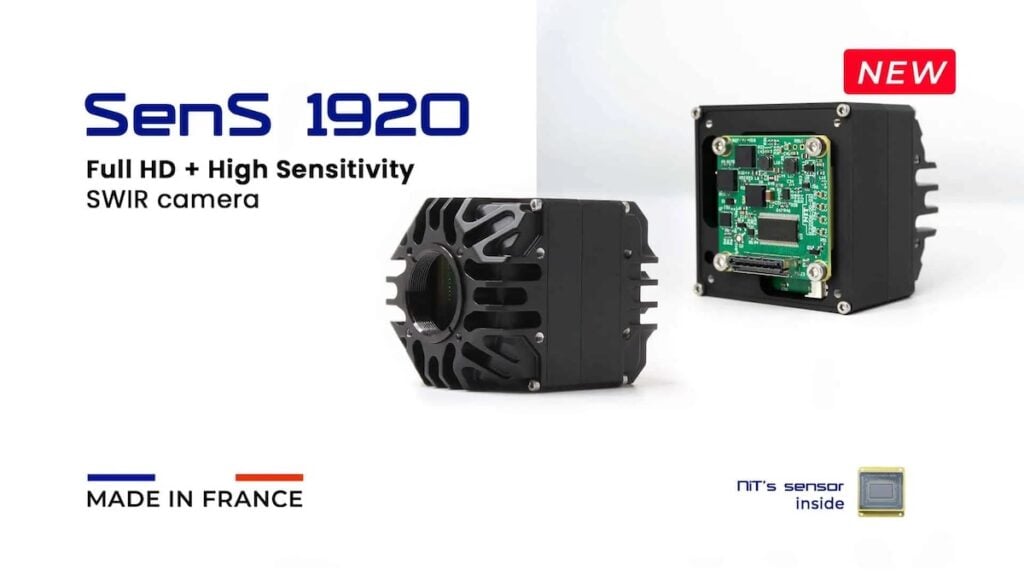
New Imaging Technologies’ SenS 1920 SWIR Camera.
When integrated with Unmanned Aerial Vehicle (UAV) platforms, SWIR imaging supports rapid inspection of large solar installations while reducing operational downtime and associated costs. It enables high spatial resolution defect localization and produces high-quality imaging data suitable for AI-based analysis.
NIT provides compact, lightweight, and low-power SWIR solutions designed to meet the Size, Weight, and Power (SWaP) constraints of drone platforms.
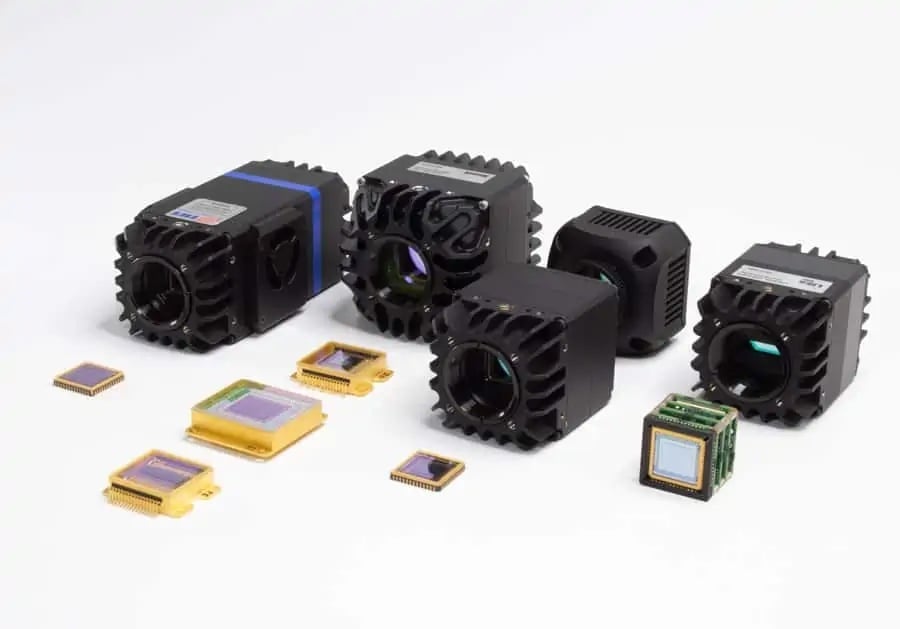
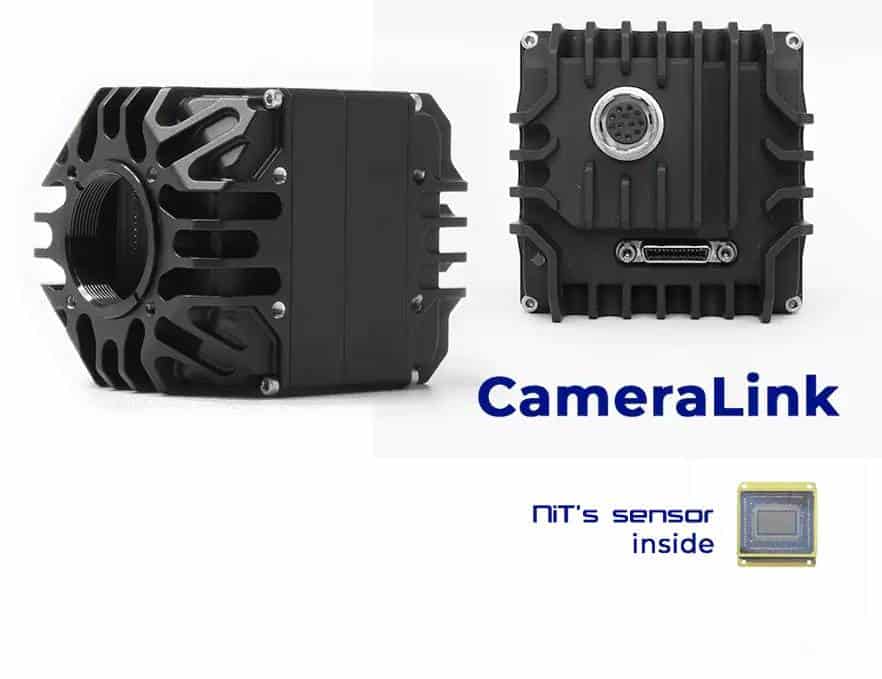
The company’s portfolio includes high-resolution SWIR cameras with resolutions up to Full HD, offering high dynamic range, low readout noise, and robust industrial interfaces including CameraLink, USB, and GigE depending on the model.
For tight UAV integrations, board-level SWIR cameras and naked sensor modules are available in lightweight and compact form factors, enabling easy integration into custom gimbals or payloads and optimized for embedded vision and aerial platforms. In addition, its InGaAs SWIR sensors offer resolutions up to 1920 × 1080, with low noise, high sensitivity, and excellent uniformity and stability, and are ideal for OEM drone payload developers.
Combined with drone-based inspection workflows, SWIR imaging enables solar operators to access more precise diagnostics, detect faults earlier, and improve inspection efficiency. This approach also supports data-driven solar asset management, where SWIR data can be integrated with analytics and AI tools to automate defect detection and optimize system performance as solar infrastructure continues to scale.
To find out more information, read ‘SWIR Imaging for Drone-Based Solar Panel Inspection’ here >>