









Showcase your capabilities
If you design, build or supply EO/IR Gimbals, create a profile to showcase your capabilities and connect with visitors who have an active requirement for your solutions.




Find manufacturers of EO/IR Gimbals and Payloads for drones, as well as gimbals for EO/IR Sensors and Cameras Systems for Unmanned Systems; UAV, UAS, UGV, ASV and robotics.
Read the Technology Overview
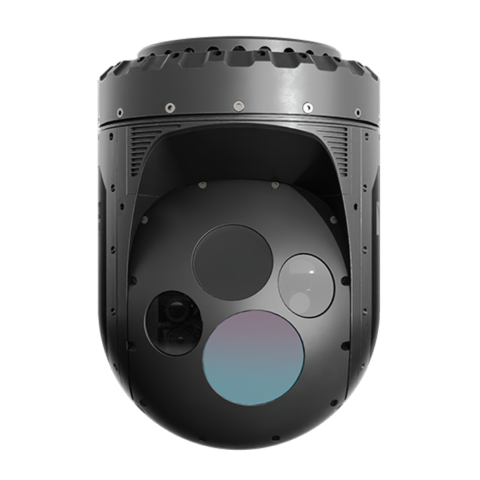
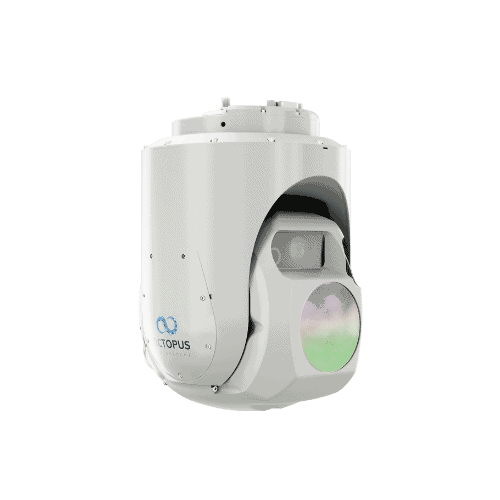
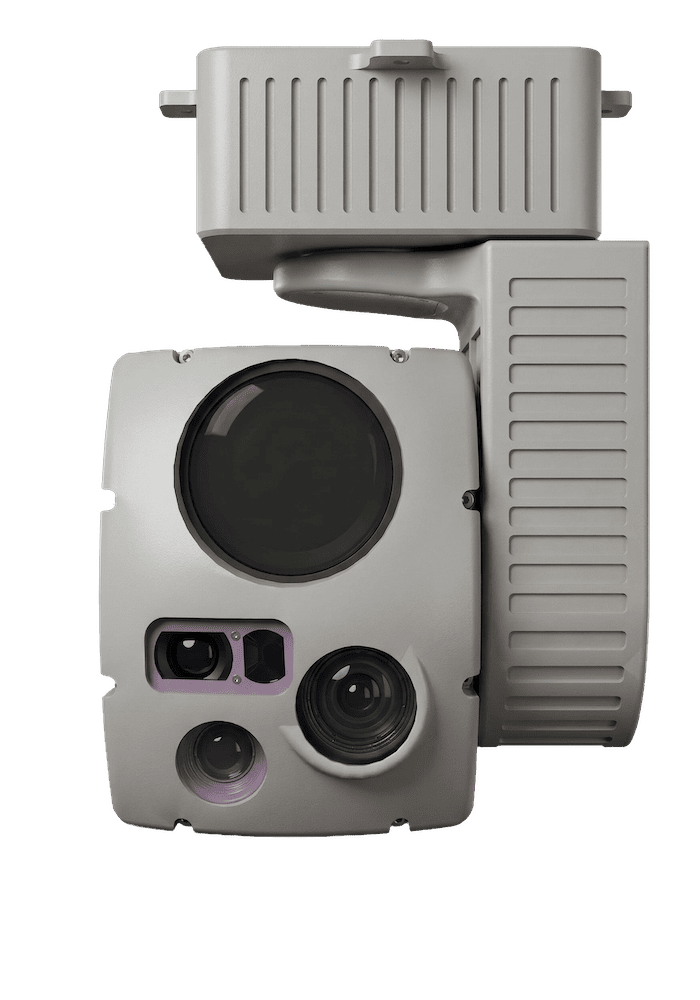


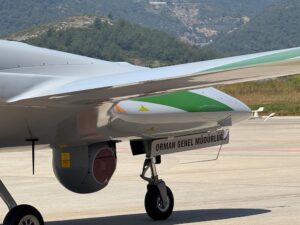
Cutting-Edge Unmanned Systems, Counter-UAS Solutions, and UxV Technology for the Modern Battlefield


Advanced VTOL & Fixed-Wing UAVs | State-Of-The-Art Technologies for Unmanned & Autonomous Aircraft


UAV Gimbal Payloads - EO & EO/IR Drone Camera Gimbals for Tactical UAS

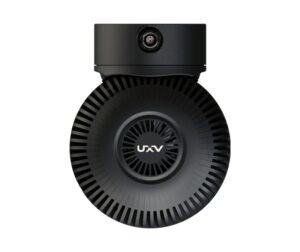
Pioneering Ground Control Stations (GCS), Gimbals & Tactical Solutions for Unmanned Systems & Defense Robotics

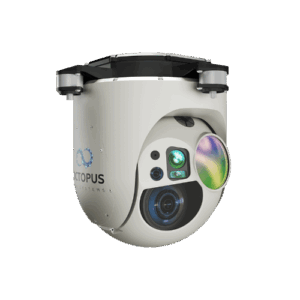
Long-Endurance Fixed-Wing & Hybrid VTOL UAVs | UAV Payload Camera Systems | Power Systems

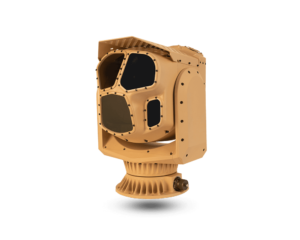
Software-Enabled Gyro-Stabilized Gimbal Systems for UAVs, Unmanned Systems, & Counter-Drone Applications


Miniature Two-Axis Gyro-Stabilized EO/IR Payloads for Commercial & Defense Applications

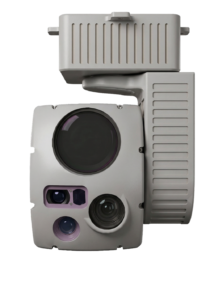
UAV Gimbal Payloads & Video Processing Solutions – Multi-Sensor EO/IR Drone Camera Solutions

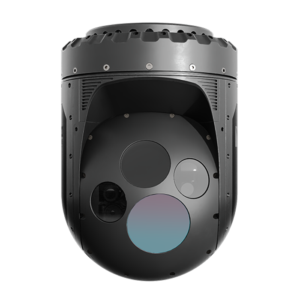
Multi-Sensor Imaging Gimbals, Searchlights and VMS Software for Air, Land & Maritime Platforms

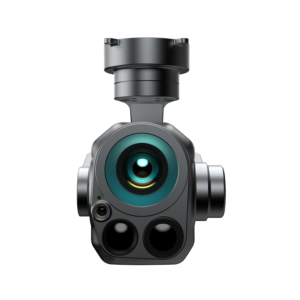
Stabilized Camera Gimbals & Multi-Sensor Payload Systems for Unmanned Aerial Operations



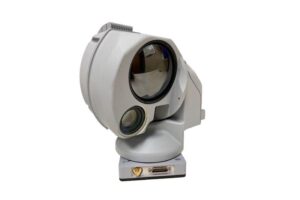
Cutting-Edge Electro-Optical & Infrared Imaging Gimbals for Advanced UAV ISR & Targeting


Advanced Imaging & Sensor Autonomy for Time-Critical Airborne Intelligence Missions



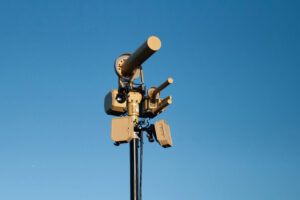
Electro-Optical Surveillance and Video Processing for Unmanned Systems & Counter-Drone Applications

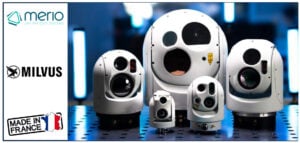

If you design, build or supply EO/IR Gimbals, create a profile to showcase your capabilities and connect with visitors who have an active requirement for your solutions.
No products available No products available from suppliers based in . View products from all territories
Compare key specifications of selected EO/IR gimbals for drones and UAVs. This table brings together manufacturer-reported data on payload weight, physical dimensions, visible and thermal imaging, and environmental protection.
Specifications are manufacturer-reported and may vary by model or configuration.
| Make / model | Weight (kg) | Dimensions (mm) | EO Resolution | IR Resolution | IP Rating |
|---|---|---|---|---|---|
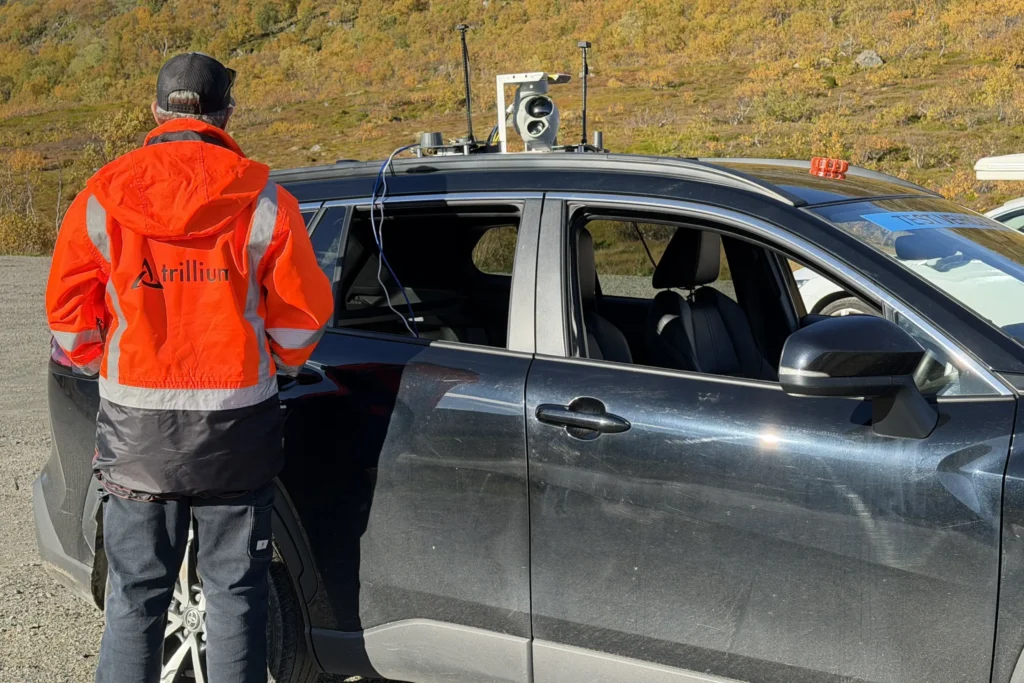
| Trillium Engineering HD59-MLVS | 2.05 kg | 147 × 202 (W × H) | 1920 × 1080 | MWIR 1280 × 1024; LWIR 640 × 512; SWIR 640 × 512 | IP65 |
| Austars Model INYYO Q355 | Unknown | Unknown | 1920 × 1080 | 1280 × 1024 | Unknown |
| UXV Technologies Optroxa GMB 550 | 550 g | Unknown | 2048 × 1536 | LWIR 640 × 480 | IP65 |
| ASELSAN ASELFLIR-500 | 52 kg ±5% | 480 × 520 (W × H) | 4096 × 2880 | MWIR 1280 × 1024; SWIR 1280 × 1024 | Unknown |
| CACI International CM102 | Under 900 g | Ø100 × H150 | 1920 × 1080 | LWIR 1280 × 1024 | IP65; IP67 (optional) |
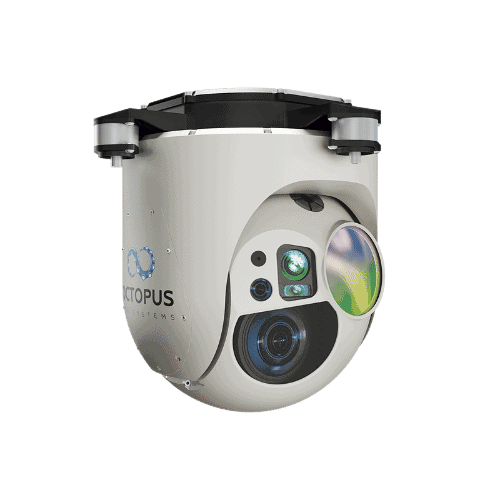
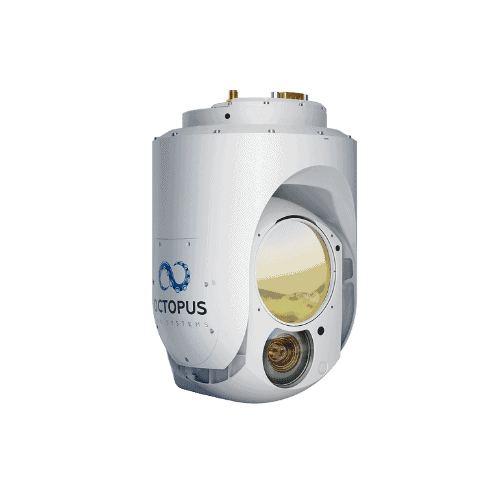
| Redwire Octopus E180 | 3.75 kg | Ø180 × H227 | 3840 × 2160 | Cooled MWIR 640 × 512 | Unknown |
| Velox by Nanomotion Velox EO/IR Payload | 430 g | Ø71 × H130 | 12.3 MP | LWIR 640 × 512 | IP54 |
| Blitz Technology SPECTRUM 800 PLUS | 950 g | Ø168 × H113 | 1920 × 1080 | 640 × 512 | IP66 |
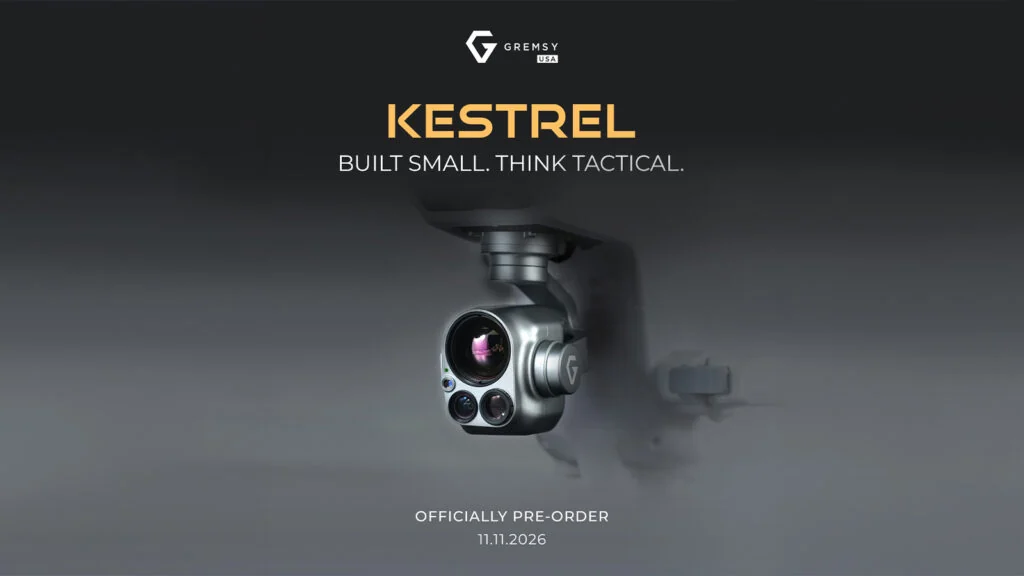
| Gremsy KESTREL | 200 g | 56 × 77 × 86 (D × H × W) | 1280 × 720 | 640 × 512 | IP54 |
| UAVOS GOS-155D/T | 1.8 kg | Ø157 × H200 | 1280 × 720 | LWIR 1280 × 1024 | IP65 |
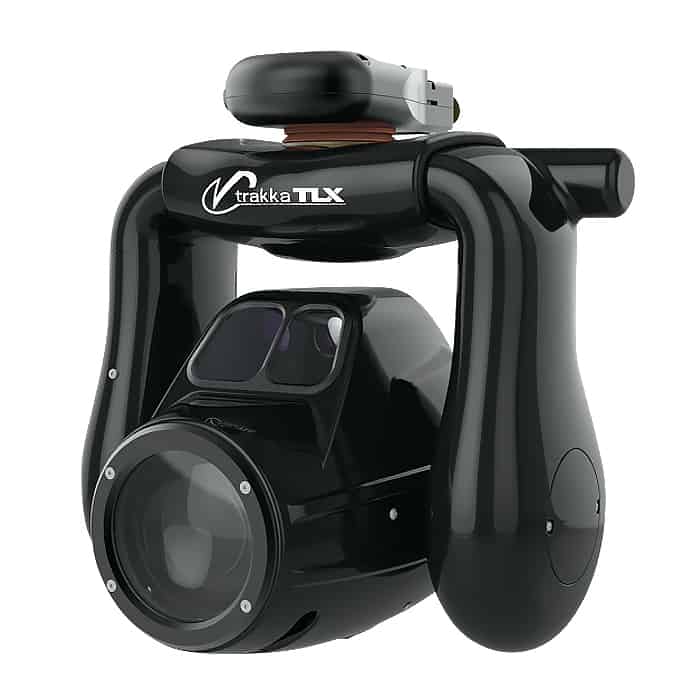
| Trakka Systems TrakkaCam TC-300 Gen II | Unknown | Unknown | HD EO | Multispectral IR | Unknown |
| Aerora Technology DR64TR | 262 g | 101 × 110 × 90.64 (W × H × D) | 64 MP (still); 3840 × 2160 (video) | 640 × 512 | IP54 camera; IP44 enclosure |
| Vertigo Global ISTAR120 | 1.4 kg | Unknown | 1920 × 1080 | Unknown | Unknown |
| Leonardo DRS STAG-8-MLD | Under 5.44 kg | Ø196.85 × H279.4 | 1920 × 1080 | MWIR 1280 × 960; SWIR 640 × 480 | IP54 |
Notes: “Unknown” = not confirmed by the manufacturer information used.

Electro-optical (EO) and infrared (IR) thermal imaging is utilised within drone and unmanned systems targeting and tracking systems, often developed for surveillance, security and defense applications.

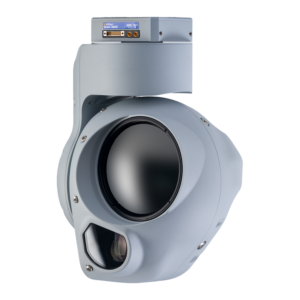
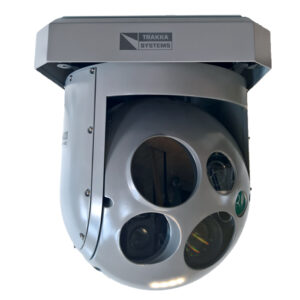
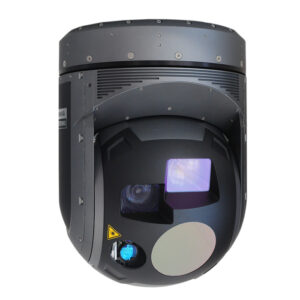
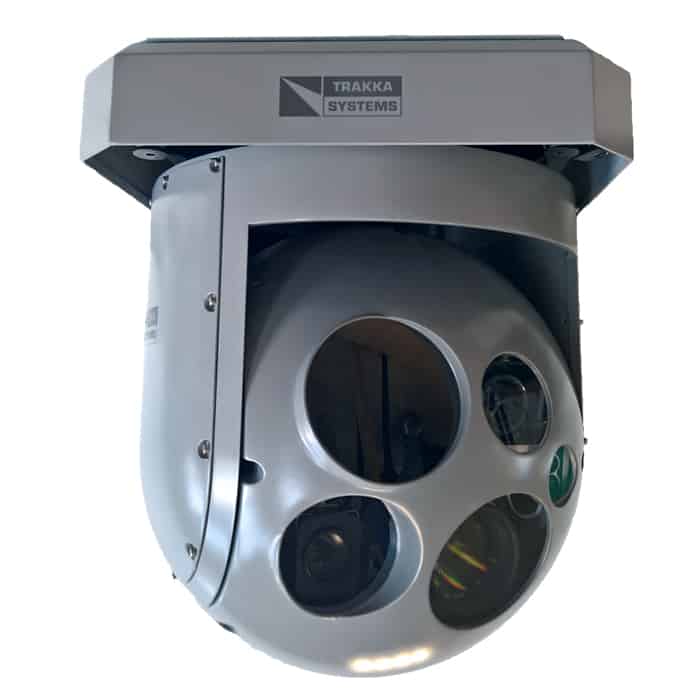
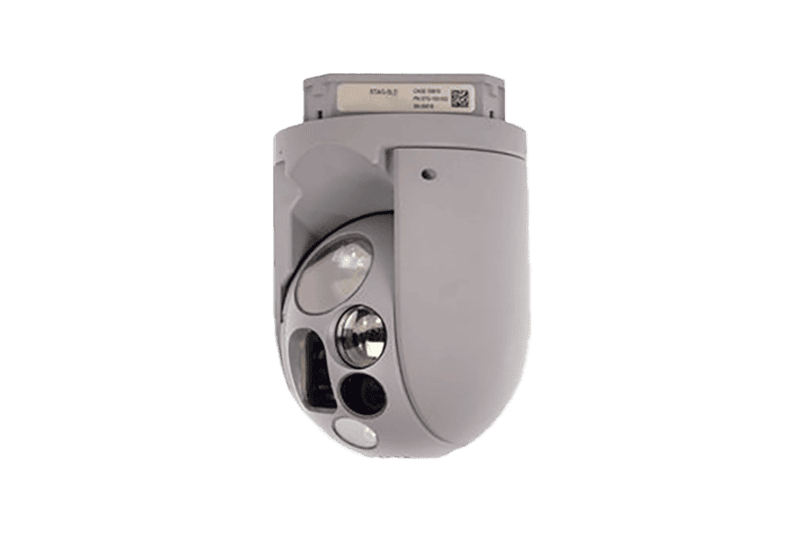
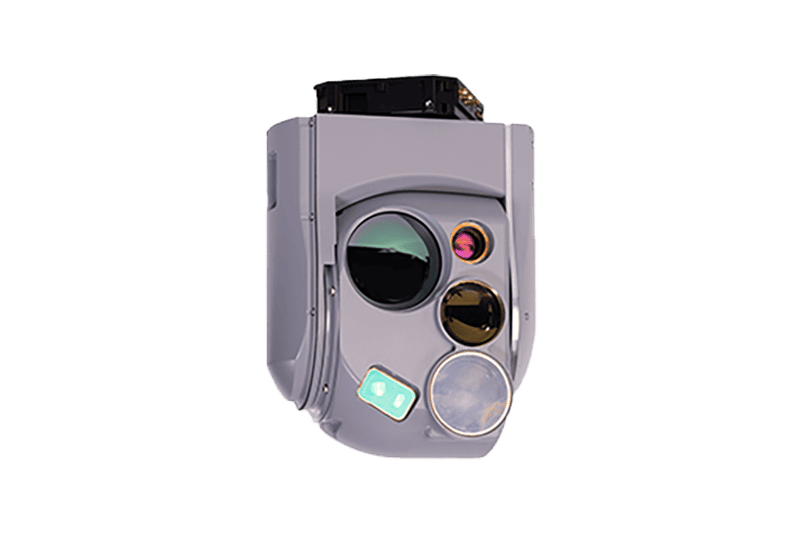
TrakkaCam TC-375 Drone EO/IR Gimbal by Trakka Systems
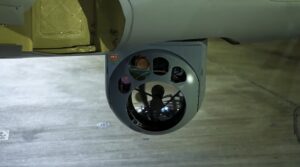
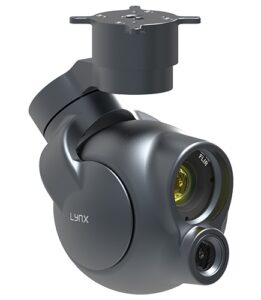
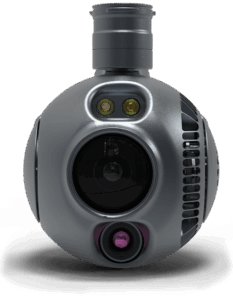
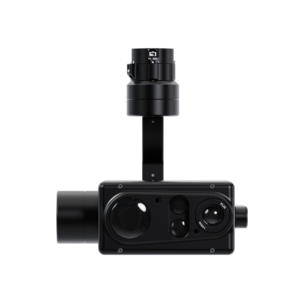
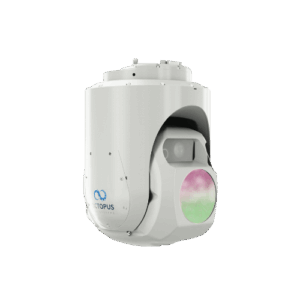
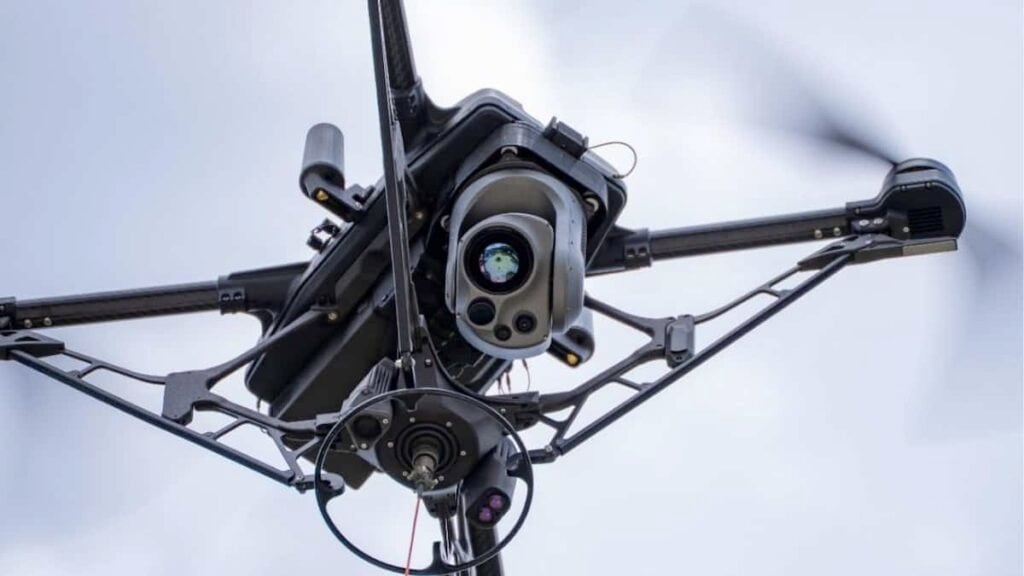
EO/IR gimbal payloads are manufactured for UAVs (unmanned aerial vehicles), drones and unmanned vehicles (including USVs and UGVs) as well as fixed-site installations.
Applications for EO/IR gimbals fitted to unmanned systems include; counter-drone measures, unmanned aerial and ground vehicle observation, surveillance and targeting, coastal and border patrol, and security.
EO/IR sensors and camera systems are suited to a broad spectrum of unmanned aerial platforms, including VTOL multirotor UAVs, fixed-wing and hybrid UAVs, as well as tethered drones, aerostats and balloons. In addition they can be fitted to fixed site installations, unmanned ground vehicles (UGV) and unmanned surface vehicles USV).

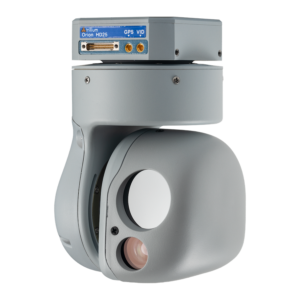
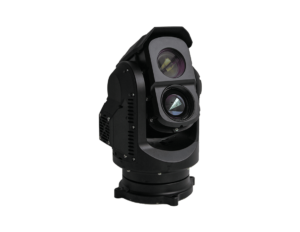
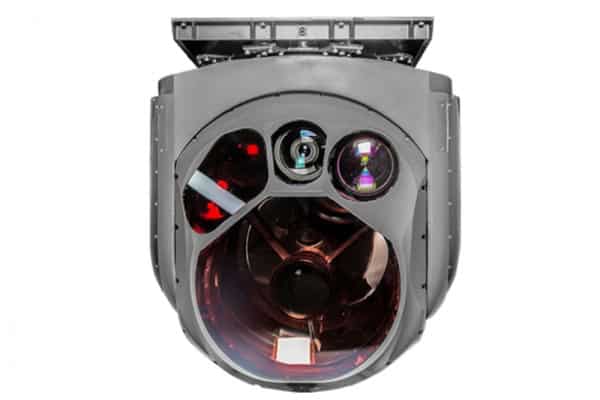
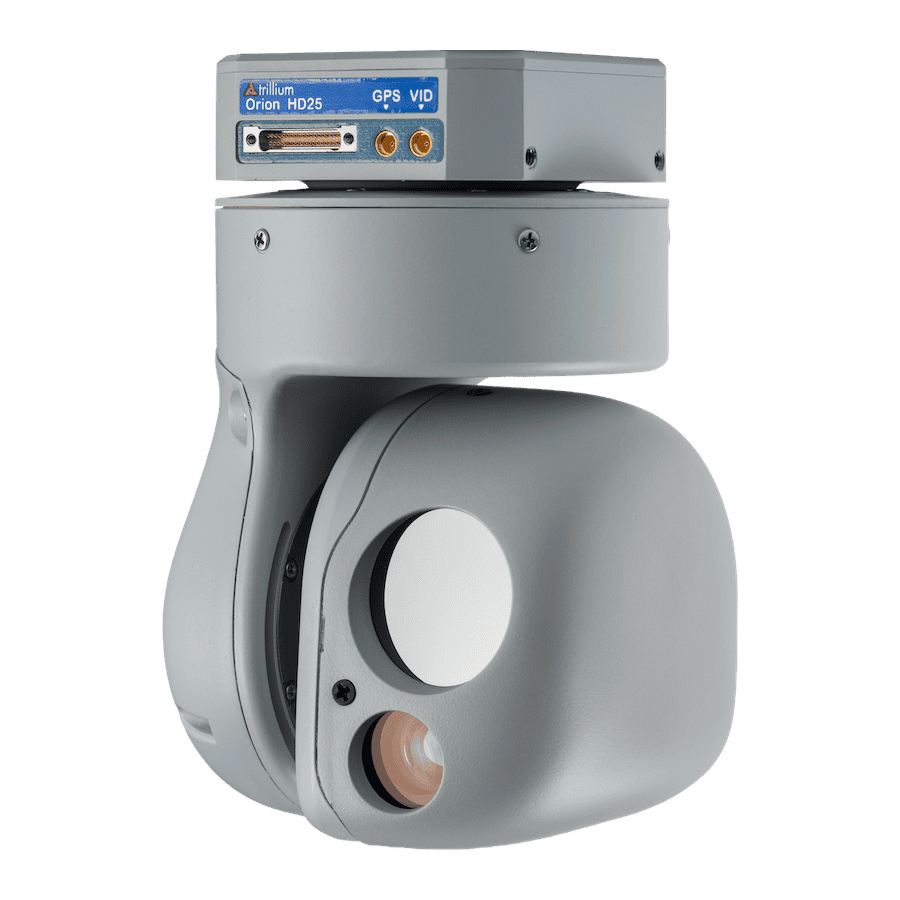
HD45 Drone EO/IR Gimbal by Trillium Engineering
Developed for short, medium and long-range aerial missions, EO/IR gimbal payloads for UAVs are designed to meet a variety of SWAP (Size Weight and Power) requirements. Often miniature EO/IR gimbals are engineered for specific mission types and conditions, for example daytime, night-time and tactical operations. Lightweight and easy to mount, they can be efficiently swapped out depending on drone and/or mission requirements.
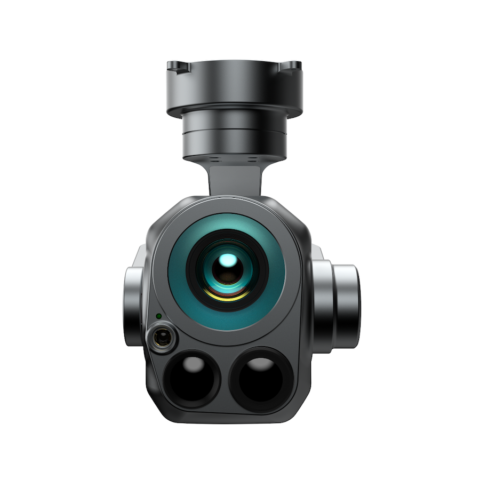
EO/IR gimbal camera systems can contain a variety of cameras and sensors, such as single and double Field of View (FOV) cameras, daytime and night-time sensors, thermal imaging cameras, CCD sensors, and various strength optical zoom cameras.
Complete EO/IR gimbal camera systems can also house high-definition video tracking, target tracking and image enhancement and processing capabilities. Multi sensor gimbal payload systems enable users to select a range of cameras and sensors unique to individual mission requirements and can be deployed onboard a broad selection of fixed-wing UAVs, unmanned helicopters, UGVs and USVs.
Depending on the type and maximum payload capacity of the UAV or unmanned system, gyro-stabilized EO/IR gimbals can have 2, 3 or 4 axis:

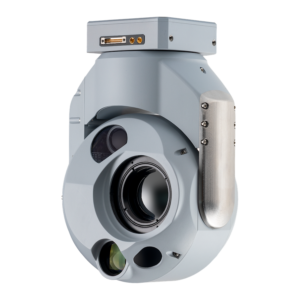
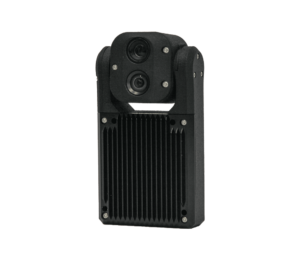
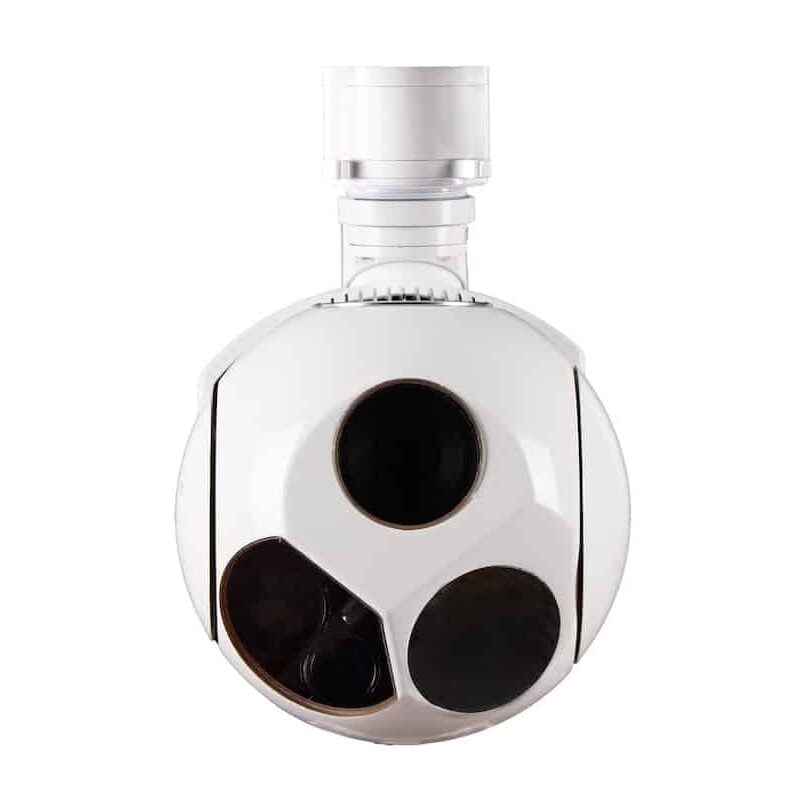
PTS-80AD EO/IR Payload by Austars Model
Gyro-stabilized EO gimbals can be fitted, alongside a variety of LWIR (longwave infrared), MWIR (medium wave infrared), SWIR (shortwave infrared) and NIR (Near infrared) thermal cameras.
Used for detection, recognition and identification of aerial, land-based and maritime targets, gyro stabilized EO/IR gimbals form a critical part of unmanned surveillance systems. Capable of real-time, short, medium and long-range detection, they are used for ISTAR (Intelligence, Surveillance, Targeting and Reconnaissance), as well as counter-UAS and anti-drone defenses, and search and rescue operations.
EO/IR gimbal payloads, cameras and sensors are also used onboard industrial inspection drones, UAVs used for mapping, survey, aerial inspection and environmental monitoring.
Identification performance at the required operating distance matters more than zoom magnification alone. Relevant specifications include visible and thermal resolution, lens focal length, field of view, and stabilization performance. Range figures should relate to defined target sizes and conditions, since detecting a subject does not establish whether the resulting image provides enough detail to identify it.
The better choice depends on the imaging performance required and the drone’s integration limits. Cooled cameras can offer advantages for demanding sensitivity and imaging requirements, while uncooled cameras generally avoid the complexity and maintenance associated with cryogenic cooling. Compare complete payload configurations, including optics, power consumption, startup time, and installed weight, rather than assuming either detector type is always preferable.
A laser rangefinder is worth including when measured distance supports a mission requirement, such as locating an observed subject or determining its distance from the aircraft. For observation tasks that do not require range data, the additional capability may offer less value. Selection should account for usable measurement range, camera alignment, and the added weight, power demand, and integration requirements.
Continuous rotation is useful when the camera must follow a subject through repeated changes in bearing without reaching a pan limit and reversing direction. A limited-travel gimbal may be sufficient for a defined viewing sector. The aircraft’s installed viewing envelope still matters, since the fuselage, wings, or landing gear can obstruct an otherwise unrestricted gimbal.


 Searching Companies & Products