


Showcase your capabilities
If you design, build or supply LWIR Cameras, create a profile to showcase your capabilities and connect with visitors who have an active requirement for your solutions.




LWIR cameras and sensors detect thermal radiation in the 8–14 µm long-wave infrared spectrum, enabling drones and UAVs to capture imagery based on heat rather than visible light. These thermal imaging systems support surveillance, inspection, navigation, and situational awareness in low-visibility environments. Solutions include cooled detectors for long-range observation and compact uncooled modules designed for size-, weight-, and power-constrained unmanned platforms. Long-wave infrared imaging enables UAV operators to detect heat signatures, identify objects, and maintain situational awareness in darkness, smoke, and other degraded visual conditions.
Read the Technology Overview
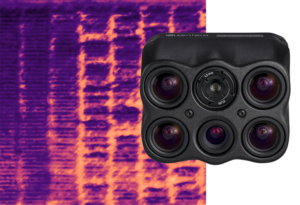
High-Performance Remote Sensing Solutions for Delivering Accurate Aerial Insights

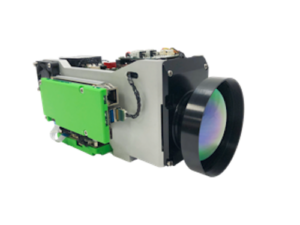
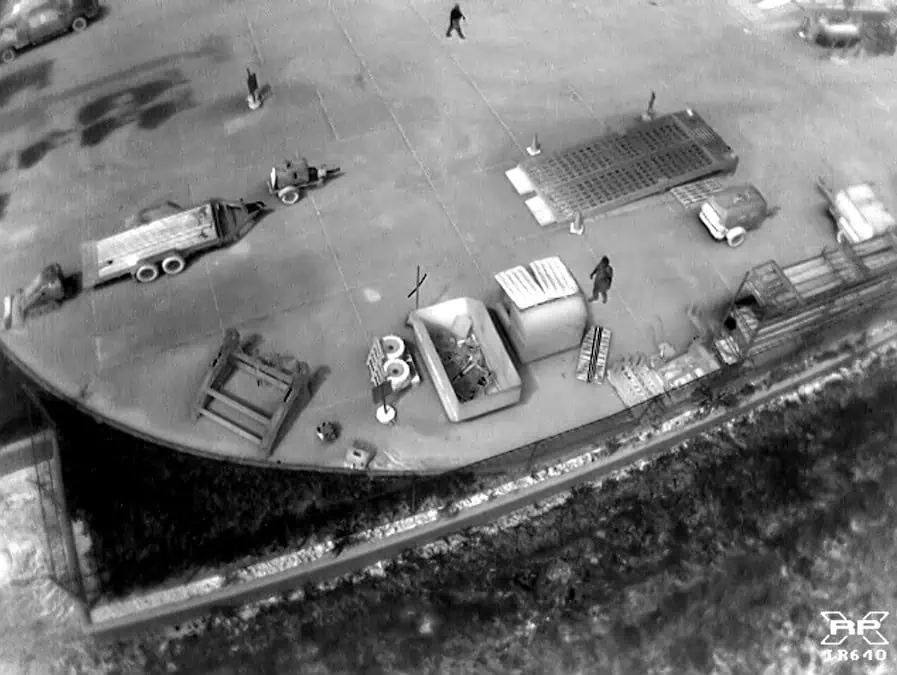
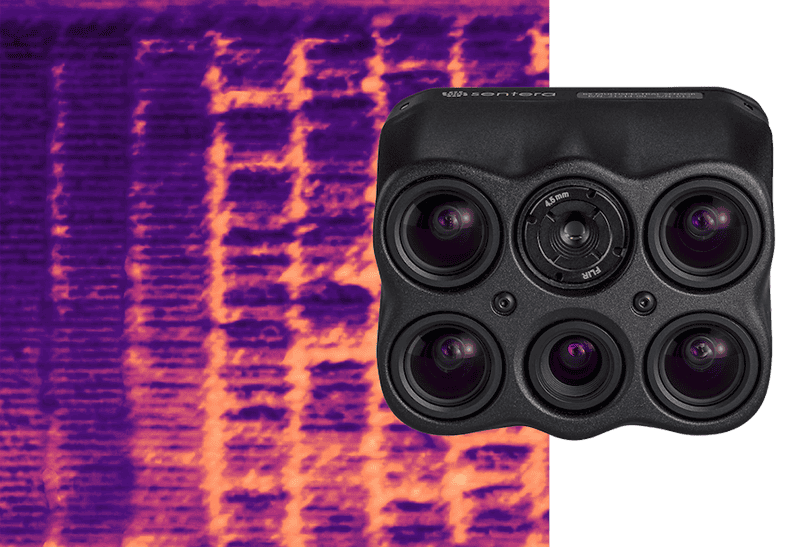
High-Performance Infrared Cameras & Cores for Surveillance & Monitoring with Drones & Robotics

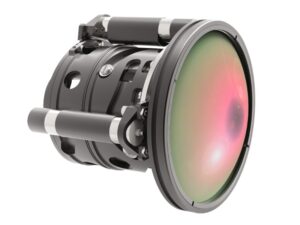
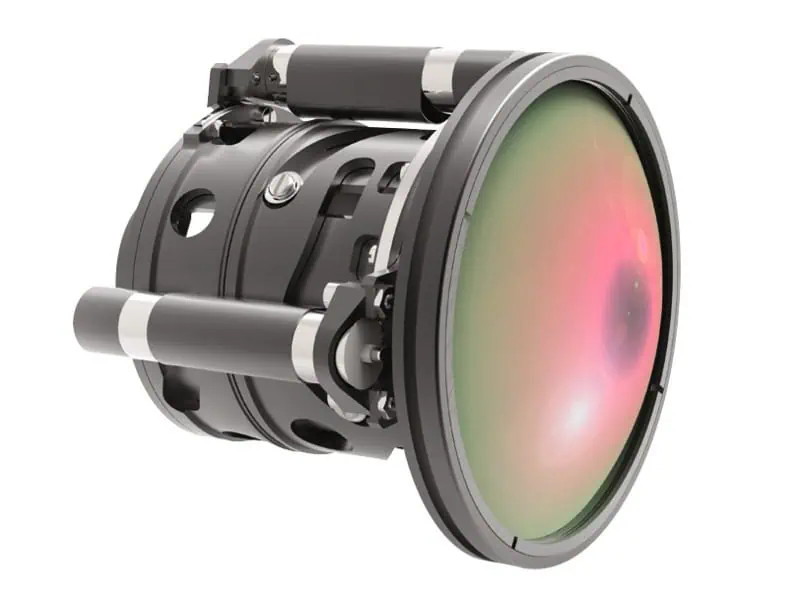
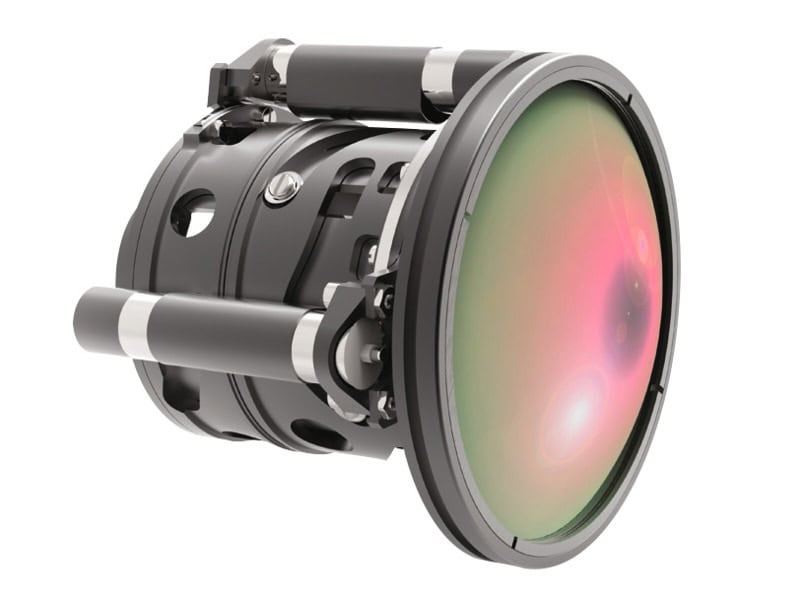
High Performance Infrared Zoom Lenses for UAVs and Drones: Low-SWaP, Extended-Range, Ruggedized Lenses

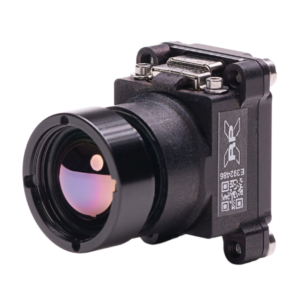
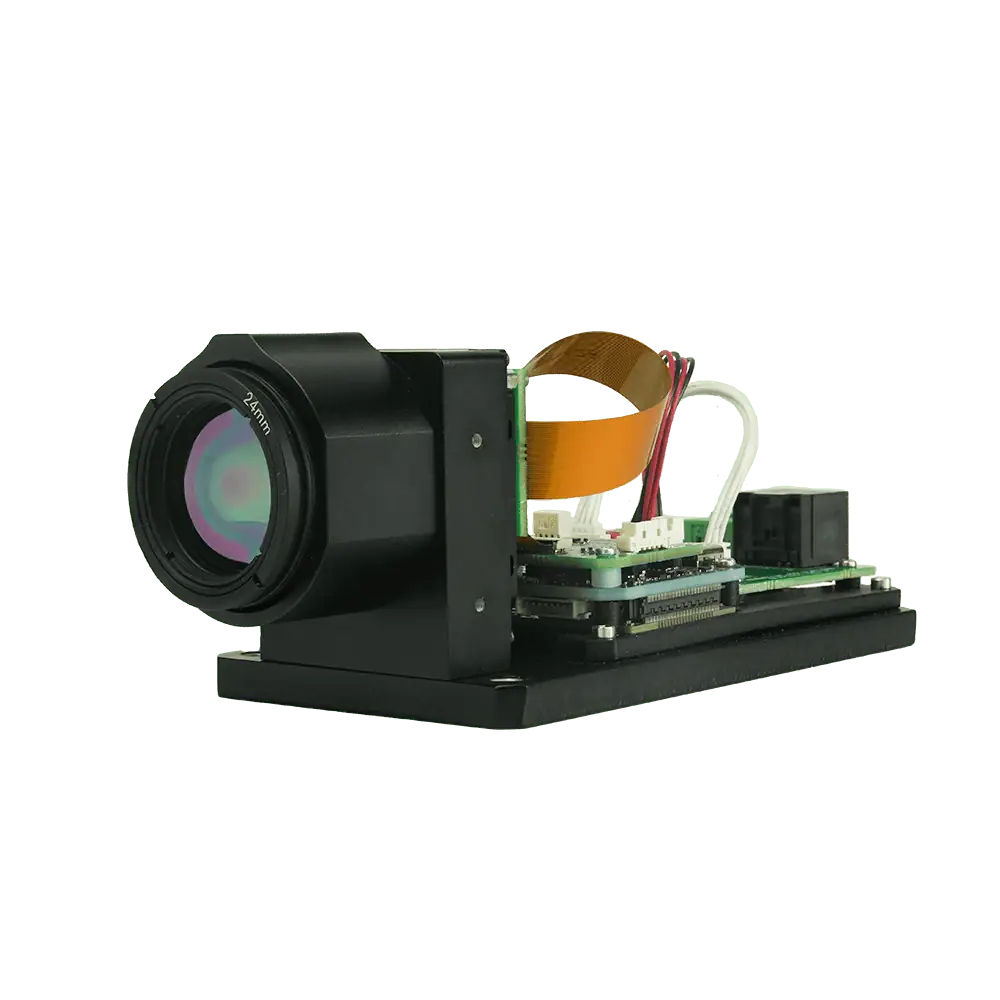
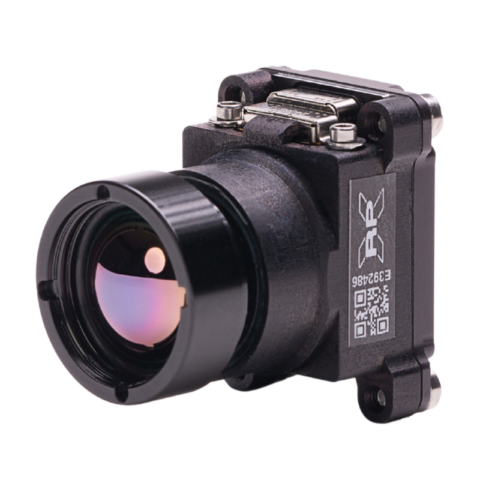
Ultra-Low-SWaP Thermal Imaging Cameras & Cores for UAVs & Unmanned Systems

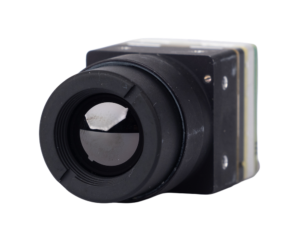
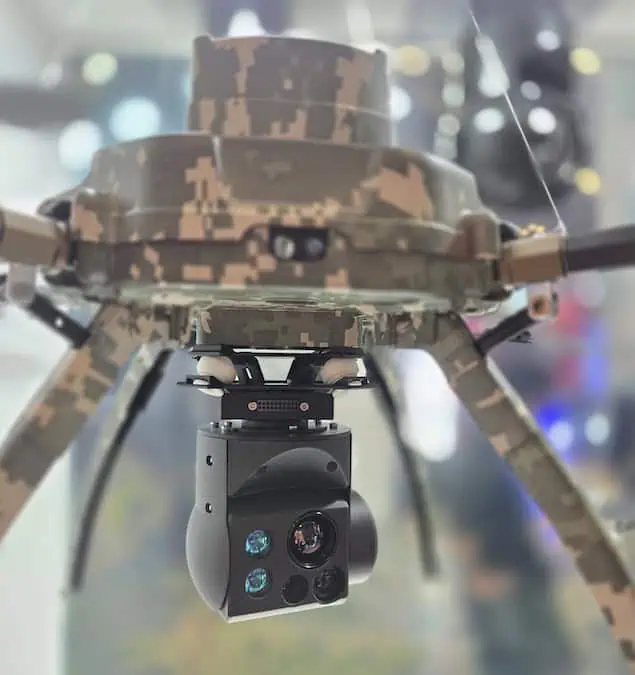
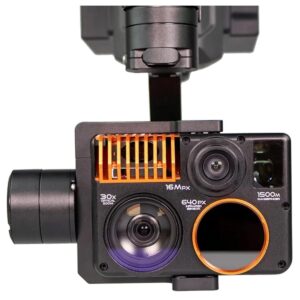
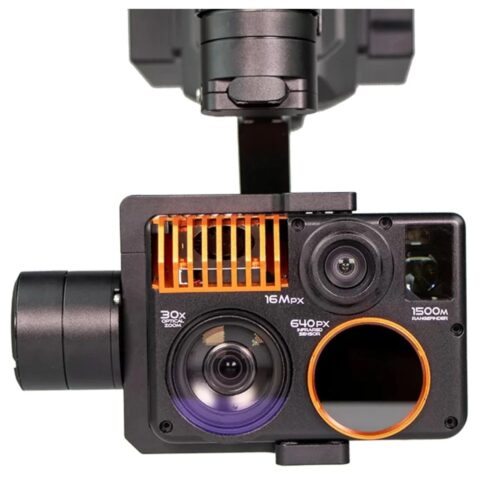
Cutting-Edge Electro-Optical & Infrared Imaging Gimbals for Advanced UAV ISR & Targeting

If you design, build or supply LWIR Cameras, create a profile to showcase your capabilities and connect with visitors who have an active requirement for your solutions.

LWIR (long-wave infrared) cameras are thermal imaging devices that function within the 8 to 14-micron wavelength band of the electromagnetic spectrum, and detect infrared radiation naturally emitted by objects, rather than reflected light. This capability enables precise thermal visualization under total darkness, dense smoke, or environmental obstructions such as fog and dust, conditions that regularly compromise the performance of visible-spectrum cameras.
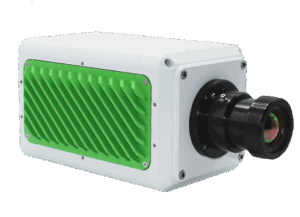
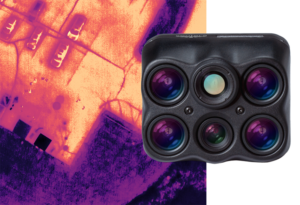
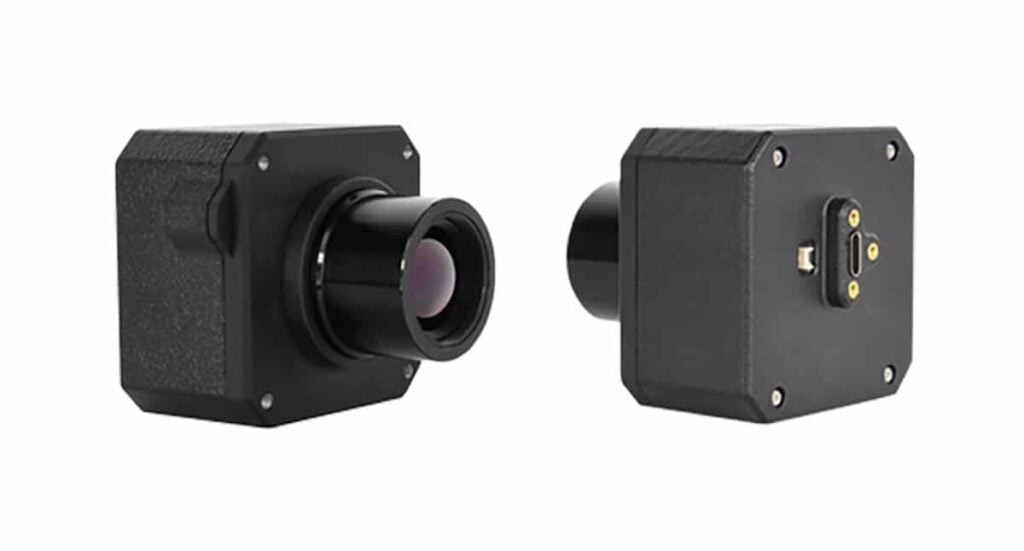
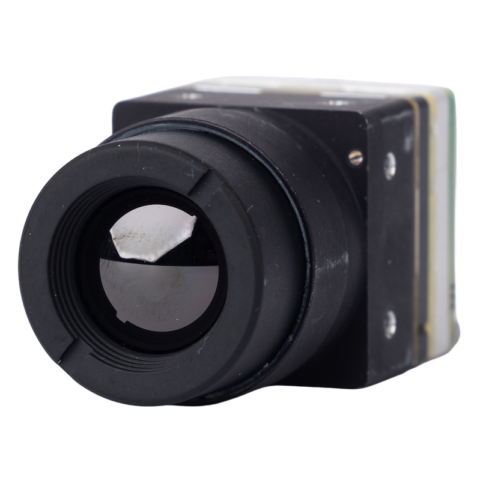
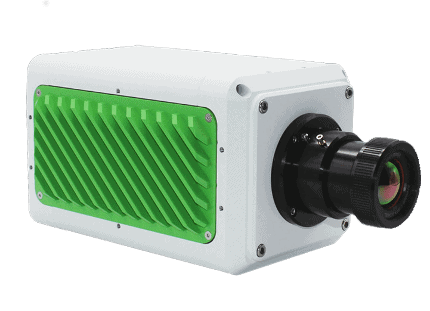
NoxCam-Pola Infrared Camera by Noxant
A wide variety of unmanned systems applications utilize the capabilities of long wave infrared cameras to achieve enhanced situational awareness. Whether used in small tactical drones, long-endurance ISR (intelligence, surveillance, and reconnaissance) UAVs, UGVs, or USVs (unmanned surface vessels), LWIR imaging plays a central role in navigation, targeting, threat detection, and environmental analysis.
LWIR cameras extend the operational capabilities of drones and robotics far beyond what is possible with traditional visible-spectrum imaging. Their ability to identify thermal signatures allows unmanned systems to operate effectively in degraded visual environments, expanding mission scope and survivability. For drone and UAV operations, these thermal sensors support tasks such as infrastructure inspection, search and rescue, perimeter monitoring, wildfire response, and industrial safety.

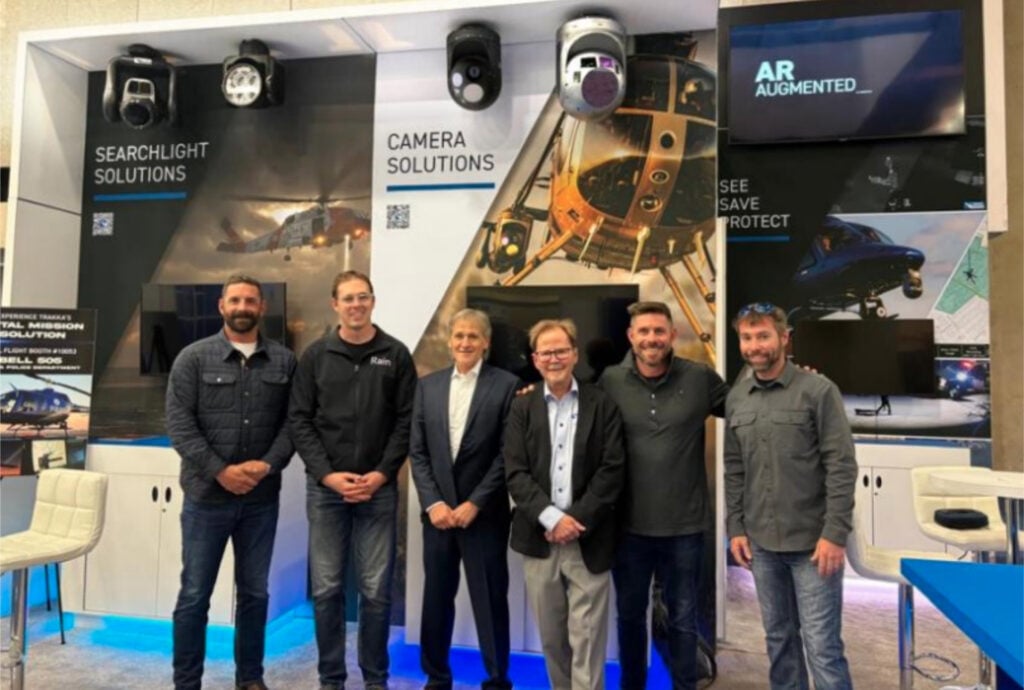
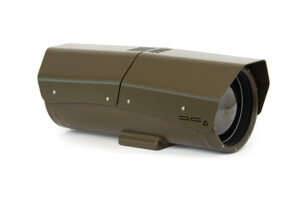
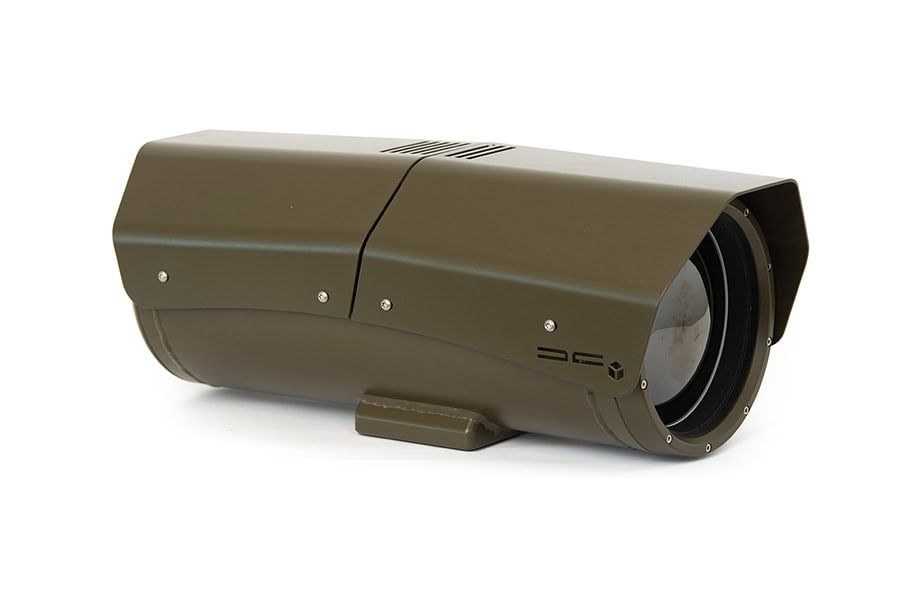
TrakkaBeam TLXc by Trakka Systems
For unmanned aerial systems, LWIR sensors are integrated into EO/IR gimbals, fixed forward-looking installations, or modular payload bays. Tactical drones employ these cameras for surveillance, reconnaissance, and threat monitoring, providing real-time thermal data to operators or onboard computing systems. In ISR missions, cooled LWIR cameras are favored for their ability to detect distant heat signatures, making them vital for border patrol, early-warning systems, and counter-insurgency operations.
Smaller multirotor drones often use uncooled LWIR modules for rapid thermal mapping, rooftop inspections, fire monitoring, and life-sign detection in disaster zones. These lightweight sensors enable compact UAVs to conduct detailed surveys of energy infrastructure, locate survivors in SAR (search and rescue) operations, and support first responders in challenging urban or forested environments.
In unmanned ground vehicles, long wave infrared cameras enhance terrain navigation and obstacle detection, particularly in night-time or GPS-denied conditions. They are commonly mounted as forward-looking sensors or perimeter monitors on robotic platforms used for perimeter security, route clearance, and mine detection. Cooled LWIR systems assist in identifying thermal anomalies beneath surfaces or behind barriers, capabilities essential for EOD (explosive ordnance disposal) and counter-IED (improvised explosive device) tasks.
Smaller UGVs and robotic sentries equipped with uncooled LWIR sensors support persistent surveillance, facility monitoring, and patrol functions without the need for artificial illumination, minimizing detectability and power consumption.
For maritime systems such as USVs operating in coastal or low-visibility maritime environments, LWIR cameras provide critical imaging capabilities in situations where moisture, low light, and variable temperatures may challenge standard sensors. Thermal imaging allows for detection of human presence in water, identification of heat-emitting vessels, and monitoring of infrastructure such as offshore platforms and undersea pipelines.
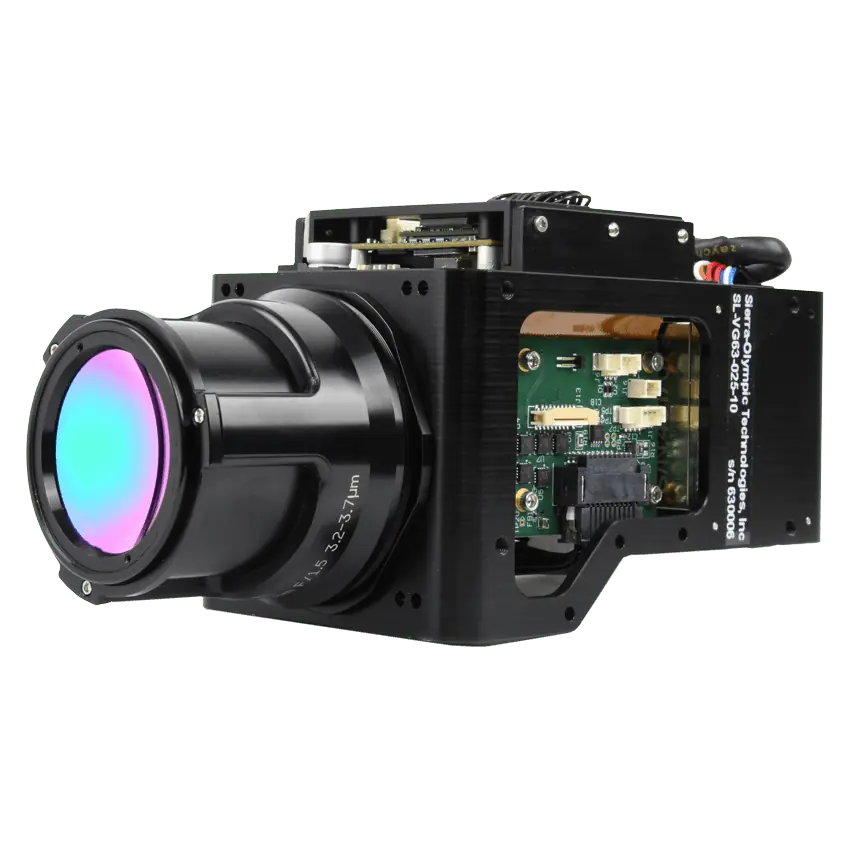
LWIR sensors are broadly divided into cooled and uncooled technologies, each suited to different mission requirements. Cooled LWIR cameras use cryogenic detectors such as mercury cadmium telluride (MCT) or indium antimonide (InSb) to minimize thermal noise, enabling extremely high sensitivity and long-range detection. This performance makes them ideal for high-altitude surveillance, defense, and scientific imaging, though their refrigeration systems increase size, cost, and maintenance requirements.
Uncooled LWIR cameras use microbolometer sensors made from vanadium oxide (VOx) or amorphous silicon (a-Si). These sensors operate without active cooling, enabling compact, rugged, and lower-power systems suited to drones, autonomous robots, inspection platforms, and long-duration unmanned missions.
Recent advances in LWIR sensor design have enabled lighter, more compact units with enhanced onboard processing, increased frame rates, and smart analytics. These improvements facilitate seamless integration into UAV autopilots, robotic navigation suites, and multi-sensor payloads. Real-time image stabilization, object recognition, and thermal tracking algorithms allow autonomous platforms to classify targets, adjust paths dynamically, and operate safely in congested or hostile environments.
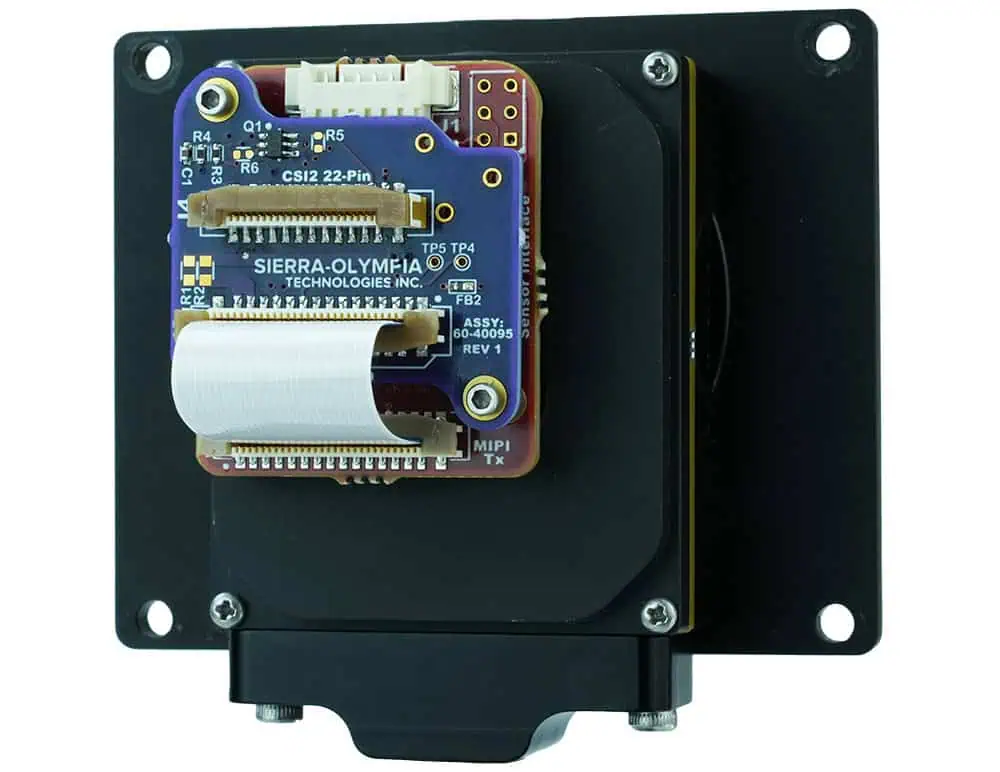
Interface compatibility with Gigabit Ethernet, MIPI CSI-2, or USB 3.0 ensures fast data throughput, while robust environmental housings protect optics from the levels of vibration and shock and extreme temperature fluctuations found in many environments.


 Searching Companies & Products