

Leading Global Suppliers

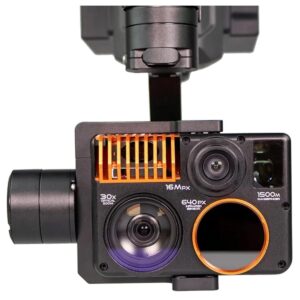
Thermal Cameras for Drones

Thermal imaging sensors provide critical situational awareness for unmanned platforms by detecting long-wave infrared radiation in environments where visible-light optics fail.

This category details leading providers and manufacturers of thermal drone camera solutions, including gimbal systems, uncooled LWIR modules and high-definition MWIR cores. Our sourcing guide explores the technical considerations for specifying a thermal camera for drone systems within unmanned air, land, and sea applications.

Read the Technology Overview

Suppliers of Thermal Cameras

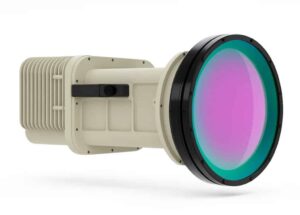
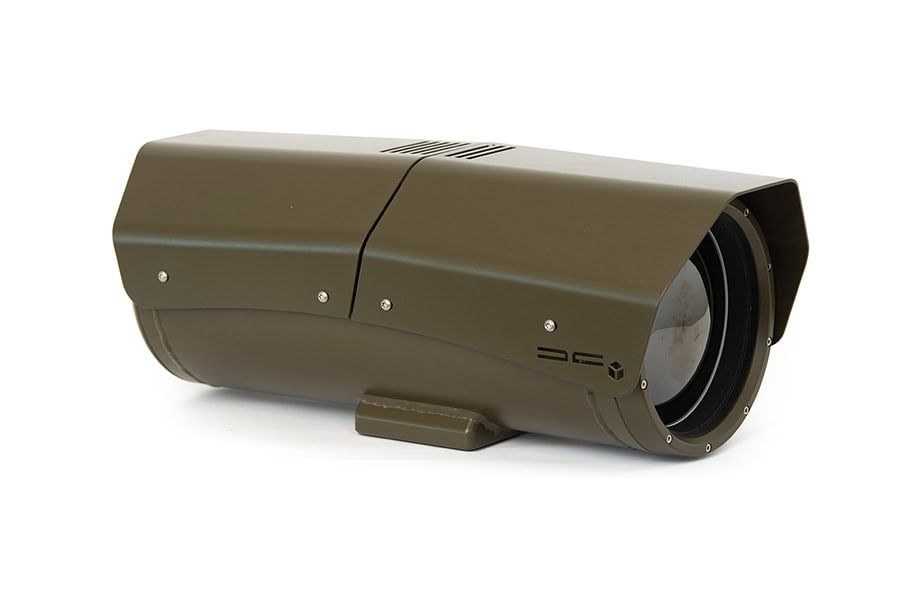
DAT-CON
DAT-CON

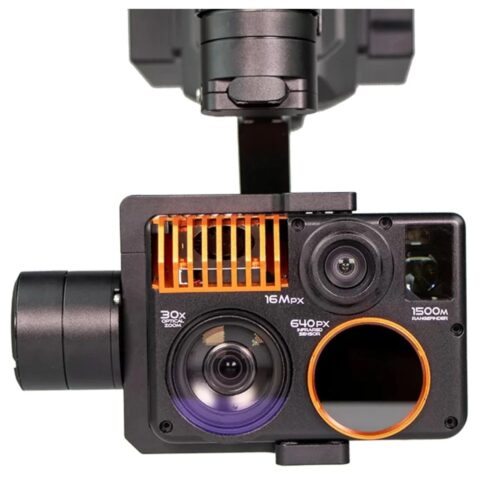
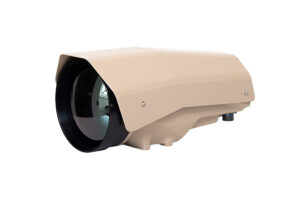
Camera and Imaging Solutions for Daytime and Night-time C-UAS

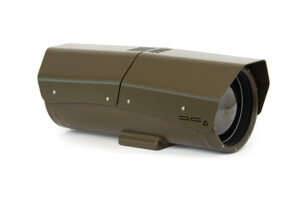
Sentera Sensors & Drones

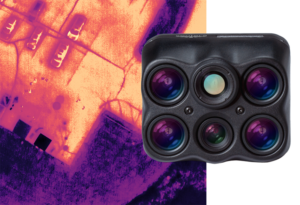
High-Performance Remote Sensing Solutions for Delivering Accurate Aerial Insights

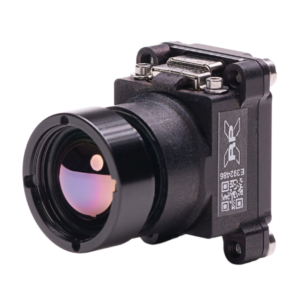
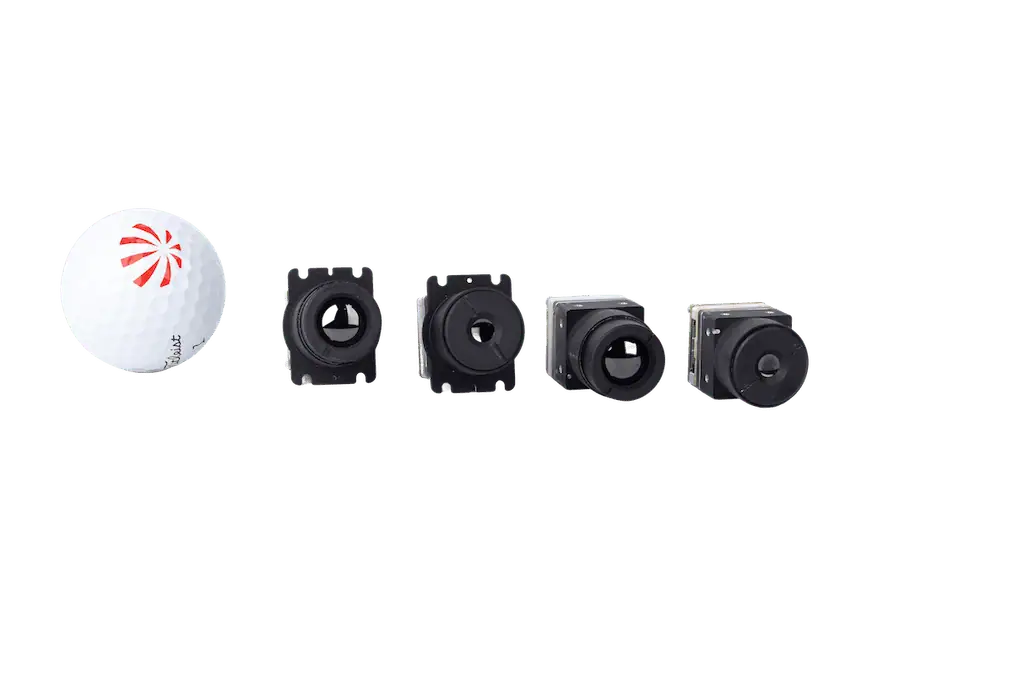
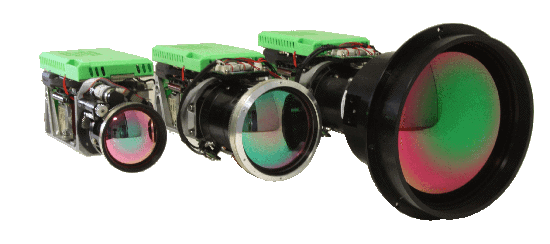
Noxant
Noxant

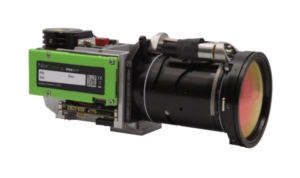
High-Performance Infrared Cameras & Cores for Surveillance & Monitoring with Drones & Robotics

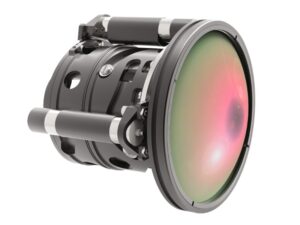
MKS-Ophir
MKS-Ophir

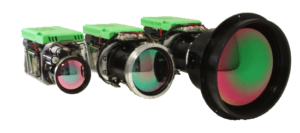
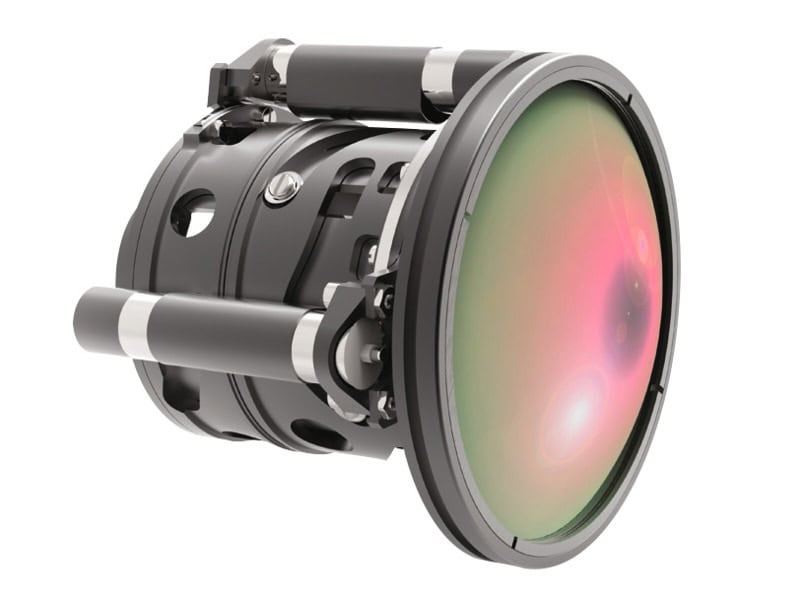
High Performance Infrared Zoom Lenses for UAVs and Drones: Low-SWaP, Extended-Range, Ruggedized Lenses

Showcase your capabilities

If you design, build or supply Thermal Cameras, create a profile to showcase your capabilities and connect with visitors who have an active requirement for your solutions.


Create Supplier Profile

Thermal Camera Solutions

11 Cutting-edge Solutions
Add your solutions
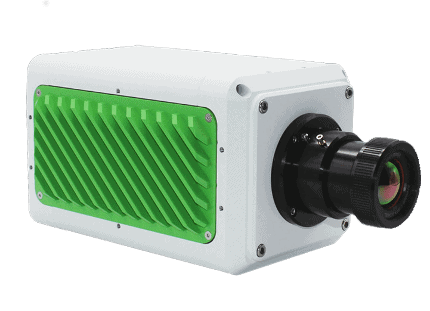
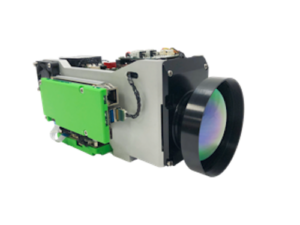
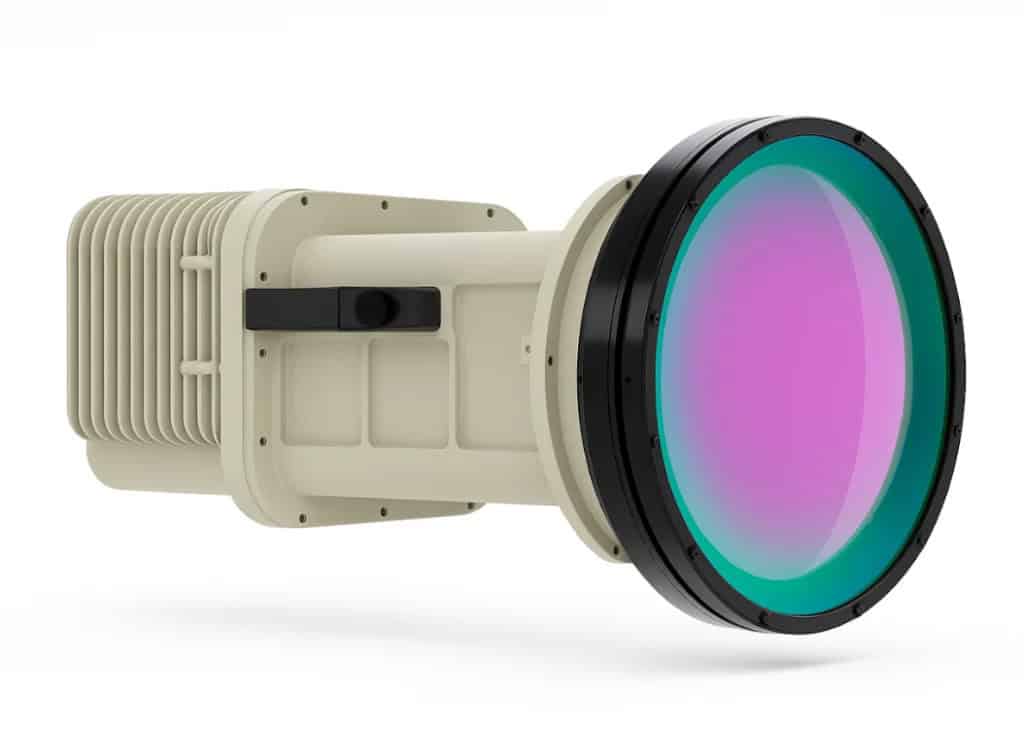
KAMU 900mm SXGA 10µm

Long-range MWIR thermal camera for unmanned ISR and security platforms

Long-range MWIR thermal camera for unmanned ISR and security platforms
...0mm SXGA 10µm thermal camera is engineered to simplify integration while delivering long-range...
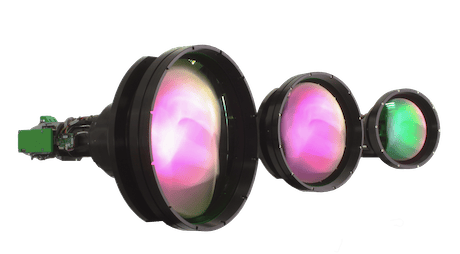
LightIR 15-75 mm f/1.2

Low-germanium LWIR zoom lens for aerial thermal imaging systems

Low-germanium LWIR zoom lens for aerial thermal imaging systems
...gh-performance thermal imaging in size-, weight-, and power-constrained unmanned platforms. ...
Uncooled SWIR Thermal Cameras

Long-range SWIR systems for enhanced imaging performance

Long-range SWIR systems for enhanced imaging performance
... uncooled SWIR cameras offer long-range capabilities with zero maintenance, operating on a...
Uncooled LWIR Thermal Cameras

LWIR imaging systems with excellent sensitivity & image stability

LWIR imaging systems with excellent sensitivity & image stability
...series of LWIR thermal imaging cameras utilize an ultra-reliable un-cooled Vanadium Oxide (VOx)...
Cooled MWIR Thermal Cameras

Long-range MWIR systems for high-performance detection, recognition & identification

Long-range MWIR systems for high-performance detection, recognition & identification
...series of MWIR thermal imaging cameras utilize cutting-edge focal plane array technology for...
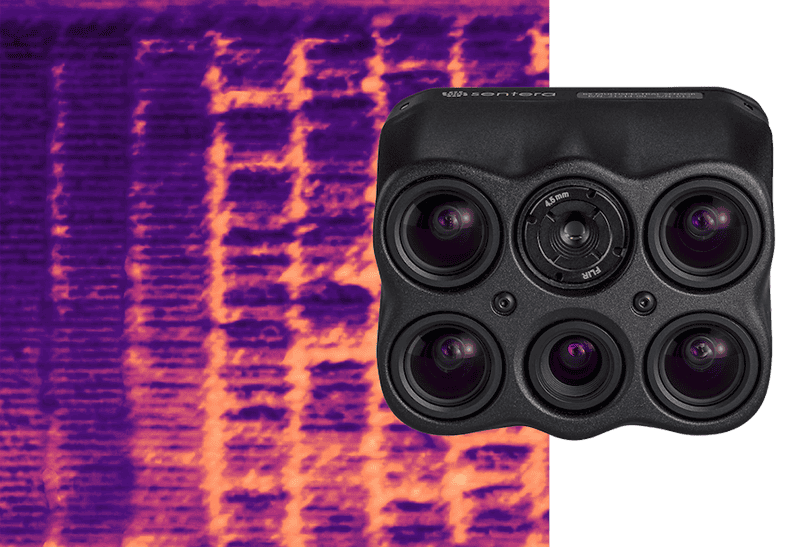
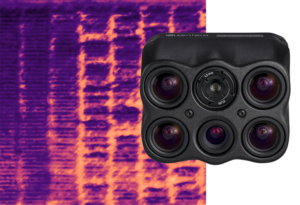
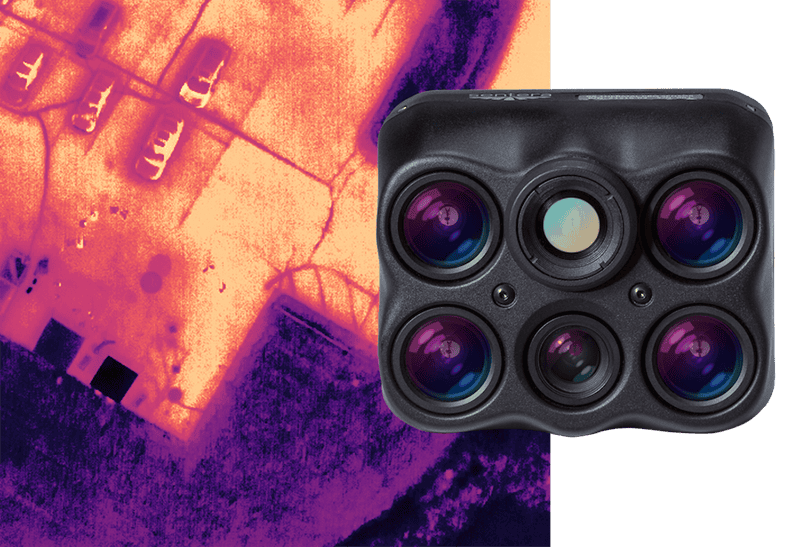
6X Thermal
6X Thermal

Synchronized Thermal, Multispectral, and High-Resolution RGB Imagery in One Flight

Synchronized Thermal, Multispectral, and High-Resolution RGB Imagery in One Flight
... FLIR Boson320 thermal imager, the 6X Thermal ensures precise data. Its ultra-lightweight, gimballed... ...DSM/Elevation, Thermal...
6X Thermal Pro
6X Thermal Pro

Synchronized multispectral, high-resolution RGB, and advanced thermal data in a single flight

Synchronized multispectral, high-resolution RGB, and advanced thermal data in a single flight
...0 radio metric thermal imager, the 6X Thermal Pro delivers four times the resolution of the 6X... ...DSM/Elevation, Thermal...
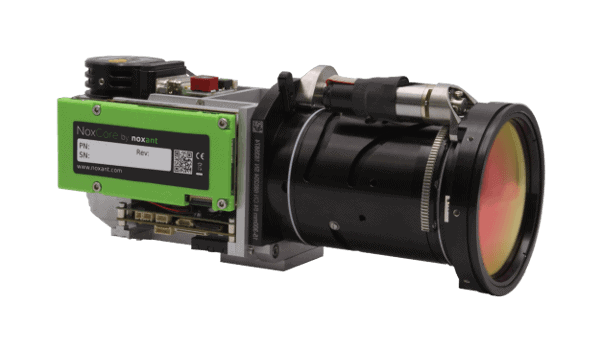
Noxcore HD MWIR Camera Core

High-definition infrared camera cores with larger field of view

High-definition infrared camera cores with larger field of view
... MWIR infrared camera core designed to provide unmatched surveillance and security capabilities for...
NoxCore F4 Infrared Camera Core

SD infrared camera cores for surveillance & security

SD infrared camera cores for surveillance & security
...mance infrared camera core designed to provide cutting-edge surveillance and security capabilities...
NoxCore Vision Infrared Camera Core

Compact SD infrared camera cores for system integrators

Compact SD infrared camera cores for system integrators
...mance infrared camera cores are designed to provide cutting-edge surveillance and monitoring...
NoxCore LW LWIR Camera Core

LWIR camera cores for infrastructure inspection

LWIR camera cores for infrastructure inspection
...mance infrared camera cores has been specifically designed to provide cutting-edge radiometric...

Sourcing & Procurement Guide: Thermal Cameras for Unmanned Systems - Air, Land and Sea

Sarah Simpson

Updated:

Thermal imaging earns its keep when visible-light sensors fail: darkness, smoke, haze, camouflage, or low-contrast scenes where heat signatures provide the only reliable cue. However, a thermal camera for a drone is not a single commodity. Engineers are sourcing a complex optoelectronic stack: the sensor core, lens assembly, processing electronics, mechanical packaging, and interfaces.

Practical field performance depends on integration details such as latency, vibration isolation, and gimbal tuning just as much as headline specifications like resolution or Noise Equivalent Temperature Difference (NETD). This guide is intended to help procurement teams convert vendor datasheets into system-level requirements, acceptance criteria, and RFQ language that reduces integration risk. Use the supplier directory at the top of this page to shortlist, then apply the technical criteria below to align the chosen thermal imaging module with platform constraints and mission success metrics.

Platform-Specific Applications

UAVs and Aerial Platforms

UAV thermal imaging payloads are governed by strict SWaP-C constraints and stabilization requirements. Multirotor platforms often prioritize close-range inspection and precise pointing, where a standard 640 x 512 resolution thermal camera module typically provides the optimal balance of performance and weight. Fixed-wing UAVs, conversely, often focus on wide-area search and patrol. This necessitates longer focal lengths and higher pixel density, scaling from VGA up to an SXGA thermal camera module for missions requiring high-resolution wide-area persistent surveillance and long-range target discrimination.

A frequent integration hurdle involves electromagnetic interference (EMI) and power transients from Electronic Speed Controllers (ESCs) and high-current buses. These anomalies often manifest as image noise or intermittent system reboots. Because the thermal camera payload effectively functions as a sensitive compute node, engineers must specify exact input voltage ranges and inrush current limits. Verification of stable operation under representative UAV power ripple ensures the system remains resilient against the electrical noise generated by the platform’s propulsion motors.

UAV Engineering Checkpoints:

  • Frame Rate and Latency: Critical for tracking loops and gimbal control.
  • Optics: Lens FOV versus altitude to maintain required Ground Sample Distance (GSD).
  • Mass Properties: Ensure the mechanical interface allows the gimbal controller to tune without oscillation.

UGVs and Ground Robotics

UGVs often operate within thermally complex environments, characterized by natural clutter like vegetation or man-made features such as heated asphalt and industrial infrastructure. A primary operational hurdle is thermal crossover, where the temperature of the target and the background equalize, rendering the target invisible to the sensor. To mitigate this, engineers must specify a thermal imaging camera module with sophisticated Automatic Gain Control (AGC) and high dynamic range to extract subtle contrast in low-delta-T scenes.

Mechanical failure remains the primary risk for ground-based systems. Shock and vibration from tracks, curbs, or off-road terrain can defocus optics or loosen mounts. Engineers should specify vibration limits and qualify modules using platform-representative profiles rather than generic bench tests. UGVs also benefit from sensor fusion: thermal is excellent for biological targets, while LiDAR handles geometric mapping. Prioritize deterministic timestamps to align the thermal data with other perception sensors for accurate spatial awareness.

UGV Engineering Checkpoints:

  • AGC Behavior: Stable image output under high thermal clutter.
  • Ruggedization: Connectors and strain relief must survive high-vibration environments.
  • Temperature Range: Must cover vehicle heat soak and extreme winter starts.

USVs and Maritime Surface Vessels

In maritime environments, thermal imaging is a navigation workhorse for spotting people in the water or small craft in heavy haze. The primary challenge is platform motion: heave, roll, and pitch can destroy range performance if stabilization is weak. Prioritize stabilization on the correct axes and confirm if the solution is optical, electronic, or a hybrid.

The environment is punishing. Salt spray and UV exposure attack housings and window coatings. IP-rated labels are insufficient: engineers require evidence of corrosion resistance through material selection and galvanic isolation. Note the Narcissus effect, where internal reflections of the cooled or uncooled sensor appear in the image, which must be mitigated in high-end maritime optics.

USV Engineering Checkpoints:

  • Corrosion Resistance: Use of marine-grade alloys and specialized coating specifications.
  • Sun-Glint Handling: Processing algorithms must manage thermal reflections without washout.
  • Maintenance: Plans for window cleaning as salt film rapidly reduces contrast.

Environmental and Mission Drivers

Thermal performance is context-driven. Humidity and fog reduce effective range, while rain cools surfaces and adds temporal noise. On high-ambient-temperature days, terrain can approach target temperatures, shrinking contrast.

Practical Detection, Recognition, and Identification (DRI) outcomes depend on NETD, lens aperture, pixel pitch, and scene contrast. An uncooled thermal camera with a high-quality lens often outperforms a higher-resolution core with inferior optics. Buyers must define DRI requirements as measurable outcomes: target type, speed, and required probability of detection under representative conditions like “foggy dawn” or “high heat shimmer.”

Technical Sourcing and Integration

Thermal Camera Core Parameters and Band Selection

Start by selecting the sensing band. LWIR is the standard for most UAV thermal imaging camera applications due to its passive nature and cost-effectiveness. MWIR excels in long-range or high-speed scenarios but introduces complexity via integrated cryocoolers.

Standardize these parameters in RFQs:

  • Resolution: 640×512 or SXGA (1280×1024) for high-definition requirements.
  • NETD: Sensitivity measured at stated conditions: typically <50mK.
  • Radiometry: Determine if the mission requires absolute temperature measurement per pixel or qualitative imagery.

Interfaces and Interoperability

Integration risk often hides in the interface. Ethernet/IP streaming simplifies wiring but adds latency. MIPI/CSI offers low-latency for embedded autonomy but requires complex driver development. Control protocols for a thermal imaging module should be scriptable via documented APIs or standard protocols like ONVIF or VISCA. For multi-sensor platforms, insist on hardware timestamps or PTP compatibility to ensure data alignment.

Ruggedization Standards

Ruggedization is a procurement filter. For defense and harsh industrial use, request evidence of MIL-STD-810 or Def Stan 00-35 environmental testing. Where electromagnetic compatibility is vital, look for MIL-STD-461 evidence. Ensure the thermal management path is credible: the camera’s own dissipation must not shift image characteristics or affect radiometric accuracy.

Selecting a Thermal Drone Camera Supplier

The supplier and solutions sections toward the top of this page feature leading global manufacturers of thermal cameras, with wide-ranging solutions built for challenging unmanned applications. This is the primary resource for qualifying vendors against specific mission or application requirements. Evaluate whether the offering is a stable, productized solution with revision control and a predictable firmware roadmap. Long-term programs should prioritize suppliers with clear obsolescence management plans and proven deployments in air, land, or sea environments.


Latest Thermal Camera News

Advanced Thermal Imaging Modules Unveiled at MWC Barcelona 2026

Raytron launches compact, high-performance thermal modules at MWC Barcelona 2026, expanding infrared sensing across industrial, commercial, and consumer applications, including inspection, smart devices, and mobile-integrated imaging solutions

Mar 27, 2026
Sierra-Olympia Presenting Thermal Imaging Cameras at Methane Mitigation Europe Summit

Sierra-Olympia is demonstrating its thermal imaging cameras for methane detection at the Methane Mitigation Europe Summit 2026, highlighting real-time detection, quantification, regulatory compliance, and multi-platform deployment

Jan 21, 2026
New Mid-Wave Infrared Camera Optimizes Airborne & Mobile Imaging with HOT Sensor Technology

The Ventus Micro 225 from Sierra Olympia Technologies utilizes a high operating temperature sensor to deliver extended cooler life and reduced vibration for demanding airborne missions

Dec 01, 2025
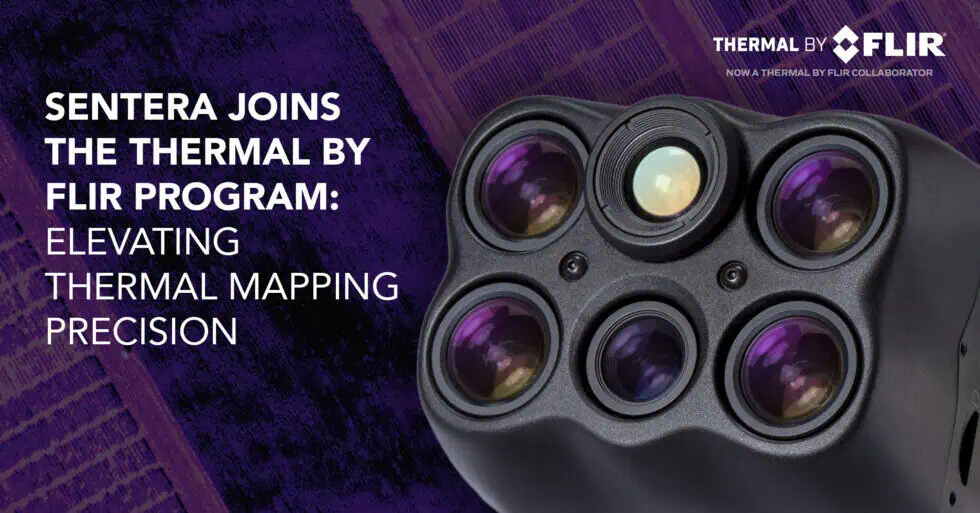
Developer of High-Precision Agricultural Sensors Joins the Thermal by FLIR Program

Sentera’s 6X Thermal Series, now part of the Thermal by FLIR program, delivers high-precision thermal imaging solutions for mapping, analysis, and diverse industry applications using unmanned aerial systems

Apr 02, 2025
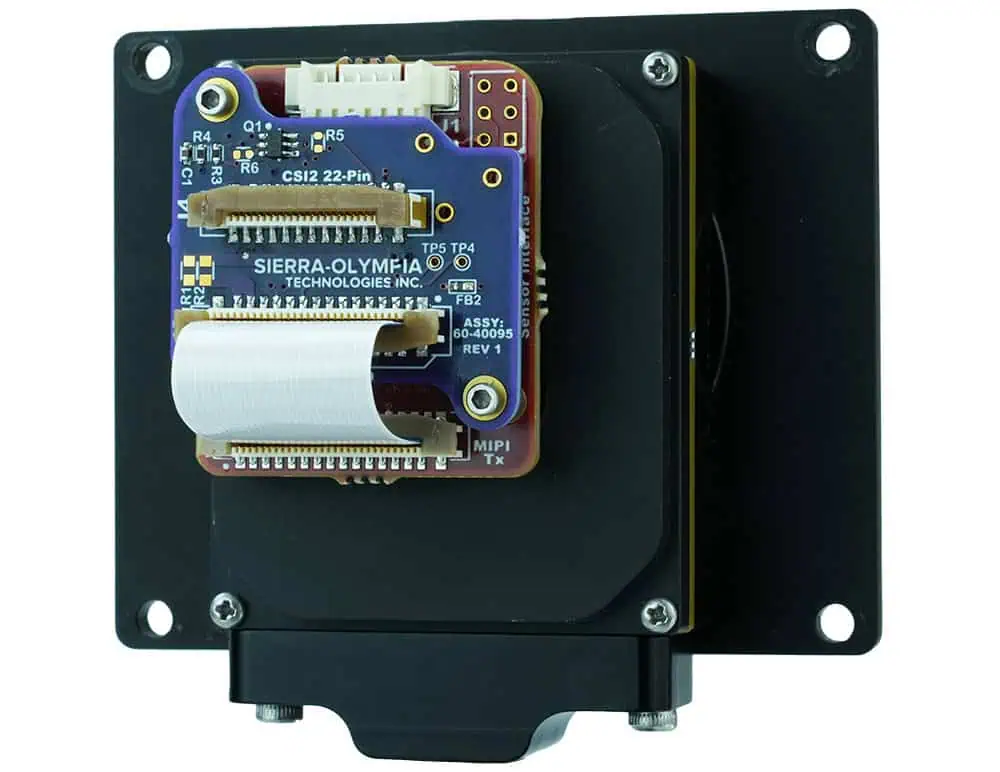
MIPI Interface Released for Infrared Drone Cameras

Sierra-Olympia Technologies is introducing the MIPI interface for its Viento HD10 and Viento 10 infrared drone cameras, offering enhanced video data transport for various platforms

Jan 27, 2025
Drone-Based OGI Camera Developed for Oil & Gas Inspection

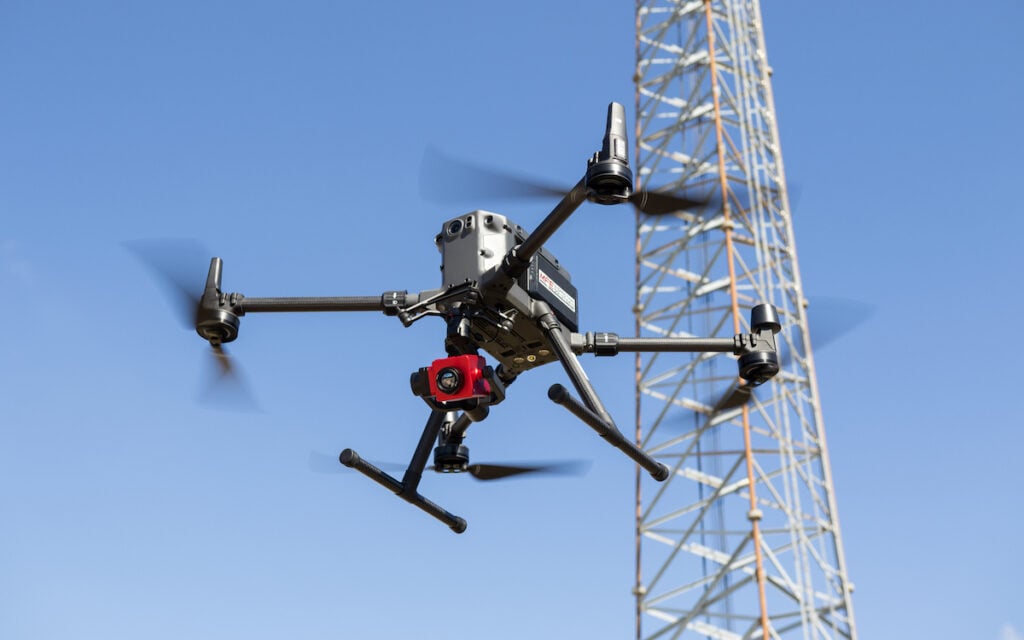
MFE Inspection Solutions has launched a drone-mounted OGI camera that complies with the EPA’s 40 CFR part 60 Appendix K requirements, compatible with the DJI Matrice 300 and 350

Dec 12, 2024
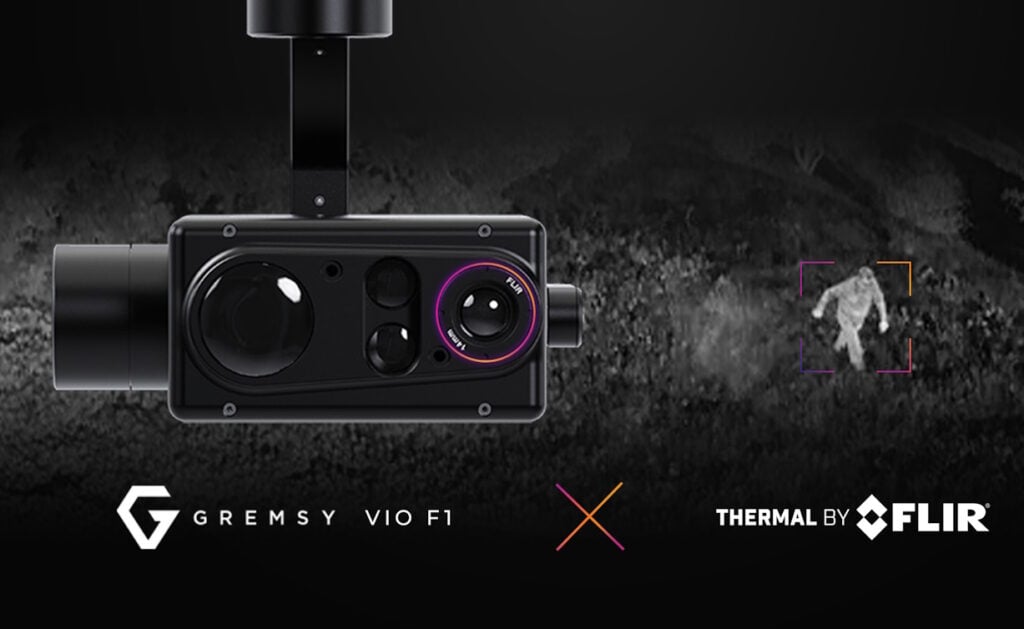
Gremsy Joins Thermal by FLIR OEM Program

Gremsy integrates Teledyne FLIR's Boson radiometric thermal camera module as part of its gimbaled NDAA-compliant Vio F1 drone payload

Dec 06, 2024
Dual Thermal-Visible Camera Series Expanded

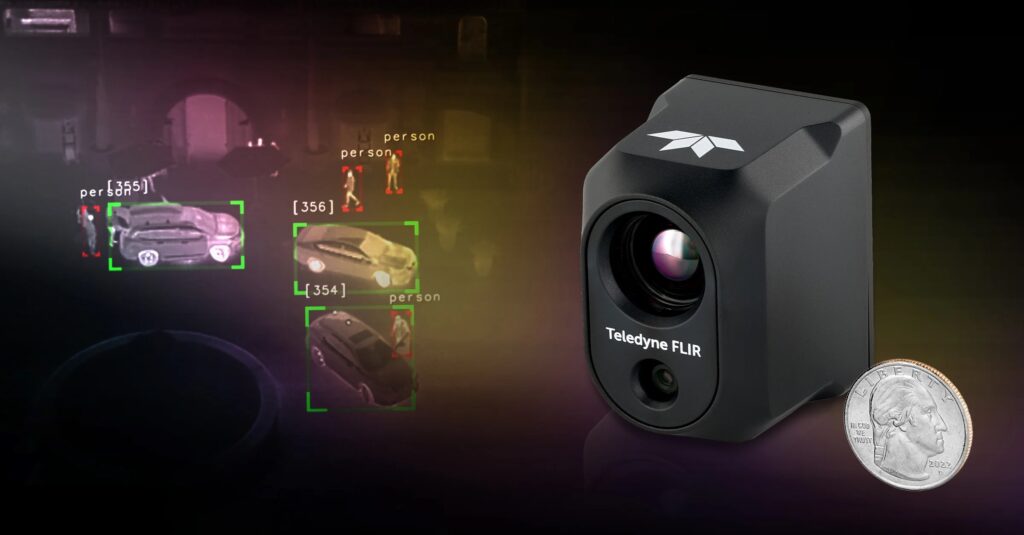
Teledyne FLIR’s next-gen Hadron 640 dual radiometric thermal and visible camera modules are SWaP optimized for integration into UAS, UGVs, robotic platforms, and AI applications

Jun 19, 2024
The Low-SWaP EOIR Camera for UAVs

Nanomotion outlines the capabilities and benefits of its Velox EOIR camera gimbal, a gyro-stabilized platform equipped with visible and thermal cameras for impressive clarity and stability

Jun 11, 2024
Advancing Unmanned Systems Through Strategic Collaboration UST works with major OEMs to foster collaboration and increase engagement with SMEs, to accelerate innovation and drive unmanned systems capabilities forward.