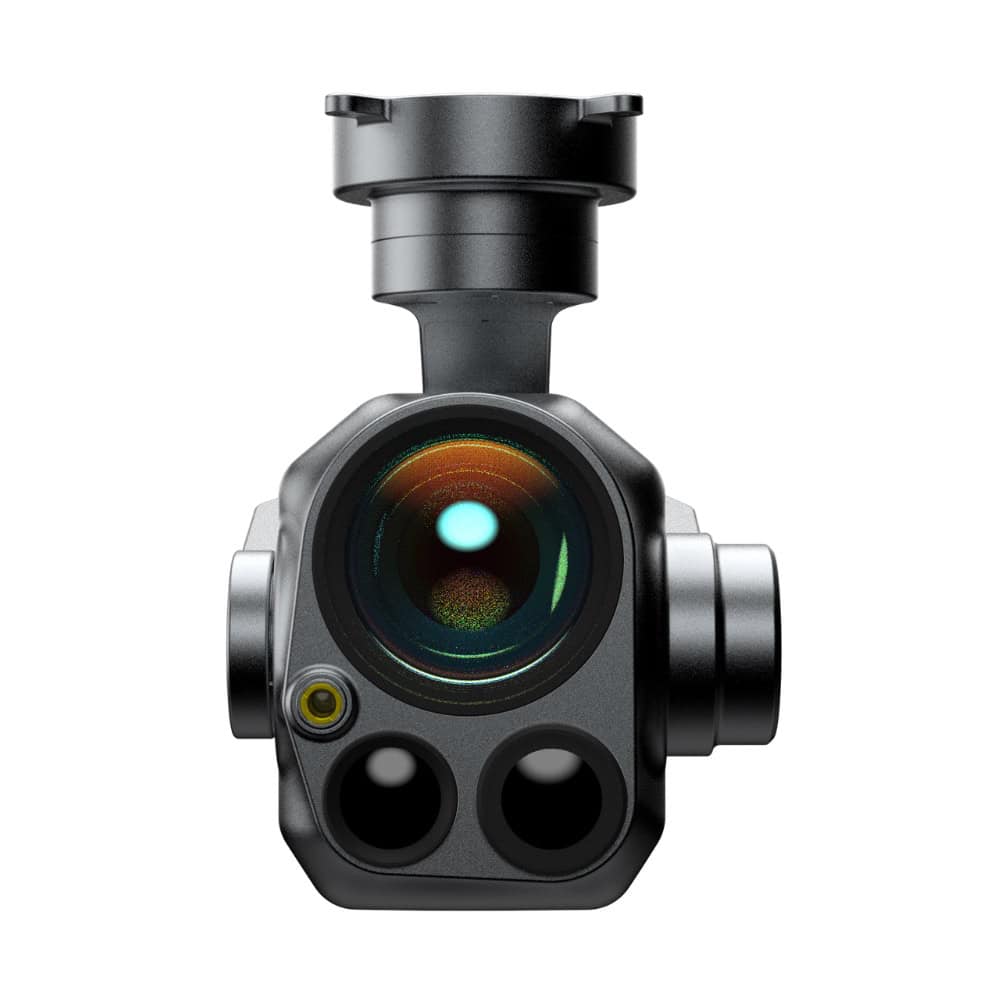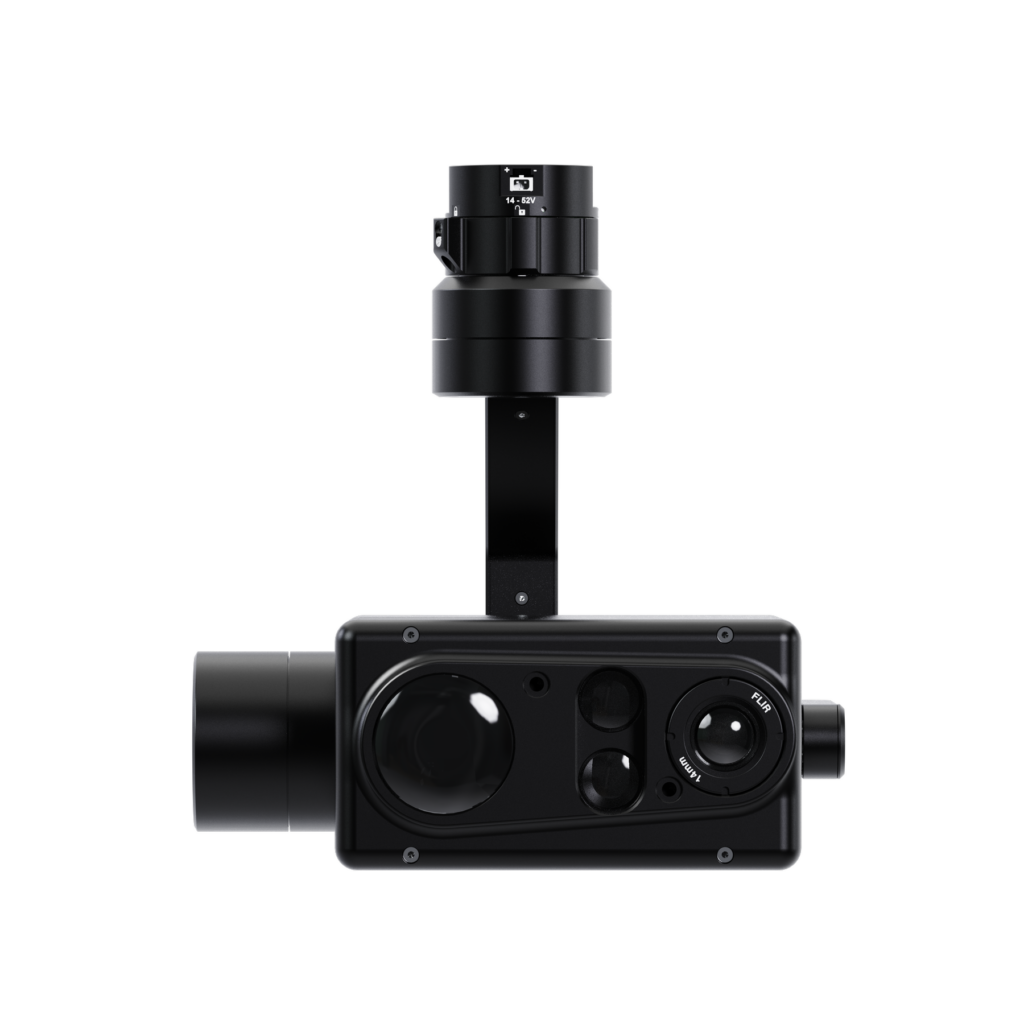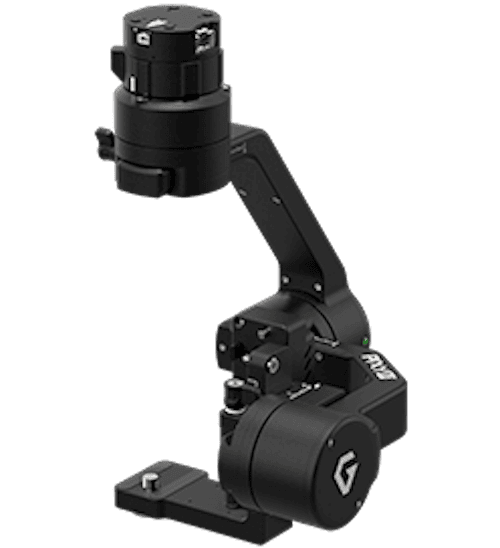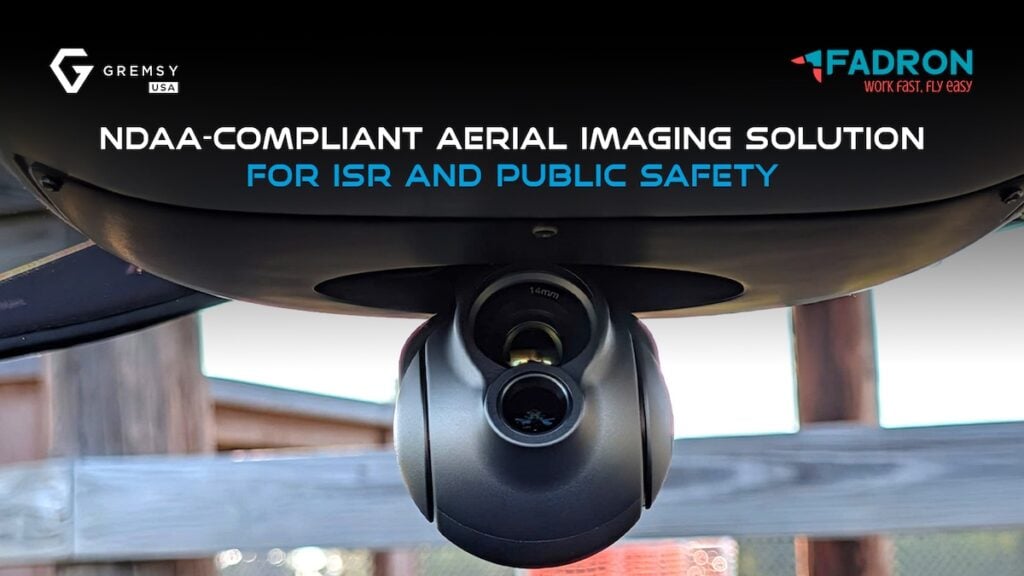



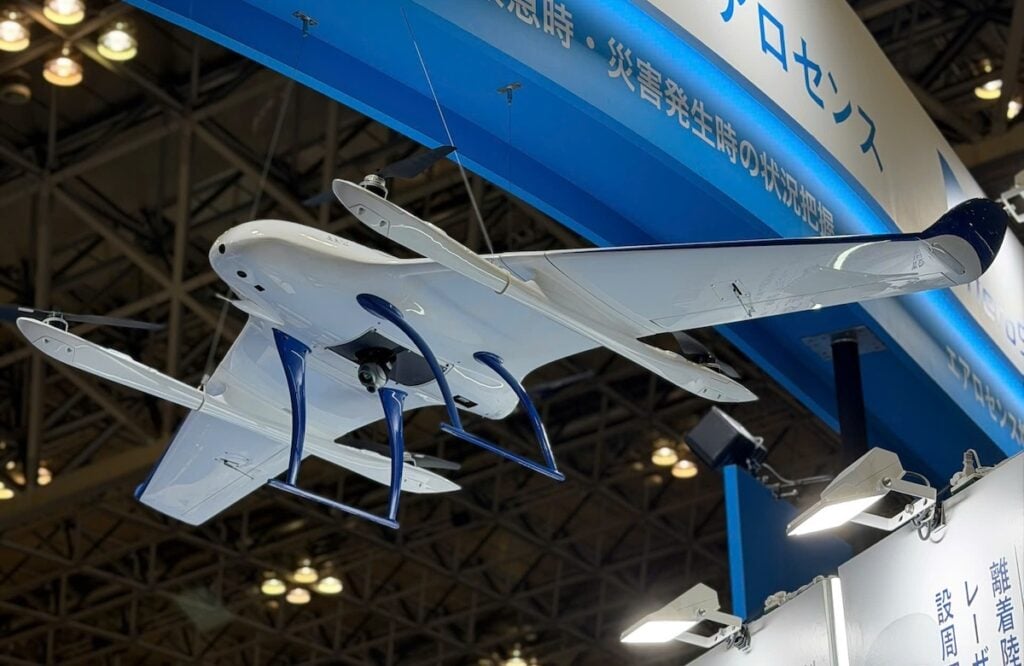
Gremsy and Aerosense Inc. have successfully integrated the LYNX ultra-compact EO/IR payload onto the Aerobo Wing vertical takeoff and landing fixed-wing aircraft to deliver a turn-key solution for long-range surveillance and disaster response.
The joint technology integration establishes a dual-spectrum intelligence, surveillance, and reconnaissance configuration tailored for long-range social infrastructure monitoring, environmental surveying, and rapid emergency response. By merging the vertical takeoff capabilities and 70-kilometer flight range of the Aerobo Wing with the micro-weight optical and thermal intelligence of the LYNX payload, the system allows operators to execute extended missions with high data precision.
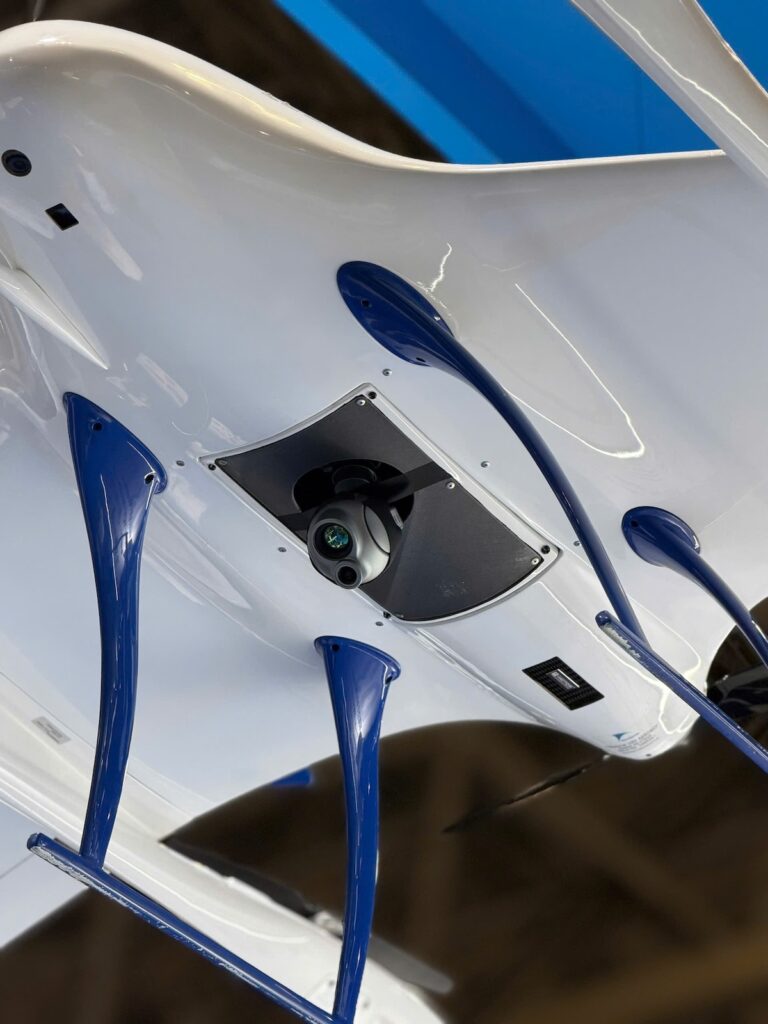
Aerial operations frequently face endurance limitations due to the weight and aerodynamic drag of traditional dual-sensor setups. To address this limitation, Gremsy engineered the LYNX payload with a unique spherical architecture that minimizes drag during transitions between multi-copter and fixed-wing flight. The payload weighs 190 grams for the National Defense Authorization Act compliant version and 235 grams for the standard version.
When deployed on the Japanese-manufactured Aerobo Wing, which features a 1.6-kilogram payload capacity and over 60 minutes of autonomous flight time, the lightweight sensor utilizes only a fraction of the total aircraft capacity. This optimization significantly extends operational endurance, enabling the autonomous drone to monitor hundreds of hectares of mountainous terrain, coastlines, or utility grids at cruising speeds of 72 kilometers per hour in a single deployment.
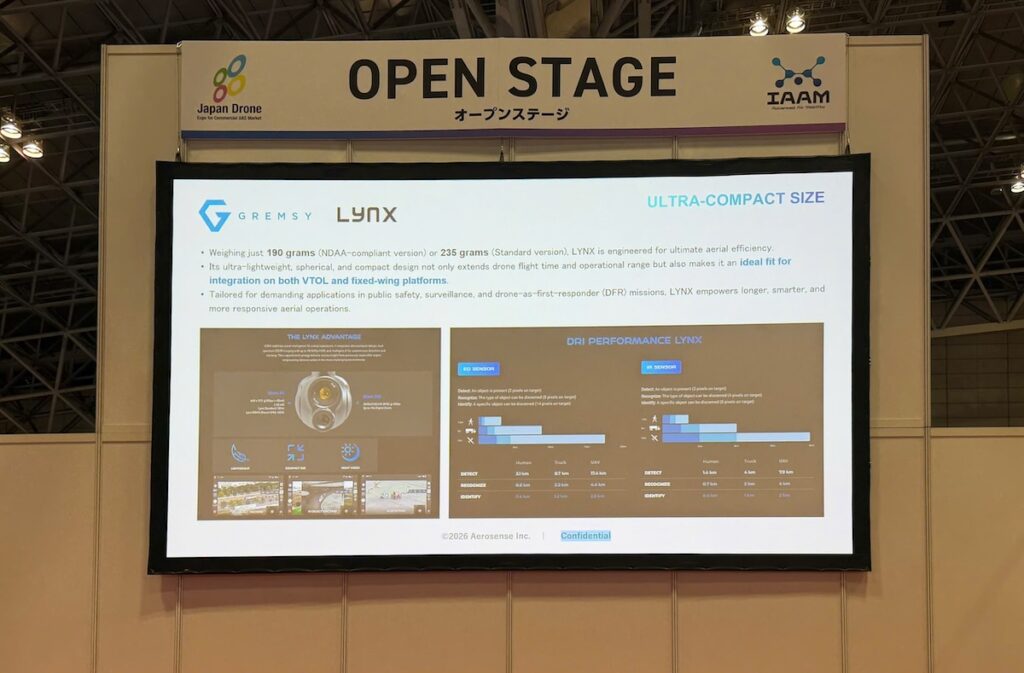
The integrated LYNX system provides high-fidelity situational awareness through a combination of advanced sensors. It features a high-resolution 4K optical zoom with up to 10x digital zoom and 4K at 60 frames per second high dynamic range video encoding, allowing clear data capture from safe cruising altitudes. For thermal tracking, a performance VOx microbolometer with 640 by 512 resolution delivers real-time temperature streams to identify structural anomalies, forest fire hotspots, and assist in night-time search and rescue operations. Additionally, onboard artificial intelligence delivers edge intelligence for automated target stabilization and object tracking.
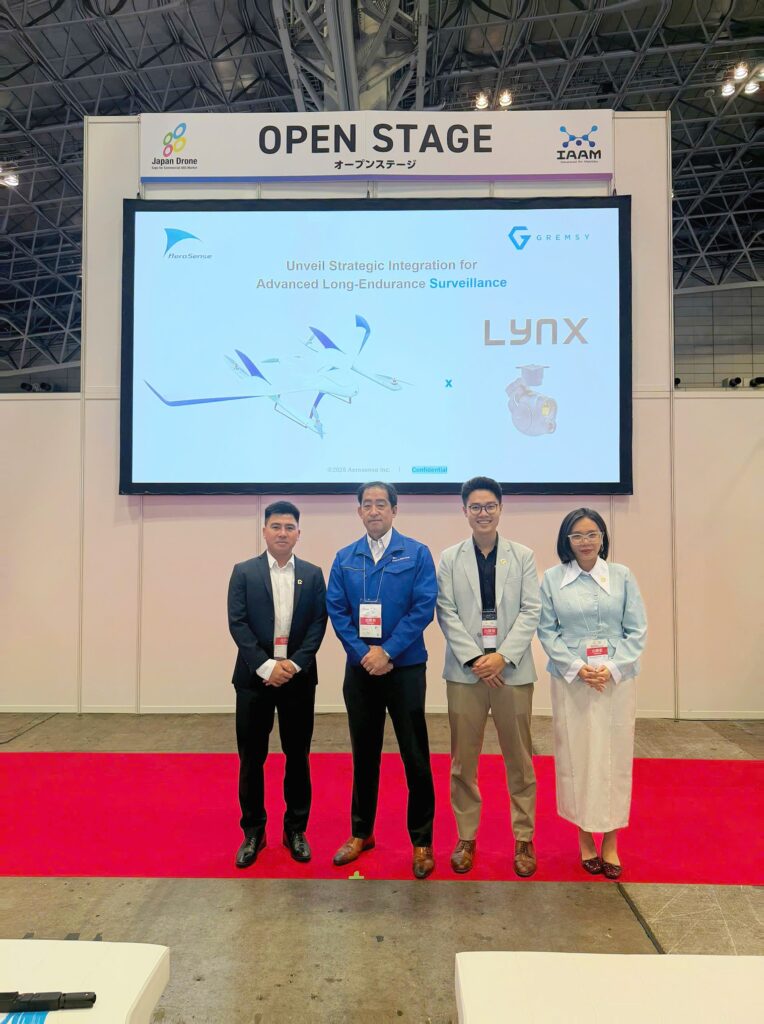
Details of this technical integration were presented by Kohtaro Sabe, President and CEO of Aerosense Inc., during a technical brief at the Japan Drone Show 2026 Open Seminar.