Below, Intelligent Energy discusses the growing role of hydrogen fuel cells in enabling extended BVLOS drone inspection missions, and how the technology is helping operators overcome the endurance, reliability, and operational limitations associated with battery-powered UAVs.
Beyond Visual Line of Sight (BVLOS) drone operations are transforming how critical infrastructure is inspected. From pipelines and power lines to rail networks, wind farms and remote assets, operators are increasingly looking to fly further, for longer, and with fewer interruptions.
Yet despite increasing demand, widespread adoption of extended BVLOS inspection missions has been held back by a small number of critical challenges. Regulation, education and technical capability all play a role – and overcoming these barriers is essential if BVLOS operations are to scale.
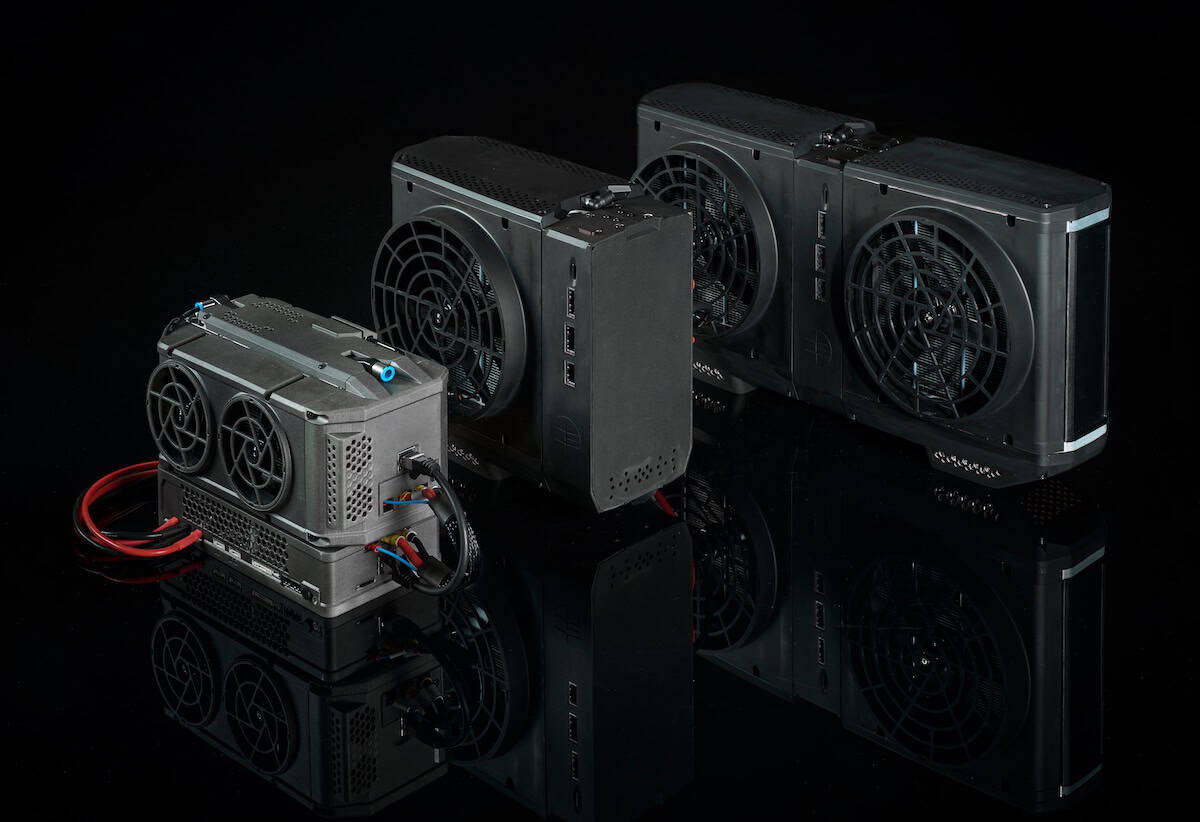
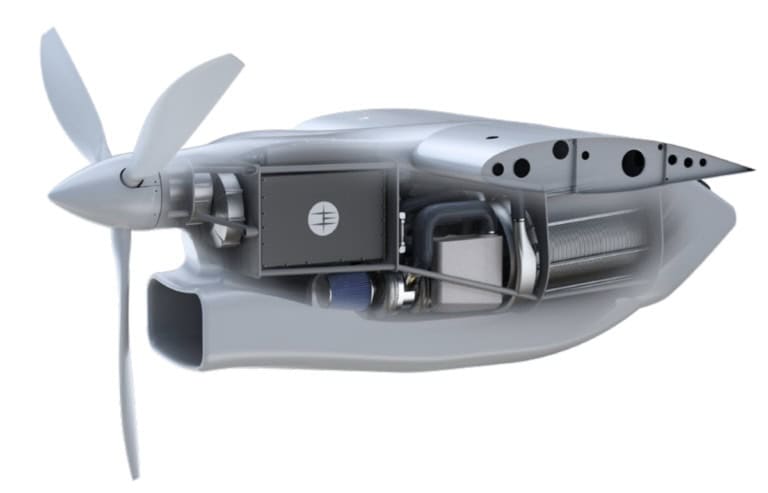
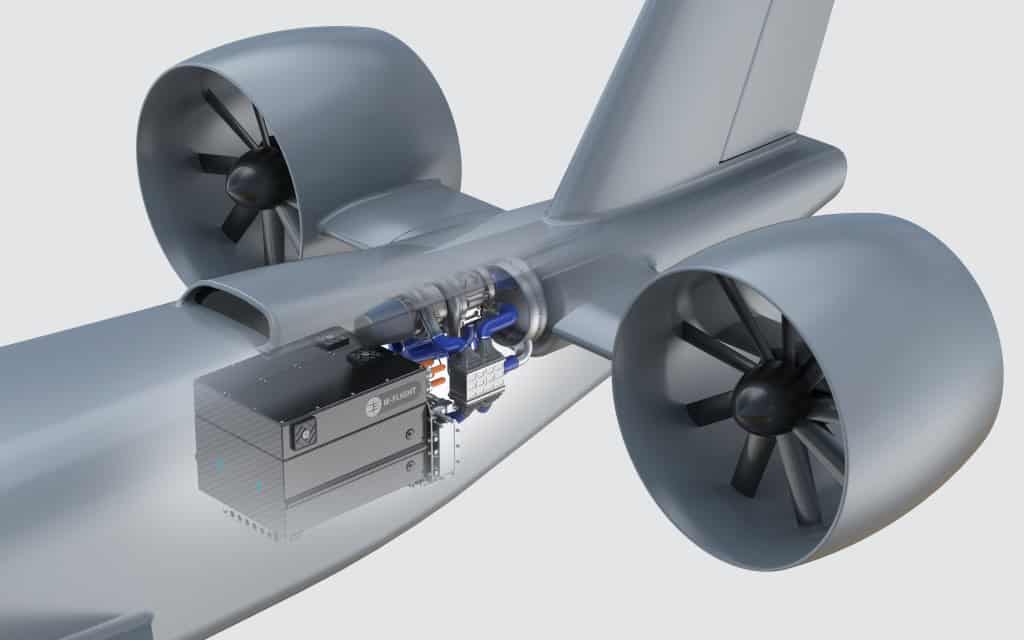
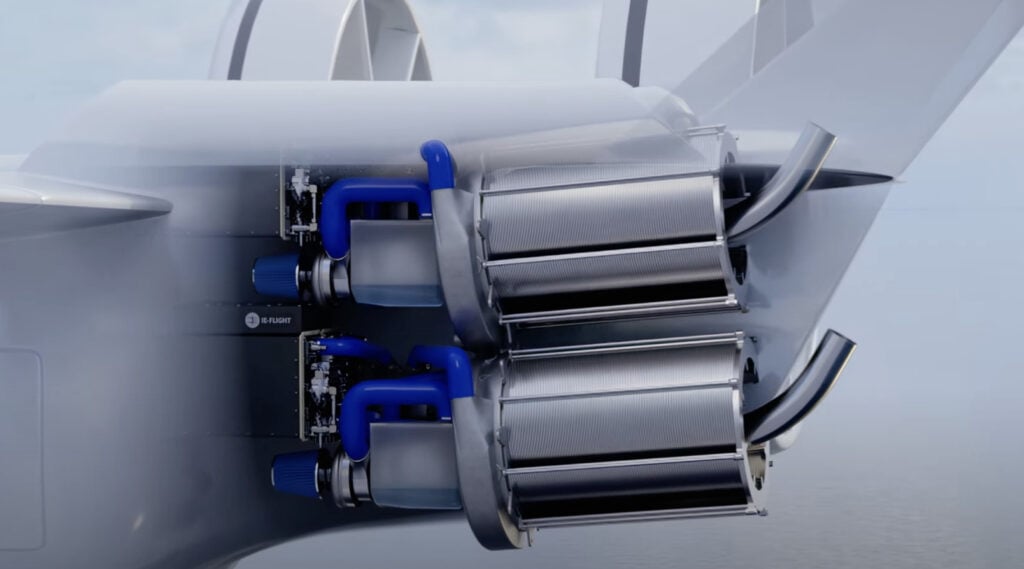
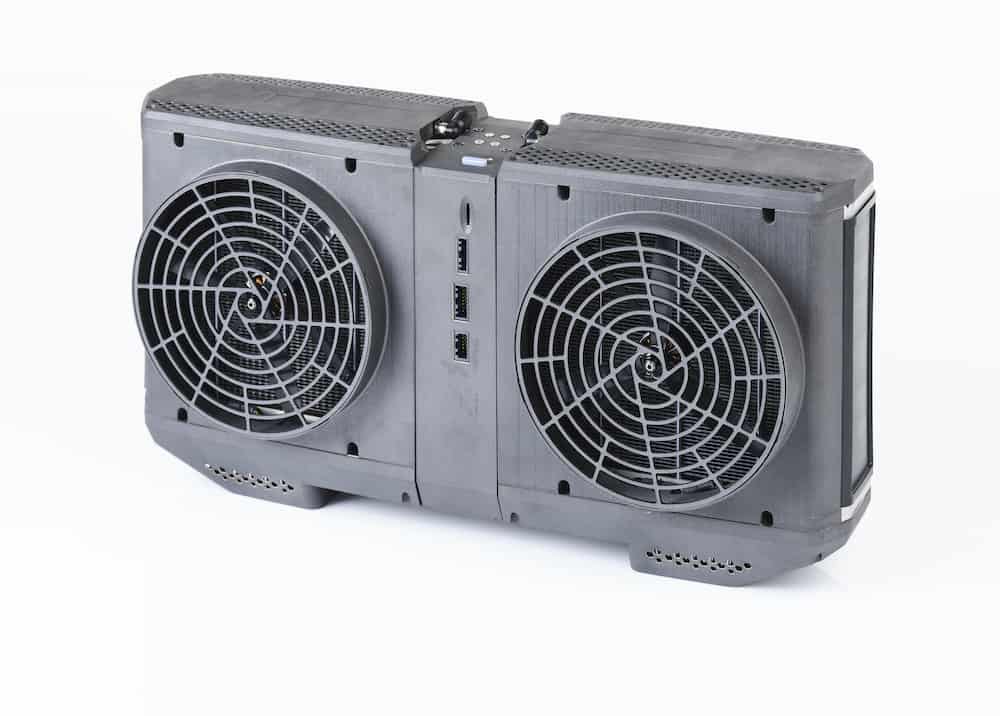
Hydrogen fuel cells such as the IE-SOAR from Intelligent Energy are now emerging as a key enabler for true long-range BVLOS inspection missions – unlocking endurance, range and operational efficiency that battery-powered drones simply cannot achieve.

IE-SOAR 800 by Intelligent Energy
Regulation – Ensuring Safe BVLOS Operations
Regulation remains one of the most significant hurdles for BVLOS adoption. Aviation authorities must be satisfied that drones operating beyond the pilot’s visual range can do so safely, reliably and predictably.
This means operators must demonstrate:
- High levels of system reliability
- Consistent power availability throughout the mission
- Reduced risk of mid-air failures
- Endurance Plays a Critical Role in Regulatory Confidence.
Hydrogen fuel cells support this by delivering stable, predictable power over much longer durations than batteries. The result is fewer take-offs and landings; simplified operations and a power system better aligned with the expectations of regulators assessing BVLOS safety cases.
Education – Normalising BVLOS Drone Operations
While regulators work to enable BVLOS, there is also a need to educate end users, asset owners and the wider public. For many organisations, the idea of unmanned aircraft operating out of sight still feels unfamiliar.
Normalising BVLOS operations requires:
- Demonstrating reliability through real-world deployments
- Showing that drones can replace traditional inspection methods safely
- Proving commercial and operational value at scale
Mission endurance is key to this acceptance. When drones are limited to short flights, their role appears incremental – useful for small inspections, but not transformative. Extended-endurance drones, however, clearly demonstrate how BVLOS can replace helicopters, vehicles or manual inspections across large areas.
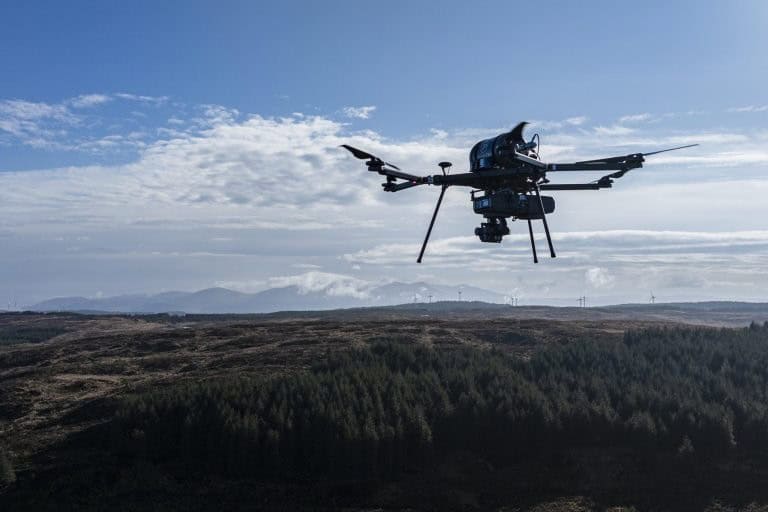
Hydrogen-powered drones help shift perception by enabling missions that look and feel industrial in scale: tens of kilometres inspected in a single flight, consistent data capture and fewer personnel required on site. This helps move BVLOS from “pilot projects” to a trusted inspection tool.
Technical Capability – Flying Far Enough for BVLOS to Make Sense
Ultimately, BVLOS inspection only delivers value if the drone can physically fly the distance required. For many inspection tasks, that distance is simply beyond the reach of battery-powered UAVs.
Batteries impose hard limits:
- Flight times drop quickly as payload weight increases
- Endurance declines in cold or demanding environments
- Multiple battery swaps fragment long inspection routes
Hydrogen fuel cells directly address these limitations. With significantly higher energy density than lithium batteries, fuel cells enable multiple hours of flight while carrying professional inspection payloads such as LiDAR, thermal cameras or multi-sensor systems.
This extended endurance allows:
- Continuous inspection of long, linear assets
- Fewer launch and recovery points
- Greater data continuity and quality
- True BVLOS range rather than marginal extensions
For operators, this turns BVLOS from a regulatory concept into a practical operational capability.
Unlocking Extended BVLOS Inspection Missions
As regulatory frameworks mature and familiarity with BVLOS operations grows, technical capability will increasingly define what is possible. Hydrogen fuel cells provide the endurance, reliability and operational efficiency needed to unlock extended inspection missions at scale.
By removing the constraints of short flight times, hydrogen-powered drones allow BVLOS inspections to deliver on their full promise: safer operations, lower costs, higher-quality data and access to infrastructure that was previously difficult or expensive to monitor.
Extended BVLOS flight is not just a function of autonomy or regulation – it depends on having the right power source onboard. Hydrogen fuel cells are rapidly proving to be a critical enabler of the next generation of long-range inspection drones.