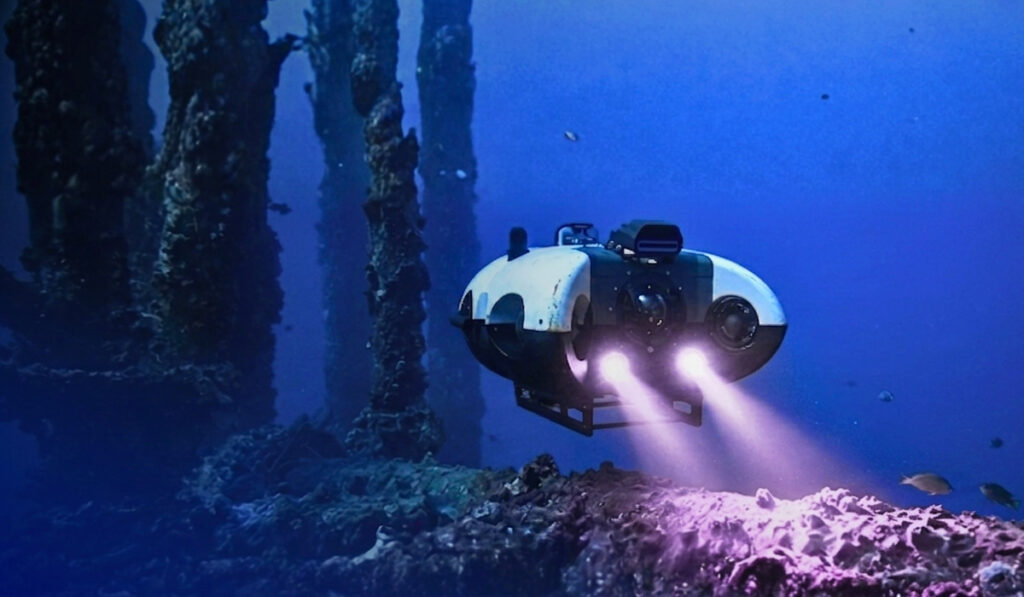
Autonomous Underwater Vehicles (AUVs) are untethered robotic platforms designed to carry out underwater missions with limited or no continuous human control. AUV systems integrate propulsion, navigation, onboard computing, communications, and sensor payloads for hydrographic survey, subsea inspection, environmental monitoring, search, and mine countermeasures.
This page showcases AUV manufacturers and suppliers offering propeller-driven and hover-capable vehicles, underwater gliders, compact systems, and hybrid designs.
If you design, build or supply Autonomous Underwater Vehicles (AUV), create a profile to showcase your capabilities and connect with visitors who have an active requirement for your solutions.
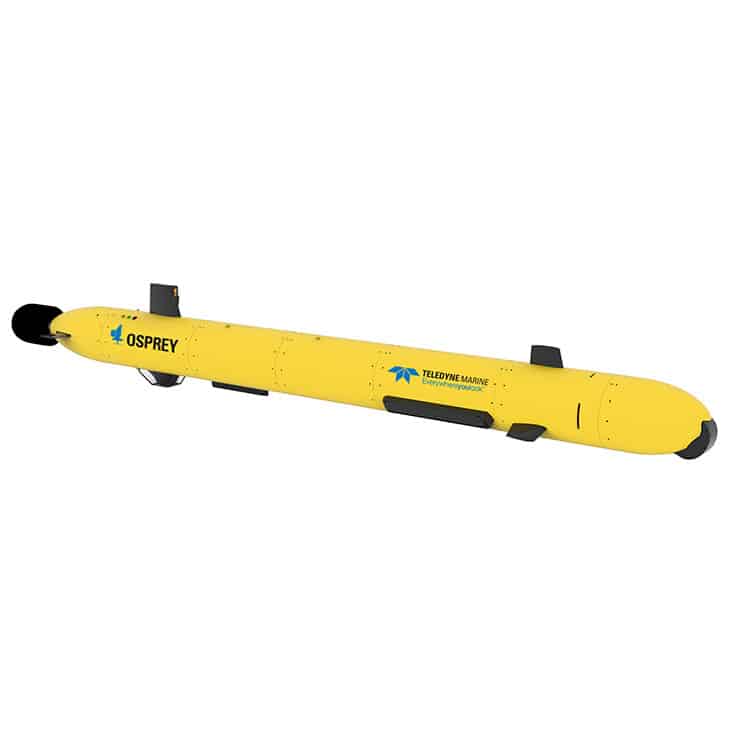
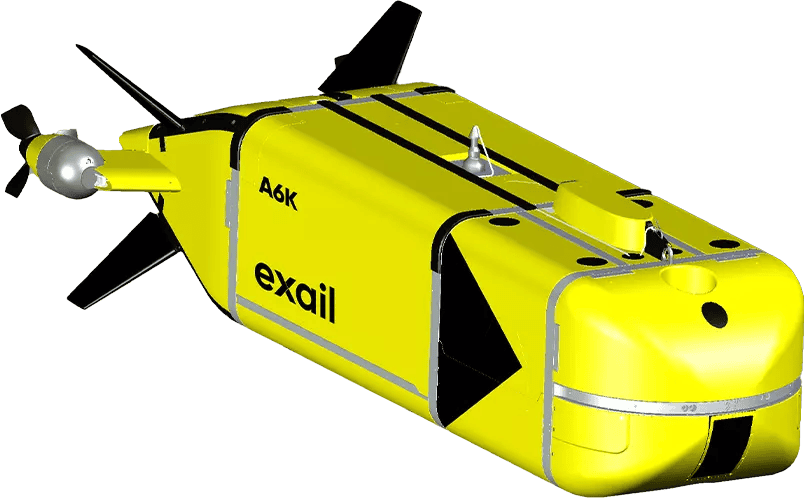
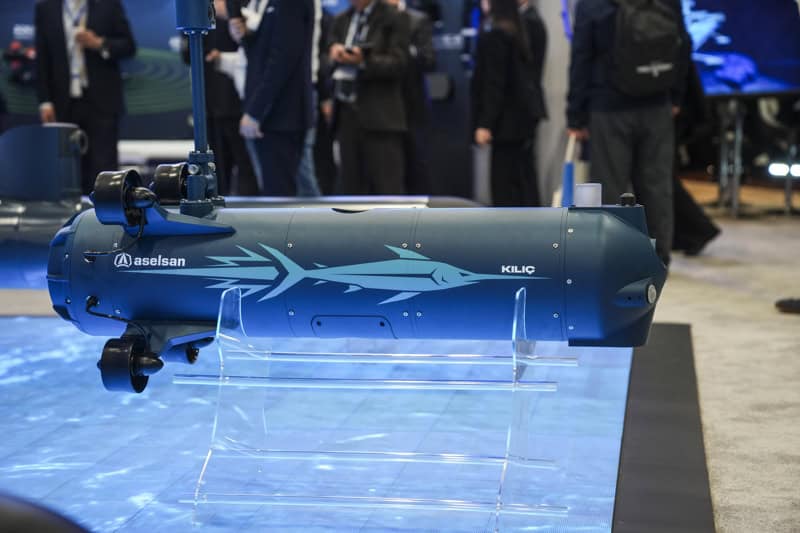
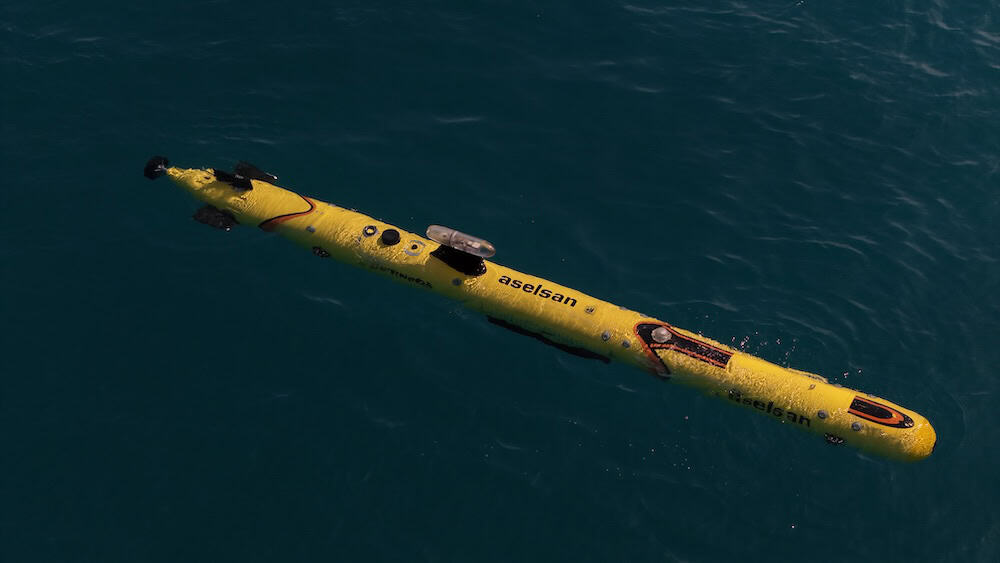
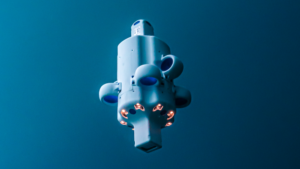
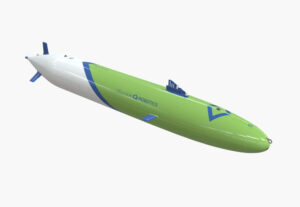
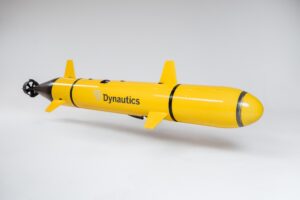
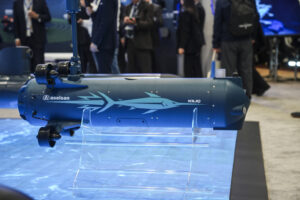
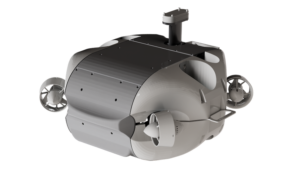
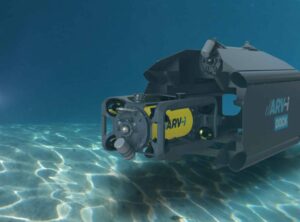
Ultra-deep autonomous underwater vehicle for survey and inspection
Ultra-deep autonomous underwater vehicle for survey and inspection
... an ultra-deep autonomousunderwatervehicle designed for survey and inspection missions at depths... ...equipment. The vehicle integrates multiple navigation and communication systems to ensure accurate...
...et Hydrus, the autonomousunderwater drone revolutionising underwater data collection by eliminating... ...L and INS, the underwater robotic vehicle is capable of carrying out missions in challenging subsea...
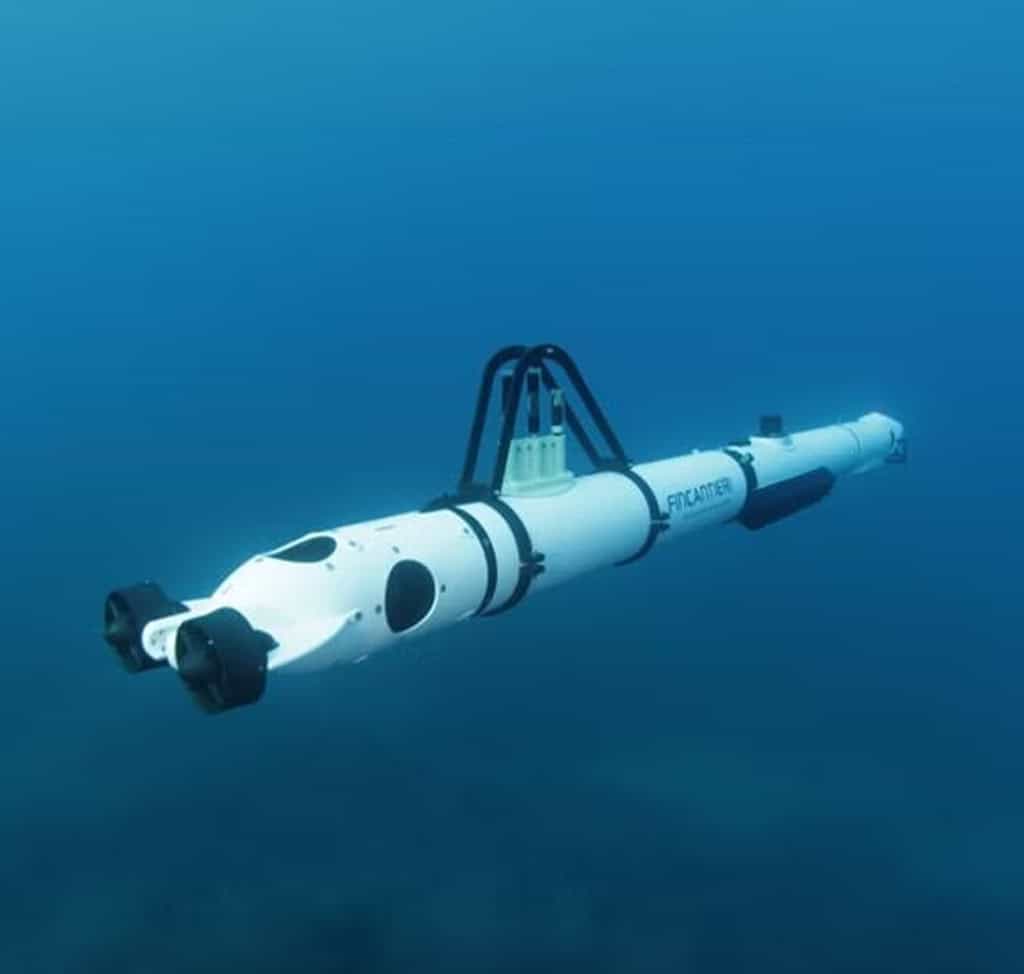
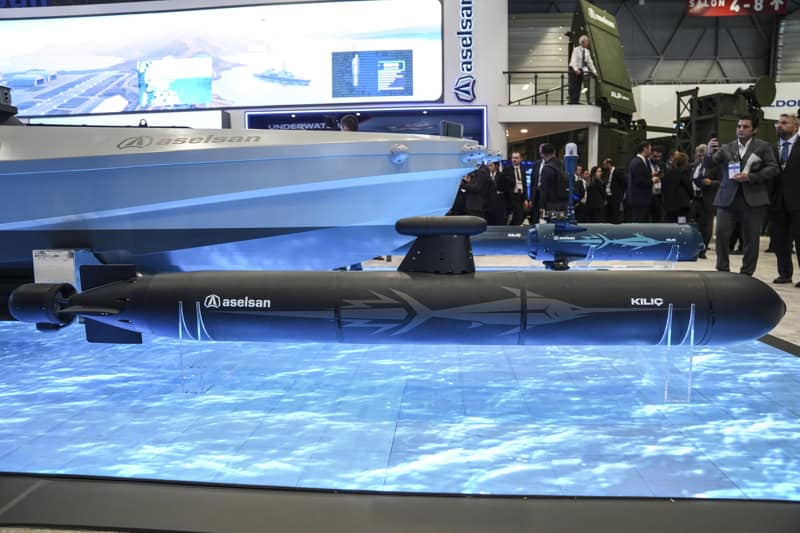
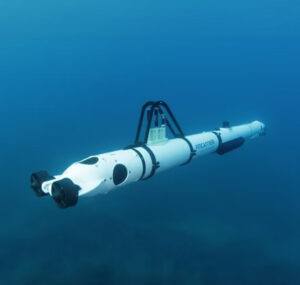
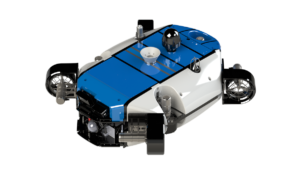
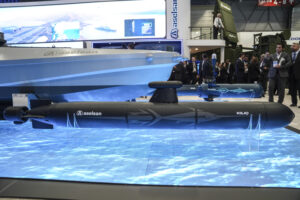
Integrated underwater drone for subsea protection & security
Integrated underwater drone for subsea protection & security
... an integrated underwater drone system developed to monitor, protect, develop, and maintain critical... ...ther strategic underwater installations. Its AUVs can operate at different levels of autonomy,...
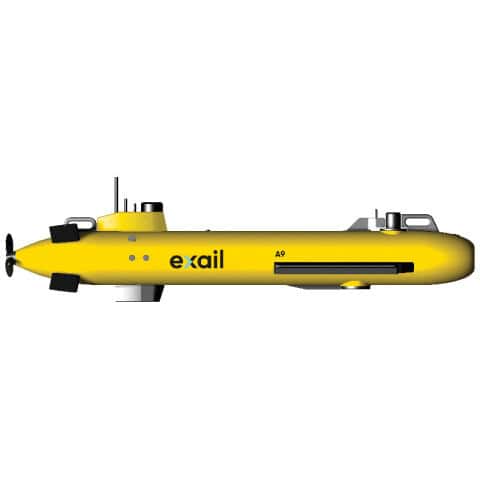
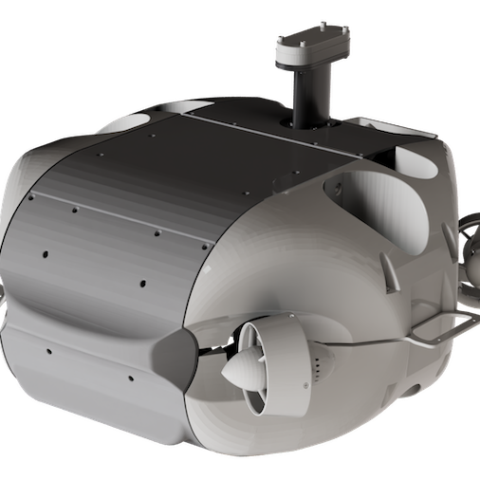
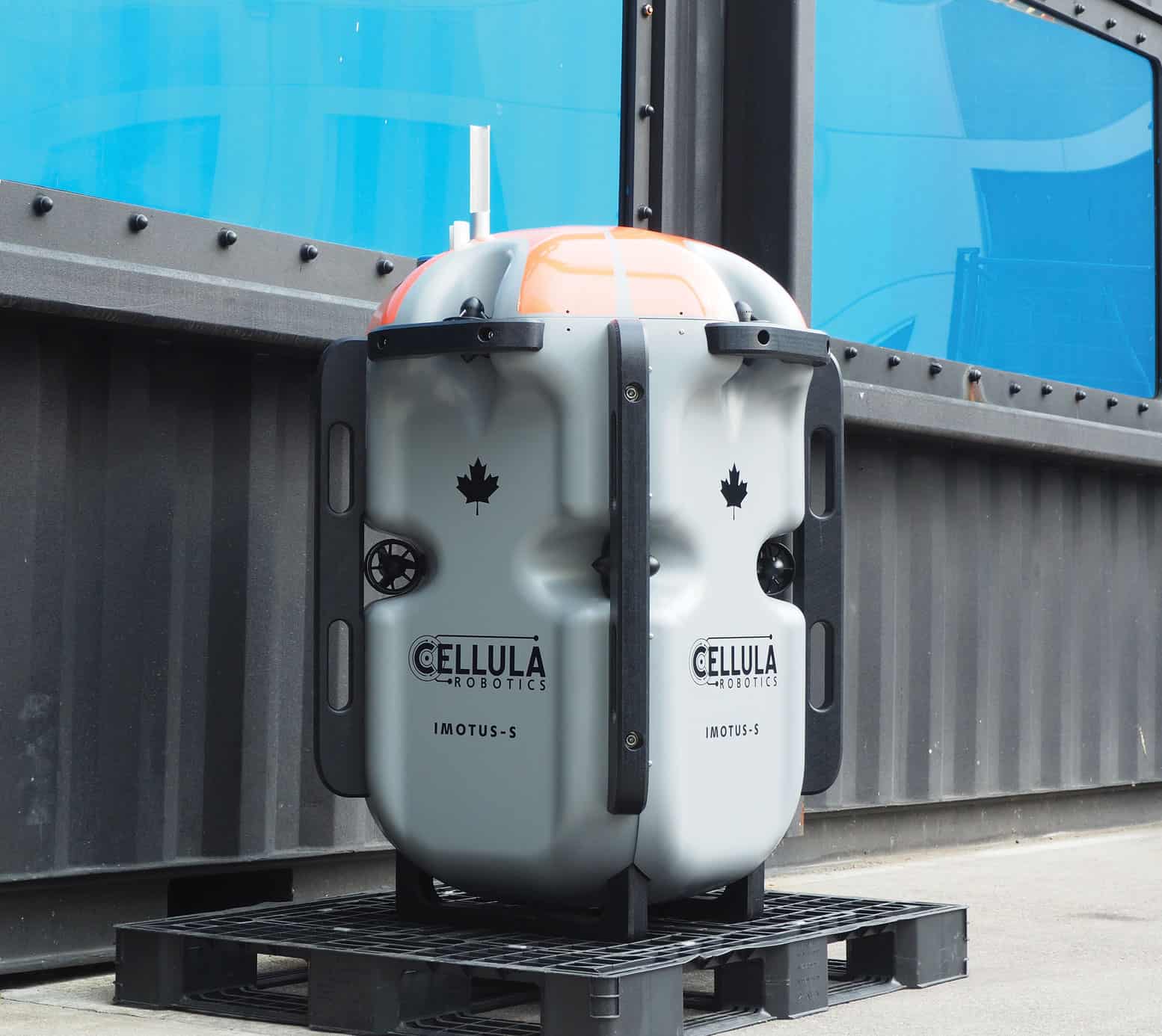
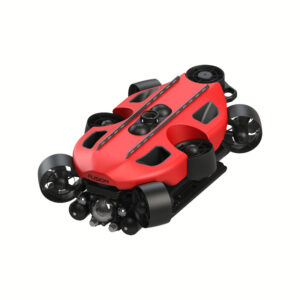
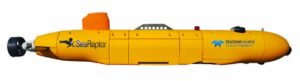
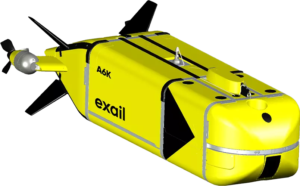
Modular autonomous underwater vehicle for advanced subsea operations
Modular autonomous underwater vehicle for advanced subsea operations
...ration modular underwater platform engineered to accommodate a wide range of payloads and mission... ......, cost-efficient subsea operations, offering a versatile platform for a range of underwater...
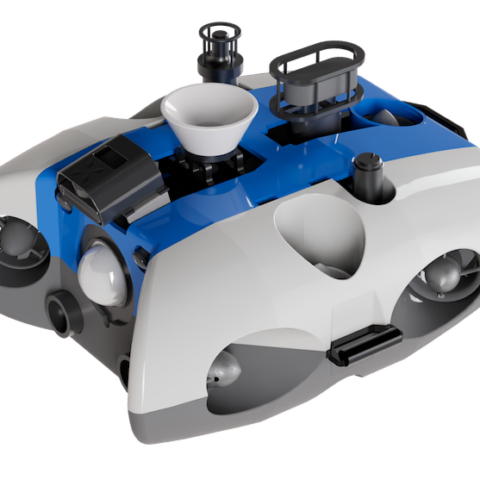
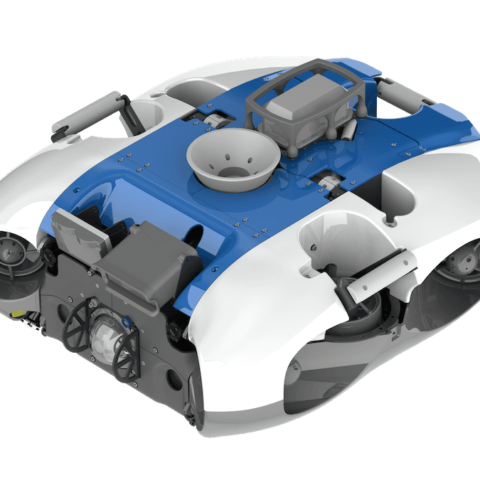
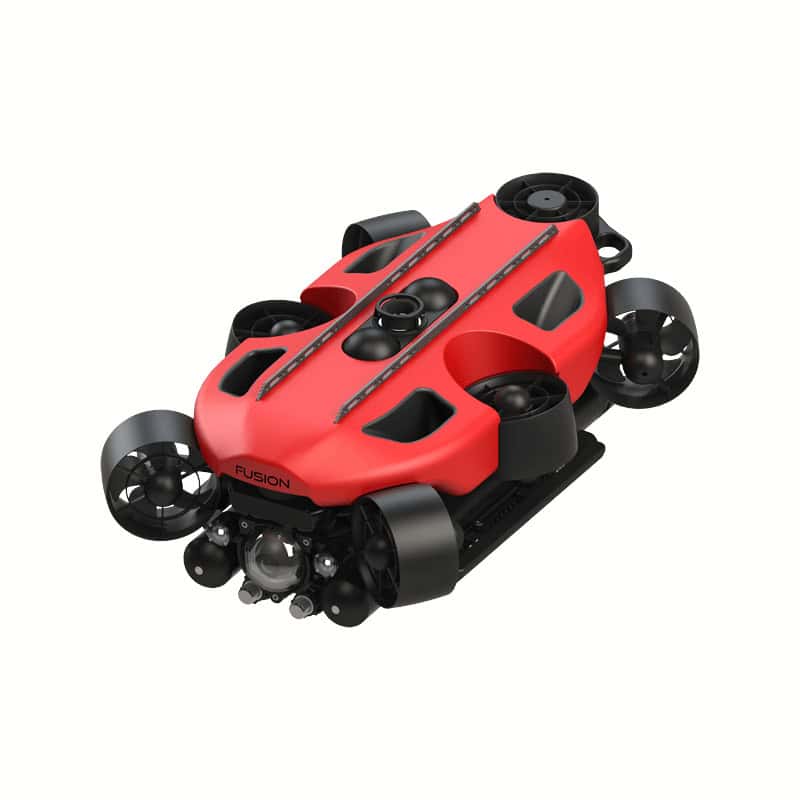
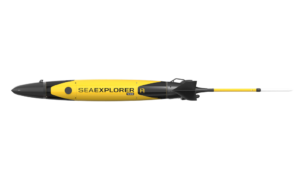
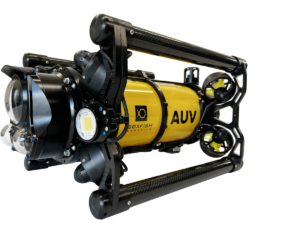
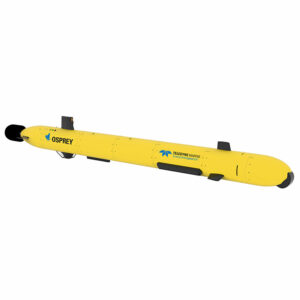
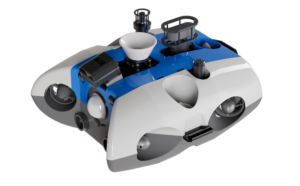
Tetherless hovering autonomous underwater vehicle for scientific & inspection missions
Tetherless hovering autonomous underwater vehicle for scientific & inspection missions
...rless hovering autonomousunderwatervehicle engineered for precise subsea operations and data... ...ilization, the vehicle delivers enhanced maneuverability in constrained underwater environments....
Autonomous Underwater Vehicles (AUVs) are untethered robotic platforms that operate beneath the surface with limited or no continuous human control. AUVs combine navigation, propulsion, sensing, onboard computing, communications, and mission software to perform survey, inspection, research, monitoring, search, and defense tasks.
Unlike Remotely Operated Vehicles (ROVs), AUVs normally carry out missions without a continuous physical connection to an operator. A subset of Unmanned Underwater Vehicles (UUVs), their onboard systems allow them to follow planned routes, maintain depth or altitude, collect sensor data, avoid hazards, and respond to predefined changes in operating conditions. Some vehicles can also adapt parts of a mission based on sensor inputs, vehicle health, or navigation confidence.
Types of Autonomous Underwater Vehicles
Propeller-Driven AUVs
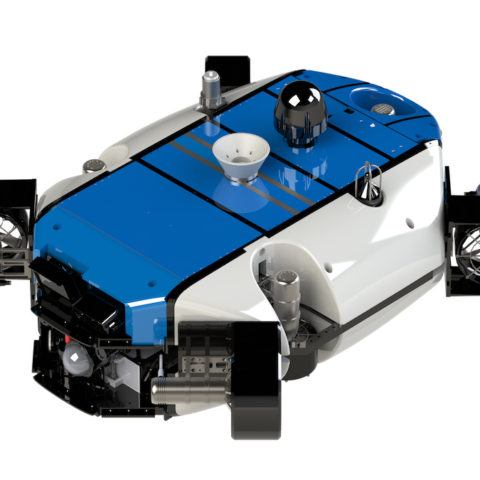
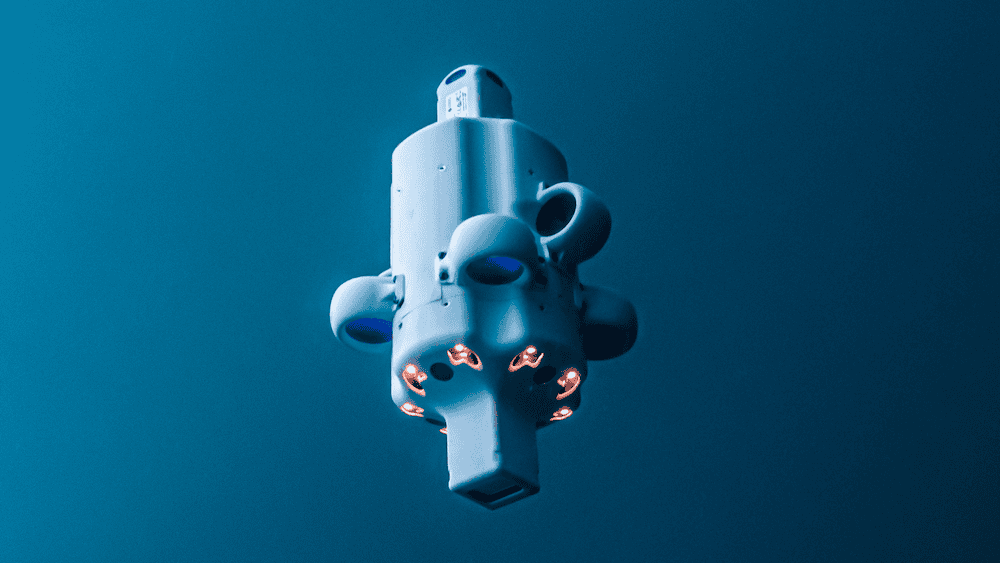
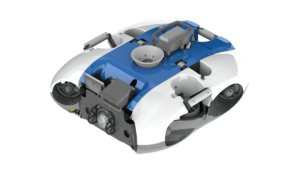
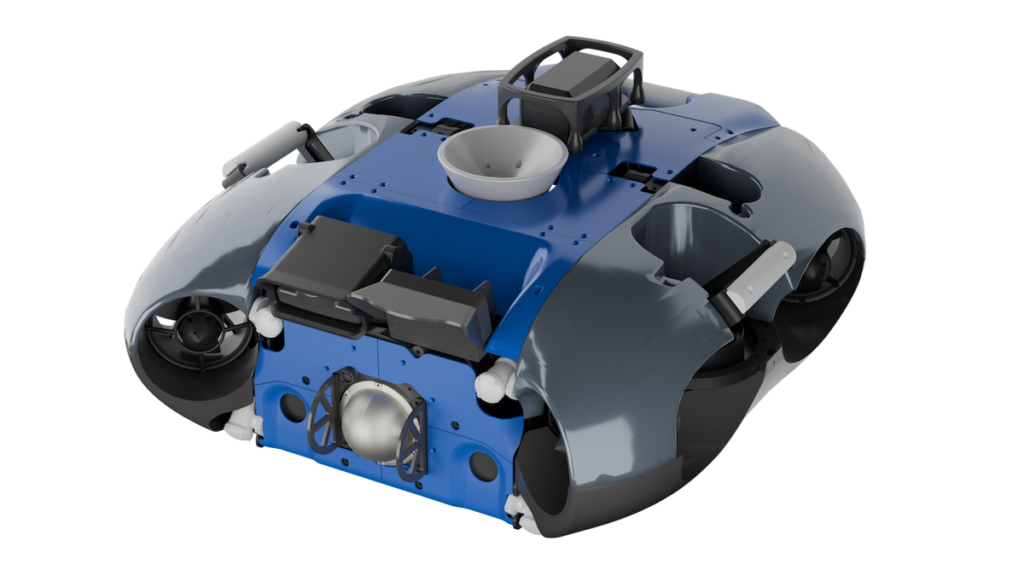
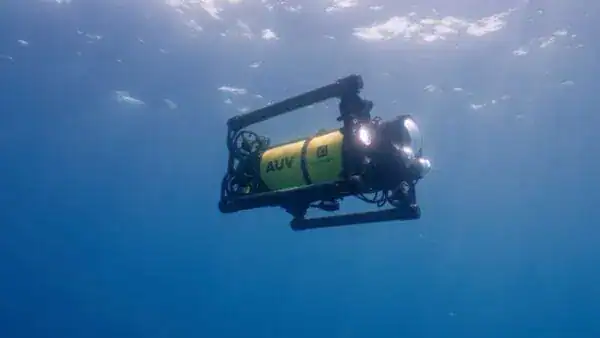
Boxfish AUV – Tetherless Hovering AUV by Boxfish Robotics
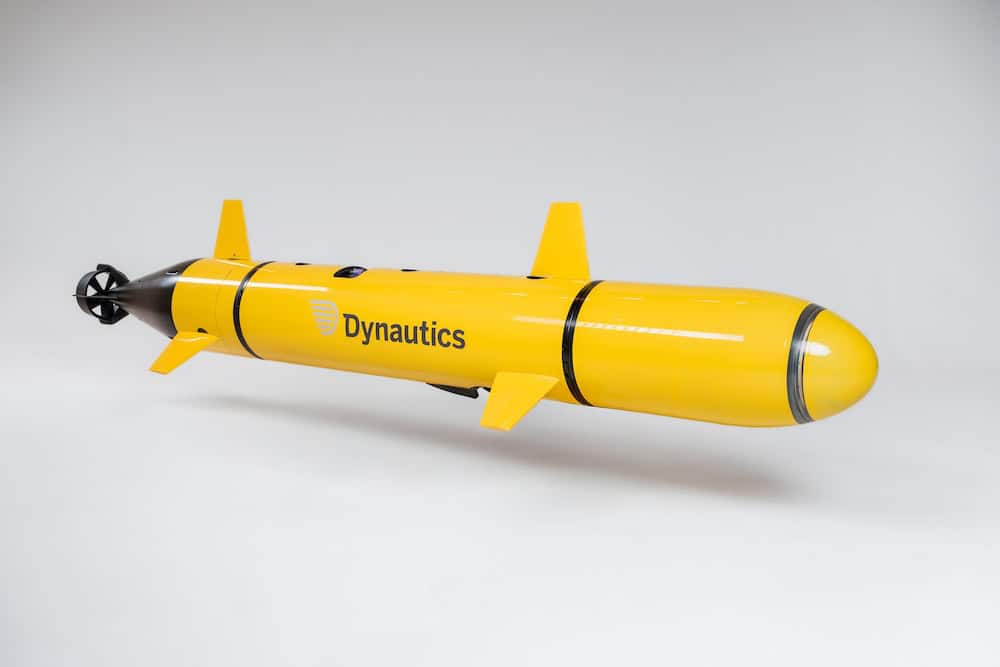
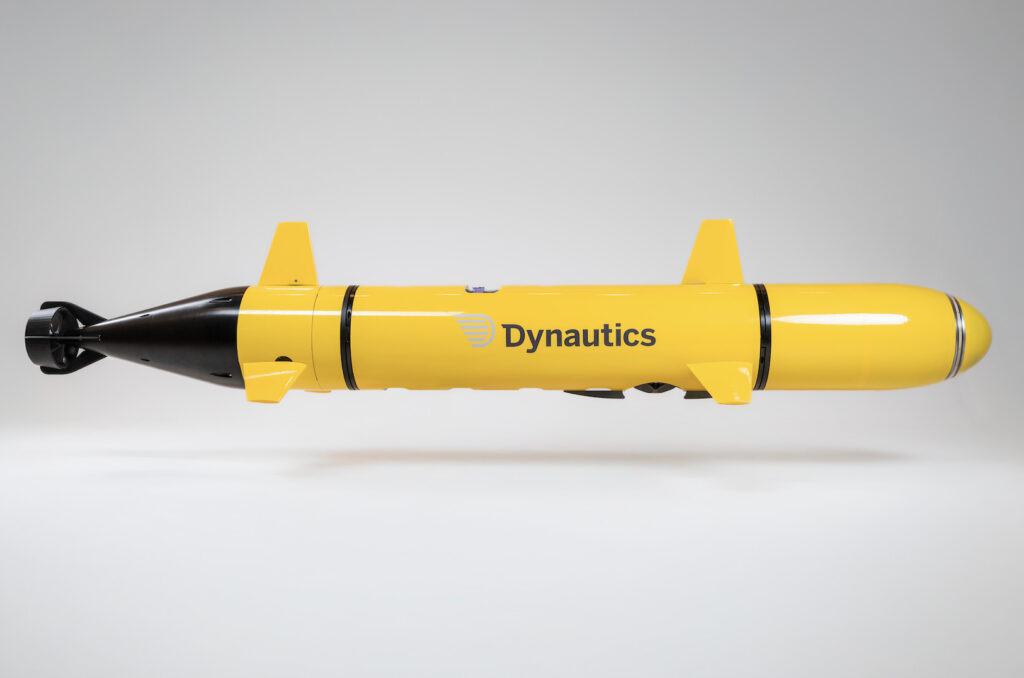
Propeller-driven AUVs use electric motors and thrusters to generate forward motion and control. Their streamlined design makes them well suited to structured survey missions where stable speed, efficient transit, and consistent altitude are important. These vehicles commonly carry sonar, cameras, navigation systems, and environmental sensors, with endurance shaped by battery capacity, speed, payload demand, and operating conditions.
Hover-Capable AUVs
A hovering AUV uses multiple thrusters to maneuver precisely at low speeds, move laterally, and maintain position near underwater structures or targets. This capability is useful for close inspection, detailed imaging, confined areas, archaeological sites, and subsea assets where controlled movement is more important than efficient long-range transit.
Underwater Gliders
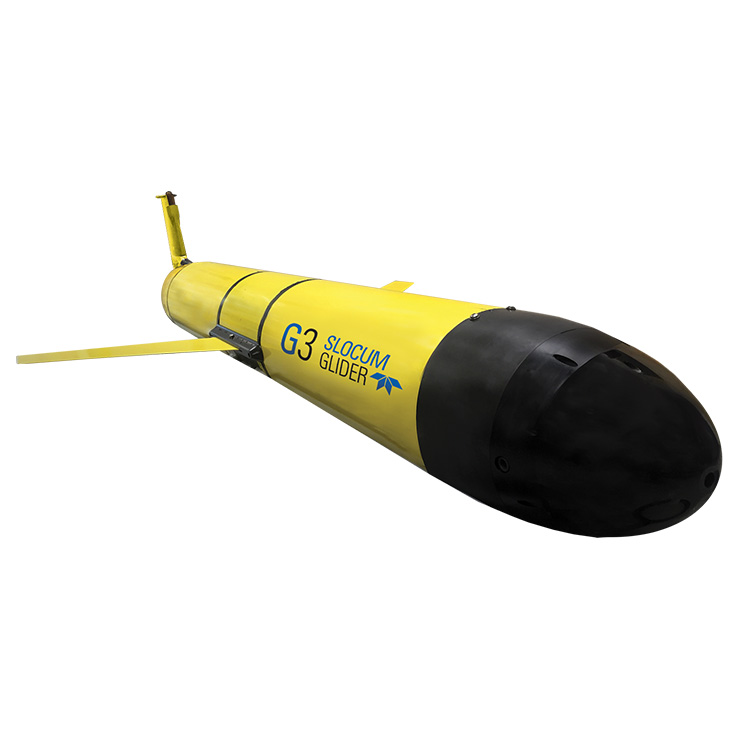
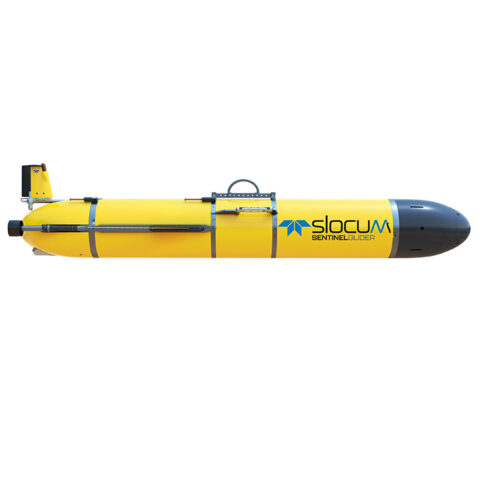
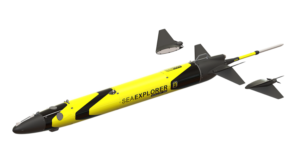
An AUV glider changes its buoyancy to move vertically through the water, while wings convert this motion into slow forward travel. Because this propulsion method uses relatively little energy, a glider AUV can remain deployed for extended periods and is particularly useful for oceanographic research, water-column profiling, and persistent environmental monitoring. The tradeoff is lower speed and reduced ability to hold position in strong currents.
Compact and Micro AUVs
Compact and micro AUV platforms prioritize portability, rapid deployment, and operation in environments where larger vehicles may be impractical. They can support shallow-water mapping, research, inspection, training, and multi-vehicle missions, although their smaller size usually places tighter limits on payload volume, battery capacity, endurance, and sensor aperture.
Large and Extra-Large AUVs
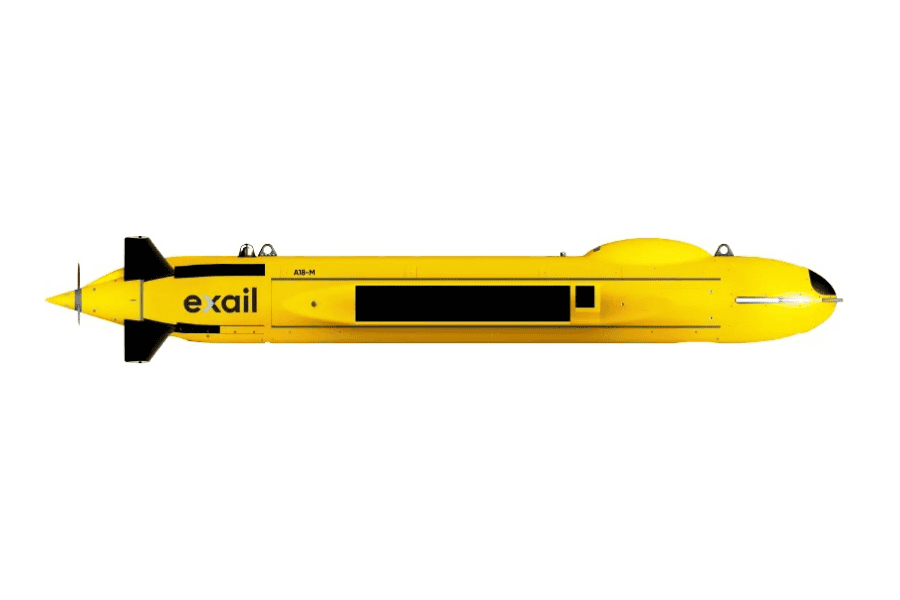
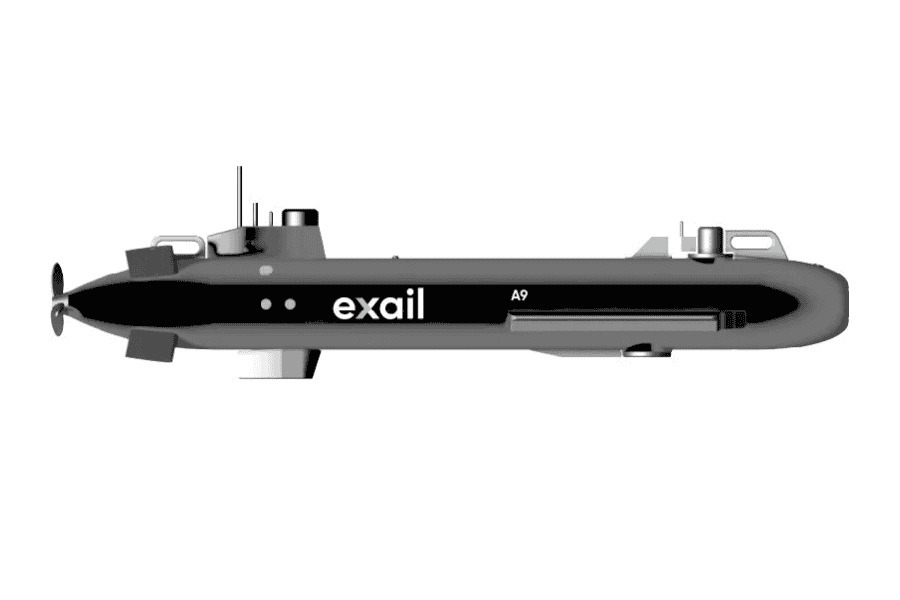
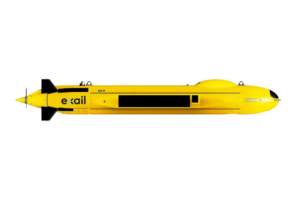
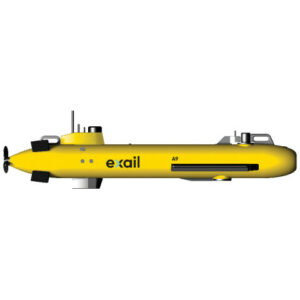
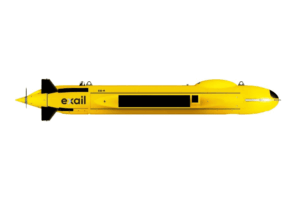
A18-M AUV from Exail
Large and extra-large autonomous underwater vehicles provide more internal space for batteries, navigation equipment, sensors, and mission payloads. This can support greater range, longer endurance, and more complex missions, including wide-area survey and persistent operations. Their increased size can also require more substantial transport, launch, recovery, maintenance, and support arrangements.
Resident AUV Systems
Resident AUVs are designed to remain at or near an underwater operating area rather than returning to a support vessel after each mission. A resident AUV system may use a subsea docking station for charging, data transfer, health monitoring, navigation updates, and mission uploads, enabling more persistent inspection or monitoring while reducing routine vessel involvement.
Hybrid Autonomous Underwater Vehicles
Hybrid autonomous underwater vehicles combine autonomous operation with capabilities associated with remotely operated or intervention systems. A vehicle may conduct a survey independently before switching to supervised control, with some designs using a tether when direct control, higher-bandwidth communication, or intervention is required.
Key Applications of AUV Systems
Hydrographic and Bathymetric Surveying
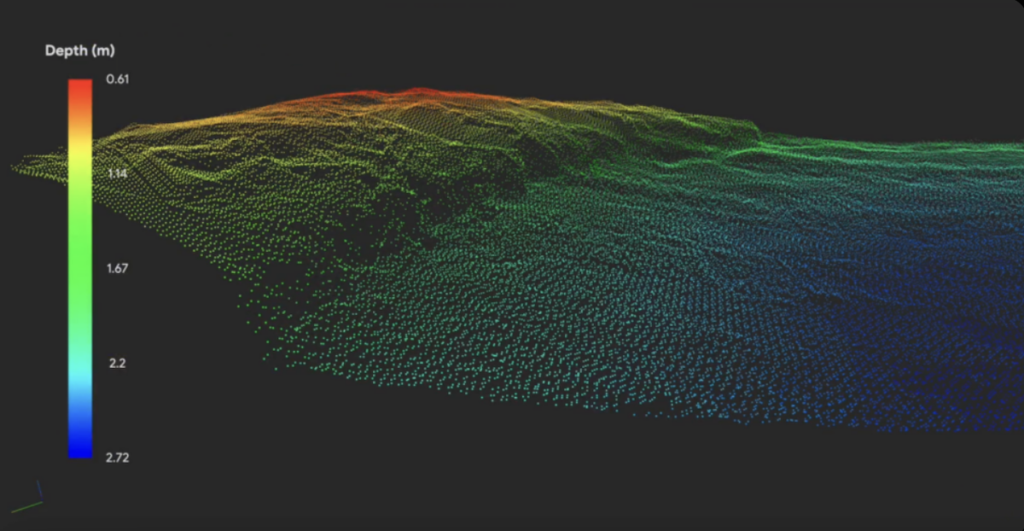
AUVs can collect high-resolution bathymetric and acoustic data while following repeatable tracks close to the seabed. This makes them useful for hydrographic mapping, route survey, seabed characterization, marine construction planning, cable and pipeline corridor assessment, and other applications that depend on detailed knowledge of underwater terrain.
Offshore Energy Inspection and Infrastructure Monitoring
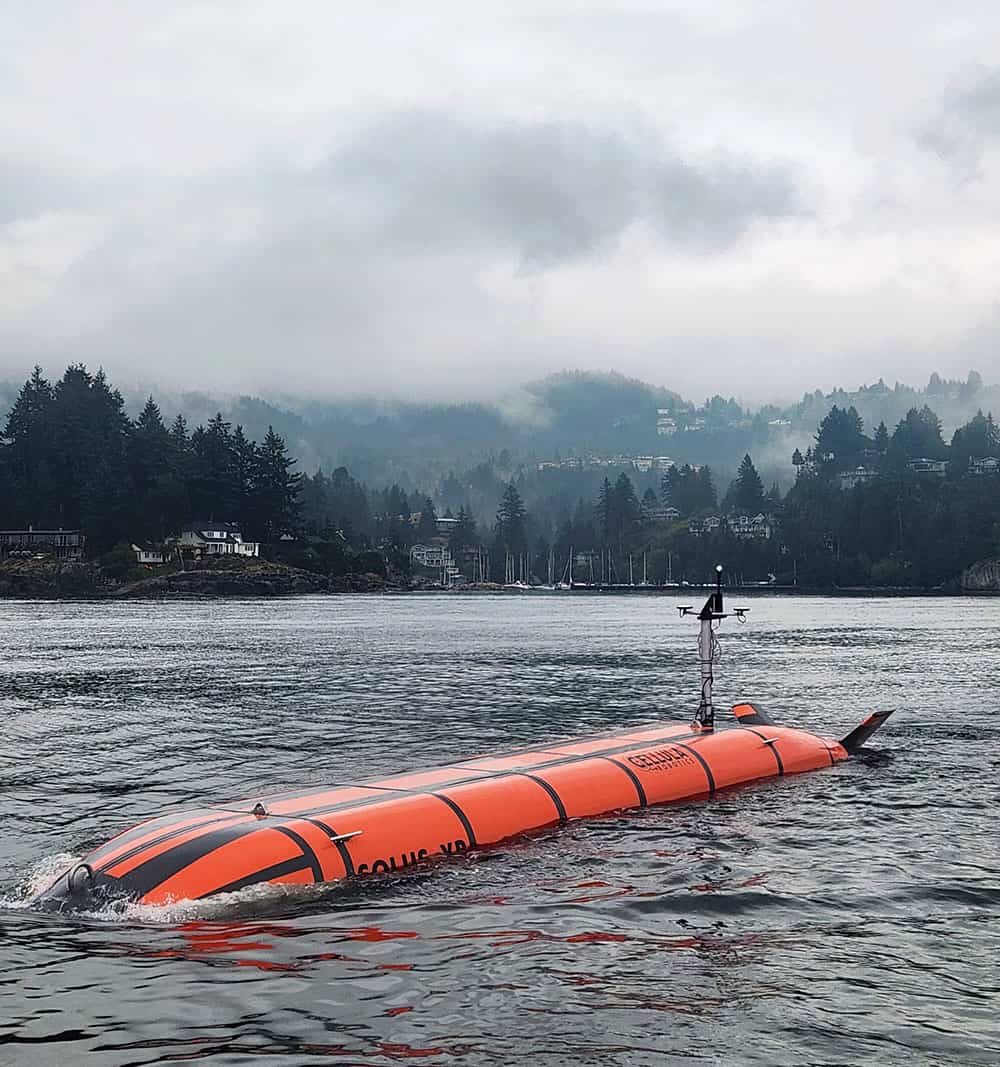
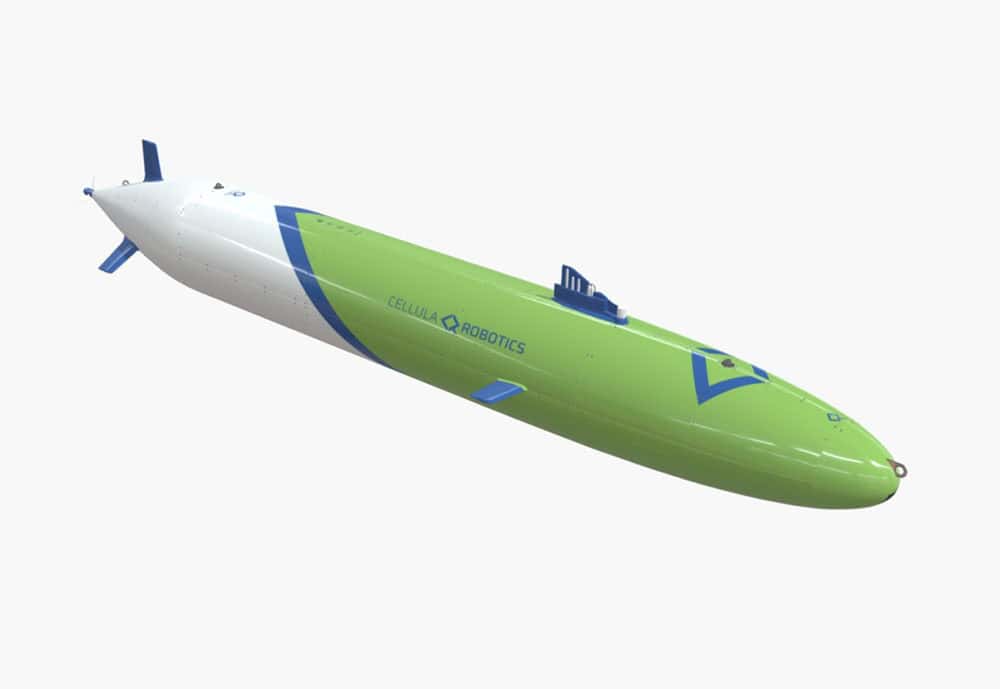
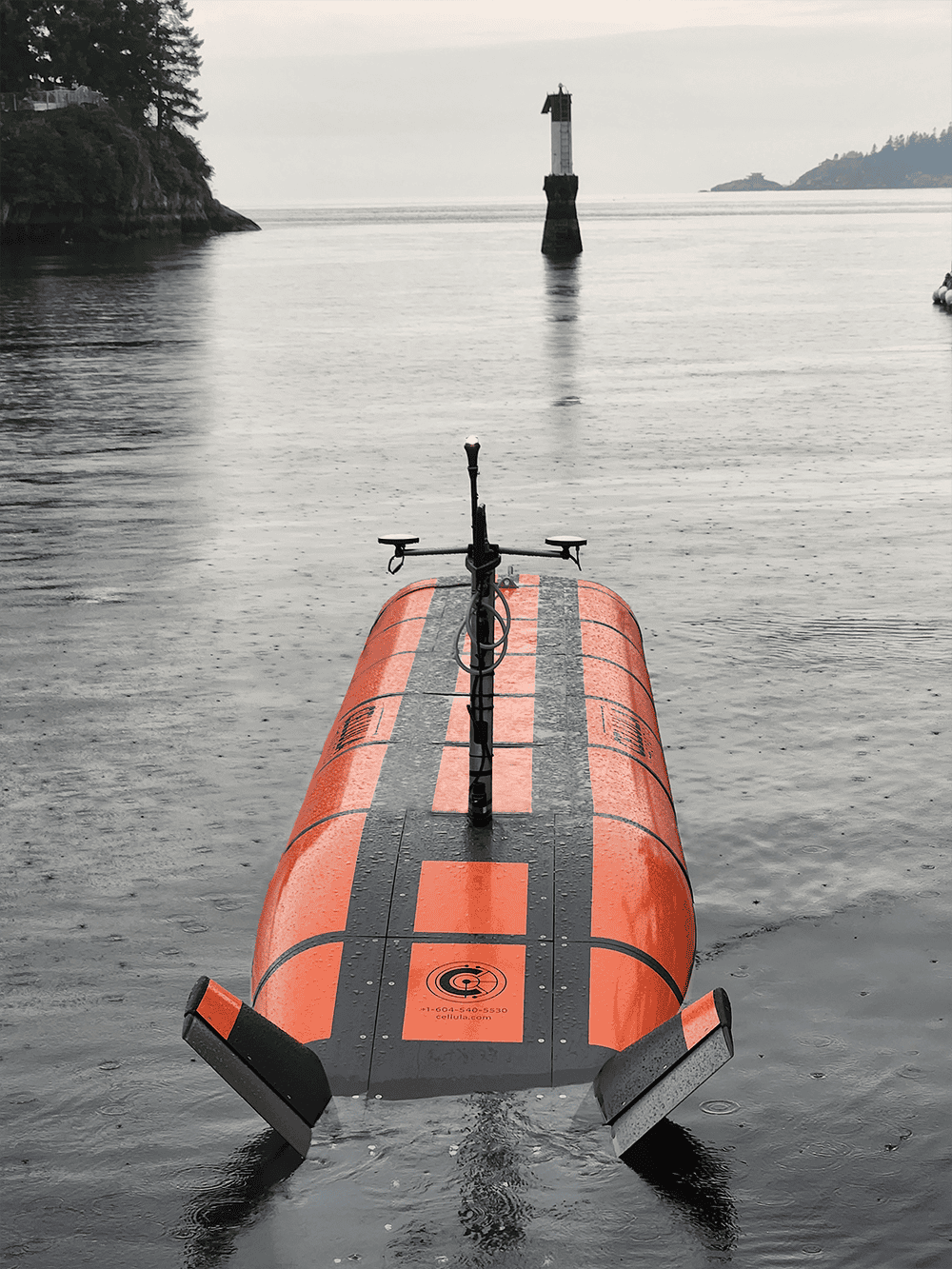
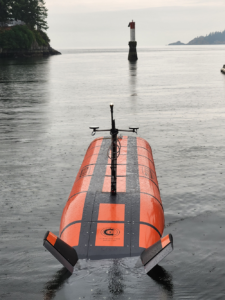
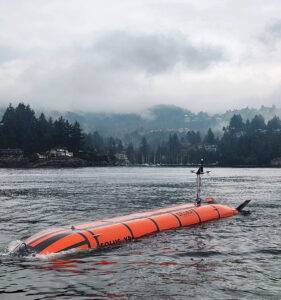
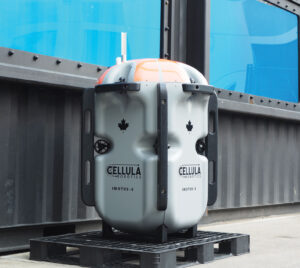
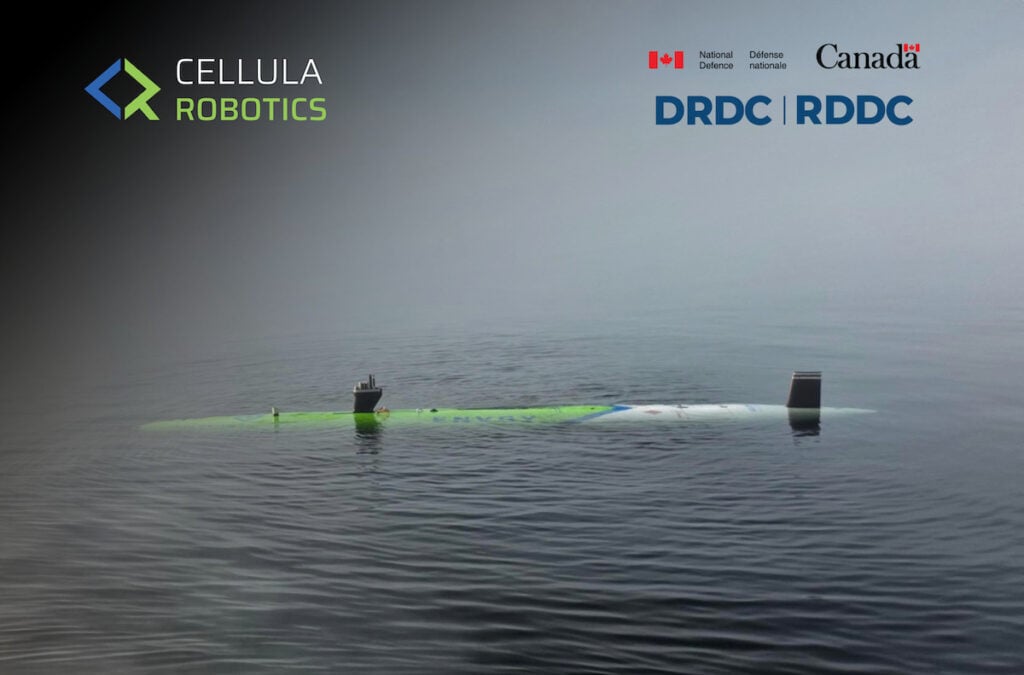
Envoy AUV by Cellula Robotics
Autonomous underwater vehicles are used to inspect pipelines, subsea cables, offshore wind infrastructure, production equipment, and other submerged assets. Sonar and optical sensors can document asset position, surrounding seabed conditions, burial or exposure status, free spans, and visible features, while repeatable missions support comparison between successive inspections.
Scientific Research and Environmental Monitoring
AUV technology allows researchers to collect measurements throughout the water column and close to the seabed without continuously operating a tethered platform. Vehicles can carry instruments for measuring temperature, salinity, dissolved oxygen, turbidity, chlorophyll, currents, and other physical, chemical, and biological parameters. Repeat missions can help researchers measure change over time.
Search and Localization
An AUV drone can follow systematic survey patterns to search large underwater areas for wrecks, lost equipment, geological features, or other objects of interest. Sonar, magnetometers, and optical sensors may be combined to detect, classify, and localize targets, while accurate navigation helps associate findings with reliable geographic positions.
Mine Countermeasures
AUVs can support mine countermeasure missions by surveying potentially hazardous areas without placing personnel directly over the search zone. An autonomous underwater drone may contribute to detection, classification, localization, and mapping of mine-like objects, with performance depending on sensor resolution, navigation accuracy, environmental conditions, and mission autonomy.
Sensors, Navigation & AUV Payloads
AUV performance depends on the combination of underwater sensors, navigation technologies, communications, and onboard processing integrated into the vehicle:
Sonar systems: Side-scan, multibeam, synthetic aperture, forward-looking, and sub-bottom sonar technologies can support seabed imaging, bathymetric mapping, obstacle detection, target identification, and infrastructure inspection.
Cameras and optical imaging: Still cameras, video systems, lighting, and laser scaling can provide detailed imagery where water clarity and operating distance allow effective optical inspection.
Oceanographic and environmental sensors:CTDs, fluorometers, dissolved oxygen sensors, current profilers, and turbidity sensors support physical, chemical, and biological measurements.
Acoustic positioning:Ultra-Short Baseline (USBL), Short Baseline (SBL), and Long Baseline (LBL) systems can provide external position information or navigation updates while the vehicle is submerged.
GNSS and surface position fixes: Global Navigation Satellite System (GNSS) signals do not normally penetrate seawater sufficiently for submerged navigation, so an autonomous underwater vehicle may obtain a satellite position at the surface before a mission or during planned surfacing intervals.
Depth sensors and altimeters: Pressure sensors measure vehicle depth, while acoustic altimeters determine distance from the seabed and support terrain following or controlled survey altitude.
Underwater communications: Acoustic modems can support low-bandwidth status messages, commands, or data exchange while submerged, while larger datasets are often transferred after surfacing or docking.
The most suitable payload configuration depends on mission objectives, available power, required navigation accuracy, vehicle stability, communications needs, data volume, internal space, and launch and recovery constraints.
Emerging Trends in AUV Technology
Several areas of development are extending the capabilities and operating models of autonomous underwater vehicles:
Collaborative AUV fleets and swarms: An AUV swarm can distribute sensing or survey tasks across multiple vehicles, increasing coverage and supporting coordinated mission strategies. Underwater communication and localization remain practical constraints.
Persistent subsea autonomy: Resident vehicles, underwater docking, automated charging, and autonomous data transfer are enabling longer periods of operation with less routine surface support.
Advanced underwater navigation: Improvements in terrain-relative navigation, Simultaneous Localization and Mapping (SLAM), acoustic aiding, cooperative positioning, and onboard sensor fusion are helping AUVs operate more accurately where satellite navigation is unavailable.
Improved energy and propulsion: Higher-capacity energy storage, efficient propulsion, lower-power electronics, and energy-aware mission planning can extend endurance and increase useful operating range.
These developments are also influencing how AUV manufacturers and autonomous underwater vehicle companies approach complete vehicle design. Greater onboard processing and autonomy can reduce operator input, but practical performance still depends on energy, communications, navigation accuracy, environmental conditions, payload requirements, and reliable launch and recovery.
BeeX's commercial autonomous underwater drones have been selected to advance toward U.S. Navy integration after successfully demonstrating untethered mine reacquisition and neutralization capabilities during defense prize trials
Deploying its autonomous underwater drone in murky reservoir waters, BeeX has successfully captured high-quality visual footage and precise 3D mapping data to evaluate a major global energy provider's floating solar farm
BeeX’s untethered underwater systems are designed to overcome the cost, manpower, and scalability limitations associated with conventional tethered ROV operations
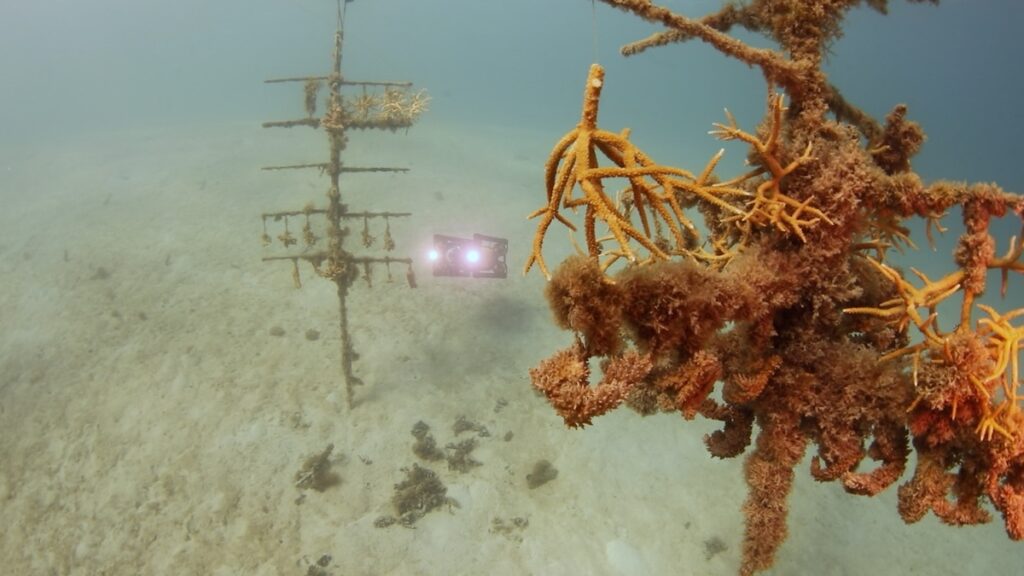
Boxfish Robotics discusses how its Autonomous Underwater Vehicles support repeatable coral reef surveying through consistent imaging, environmental data collection, scheduled surveys and long-term monitoring
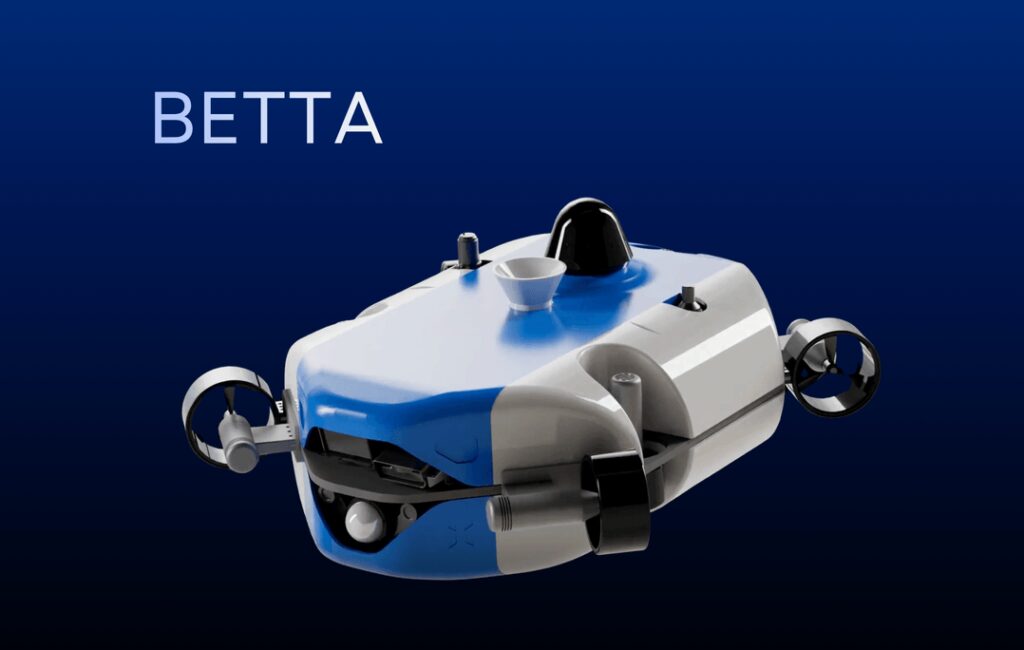
BeeX’s new 100-meter depth-rated BETTA combines a 12 kWh battery, seven-sensor configuration, IHO-rated positioning accuracy, and support for 24-hour autonomous inspection, survey, and light intervention operations
Boxfish Robotics will demonstrate hovering AUV capabilities for geo-referenced transects, high-resolution data capture and repeatable reef and benthic surveys
Phantom 2 AUV's unique free-flooding payload architecture and advanced mission control algorithms propel Dynautics to top honors at the Seawork Innovations Showcase
A long-term development collaboration between Cellula Robotics and DRDC/RDDC has validated an AUV after the hydrogen fuel cell platform completed a 385-hour submerged mission covering 2,023 kilometers of highly complex underwater maneuvers
The latest unmanned systems news, straight to your inbox.
Get our weekly roundup of technology developments, new products and industry news.
THANK YOU FOR SIGNING UP
Thanks for joining us. Check your inbox.
We've sent you an email. Click the confirmation link to complete your subscription to the weekly eBrief. In the meantime, explore the latest news, suppliers and technologies on UST.
Advancing Unmanned Systems Through Strategic Collaboration
UST works with major OEMs to foster collaboration and increase engagement with SMEs, to accelerate innovation and drive unmanned systems capabilities forward.