HP MJF for Unmanned Systems
Deep Trekker SPECTRA
Leading Global Suppliers

CTD Sensors

CTD sensors (Conductivity, Temperature, and Depth sensors) are oceanographic instruments that measure water conductivity, temperature, and pressure to characterize marine environments and calculate salinity, density, and sound speed. Across deployment platforms, CTD instruments are typically integrated into AUVs, ROVs, USVs, underwater gliders, and profiling floats.

This category features suppliers of CTD sensors, supporting oceanographic research, hydrographic surveying, and environmental monitoring.

Read the Technology Overview

CTD Sensor Manufacturers & Suppliers

AML Oceanographic
AML Oceanographic

Hydrographic & Oceanographic Equipment for Unmanned & Autonomous Surface Vessels & Underwater Vehicles

D-2 Inc
D-2 Inc

Conductivity, Temperature & Depth (CTD) Measurement Technologies for Unmanned Oceanography & Marine Survey

Showcase your capabilities

If you design, build or supply CTD Sensors, create a profile to showcase your capabilities and connect with visitors who have an active requirement for your solutions.

Create Supplier Profile

CTD Instruments & Sensors

5 Cutting-edge Solutions
Add your solutions
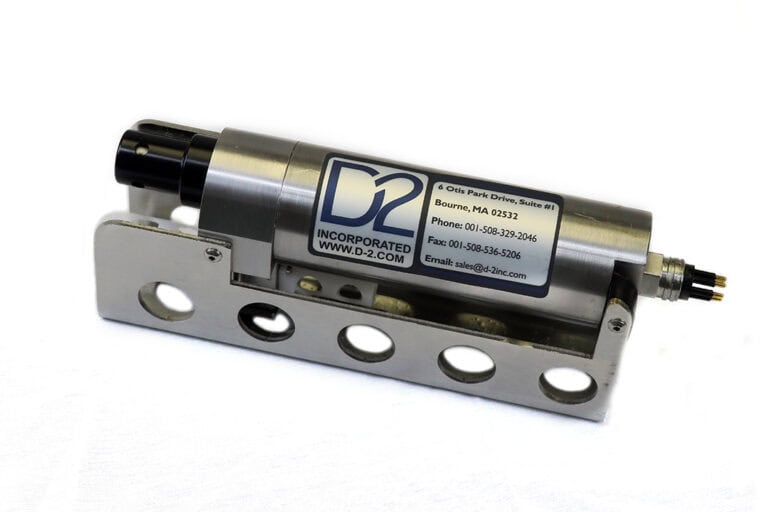
High Accuracy Conductivity & Temperature Sensor

Modular temperature and conductivity measuring sensor head with higher accuracy

Modular temperature and conductivity measuring sensor head with higher accuracy
... & Temperature Sensor is a field-swappable unit designed to be installed directly onto the end cap...
Conductivity & Temperature Sensor

Modular temperature and conductivity measuring sensor head

Modular temperature and conductivity measuring sensor head
... & Temperature Sensor is a field-swappable unit designed to be installed directly onto the end cap...
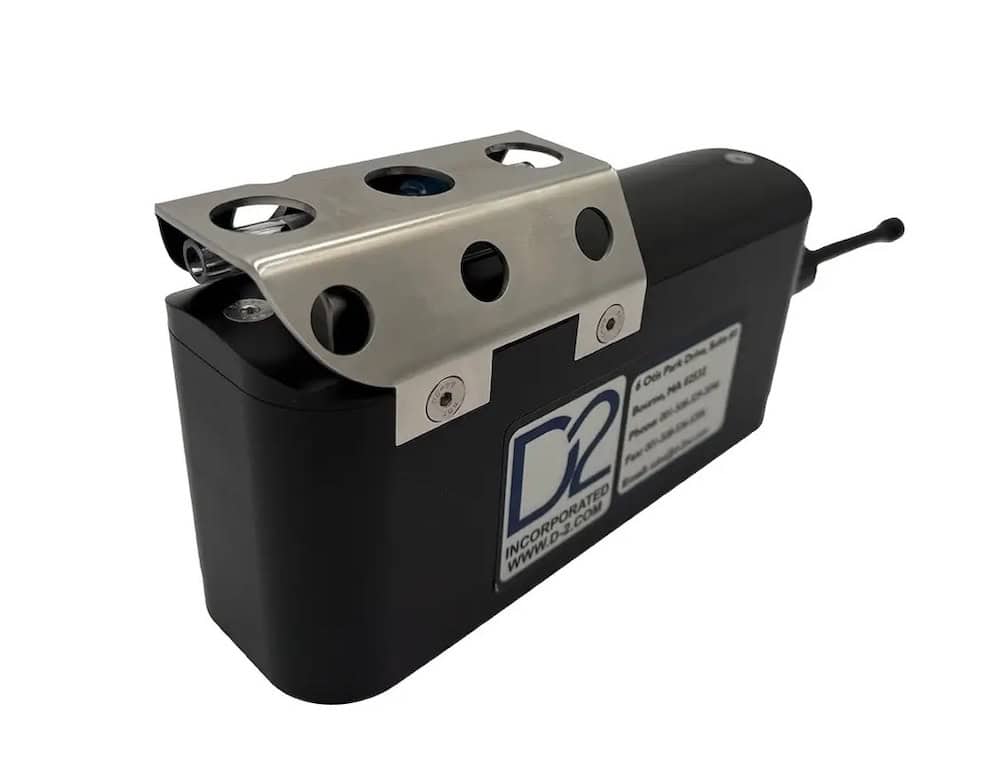
AUV CTD
AUV CTD

Compact conductivity, temperature & depth sensor for AUV & USV integration

Compact conductivity, temperature & depth sensor for AUV & USV integration
The AUV CTD from D-2 Incorporated provides a precise and rugged sensing solution for conductivity,...
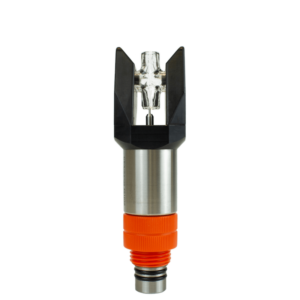
Hybrid CTD Sensor
Hybrid CTD Sensor

Cutting-edge conductivity, temperature & depth sensing in a low-SWaP footprint

Cutting-edge conductivity, temperature & depth sensing in a low-SWaP footprint
D-2's Hybrid CTD sensor utilizes a novel conductivity measurement approach that combines the...
UL-CTD Sensor
UL-CTD Sensor

Advanced conductivity, temperature & depth sensor with low power consumption

Advanced conductivity, temperature & depth sensor with low power consumption
The UL-CTD provides the same market-leading precision and depth performance as D-2's Hybrid CTD but...

Overview of CTD Sensors for AUV, ROV & USV Platforms

William Mackenzie

Updated:

Introduction to CTD Sensors

Conductivity, Temperature, and Depth (CTD) sensors are oceanographic instruments used to measure the physical properties of seawater and freshwater. By combining conductivity, temperature, and pressure measurements, CTD instruments provide data for calculating salinity, density, and other water column characteristics. These measurements support oceanographic research, hydrographic surveying, environmental monitoring, and underwater operations.

CTD sensors are widely integrated with Autonomous Underwater Vehicles (AUVs), Remotely Operated Vehicles (ROVs), Unmanned Surface Vessels (USVs), underwater gliders, and autonomous profiling floats. Compact CTD probes, multiparameter sondes with CTD capabilities, self-logging instruments, and profiling systems enable measurements across different depths, locations, and deployment durations.

Key Oceanographic Parameters Measured & Calculated by CTD Sensors

CTD sensors directly measure electrical conductivity, water temperature, and pressure using conductivity cells, temperature sensors, and pressure transducers. Synchronized measurements of these parameters provide the basis for calculating additional oceanographic properties, including salinity, density, and sound speed.

  • Electrical Conductivity: Conductivity measures the ability of water to conduct electrical current, which is influenced by dissolved ions and temperature. CTD instruments use conductivity measurements in conjunction with temperature and pressure data to calculate salinity.
  • Water Temperature: Temperature sensors measure the temperature of the surrounding water. These measurements support oceanographic profiling, water mass characterization, and the identification of thermal gradients.
  • Water Pressure and Depth: Pressure transducers measure water pressure, which increases with depth. Depth is calculated from pressure measurements using appropriate corrections and geographic information, including atmospheric pressure and latitude-dependent gravity.
  • Practical Salinity: Practical Salinity is calculated from conductivity, temperature, and pressure using the Practical Salinity Scale 1978 (PSS-78). It provides a standardized, dimensionless measure of seawater salinity based on conductivity ratios.
  • Absolute Salinity and Conservative Temperature: These thermodynamic properties can be calculated using CTD measurements and the Thermodynamic Equation of Seawater 2010 (TEOS-10) framework. Absolute Salinity calculations may require geographic information and corrections for variations in seawater composition, while Conservative Temperature is calculated from Absolute Salinity, in-situ temperature, and pressure.
  • Seawater Density and Density Anomalies: Density calculations combine salinity, temperature, and pressure to characterize water masses and vertical stratification. Density anomalies provide a convenient representation of seawater density relative to a reference value, with reference pressure conventions depending on the parameter being reported.
  • Sound Speed in Seawater: Sound speed can be estimated from CTD-derived seawater properties using established oceanographic equations. These calculations support acoustic propagation modeling, sonar data processing, and hydrographic survey corrections.

Together, CTD measurements provide the physical oceanographic information needed to characterize water column structure, distinguish water masses, and monitor changing marine conditions.

Core Types of CTD Instruments & Sensors

CTD equipment is available in different configurations to accommodate vessel-based profiling, fixed monitoring installations, and autonomous underwater operations. Instrument selection depends on measurement accuracy, sampling requirements, electrical power, sensor response, and deployment conditions.

CTD Type Configuration and Measurement Characteristics Typical Deployment
Compact and Miniature CTD Sensors Small, integrated instruments designed for restricted installation space and limited power availability. AUVs, ROVs, gliders, and compact marine platforms
Profiling CTD Instruments Instruments designed to acquire conductivity, temperature, and pressure measurements throughout the water column, often during controlled vertical profiles. Vessel-launched profiling systems and oceanographic survey operations
Autonomous and Self-Logging CTD Sensors CTD devices with internal memory and programmable sampling capabilities for independent data collection, with data retrieval or transmission depending on the instrument configuration. Moorings, profiling floats, autonomous platforms, and long-term monitoring
Pumped CTD Systems Use controlled water flow through the sensing arrangement to improve measurement consistency and support accurate temperature-conductivity alignment. High-accuracy oceanographic profiling and research systems
Unpumped and Free-Flushing CTD Sensors Rely on ambient water movement or platform motion to exchange water around the sensing elements without an active pump. Measurement performance depends partly on water flow and sensor response. Underwater gliders, AUVs, and low-power monitoring applications
Inductive Conductivity Cell CTDs Measure conductivity through electromagnetic induction without exposed measurement electrodes, with performance influenced by cell geometry, surrounding materials, and water flow. Autonomous monitoring and applications requiring reduced electrode maintenance
Electrode-Based Conductivity Cell CTDs Measure conductivity through electrical contact with the water using defined electrode geometries. Performance depends on cell design, calibration, and the condition of the measurement surfaces. Profiling instruments, compact CTD probes, and environmental sensors


These configurations are not mutually exclusive. For example, a miniature CTD logger may use an inductive conductivity cell and operate without a pump, while a profiling instrument may incorporate an electrode-based conductivity cell with controlled water flow.

CTD Devices for Unmanned Marine Platforms

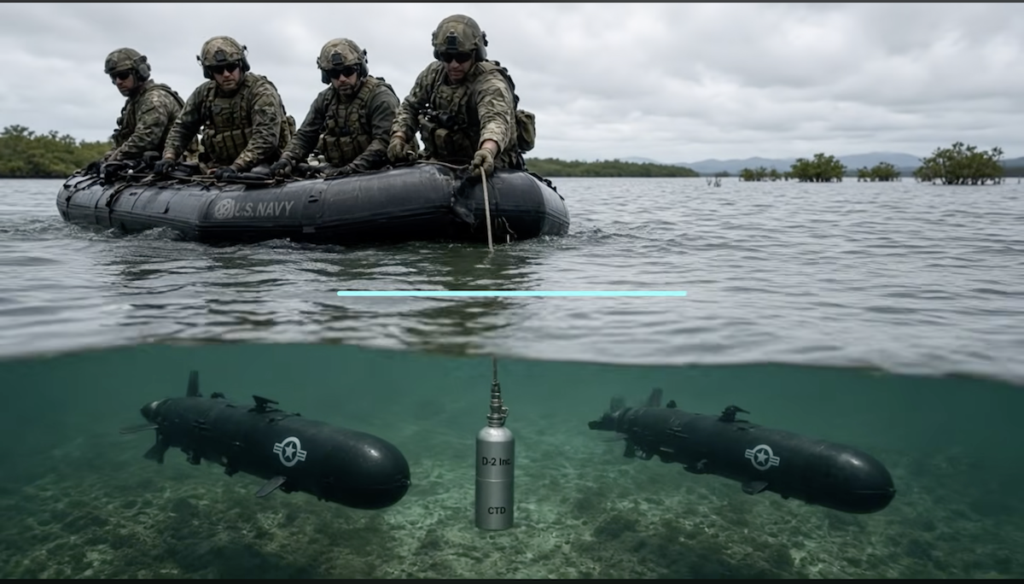
CTD instruments are integrated into unmanned marine systems to collect environmental measurements during autonomous or remotely controlled missions. Platform-specific considerations include sensor placement, pressure ratings, power consumption, sampling frequency, water flow, and compatibility with onboard data acquisition and navigation systems.

  • AUV CTDs: Collect conductivity, temperature, and pressure measurements along programmed underwater survey routes. Combining CTD measurements with vehicle navigation data enables georeferenced water column mapping and environmental analysis.
  • ROV CTDs: Provide localized measurements during underwater inspections, scientific investigations, and subsea operations. Operators can position CTD probes at selected depths or near specific underwater structures to investigate local environmental conditions.
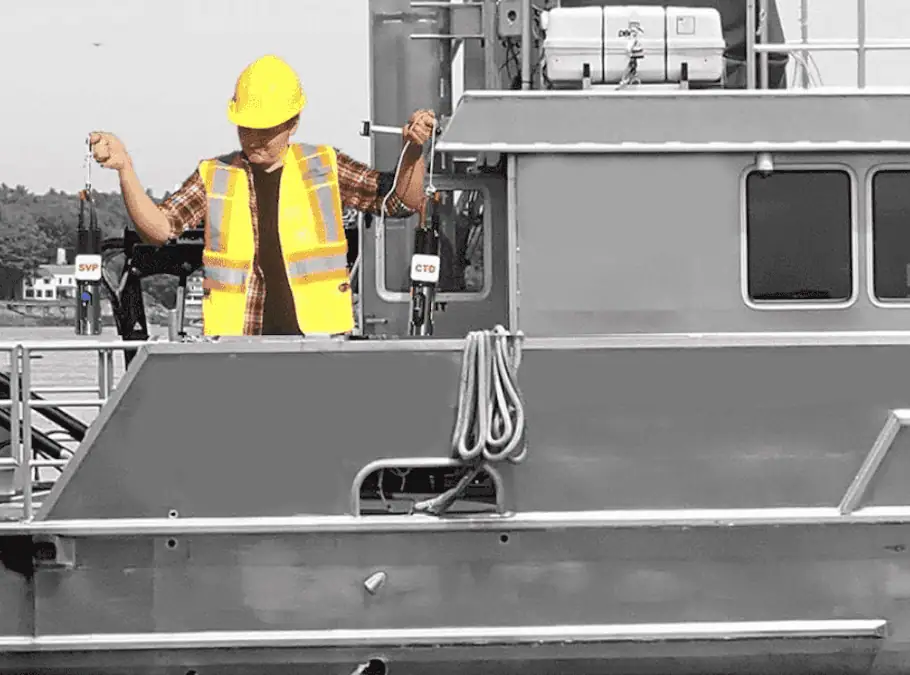
  • USV CTDs: Measure near-surface water conditions using submerged sensors. USVs equipped with profiling mechanisms can also lower CTD instruments through the water column to acquire measurements at greater depths.
  • CTDs for Underwater Gliders: Collect measurements during repeated descents and ascents through the water column. Low-power sensor configurations support extended missions investigating temperature, salinity, and water column variability associated with ocean circulation.
  • Autonomous Profiling Floats: CTD instruments integrated into profiling floats measure conductivity, temperature, and pressure during automated vertical profiling cycles. Collected measurements can be transmitted through satellite communications or underwater communication methods when the float returns to the surface.

CTD measurements can also support adaptive autonomous missions, allowing appropriately equipped platforms to modify sampling patterns in response to detected environmental gradients.

Core Applications of CTD Probes & Sensors

Physical Oceanography and Deep-Sea Water Column Profiling

CTD instruments measure vertical variations in temperature, salinity, and pressure to characterize ocean structure. CTD surveys help identify thermoclines, haloclines, pycnoclines, and distinct water masses. Deep-rated profiling systems support measurements across extensive depth ranges, including the deep ocean.

Ocean Circulation and Climate Studies

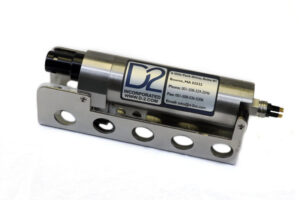
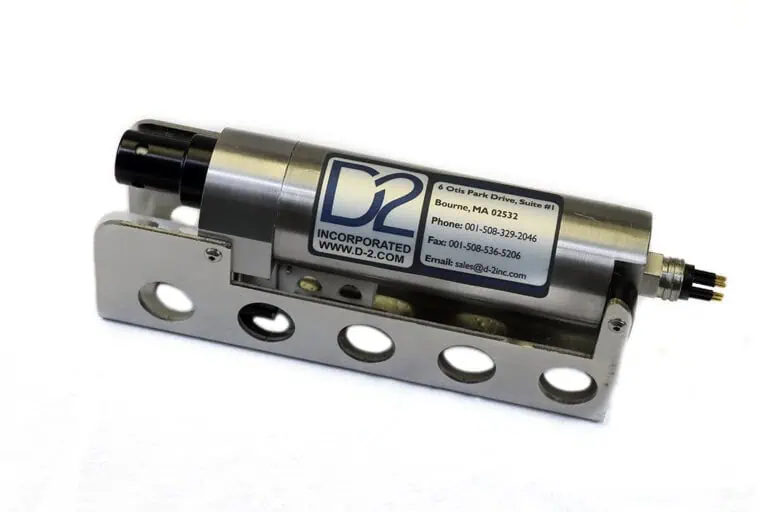
CTD Sensor for Autonomous Underwater Vehicles from D-2 Incorporated

Hybrid CTD Sensor from D-2 Incorporated.

CTD measurements support investigations of ocean circulation, heat distribution, salinity variability, and water mass movement. Repeated observations from profiling floats, underwater gliders, and research vessels contribute to long-term oceanographic datasets used to study seasonal variability and climate-related changes.

Marine Ecology and Biogeochemistry

CTD sensors provide environmental context for marine ecological and biogeochemical measurements. Temperature, salinity, and density influence habitat conditions, nutrient transport, and water column mixing. CTD systems integrated with dissolved oxygen, fluorescence, or chemical sensors can relate these additional measurements to physical water properties.

Hydrographic Surveying and Acoustic Profiling

CTD measurements support hydrographic surveying by providing the temperature, salinity, and pressure information needed to calculate seawater sound speed. These data can inform acoustic propagation modeling and corrections for sound speed variations in sonar measurements. Dedicated sound velocity profilers may be used when direct sound speed measurements are required.

Coastal and Environmental Baseline Monitoring

CTD monitoring supports investigations of estuaries, coastal waters, freshwater inflows, and changing environmental conditions. Repeated measurements help characterize salinity intrusion, thermal stratification, and water column variability. CTD dataloggers installed on fixed monitoring systems can provide time-series measurements between survey operations.

Oceanographic Standards & Data Quality Requirements

CTD measurements rely on established oceanographic scales, calculation frameworks, calibration procedures, and quality control practices to maintain consistency across instruments and deployments. These methods support comparable measurements and reliable processing of physical oceanographic data.

  • Thermodynamic Equation of Seawater 2010 (TEOS-10): Provides the thermodynamic framework for calculating seawater properties, including Absolute Salinity, Conservative Temperature, and density.
  • Practical Salinity Scale 1978 (PSS-78): Defines the Practical Salinity Scale used to calculate Practical Salinity from conductivity measurements in conjunction with temperature and pressure.
  • International Temperature Scale of 1990 (ITS-90): Establishes an internationally recognized temperature scale relevant to CTD temperature measurements and calibration.
  • International Association for the Properties of Water and Steam (IAPWS) and Established Seawater Formulations: Provide thermodynamic relationships relevant to seawater property calculations, including formulations used within the TEOS-10 framework.
  • Argo Data Management and Quality Control Procedures: Provide established approaches to profiling float data management, automated quality control, and delayed-mode adjustments of CTD observations.
  • Oceanographic Data Quality Assurance: Includes calibration records, sensor metadata, measurement uncertainty assessment, thermal lag correction, conductivity cell fouling checks, drift evaluation, and verification of acquired datasets.

Applying appropriate calibration, measurement alignment, and processing procedures helps maintain the consistency and reliability of CTD measurements across research programs and monitoring operations.

Emerging Developments in CTD Technology

CTD technology continues to develop in response to increasing requirements for compact instrumentation, low-power operation, measurement stability, and long-duration autonomous oceanographic observations.

  • Miniaturized CTD Instrumentation: Continued improvements in compact CTD sensors and embedded measurement modules support integration with smaller AUVs, underwater gliders, and autonomous profiling systems where installation space and electrical power are limited.
  • Improved Calibration Stability: Refinements in conductivity cell design, temperature-conductivity alignment, sensor electronics, and calibration techniques aim to reduce measurement errors and manage sensor drift during extended deployments.
  • Integrated Multiparameter Sensing: CTD systems are being further optimized for integration with dissolved oxygen sensors, fluorometers, turbidity sensors, and additional environmental instruments to collect comprehensive oceanographic datasets from autonomous platforms.

These developments support continued use of CTD sensors in autonomous marine research, environmental monitoring, and persistent ocean observation systems.


Related Articles

Autonomous CTD Logging: Simplifying Vessel-Based Deployments

Featuring onboard memory and closed-field conductivity technology, D-2 Inc.'s autonomous CTD logging streamlines vessel-based ocean deployments by eliminating real-time data links, external pumps, and complex field calibration requirements

Oct 09, 2026
D-2 Unveils Hybrid-Design CTD Sensor for AUV & Glider Applications

D-2’s new AUV-CTD sensor combines compact design and low power use to provide precise, real-time conductivity, temperature, and depth data for underwater platforms

Oct 27, 2025
Oceans 2025 Chicago: New AUV CTD Presented

At Oceans 2025 Chicago, D-2 Inc. is presenting its Titanium Ocean CTD and new AUV CTD at Booth 311, featuring a pump-free hybrid cell and low-power operation

Sep 29, 2025
CTD Measurement Technologies for UUVs & USVs

D-2 offers a range of solutions for both shallow-water and deep ocean deployments, and can customize sensors to suit unique requirements

Dec 03, 2024
Comparing CTD & Sound Velocity Profilers for Hydrographic Surveys

AML Oceanographic explains the differences between CTD and sound velocity profilers for hydrographic surveys, detailing how each method determines sound speed in seawater through either empirically derived calculations or direct time-of-flight measurement principles

Nov 18, 2024

THE WEEKLY eBRIEF

The latest unmanned systems news, straight to your inbox.

Get our weekly roundup of technology developments, new products and industry news.

By subscribing, you agree to receive the weekly UST eBrief newsletter from EchoBlue Ltd. Unsubscribe at any time using the link in every email. See our Privacy Notice.

Advancing Unmanned Systems Through Strategic Collaboration UST works with major OEMs to foster collaboration and increase engagement with SMEs, to accelerate innovation and drive unmanned systems capabilities forward.