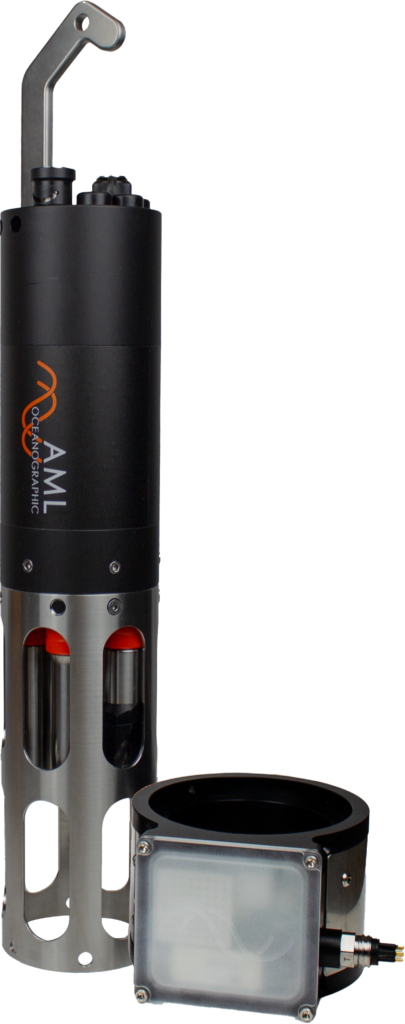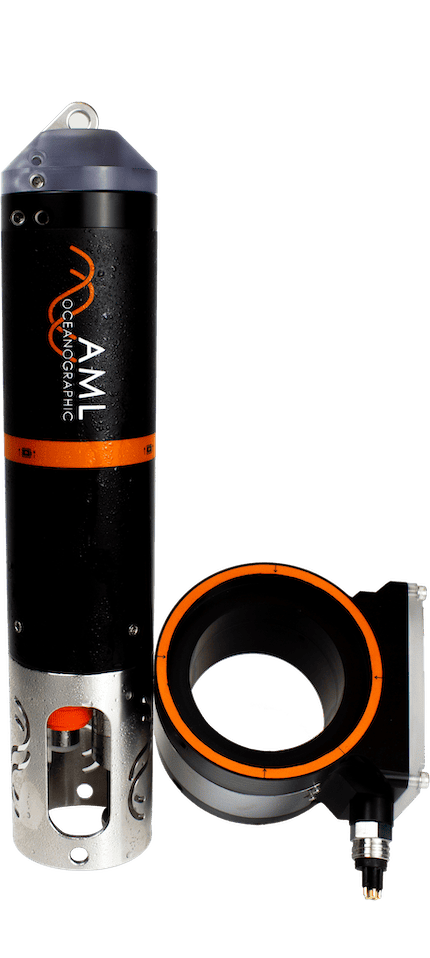

AML Oceanographic explains the differences between CTD and Sound Velocity (SV) profilers for hydrographic survey sound speed measurements, outlining how each method determines sound velocity in seawater. Read more >>
A CTD profiler measures conductivity, temperature, and pressure (depth), parameters that form the foundation for characterizing seawater. These measurements enable the calculation of properties including density, salinity, and sound speed, with sound speed determined through an empirically derived formula based on observed data correlations.
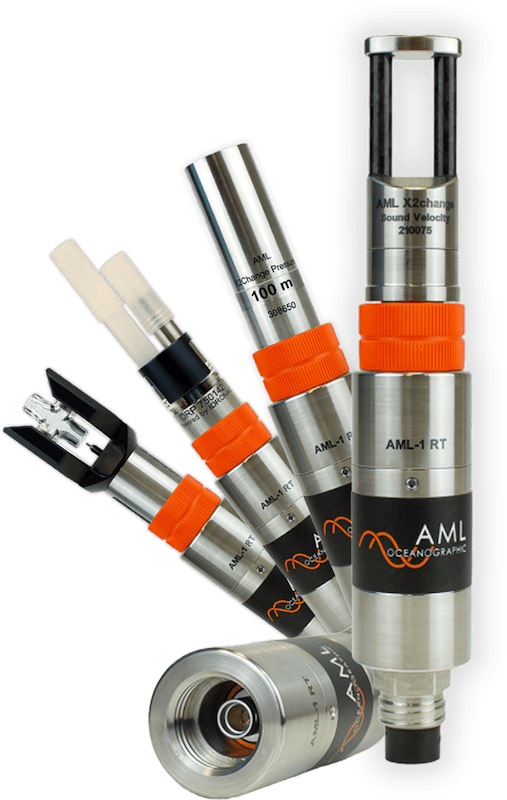
The article also details how SV profilers use a different measurement methodology. AML Oceanographic, then Applied Microsystems Ltd., introduced the first Time-Of-Flight (TOF) SV sensor in 1995. Unlike CTD systems, which calculate sound speed from measured parameters, TOF SV sensors determine sound speed directly using physics and first principles. The sensor measures the time required for an acoustic pulse to travel across a known fixed distance, using the relationship speed = distance/time.
The comparison highlights the distinction between empirically derived formulas and first-principles measurement methods. While CTD profilers calculate sound speed from conductivity, temperature, and pressure data, TOF SV sensors directly measure acoustic transit time across a fixed distance to determine sound speed in seawater.