
Showcase your capabilities
If you design, build or supply Fluid Flow Sensors, create a profile to showcase your capabilities and connect with visitors who have an active requirement for your solutions.




Fluid flow sensors monitor the movement and flow rate of liquids and gases across unmanned and autonomous systems, supporting propulsion, cooling, environmental control, and ballast management functions. These sensing technologies are integrated into UAVs, UGVs, USVs, and AUVs to improve efficiency, thermal regulation, and vehicle health monitoring.
This page showcases leading liquid flow sensor suppliers including differential pressure, ultrasonic, thermal mass, Coriolis, and electromagnetic flow measurement technologies for fuel systems, coolant loops, airflow monitoring, and subsea operations.
Read the Technology Overview
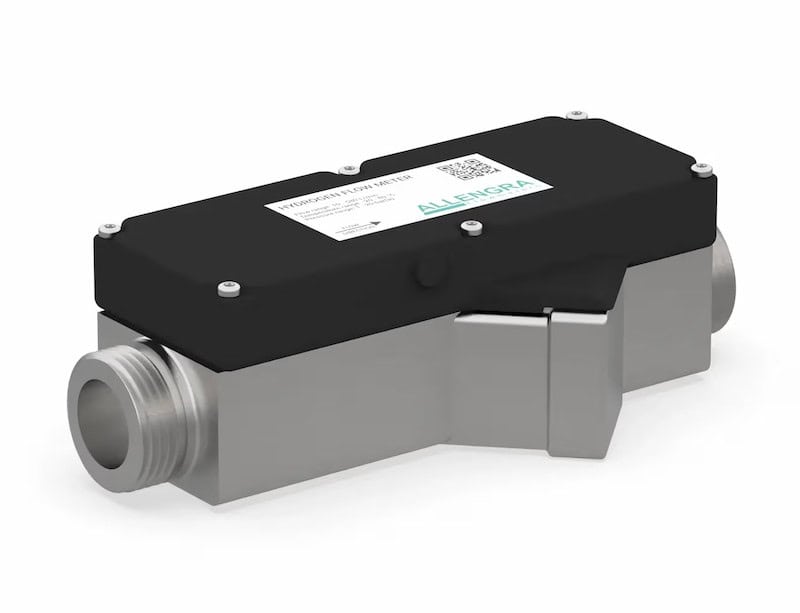
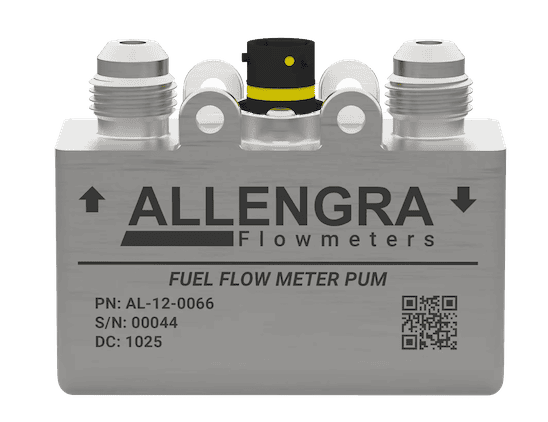
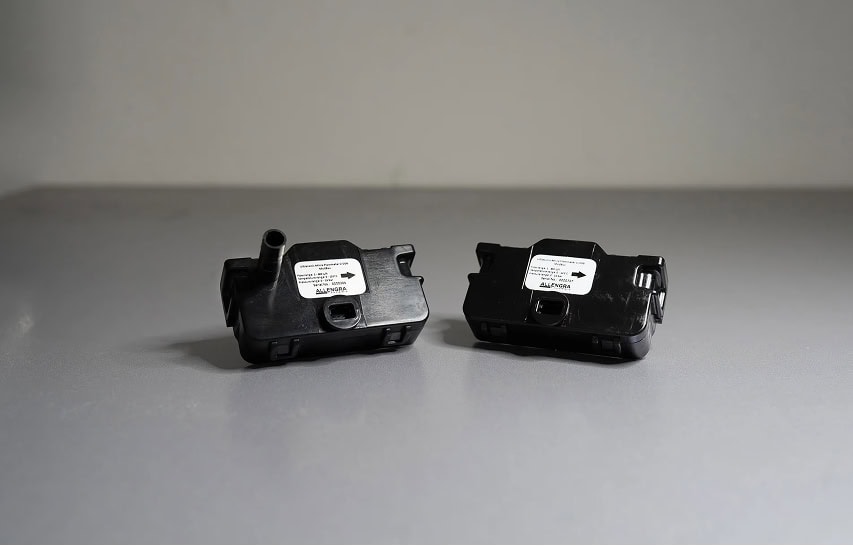
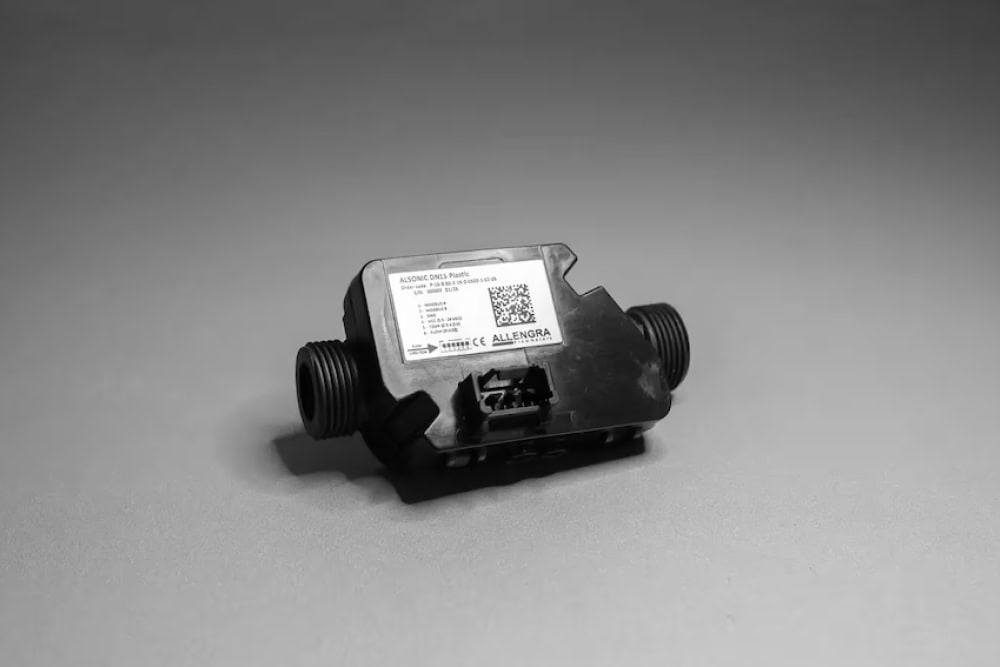
High-Accuracy Ultrasonic Fuel Flow Meters for UAVs | Real-Time UAV Fuel Monitoring

If you design, build or supply Fluid Flow Sensors, create a profile to showcase your capabilities and connect with visitors who have an active requirement for your solutions.

Fluid flow sensors monitor the movement of liquids and gases throughout unmanned and autonomous platforms. These components are utilized in propulsion, cooling, environmental control, hydraulic systems, and ballast management for UAVs, UGVs, USVs, and AUVs.
The role of flow measurement is distinct from pressure measurement. While pressure sensors track the force exerted by a fluid, flow sensors track the quantity and velocity of its movement. Precise monitoring is essential for efficiency, reliability, and vehicle health management. Modern sensors are designed to deliver accuracy while meeting strict SWaP-C and environmental requirements.
Fuel flow sensors monitor fuel consumption and delivery within internal combustion propulsion systems. In UAVs, they provide endurance calculations and support engine optimization during varying flight conditions.
UGVs and USVs use fuel flow data for engine efficiency monitoring, predictive maintenance, and fault detection. Changes in flow behavior can indicate injector issues, pump degradation, or fuel contamination before failures occur. Utilizing a liquid turbine flow meter or a digital liquid flow meter allows operators to maintain control over these parameters.
Coolant flow sensors ensure circulation within liquid cooling systems used for mission computers, batteries, radar systems, and power electronics. Maintaining stable coolant flow is necessary for preventing overheating and protecting onboard equipment.
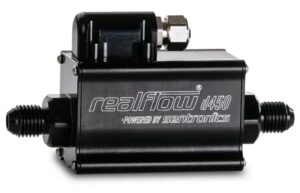
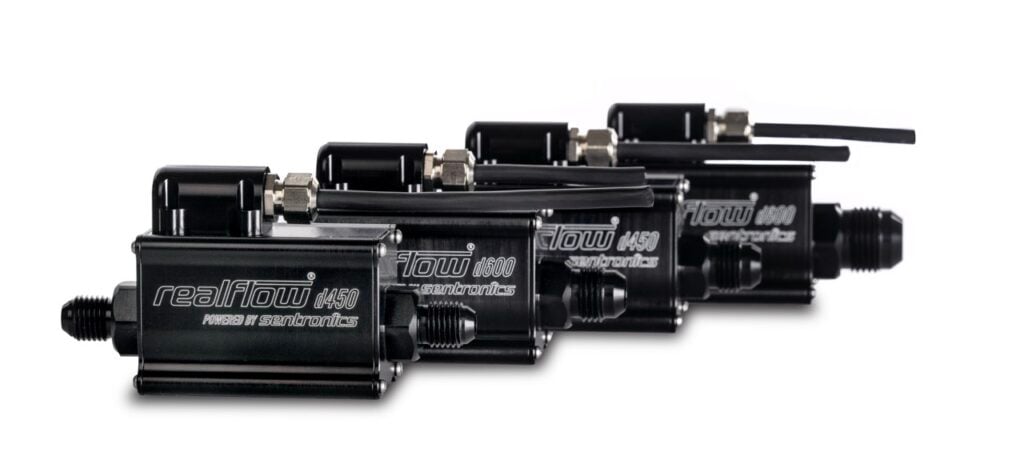
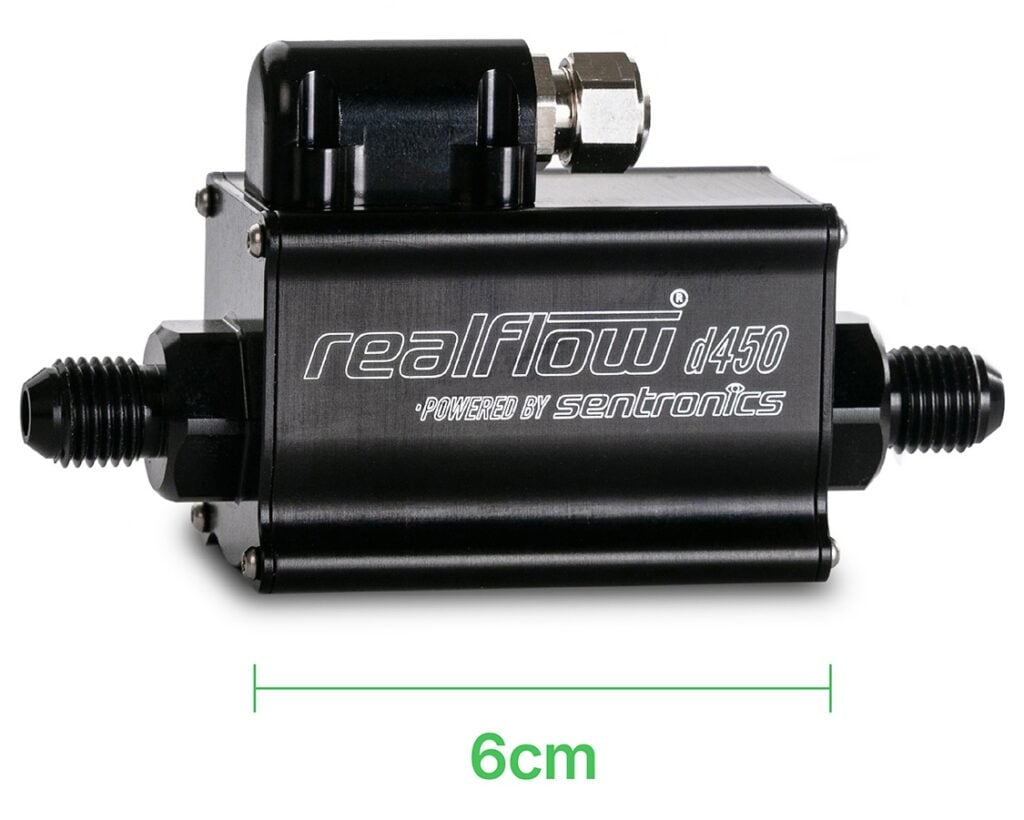
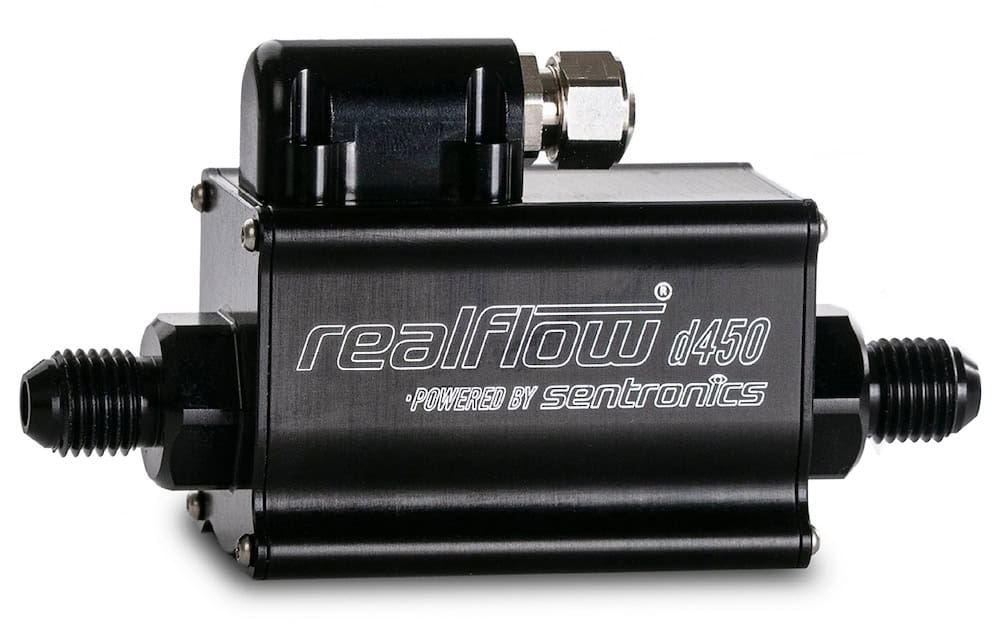
RealFlow® D-Series ultrasonic fluid flow meter for UAVs by Sentronics
Autonomous platforms increasingly rely on adaptive thermal management systems that regulate coolant flow based on operating conditions and processor load. Integrating a liquid flow measurement sensor into these loops provides the real time data necessary for active thermal throttling and protection.
Airflow sensors are a type of fluid flow sensor used within ventilation, cooling, and pneumatic systems to maintain operating conditions for avionics. They help regulate airflow through sealed compartments and monitor filter performance. In propulsion systems, airflow measurement also supports combustion efficiency, intake monitoring, and environmental compensation during altitude changes.
Ground vehicles use airflow monitoring systems to detect filter loading and dust ingress in harsh operating environments. For maritime and subsea platforms, flow sensors support ballast control, buoyancy regulation, and bilge monitoring. These systems provide early leak detection and improve long duration operational reliability. An ultrasonic liquid flow sensor is a common choice here due to its non intrusive nature.
Differential pressure sensors measure flow by monitoring pressure changes across a restriction such as an orifice or venturi tube. They are used due to their simplicity, reliability, and compatibility with both liquid and gas systems. These sensors are found in fuel systems, airspeed measurement systems, and industrial cooling applications.
Thermal mass flow sensors determine flow rate by measuring heat transfer between a heated element and the moving fluid. They are effective for low flow gas measurement applications. MEMS based thermal sensors are used in compact unmanned systems because of their small size, low power consumption, and sensitivity. A micro liquid flow sensor of this type is suitable for distributed vehicle health monitoring.
An ultrasonic fluid flow meter uses acoustic waves to measure fluid velocity without introducing flow restrictions. Transit time and Doppler ultrasonic technologies are used depending on the application. Their non intrusive operation makes them suitable for cooling systems, ballast systems, and applications requiring low maintenance. Engineering teams specify an ultrasonic liquid flow meter when system pressure drop must be kept to a minimum.
Electromagnetic flow sensors operate using Faradays Law of electromagnetic induction and are designed for conductive fluids. They contain no moving parts and generate minimal pressure loss. These sensors are used in maritime systems, industrial liquid management, and coolant monitoring applications.
Turbine and paddlewheel sensors use rotating mechanical elements to measure flow velocity. Their compact design and cost profile make them common for fuel monitoring systems. Although mechanical wear can occur over time, they are used in aerospace and automotive applications. A miniature liquid flow meter based on turbine technology is often the standard for small diameter fuel lines.
Coriolis flow sensors measure mass flow by detecting forces generated within vibrating sensor tubes. They provide measurement accuracy while also measuring fluid density and temperature. These sensors are used in aerospace propulsion systems and advanced fuel management architectures where precision is required.
Vortex shedding sensors measure flow by detecting vortices generated behind a bluff body placed within the fluid stream. They are durable, reliable, and suited to harsh operating environments. Their construction makes them suitable for industrial cooling loops and high temperature liquid flow meter applications.
MEMS flow sensors use semiconductor fabrication techniques to create compact sensing structures. They offer low power consumption and are used for small autonomous platforms with tight SWaP constraints. Microfluidic sensing technologies are being integrated into distributed vehicle health monitoring systems and intelligent sensing architectures.
The mechanical and electronic design of a flow sensor determines its suitability for specific autonomous operating environments.
These architectural considerations ensure that sensing hardware can survive the mechanical stresses of unmanned operations while providing high fidelity data.
Maintaining the integrity of flow data over the lifecycle of a platform requires rigorous calibration and monitoring strategies.
These management techniques ensure that autonomous platforms operate with a high degree of confidence in their internal health and performance data.
Fiber optic sensing technologies provide immunity to electromagnetic interference while supporting sensitive distributed measurements in aerospace and naval applications. Printed electronics enable lightweight and conformal sensor designs for compact autonomous systems and unconventional vehicle structures. Nanomaterial based sensing technologies, such as graphene and carbon nanotubes, are improving sensitivity and power efficiency in next generation sensing architectures.
Ultra low power electronics and energy harvesting technologies are driving the development of wireless and batteryless sensing systems to reduce wiring complexity and simplify integration. Future fluid management systems will combine distributed sensors and edge processing into fully connected monitoring ecosystems for intelligent autonomous management. Next generation sensors are expected to integrate AI acceleration directly within the sensing hardware, allowing a liquid flow meter sensor to provide actionable intelligence rather than raw data.


 Searching Companies & Products