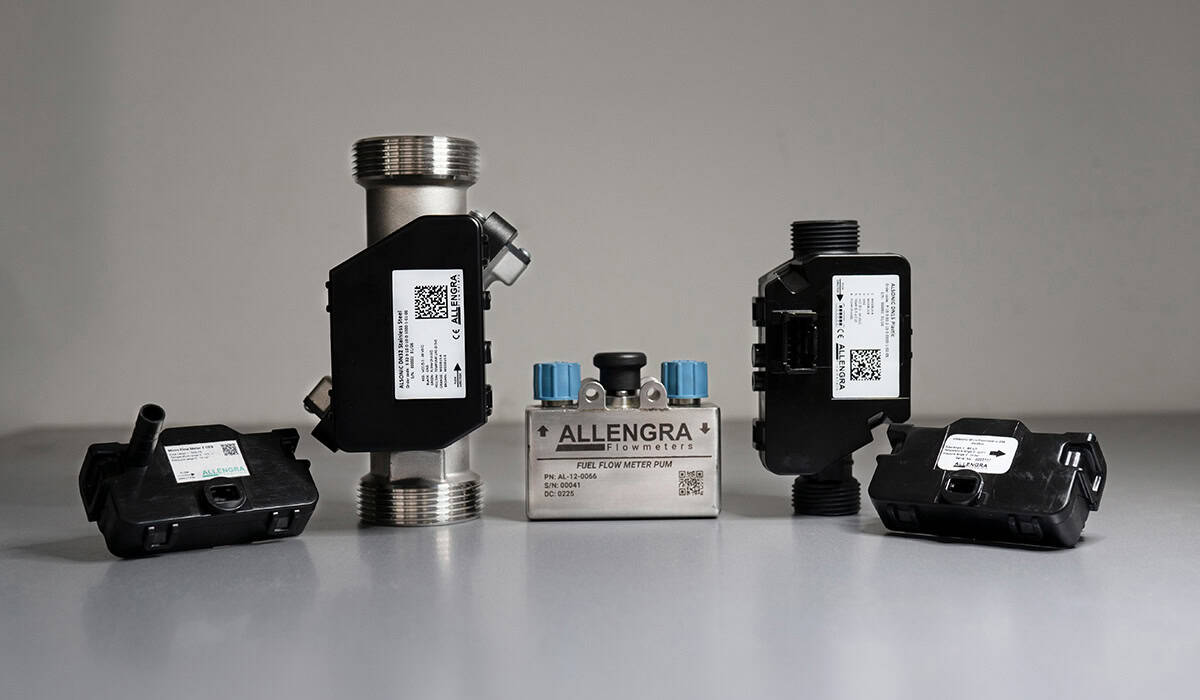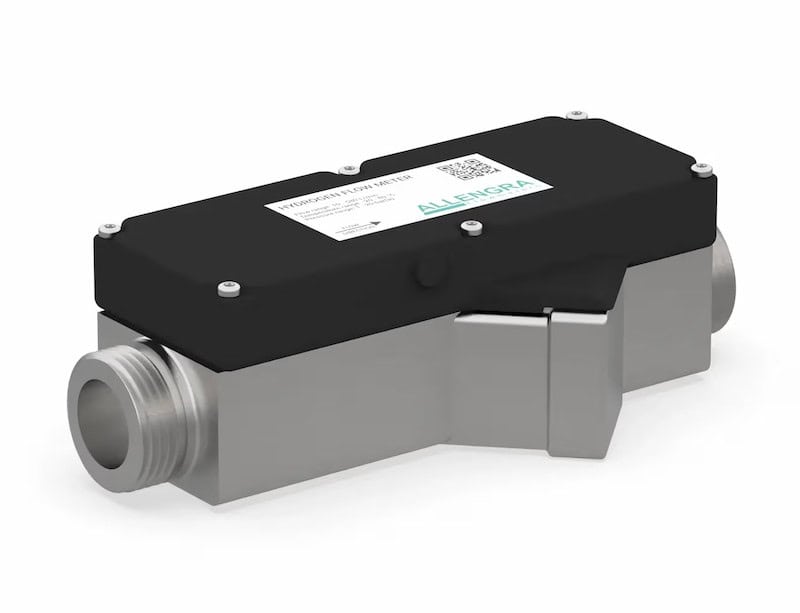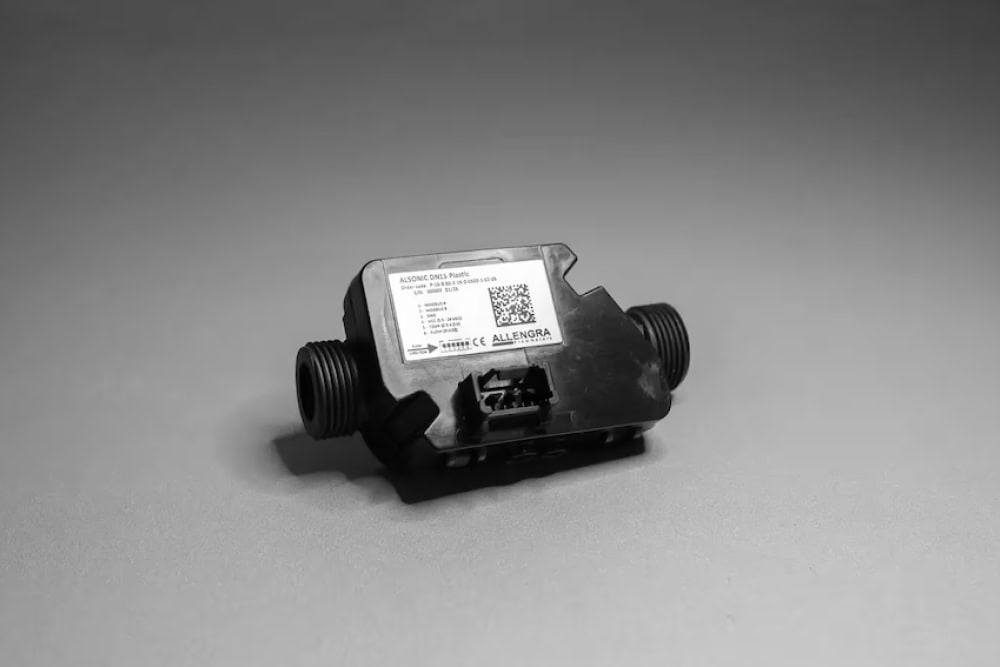
Allengra Flowmeters highlights four reasons why smart sensor technology can improve the performance and operability of Unmanned Aerial Vehicles (UAVs).
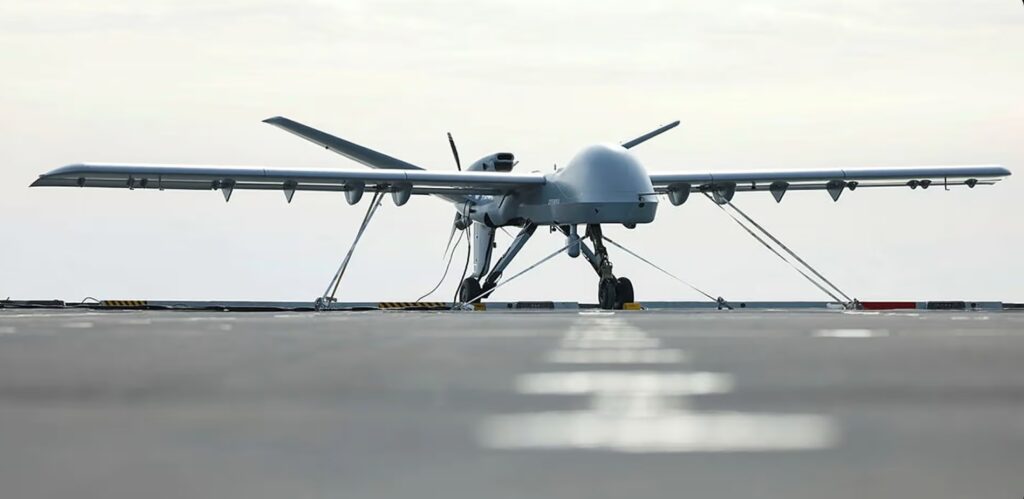
UAVs are used across applications including delivery, search and rescue, agriculture, firefighting, security and surveillance, transport, and military and defense.
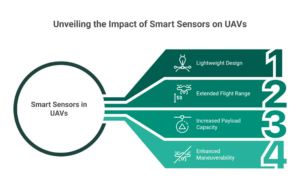
For UAV developers, reducing aircraft weight remains a primary objective, as lower weight can improve flight range, payload capacity, and maneuverability. While adding sensors may appear counterintuitive in lightweight UAV design, Allengra’s ultrasonic flowmeters are designed to provide accurate monitoring and measurement capabilities for both battery-powered and internal combustion UAVs.
Flowmeters provide precise range calculations, identification of the “point of no return,” safer and more reliable operations, and accuracy under high vibrations and pulsating flow conditions. Flowmeters measure the quantity of fuel or liquid flowing through a system.
1. Why is Accuracy Critical for Fuel Management?
For long-distance flights and endurance missions, efficient fuel use is essential. Operators require precise information about a UAV’s effective range to ensure that the aircraft can reach its destination and return safely.
Many drones use level sensors to estimate remaining fuel quantity. According to Allengra, these sensors become less accurate as fuel levels approach zero, making exact range calculations more difficult during critical stages of operation.
Allengra’s ultrasonic fuel flowmeters monitor fuel consumption continuously from takeoff, providing real-time data on fuel usage and remaining fuel quantity. The company states that the sensors provide reading accuracy of ±0.5%, including under challenging operating conditions.
2. Why Choose Ultrasonic Technology for a Balanced and Stable Flight?
According to Allengra, stabilizing fuel across multiple tanks supports efficient flight in drones heavier than 2 tons. Flowmeters monitor the quantity of fuel transferred between tanks, helping maintain balance during flight and during maneuvers such as Vertical Take-Off and Landing (VTOL).
Weighing an aircraft while airborne is extremely difficult, making precise fuel measurement within each tank essential for monitoring balance. Ultrasonic flowmeters combine durability, precision, and flexibility. The sensors are designed to handle pulsating or irregular flow conditions and can work with fluids including fuel, coolants, and agricultural chemicals.
3. Why Monitor Cooling Systems?
Heat generated by batteries, motors, and onboard electronics can affect UAV safety and component lifespan, particularly during demanding operations such as firefighting or agricultural spraying.
Allengra’s flowmeters continuously monitor cooling fluid flow to help maintain safe temperature limits throughout the system. This monitoring capability can help extend drone lifespan and support performance during demanding operating conditions.
4. Why Does Meticulous Dosing Matter in Agriculture?
For UAVs used in irrigation and spraying applications, dosing precision affects both effectiveness and operating costs. Allengra’s micro flowmeters are designed to ensure that the required amount of water, pesticide, or fertilizer is delivered to the intended location. Precise dosing helps maximize efficiency while reducing waste during flight operations.
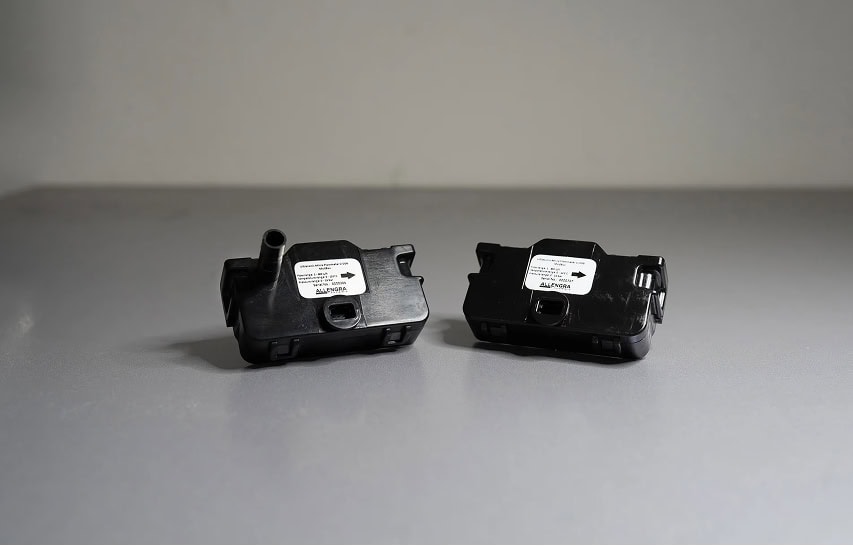
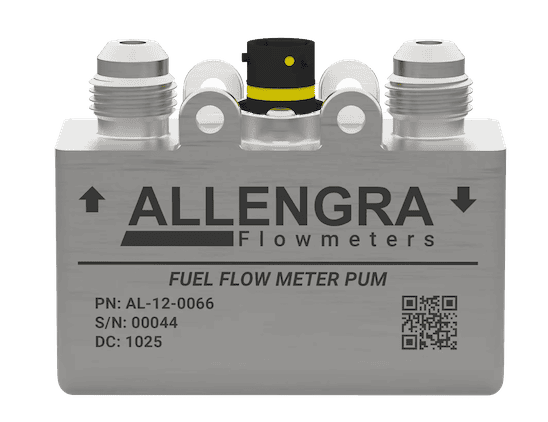
Micro Flow Meter (2nd Gen) and PUM Fuel Flow Meter
Allengra’s ultrasonic flowmeter portfolio includes the Micro Flow Meter (2nd Gen) and the PUM Fuel Flow Meter. According to the company, these sensors provide real-time measurement under challenging operating conditions and can help UAVs fly farther, last longer, and operate more efficiently.
For more information, visit the Allengra Flowmeters website.