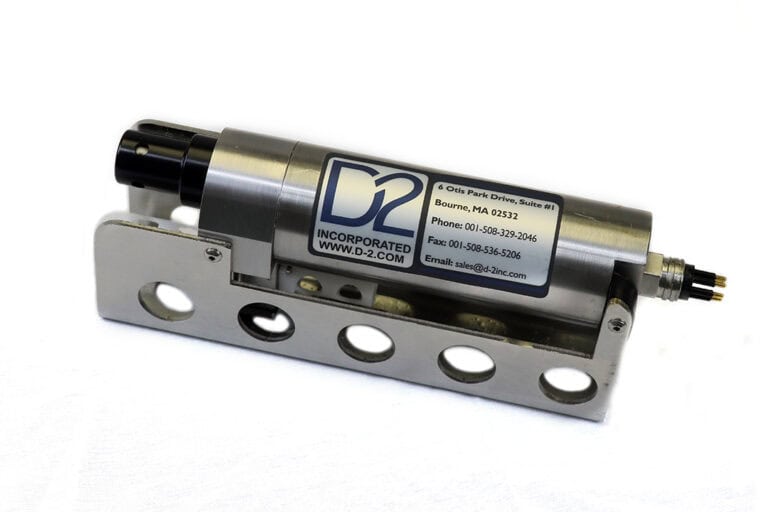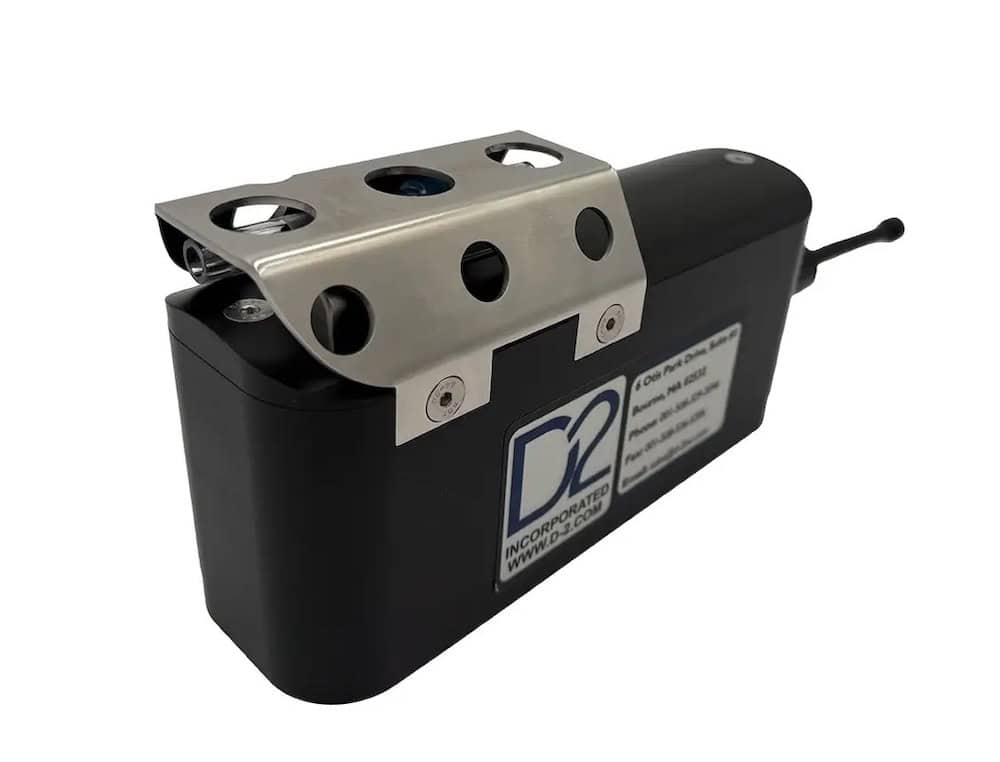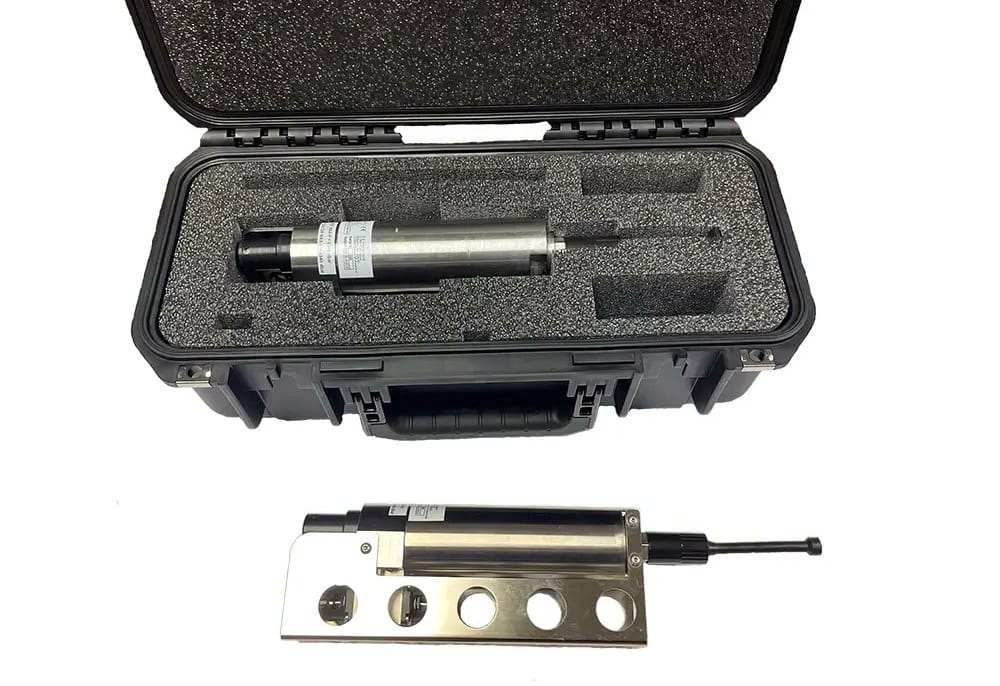
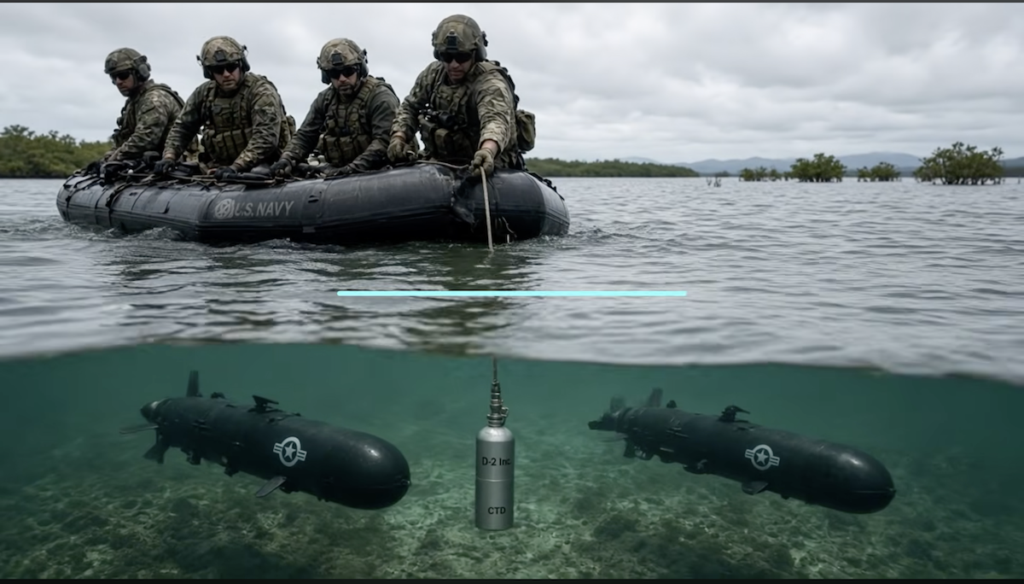
Conducting CTD casts from small boats or larger vessels does not require a continuous data connection when measurements can be stored directly on the instrument. The D-2 Inc. CTD uses onboard memory and autonomous logging to support vessel-based deployments without a real-time data link, allowing data to be collected during each cast and retrieved after recovery.
Onboard Data Storage and Automatic Logging
With 128 MB of internal memory, the D-2 CTD can record measurement data independently of an external logging system. When paired with a D-2 CTD battery pack, the instrument requires only a tether and a single power switch for deployment.
In automatic logging mode, data acquisition starts immediately when power is applied. Each recorded measurement includes raw counts for pressure, temperature, pressure-temperature, and conductivity, along with a time and date stamp.
Closed-Field Conductivity Measurement
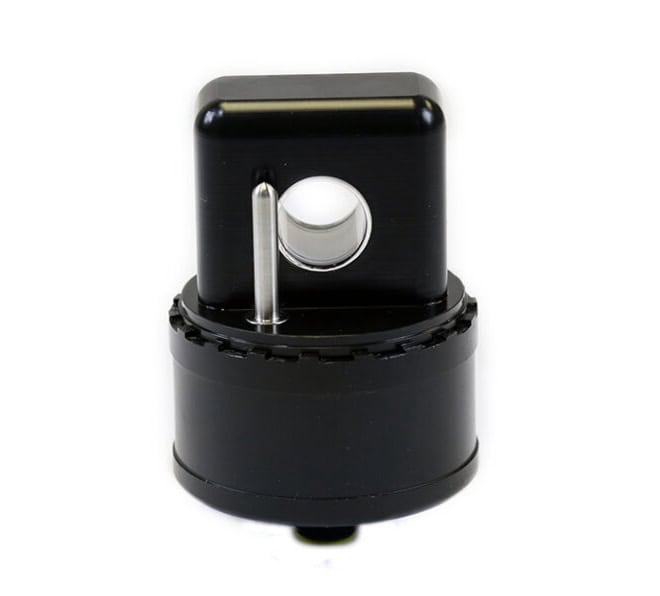
The D-2 CTD incorporates flow-through closed-field conductivity technology, which measures conductivity within a confined field. This measurement approach eliminates dependence on an external pump for calibration and makes the calibration insensitive to surrounding structures or the instrument’s mounting geometry.
As a result, the CTD can be mounted as delivered on an autonomous vehicle, attached to a profiling frame, or deployed using a simple rope without affecting its factory calibration.
Data Retrieval Following Deployment
Once the casts have been completed and the instrument recovered, the stored measurement records can be transferred to a laptop or desktop computer.
Data transfer is carried out using the OC-CTD-Test-Cable, which is supplied with every D-2 CTD instrument, completing a deployment workflow that does not require real-time communication during data collection.