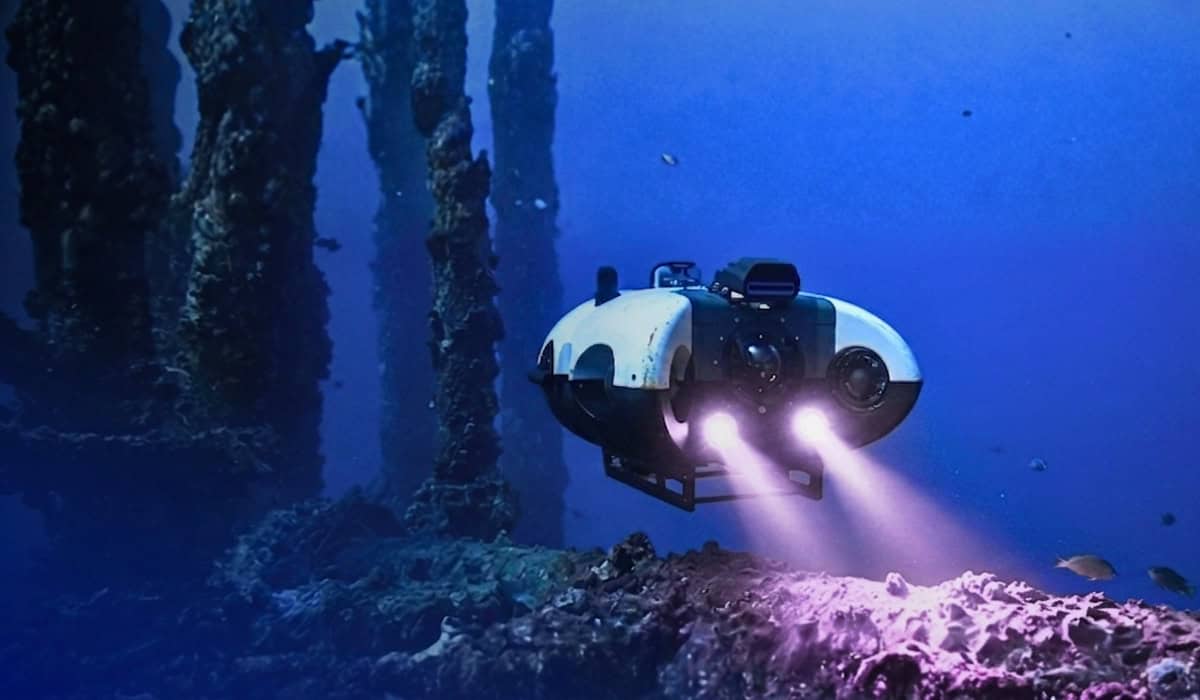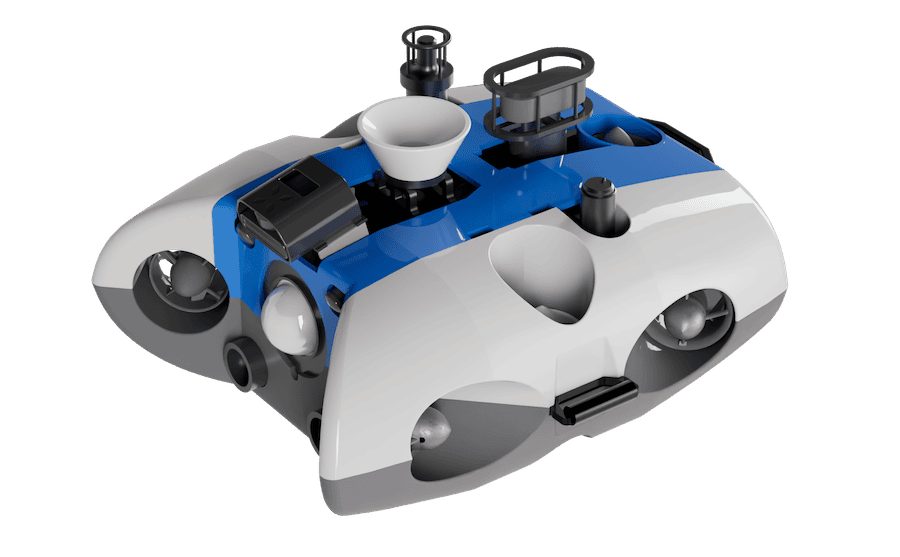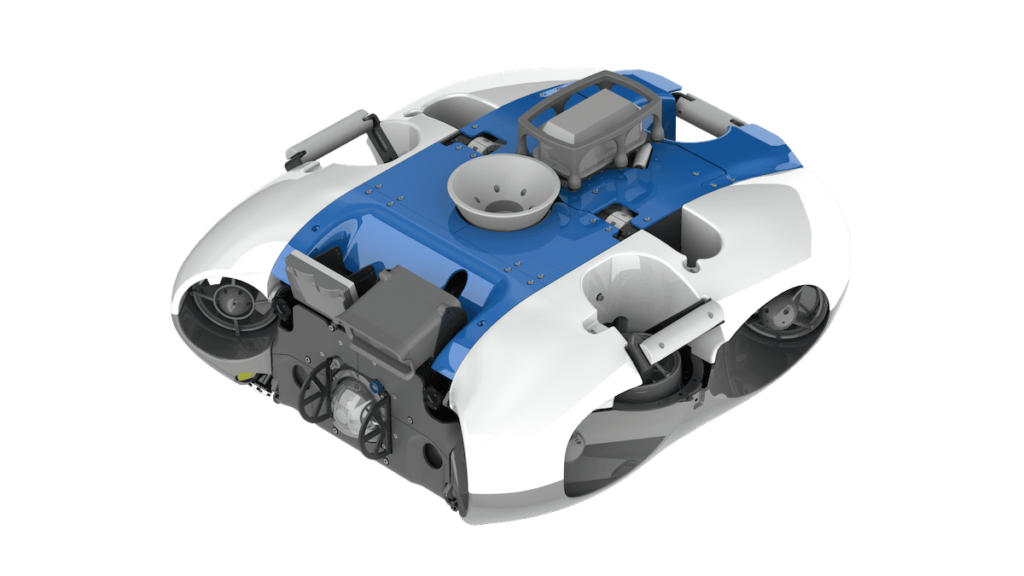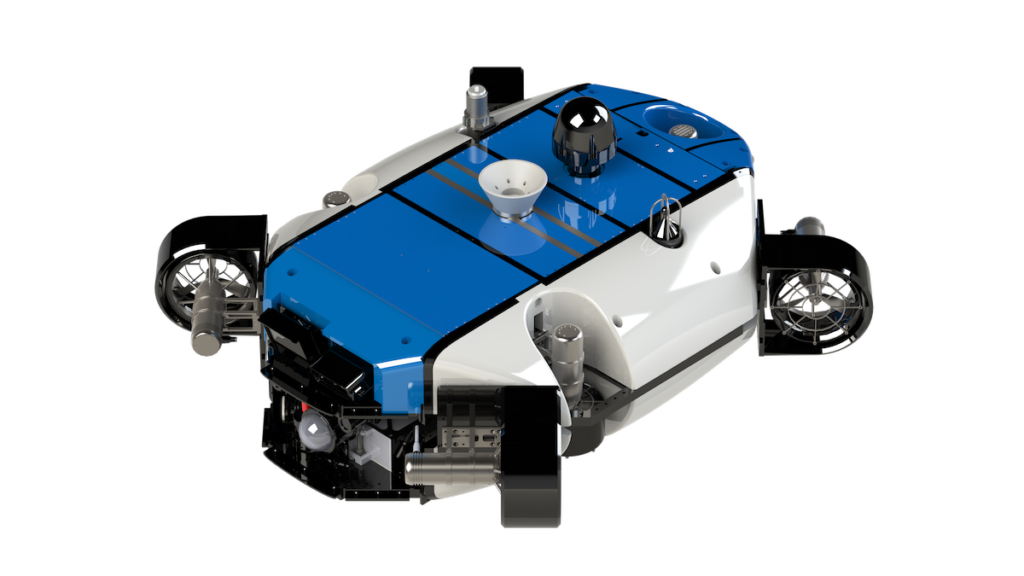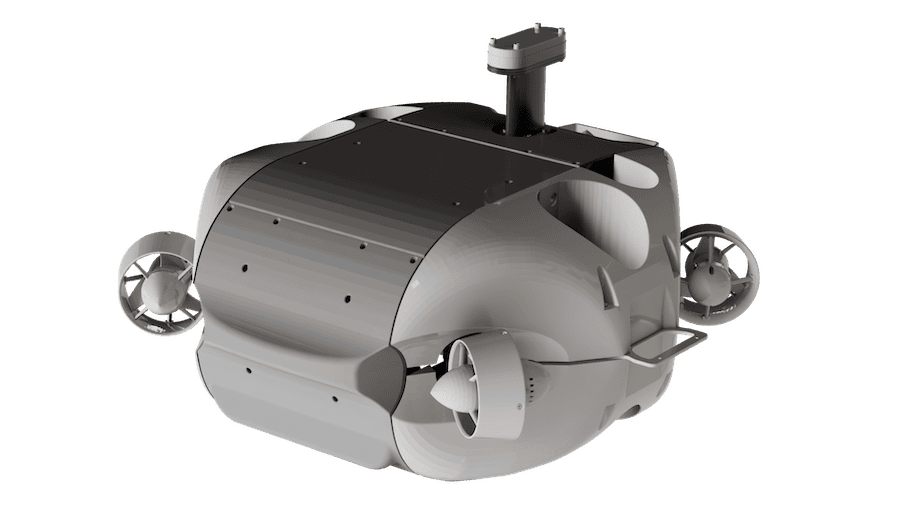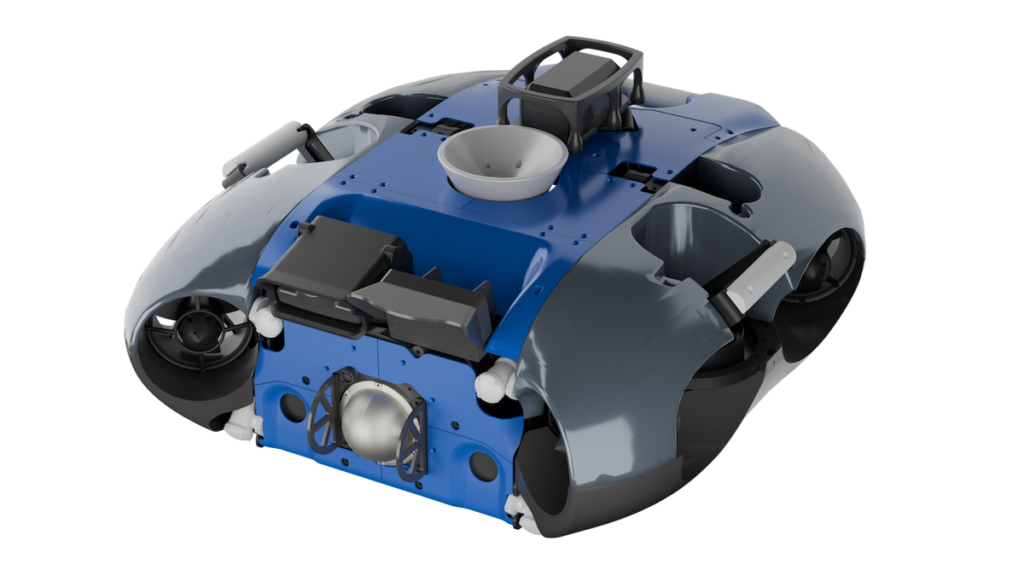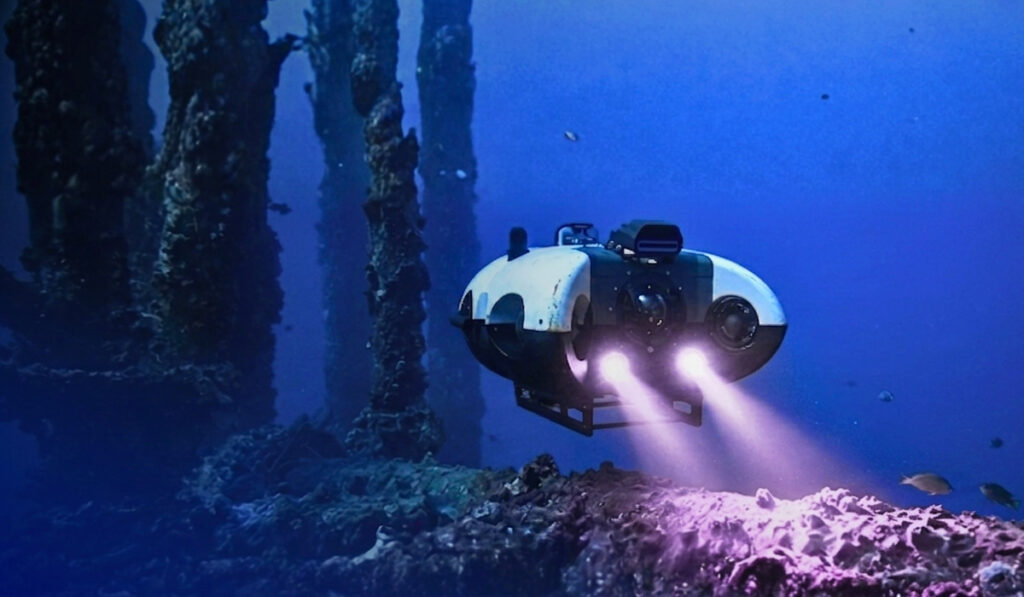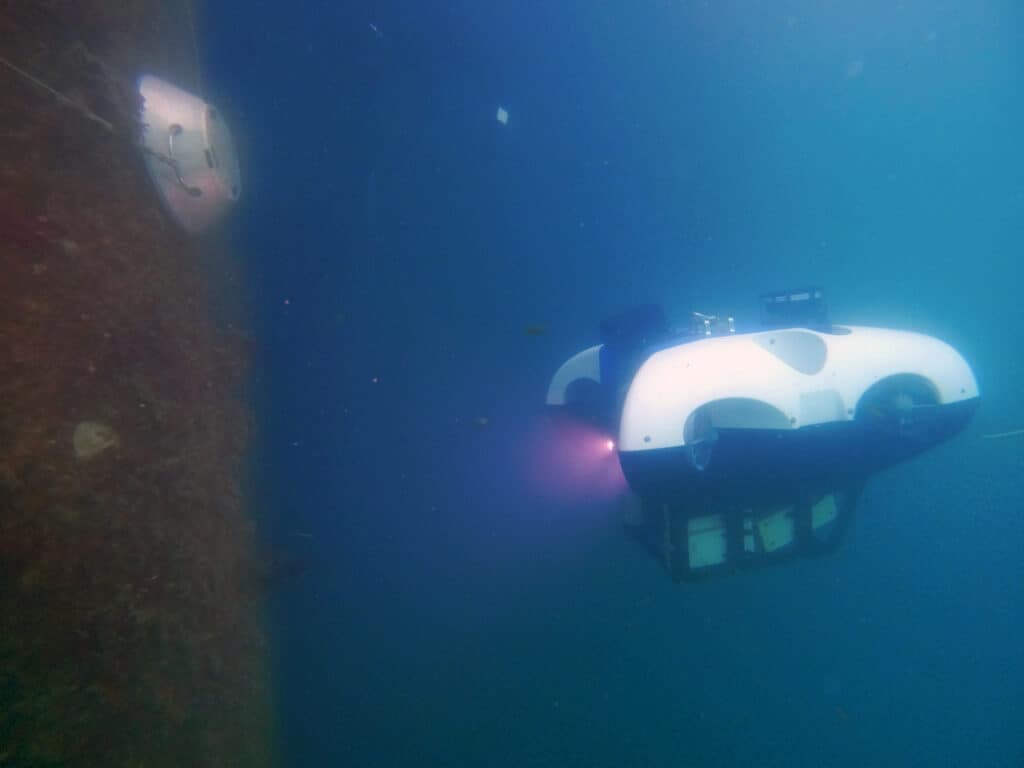
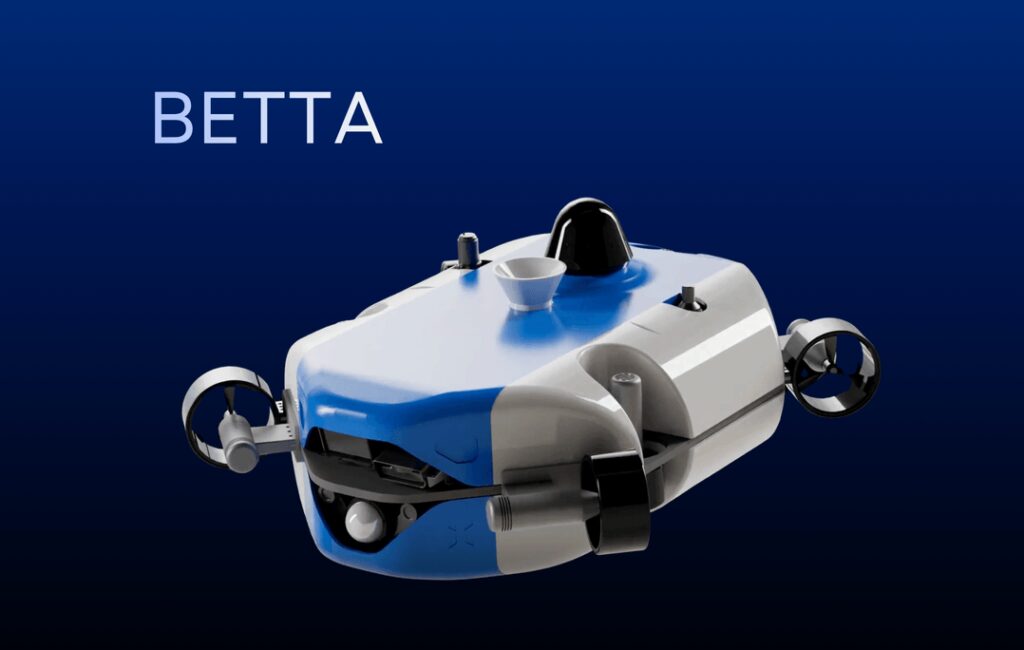
BeeX has launched BETTA, a 100-meter depth-rated autonomous underwater drone designed for inspection, survey, and light intervention missions.
The new vehicle made its public debut at Xperiences 2, BeeX’s flagship industry event, before more than 200 guests from the defence, energy, coastal management, and research sectors.
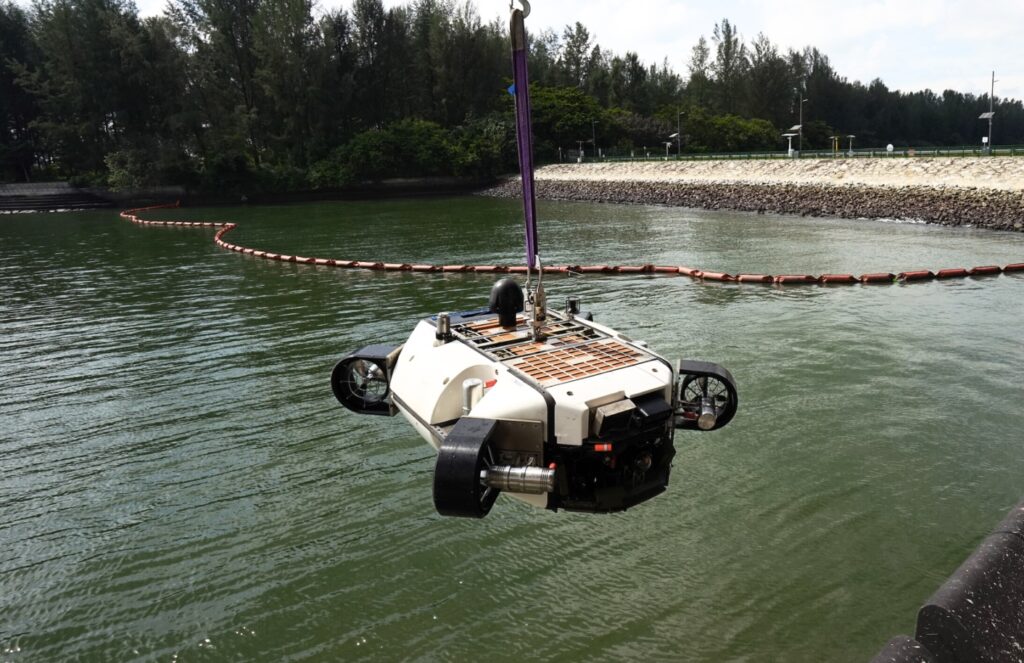
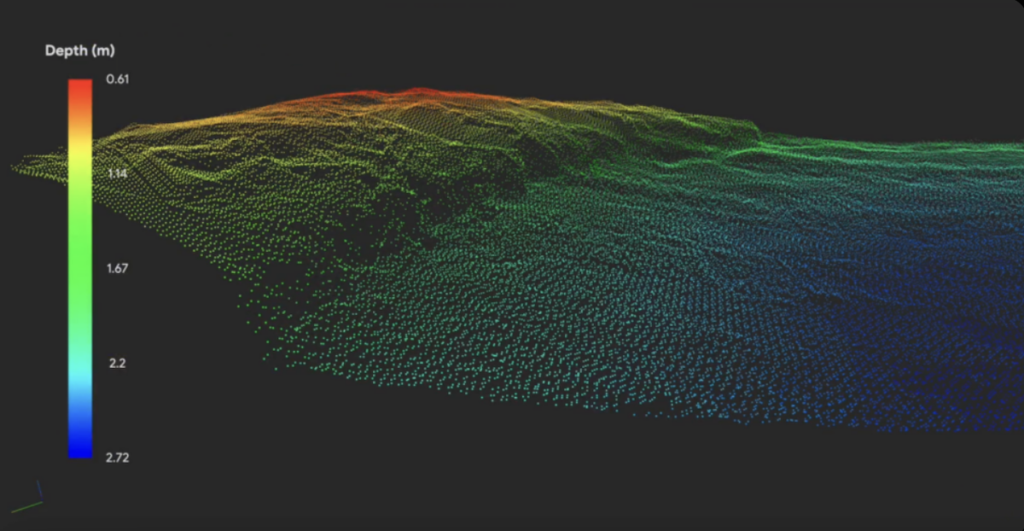
BETTA improves upon the artificial intelligence used by BeeX’s flagship A.IKANBILIS drone, developed using 14 years of proprietary data. Its upgraded base configuration includes a seven-sensor suite, while its autonomous decision-making speed is designed to improve reliability and predictability around complex structures and in harsh environments.
The drone’s battery capacity has also been upgraded tenfold to 12 kWh, allowing it to support 24-hour continuous autonomous operations for detailed inspections, surveys, and light intervention scopes. BETTA also provides IHO-rated positioning accuracy.
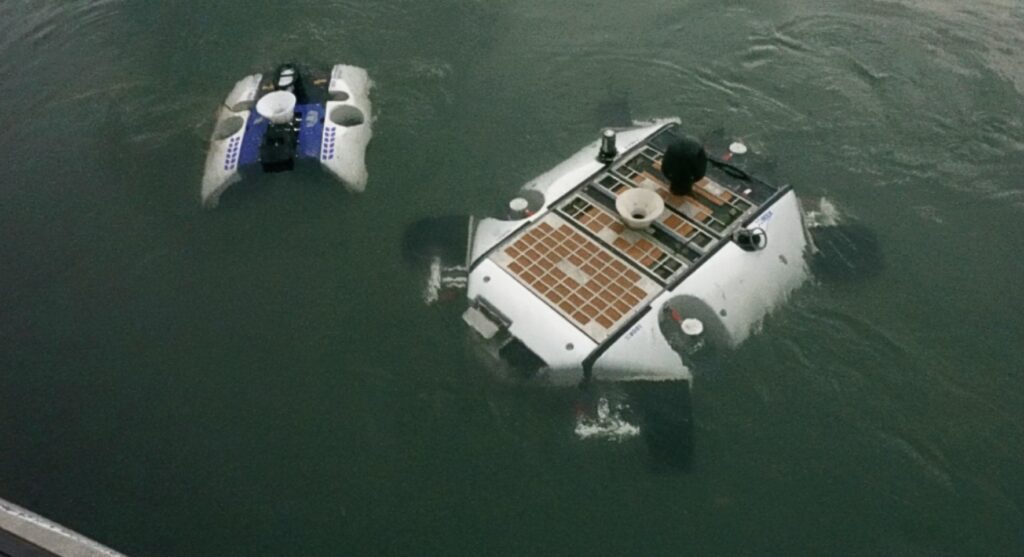
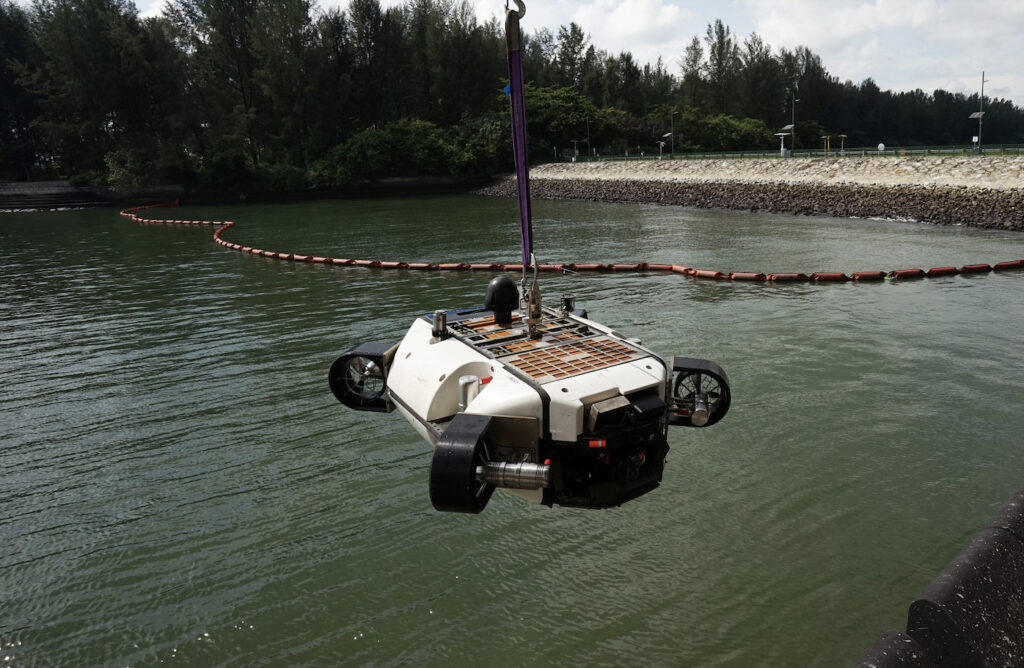
Scalable launch and recovery methods are intended to support longer and more predictable underwater campaigns. According to BeeX, the vehicle weighs less than 300 kg and uses the same simple logistics and deployment methods as its flagship drones.
Grace Chia, CEO and co-founder of BeeX, commented, “At less than 300kg, BETTA shares the same simple logistics and deployment methods as our flagship drones. “Further, its intelligence unlocks maximum productivity, especially when multiple drones can independently inspect multiple structures in the same mission window.”