





Showcase your capabilities
If you design, build or supply Edge AI Computers, create a profile to showcase your capabilities and connect with visitors who have an active requirement for your solutions.




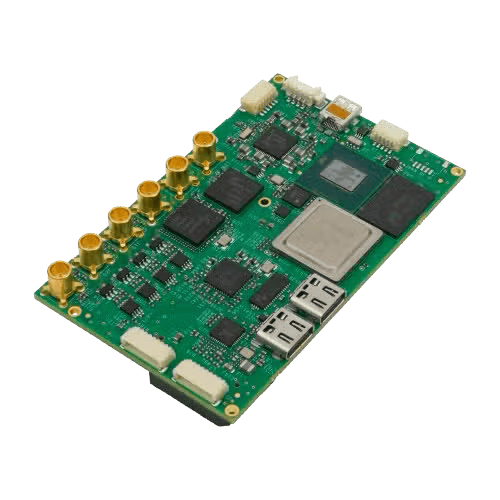
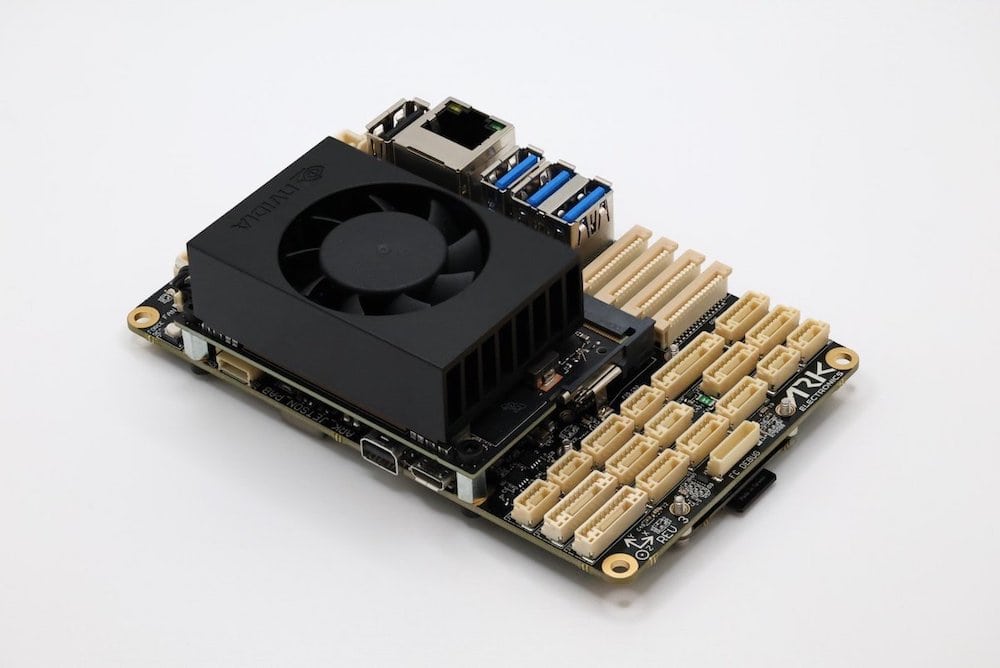
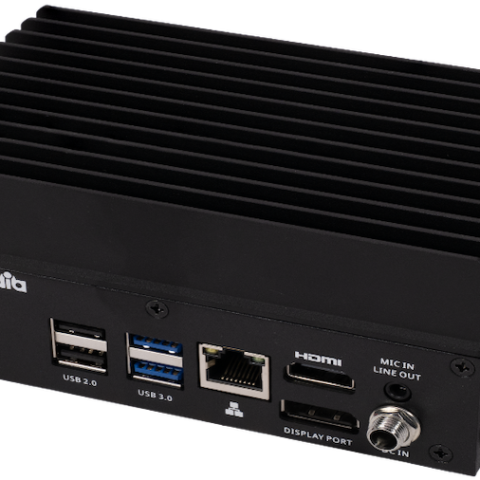
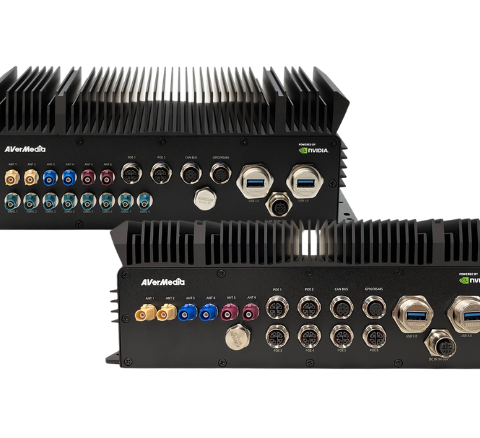
Edge AI computers are embedded processing systems that enable drones, UAVs, autonomous vehicles, and robotic platforms to run AI models onboard without relying on cloud connectivity. These systems support real-time AI inference, multi-sensor fusion, computer vision, object detection, SLAM, and autonomous navigation.
This category features suppliers of edge AI computers for drones and robotics, supporting automated inspection, collision avoidance, terrain analysis, and robotic manipulation.
Read the Technology Overview

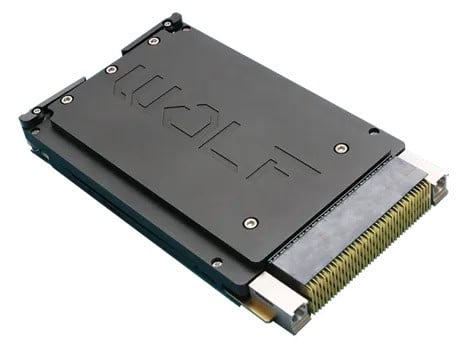
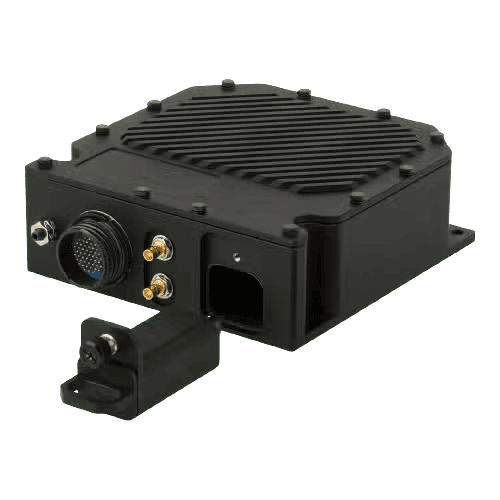
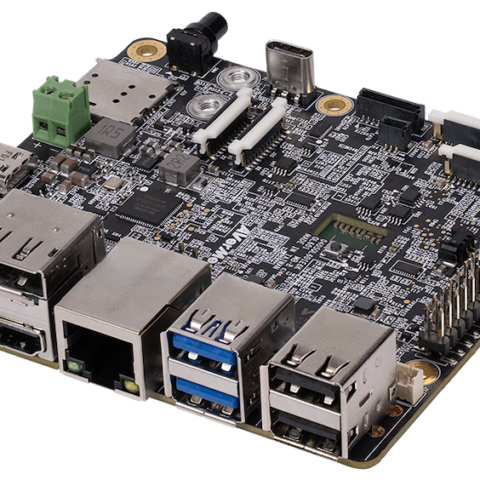


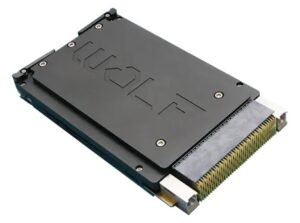
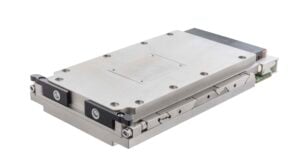
Rugged Computing and Video I/O Modules: 6U & 3U VPX, XMC, VNX+, and other Small Form Factors and Custom Solutions

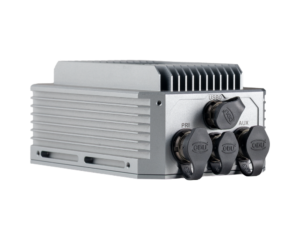
AI-Powered Video Processing & Gimbal Computing Solutions for Tactical UAS

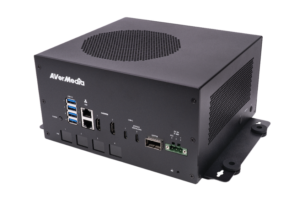
Application-Ready AI Computing & Vision Solutions for Robotics and Autonomous Systems

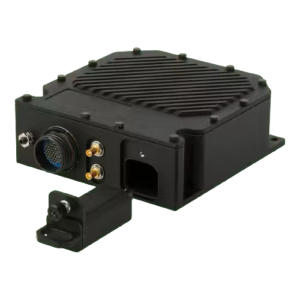
Edge AI Video Processing & Streaming Solutions Providing Real-Time Situational Awareness for Mission-Critical UAVs & Unmanned Systems

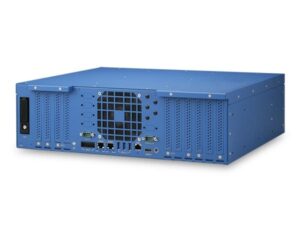
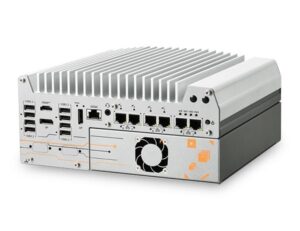
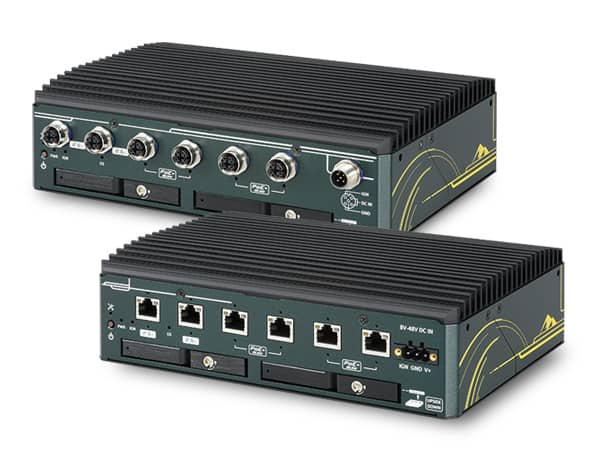
Industrial-Grade Embedded Computer Systems for AI Edge Computing & Machine Learning

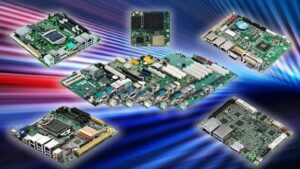
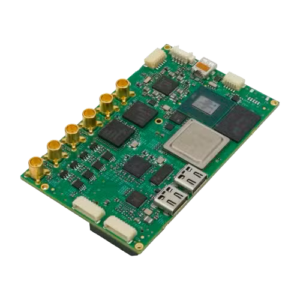
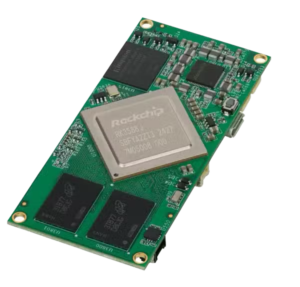
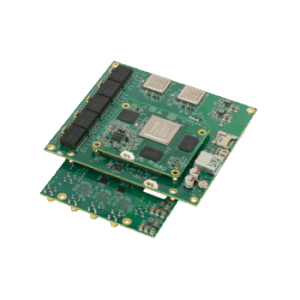
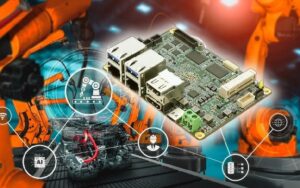
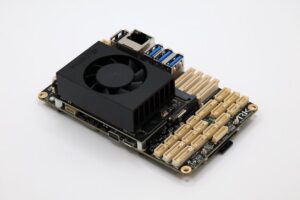
Single-Board Computers & Embedded Computing Platforms for Drones & Robotics

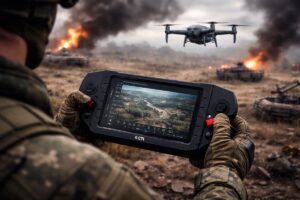


Ultra-Reliable Rugged Hardware Solutions for Mission-Critical UAVs & Unmanned Systems Operating in Extreme Environments

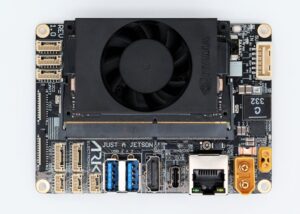
Cutting-Edge Flight Controllers, Sensors, and Other Electronics Technologies for Drones & Robotics

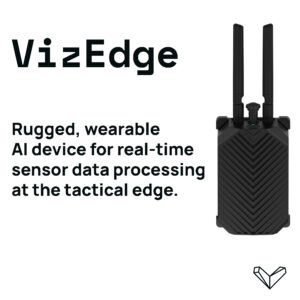

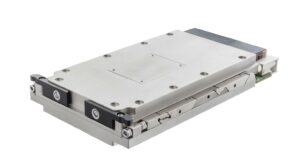
High-Performance Video Graphics, GPGPU, AI/ML Processing & Display Solutions for C5ISR Applications

If you design, build or supply Edge AI Computers, create a profile to showcase your capabilities and connect with visitors who have an active requirement for your solutions.
No products available No products available from suppliers based in . View products from all territories

Edge AI computers provide onboard processing capabilities for drones, autonomous vehicles, and robotic systems, allowing Artificial Intelligence (AI) models to operate directly on the platform without relying on cloud-based computing. These embedded systems process sensor data and execute machine learning algorithms to support real-time perception, navigation, and autonomous decision-making while reducing dependence on external communications.
Manufacturers and suppliers offer edge AI hardware ranging from compact computing modules and single-board computers to ruggedized, high-performance processing platforms. Selecting an edge AI computer requires consideration of inference performance, power consumption, processing latency, sensor compatibility, and environmental requirements, particularly for battery-powered unmanned systems operating under Size, Weight, and Power (SWaP) constraints.
Edge AI computing enables neural networks to process sensor inputs locally, allowing rapid interpretation of data without continuous cloud connectivity. Information from cameras, LiDAR, radar, inertial sensors, and other sources can be combined to provide a more complete understanding of the surrounding environment. Hardware acceleration supports computationally demanding inference workloads while helping reduce processing latency.
Onboard AI computers support image classification, object detection, tracking, and Autonomous Target Recognition (ATR) using optical and thermal imagery. Similar processing architectures can analyze sonar data for underwater object detection and classification, extending these capabilities to maritime and subsea applications. This processing supports aerial surveillance, maritime monitoring, robotic inspection, and other operations requiring continuous interpretation of sensor information.
Simultaneous Localization and Mapping (SLAM) algorithms allow autonomous platforms to estimate their position while constructing maps of unfamiliar environments. Edge AI hardware can accelerate visual feature extraction, depth estimation, and other perception tasks involved in SLAM and visual odometry. When combined with inertial navigation and other positioning sensors, these techniques support localization where GNSS signals are unavailable or unreliable.
AI-enabled perception systems identify obstacles, assess terrain conditions, and provide environmental information to support autonomous navigation. Onboard processing allows platforms to classify traversable surfaces, detect hazards, and supply inputs to path-planning algorithms that adjust routes as conditions change. Low-latency processing is particularly important for drones and mobile robots navigating confined spaces, complex terrain, or rapidly changing environments.
Edge AI computers process imagery and sensor measurements to identify defects, recognize objects, and support automated inspection workflows. In robotic manipulation, machine learning models can assist with object localization, grasp selection, and task execution, while integration with payload controllers enables intelligent camera positioning, sensor activation, and mission-specific automation without continuous operator input.
Processing data directly on unmanned platforms can reduce the volume of information transmitted to remote operators or control stations. Edge AI systems can identify relevant events, extract image features, prioritize detections, and compress sensor outputs before transmission. These capabilities are particularly valuable for Beyond Visual Line of Sight (BVLOS) drone operations and autonomous missions where communication bandwidth is limited.
Edge AI computers can exchange processed sensor information, navigation updates, and mission data between cooperating unmanned platforms, supporting coordinated perception, distributed task allocation, and collaborative navigation where suitable communication links are available. Integration with flight controllers and robotic control systems allows AI-generated information to inform vehicle behavior, while dedicated controllers can retain responsibility for safety-critical functions.
Edge AI computers use different processing architectures to balance computational performance, power efficiency, and integration requirements. Options range from dedicated AI accelerators optimized for low-power inference to heterogeneous computing platforms capable of handling multiple sensor-processing and autonomy workloads simultaneously.
The choice of architecture depends on the complexity of the AI workloads, available power and thermal capacity, sensor requirements, and the degree of integration with existing vehicle control systems.
Edge AI computers use high-speed data connections and embedded communication interfaces to exchange information with sensors, vehicle controllers, and peripheral equipment. Common interfaces include:
Interface availability, bandwidth, and protocol compatibility influence how effectively onboard AI computers integrate with existing drone and robotic architectures. High-speed sensor connections are particularly important for platforms processing multiple camera feeds, LiDAR point clouds, or other data-intensive inputs simultaneously.
Advances in embedded processing hardware and machine learning are expanding the capabilities of onboard AI systems, particularly for autonomous platforms with limited power and communication resources. Key developments include:
These developments are expanding the potential for sophisticated onboard perception and autonomous decision-making while reducing reliance on remote computing infrastructure.


 Searching Companies & Products