






Showcase your capabilities
If you design, build or supply UAV Video Processing, create a profile to showcase your capabilities and connect with visitors who have an active requirement for your solutions.



UAV video processing solutions convert raw imagery from EO, infrared, multispectral, and other airborne sensors into video for transmission, recording, analysis, and mission support. Drone video processors may provide image enhancement, stabilization, encoding, metadata insertion, frame synchronization, AI-assisted analytics, and geospatial processing.
This page features UAV video processing solutions providers, supporting ISR, inspection, mapping, and situational awareness applications.
Read the Technology Overview
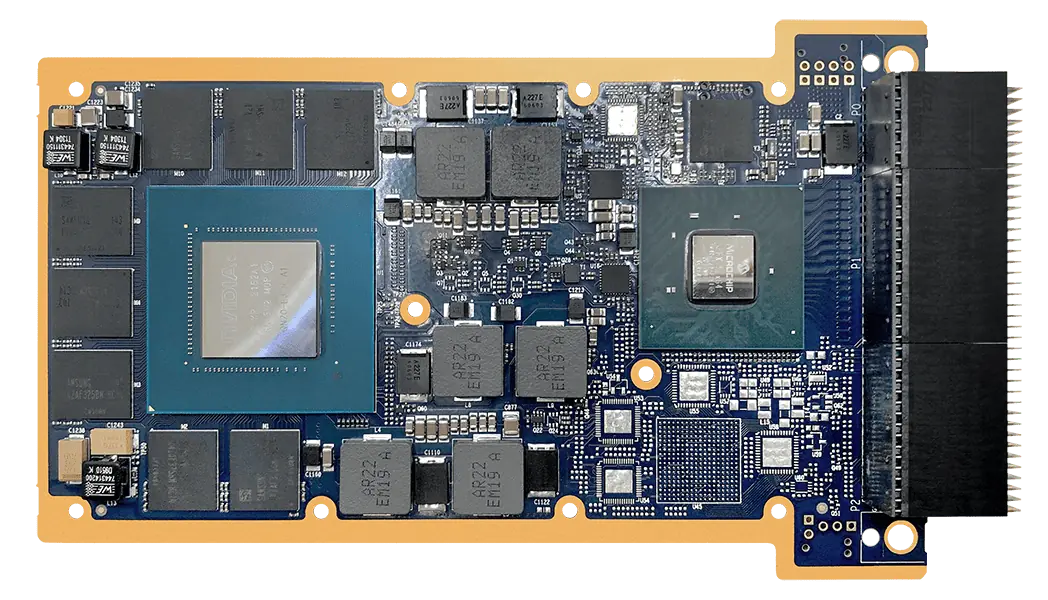
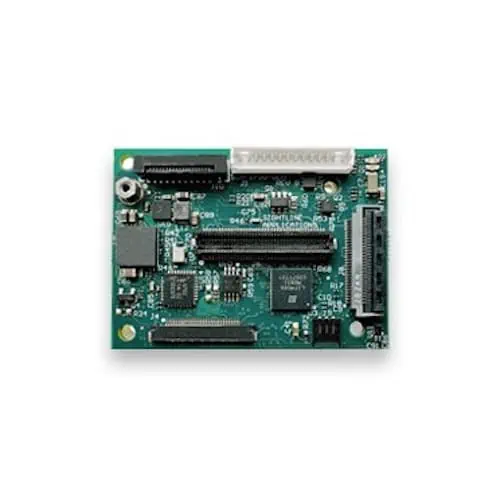
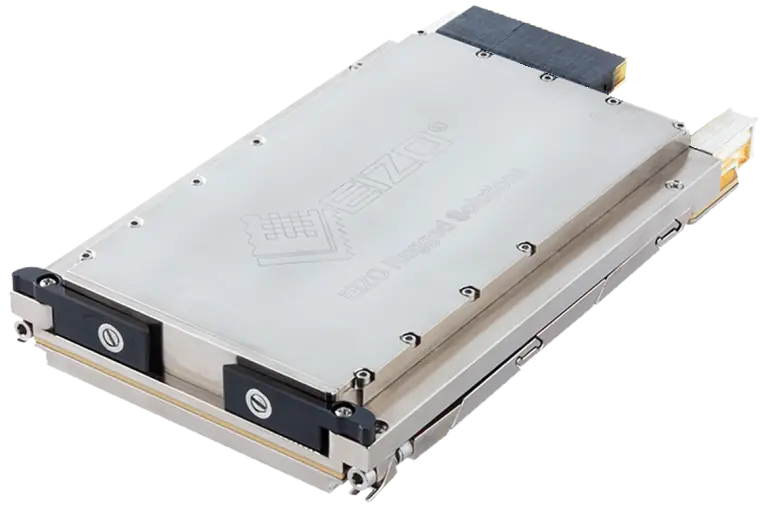

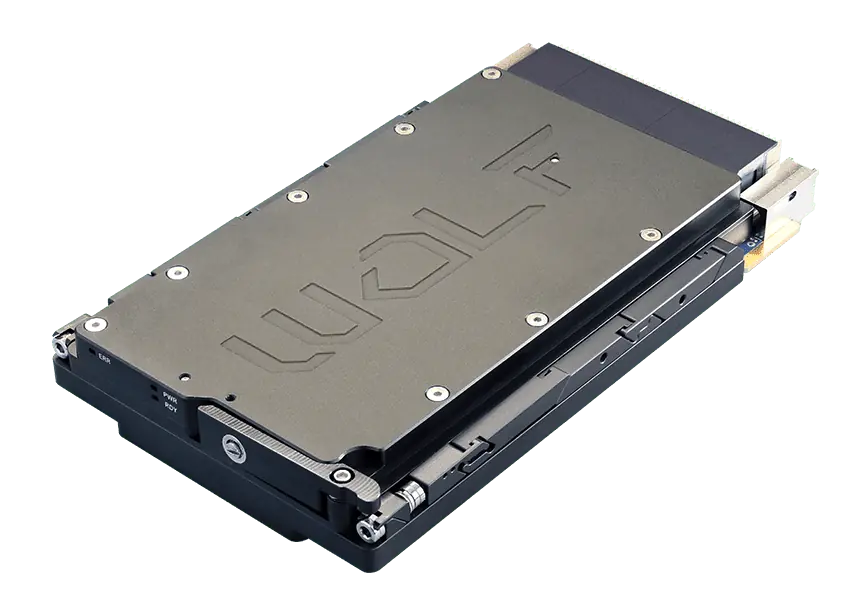
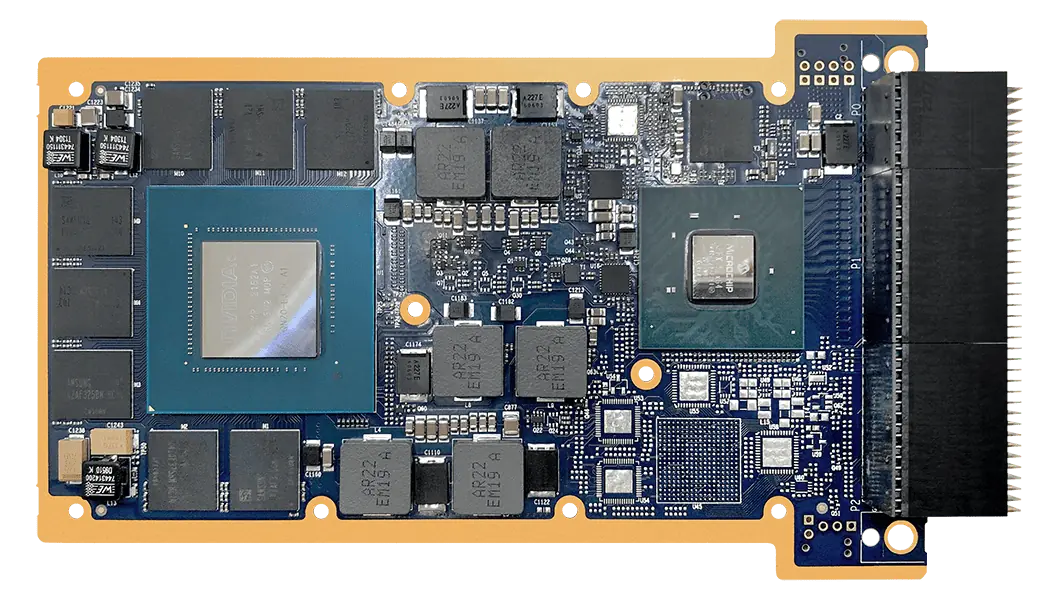

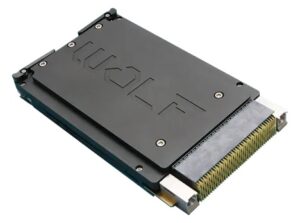
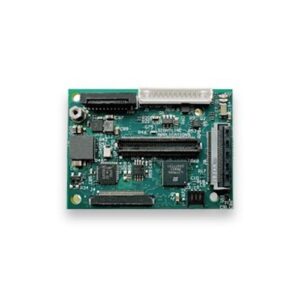
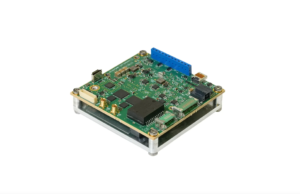
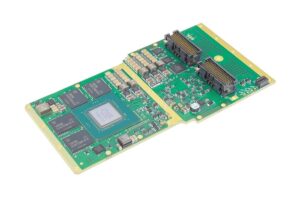
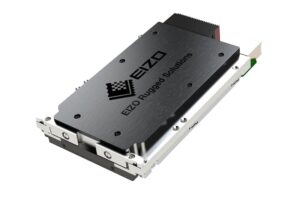
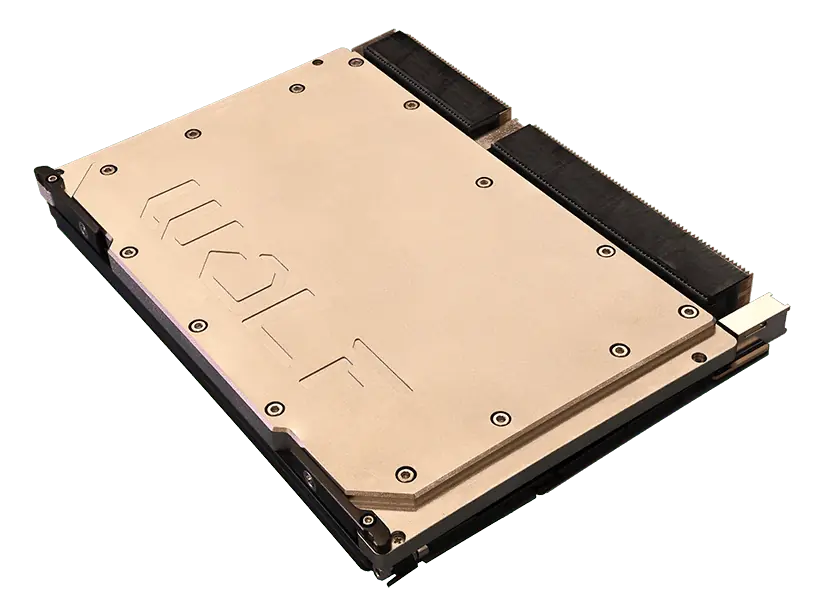
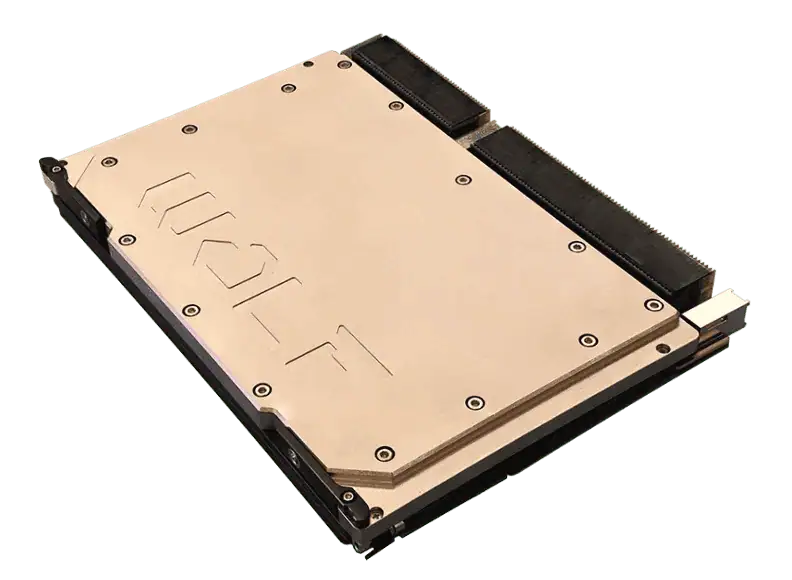
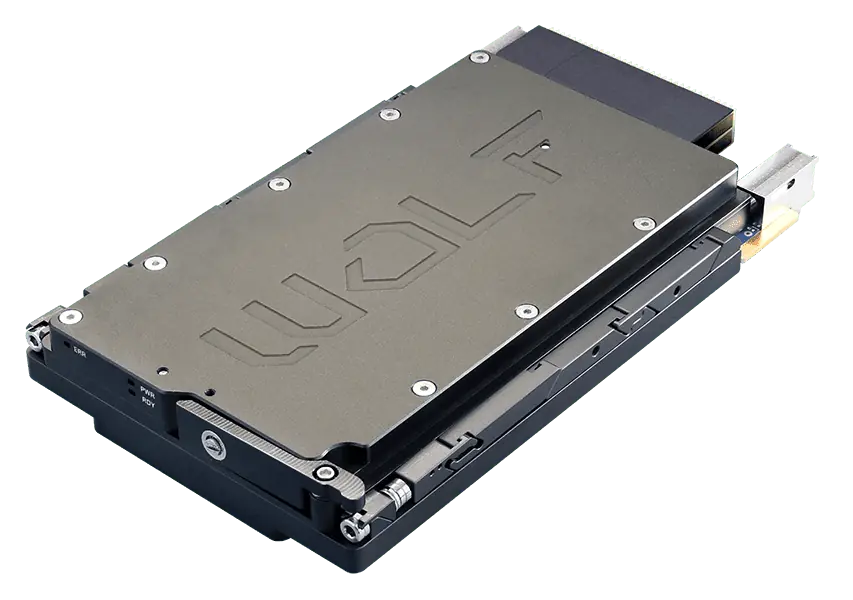
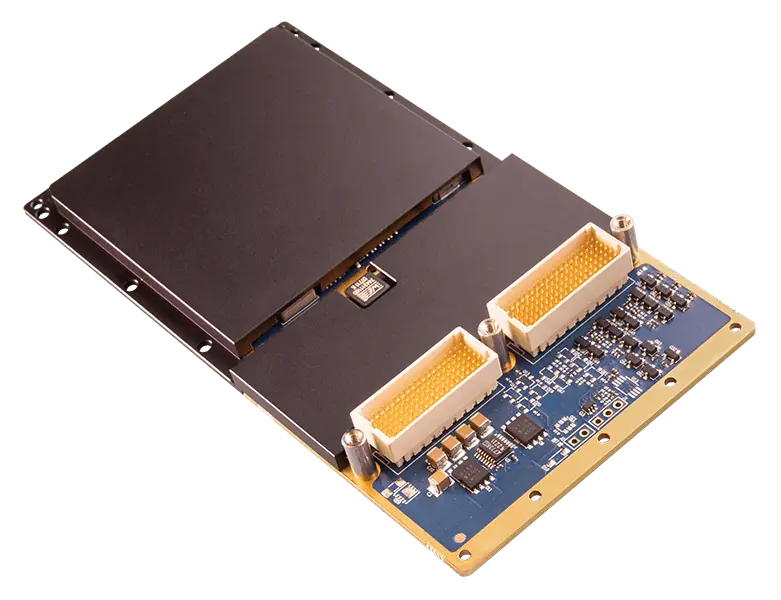
Rugged Computing and Video I/O Modules: 6U & 3U VPX, XMC, VNX+, and other Small Form Factors and Custom Solutions

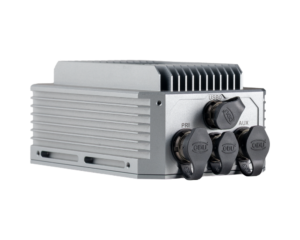
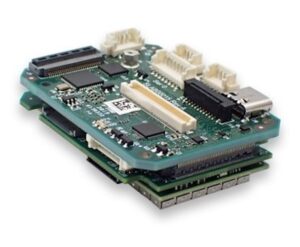
AI-Powered Video Processing & Gimbal Computing Solutions for Tactical UAS


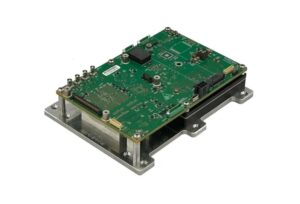
Mission-Critical Video Processing & Streaming Solutions for UAVs & Ground Robotics

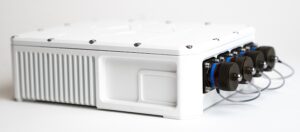
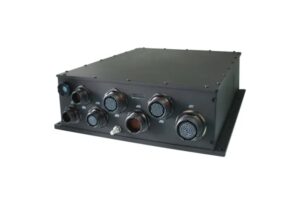
Hardware Video Processing Units Enabling Easy Control and Access to all Video Streams

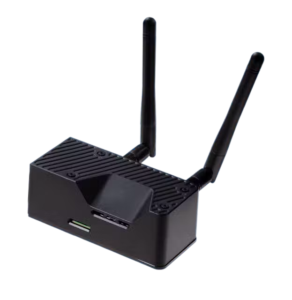
Edge AI Video Processing & Streaming Solutions Providing Real-Time Situational Awareness for Mission-Critical UAVs & Unmanned Systems

UAV Gimbal Payloads & Video Processing Solutions – Multi-Sensor EO/IR Drone Camera Solutions

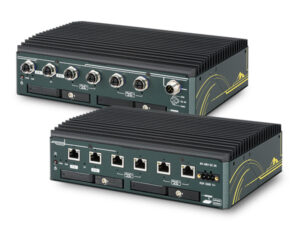
Industrial-Grade Embedded Computer Systems for AI Edge Computing & Machine Learning

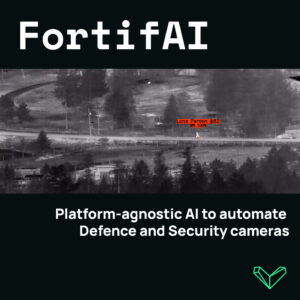
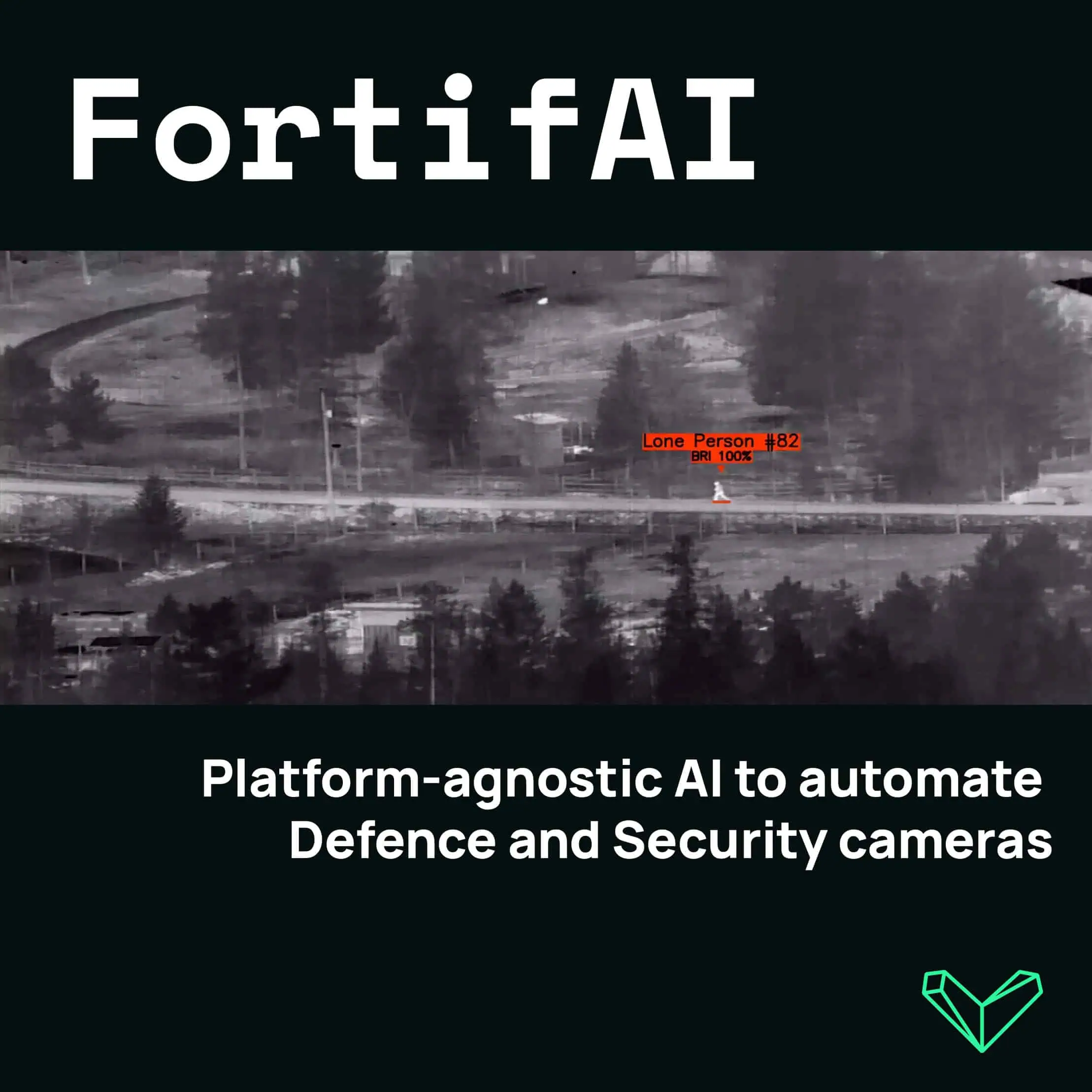
Edge-Based Visual AI Software Platform for Defence & Security Camera Automation

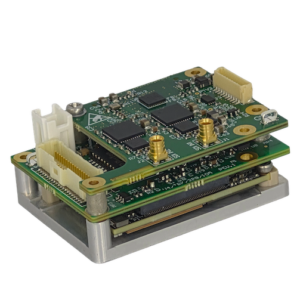
Electro-Optical Surveillance and Video Processing for Unmanned Systems & Counter-Drone Applications

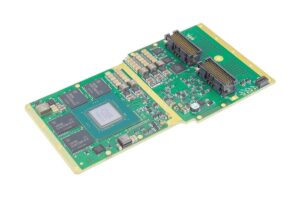
Rugged UAV Video Encoding & Streaming Solutions for C5ISR Applications

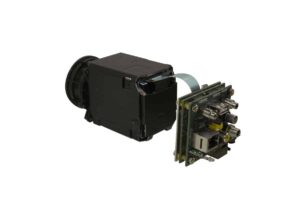
4K HD Cameras and Video Processing Solutions for Drones and Robotics

If you design, build or supply UAV Video Processing, create a profile to showcase your capabilities and connect with visitors who have an active requirement for your solutions.

UAV video processors enable unmanned aircraft to convert raw sensor imagery into usable video for transmission, recording, analysis, and mission support. Depending on the platform, processing may occur directly beside the camera, within a dedicated payload computer, or across a distributed architecture connecting airborne and ground-based systems.
The requirements placed on a drone video processor can vary significantly. Small drones may prioritize compact size and low power consumption, while larger Intelligence, Surveillance, and Reconnaissance (ISR) platforms may require multi-channel video, high-resolution encoding, metadata handling, and Artificial Intelligence (AI)-assisted analytics. Effective video processing solutions therefore balance image quality, latency, processing throughput, communications bandwidth, and size, weight, and power constraints.
A UAV video architecture typically combines sensor interfaces, embedded processing resources, communications hardware, and ground infrastructure. The individual stages may be integrated into one video processing module or distributed across several subsystems.
The distribution of these functions affects end-to-end latency, bandwidth consumption, thermal load, processing capacity, and the electrical power required aboard the aircraft.
Image enhancement can improve the usability of footage affected by sensor noise, atmospheric conditions, poor contrast, or challenging illumination. Embedded video processing may apply spatial or temporal filtering, sharpening, contrast adjustment, and other techniques before imagery is transmitted or analyzed.
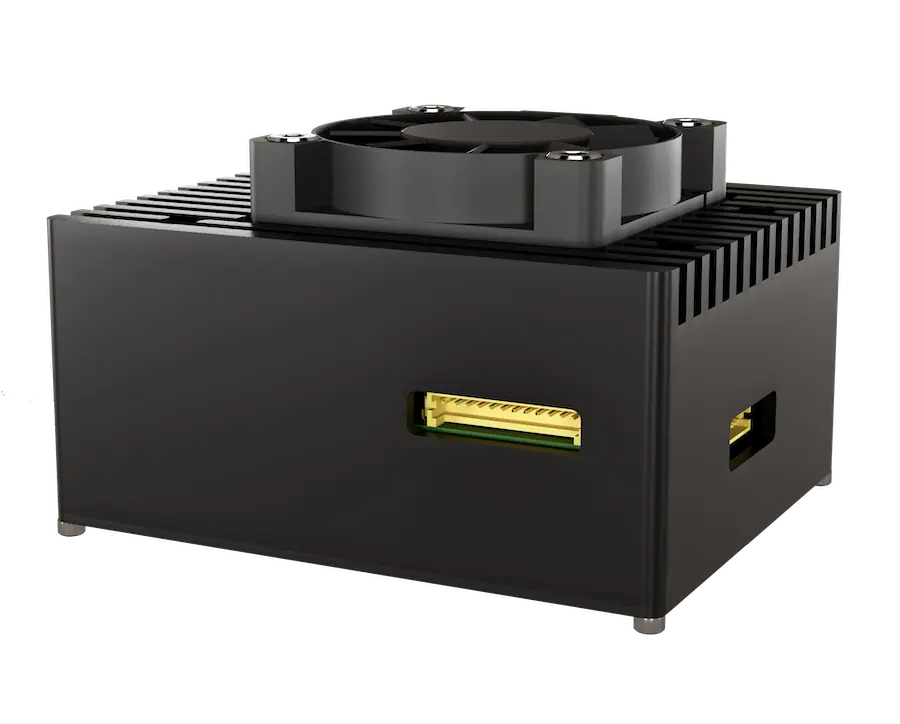
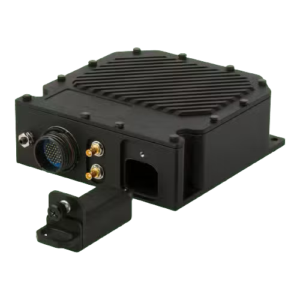
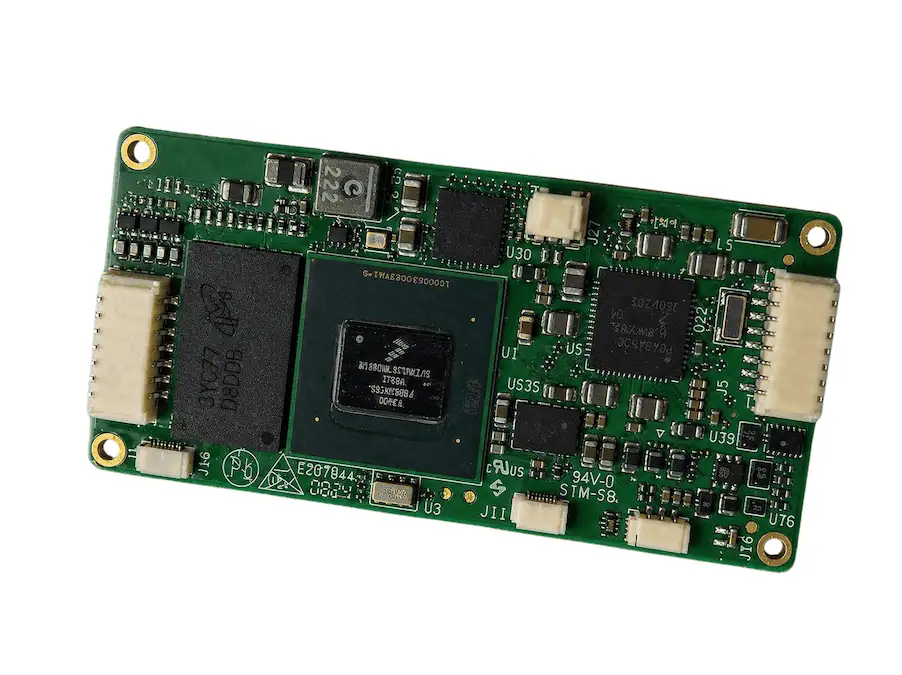
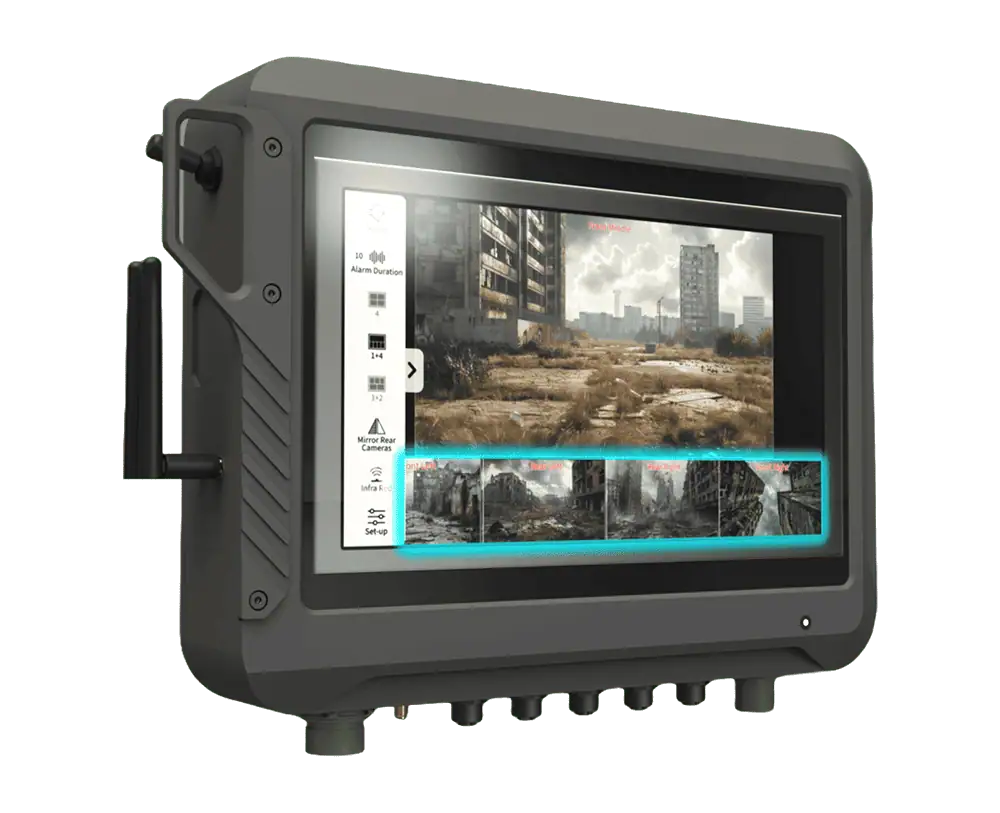
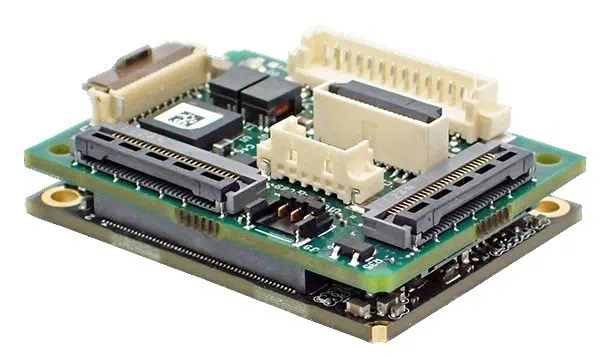
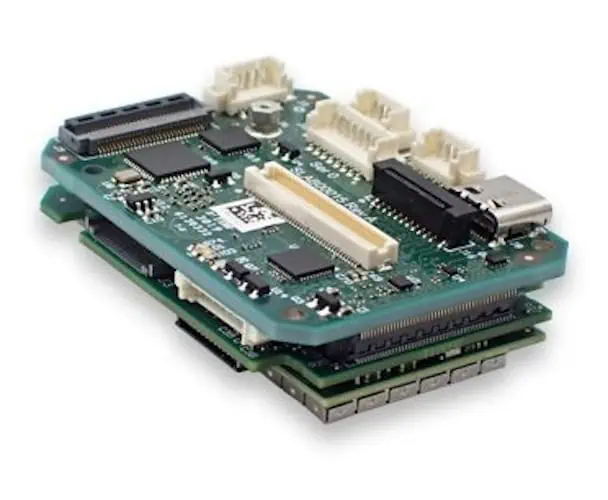
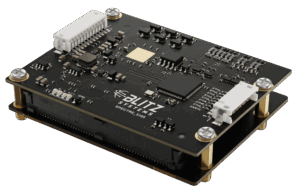
SPECTRE 5165 Video Processor by Blitz Technology
Electronic image stabilization can compensate for airframe vibration, maneuvering, and residual movement not removed by the camera mount or gimbal. Real-time video processing algorithms estimate movement between frames and adjust the output to provide a more stable image for operators, recording systems, or computer vision software.
Camera optics can introduce barrel distortion, pincushion distortion, or other geometric effects that reduce measurement accuracy and image consistency. A video imaging processor can apply calibration data and geometric transformations to compensate for these characteristics, particularly where imagery will also be used for measurement or geolocation.
UAV cameras may encounter scenes containing deep shadow, bright sky, reflections, or limited ambient light. Dynamic-range and low-light processing can preserve useful detail across difficult lighting conditions while reducing noise that becomes more visible at higher sensor gain.
Video processing units may generate several outputs from a single sensor feed, each optimized for a different destination. Scaling and cropping can reduce the amount of imagery transmitted or isolate a region of interest, while format conversion allows sensors, displays, recorders, encoders, and network systems using different video formats to interoperate.
Accurate synchronization allows video to be correlated with aircraft navigation data, multiple cameras, or other payload sensors. A real-time video processing module may apply precise timestamps and coordinate frame acquisition with navigation or mission systems to maintain consistent temporal relationships throughout the processing and transmission chain.
Video processors can add visible information such as aircraft position, altitude, heading, sensor pointing direction, timestamps, and targeting references. Machine-readable metadata may instead be synchronized and transported alongside the imagery so downstream software can use platform, sensor, timing, and geospatial information for geolocation, indexing, visualization, exploitation, and analysis.

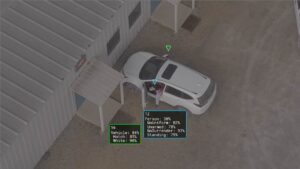
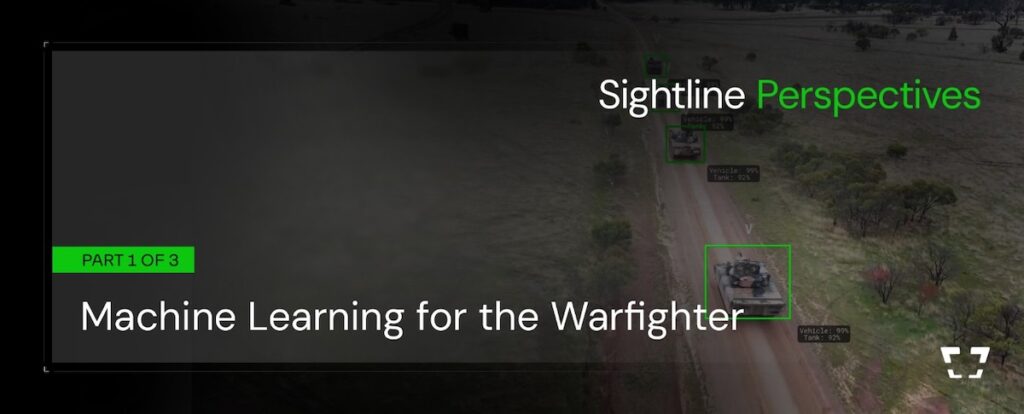
Video Processing Software by Sightline Intelligence
UAV developers can implement video processing using several processor architectures. Selection depends on processing workload, software requirements, available electrical power, thermal management, latency, video interface requirements, and payload space.
A compact video processing board may be sufficient for a focused payload, while more demanding systems may require several processors or heterogeneous computing architectures that divide acquisition, encoding, analytics, and other tasks between different processing resources.
Wide-area surveillance systems can generate large volumes of imagery across extensive regions. Onboard video processing can assist with compression, region-of-interest extraction, stabilization, and automated analysis, reducing the amount of raw or minimally processed imagery that must be continuously transmitted.
Full-Motion Video (FMV) applications require continuous capture and processing while maintaining acceptable end-to-end latency. Airborne video processors may encode footage in real time and dynamically manage bitrate to suit the available communications link. Latency is influenced by factors including processing pipelines, buffering, codec configuration, Group of Pictures (GOP) structure, transport, and network conditions.
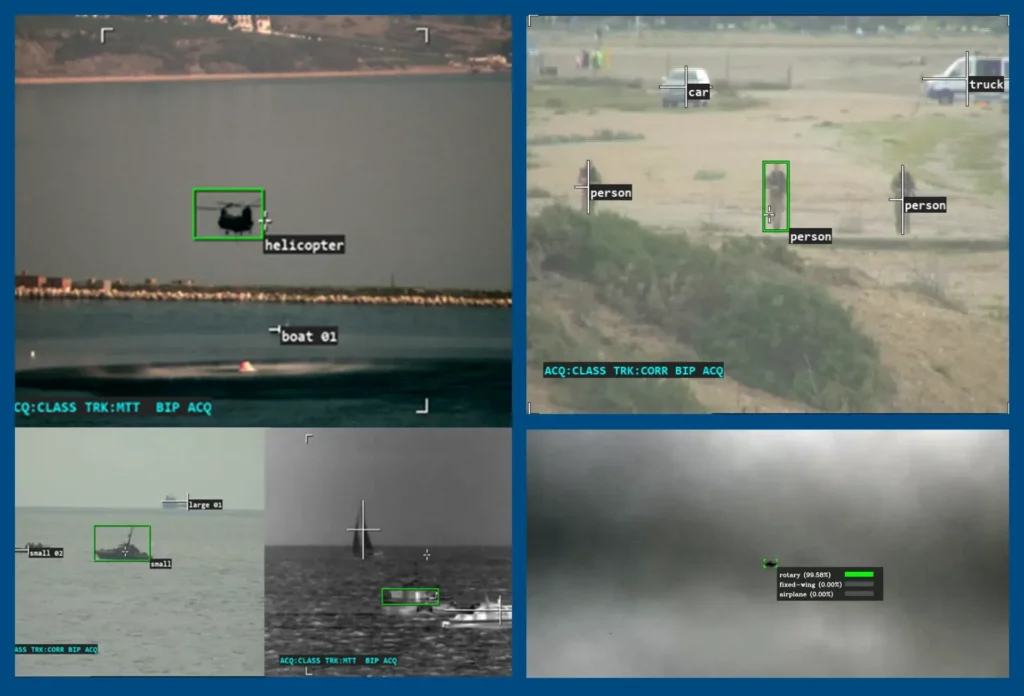
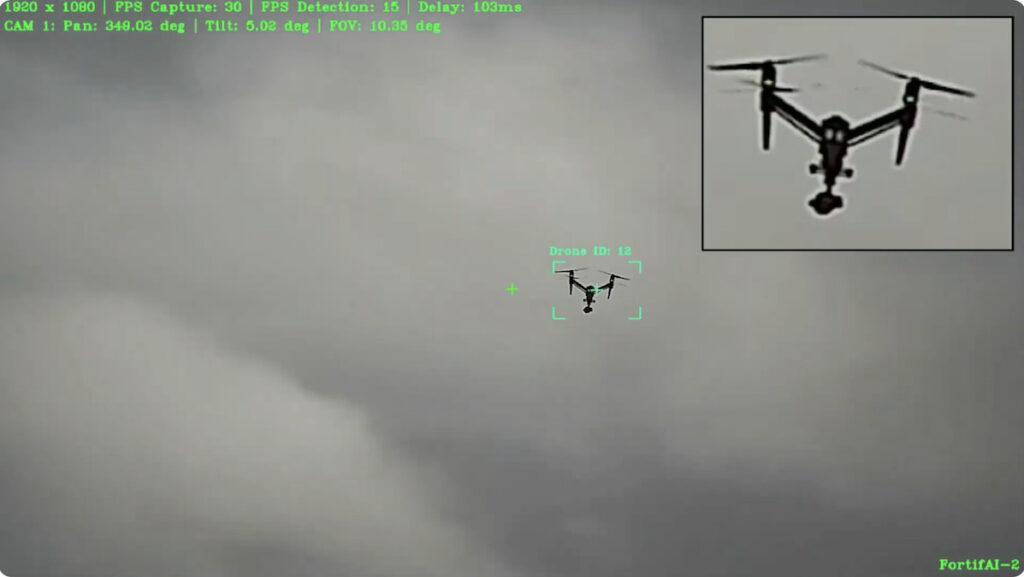
An AI video processor can analyze consecutive frames to detect, classify, and track objects of interest. Performing these functions onboard can provide detections, image coordinates, track data, or other cues without requiring all raw imagery to be processed at the ground station. Geographic target coordinates additionally require appropriate navigation data, sensor geometry, calibration, timing, and geolocation processing.
Geospatial video combines imagery with position, orientation, timing, sensor pointing, and other metadata. Embedded video processing systems can help associate observed locations or objects with geographic coordinates when suitable navigation and sensor data are available, supporting mapping, intelligence analysis, and situational awareness.
Video processing hardware can encode and store imagery together with associated metadata for later review. Recording parameters may be configured to balance image quality, mission duration, available storage capacity, data integrity, and requirements for subsequent analysis.
Computer vision algorithms can identify potential objects, activities, or regions of interest and present them to an operator for further assessment. Onboard video processing reduces the need to transmit every stage of analysis to the ground and can support faster cueing where communications bandwidth is constrained.
Interoperability is particularly important when UAV cameras, video processor boards, data links, mission computers, and ground systems originate from different suppliers. Relevant standards and technologies include:
System integrators must also consider how individual implementations handle synchronization, metadata, packetization and network transport, control interfaces, encryption, authentication, access control, secure software updates, and broader cybersecurity requirements.
Advances in processing efficiency are moving increasingly sophisticated workloads onto unmanned aircraft. Important developments include:
These developments are expanding the capabilities of embedded video processing while increasing demand for efficient, low-latency hardware that can support increasingly complex UAV payloads without exceeding aircraft power, thermal, bandwidth, or payload constraints.


 Searching Companies & Products



 Subscribe to the Weekly eBrief
The latest engineering and technical developments straight to your inbox - join thousands of engineers who receive it.
Subscribe to the Weekly eBrief
The latest engineering and technical developments straight to your inbox - join thousands of engineers who receive it.