





Showcase your capabilities
If you design, build or supply Portable USVs, create a profile to showcase your capabilities and connect with visitors who have an active requirement for your solutions.




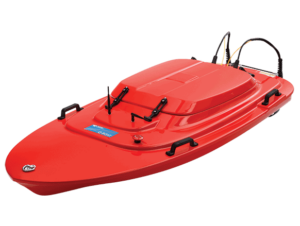
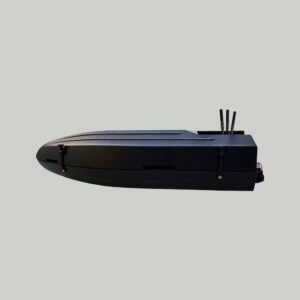
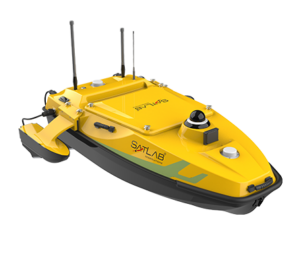
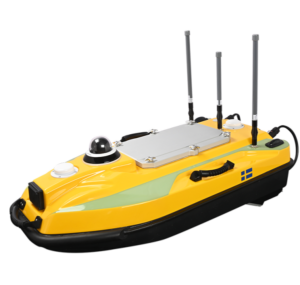
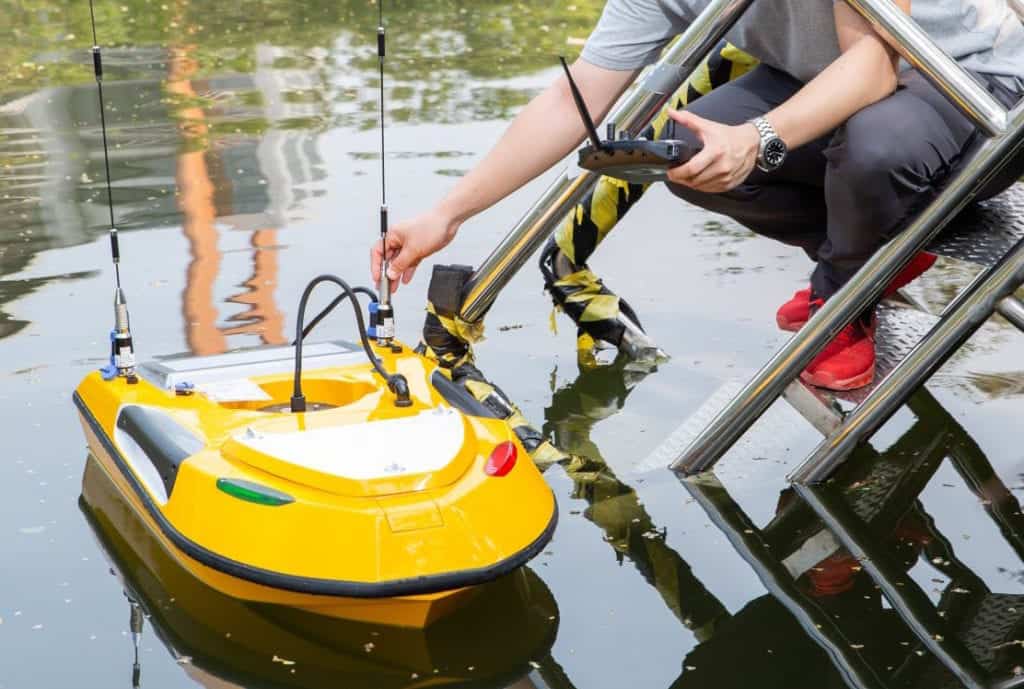
Portable USVs are lightweight unmanned vessels designed for autonomous or remotely operated surveying, inspection, environmental monitoring, and maritime security. These portable platforms enable rapid deployment in shallow, confined, remote, or hazardous waters where larger survey boats may be unsuitable.
This page features suppliers of compact USVs, supporting hydrographic and bathymetric surveys, ADCP flow measurement, infrastructure inspection, water quality monitoring, and coastal reconnaissance.
Read the Technology Overview


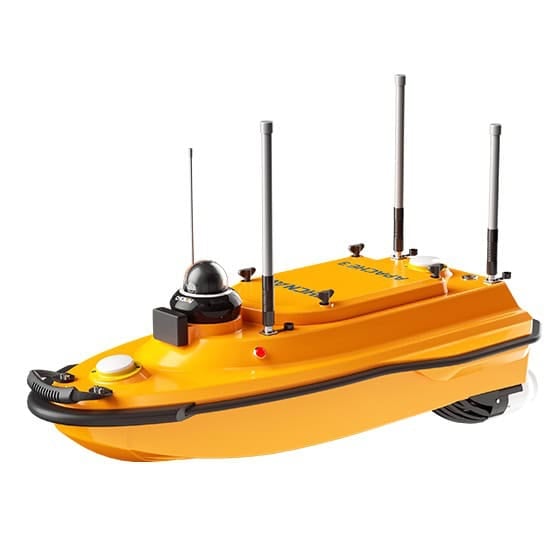


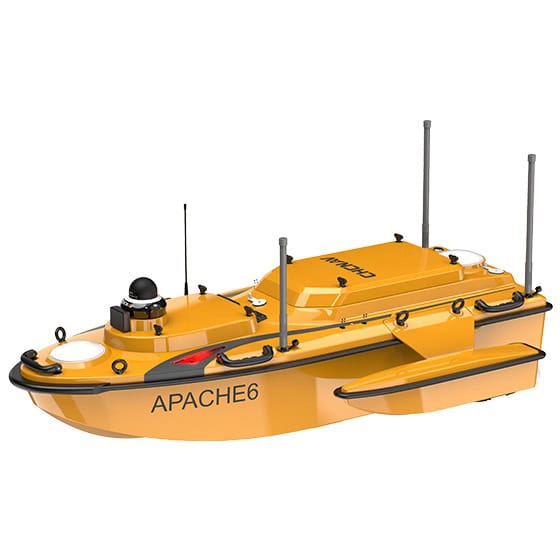
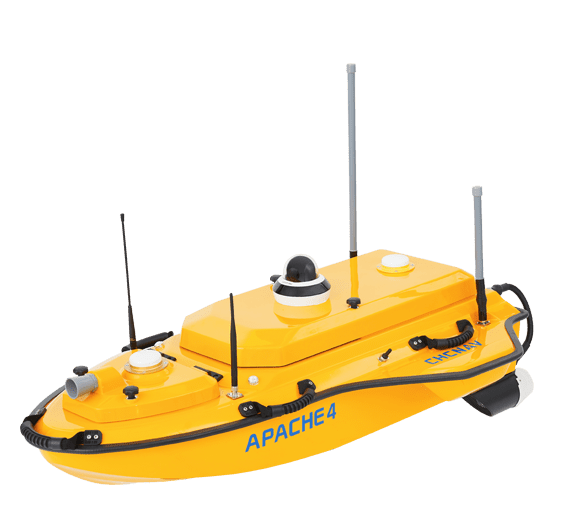
Autonomous and Unmanned Marine Vehicles: USV, AUV, Marine ROV; Profiling Floats & Towed Systems


GNSS Positioning Systems, 3D SLAM & Mobile Mapping, Unmanned Surface Vehicles


Autonomous Boats & Unmanned Surface Vessels for Marine Monitoring, Hydrographic Survey & Rescue

GNSS Positioning & Navigation Systems, Mobile Mapping UAV LiDAR & Unmanned Surface Vehicles

| Overview | Products | Link | ||
|---|---|---|---|---|
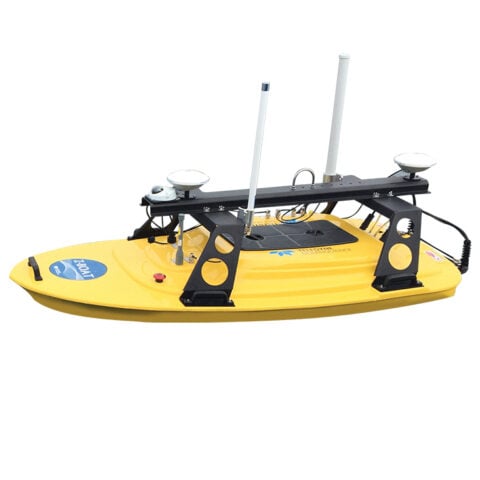
| Teledyne Marine | United States of America | Autonomous and Unmanned Marine Vehicles: USV, AUV, Marine ROV; Profiling Floats & Towed Systems |
|
View Profile |
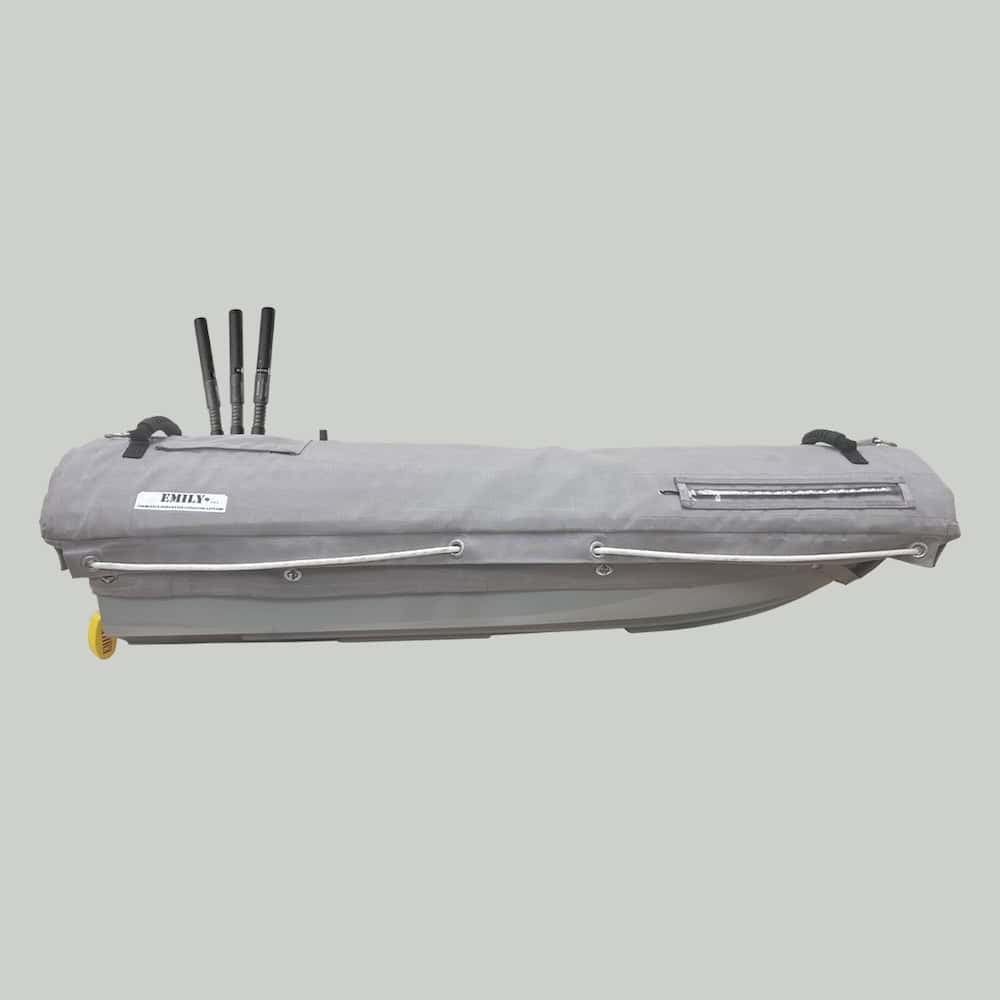
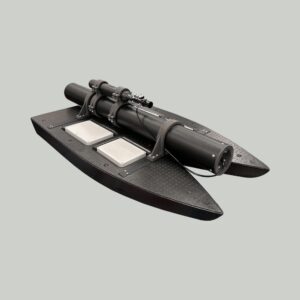
| Hydronalix | United States of America | Advanced Man-Portable USV Platforms for Defense, Tactical & Government Missions |
|
View Profile |
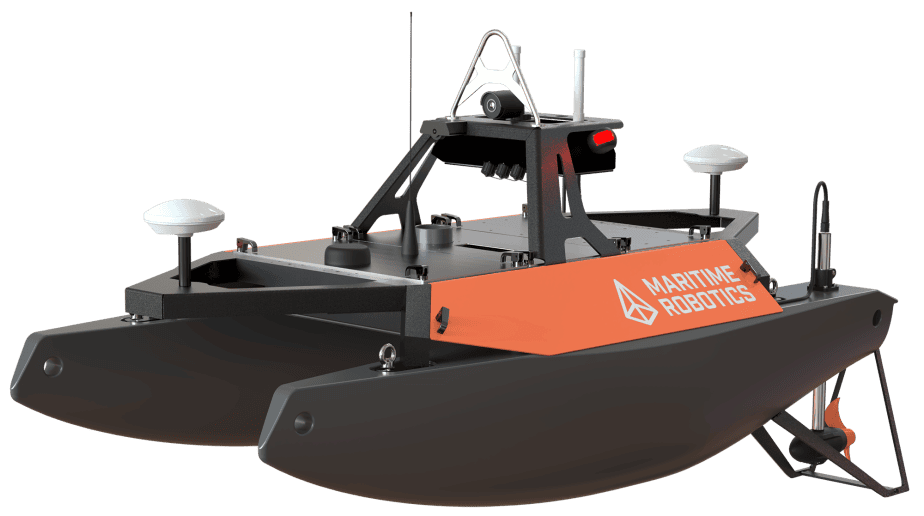
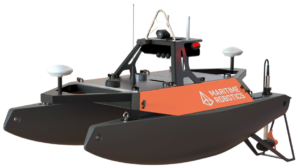
| Maritime Robotics | Norway | Cutting-Edge Autonomous Navigation Systems & USV Technologies |
|
View Profile |
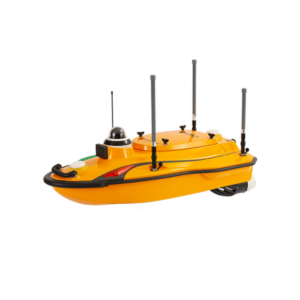
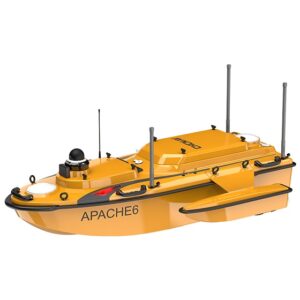
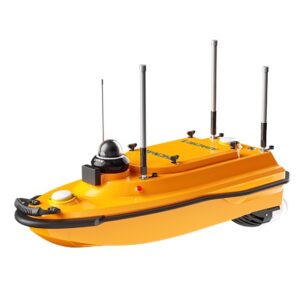
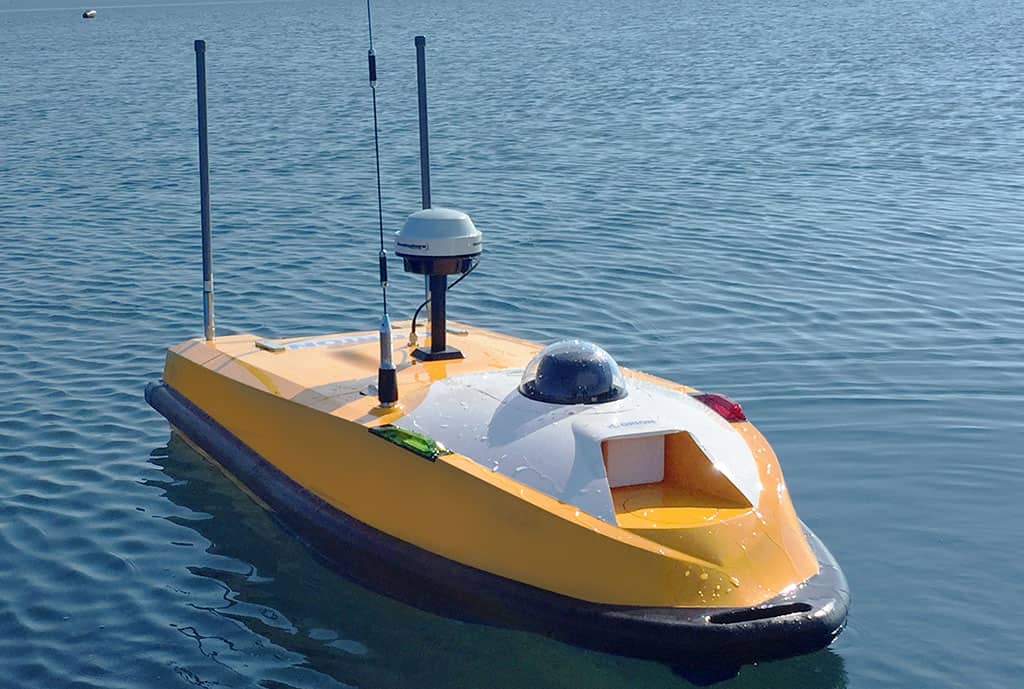
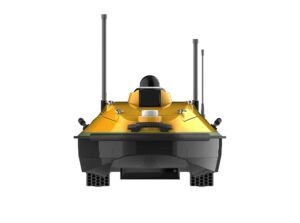
| OceanAlpha | Hong Kong | Autonomous Boats & Unmanned Surface Vessels for Marine Monitoring, Hydrographic Survey & Rescue |
|
View Profile |
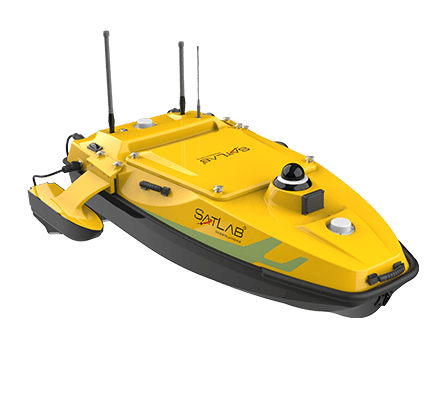
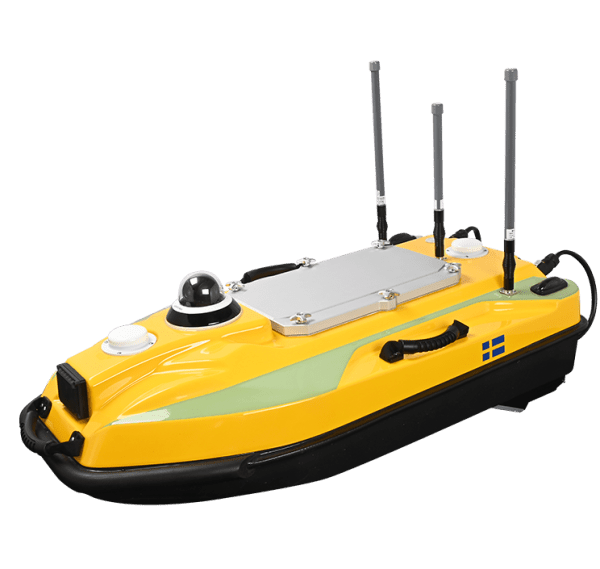
| SatLab Geosolutions | Sweden | GNSS Positioning Systems, 3D SLAM & Mobile Mapping, Unmanned Surface Vehicles |
|
View Profile |
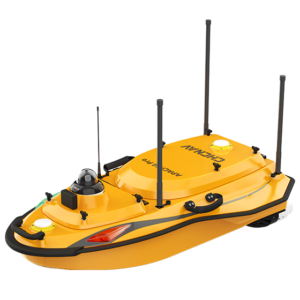
| CHC Navigation | China | GNSS Positioning & Navigation Systems, Mobile Mapping UAV LiDAR & Unmanned Surface Vehicles |
|
View Profile |
If you design, build or supply Portable USVs, create a profile to showcase your capabilities and connect with visitors who have an active requirement for your solutions.

Compact Unmanned Surface Vehicles (USVs) are lightweight, remotely operated or autonomous vessels designed for surveying, inspection, environmental monitoring, and maritime security missions. Their small size and portable construction allow deployment in shallow, confined, or hazardous waters where larger vessels may be unsuitable. These platforms typically combine electric propulsion, onboard control systems, satellite positioning, and interchangeable sensor payloads to support specialized operations.
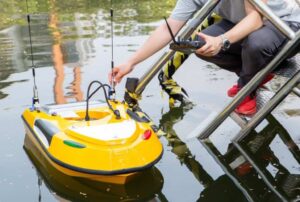
Small unmanned surface vessels are particularly useful for missions requiring rapid mobilization, minimal supporting infrastructure, and access to remote locations. Compact and mini USVs can often be transported by road, carried to the water’s edge, and launched without conventional boat-handling equipment. Depending on their configuration, these systems support hydrographic surveying, acoustic current profiling, infrastructure inspection, and autonomous data collection, with onboard navigation and telemetry systems enabling remote monitoring and control.
Compact USVs equipped with single-beam or miniature multibeam echo sounders can conduct bathymetric surveys in shallow rivers, lakes, reservoirs, and coastal environments. Their shallow draft allows access to areas unsuitable for conventional survey boats, while autonomous waypoint navigation enables systematic data collection. By combining echo sounder measurements with positioning data and, where required, motion compensation, these systems can produce geographically referenced depth measurements. Lightweight platforms are particularly valuable for remote surveys where boat ramps and supporting crews are unavailable.
Small USVs provide access to restricted waterways beneath bridges, alongside piers, and around submerged infrastructure. Equipped with imaging sonar, cameras, or other inspection sensors, these vessels can collect information about underwater obstructions, exposed foundations, and surrounding seabed features. Their compact dimensions and maneuverability make them useful for inspections where larger workboats cannot safely operate, although operations beneath enclosed structures may require alternative positioning and communication arrangements.
Remotely operated and autonomous compact USVs enable surveying and monitoring in contaminated or potentially hazardous waters without requiring personnel to enter the water. Applications include measuring tailings pond depths, mapping sediment accumulation, and collecting water quality data from industrial lagoons and wastewater treatment facilities. Operations in environments containing suspended solids or chemically aggressive substances may require chemically compatible hull materials, protected propulsion systems, and suitably rated sensor assemblies.
Portable USVs support emergency response operations by collecting bathymetric and situational data following floods, storms, and other disruptive events. Sonar-equipped vessels can identify submerged debris, changes in channel depth, and potential navigation hazards, while onboard cameras provide visual information to remote operators. During Search and Rescue (SAR) operations, compact USVs can also assist with waterborne reconnaissance in areas considered unsafe for crewed vessels, although strong currents, floating debris, and restricted communications may limit their deployment.
Compact USVs carrying Acoustic Doppler Current Profilers (ADCPs) can measure water velocity across rivers, estuaries, and drainage channels. Combined with depth and vessel movement data, these measurements support discharge calculations and hydrological assessments. Additional echo sounders or sub-bottom profiling instruments can provide bathymetric and sediment-layer information, supporting investigations into channel morphology, sediment accumulation, and changing riverbed conditions.
Lightweight USVs can support military reconnaissance, coastal surveillance, and harbor security operations in confined or shallow-water environments. Portable platforms equipped with Electro-Optical (EO) cameras, sonar, or environmental sensors can collect information about beach approaches, underwater obstacles, and coastal infrastructure. Electric propulsion and compact hull designs may reduce acoustic and visual signatures, making suitably equipped platforms useful for discreet surveillance and reconnaissance missions.
Compact USVs combine lightweight construction with specialized hull, propulsion, navigation, and power systems to simplify transport and field deployment. Important design features include:
These features allow lightweight USVs to operate with reduced logistical requirements, although their suitability for particular missions depends on payload weight, environmental conditions, and operational demands.
Selecting a compact unmanned surface vehicle involves balancing portability, payload requirements, endurance, and operating conditions. The following table summarizes the principal specifications and technical considerations.
| Selection Criteria | Key Specifications & Considerations |
| Size Class & Portability | Overall dimensions, transport weight with batteries and payload, single-person handling, foldable or modular construction, vehicle storage |
| Payload Capacity | Maximum payload weight, usable mounting space, sensor interfaces, available payload power, weight distribution, maximum loaded draft |
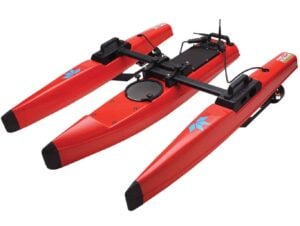
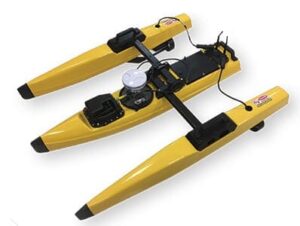
| Hull Configuration | Monohull, catamaran, or trimaran design, hull materials, draft, transverse stability, shallow-water access |
| Autonomous Navigation | Waypoint navigation, automated survey routes, obstacle detection and avoidance, return-to-home, geofencing, manual override |
| Endurance & Power | Battery capacity (Wh), operating runtime under load, cruising speed, battery replacement, propulsion and payload power consumption |
| Positioning Accuracy | GNSS and Real-Time Kinematic (RTK) support, heading accuracy, inertial motion compensation, sensor synchronization, positioning under obstructions |
| Communications | Radio Frequency (RF) telemetry range, line-of-sight limitations, Wi-Fi or cellular connectivity, data logging, real-time sensor transmission |
| Launch & Recovery | Manual shore launching, lifting points, steep-bank deployment, small-boat compatibility, recovery arrangements |
| Environmental Limits | Maximum wave height, wind and current tolerance, operating temperature, Ingress Protection (IP) ratings, corrosion resistance |
Compact USVs should be selected according to the intended mission, operating environment, and sensor requirements, with particular attention to portability, shallow-water performance, and the balance between payload capacity and endurance.


 Searching Companies & Products