








Showcase your capabilities
If you design, build or supply Military USV, create a profile to showcase your capabilities and connect with visitors who have an active requirement for your solutions.




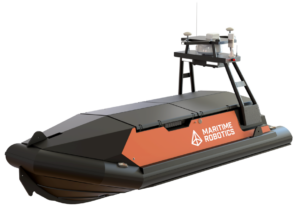
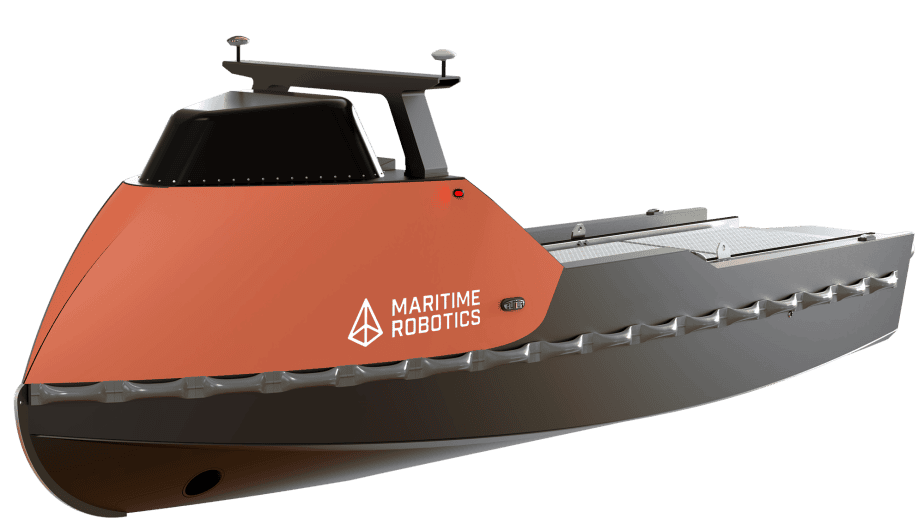
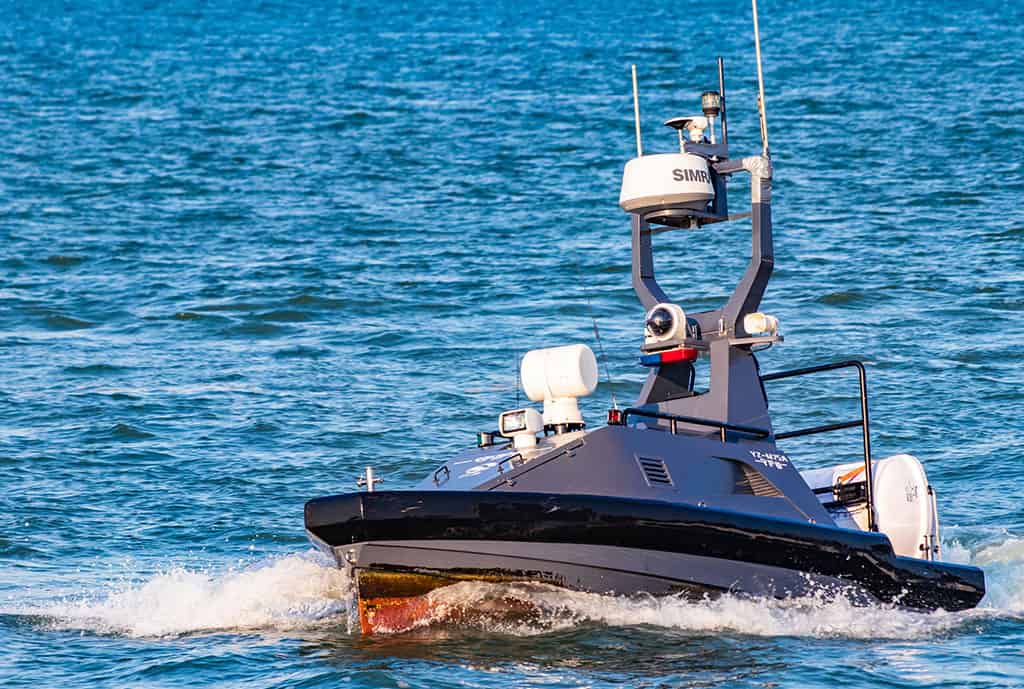
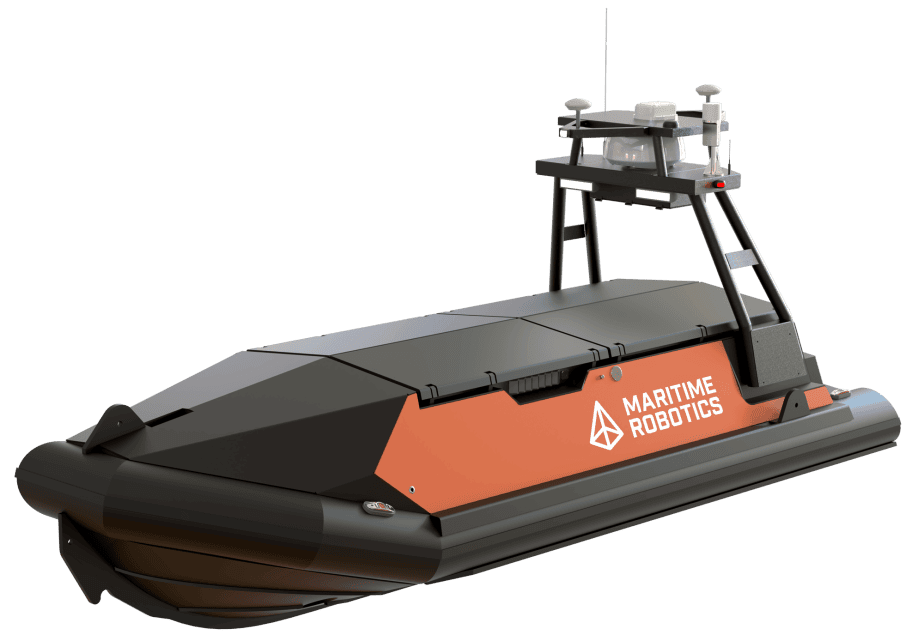
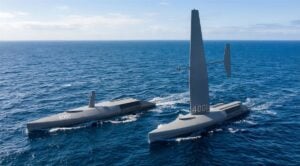
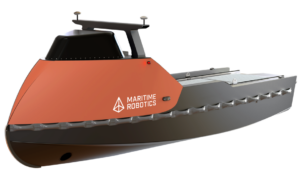
Military Unmanned Surface Vehicles (USVs) are remotely operated or autonomous maritime platforms designed for naval defense, surveillance, security, and combat operations. Available in a range of sizes and hull configurations, Military USVs support surveillance, Mine Countermeasures (MCM), Anti-Submarine Warfare (ASW), Electronic Warfare (EW), maritime patrol, and logistics missions.
This category features suppliers of military USVs integrating radar, sonar, autonomous navigation systems, and mission-specific payloads for coastal, littoral, and open-ocean operations.
Read the Technology Overview


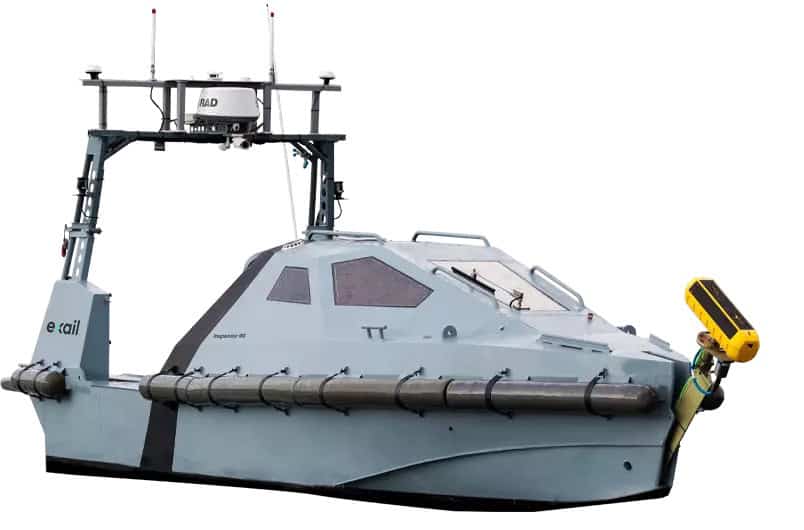



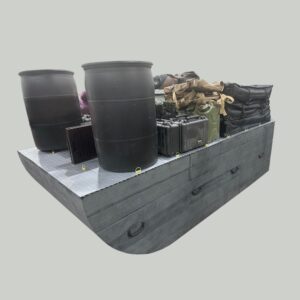
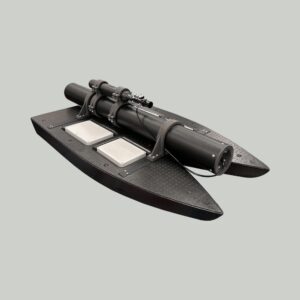
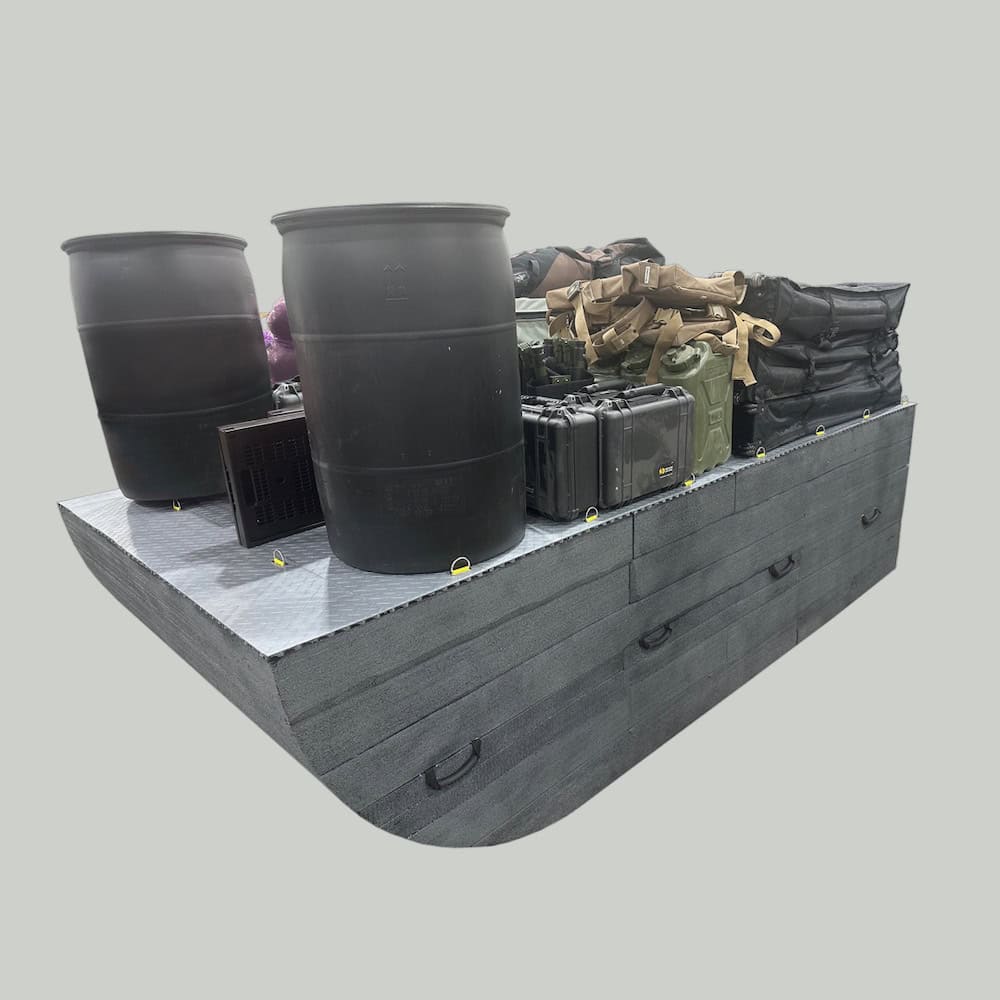
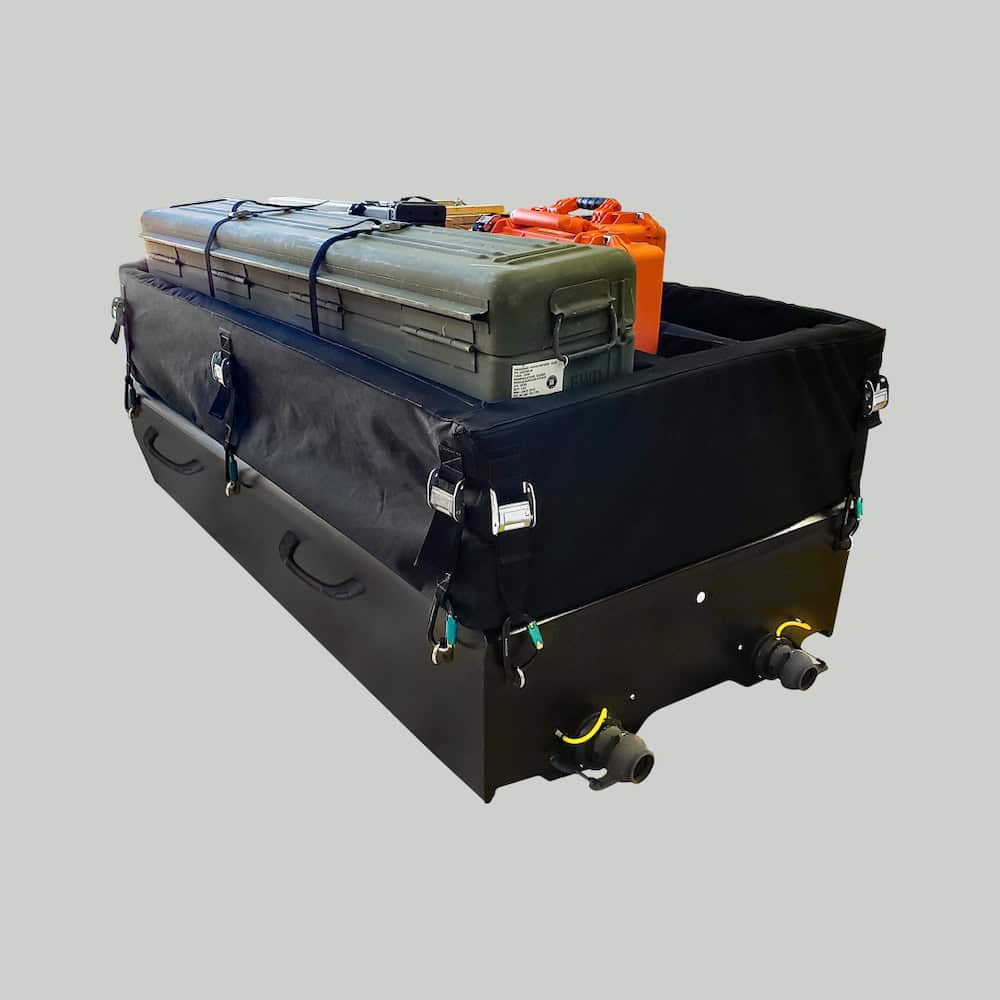
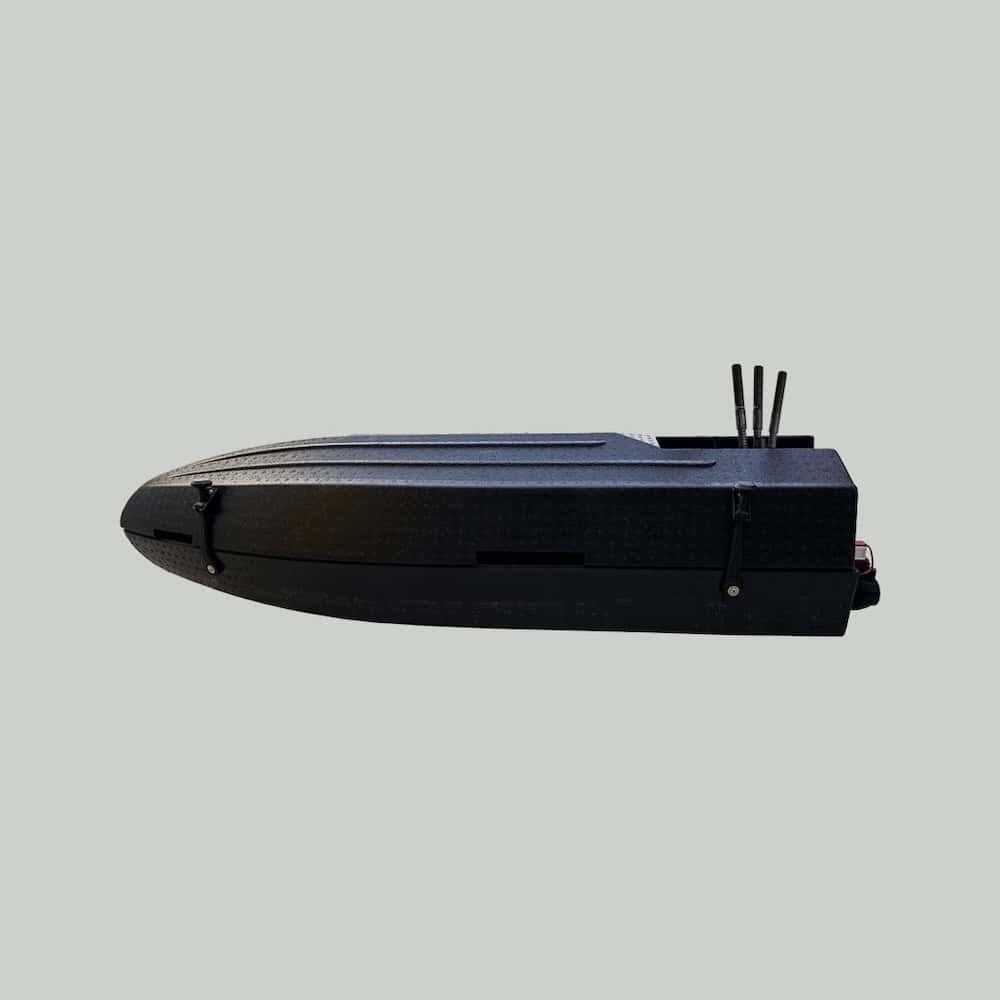
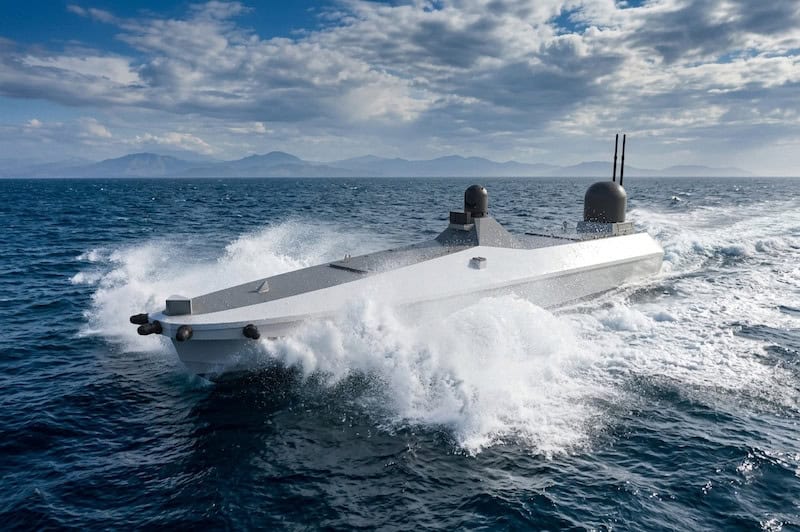
Advanced Man-Portable USV Platforms for Defense, Tactical & Government Missions

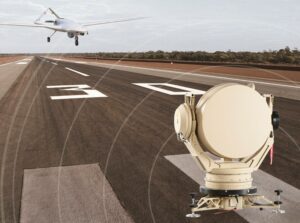
USVs for Tactical Maritime Missions | UAV Components: SAR, Radar Altimeter, Data Links, Telemetry, GNSS Products & C-UAS

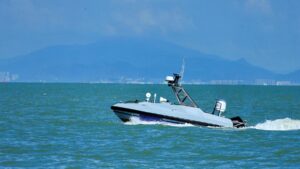
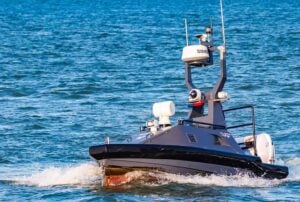
Autonomous Boats & Unmanned Surface Vessels for Marine Monitoring, Hydrographic Survey & Rescue

If you design, build or supply Military USV, create a profile to showcase your capabilities and connect with visitors who have an active requirement for your solutions.

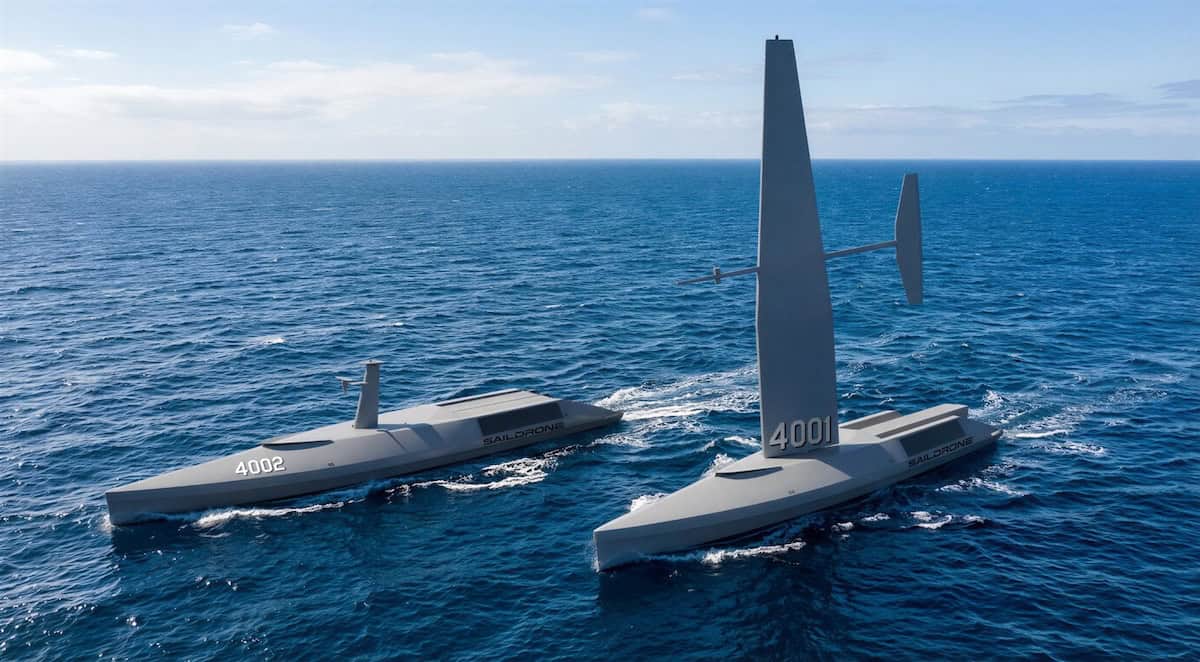
Military Unmanned Surface Vehicles (USVs) are remotely operated or autonomous maritime platforms designed for naval defense, security, surveillance, and combat operations. These vessels support missions including intelligence gathering, mine countermeasures, anti-submarine warfare, electronic warfare, and maritime patrol, reducing the need to deploy personnel into hazardous environments.
Military USVs range from compact, transportable surface drones to large, long-endurance naval vessels carrying advanced sensors and mission equipment. Onboard navigation sensors, autonomy software, propulsion controls, and communications systems enable remote operation, automated navigation, and varying degrees of autonomous mission execution. Depending on their design, they may operate independently under remote supervision or alongside crewed warships and other unmanned systems.
ISR USVs support persistent maritime surveillance, coastal monitoring, reconnaissance, and intelligence collection. Typically equipped with Electro-Optical/Infrared (EO/IR) cameras, marine radar, and communications equipment, these vessels can detect, classify, and track maritime contacts while transmitting sensor information to remote operators or naval command systems.
MCM USVs support minehunting, minesweeping, and mine neutralization while reducing the exposure of crewed vessels to hazardous areas. They may carry towed sonar for mine detection and classification, deploy Autonomous Underwater Vehicles (AUVs) or mine disposal systems, or tow acoustic and magnetic influence sweeps. These capabilities support remote mine countermeasure operations in ports, shipping lanes, and contested waters.
ASW USVs conduct underwater acoustic surveillance and submarine detection using active or passive sonar systems. These platforms may deploy towed acoustic arrays or other underwater sensors to monitor designated areas and relay acoustic information to naval forces. Long-endurance configurations support extended patrols and distributed anti-submarine surveillance operations.
Combat USVs carry weapon systems for naval force protection, maritime interdiction, and offensive or defensive operations. Depending on vessel size and mission requirements, armament may include remote weapon stations, machine guns, or missile systems. Weapon employment is governed by the platform’s command architecture, applicable rules of engagement, and human authorization requirements.
EW USVs carry Radio Frequency (RF) monitoring, electronic support, and electronic attack equipment for operations in contested electromagnetic environments. These platforms can collect Signals Intelligence (SIGINT), identify electromagnetic emitters, and deploy electronic countermeasure payloads. Their unmanned configuration enables electronic warfare missions without requiring an onboard crew.
Logistics USVs transport equipment, ammunition, provisions, and other supplies between naval vessels, coastal facilities, and deployed forces. They can support ship-to-shore deliveries, distributed maritime logistics, and resupply operations where conventional crewed transport would increase personnel exposure.
Multi-mission USVs feature adaptable payload arrangements that allow a single vessel to support several operational roles. Modular mission bays, standardized interfaces, and interchangeable equipment enable reconfiguration for surveillance, mine countermeasures, acoustic monitoring, or communications relay without requiring a separate naval platform for each mission.
Expendable military USVs are designed for missions where recovery is not required or is considered unlikely. One-way attack variants carry explosive payloads intended for employment against designated targets, while other expendable platforms may support decoy, reconnaissance, or deception missions. Their designs prioritize mission-specific performance rather than repeated deployment and recovery.
Military USVs are manufactured in different sizes and hull configurations to accommodate varying payload requirements, deployment methods, operating conditions, and mission durations. Size classifications and hull types represent overlapping design characteristics rather than separate vessel categories. Common configurations include:
Hull configuration also influences launch and recovery arrangements, vessel stability, sensor positioning, and suitability for operations in different sea states.
Military unmanned surface vessels integrate navigation sensors, onboard processing, communications equipment, and mission-specific payloads for surveillance, threat detection, reconnaissance, and naval operations. Sensor data supports autonomous navigation, remote situational awareness, and mission execution. Payload selection depends on vessel size, available electrical power, communications capacity, and operational requirements.
| Sensor or Payload | Functions and Military Applications |
| Electro-Optical and Infrared (EO/IR) Sensors | Daylight and thermal imaging for maritime surveillance, target identification, navigation support, and coastal patrol operations. |
| Marine Surveillance Radar | Detection and tracking of surface contacts, maritime situational awareness, and radar-assisted navigation in reduced visibility. |
| Active and Passive Sonar | Underwater acoustic detection, minehunting, seabed inspection, and submarine surveillance using hull-mounted, towed, or deployable systems. |
| Electronic Warfare and RF Sensors | Electromagnetic signal detection, emitter identification, signals intelligence, and electronic warfare mission support. |
| Light Detection and Ranging (LiDAR) and Obstacle Detection Sensors | Detection and measurement of nearby objects and obstacles to support close-range navigation, collision avoidance, and autonomous maneuvering. |
| Acoustic and Underwater Surveillance Payloads | Hydrophones, acoustic arrays, and deployable underwater sensors for submarine detection, acoustic monitoring, and underwater situational awareness. |
| Modular Payload Bays and Mission Equipment Interfaces | Mechanical, electrical, and data connections supporting the integration and interchange of sensors, communications equipment, and mission modules. |
Military USVs can operate alongside crewed naval vessels through Manned-Unmanned Teaming (MUM-T), extending surveillance coverage and supporting missions beyond the immediate operating area of a warship. Integration with naval combat management systems can enable the exchange of sensor information, vessel status, and mission data, contributing to a shared maritime operating picture.
Military USVs can also coordinate with Unmanned Underwater Vehicles (UUVs) and Unmanned Aerial Vehicles (UAVs). Depending on the platform, a naval USV may deploy or recover underwater vehicles, relay communications, or support coordinated reconnaissance using airborne and surface sensors. Such operations depend on compatible communications networks, mission planning systems, and clearly defined command arrangements.
Military USV development increasingly emphasizes deployable autonomous capabilities, scalable unmanned fleets, and integration with existing naval forces. Areas of ongoing development include:
These developments support the transition from individual experimental platforms toward operational military USV capabilities for naval surveillance, maritime security, mine countermeasures, and other defense missions.


 Searching Companies & Products