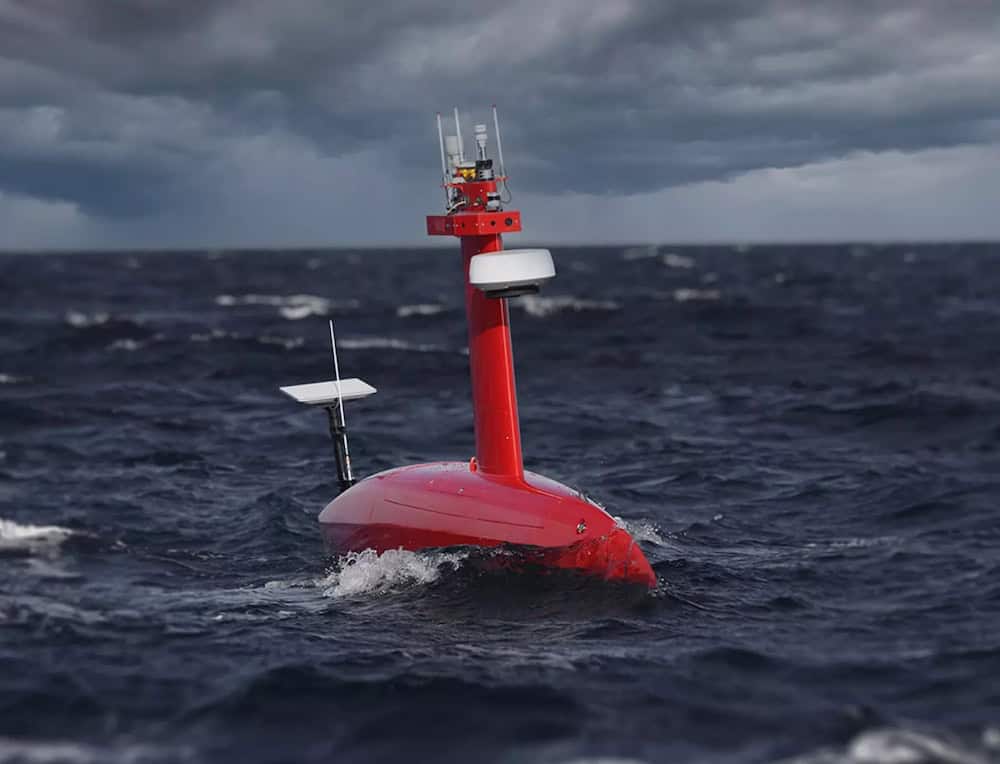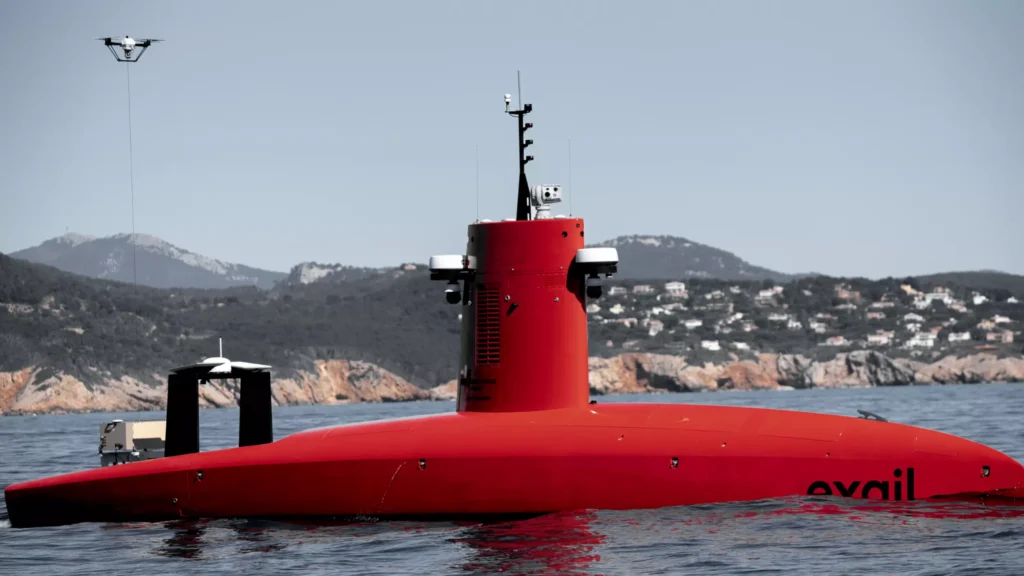




A leading navy has selected Exail to equip its complete fleet of uncrewed surface vessels with military-grade Marins inertial navigation systems under a major defense contract.
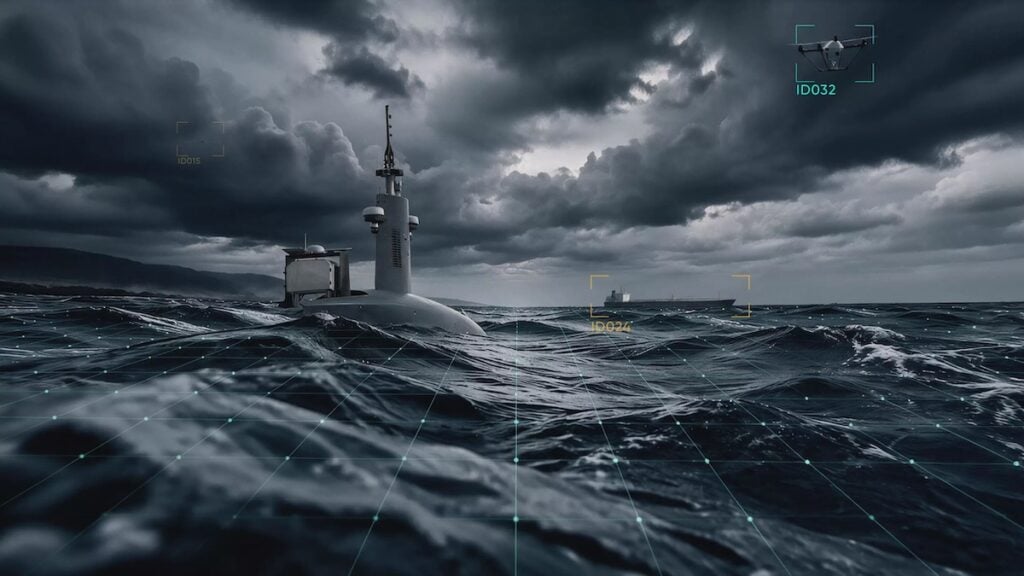
The agreement addresses a key operational priority as naval forces increasingly integrate uncrewed surface vessels (USVs) to extend operational reach, reduce crew exposure, and maintain a persistent presence at sea. Because these autonomous platforms operate without onboard personnel or continuous human oversight, mission success relies on navigation systems that consistently provide accurate, available, and trusted position data. That capability becomes critical in contested operational environments where GNSS signals face the threat of degradation, jamming, or spoofing.

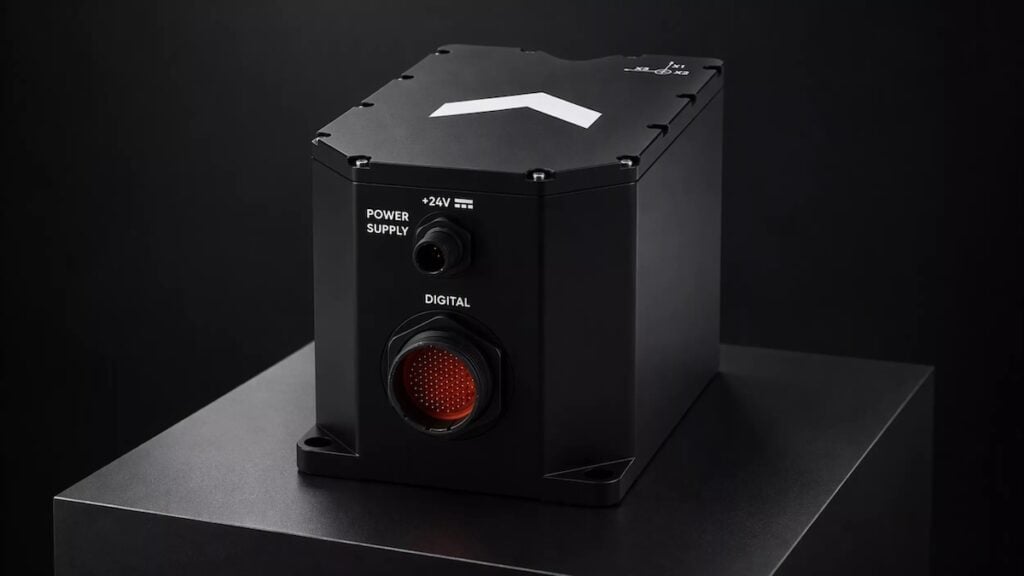
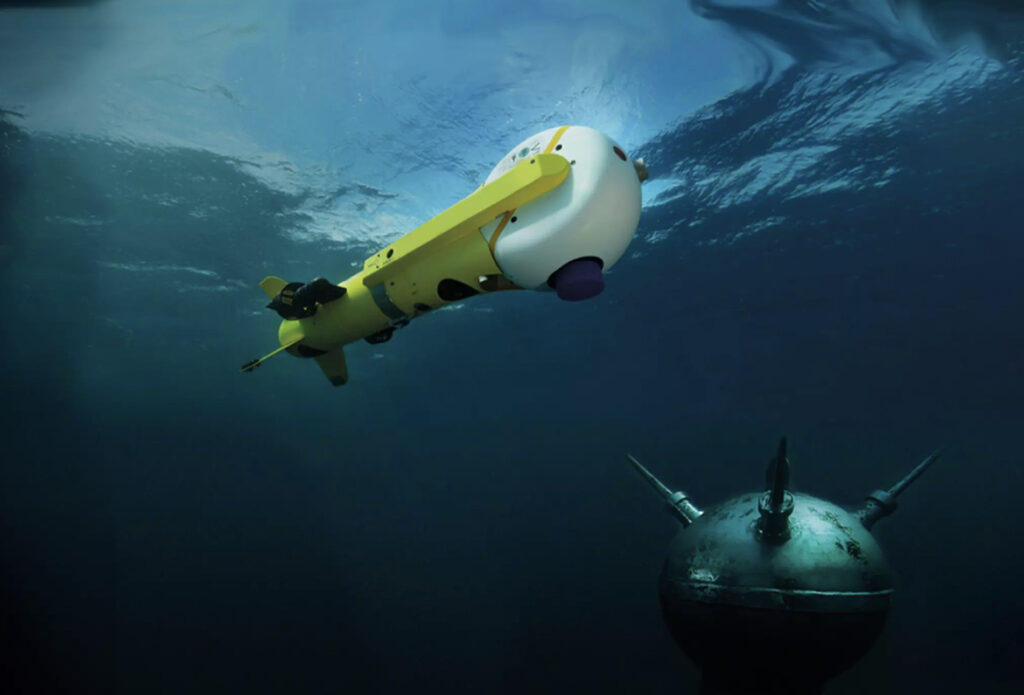
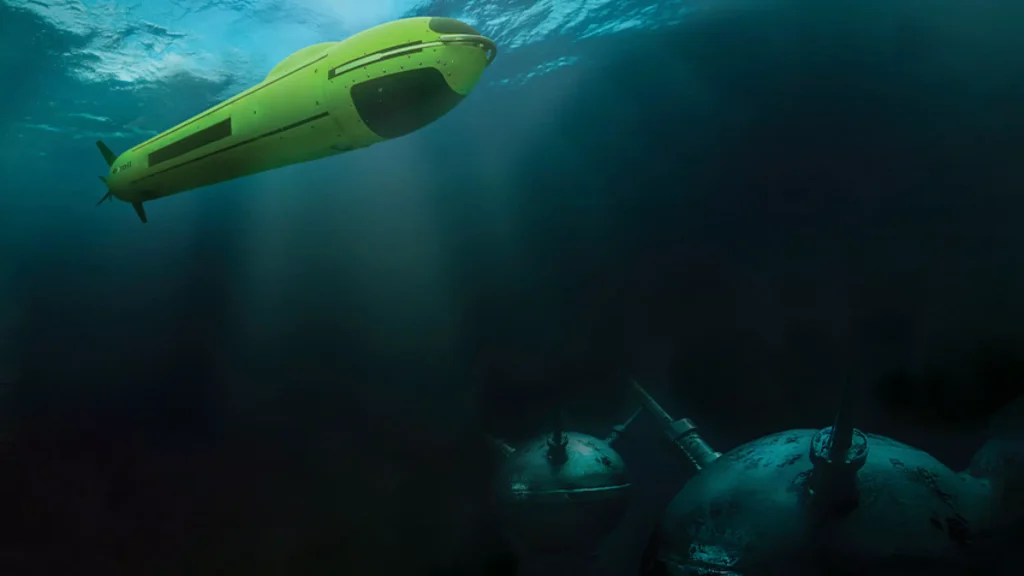
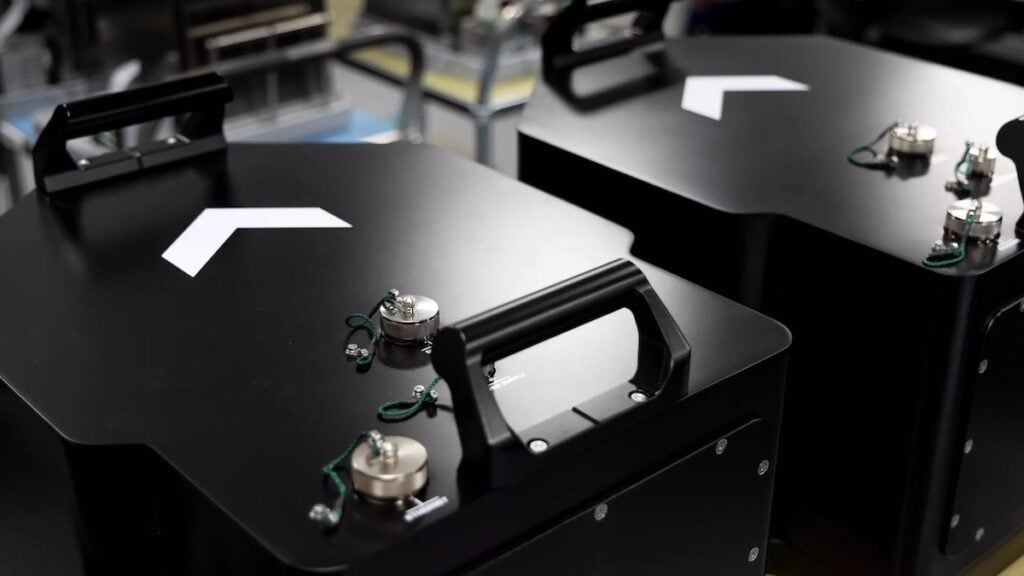
Selected to meet these requirements, the Marins systems will deliver precise position, heading, attitude, and velocity data, sustaining mission continuity during satellite disruptions. The Marins Series brings established naval capabilities to uncrewed platforms, having already been fielded across conventional surface combatants, submarines, and uncrewed underwater vehicles (UUVs). Exail’s navigation technologies currently equip naval vessels across more than 50 navies worldwide, as well as 80% of autonomous underwater vehicles (AUVs) and remotely operated vehicles (ROVs) operating in GNSS-denied environments.
“Navies are moving towards fleets where crewed and uncrewed vessels operate alongside one another. But deploying USVs at scale requires more than autonomous platforms: it requires trusted navigation technologies capable of meeting demanding defense requirements. Our strength lies in combining proven defense navigation technologies with first-hand experience of designing and integrating autonomous maritime systems. This dual expertise gives us a unique understanding of the navigation challenges facing uncrewed platforms, positioning Exail to meet the evolving needs of defense USV fleets” said Jean-Marc Binois, CCO at Exail.
As armed services accelerate the deployment of uncrewed surface assets alongside crewed ships, maritime defense requirements are placing growing emphasis on navigation solutions that combine military-grade resilience with seamless robotic integration.