



Exail has unveiled Neptis, an integrated autonomous maritime surveillance system designed to coordinate distributed uncrewed assets and significantly extend the reach and persistence of naval operations.
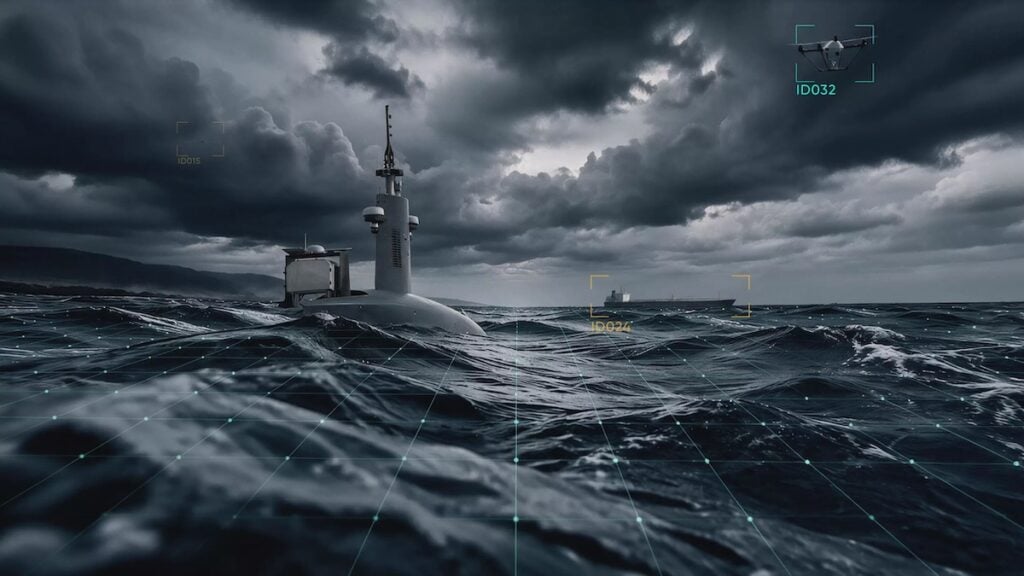
Designed as a force multiplier while preserving high-value crewed platforms for critical assignments, the architecture addresses diverse naval missions including Intelligence, Surveillance and Reconnaissance (ISR), Anti-Submarine Warfare (ASW), Critical Undersea Infrastructure Protection (CUIP), and Counter-Uncrewed Aerial Systems (C-UAS). By networking distributed sensors above, on, and below the water surface into a coordinated autonomous capability, the system provides naval forces with a broader and more persistent operational picture to accelerate tactical decision-making.
“Naval surveillance has traditionally relied on sending valuable ships and crews into the areas that need to be monitored. Autonomous systems fundamentally change that equation. With Neptis, navies can establish persistent presence across much larger areas, multiply their surveillance capacity and reduce the burden on crews and operators. The objective is to sustain that presence over time, support faster, better-informed decisions at sea and expand surveillance capacity without proportionally increasing the number of personnel dedicated to these missions,” says Sébastien Grall, Head of Maritime Autonomous Systems at Exail.
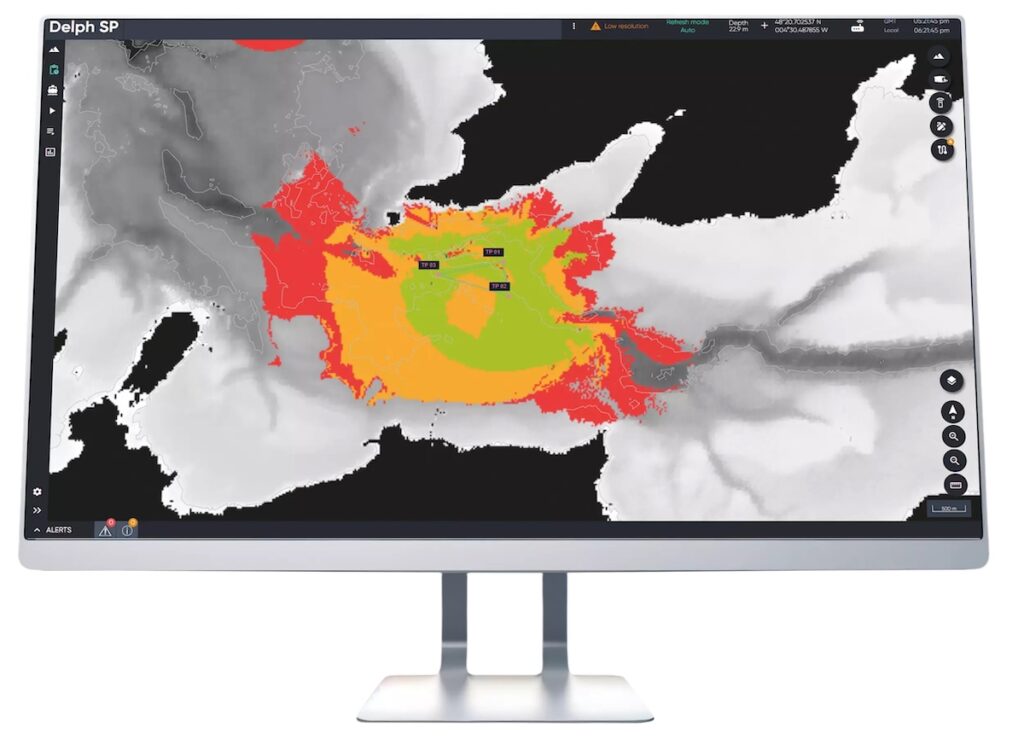
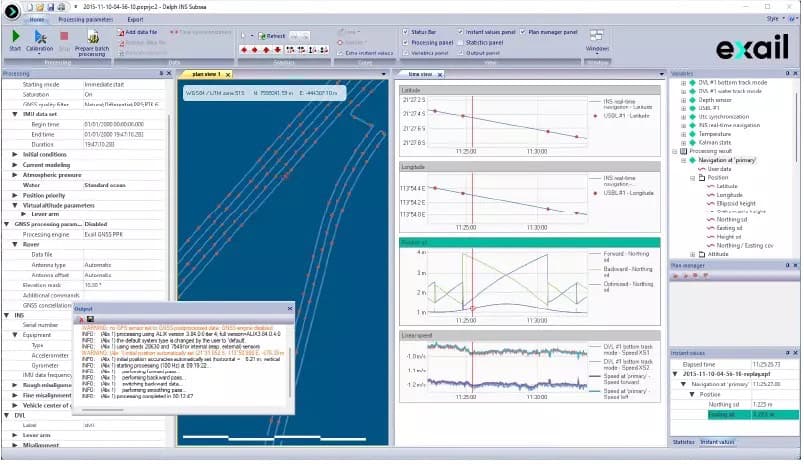
At the core of the system, a centralized command-and-control framework enables operators to supervise and coordinate multiple autonomous assets within a shared operational environment. The modular architecture integrates tactical track visualization, mission planning, target classification, advanced data fusion, AI-assisted decision support, and interoperability with higher-level command systems, allowing it to adapt to specific naval operational requirements and existing command architectures.
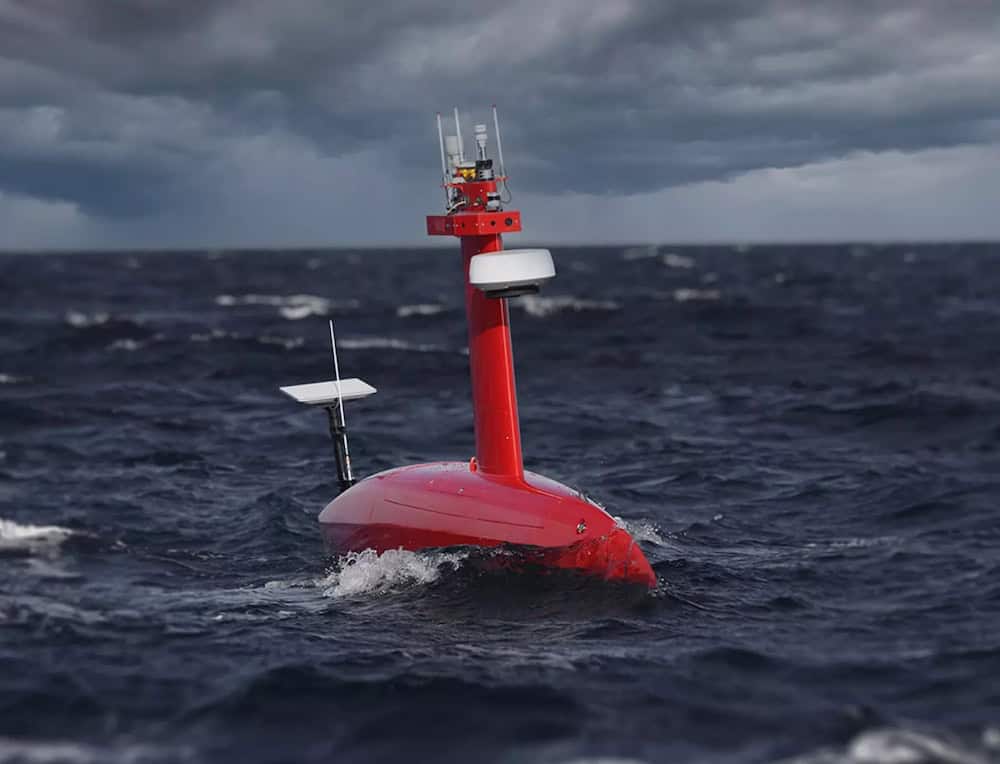
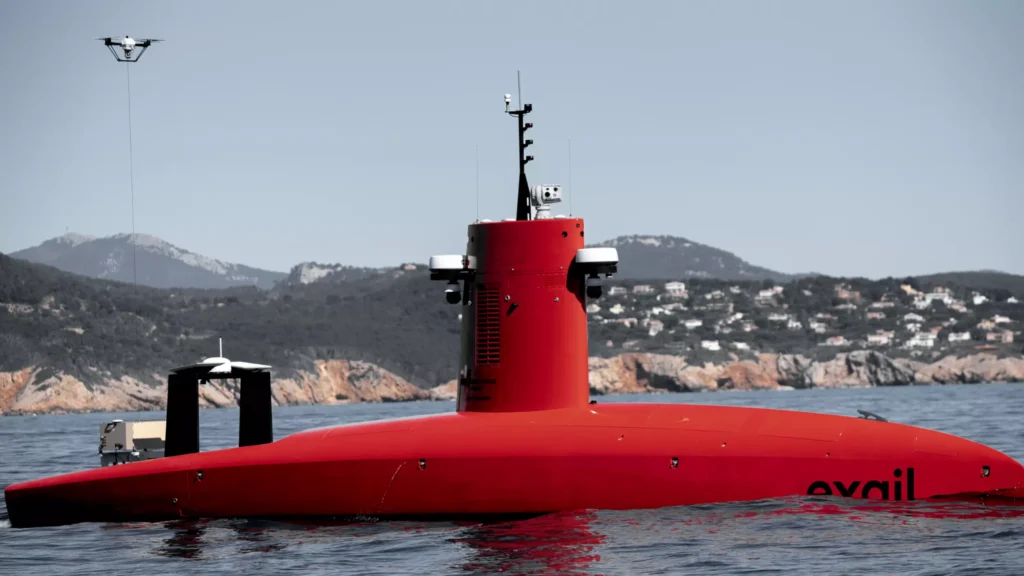
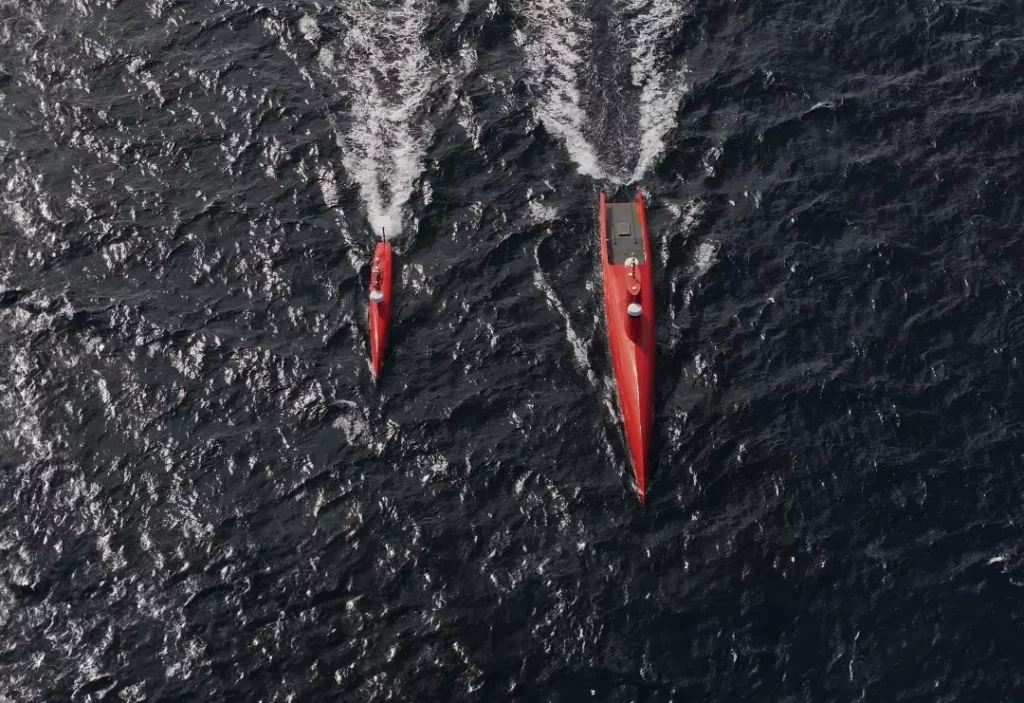
Physical operations are centered on the newly introduced Oryx series of Uncrewed Surface Vessels (USVs), integrated with defense-grade payloads. Specifically engineered for naval Concepts of Operations (CONOPS), the Oryx vessels build on low-signature characteristics and long endurance across demanding environments. The range includes the Oryx H-8, H-9, and O-16, each developed to address specific endurance, deployment, and payload requirements across coastal, offshore, and multi-sensor naval missions.
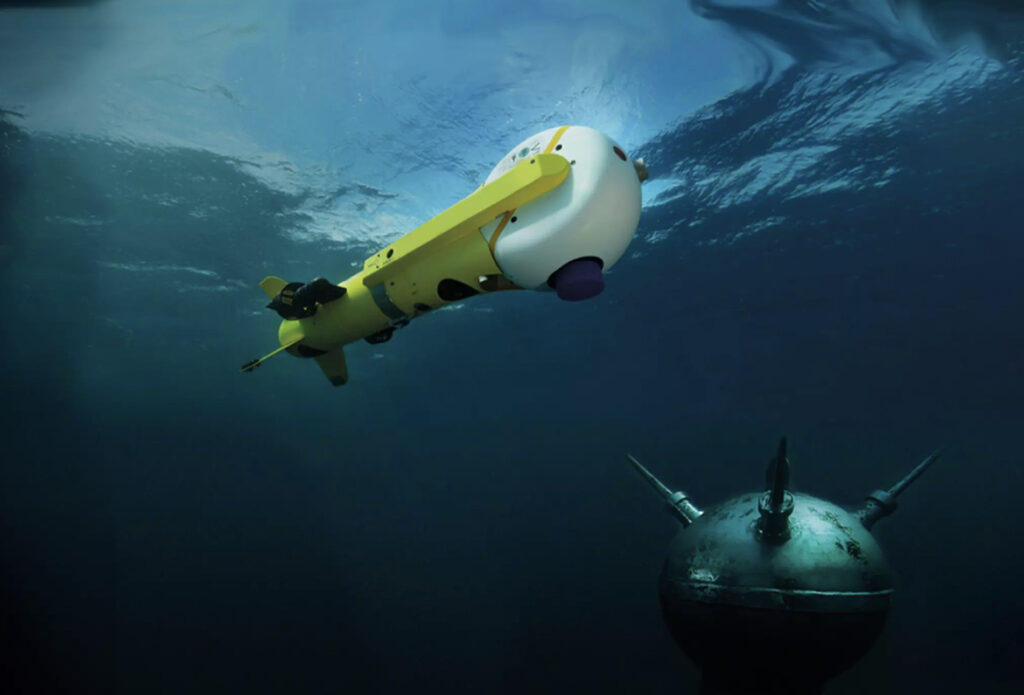
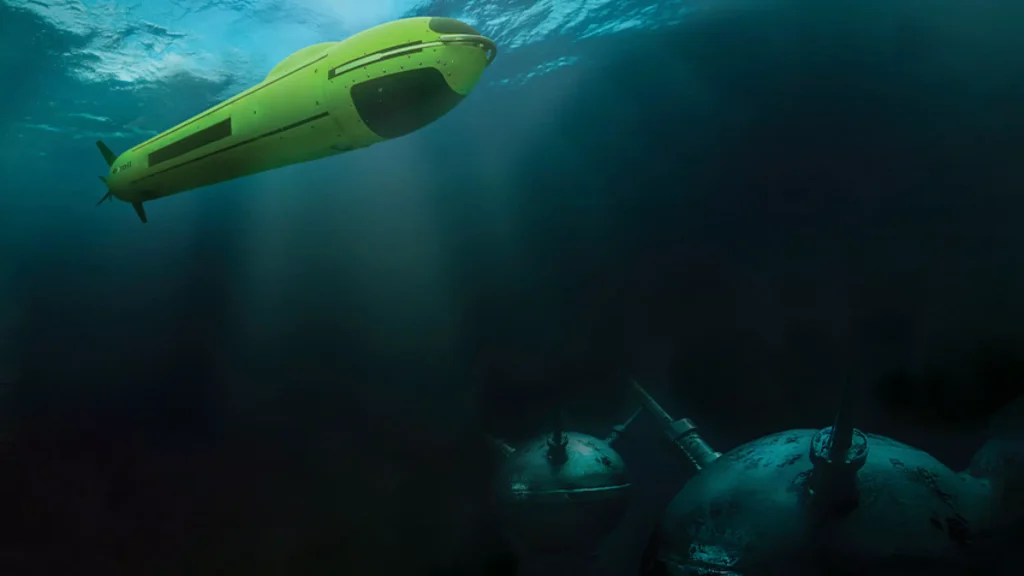
The operational model leverages sea-proven technologies and systems integration expertise established through Exail’s UMIS mine countermeasures program, which combines multiple unmanned surface and underwater platforms, payloads, and communications under a single system. This naval baseline is supported by more than 1.5 million nautical miles navigated worldwide by Exail USVs, over 300,000 operational hours across civil and defence missions, and more than 90 USVs sold globally across the DriX and Inspector ranges. The underlying platforms feature proven navigation and survivability capabilities in conditions up to Sea State 7, drawing on operational deployments and exercises with NATO, the French Navy, and the US Navy.