Navies worldwide are accelerating the modernization of their mine countermeasure capabilities as Exail and KNDS strengthen their industrial cooperation to meet the growing demands of modern naval forces.
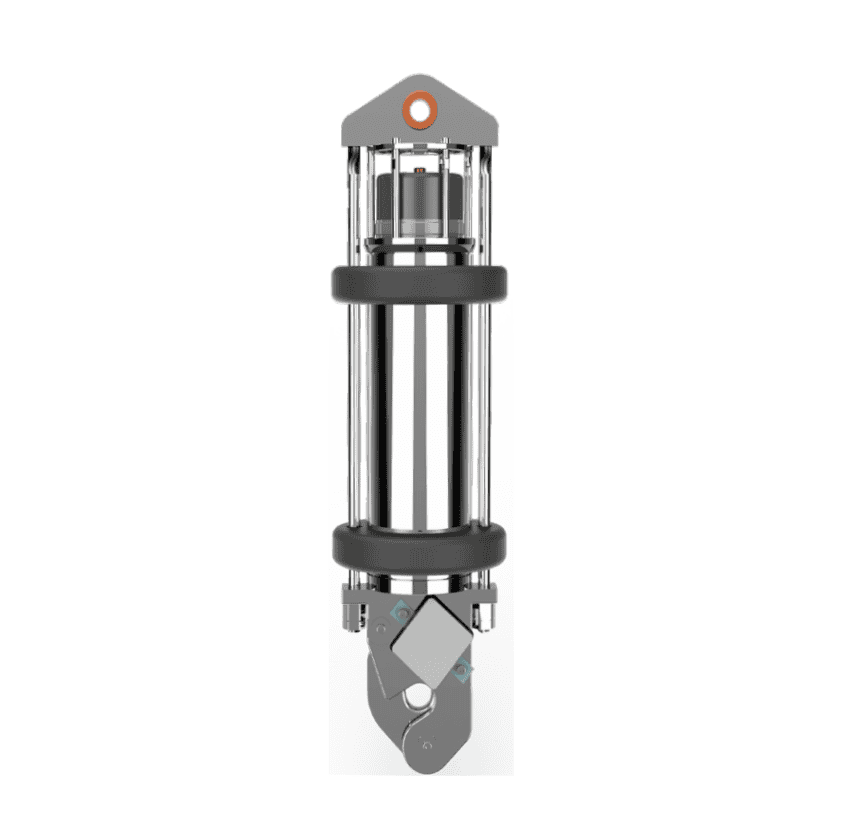
The two companies have signed a new framework agreement for the supply of several hundred equipped warheads intended for K-Ster mine neutralization systems. This milestone illustrates the rapid scaling up of a French industrial sector capable of supplying autonomous mine countermeasure systems in high volumes.
Cyril Hammer, Procurement Director at Exail, said, “The agreement between Exail and KNDS strengthens our industrial capacity by consolidating a French value chain managed from end to end, capable of supporting the ramp-up of naval programs and sustainably meeting the growing needs of navies.”
For two decades, the robotization of mine warfare remained focused on technological demonstrations, with naval forces ordering small fleets primarily to test concepts. However, the return of high-intensity conflicts and the growing vulnerability of global maritime spaces now demand massive, widespread deployment. Modern maritime threats are evolving rapidly, explosives are becoming insensitive, and the protection of critical underwater infrastructure requires a permanent naval presence. For global naval forces, the challenge has shifted from simply acquiring advanced technology to ensuring these systems are readily available in large numbers.
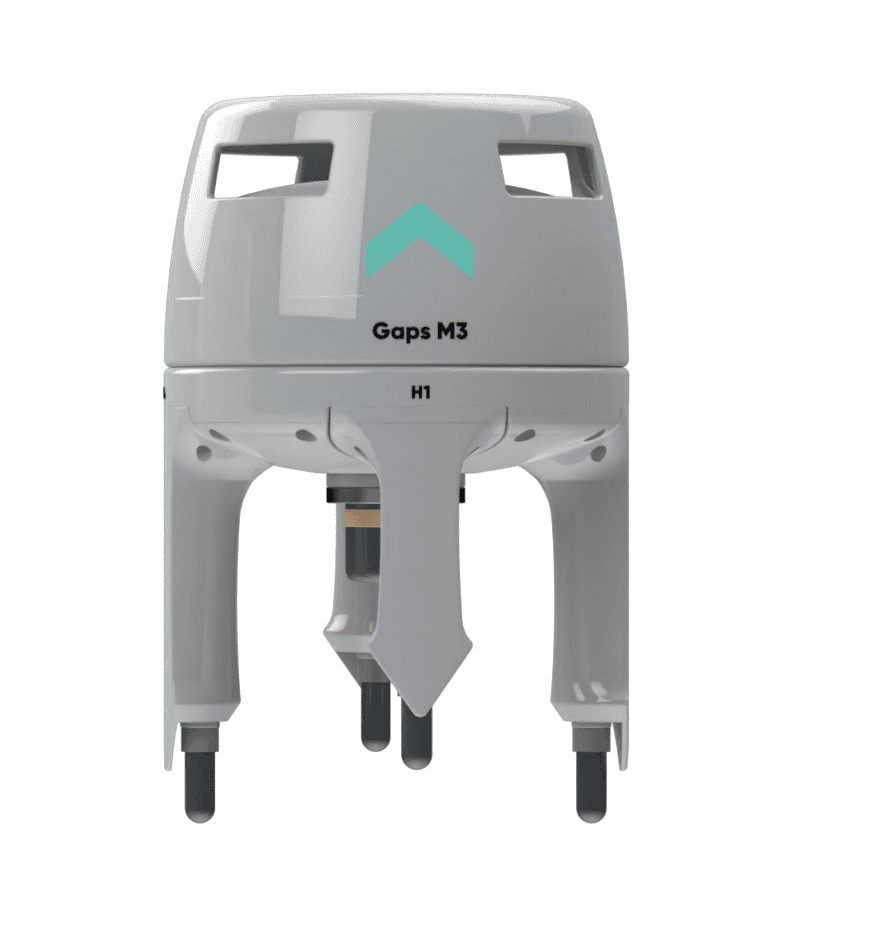
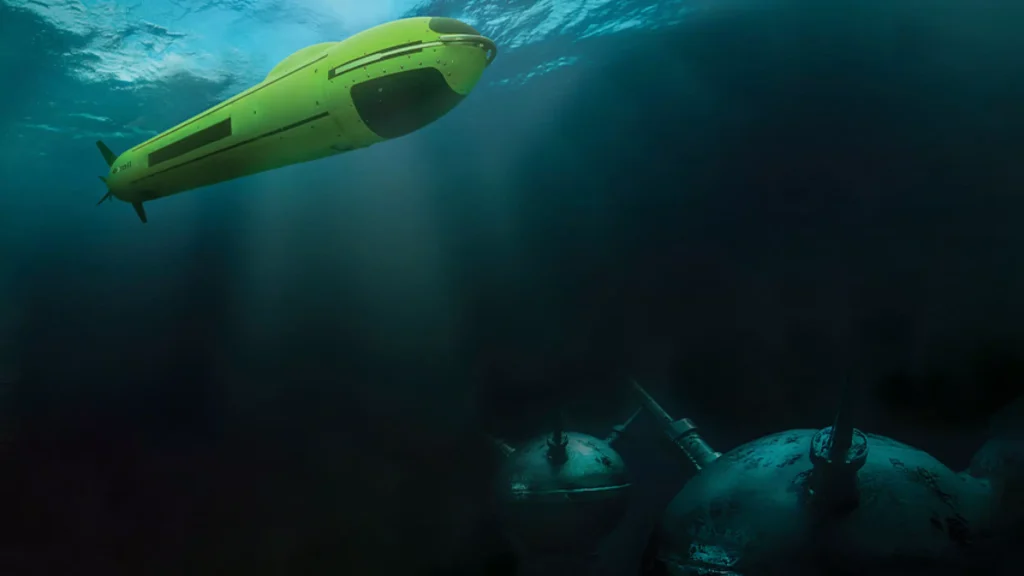
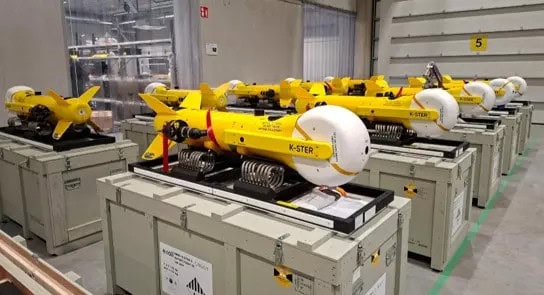
This transition from technological craftsmanship to mass industry represents the primary challenge of recent years for the naval robotics sector. A mine neutralization drone like the K-Ster is no longer an experimental prototype, but a series-produced combat system. The high operational pace of modern naval activities requires defense forces, including those of NATO, to build up critical stockpiles of these systems.
Consequently, the focus for industrial partners has shifted toward global supply chain performance. Manufacturers must secure supplies of critical components, guarantee high production rates, and ensure the absolute reliability of systems delivered internationally. The renewal of the framework agreement between Exail and KNDS directly addresses this logistical challenge. By committing to the supply and integration of several hundred equipped shaped-charge warheads, both companies are demonstrating their capability to fulfill high-volume orders.
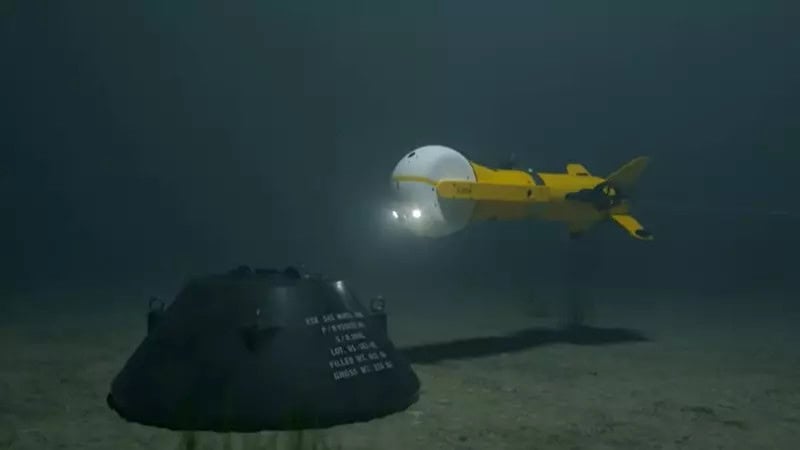
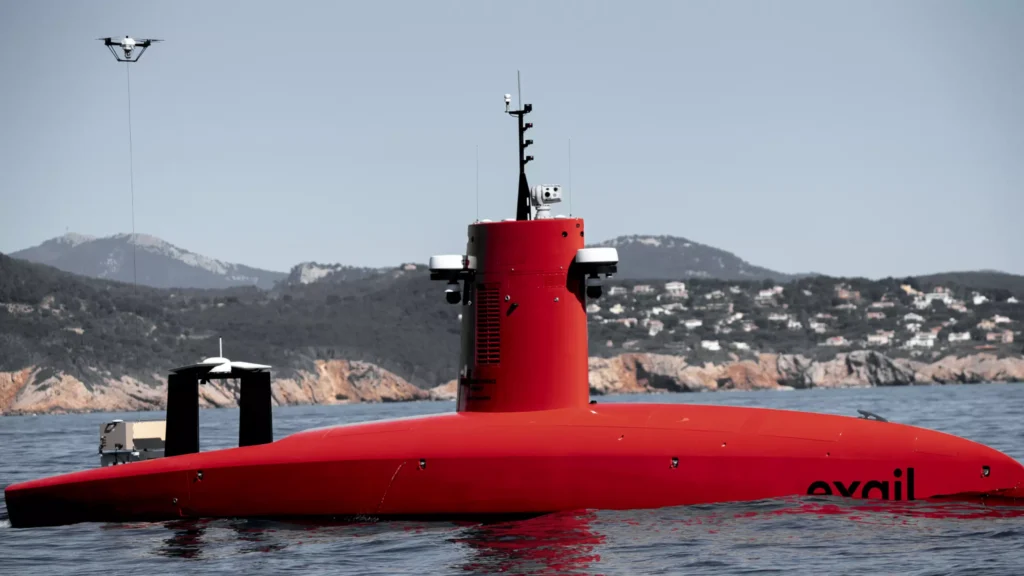
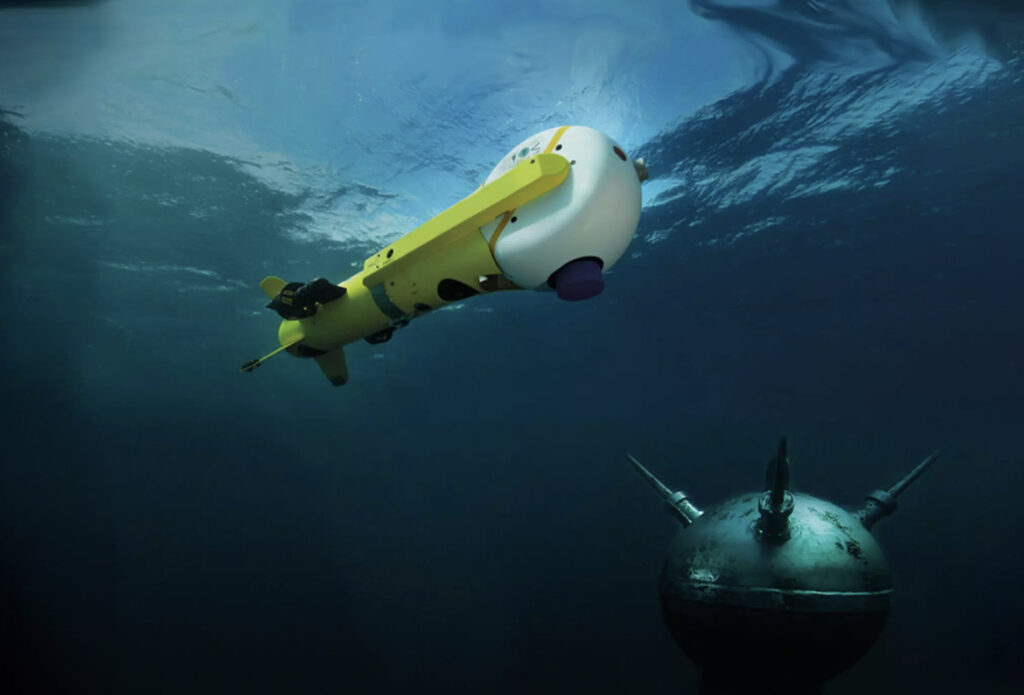
This ability to deliver at scale relies on a long-term cooperation initiated in 2008. By combining Exail’s expertise in autonomous robotic systems with KNDS’s industrial know-how in warheads, the two players have accumulated more than 15 years of return on experience. In operational fields, the K-Ster system allows the explosive charge to be projected remotely through a water column to trigger the controlled detonation of a marine mine. This method effectively keeps the mothership, deployment craft, and crew well out of harm’s way.
Beyond technical performance, sustaining this partnership secures an integrated value chain that masters all skills from the autonomous underwater vehicle to the warhead itself. In the current strategic context, the overarching challenge is not only to possess advanced mine countermeasure capabilities, but to be able to produce, deliver, and sustain them at the precise scale required by active operations.