


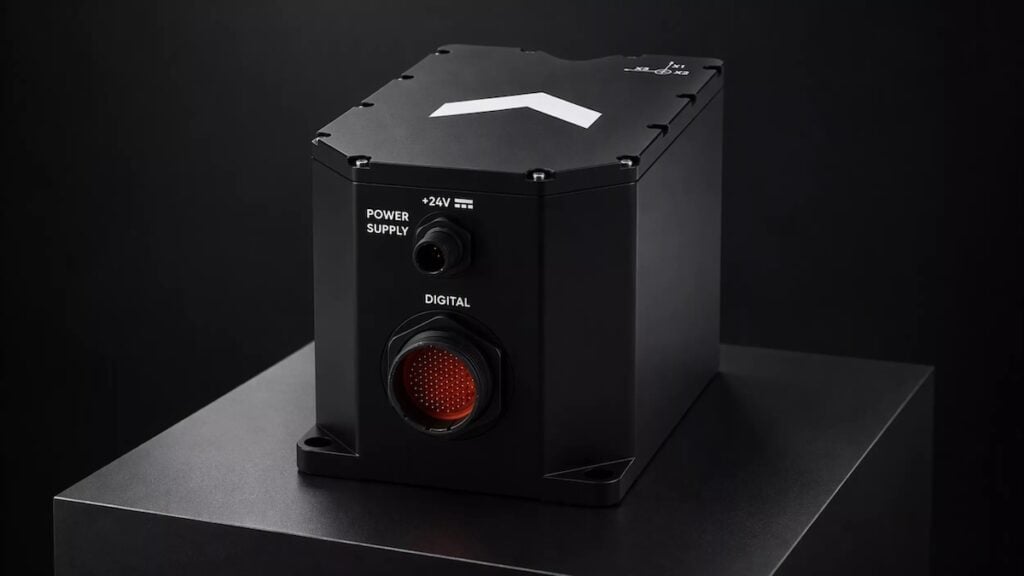
Exail has introduced the Marins M1, a compact inertial navigation system engineered to provide high-performance, resilient navigation for small tactical vessels and uncrewed maritime platforms.
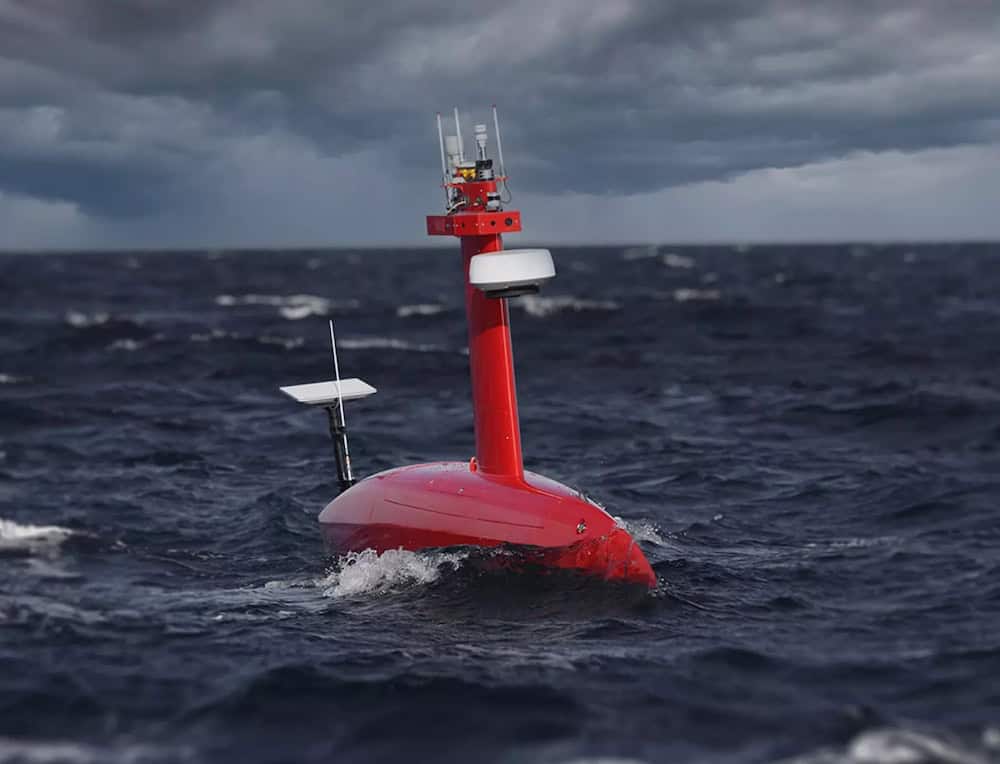
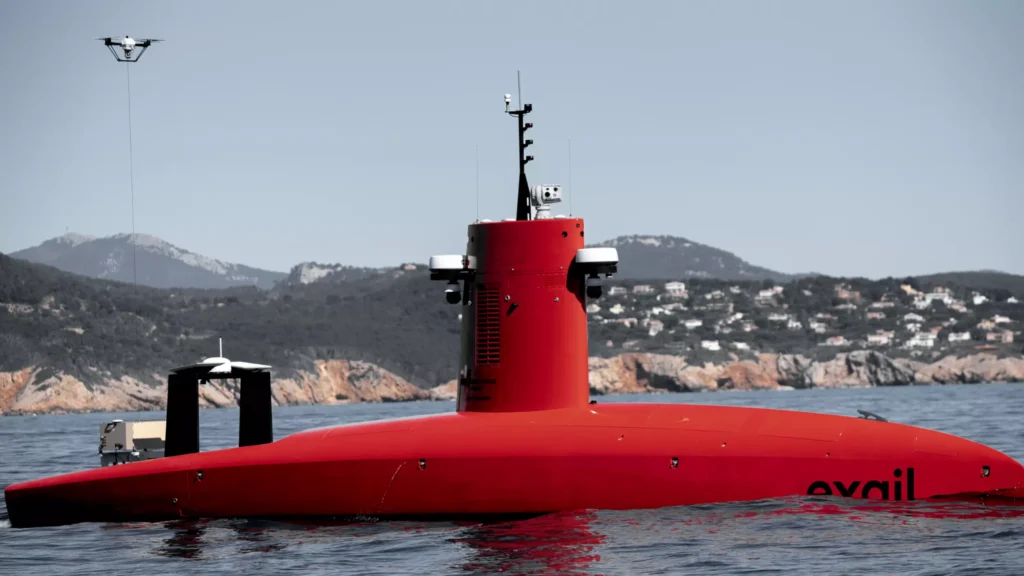
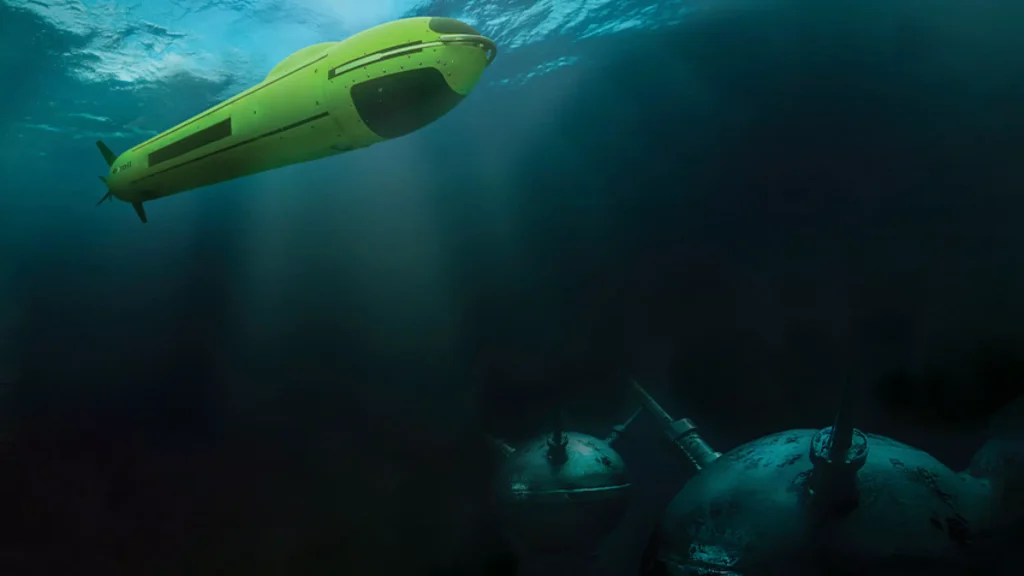
Modern defense operations increasingly rely on a mixed deployment of major combatants, tactical craft, and autonomous systems. As smaller platforms—including rigid-hulled inflatable boats (RHIBs), fast interception craft, patrol boats, uncrewed surface vessels (USVs), and uncrewed underwater vehicles (UUVs)—take on more demanding assignments, they face complex operating environments where GNSS signals are compromised or entirely absent. However, accommodating traditional high-precision navigation hardware within these smaller hulls is frequently limited by tight size, weight, power, and cost (SWaP-C) constraints.
The Marins M1 was developed to resolve these integration challenges. Built upon Exail’s sea-proven Fiber Optic Gyroscope (FOG) technology, the unit provides the stability and precision needed to operate reliably in GNSS-denied conditions. It outputs position, heading, roll, and pitch data, maintaining a maximum position drift of 1 nautical mile after 3 hours without external aiding, while packaging this performance into a compact architecture at a more accessible price point.
“A RHIB or a USV operating without GNSS faces the same navigation challenge as a larger vessel, with far less room to address it. With Marins M1, we are making very high-performance FOG navigation accessible to these platforms in a system designed around their constraints,” said Madeleine Laguarigue de Survilliers, Naval Navigation Product Manager at Exail.
The release marks a further expansion of the Marins portfolio, which is currently used by more than 50 navies worldwide. The system integrates alongside Exail’s established inertial product line as global naval fleets continue their operational shift toward combined crewed and uncrewed assets.