

Showcase your capabilities
If you design, build or supply Flight Control Software, create a profile to showcase your capabilities and connect with visitors who have an active requirement for your solutions.



Drone flight control software is the embedded control layer that converts mission commands, sensor data, and operator inputs into stable UAV motion. Used within autopilots and flight controller architectures, it supports attitude stabilization, navigation, guidance, waypoint execution, sensor fusion, flight envelope protection, and failsafe behavior across unmanned platforms.
This page showcases leading UAV flight control software providers, supporting survey, inspection, ISR, BVLOS, and automated mission profiles.
Read the Technology Overview

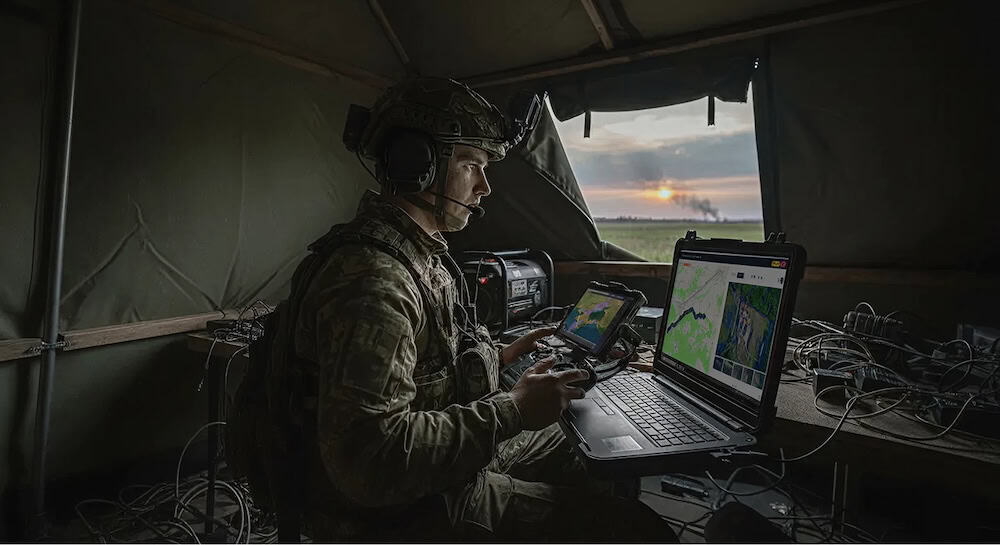
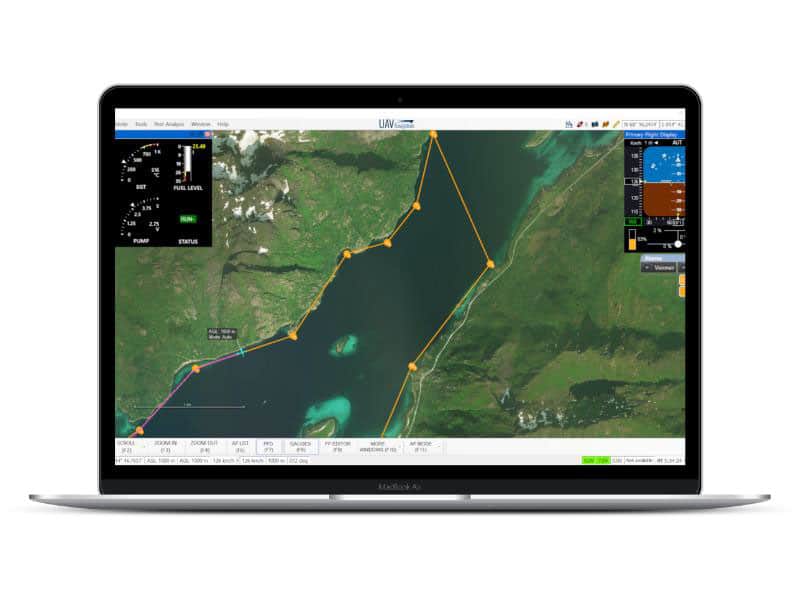
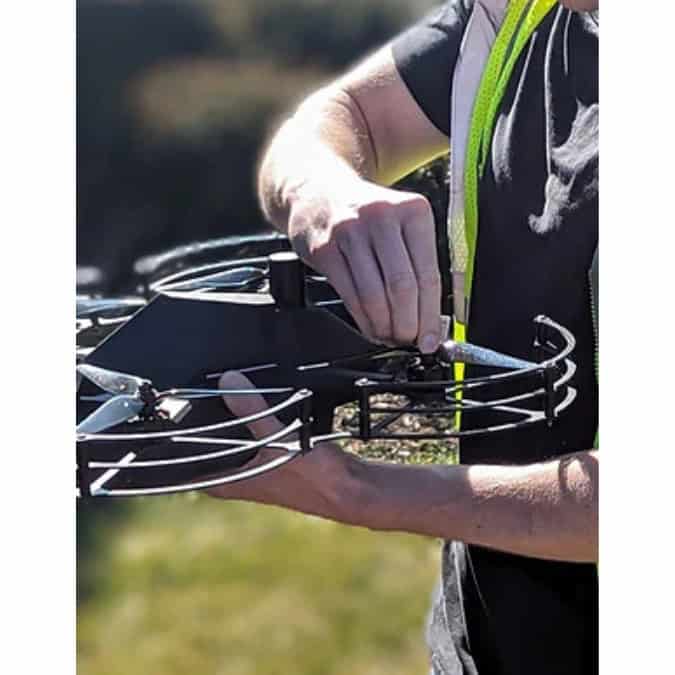
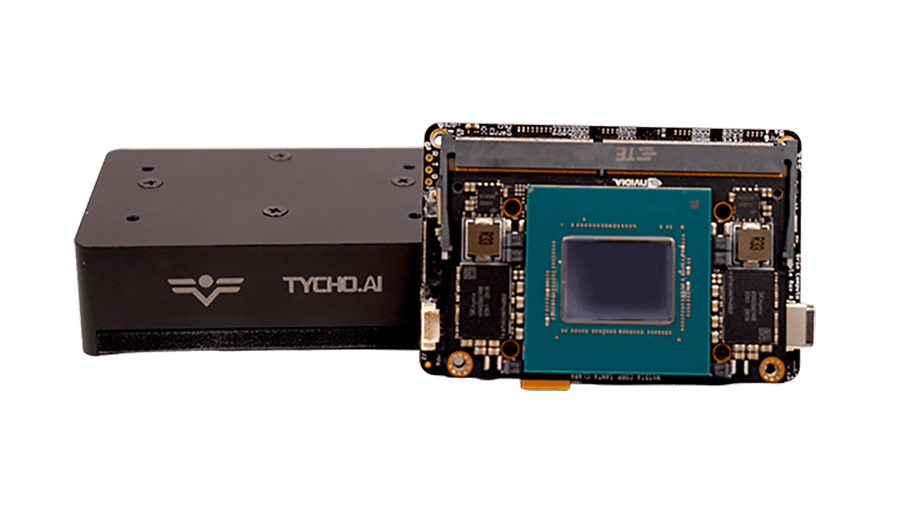
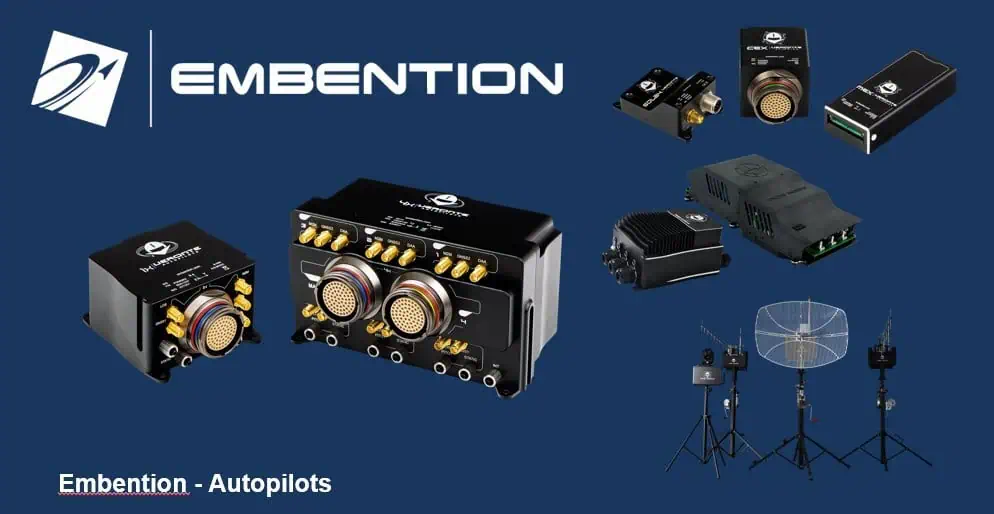
Military-Grade UAV Autopilot Systems for Advanced & Ultra-Reliable Flight Control


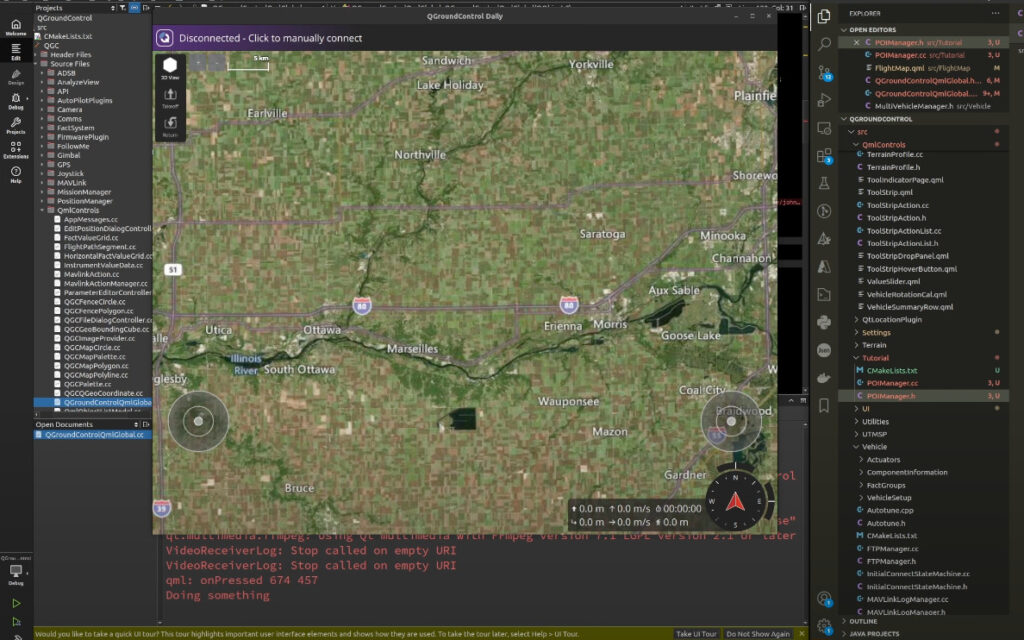
Geospatial Software for Real-Time Mapping, Data Visualization & Situational Awareness

Certified UAV Communications, Navigation, Control, Surveillance, and Combat ID Solutions

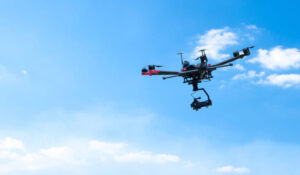
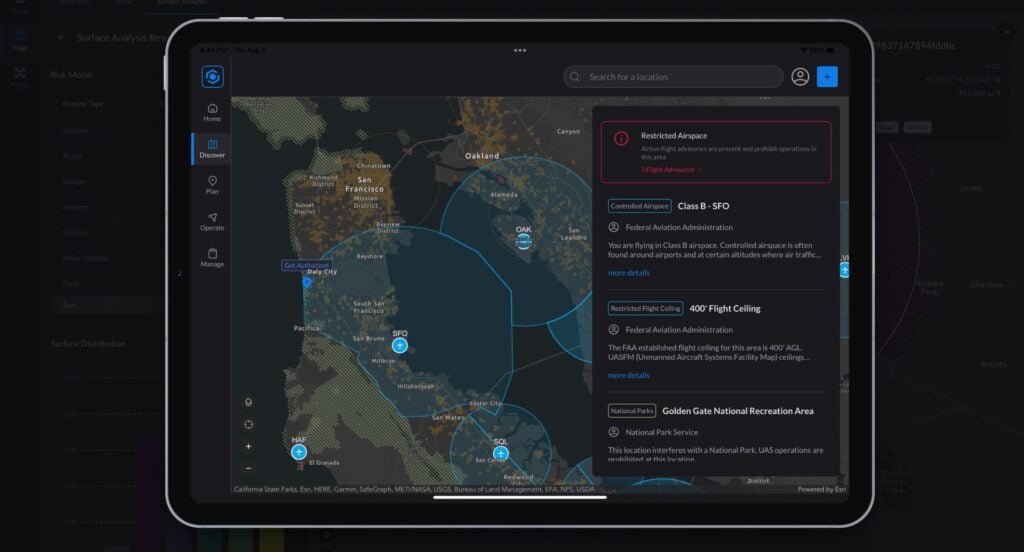
Comprehensive Hardware & Software Solutions for Drone Operations & Airspace Integration

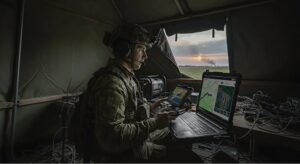
Advanced UAV & Unmanned Systems for Challenging Missions in Government, Defence & Commercial Applications

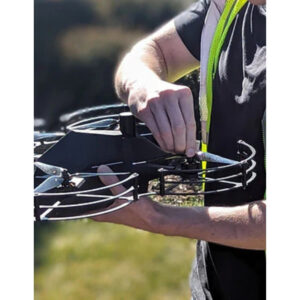
Drone Software Engineering Consultancy Providing Comprehensive UAV Platform Development Services

High-Performance Drone Batteries, Power Management Systems, Fleet Management Software, Solar MPPT Integration, Celular C2 & Payload Communications

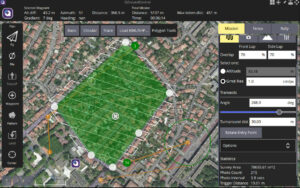
Embedded Systems Software Development, Firmware Programming & Drone Software Design/Testing Services

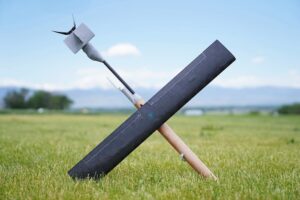
Autonomous UAS, Research & Inspection UAVs for Industrial Inspection, Survey & Mapping
If you design, build or supply Flight Control Software, create a profile to showcase your capabilities and connect with visitors who have an active requirement for your solutions.

Drone flight control software serves as the critical embedded software layer that translates mission intent, sensor inputs, and operator commands into physical aircraft motion for Unmanned Aerial Vehicles (UAVs) and Remotely Piloted Aircraft Systems (RPAS). Operating within the autopilot or broader flight control system, this software manages the real-time execution of motor speeds, actuator positioning, and essential safety logic. Drone flight controller software acts as the core control layer of the platform, keeping the aircraft stabilized, guiding it through complex pathways, adapting to environmental dynamics, and supporting emergency protocols if anomalies arise.
For professional unmanned assets, UAV flight control software is a safety-critical architecture that directly influences platform reliability, payload data quality, airworthiness evidence, and the ability to meet regulatory requirements for specific operations. Civil aviation authorities increasingly scrutinize airborne software and hardware assurance for autopilots and command systems. This underscores the necessity of rigorous software engineering when deployment involves high-value commercial, industrial, or defense applications.

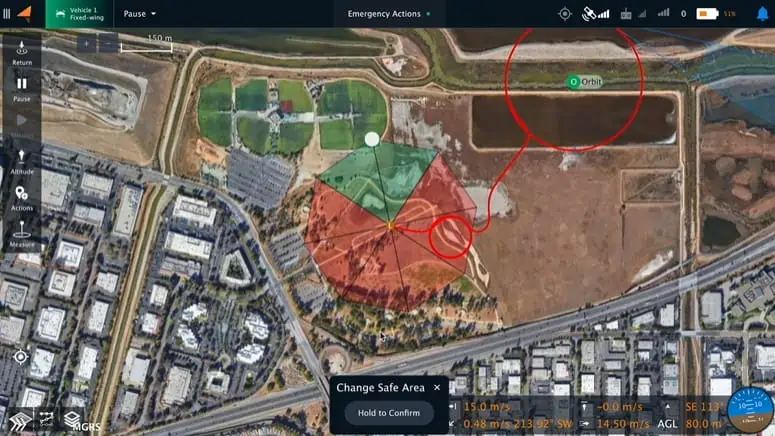
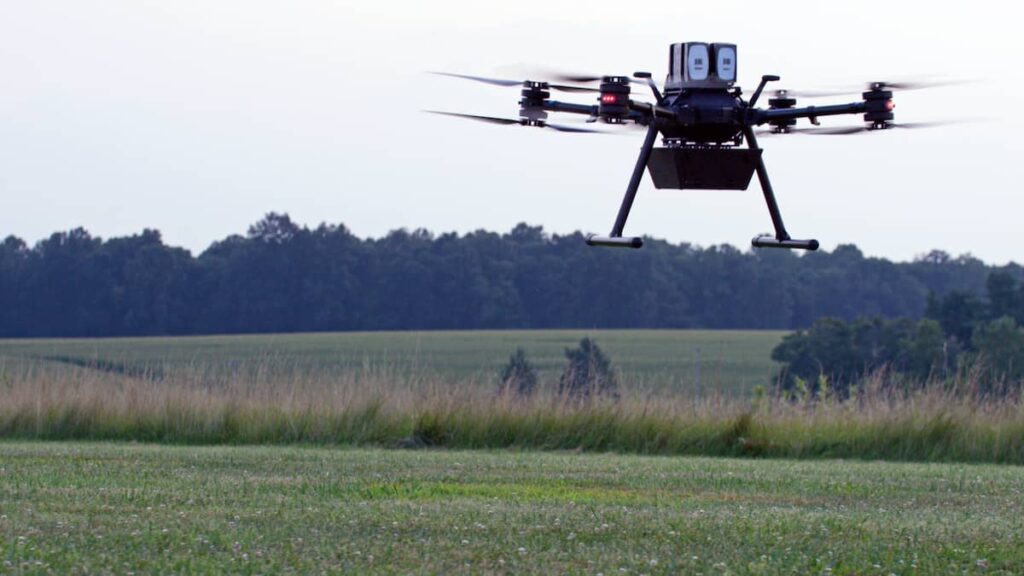
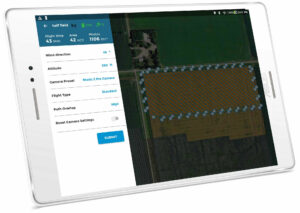
Botlink Capture App by Packet Digital
The primary mandate of any flight control system is maintaining aircraft stability under volatile conditions. Multirotors, fixed-wing assets, and hybrid vertical take-off and landing (VTOL) platforms face continuous atmospheric disturbances such as wind shear, turbulence, and shifting payloads. The software processes high-frequency data from inertial sensors to command immediate actuator adjustments across the roll, pitch, yaw, and thrust axes. Whether utilizing traditional PID loops or advanced model-based adaptive control laws, the engineering objective remains identical: ensuring predictable aircraft handling without causing actuator saturation or control lag.
While navigation software determines coordinates, guidance systems direct the flight path to subsequent milestones. Modern drone control software fuses data streams from GNSS, inertial sensors, barometers, and magnetometers to execute automated survey grids, terrain-aware flight paths, and precise return-to-home trajectories. Reliable guidance performance directly dictates data quality. A mapping platform depends on strict altitude consistency, an inspection drone requires rock-solid hover capabilities near industrial infrastructure, and maritime assets must account for moving vessel decks, gusts, and turbulent maritime airflow.
Autonomy software within high-performance flight controllers provides the ability to execute complex mission profiles without direct pilot intervention. This specialized software for drone control handles automated take-offs, conditional waypoint routing, mission planning inputs, payload triggers, and pre-programmed camera or sensor functions. The mission execution logic operates as a high-level orchestration layer above the low-level stabilization loops, monitoring operational contexts to determine when to adjust speeds or initiate failsafes. System integrators routinely customize this logic to align the aircraft’s automated responses with specific enterprise or defense workflows.
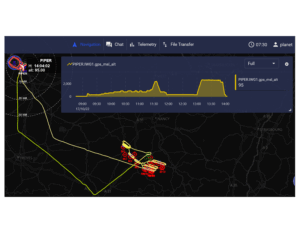
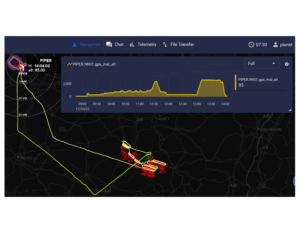
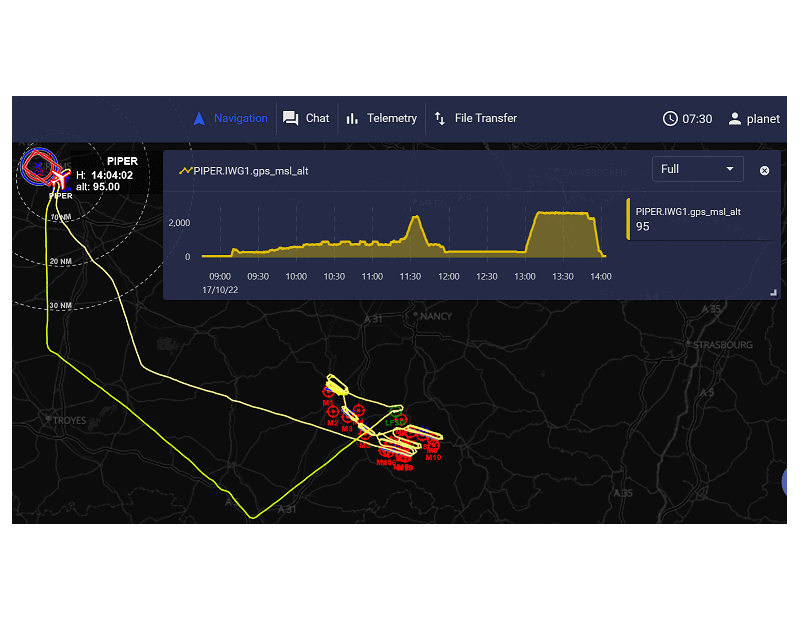
PLANET Flight Management Application Service from Atmosphere
No individual onboard sensor is infallible in all operating environments. To overcome GNSS degradation, barometer drift, or magnetic interference, specialized UAV control software may employ state-estimation algorithms such as extended Kalman filters, unscented Kalman filters, complementary filters, or multi-instance estimator architectures. By reconciling disparate, imperfect data streams, the system creates a high-confidence operational picture. This robust estimation is non-negotiable for beyond visual line of sight (BVLOS) flights, precision docking, and operations in GNSS-denied environments where the system must navigate safely despite corrupted data.
This protective layer serves as a digital safeguard to keep the platform within its structural, aerodynamic, and electrical thresholds. Drone flight management software constantly monitors parameters such as minimum airspeed to prevent stalls in fixed-wing systems, or peak current draw in multirotors. Instead of issuing simple warnings, advanced flight controller software for drones dynamically shapes or constrains control commands. This active real-time intervention preserves airframe integrity, particularly during high-workload scenarios or aggressive autonomous routing.
| Architecture Component | Primary Technical Function | Key Operational Value |
| Embedded Flight Software Stack | Deterministic execution of low-level drivers, estimators, and inner control loops. | Supports hard real-time performance and system stability. |
| Autopilot Firmware | Hardware integration, I/O processing (PWM, CAN, UART), and redundancy management. | Bridges algorithmic control logic with physical actuators and sensors. |
| Open-Source and Proprietary Software | Core flight control logic built on either shared open ecosystems or secure closed systems. | Balances development agility against strict IP control and compliance support. |
| Ground Control Link | Telemetry exchange, mission uploading, and standardized messaging protocol execution. | Supports operator oversight and multi-platform interoperability. |
Modern unmanned platforms rely on layered defensive sub-routines to manage unexpected airborne anomalies.
These integrated safety controls help prevent minor hardware issues from escalating into catastrophic system failures.
The rapid evolution of computing power is shifting software design toward higher levels of independent capability.
These structural innovations allow modern unmanned systems to operate safely within increasingly complex and contested operational environments.


 Searching Companies & Products



 Subscribe to the Weekly eBrief
The latest engineering and technical developments straight to your inbox - join thousands of engineers who receive it.
Subscribe to the Weekly eBrief
The latest engineering and technical developments straight to your inbox - join thousands of engineers who receive it.