
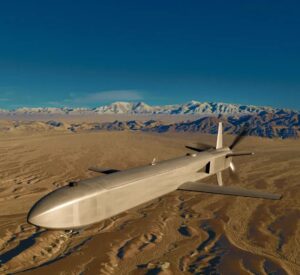

Showcase your capabilities
If you design, build or supply One-Way Attack Drones, create a profile to showcase your capabilities and connect with visitors who have an active requirement for your solutions.




One-Way Attack (OWA) drones are expendable unmanned aircraft designed to deliver an effect against a target without recovery after the mission. These include fixed-wing, delta-wing, flying-wing, rotary-wing, and multirotor configurations.
This comprehensive guide covers one-way attack drones and kamikaze UAV for tactical, long-range, maritime, and coordinated operations.
Read the Technology Overview
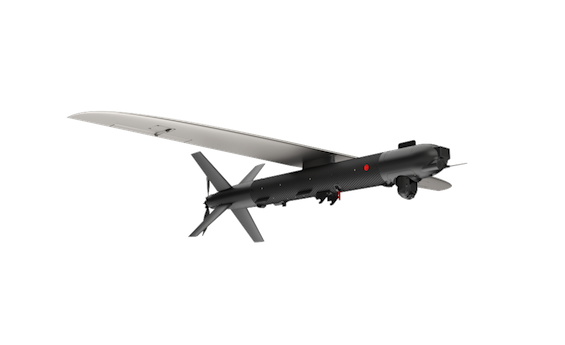
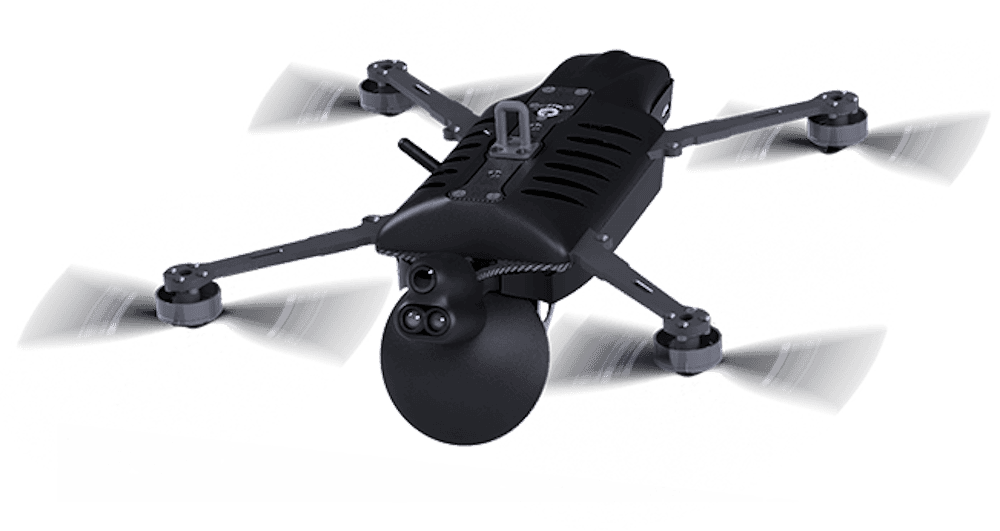
Tactical Hybrid VTOL UAS & Loitering Systems for Multi-Domain Operations

Advanced UAV & Unmanned Systems for Challenging Missions in Government, Defence & Commercial Applications

If you design, build or supply One-Way Attack Drones, create a profile to showcase your capabilities and connect with visitors who have an active requirement for your solutions.

One-Way Attack (OWA) drones are unmanned aircraft designed to deliver an effect against a target without being recovered after the mission. They combine unmanned aviation, precision navigation, mission computing, payload integration, and expendable airframe design. Within the wider unmanned systems ecosystem, a one-way attack UAV occupies a distinct position between reusable armed UAVs, loitering munitions, and other precision-strike systems. These categories can overlap, but they are not interchangeable.
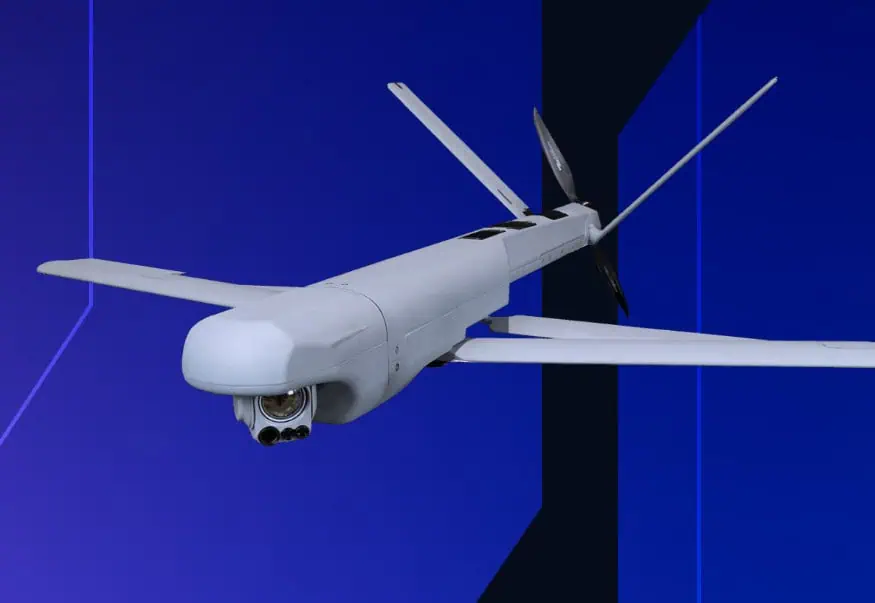
Loitering munitions are generally designed to remain airborne while searching for, confirming, or receiving updates on a target, whereas many OWA drones follow a planned route toward a designated objective. Designs range from compact tactical aircraft to longer-range fixed-wing platforms, with growing emphasis on scalable production, resilient navigation, simplified logistics, and operation in contested electromagnetic environments.
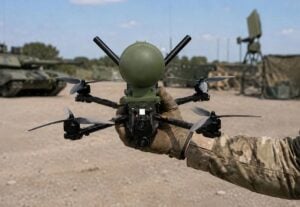
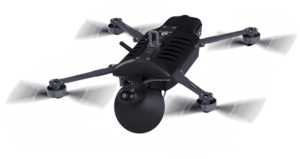
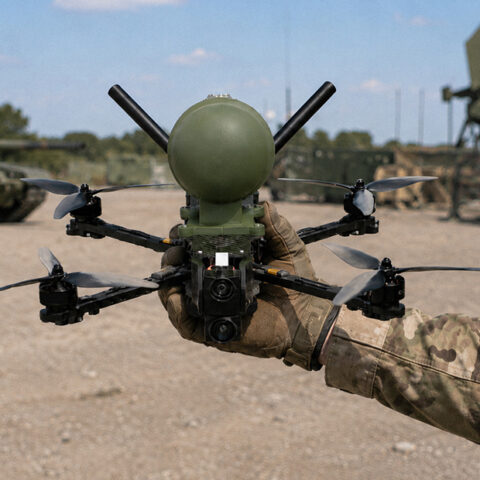
Çivi FPV Kamikaze Drone System by Enetki
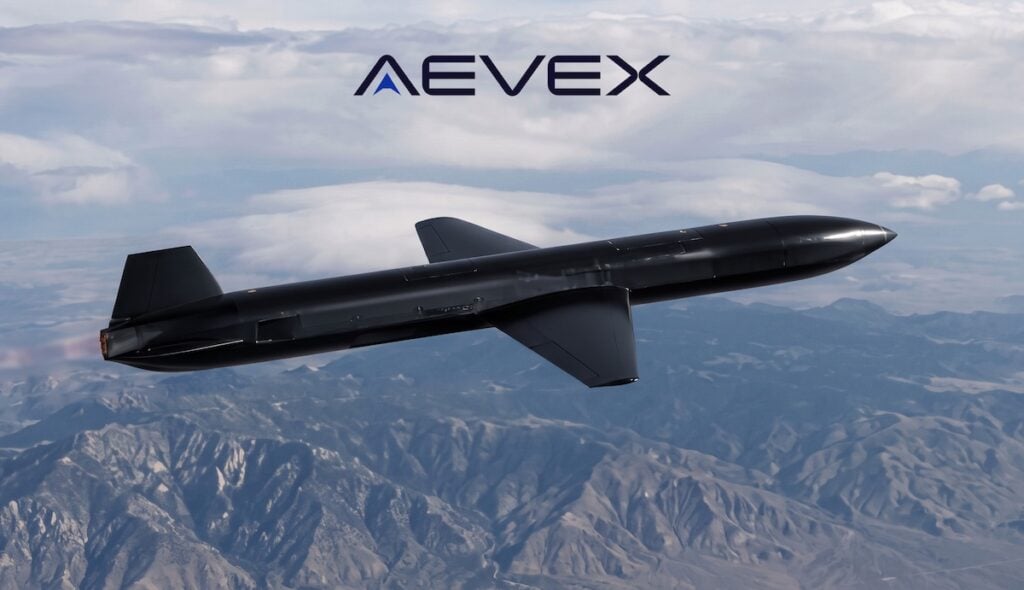
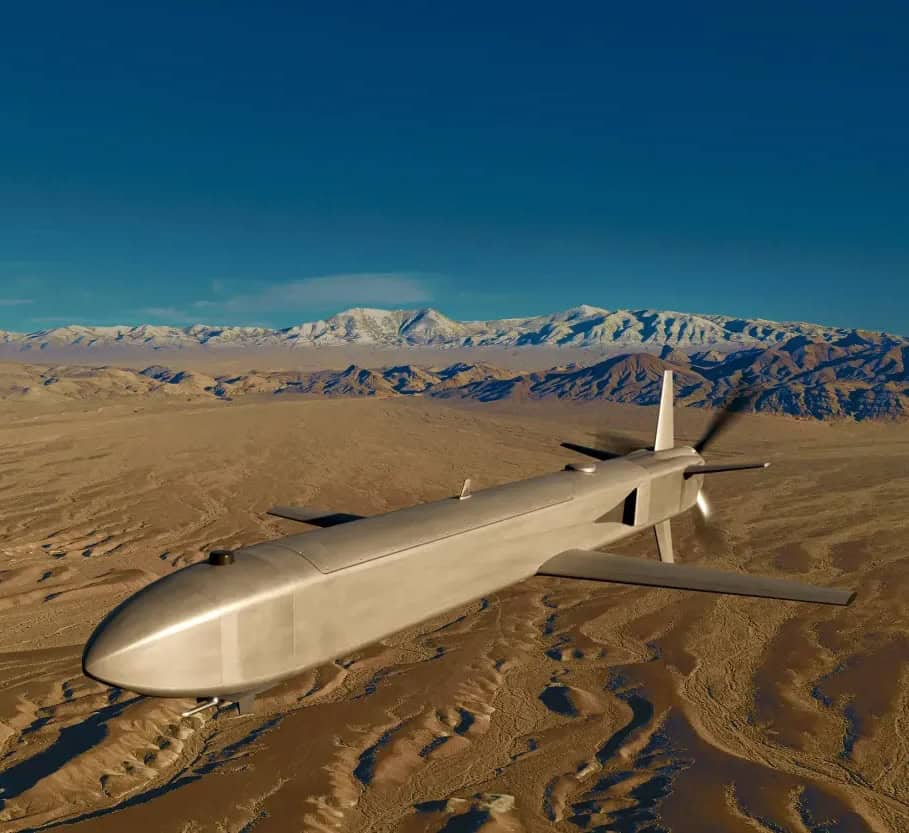
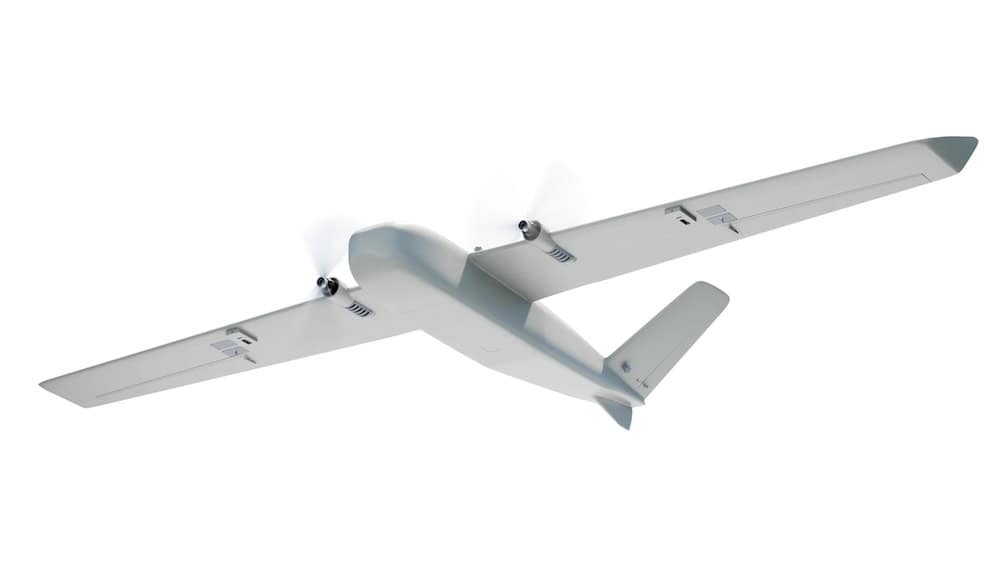
Fixed-wing configurations are well suited to one-way attack missions because aerodynamic lift supports efficient flight over extended distances. These aircraft may use a conventional fuselage and wing arrangement optimized around endurance, payload capacity, launch requirements, and manufacturing simplicity. Fixed-wing kamikaze drones can also accommodate a broad range of propulsion, navigation, communications, and onboard computing architectures.
Delta-wing and flying-wing OWA drones use highly integrated lifting surfaces. Flying-wing designs minimize the distinction between the fuselage and wing, while delta-wing aircraft may retain a more defined central body. These configurations can support compact storage, straightforward manufacturing, useful internal volume, aerodynamic efficiency, or reduced component count. Their suitability depends on the required speed, range, stability, payload integration, and launch method.
Rotary-wing and multirotor attack drones provide vertical takeoff, low-speed maneuverability, and the ability to operate without dedicated launch infrastructure. These characteristics are particularly useful in complex terrain, urban environments, and missions requiring precise maneuvering at relatively short ranges. The trade-off is generally lower aerodynamic efficiency, range, and endurance than a purpose-built fixed-wing one-way attack drone.
Short-range kamikaze drones are typically designed to support forces operating close to the tactical edge. Portability, rapid deployment, simple control interfaces, and a limited logistical footprint can be more important than maximum endurance. Depending on the design, these disposable UAV systems may be carried by personnel, transported in light vehicles, or integrated with compact launch equipment.
Long-range one-way attack UAS place greater emphasis on endurance, fuel or energy efficiency, navigation resilience, and dependable onboard mission systems. These aircraft may need to remain functional across long flight profiles and changing environmental conditions without continuous operator input. This increases the importance of reliable propulsion, flight-control hardware, communications architecture, inertial navigation, onboard power management, and system-level quality assurance. Propulsion selection also affects endurance, speed, cost, acoustic signature, and logistical support.
OWA UAVs can also be differentiated by how they are deployed. Vehicle-based launchers can provide mobility, protected transport, and the ability to deploy multiple aircraft from a common platform. Air-launched systems can extend operating reach by using a crewed or unmanned aircraft as the initial carrier. Launch architecture therefore influences airframe geometry, storage requirements, platform interfaces, and overall system integration.
At the tactical level, one-way attack drones provide an unmanned means of delivering precision effects without requiring aircraft recovery. Their relatively compact form factor can allow them to be distributed across different units and integrated with wider sensing and command networks. System effectiveness depends not only on the air vehicle but also on navigation accuracy, communications, targeting information, mission planning, and overall system reliability.
Long-range attack drones extend the one-way concept to missions requiring greater endurance and standoff distance. Designers must balance range against airframe size, propulsion efficiency, onboard power consumption, payload capacity, reliability, and cost. Navigation performance becomes increasingly important as mission duration increases or when the aircraft must operate beyond continuous line-of-sight control.
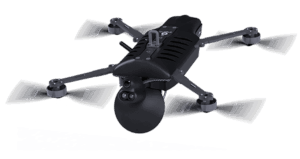
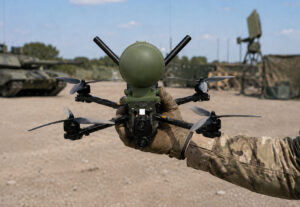
BarB-X FPV attack drone by BlueBird Aero Systems
One-way attack UAVs may be developed for use against either fixed or mobile targets, but these roles place different demands on onboard sensing and guidance. Fixed locations can generally be associated with predetermined coordinates, while moving targets require more sophisticated target updating, terminal sensing, or external cueing. More advanced systems may incorporate varying levels of onboard perception and mission autonomy depending on the intended role. Autonomous navigation should not, however, be treated as equivalent to autonomous target selection or engagement.
Maritime and littoral environments create additional requirements for one-way attack drone systems, including salt exposure, wind, limited visual references, communications challenges, and operations from ships or austere coastal positions. Aircraft intended for these environments may require corrosion-resistant materials, reliable navigation over feature-poor water, and launch equipment or platform interfaces suited to naval and expeditionary operations.
One-way attack drones can form part of broader efforts to challenge or suppress hostile air-defense networks. Their unmanned and expendable nature allows them to be incorporated into distributed mission architectures alongside electronic warfare, Intelligence, Surveillance, and Reconnaissance (ISR), and other airborne systems. Their value in this role depends heavily on integration, coordination, navigation resilience, timing, and the ability to function in an electronically contested environment.
Multiple OWA UAVs can be employed as part of coordinated missions in which aircraft share timing, routing, sensor inputs, or wider command-and-control information. More advanced architectures may use collaborative autonomy to reduce the amount of individual operator control required. Such approaches place additional demands on networking, mission software, deconfliction, timing, communications resilience, and human oversight.
One of the defining engineering challenges for one-way attack drones is reducing unit cost without producing systems that are too inconsistent or unreliable for operational use. Manufacturers may simplify structures, reduce unnecessary complexity, use modular assemblies, and adopt commercially available technologies where appropriate, but these choices still require disciplined testing and quality assurance.
Forward manufacturing is therefore most valuable when affordability, speed, local adaptability, and supply-chain resilience are balanced against the need for predictable system performance.
Development of one-way attack drones is increasingly influenced by technologies intended to improve resilience, scalability, and the ability to operate with less dependence on vulnerable external services.
Together, these developments are moving the one-way attack drone beyond a relatively simple expendable aircraft concept toward a broader class of networked, scalable, software-dependent, and increasingly autonomous unmanned systems.


 Searching Companies & Products