Autonomous Aerial Vehicles
Discover cutting-edge solutions from 14 leading global suppliers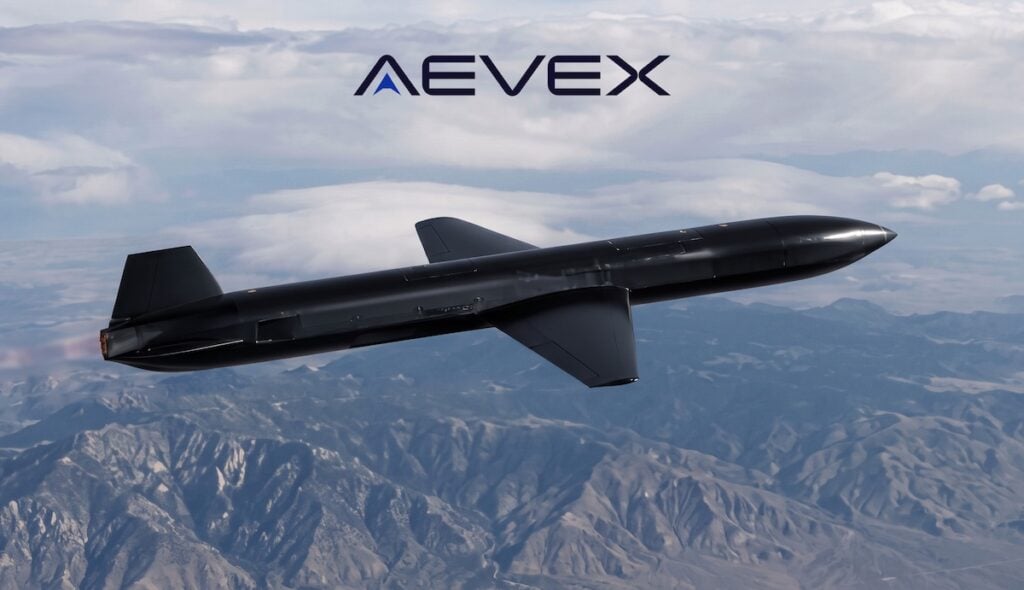
AEVEX Corp. is expanding its unmanned systems portfolio with the development of Specter, a jet-powered autonomous platform designed for high-speed, one-way attack missions in contested operational environments.
Built to operate across extended mission profiles, Specter features a modular airframe architecture and software-defined capabilities to support diverse payload types and mission effects. The system incorporates a turbojet propulsion architecture that enables both ground-launched and air-launched variants, providing operational flexibility for future mission expansion.
A core element of the aircraft is its modular, swappable nose section, engineered to accommodate kinetic, non-kinetic, electronic warfare, intelligence, surveillance, reconnaissance, and future payloads. This adaptable architecture allows operators to rapidly integrate emerging technologies without requiring a complete redesign of the core system, maintaining responsiveness as mission requirements evolve.
Development of the platform draws on AEVEX’s experience in engineering, producing, and fielding high-volume unmanned systems. Insights gained from thousands of operational deployments, rapid iteration cycles, and the company’s CompassX autonomy architecture have guided Specter’s software-driven design philosophy.
To ensure scalable and resilient production, AEVEX is collaborating with advanced manufacturing firm Divergent Technologies. The program integrates Divergent’s digital manufacturing platform, DAPS, into Specter’s development to support modern manufacturing processes and enable rapid iteration from early engineering stages.
“Specter reflects our lessons learned on capability from delivering thousands of autonomous systems in theater,” said Manan Patel, Chief Technology Officer at AEVEX. “We are not optimizing for a fixed requirement, we are building an architecture that adapts. Specter is designed to evolve with mission demands, payload technologies, and manufacturing advances over time.”