


Showcase your capabilities
If you design, build or supply FPV Drones, create a profile to showcase your capabilities and connect with visitors who have an active requirement for your solutions.




FPV drones are unmanned aircraft operated from a real-time onboard video feed, providing pilots with a first-person perspective for precise navigation and control. Widely used across defense, industrial, public safety, and commercial sectors, these platforms support inspection, surveying, agriculture, search and rescue, cinematography, indoor operations, and tactical reconnaissance.
This page showcases leading FPV drone manufacturers, delivering platforms which combine low-latency video links, responsive flight controllers, and lightweight airframes for agile performance.
Read the Technology Overview

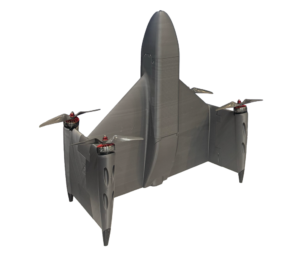
Next-Generation Autonomous UAV Solutions for Mission-Critical Military & Defense Applications

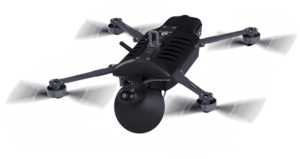
Tactical Hybrid VTOL UAS & Loitering Systems for Multi-Domain Operations

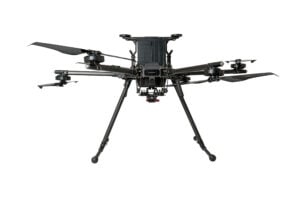
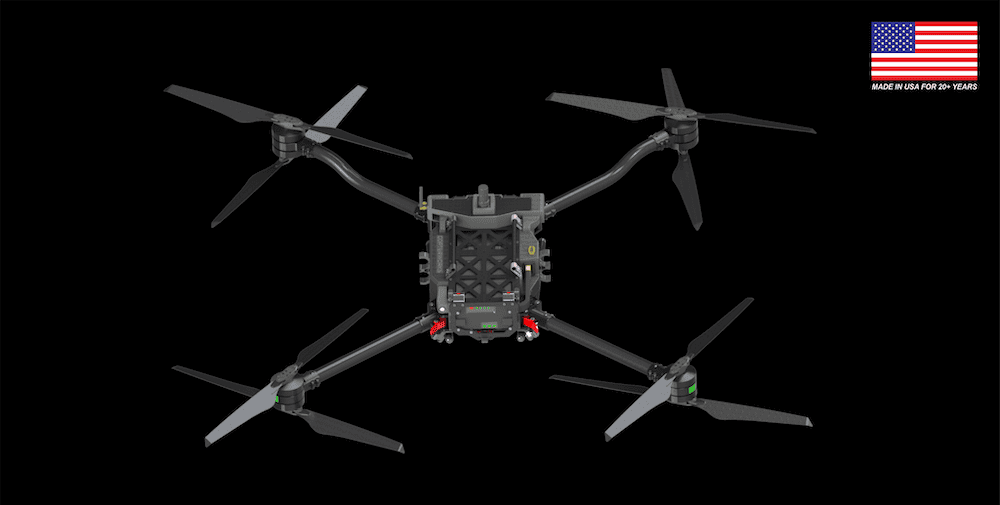
Professional, US-Made Multirotor Drones for Commercial & Government Applications

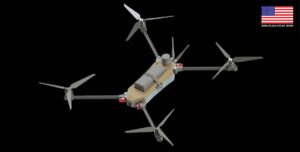
Cutting-Edge USA-Made Helicopter & Multirotor UAVs for Demanding Industrial Applications

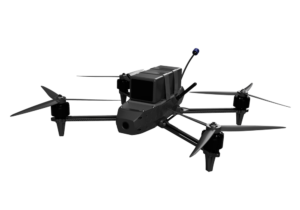
Cutting-Edge Drone Autopilots & UAS Platforms | Hardware & Software Solutions for Drones & Unmanned Systems

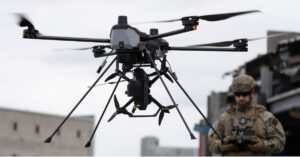
High-Performance Autonomous Drones for Mission-Critical Civilian & Military Applications

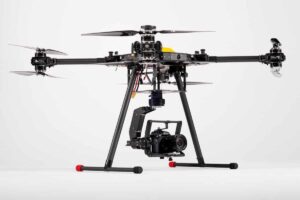
Cinematography Drone Camera Gimbals, Mounts & Stabilizers - Custom and COTS Gimbals

If you design, build or supply FPV Drones, create a profile to showcase your capabilities and connect with visitors who have an active requirement for your solutions.

First Person View Drones (FPV Drones) are unmanned aircraft flown from a live, onboard camera perspective rather than relying primarily on ground-based visual observation. The operator monitors a real-time video feed using specialized FPV drone goggles or ground control displays, gaining an aircraft-centered view of the surrounding environment. This configuration enables a level of precision, speed, and spatial awareness that is difficult to replicate with conventional line-of-sight piloting methods.
In professional and defense sectors, an FPV drone system functions as an integrated perception and control environment. By tightly synchronizing low-latency video links, responsive FPV drone flight controllers, lightweight airframes, and high-thrust propulsion, a modern FPV UAV allows operators to navigate confined or hazardous spaces with immediate sensory feedback. While conventional mapping platforms prioritize stable waypoint tracking and predictable flight lines, these agile assets focus on maximum responsiveness and close-proximity maneuvering.
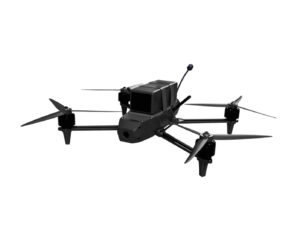
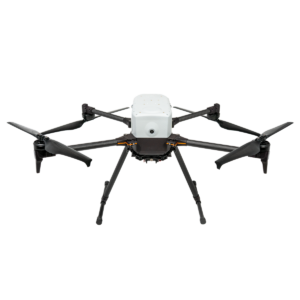
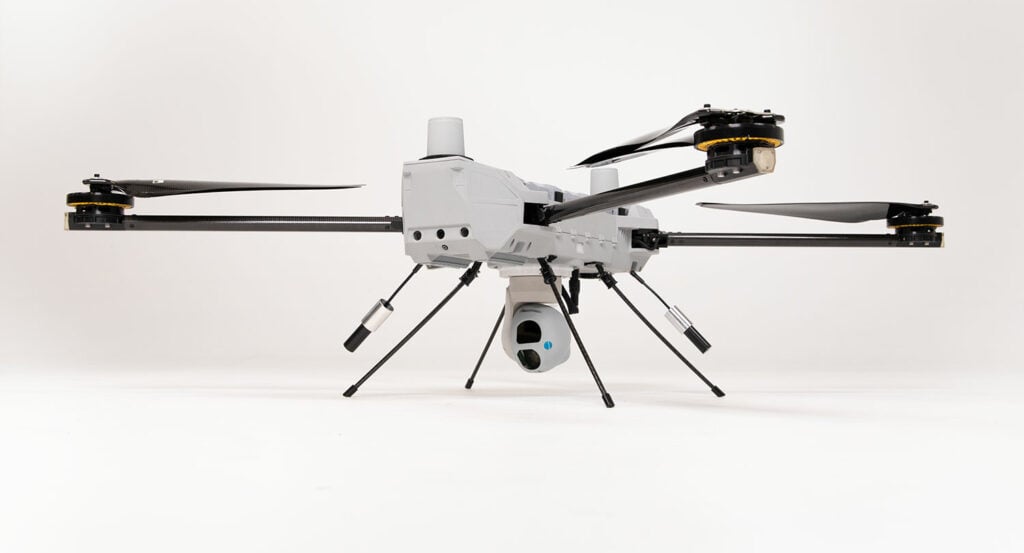
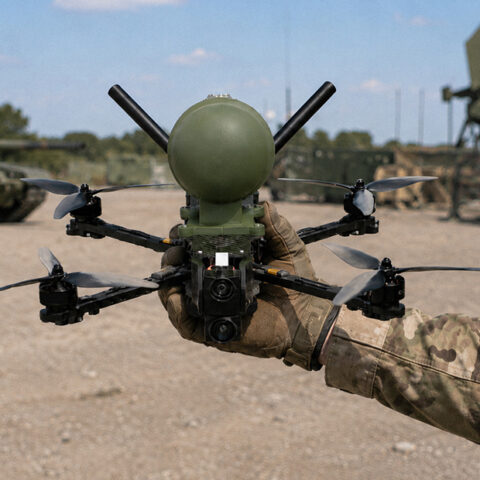
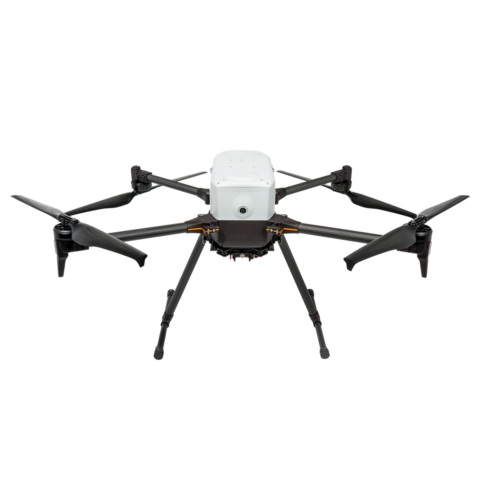
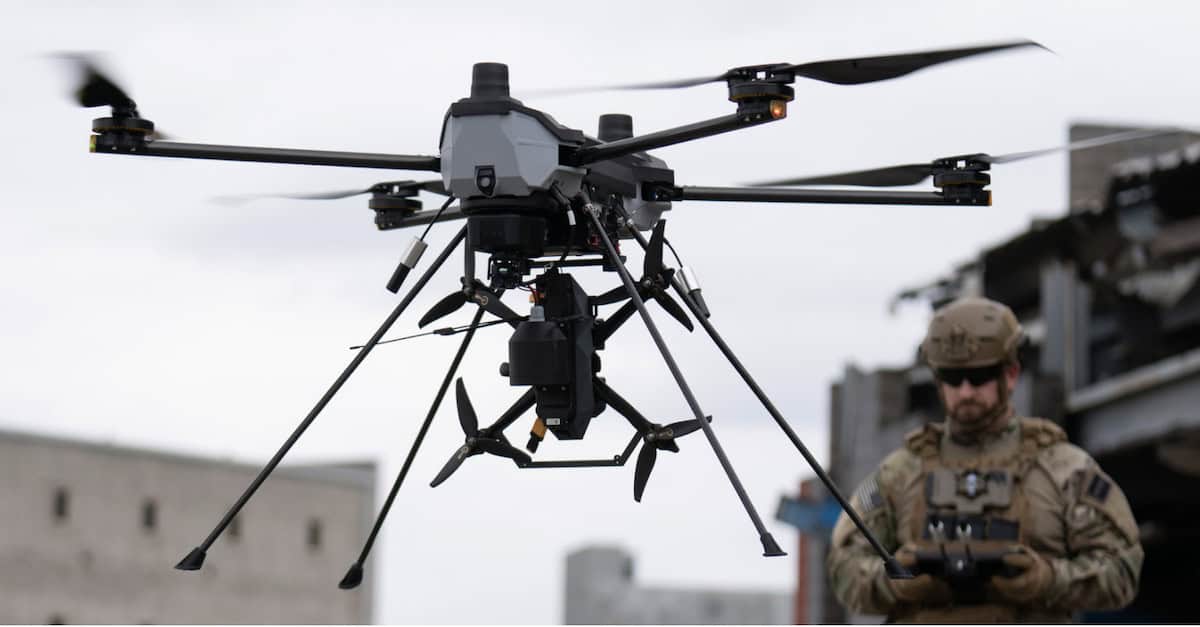
Patron, a FPV Quadcopter UAS platform, from Airvolute
Operators deploy custom FPV drones to inspect bridges, cell towers, and refinery piping safely, replacing expensive scaffolding setups. The pilot’s direct perspective allows for precise camera placement against critical structural joints, capturing early evidence of fatigue cracking or material deformation.
Agile platforms are used for targeted crop inspection, anomaly verification, and livestock monitoring across challenging terrain. They allow researchers to navigate sensitive ecosystems without disrupting local habitats, and they are frequently used to verify anomalies flagged by wider satellite mapping surveys.
First responders can utilize real-time thermal feeds when equipped with suitable infrared payloads to locate missing persons or map structural interior fire hazards before crew entry. This rapid deployment capability keeps emergency teams safe during initial site surveys. Real-time video routing ensures incident commanders receive immediate data from the field.
Filmmakers leverage high-speed tracking to capture dynamic, continuous shots around moving vehicles or complex interiors. A cinematic FPV drone balances high maneuverability with robust stabilization algorithms, while live broadcasts require pristine frequency coordination to avoid local production interference.
An indoor FPV drone can navigate warehouses, utility tunnels, and storage tanks without relying on GNSS signals. These platforms rely on manual piloting, optical flow tracking, visual-inertial navigation, or SLAM-based positioning to avoid local obstacles, eliminating human entry risks in hazardous confined spaces.
A tactical military FPV drone delivers immediate, close-range intelligence to small tactical echelons. This rapid responsiveness allows field teams to investigate hidden terrain features safely, while their small operational signature makes them difficult to detect at short distances.
In modern defense frameworks, a tactical FPV military drone can be adapted for one-way attack or precision target engagement missions. The rise of FPV military drones has accelerated global counter-UAS engineering efforts, driving rapid innovation in portable RF jamming arrays, hard-kill protection, and tactical training defenses.
Selecting the right frame architecture is essential for protecting internal electronics and maintaining stability under operational loads.
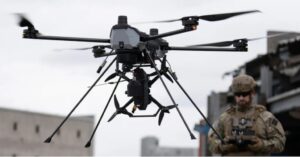
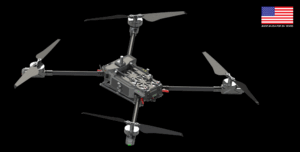
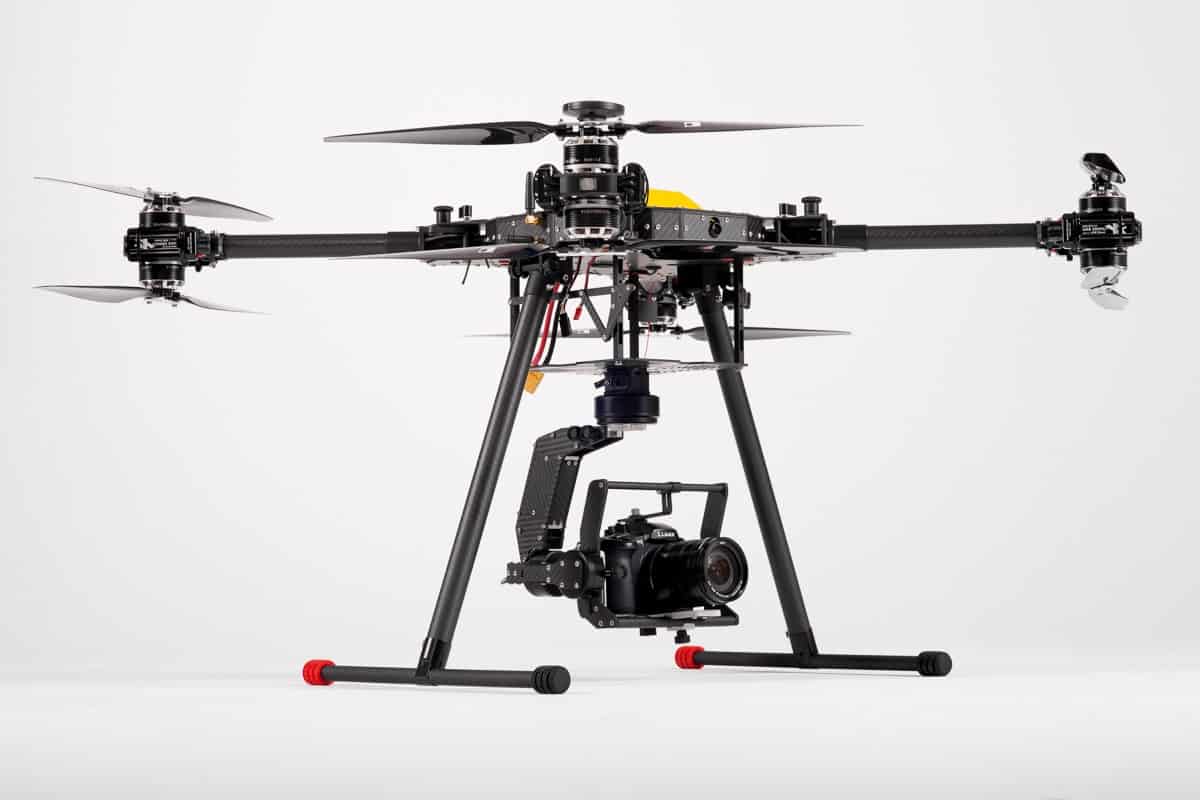
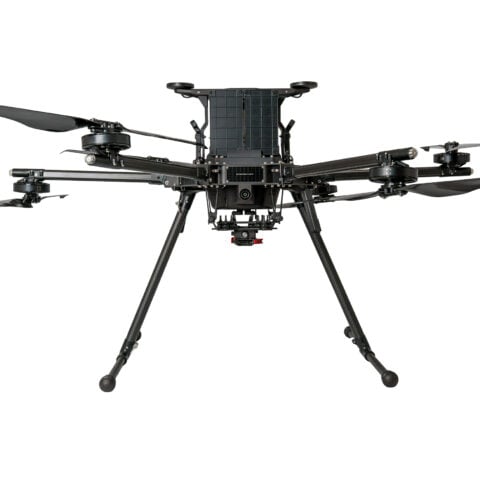
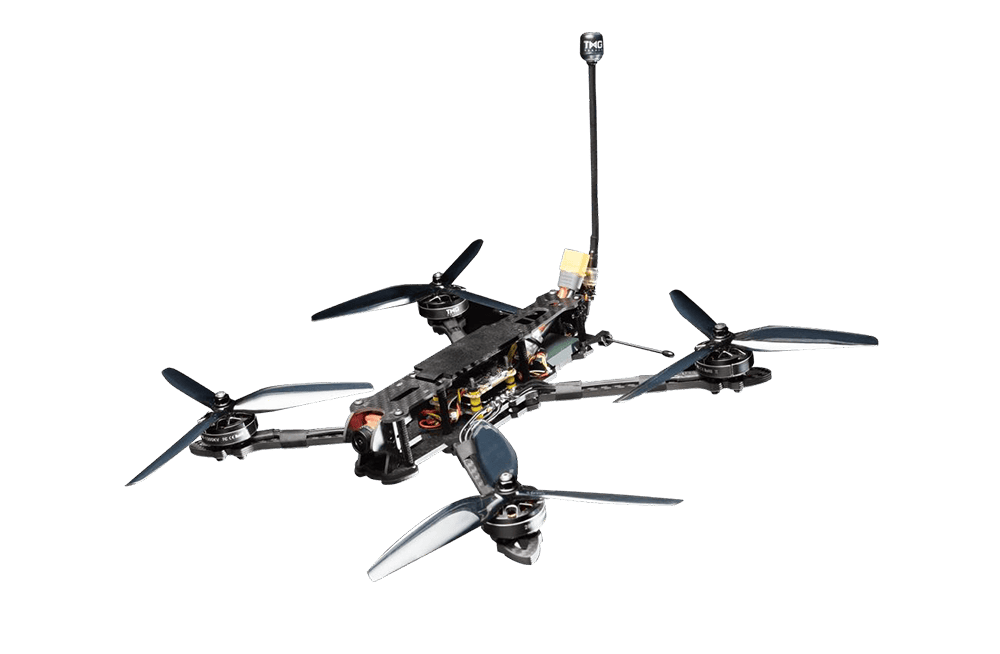
AM-FPV, an agile first person view drone, from Performance Drone Works
Carbon Fiber Frameworks: Provides high stiffness, low mass, and excellent impact tolerance, preventing frame resonance from disrupting sensitive gyroscopic sensors.
The FPV drone flight controller serves as the primary avionics computing node of the aircraft. It processes real-time sensor telemetry, coordinates electronic speed controllers, and executes stabilization algorithms at multi-kilohertz update rates to translate pilot inputs into precise angular adjustments.
Modern FPV drone flight controllers use a core inertial measurement unit paired with barometers, magnetometers, and GNSS receivers to offer scalable flight assistance. To build a truly autonomous FPV drone, integrators pair these flight computers with high-performance companion processors. This secondary edge computing tier handles demanding tasks like object detection, target tracking, and visual navigation in complex, GNSS-denied environments.
The propulsion components must be selected as a single matched powertrain to achieve ideal flight characteristics.
Battery performance remains a primary engineering bottleneck. Most industrial platforms deploy a specialized FPV drone battery utilizing lithium-polymer (LiPo) or lithium-ion (LiIon) chemistries depending on whether the flight profile demands immediate high current or sustained energy density.
| Battery Chemistry | Core Advantage | Primary Operational Use Case |
| Lithium-Polymer (LiPo) | High discharge rate, massive burst current | Aggressive maneuvers, tactical interception, high-thrust profiles |
| Lithium-Ion (LiIon) | High energy density, sustained voltage curve | Long-endurance monitoring, commercial inspection, steady cruise |
Managing professional FPV drone batteries requires an isolated power distribution network. This architecture separates noisy, high-current propulsion circuits from sensitive video electronics using dedicated voltage regulators and passive filtering networks to prevent sensor reset or image degradation. Field operations require robust charging infrastructure and fire-containment storage for safety tracking of all batteries.
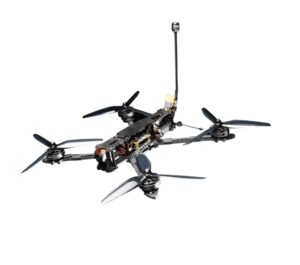
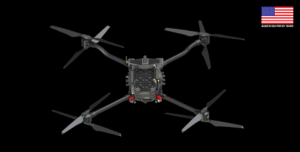
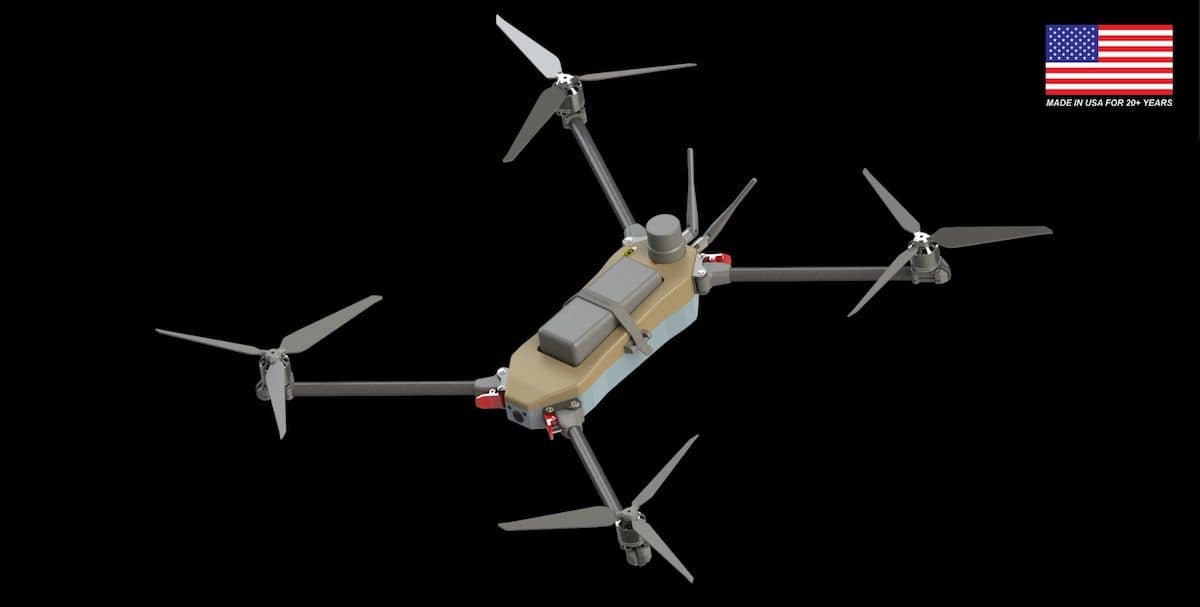
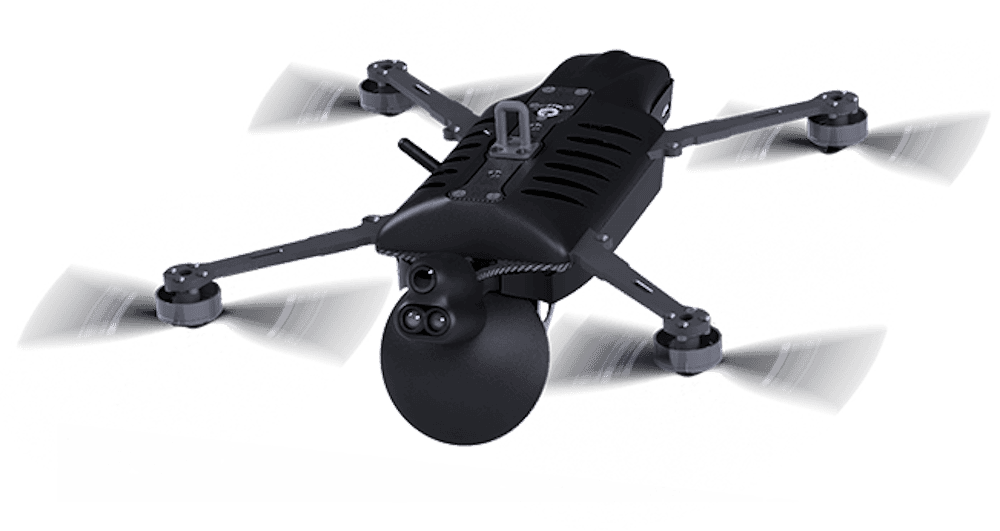
Viper series, highly maneuverable multirotor FPV MILITARY drones, from INSANIX
The primary FPV drone camera is the pilot’s critical sensor, meaning it must be optimized for ultra-low latency, wide dynamic range, and instant exposure adaptation. This setup allows pilots to transition from bright daylight into dark structural voids without losing visibility.
Many professional systems separate flight optics from data collection by dedicating one low-latency camera to piloting and a separate FPV drone payload to high-resolution imagery. This dual-camera approach guarantees a stable perspective for the operator even if the secondary inspection sensor is zooming, panning, or moving independently on an active FPV drone gimbal. For specialized configurations, deploying multiple FPV drone cameras allows operators to toggle between electro-optical and thermal infrared views dynamically.
The wireless video downlink is a safety-critical subsystem where even minor signal latency can cause over-correction and catastrophic collisions. Transmitters vary by output power, frequency modulation, and licensing rules, broadcasting directly to immersive goggles or tactical ground displays.
Analog systems are valued for near-zero latency and graceful degradation under weak signal conditions, while digital downlinks offer pristine high-definition clarity for detailed analysis. In highly contested military environments, advanced operators deploy a fiber optic FPV drone system. By streaming data through a physical, micro-fiber tether, fiber optic FPV drones completely eliminate radio frequency tracking and jamming vulnerabilities across all deployed systems.
The command link carries manual stick inputs to the aircraft and requires a connection that is highly resistant to local RF noise. Modern control configurations leverage digital spread-spectrum protocols across various sub-GHz and microwave bands to maintain an ideal control margin under real-world mission conditions.
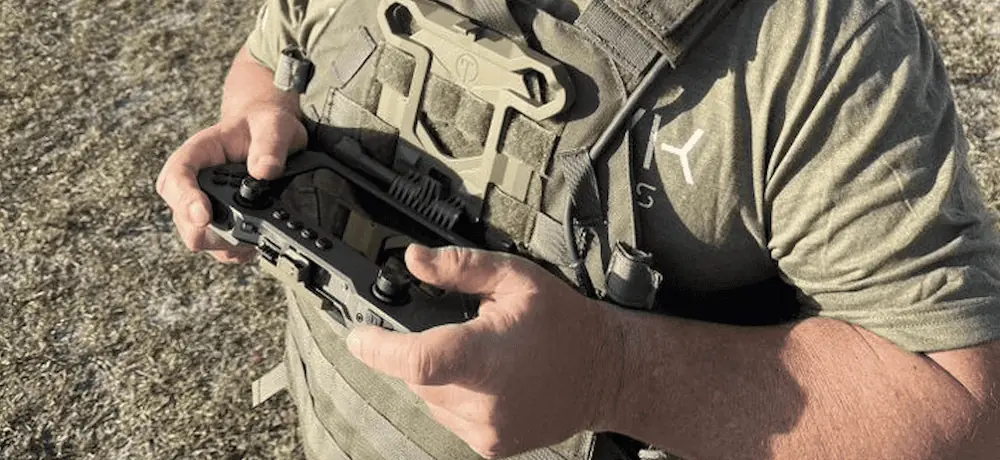
The handheld FPV drone controller must feature an intuitive layout where critical functions like motor arming, failsafe activation, and flight mode selection are distinct and guarded. Dual-antenna diversity receivers help maintain this vital connection even when the aircraft executes extreme banking maneuvers that alter polarization.
Antennas dictate the reliable operating envelope of the entire platform. Professional configurations utilize circular polarization on the FPV drone antenna layout to combat multi-path interference caused by signal reflections around industrial concrete and metal infrastructure.
Telemetry modules deliver real-time diagnostic streams back to the ground segment, monitoring battery voltage sag, link margins, and system warnings. Advanced setups can integrate IP mesh radios or cellular modems to support remote observation, though every added link increases the complexity of the onboard spectrum planning.
Physical scaling and aerodynamic configuration directly change an FPV platform’s operational capabilities, acoustic signatures, and kinetic risk profiles. Professional form factors are optimized for distinct environments:
| Platform Class | Aerodynamic Layout | Primary Operational Role | Core Engineering Benefit |
| Multirotor FPV | Multiple vertically oriented rotors | Close-proximity inspection, interior scouting, hover missions | Omnidirectional agility, exceptional stationary hover control |
| Fixed-Wing FPV | Aerodynamic wing surfaces | Wide-area reconnaissance, linear corridor mapping, long-range patrol | High cruise efficiency, significantly extended range and endurance |
| VTOL FPV | Hybrid tiltrotor / lift-plus-cruise | Remote area surveillance, pipeline monitoring without runways | Combines multirotor launch flexibility with fixed-wing range |
| Cinewhoops / Ducted | Compact multirotor with 360-degree guards | Indoor plant mapping, structural asset inspection near personnel | High impact tolerance, protects blades and sensitive environments |
| Long-Range FPV | Efficient high-voltage frame | Extended-range utility tracking, BVLOS operations | Maximized link budgets, optimized low-current cruise profiles |
| Micro & Nano FPV | Sub-250g ultra-lightweight frame | Tight structural void scouting, low-cost pilot training | Negligible kinetic risk, high accessibility in restricted zones |
| Heavy-Lift FPV | Reinforced large-scale multirotor | Multi-sensor carriage, contact testing, heavy tool deployment | High payload capacity, accommodates active gimbals and tools |
| Tactical & Defense | Secure communications architecture | Tactical unit ISR, electronic protection testing, loitering roles | Encrypted links, low visual signature, high field serviceability |
Operating professional unmanned systems requires strict adherence to international aviation frameworks and technical constraints.
Compliance protocols must be built directly into the mission planning phase to guarantee legal and safe fleet operations.
Rapid innovation in hardware and software continues to expand the capabilities of modern unmanned platforms.
These technological shifts reduce pilot workloads while opening up new deployment possibilities across complex operational domains.


 Searching Companies & Products