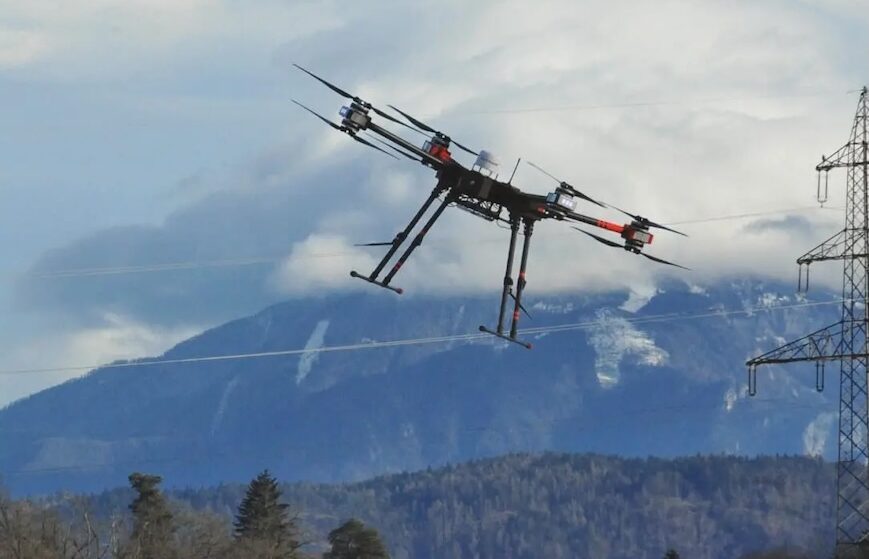
Beyond Visual Line of Sight (BVLOS) Technology for Unmanned Systems
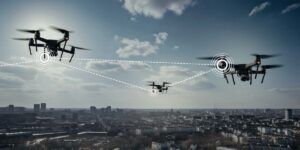
Beyond visual line of sight (BVLOS) operations represent a significant advancement in unmanned systems, allowing drones and other unmanned platforms to perform tasks without requiring direct visual contact. This capability extends the operational range and utility of unmanned systems across various industries, from agriculture to emergency response. Implementing BVLOS operations requires a suite of technologies to ensure safety, reliability, and regulatory compliance.
If you design, build or supply Beyond Visual Line of Sight, create a profile to showcase your capabilities and connect with visitors who have an active requirement for your solutions.
Beyond Visual Line of Sight (BVLOS) Technology for Unmanned Systems
Overview by
Caroline Rees
Updated:
BVLOS refers to the operation of unmanned systems beyond the direct visual range of the operator. This contrasts with visual line of sight (VLOS) operations, where the operator maintains direct visual contact with the unmanned vehicle. BVLOS operations enable tasks over greater distances and in environments where direct observation is impractical.
Transitioning to BVLOS operations necessitates advanced technologies to maintain situational awareness, ensure navigation accuracy, and facilitate communication between the unmanned system and control stations.
Key Technologies & Components Enabling BVLOS
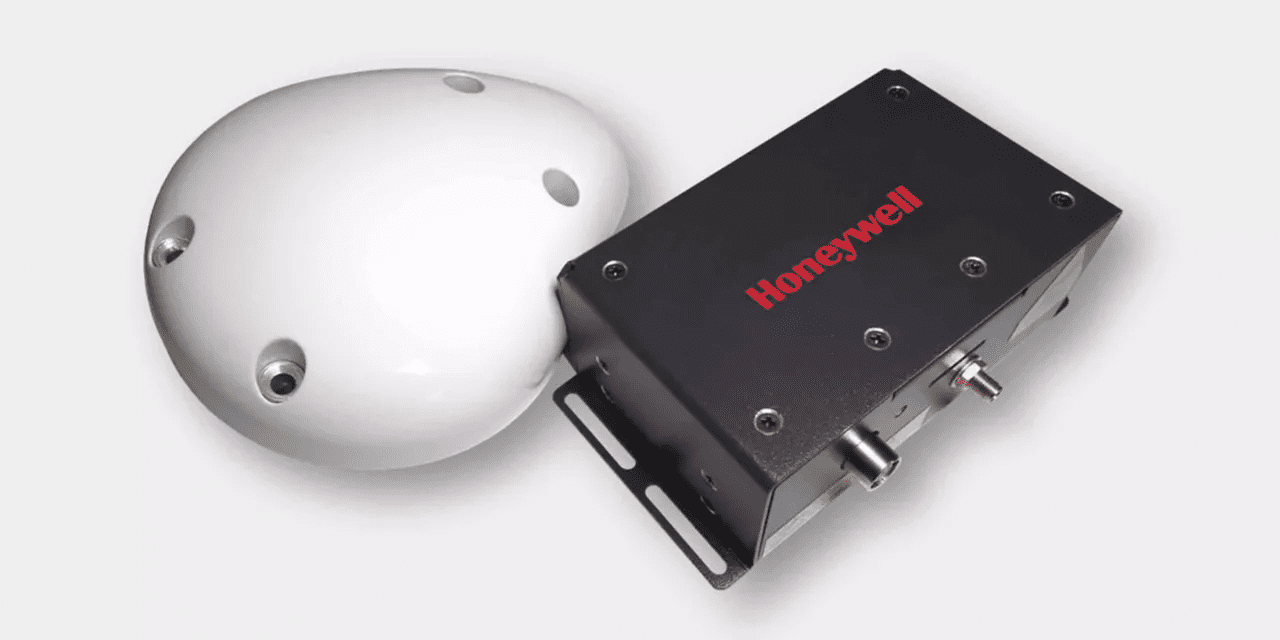
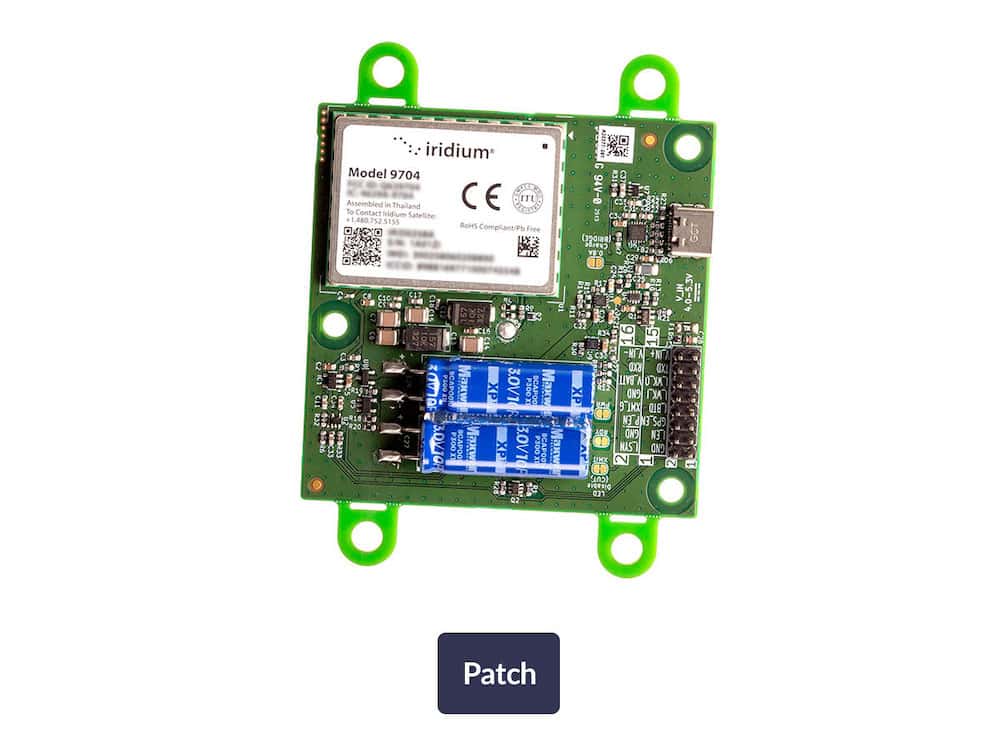
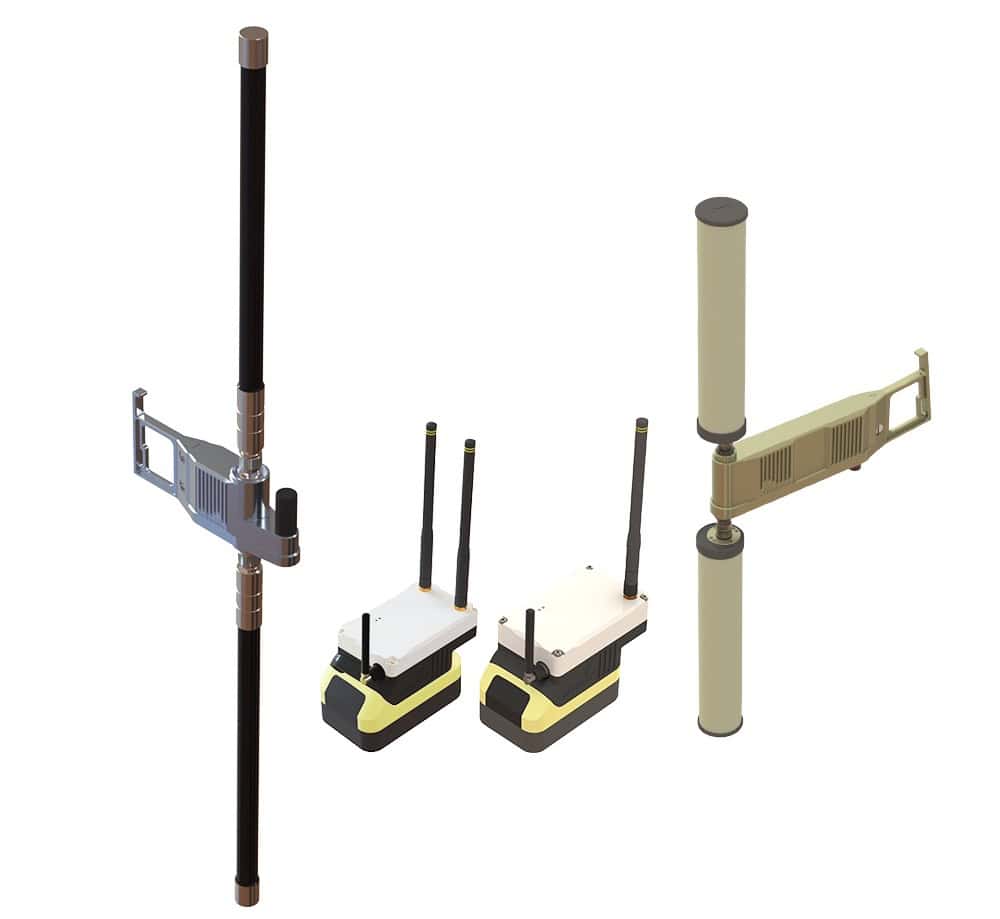
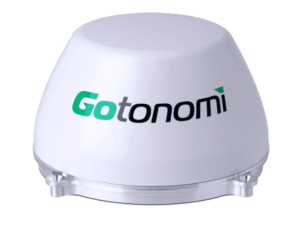
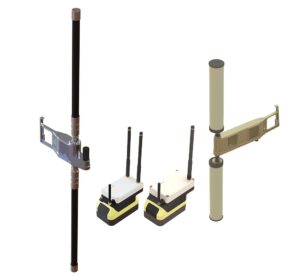
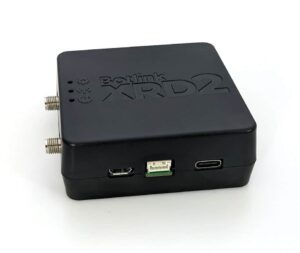
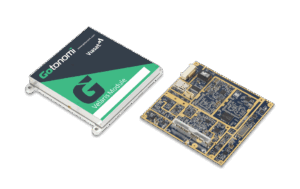
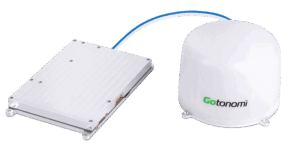
Module and antenna kit for BVLOS inspection and surveillance applications by Gotonomi.
Several technologies are integral to the safe and efficient operation of unmanned systems in BVLOS scenarios:
Detect and Avoid (DAA) Systems: These systems enable unmanned vehicles to autonomously detect and avoid obstacles and other airspace users. DAA technologies may include radar, LiDAR, acoustic sensors, and computer vision algorithms. They are crucial for preventing collisions and ensuring compliance with airspace regulations.
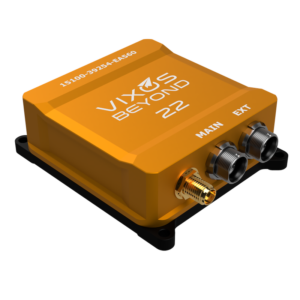
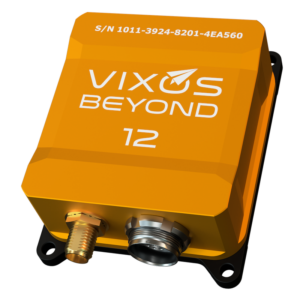
Inertial Navigation Systems (INS): INS provides navigation data by measuring the vehicle’s acceleration and rotation rates. When integrated with GNSS/GPS, they offer robust positioning information, essential for maintaining course during GPS outages or in environments with limited satellite visibility.
Automatic Dependent Surveillance–Broadcast (ADS-B): ADS-B systems broadcast the position and velocity of the unmanned vehicle to other airspace users and air traffic control, enhancing situational awareness and traffic deconfliction.
Autopilot Systems: Advanced autopilot systems manage the flight path and stability of unmanned vehicles, allowing for precise control during complex BVLOS missions. These systems are often integrated with mission planning software and can adapt to dynamic environmental conditions.
Communication Links: Reliable communication is vital for BVLOS operations. Technologies such as satellite communications (Satcom), 5G connectivity, and LTE networks provide the necessary bandwidth and latency characteristics for real-time control and data transmission.
Redundancy and System Health Monitoring: Implementing redundant systems and continuous health monitoring ensures that unmanned vehicles can handle component failures gracefully, maintaining safety during BVLOS operations.
Applications of BVLOS Technology
The capability to operate beyond visual line of sight expands the potential applications of unmanned systems across various sectors:
Agriculture: BVLOS drones can monitor large agricultural fields, assess crop health, and manage resources efficiently. Applications include crop monitoring, precision agriculture, and livestock management.
Environmental Monitoring: Long-range unmanned systems can monitor wildlife, track environmental changes, and collect data for atmospheric research and forest fire detection.
Security and Surveillance: BVLOS operations enable persistent surveillance for border patrol, law enforcement, and military reconnaissance, covering vast areas without needing manned patrols.
Logistics and Delivery: BVLOS drones facilitate the delivery of medical supplies, humanitarian aid, and commercial goods to remote or hard-to-reach locations, improving logistics efficiency.
Regulatory Considerations
Operating unmanned systems BVLOS requires adherence to regulatory frameworks established by aviation authorities. Operators must demonstrate the safety and reliability of their systems, often necessitating waivers or certifications. Compliance involves proving the effectiveness of DAA systems, communication reliability, and overall operational safety.
Advancements & Future Outlook
The integration of emerging technologies continues to enhance BVLOS capabilities:
Artificial Intelligence (AI): AI algorithms improve obstacle detection, flight path optimization, and decision-making processes, enabling more autonomous BVLOS operations.
Embedded Computing: Processing data onboard the unmanned vehicle reduces latency and reliance on communication links, allowing for faster response times and increased autonomy.
Enhanced Connectivity: The deployment of 5G networks and advancements in Satcom technologies provide more reliable and higher bandwidth communication channels, essential for real-time data transmission and control.
Beyond BVLOS
BVLOS technology significantly extends the operational capabilities of unmanned systems, enabling a wide range of applications across various industries. The successful implementation of BVLOS operations hinges on integrating advanced navigation, communication, and safety systems, along with adherence to regulatory standards. As technology evolves, BVLOS operations are poised to become increasingly prevalent, offering enhanced efficiency, safety, and reach for unmanned missions.
British Transport Police has partnered with BT Business to roll out routine Beyond Visual Line of Sight drone operations across the UK rail network to accelerate emergency incident response times
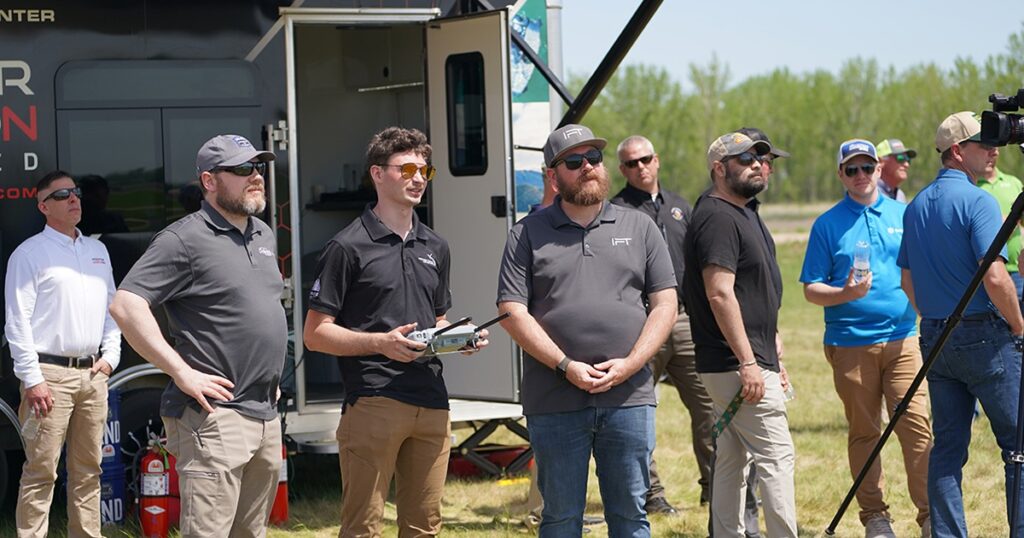
Inspired Flight explores how North Dakota’s Vantis network is supporting BVLOS drone operations through surveillance, regulatory support, and integration with secure aircraft and operational partners
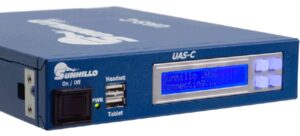
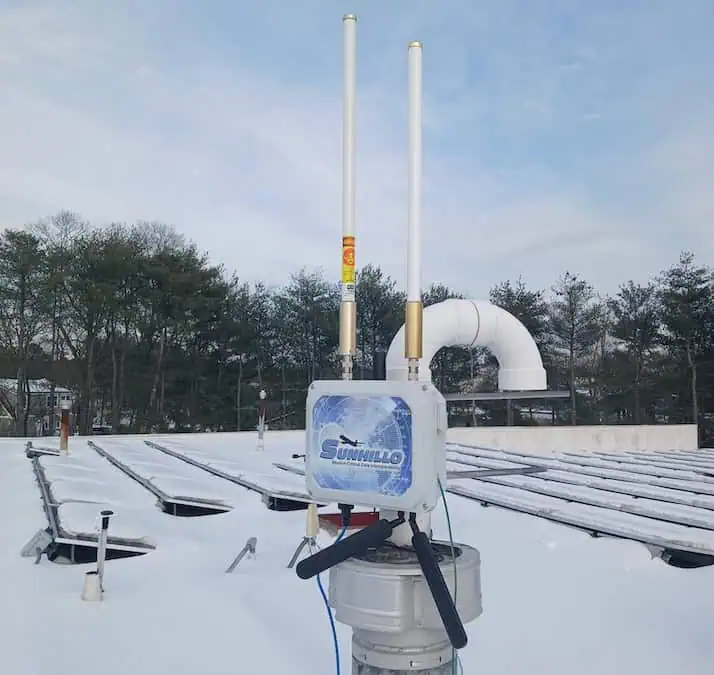
In this Q&A, Sunhillo explains how ADS-B receiver technology can help UAS operators improve situational awareness during BVLOS missions, supporting UTM, detect-and-avoid, and controlled airspace integration
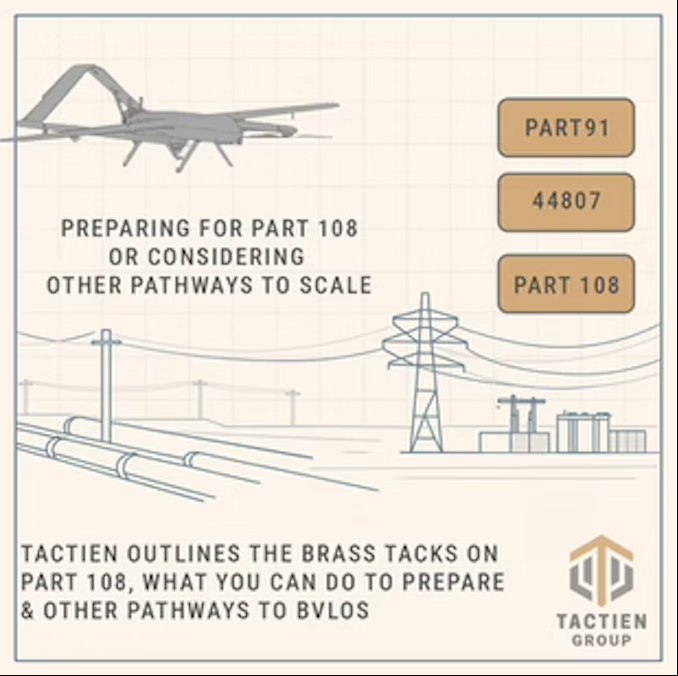
The Tactien Group considers how utilities and operators can assess current FAA options, identify readiness gaps and prepare for scalable UAS BVLOS operations under a future Part 108 framework
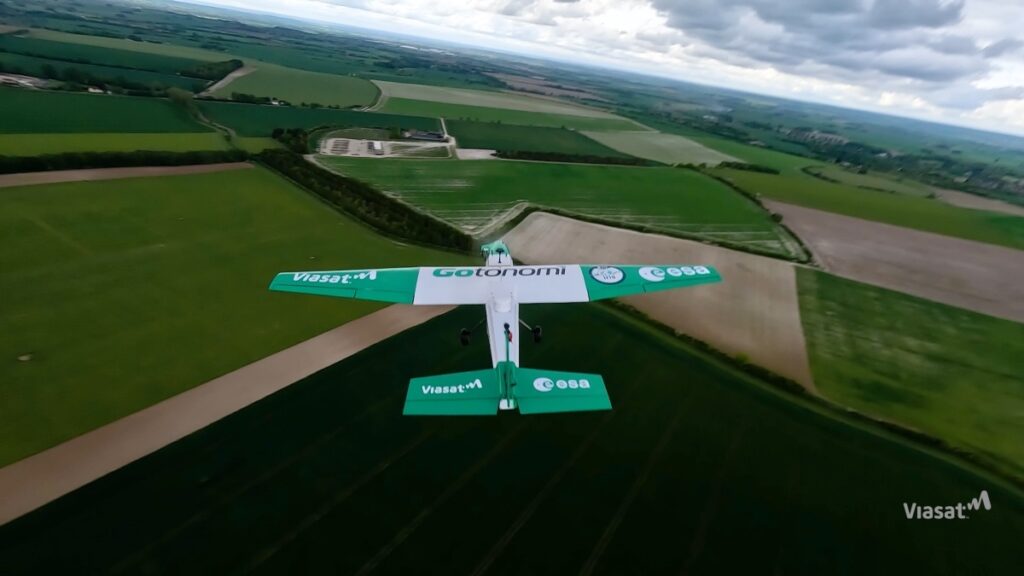
Gotonomi UAV satellite terminal technology supported an ESA Iris RPAS flight trial examining resilient connectivity, UTM integration and safe beyond visual line of sight operations in managed airspace
The Northern Plains UAS Test Site in the USA is providing free access to its Vantis infrastructure, enabling operators to launch beyond visual line of sight flights and accelerate advanced unmanned aviation solutions
DTC has launched the BluTrak-90-D, a self-contained system featuring an onboard microprocessor that autonomously tracks UAVs to ensure stable, high-gain data links across long-range and complex drone missions
Elsight’s Halo connectivity platform has achieved Blue UAS listing under DCMA, confirming compliance with security and supply chain requirements while enabling faster procurement for U.S. military unmanned systems
AIR6 SYSTEMS used Gotonomi’s satcom solution during BVLOS power line inspection trials, validating reliable C2, LTE-satellite failover, and low-bandwidth video performance
The latest unmanned systems news, straight to your inbox.
Get our weekly roundup of technology developments, new products and industry news.
THANK YOU FOR SIGNING UP
Thanks for joining us. Check your inbox.
We've sent you an email. Click the confirmation link to complete your subscription to the weekly eBrief. In the meantime, explore the latest news, suppliers and technologies on UST.
Advancing Unmanned Systems Through Strategic Collaboration
UST works with major OEMs to foster collaboration and increase engagement with SMEs, to accelerate innovation and drive unmanned systems capabilities forward.