


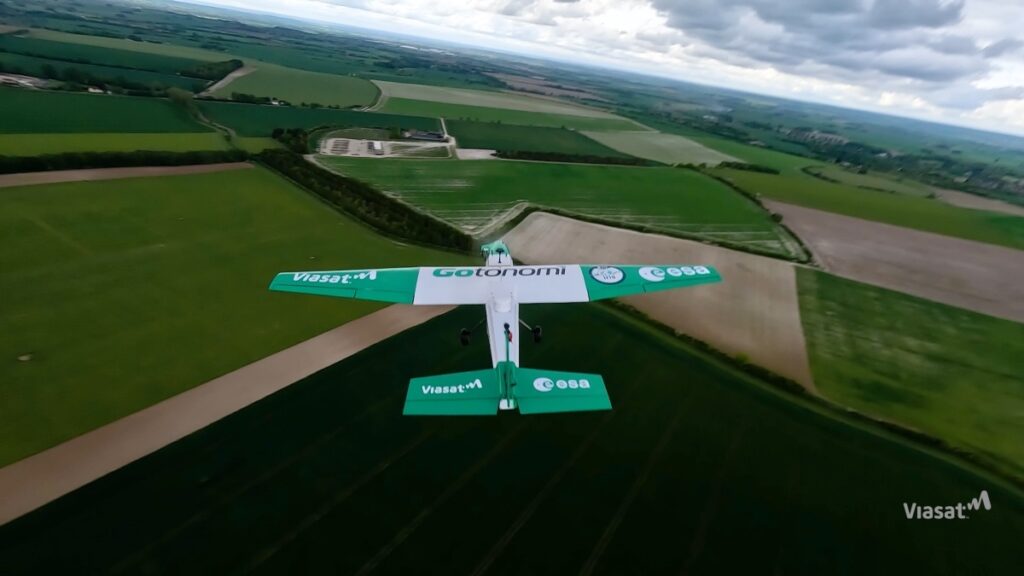
Gotonomi UAV satellite terminal technology has been used in a recent ESA Iris Remotely Piloted Aircraft Systems (RPAS) flight trial examining how resilient connectivity can support the safe integration of uncrewed aircraft into managed airspace.
Delivered by Viasat, Frequentis and TTP plc under the European Space Agency’s Iris programme, the trial focused on the communications and traffic management requirements for Beyond Visual Line of Sight (BVLOS) operations. The activity assessed how Unmanned Aerial Vehicles (UAVs) can remain connected with remote operators and Unmanned Aircraft System Traffic Management (UTM) systems during complex missions beyond direct line-of-sight control.
The demonstration forms part of ESA’s wider Iris SATCOM Global initiative, which is focused on developing trusted communications capabilities for aviation. While the programme is primarily aimed at commercial aircraft operating in shared airspace, the RPAS activities are helping to build understanding of how similar principles can support the safe integration of uncrewed aircraft.
As uncrewed aircraft take on increasingly complex missions, BVLOS capability is becoming a key enabler for operations in remote and difficult-to-access locations. Unlike conventional line-of-sight flights, these missions rely on dependable communications links and coordination with wider airspace systems to maintain operational awareness and control.
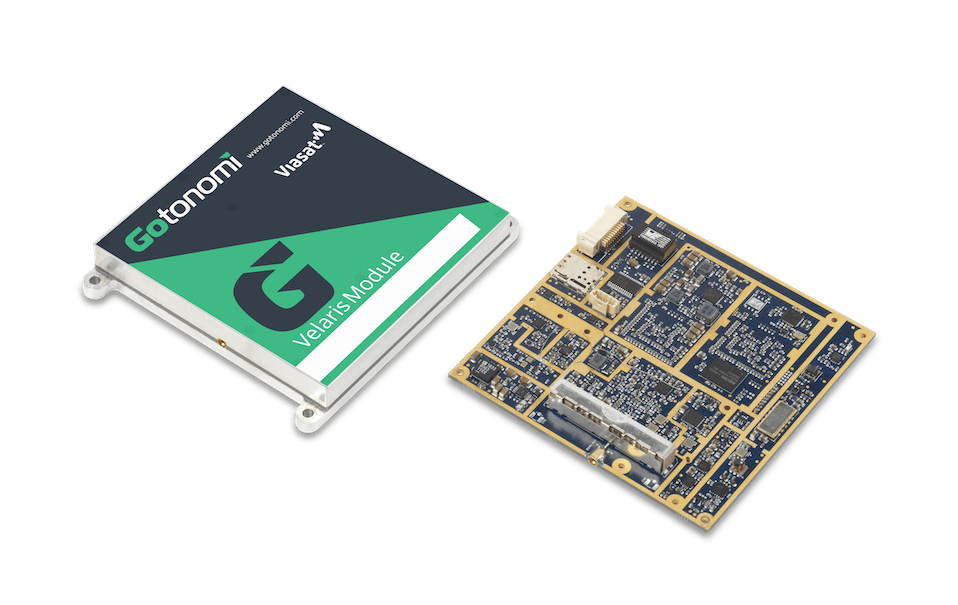
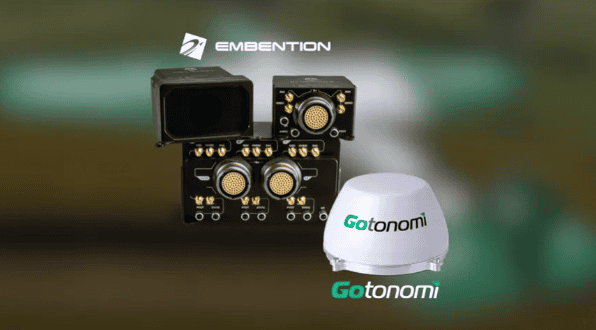
Gotonomi UAV satellite terminal technology was highlighted as part of TTP plc’s contribution to the trial. The terminals combine satellite connectivity, LTE, onboard computing and GNSS positioning to support resilient command and control links for UAVs operating beyond visual line of sight.
This capability is particularly relevant for missions in remote or infrastructure-poor environments, where terrestrial networks may not provide the coverage, resilience or continuity needed for safety-critical UAV operations. For operators, resilient connectivity can help maintain situational awareness and support decision-making during BVLOS missions.
The trial also provided independent verification of Gotonomi terminal and network performance under live flight conditions. Its role within the activity highlighted how resilient satellite communications and UTM integration can support UAV operators conducting more complex BVLOS missions safely and reliably.
During the demonstration, the participating organisations assessed how advanced connectivity solutions performed during the flight trial and how they could facilitate the exchange of information with airspace management systems.
By examining connectivity performance alongside UTM interaction, the trial reflects the future operating environment for BVLOS missions, where communications infrastructure and airspace coordination will need to work together to support safety, predictability and situational awareness.
Joel Klooster, SVP Aircraft Operations and Safety at Viasat, commented, “UTM integration and resilient network capabilities are core pillars of the ESA Iris RPAS activities—not just operational add-ons. Through the Iris RPAS trial, we’re validating how advanced, multilink networks can support real-time interaction, airspace awareness, and continuity of command and control in live operating conditions. The results show an enhanced, interoperable network is foundational for safe, efficient, and scalable UAV operations within managed airspace.”
Martin Wallis, Aviation Programme Lead at TTP plc, added, “As BVLOS operations move into more complex and remote environments, trusted communications will be essential to maintaining safety, situational awareness and operational control. This Iris RPAS trial helps build real-world evidence around how connectivity technologies can support integration with UTM and airspace management systems. Drawing on our expertise in UAV satellite connectivity, terminal and antenna technologies, including our Gotonomi UAV satcom platform, TTP plc is pleased to support the wider effort to enable resilient, scalable and safety-led uncrewed aviation.”
The flight trial is one of a number of activities being undertaken through the Iris RPAS programme, with different demonstrations examining a range of operational scenarios, environments and system interactions. Collectively, these efforts are helping to build evidence that can inform collaboration between industry stakeholders, regulators and airspace authorities as BVLOS capabilities mature.