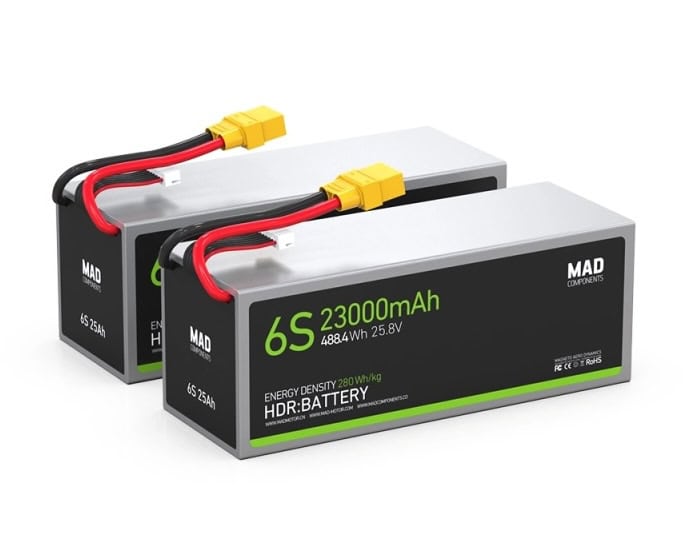
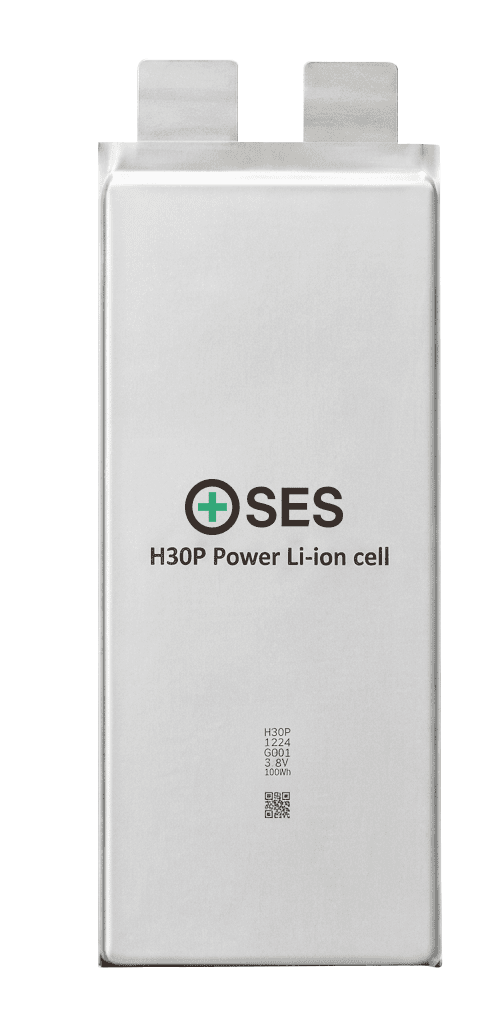
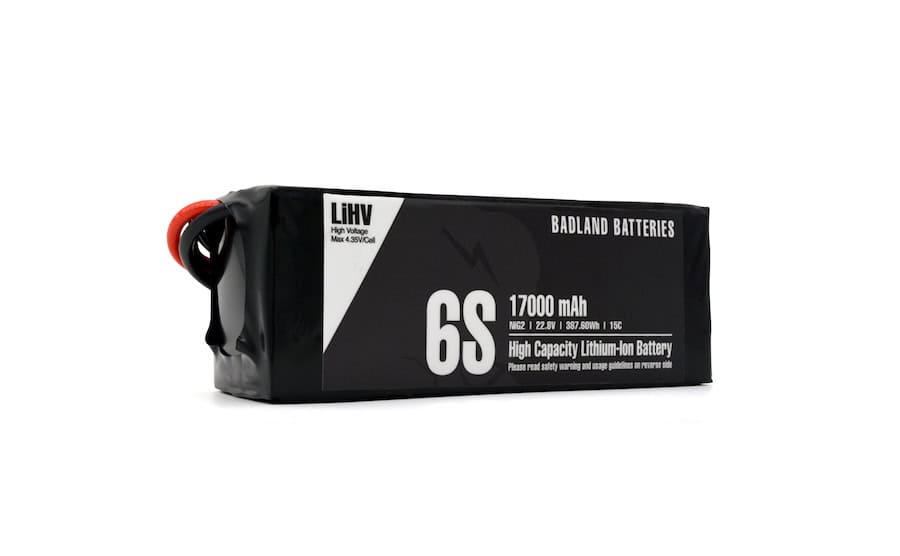
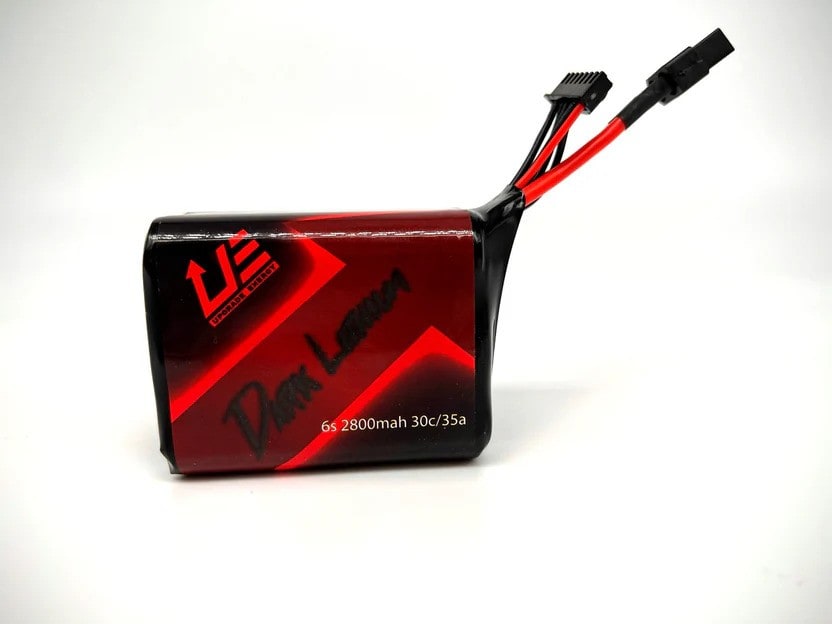
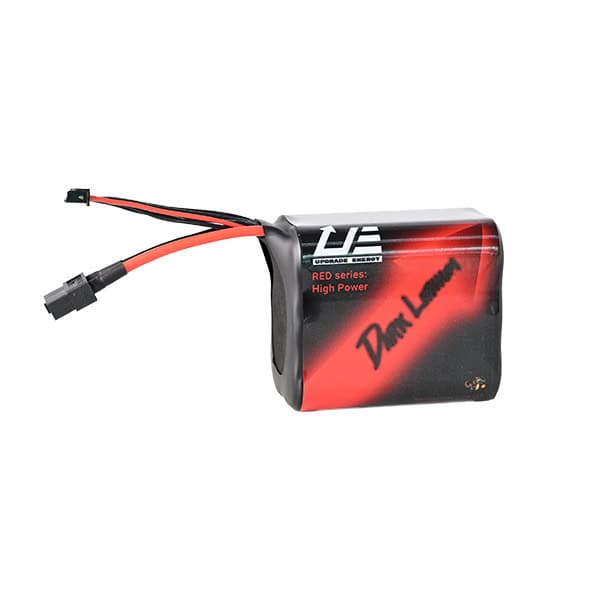
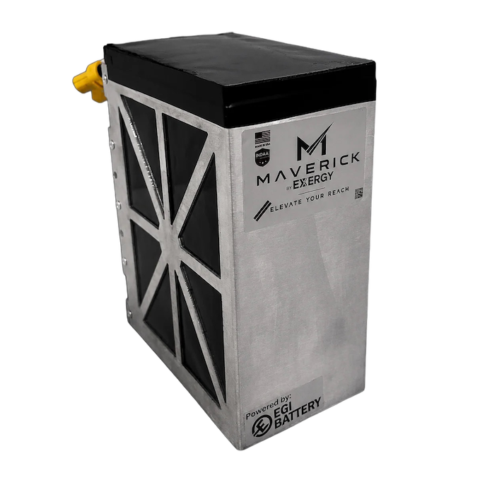
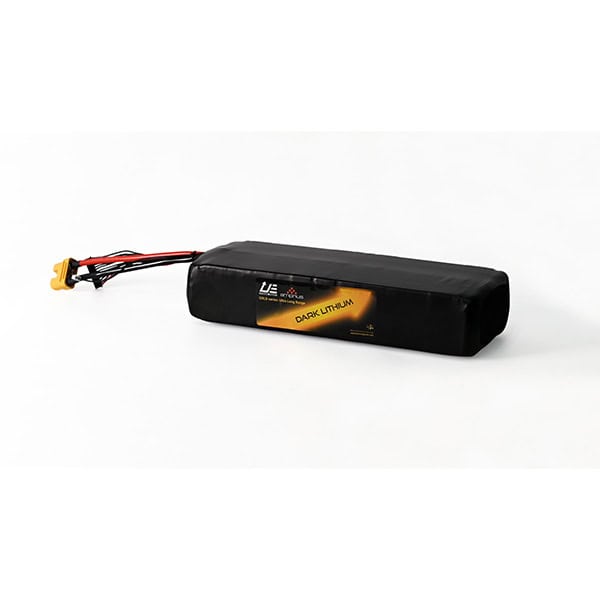
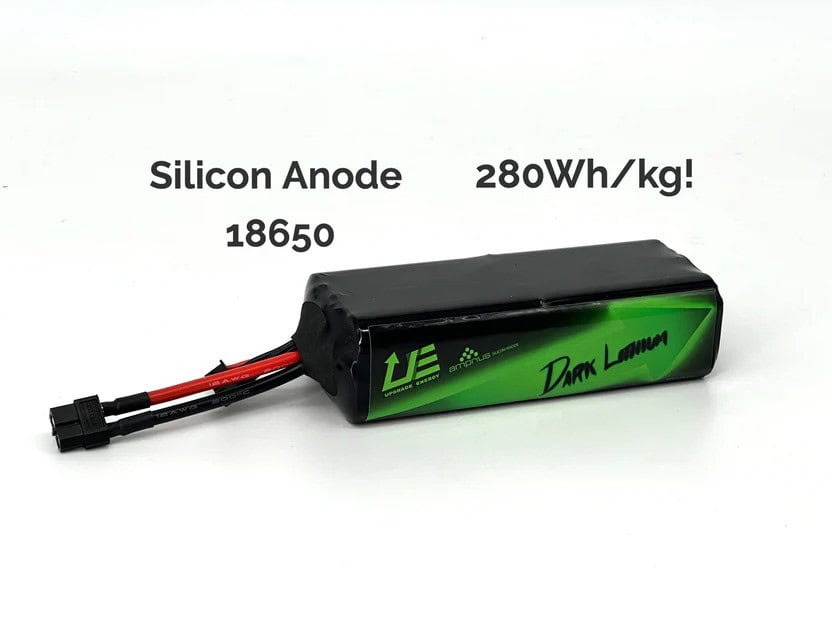
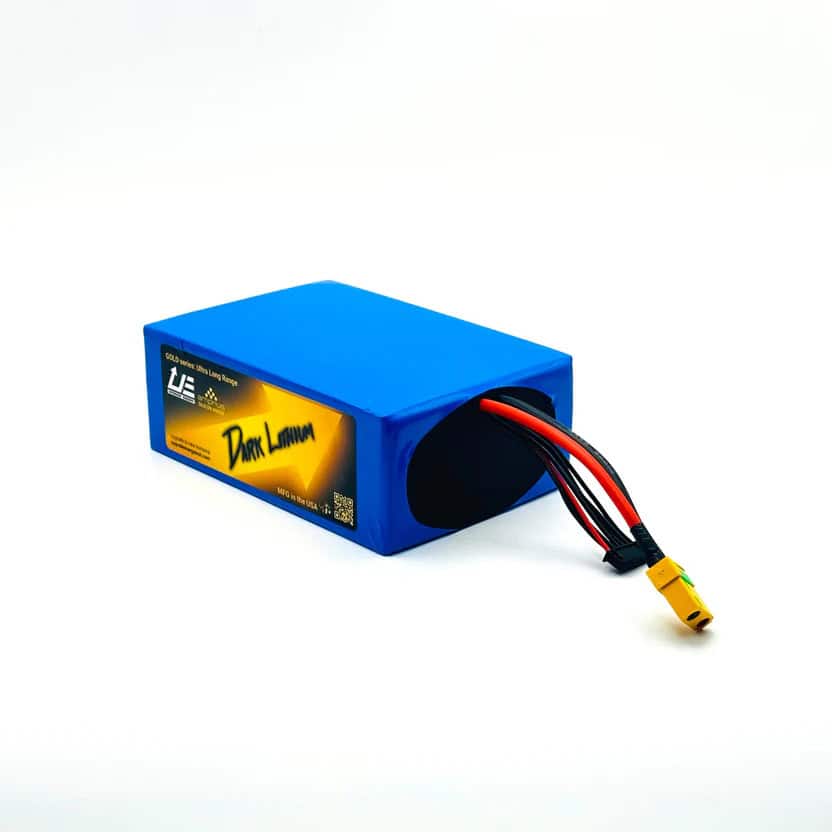
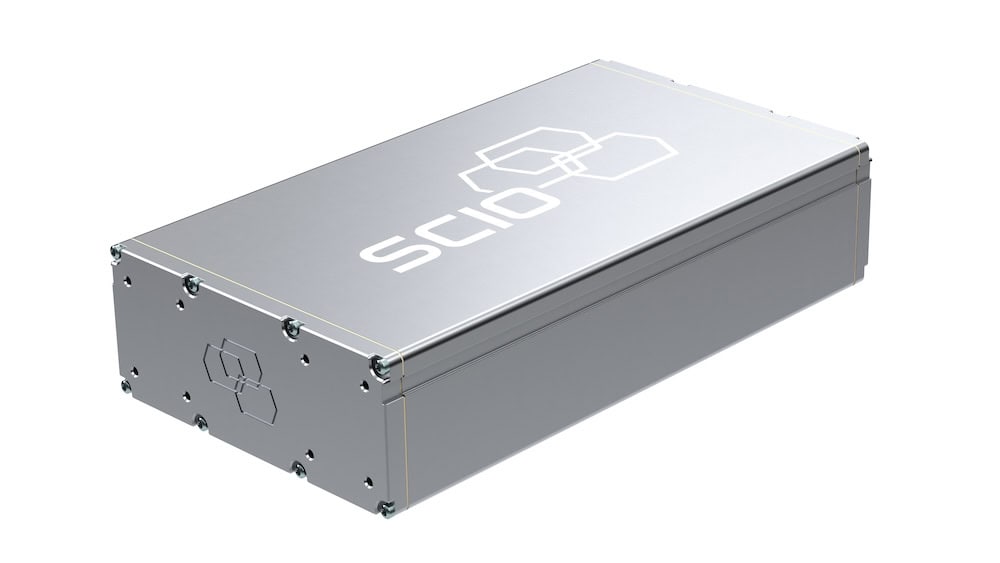
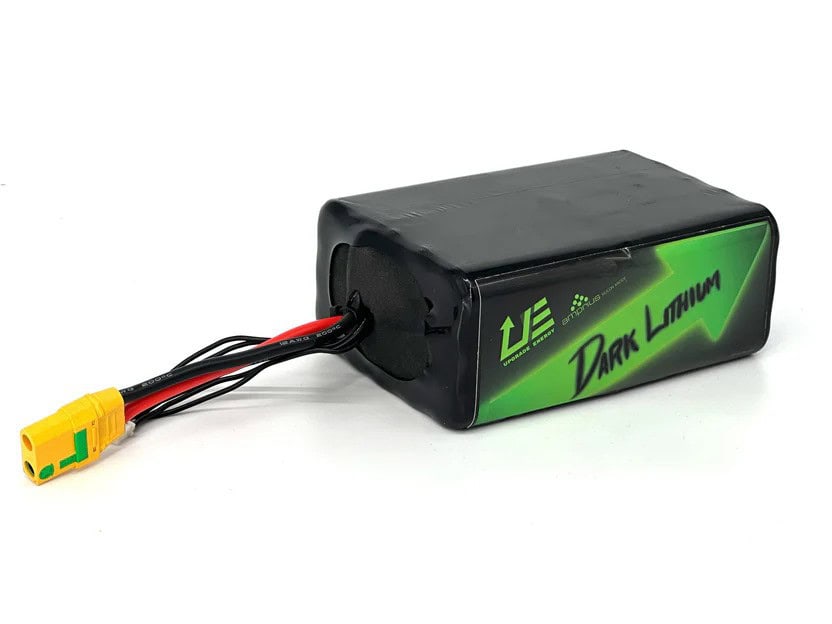
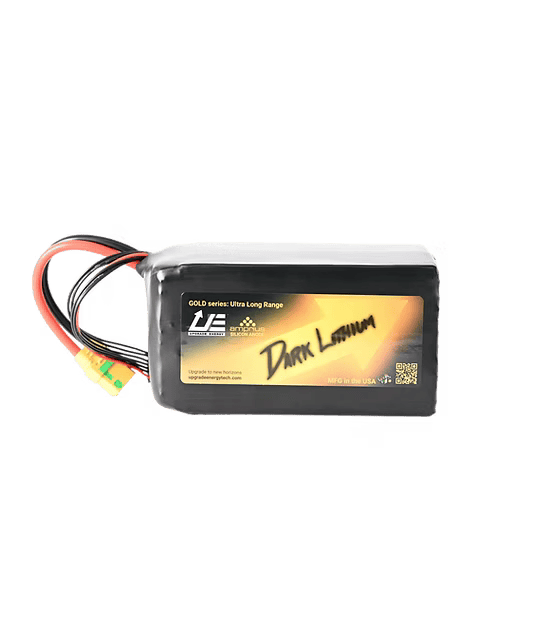
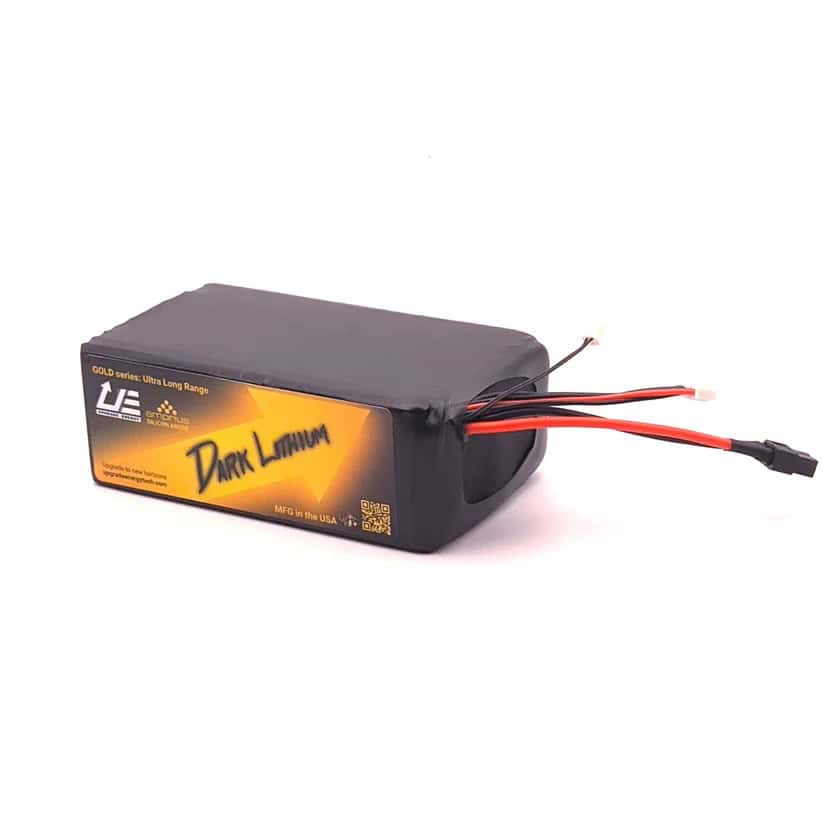
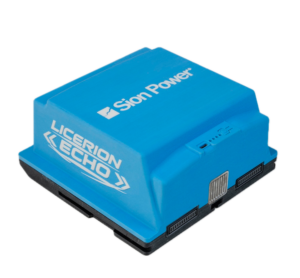
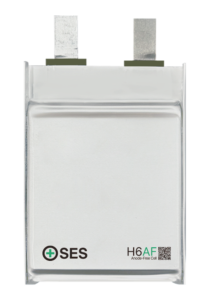
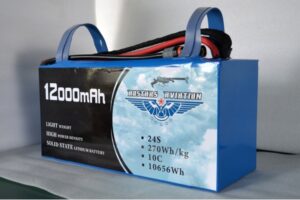
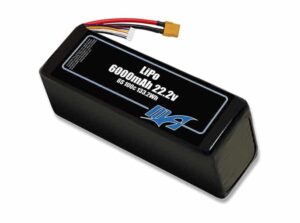
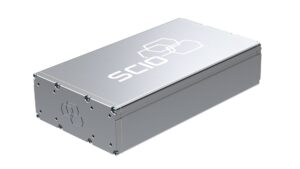
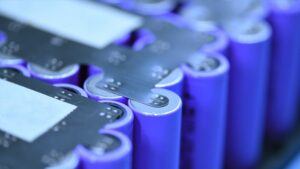
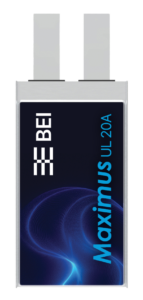
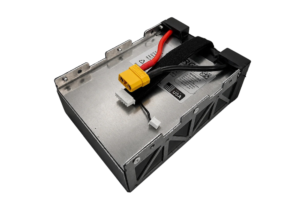
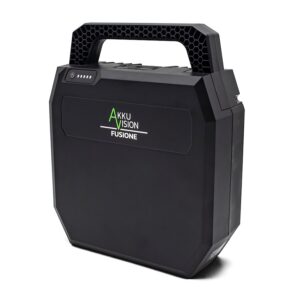
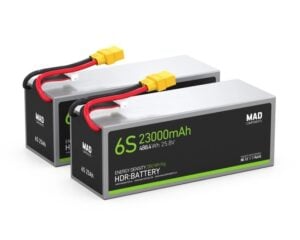
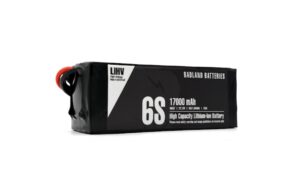
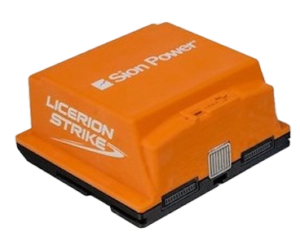
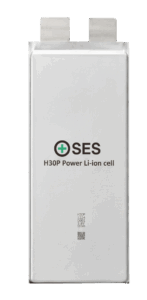
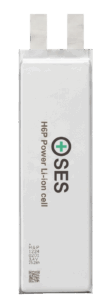
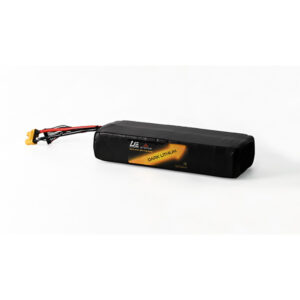
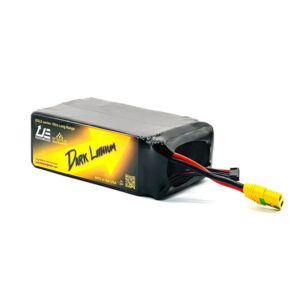
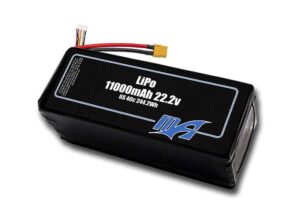
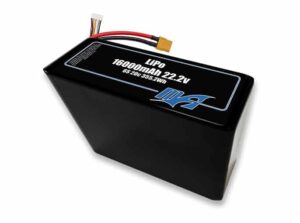
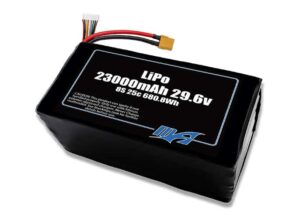
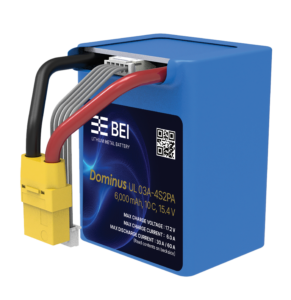
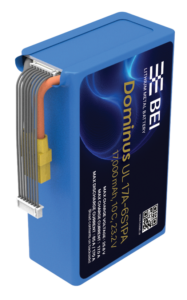
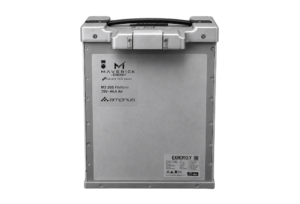
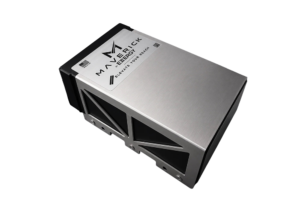
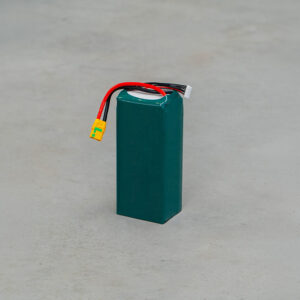
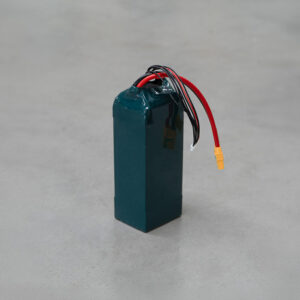
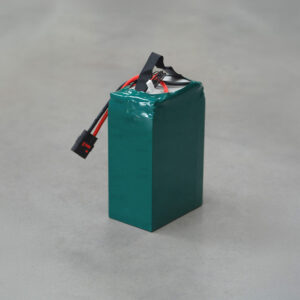
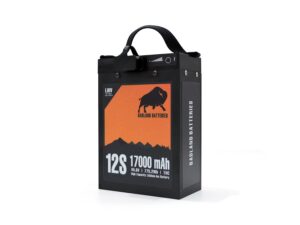
Industrial drone batteries provide reliable electrical power for multirotor, fixed-wing, and VTOL UAV platforms. Available in LiPo, Li-ion, LiHV, and LiFePO4 chemistries, these batteries support demanding applications such as aerial surveying, infrastructure inspection, agricultural spraying, heavy-lift logistics, and emergency response.
This category showcases suppliers of industrial drone battery solutions including high-discharge and high-energy-density configurations.
If you design, build or supply Industrial Drone Batteries, create a profile to showcase your capabilities and connect with visitors who have an active requirement for your solutions.
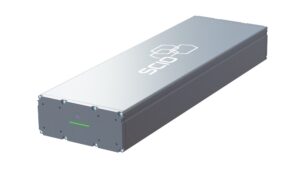
Scalable 48V battery solutions for unmanned systems & robotics
Scalable 48V battery solutions for unmanned systems & robotics
... developed for industrial and electric mobility applications. Designed and produced in Germany, the... ...llows multiple batteries with the same voltage and communication interface to be connected in...
The Technical Guide to Industrial Drone Battery Solutions
Overview by
William Mackenzie
Updated:
Introduction to Industrial Drone Batteries
Industrial drone batteries provide the electrical power required for commercial and industrial Unmanned Aerial Vehicles (UAVs) operating in demanding environments. Designed to support high-current discharge, sustained flight operations, and repeated charging cycles, these batteries power multirotor, fixed-wing, and Vertical Takeoff and Landing (VTOL) platforms used for surveying, inspection, agriculture, logistics, and emergency response.
Industrial UAV battery solutions must balance energy density, discharge capability, weight, service life, and operational safety. Battery selection depends on aircraft power requirements, payload capacity, flight duration, environmental conditions, and charging infrastructure. Advanced industrial drone batteries may incorporate Battery Management Systems (BMS), thermal monitoring, and communication interfaces to monitor cell conditions, protect against electrical faults, and provide battery status information to flight control systems.
Chemistries Used for Industrial Drone Batteries
Industrial drone batteries use different lithium-based chemistries, cell formats, and voltage configurations to meet specific energy, power, weight, and service life requirements. The principal battery technologies include:
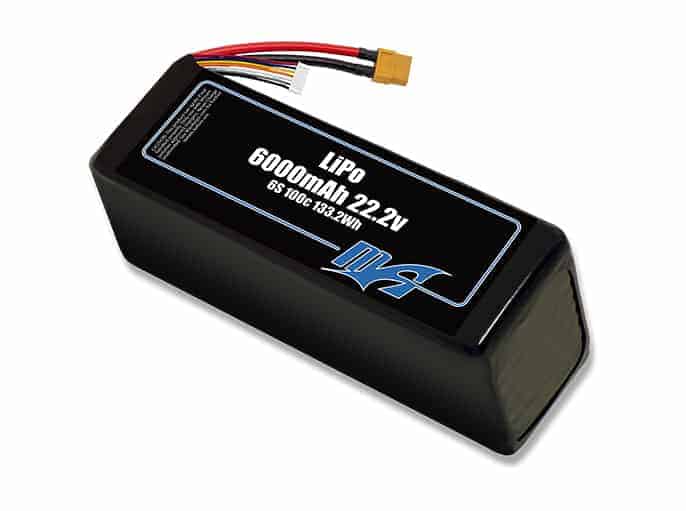
Lithium Polymer (LiPo) Batteries: Widely used in industrial multirotor UAVs, LiPo batteries typically feature lightweight pouch cells and can be configured for high discharge rates. They are particularly suitable for applications involving rapid acceleration, high motor loads, and demanding takeoff conditions, although performance depends on the underlying cell chemistry and pack design.
Lithium-Ion (Li-ion) Batteries: High-energy Li-ion batteries can provide greater specific energy than high-discharge LiPo configurations, supporting longer flight durations where sustained energy delivery takes priority over maximum instantaneous power output. They are commonly used in endurance-focused surveying and monitoring UAVs where a low battery weight and high energy capacity are critical considerations.
High-Voltage Lithium Polymer (LiHV) Batteries: LiHV batteries use cells designed for higher maximum charging voltages than conventional LiPo configurations. This can increase stored energy within a compatible battery pack, although charging limits, voltage compatibility, and discharge characteristics must be matched to manufacturer specifications.
Lithium Iron Phosphate (LiFePO4) Batteries: LiFePO4 batteries offer good thermal stability and long cycle life, making them suitable for applications prioritizing durability and frequent charging cycles. However, their lower specific energy compared with many other lithium chemistries can limit their suitability for weight-sensitive airborne applications.
Battery chemistry and cell configuration influence industrial drone battery life, discharge performance, charging requirements, and replacement intervals. The most suitable configuration depends on the aircraft’s electrical architecture, operating conditions, and mission profile.
Operations Enabled by Industrial UAV Batteries
Logistics and High-Payload Cargo Transport
Heavy-payload industrial drones require heavy-lift batteries capable of delivering sustained high current while supporting additional electrical loads from cargo handling systems and onboard equipment. Large multirotor platforms experience substantial power demands during takeoff, climbing, and hovering with heavy payloads. Battery selection must account for continuous discharge capability, voltage stability, thermal performance, and sufficient reserve energy for safe landing.
Long-Endurance Aerial Surveying, Mapping, and Site Operations
Industrial UAVs used for photogrammetry, Light Detection and Ranging (LiDAR) mapping, construction surveys, and land monitoring benefit from batteries optimized for energy density and sustained power delivery. Fixed-wing aircraft typically prioritize usable energy and low battery weight, while multirotor survey platforms require a balance between endurance and hover power. Accurate energy budgeting helps maintain consistent survey coverage and sufficient return-to-home reserves.
Critical Infrastructure Inspection and Perimeter Security Monitoring
Inspection drones operating around power lines, wind turbines, telecommunications infrastructure, pipelines, and industrial facilities require reliable electrical power for flight control systems and sensor payloads. Batteries must support repeated deployments, variable flight profiles, and exposure to demanding environmental conditions. Security monitoring operations may also require rapid battery replacement, automated charging, or smart battery telemetry to support frequent patrols and minimize operational downtime.
Agricultural Spraying and High-Duty-Cycle Crop Management
Agricultural spraying drones place significant demands on battery systems due to heavy liquid payloads, frequent takeoff and landing cycles, and repeated field operations. Industrial drone batteries must deliver high discharge currents while supporting pumps, flight electronics, and other auxiliary equipment. Fast charging, interchangeable battery packs, and effective thermal management help maintain productivity during intensive agricultural operations.
Emergency Response, Disaster Relief, and Search & Rescue (SAR)
Emergency response UAVs rely on battery systems capable of supporting deployment in challenging weather conditions and variable temperatures. Search and rescue platforms may carry thermal cameras, searchlights, communications equipment, and other powered payloads that increase energy consumption. Reliable battery monitoring, adequate reserve capacity, and rapid turnaround between missions are important for maintaining aircraft availability during time-critical operations.
Power & Ruggedization Requirements
Industrial drone battery selection requires careful consideration of electrical performance, environmental protection, and mechanical durability. The following table outlines key specifications and requirements affecting battery suitability for demanding industrial UAV operations.
Requirement
Key Specifications
Industrial UAV Considerations
Propulsion Power Demand Across Flight Profiles
Continuous discharge current (A), peak current (A), C-rating, power output (W)
Battery output must support takeoff, climbing, hovering, maneuvering, and sustained cruise without exceeding cell, pack, or protection system discharge limits.
Auxiliary Loads: Avionics, Sensors, and Heavy Payloads
Auxiliary power (W), regulated output voltage (V), total system load (W)
Power budgets must account for flight controllers, navigation equipment, cameras, sensors, communications systems, and electrically powered payload equipment.
Bus Voltage Stability and Peak Transient Margins
Nominal voltage (V), voltage sag (V), internal resistance (mΩ), peak discharge current (A)
Battery voltage must remain within the operating limits of connected electronics and motor controllers, including during voltage sag caused by high-current loads.
Battery Capacity Sizing and Reserve Margins
Capacity (Ah), stored energy (Wh), usable energy (Wh), reserve capacity (%)
Battery capacity must meet mission energy requirements while accounting for payload weight, environmental conditions, voltage limits, and safe landing reserves.
Environmental Ingress Protection (IP Rating)
International Electrotechnical Commission (IEC) 60529 IP rating, enclosure sealing, connector protection
Protective housings and electrical interfaces may require resistance to dust, moisture, and water exposure during outdoor operations. IP ratings should apply to the relevant battery assembly or enclosure.
Operating Temperature Envelope and Thermal Dissipation
Charging and discharge temperature ranges (°C), temperature monitoring, cooling provisions
Low temperatures can reduce available capacity and discharge performance, while high-current operation generates heat that must be managed to prevent excessive cell temperatures.
Battery assemblies must withstand aircraft vibration, repeated handling, transport, and operational mechanical loads without compromising cell connections or structural integrity.
Industrial Drone Battery Standards & Compliance
Industrial drone battery manufacturers and suppliers may provide testing documentation and compliance information covering electrical safety, transportation, and operational requirements. Depending on the battery design and intended application, relevant standards and regulations include:
United Nations (UN) 38.3: Defines transport testing requirements for lithium cells and batteries, including tests addressing altitude simulation, temperature cycling, vibration, shock, and electrical abuse.
IEC 62133-2: Establishes safety requirements and testing procedures for portable sealed secondary lithium cells and batteries containing non-acid electrolytes within its defined scope.
IEC 62619: Specifies safety requirements and testing for secondary lithium cells and batteries used in industrial applications, where the equipment falls within the standard’s scope.
UL 1642: Covers safety evaluation requirements for lithium battery cells, including electrical, mechanical, and environmental testing.
UL 2054: Addresses safety requirements for household and commercial battery packs and assemblies within its applicable scope.
Transport Regulations: Applicable air, road, and maritime dangerous goods regulations govern lithium battery classification, packaging, labeling, documentation, and shipment, including additional restrictions for damaged or defective batteries.
Buyers should confirm which standards and regulations apply to the intended battery configuration, installation, operating environment, and transport arrangements. Applicable compliance claims should be supported by appropriate supplier test reports and documentation.
Emerging Developments in Industrial Drone Battery Technology
Advances in battery materials, customizable batteries, monitoring electronics, and automated charging infrastructure are supporting improvements in industrial UAV endurance, operational availability, and battery lifecycle management. Key developments include:
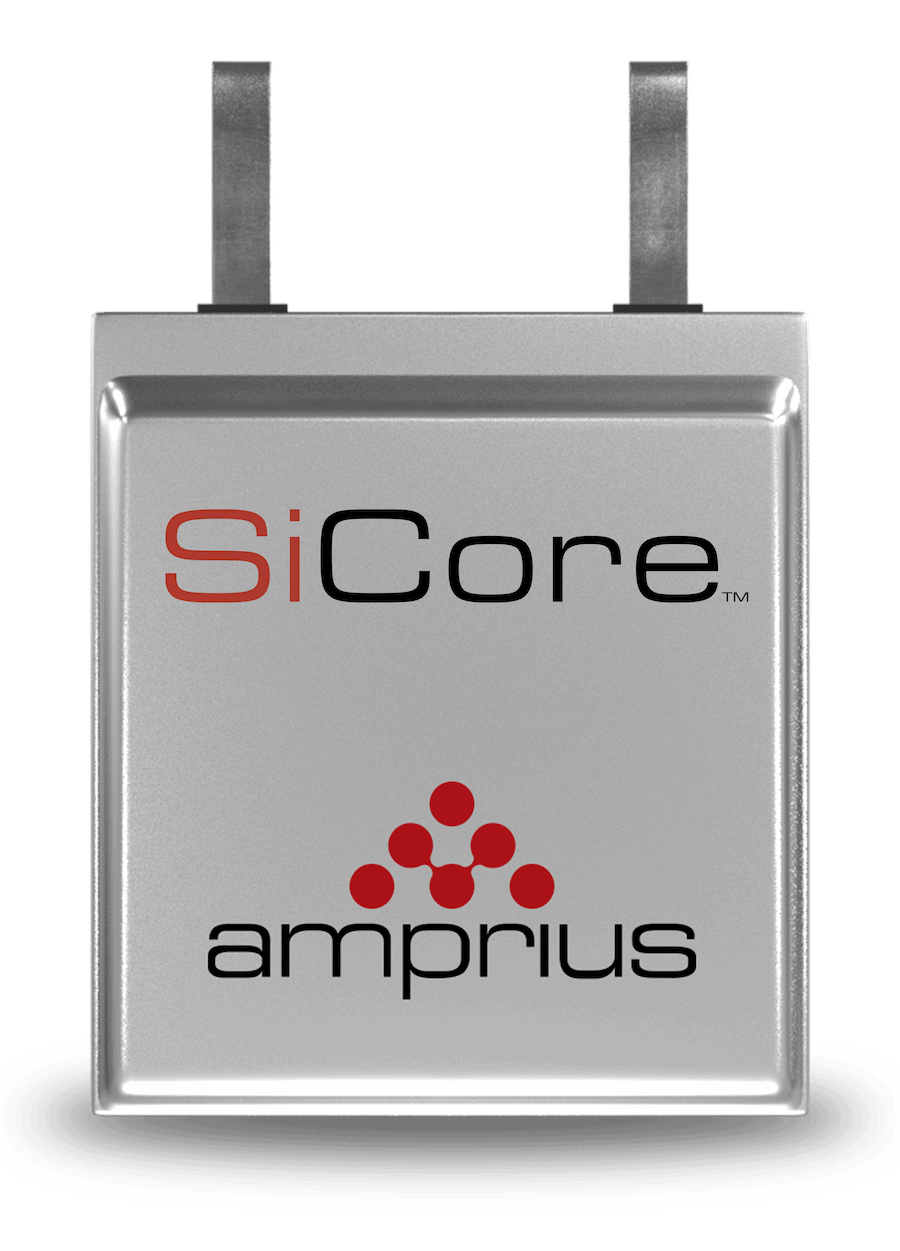
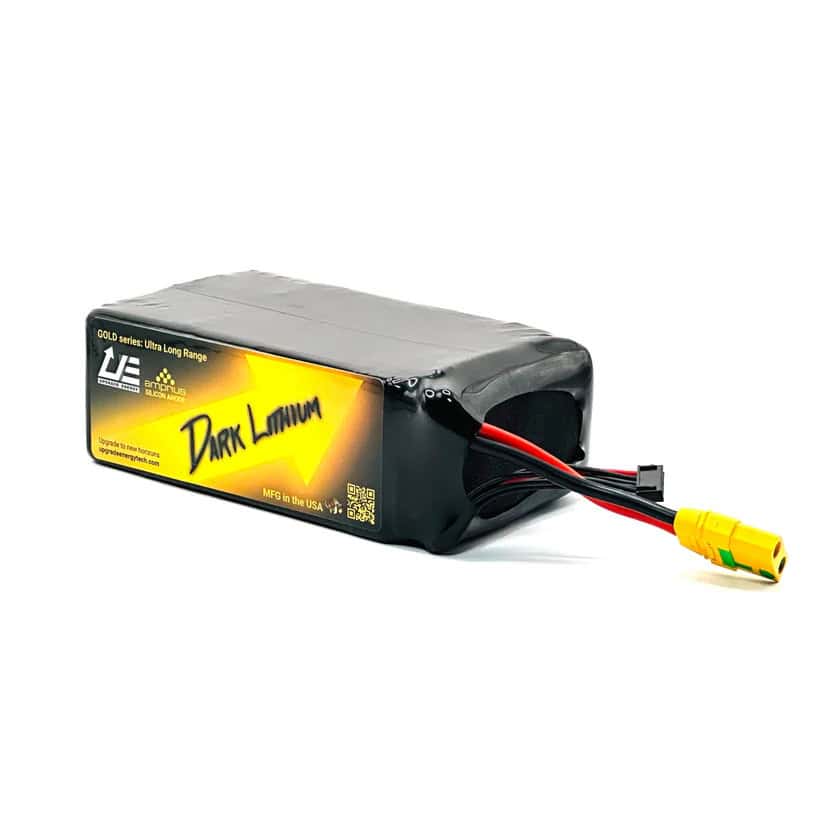
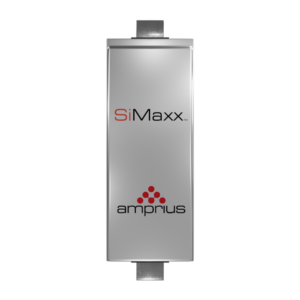
Higher-Energy-Density Lithium Batteries: Developments in silicon-anode materials, electrode construction, and cell packaging are increasing stored energy relative to battery weight. High-energy silicon-based cells are already available for UAV applications, supporting longer missions and greater payload flexibility.
Solid-State Battery Technology: Solid and hybrid electrolyte architectures are being developed to improve energy density and selected safety characteristics. Commercial maturity varies between technologies, with manufacturing scalability, cycle life, and high-current discharge performance remaining important considerations for industrial UAV integration.
Advanced Smart Battery Systems: Integrated monitoring electronics support State of Charge (SoC) estimation, State of Health (SoH) tracking, cell diagnostics, and communication with UAV flight management systems. These capabilities help operators monitor battery degradation, identify potential faults, and manage battery performance across repeated fleet operations.
Automated Battery Swapping: Robotic battery replacement and docking systems enable compatible industrial drones to exchange depleted packs for charged batteries, reducing turnaround times and supporting repeated autonomous missions without manual battery handling.
These developments are particularly relevant to industrial UAV fleets requiring higher mission availability, predictable battery performance, and reduced manual intervention during repeated operations.
The latest unmanned systems news, straight to your inbox.
Get our weekly roundup of technology developments, new products and industry news.
THANK YOU FOR SIGNING UP
Thanks for joining us. Check your inbox.
We've sent you an email. Click the confirmation link to complete your subscription to the weekly eBrief. In the meantime, explore the latest news, suppliers and technologies on UST.
Advancing Unmanned Systems Through Strategic Collaboration
UST works with major OEMs to foster collaboration and increase engagement with SMEs, to accelerate innovation and drive unmanned systems capabilities forward.