Battery Manufacturing Technology for Next-Generation UAV, USV & UUV Systems
Source manufacturers and suppliers of advanced battery manufacturing technology for the production of high-performance cells and custom battery packs for unmanned systems. This includes next-generation batteries incorporating chemistries and components optimized for high energy density, reliability, and safety in demanding applications.
If you design, build or supply Battery Manufacturing Technology, create a profile to showcase your capabilities and connect with visitors who have an active requirement for your solutions.
Battery Manufacturing Technology for Next-Generation UAV, USV & UUV Systems
Overview by
Eleanor Widdows
Updated:
The selection of battery technology directly impacts the operational endurance, payload capacity, and mission capabilities of unmanned systems. For manufacturers of batteries and battery packs, production technology must be chosen to meet the specific technical requirements of defense, commercial, and industrial applications. Developments in cell chemistry, component design, and assembly processes directly contribute to power solutions with improved energy density and safety characteristics.
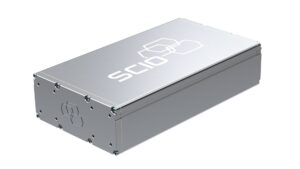
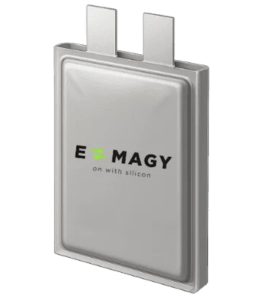
12 Ah Drone cell with silicon anode battery technology by E-magy
Integrating these next-generation batteries requires a systems-level approach that considers the interplay among the power source, platform, and operational environment. The choice of battery production technology directly affects key performance indicators, including gravimetric and volumetric energy density, charge and discharge rates, cycle life, and thermal stability. As unmanned platforms become more autonomous and mission-critical, the underlying battery manufacturing technologies are a key enabler of performance and reliability.
Battery Technologies and Types
Lithium-Ion
Advancements in lithium-ion battery manufacturing focus on optimizing production to meet the specific demands of unmanned systems. Key areas of innovation include improving the consistency of slurry mixing and coating for higher-yield electrode production, and developing faster, more precise automated assembly for pouch, prismatic, and cylindrical cells. These refinements aim to enhance cell-to-cell consistency, increase throughput, and reduce manufacturing costs for high-performance batteries.
Silicon Anode Technology
Silicon anode technology represents a significant advancement in lithium-ion battery design, offering the potential for a substantial increase in energy density compared to traditional graphite anodes. By incorporating silicon, batteries can store more lithium ions, leading to longer runtimes and lighter power packs for unmanned systems. The manufacturing challenge lies in managing the volumetric expansion of silicon during charging and discharging cycles to ensure long-term stability and cycle life.
Solid-State Battery Technology
Solid-state batteries replace the liquid electrolyte found in conventional lithium-ion batteries with a solid material, such as a ceramic or polymer. This architectural change enhances safety by eliminating flammable liquid electrolytes and can enable higher energy densities and a longer lifespan. The development of solid-state battery manufacturing is a key focus for next-generation batteries, promising significant performance gains for UAVs and other unmanned platforms.
Lithium Iron Phosphate (LiFePO4)
Lithium Iron Phosphate (LiFePO4 or LFP) is a cathode material known for its exceptional thermal and chemical stability, making it a very safe lithium-ion chemistry. While offering a lower nominal voltage and energy density than some other lithium-ion types, LiFePO4 batteries provide a very long cycle life and high peak power ratings. These characteristics make them suitable for high-current applications in UGVs and USVs where safety and longevity are paramount.
Batteries for Unmanned Applications
Batteries designed for unmanned applications must meet specific performance criteria not found in general-purpose cells. These requirements include high energy density for extended endurance, high discharge rates for demanding flight or subsea maneuvers, and robust construction for resilience to shock and vibration. Lightweight batteries for UAVs are essential for maximizing flight time and payload capacity, while power sources for UUVs and USVs require specialized sealing and pressure tolerance.
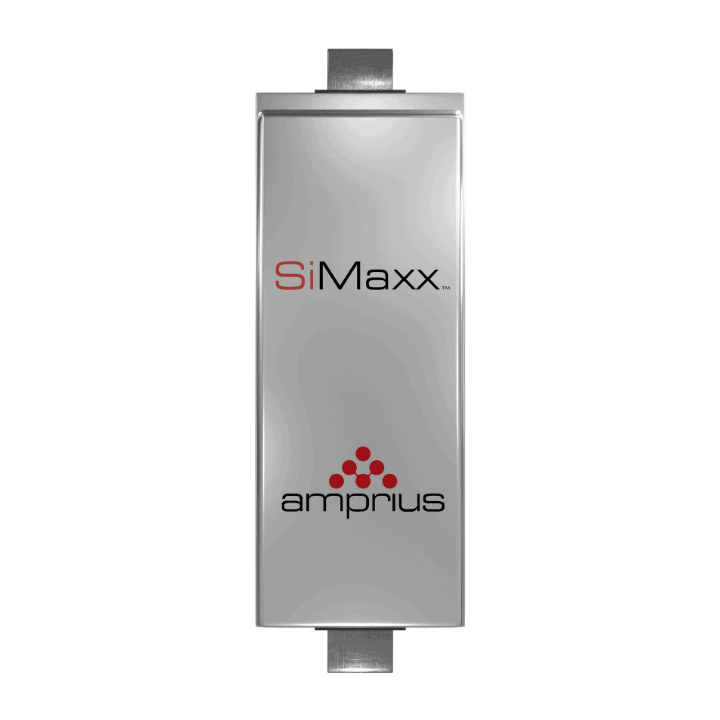
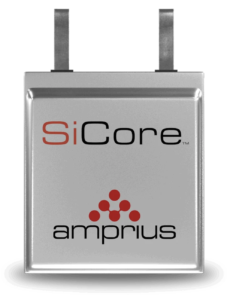
SiCore 450 Wh/kg high-energy cell with lithium-ion battery technology by Amprius Technologies.
UAV & Drone Batteries
Powering unmanned aerial vehicles, from small surveillance drones to large HAPS platforms, requires high-energy-density, lightweight, and reliable batteries. Key technologies include lithium-polymer (LiPo) and advanced lithium-ion cells that offer superior performance-to-weight ratios. Manufacturing focuses on precision assembly and quality control to ensure safety and consistent output during critical flight phases.
USV & UUV Batteries
Batteries for Unmanned Surface Vehicles (USVs) and Unmanned Underwater Vehicles (UUVs) operate in harsh marine environments. Production requires robust battery casing, corrosion-resistant connectors, and effective thermal management systems. Technologies such as LiFePO4 are often selected for their stability and long cycle life, which are critical for long-duration subsea and surface missions.
UGV Batteries
Unmanned Ground Vehicles (UGVs) require durable, high-capacity battery packs to power their traction systems, sensors, and payloads over extended periods. Battery manufacturing for UGVs focuses on ruggedization, thermal stability, and efficient power delivery. Custom battery packs are often developed to fit specific vehicle chassis and mission profiles.
System Integration
Integrating advanced battery packs into unmanned systems requires careful consideration of mechanical, electrical, and data interfaces. The battery must be securely housed and connected to the vehicle’s power distribution bus, while the BMS communicates with the main flight controller or vehicle control unit.
Key integration points include:
GNSS/INS: A stable, reliable power supply is critical to the continuous operation of navigation systems. The BMS must ensure voltage and current remain within safe limits to prevent system resets or failures.
Communications: Secure data links and command-and-control radios depend on clean, uninterrupted power from the battery system.
Payloads: High-resolution cameras, LiDAR scanners, and other advanced sensors require significant power. The battery and BMS must be able to handle high-current demands from multiple payloads simultaneously.
Control Systems: The flight controller or vehicle computer relies on precise battery data, such as state of charge and temperature, from the BMS to manage missions and execute emergency procedures, such as return-to-home.
Battery Management System (BMS)
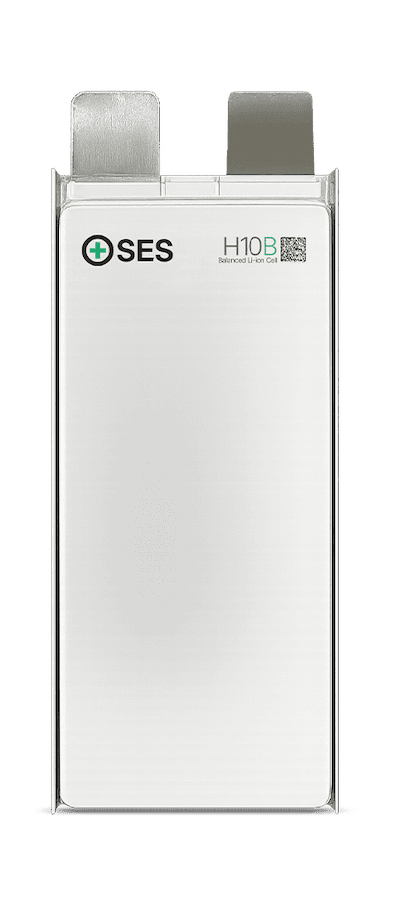
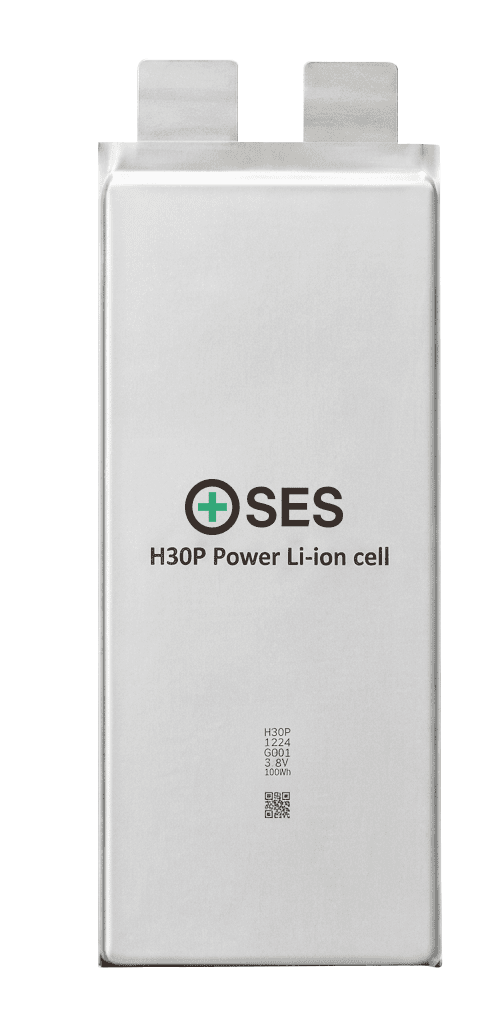
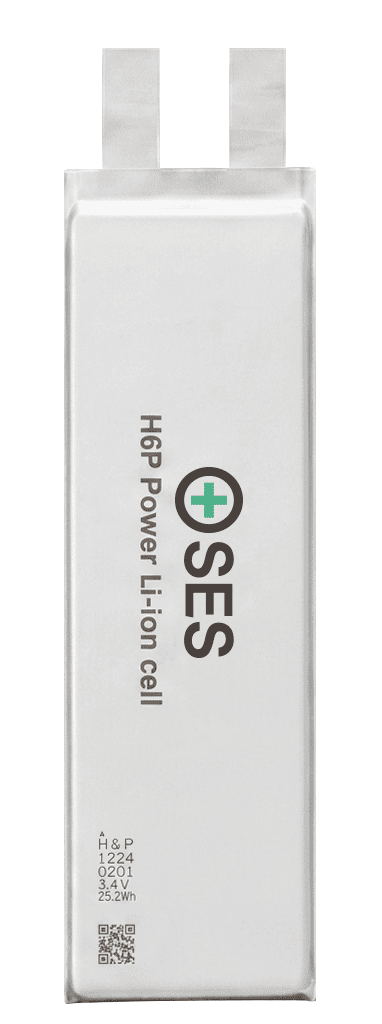
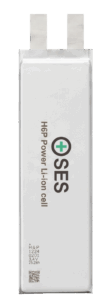
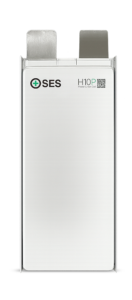
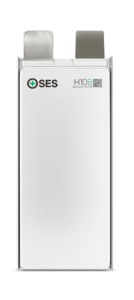
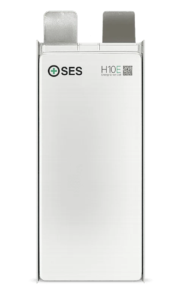
H10E high-energy density drone battery by SES AI.
A Battery Management System (BMS) is an essential electronic system that monitors and manages a rechargeable battery pack. Its primary functions include balancing cells, monitoring state of charge (SoC), and protecting the battery from operating outside its safe voltage, current, and temperature parameters. For unmanned systems, the BMS is a critical component for ensuring the safety, reliability, and longevity of the power source.
Making Advanced Battery Technology Work
The performance of next-generation unmanned systems is intrinsically linked to the underlying battery technology that powers them. For manufacturers, mastering advanced production techniques for silicon anodes, solid-state electrolytes, and other emerging chemistries is critical to delivering the energy density, safety, and reliability required by UAV, UUV, and UGV platforms. By partnering with specialist suppliers and leveraging cutting-edge manufacturing technology, battery producers can create high-performance power solutions that enable longer missions, heavier payloads, and more complex autonomous operations.
A new 80,000 square foot manufacturing plant in North Dakota will produce over 15,000 lithium-ion pouch cells daily from Packet Digital subsidiary Badland Batteries, bolstering domestic supply chain security for critical defense, aerospace, and autonomous platforms
Next-generation battery developer Sila has promoted Chris Dougher to Chief Operating Officer and hired Gwen Hsu as VP of Product to lead gigascale anode manufacturing expansion and drive market growth
OMD Industries' vertically integrated supply chain offers full production traceability and is available to allied OEMs and sovereign manufacturing partners
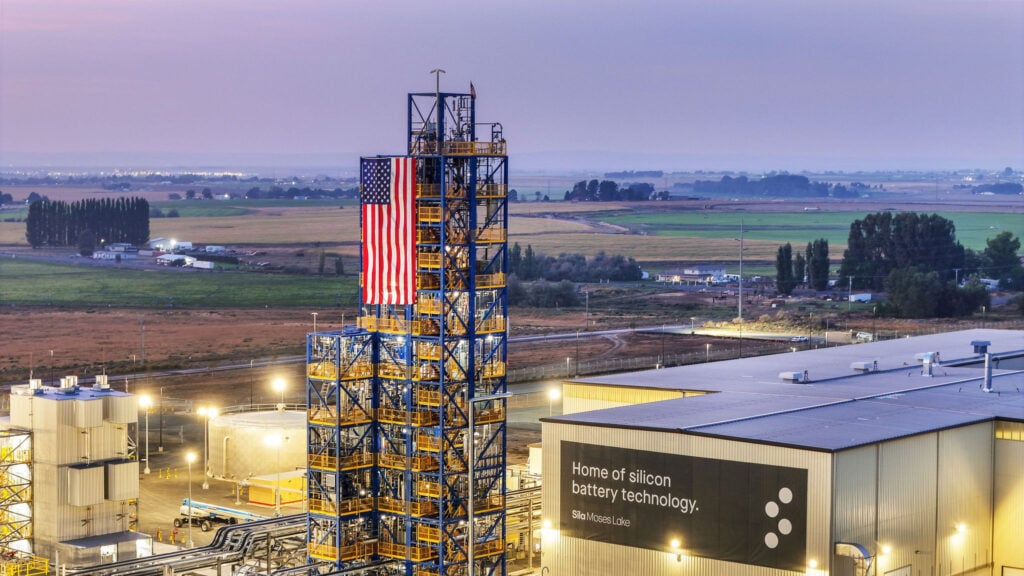
Sila’s conditional Department of War loan would support silicon-carbon anode expansion and lithium-ion cell manufacturing at its Moses Lake, Washington, facility, strengthening domestic battery production
E-magy will unveil performance results for silicon-dominant battery cells in drone and consumer electronics applications at the 2026 Advanced Automotive Battery Conference (AABC)
At XPONENTIAL USA 2026, SES AI is showcasing advanced drone batteries while engaging defense, ISR, and commercial unmanned systems customers seeking longer endurance and secure supply
Amprius has unveiled a ultra-high-power, high-energy lithium-ion battery thought to be a significant advancement for electric uncrewed aerial systems, with a discharge rate of 10C whilst delivering 400 Wh/kg energy density
The latest unmanned systems news, straight to your inbox.
Get our weekly roundup of technology developments, new products and industry news.
THANK YOU FOR SIGNING UP
Thanks for joining us. Check your inbox.
We've sent you an email. Click the confirmation link to complete your subscription to the weekly eBrief. In the meantime, explore the latest news, suppliers and technologies on UST.
Advancing Unmanned Systems Through Strategic Collaboration
UST works with major OEMs to foster collaboration and increase engagement with SMEs, to accelerate innovation and drive unmanned systems capabilities forward.