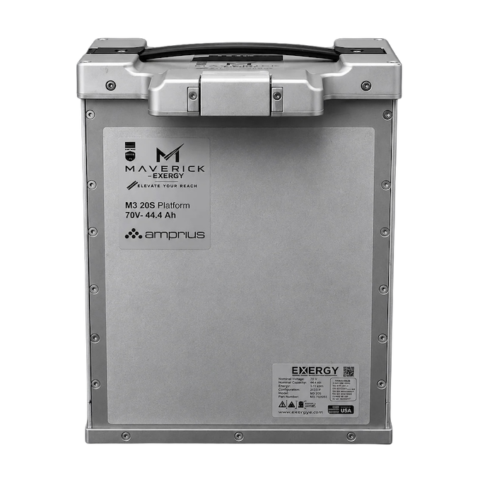
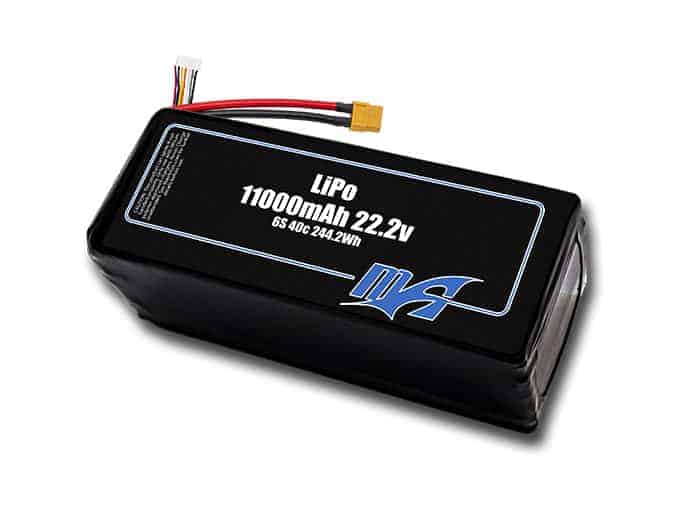
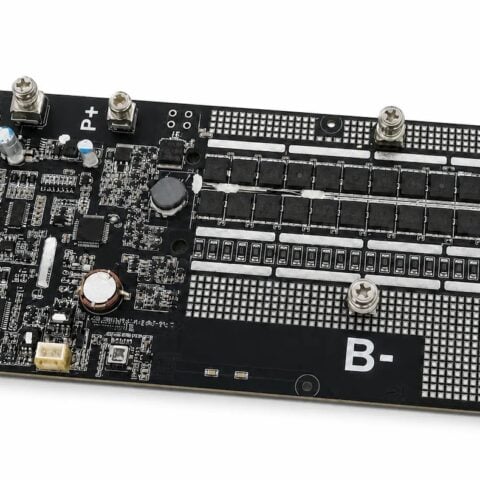
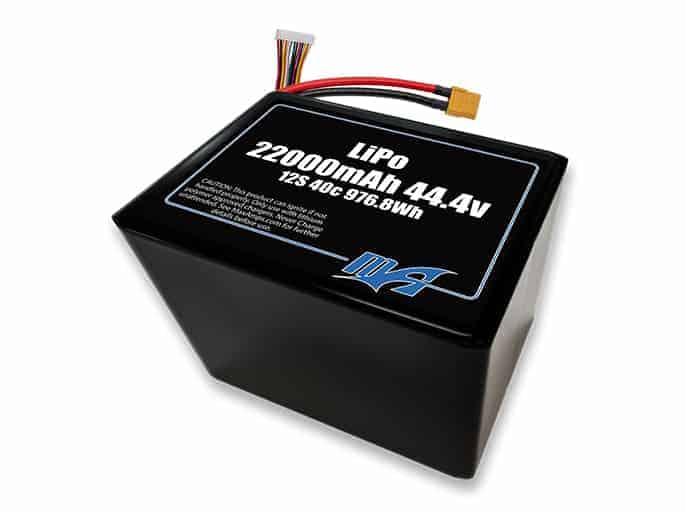
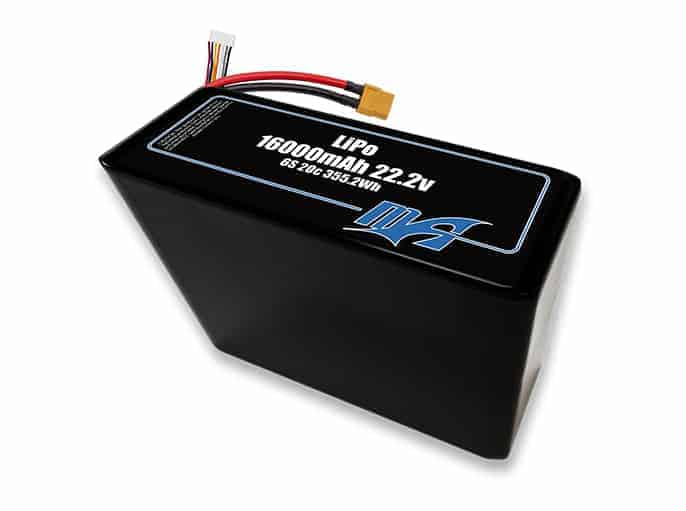
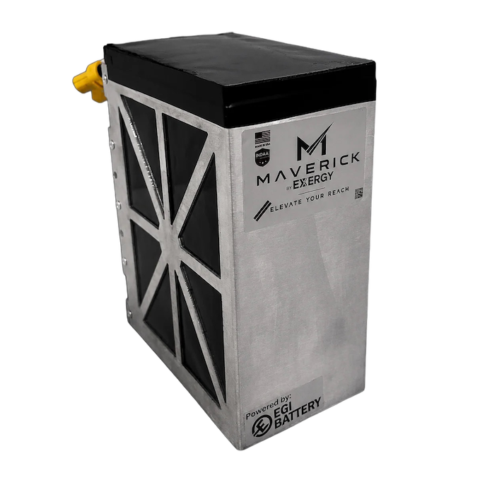
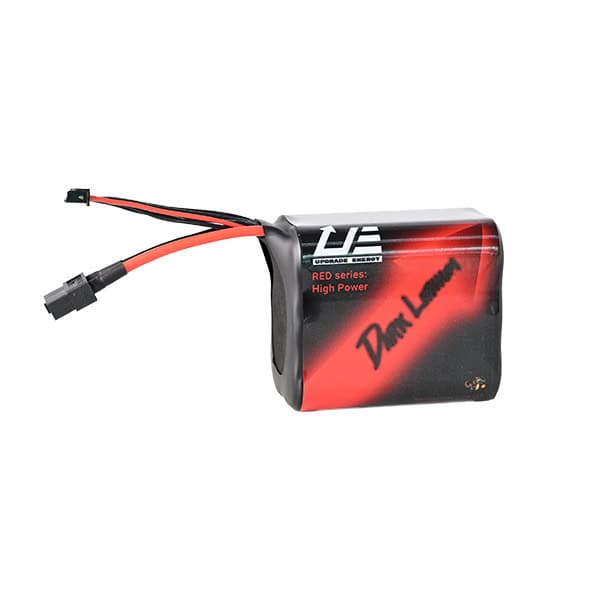
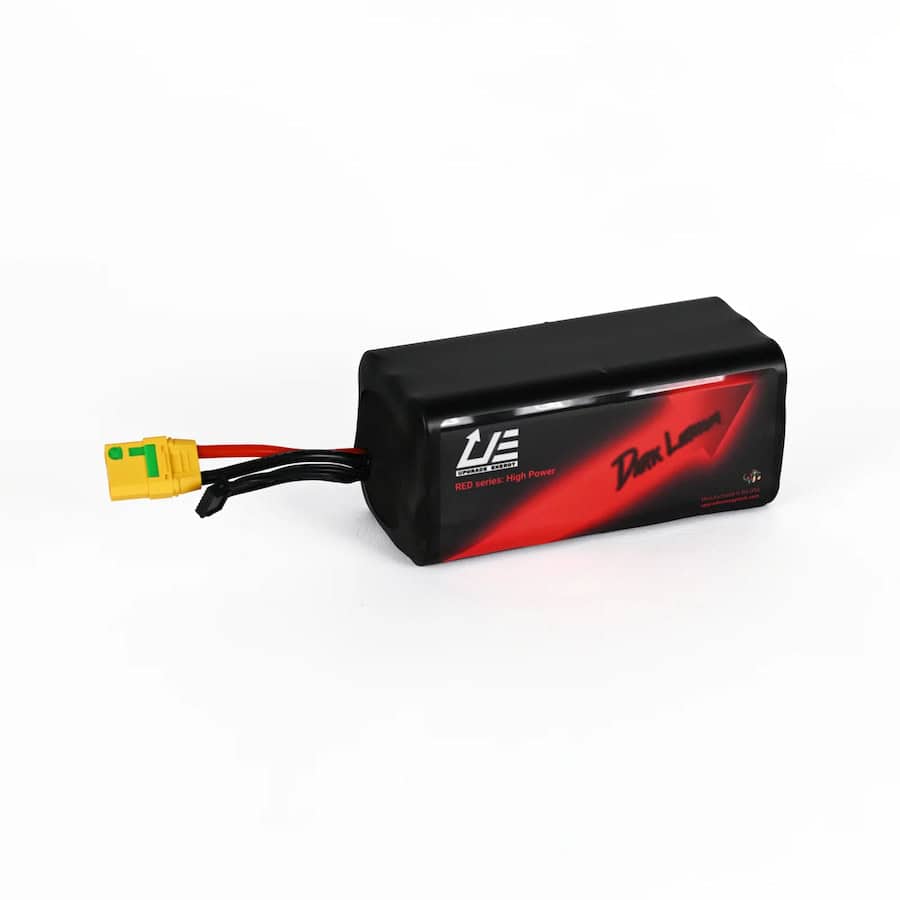
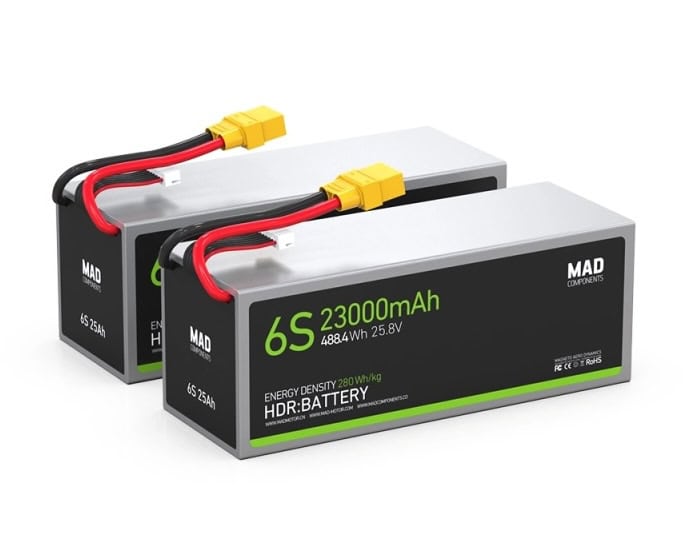
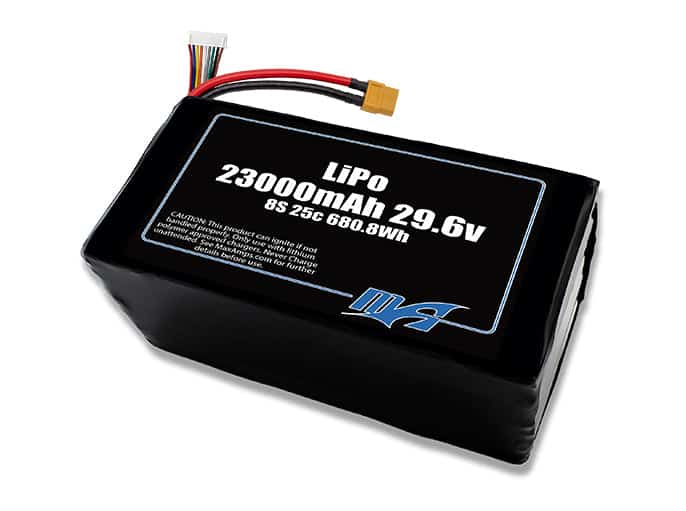
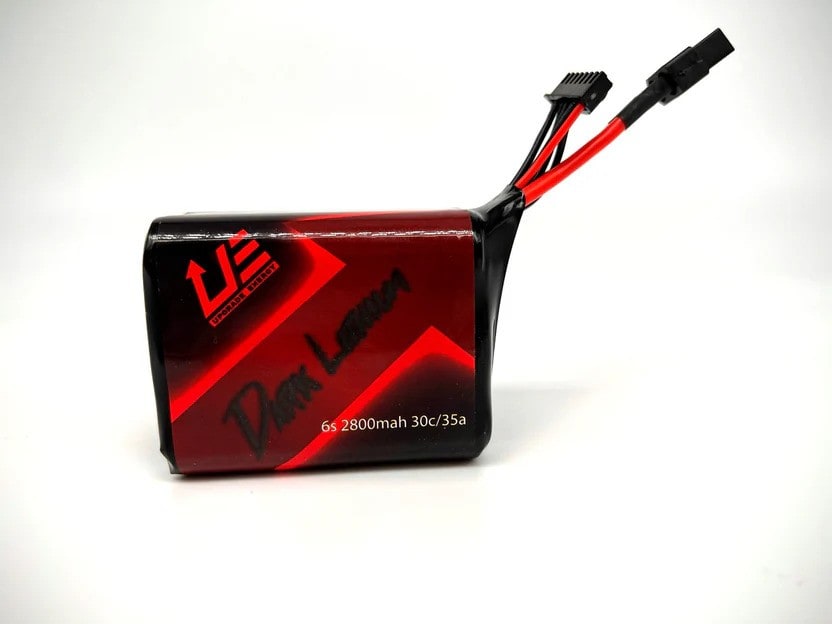
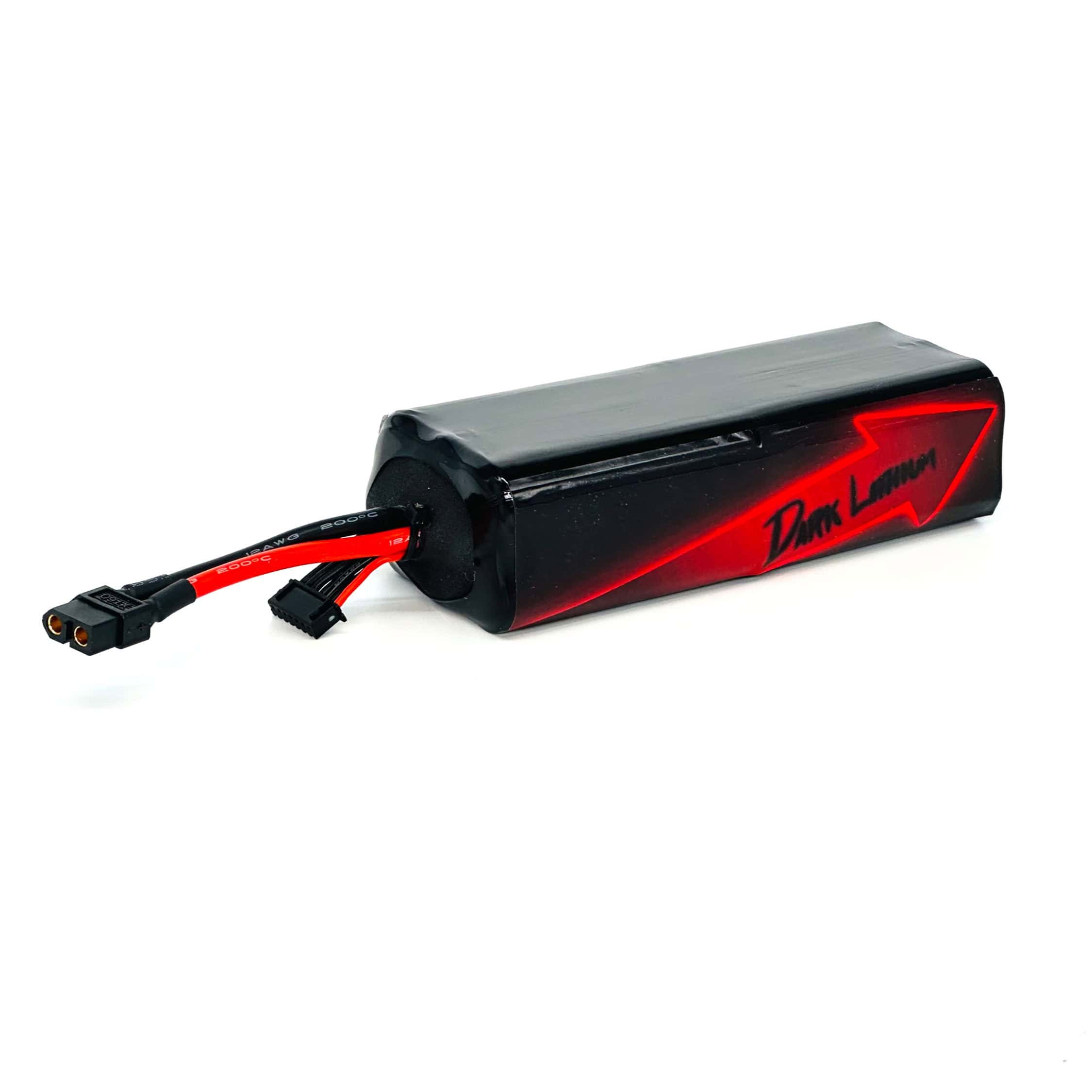
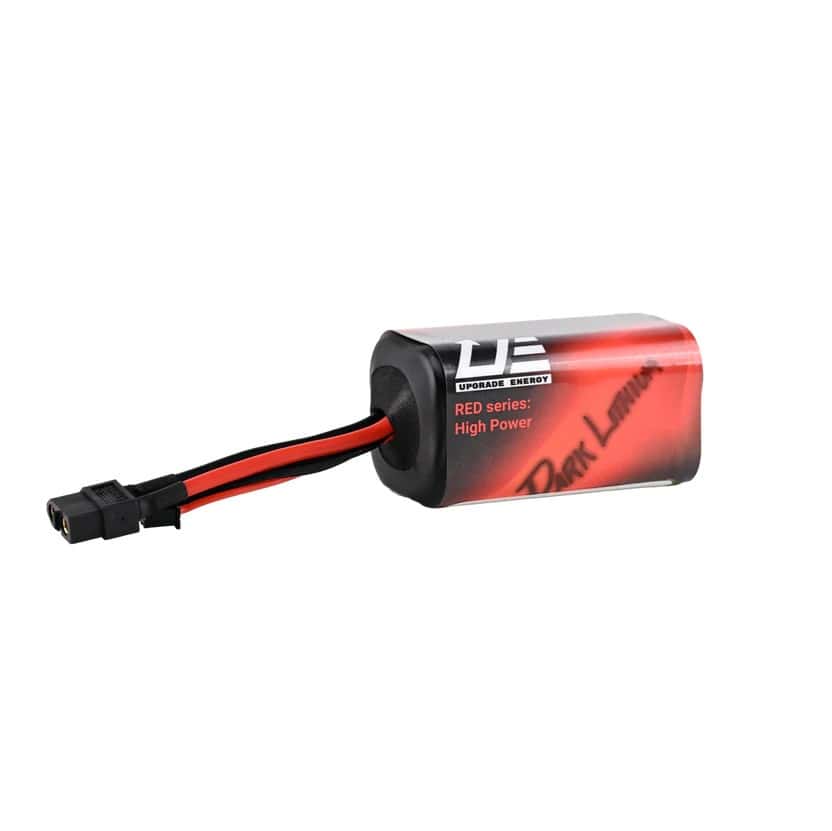
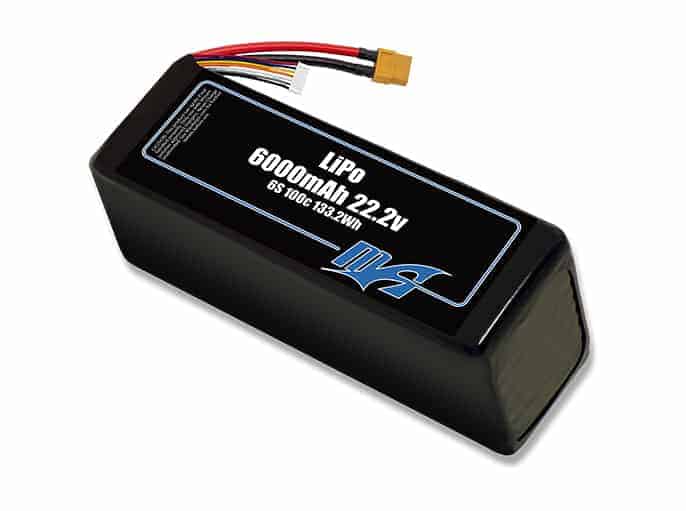
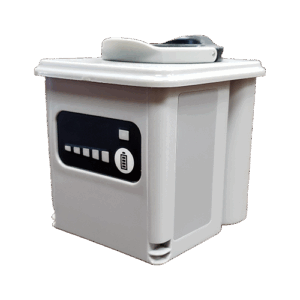
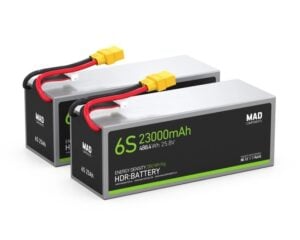
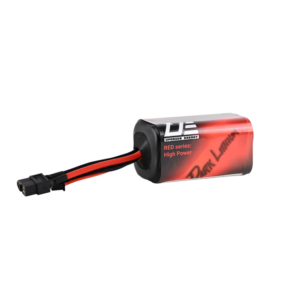
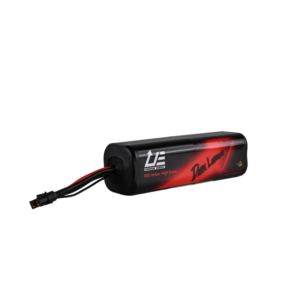
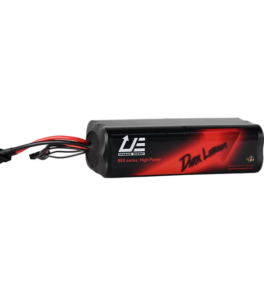
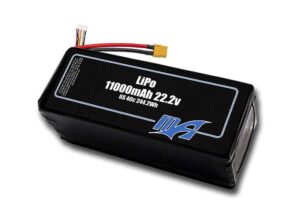
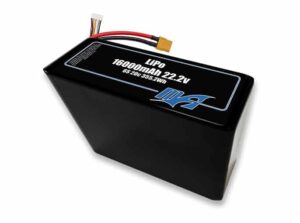
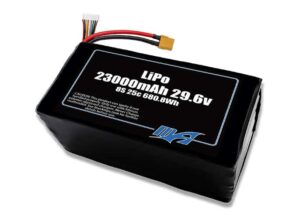
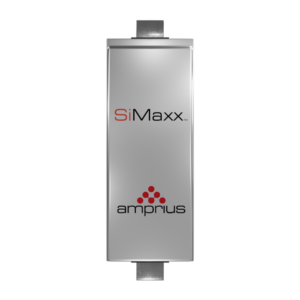
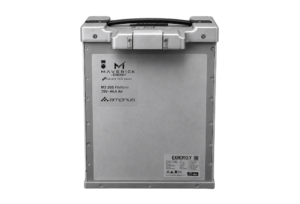
Heavy-lift drone batteries provide high-current electrical power for UAVs carrying substantial payloads, including cargo, agricultural spraying systems, industrial equipment, and specialized sensors. Available technologies include Lithium Polymer (LiPo), Lithium-Ion (Li-Ion), High-Voltage Lithium (LiHV), and smart battery packs with integrated Battery Management Systems (BMS).
This page features suppliers of heavy-lift UAV batteries supporting sustained hovering, takeoff, maneuvering, and peak power demands while managing voltage sag and thermal buildup.
If you design, build or supply Heavy-Lift Drone Batteries, create a profile to showcase your capabilities and connect with visitors who have an active requirement for your solutions.
The Technical Guide to Heavy Lift Drone Battery Technology
Overview by
William Mackenzie
Updated:
Introduction to Heavy-Lift Drone Batteries
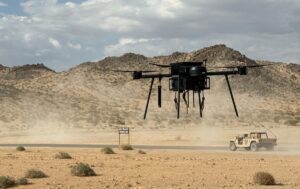
Heavy-lift drone batteries provide the electrical power required for Unmanned Aerial Vehicles (UAVs) carrying substantial payloads, including cargo, industrial equipment, agricultural spraying systems, and specialized sensors. Designed for high-current discharge and demanding flight conditions, these batteries must deliver sufficient power for takeoff, sustained hover, maneuvering, and safe landing under heavy loads.
Heavy-lift UAV batteries are available in different lithium chemistries, voltage configurations, and energy capacities. Battery selection involves balancing energy density, discharge capability, weight, thermal performance, and service life. High-power battery systems may also incorporate electronic monitoring, multiple battery packs, and advanced charging capabilities to support reliable operations.
Types of Heavy-Lift Drone Batteries
Heavy-lift drone batteries are available in several cell chemistries, voltage variants, and pack configurations, each offering different characteristics for power delivery, endurance, and integration. Common options include:
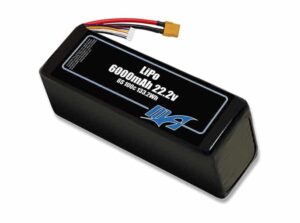
Lithium Polymer (LiPo) Batteries: Commonly used in heavy-lift multirotor UAVs, LiPo batteries can provide the high discharge currents required for demanding takeoff, hover, and maneuvering loads. High-discharge configurations prioritize power delivery, although this can involve tradeoffs in energy density and cycle life.
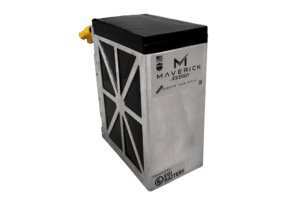
Lithium-Ion (Li-ion) Batteries: Lithium-ion battery packs using cylindrical, prismatic, or pouch cells can offer higher gravimetric energy density than many high-discharge LiPo configurations, making them suitable for endurance-focused heavy-lift applications. Cell selection and pack architecture must accommodate the substantial continuous and peak currents required by the aircraft.
High-Voltage Lithium Batteries (LiHV): LiHV batteries are lithium battery variants, commonly based on polymer pouch cells, designed for higher maximum cell charging voltages than conventional 4.2 V lithium-ion cells. They can provide increased stored energy within compatible battery systems, but require appropriate charging equipment and electrical integration.
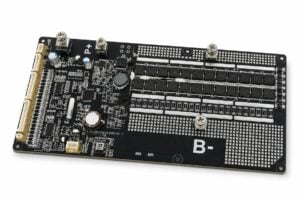
Smart Drone Battery Packs: Smart batteries incorporate a Battery Management System (BMS) or other electronic monitoring functions to track cell voltage, temperature, current, and State of Charge (SoC). Depending on the design, they may also provide cell balancing, protection functions, fault reporting, and communication with the UAV flight controller.
Custom Heavy-Lift Battery Packs: Application-specific battery packs can be engineered around required voltage, capacity, discharge performance, dimensions, and mounting interfaces. These solutions support heavy-lift platforms with specialized electrical architectures or integration constraints.
The choice of battery technology depends on the aircraft’s power requirements, payload capacity, expected flight duration, and operational duty cycle.
Managing Power Demands Across Flight Phases
Heavy-lift UAVs experience changing electrical loads throughout flight, requiring batteries to supply both sustained current and short-duration power peaks. Battery cells and electrical connections deliver power through the aircraft’s power distribution system to the motor controllers and other equipment. These demands influence battery sizing, discharge ratings, thermal design, and usable energy capacity.
Baseline Current Draw During Takeoff and Sustained Hover
Takeoff requires sufficient power to generate thrust above the combined weight of the aircraft, battery, and payload. During the initial climb, electrical demand may exceed that required for stable hover, depending on the aircraft and ascent profile. Battery systems must support these operating loads without excessive heating or voltage reduction.
Peak Power Spikes During Climb and Maneuvering
Rapid acceleration, aggressive maneuvering, and steep climbs can create short-duration increases in electrical current demand. Heavy-lift drone batteries must provide adequate peak discharge capability to accommodate these demands without triggering protection circuits or causing excessive voltage sag. Peak current ratings should be assessed alongside their permitted duration and thermal limitations.
Sustained High-Amperage Discharge Under Full Payload
Drones carrying maximum payloads may require elevated discharge currents throughout substantial portions of a flight. Continuous discharge capability is therefore critical, particularly during extended hovering, cargo transport, or industrial lifting operations. Battery performance must remain within rated current and temperature limits for the intended operating duration.
Preventing Critical Voltage Sag Under Heavy Electrical Loads
Voltage sag occurs when battery terminal voltage decreases under electrical load, influenced by internal resistance, current draw, temperature, and state of charge. Excessive voltage reduction can limit available motor power or trigger low-voltage protection. Suitable cell selection, parallel cell or pack configurations, and properly sized electrical connections help maintain voltage stability during high-current operation.
Thermal Buildup, Heat Dissipation, and High-Draw Limitations
High discharge currents generate heat within battery cells, connections, and associated power distribution components. Elevated temperatures can accelerate degradation, reduce service life, and increase safety risks. Thermal management may involve low-resistance cell designs, conductive heat transfer, airflow, temperature monitoring, and operational current limits.
Key Performance Specifications for Heavy-Lift UAV Batteries
Heavy-lift drone battery specifications determine whether a battery can deliver sufficient power and usable energy without exceeding aircraft weight, electrical, or thermal limits. The following table outlines important parameters when comparing batteries for high-payload UAV applications.
Specification
Description
Importance for Heavy-Lift UAVs
Battery Capacity (mAh and Ah)
Electrical charge capacity expressed in milliamp-hours or amp-hours.
Helps determine available flight endurance alongside voltage, discharge rate, and payload demand.
Energy Capacity (Wh)
Total nominal stored electrical energy, calculated from nominal voltage and amp-hour capacity.
Provides a useful basis for comparing battery energy across different voltage configurations.
Nominal Voltage and Cell Count
Battery operating voltage and the number of cells connected in series.
Determines compatibility with motors, electronic speed controllers, and power distribution systems.
Continuous and Peak Discharge Current
Maximum rated current for sustained operation and short-duration loads.
Indicates whether the battery can support hover, takeoff, and peak maneuvering demands.
C-Rating and High-Current Delivery
Discharge capability expressed relative to battery capacity.
Helps assess current delivery, although verified amperage ratings and thermal limits are also important.
Gravimetric Energy Density (Wh/kg)
Stored energy relative to battery mass.
Influences the balance between battery weight, useful payload, and achievable endurance.
Internal Resistance and Voltage Sag
Electrical resistance within the battery and resulting voltage reduction under load.
Affects power availability, heat generation, and performance during high-current discharge.
Battery Weight and Dimensions
Physical mass and external dimensions of the battery pack.
Determines mounting compatibility, aircraft balance, and available payload capacity.
Cycle Life and Capacity Retention
Expected charge-discharge cycles and remaining capacity over time under defined conditions.
Influences replacement intervals, operational reliability, and lifecycle costs.
Battery Standards & Transport Requirements
Heavy-lift batteries are subject to applicable safety, testing, and transport requirements, particularly when lithium cells and assembled battery packs are shipped commercially. Relevant standards and regulations include:
UN 38.3: Establishes transport-related testing for lithium cells and batteries under the UN Manual of Tests and Criteria, including altitude simulation, thermal testing, vibration, shock, and electrical abuse tests.
IEC 62133-2: Establishes safety requirements and testing for portable sealed secondary lithium cells and batteries, where applicable to the battery design.
IEC 62619: Defines safety requirements for secondary lithium cells and batteries used in industrial applications, including relevant stationary and motive applications.
IEC 62281: Covers safety requirements for primary and secondary lithium cells and batteries during transport, including relevant testing and evaluation.
IATA Dangerous Goods Regulations: Establish air transport requirements for lithium batteries, including classification, packaging, quantity limits, documentation, and handling.
Applicable requirements depend on battery design, intended use, transport method, and jurisdiction. Compliance documentation and transport classifications should be confirmed before procurement or shipment.
Emerging Developments in Heavy-Lift UAV Battery Technology
Battery development for heavy-lift UAVs focuses on improving power delivery, energy storage, thermal performance, and operational availability. Important areas of development include:
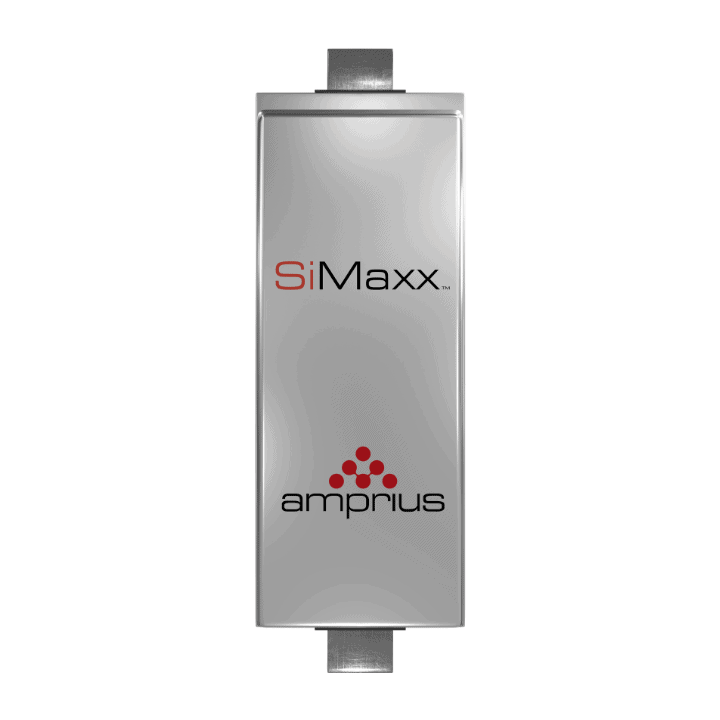
High-Energy-Density Lithium Cells: Developments in silicon-anode lithium-ion cells and other cell technologies aim to increase stored energy without proportional increases in battery weight. Heavy-lift applications also require sufficient discharge capability to support high electrical loads.
High-Voltage Battery Architectures: Higher-voltage battery systems are already used in heavy-lift UAVs. Ongoing improvements in pack design and electrical integration seek to reduce current requirements, resistive losses, and demands on power distribution components.
High-Power Fast Charging: Developments in high-current charging systems, compatible cells, and battery management aim to reduce turnaround times between missions while controlling cell temperatures, charging currents, and battery degradation.
Improved Thermal Management: Advances in cell packaging, conductive materials, cooling arrangements, and temperature monitoring help manage heat during sustained high-current discharge and rapid charging.
These developments are particularly relevant to heavy-lift UAV operations where payload capacity, flight endurance, and rapid mission turnaround must be balanced against battery mass and electrical power requirements.
The latest unmanned systems news, straight to your inbox.
Get our weekly roundup of technology developments, new products and industry news.
THANK YOU FOR SIGNING UP
Thanks for joining us. Check your inbox.
We've sent you an email. Click the confirmation link to complete your subscription to the weekly eBrief. In the meantime, explore the latest news, suppliers and technologies on UST.
Advancing Unmanned Systems Through Strategic Collaboration
UST works with major OEMs to foster collaboration and increase engagement with SMEs, to accelerate innovation and drive unmanned systems capabilities forward.